
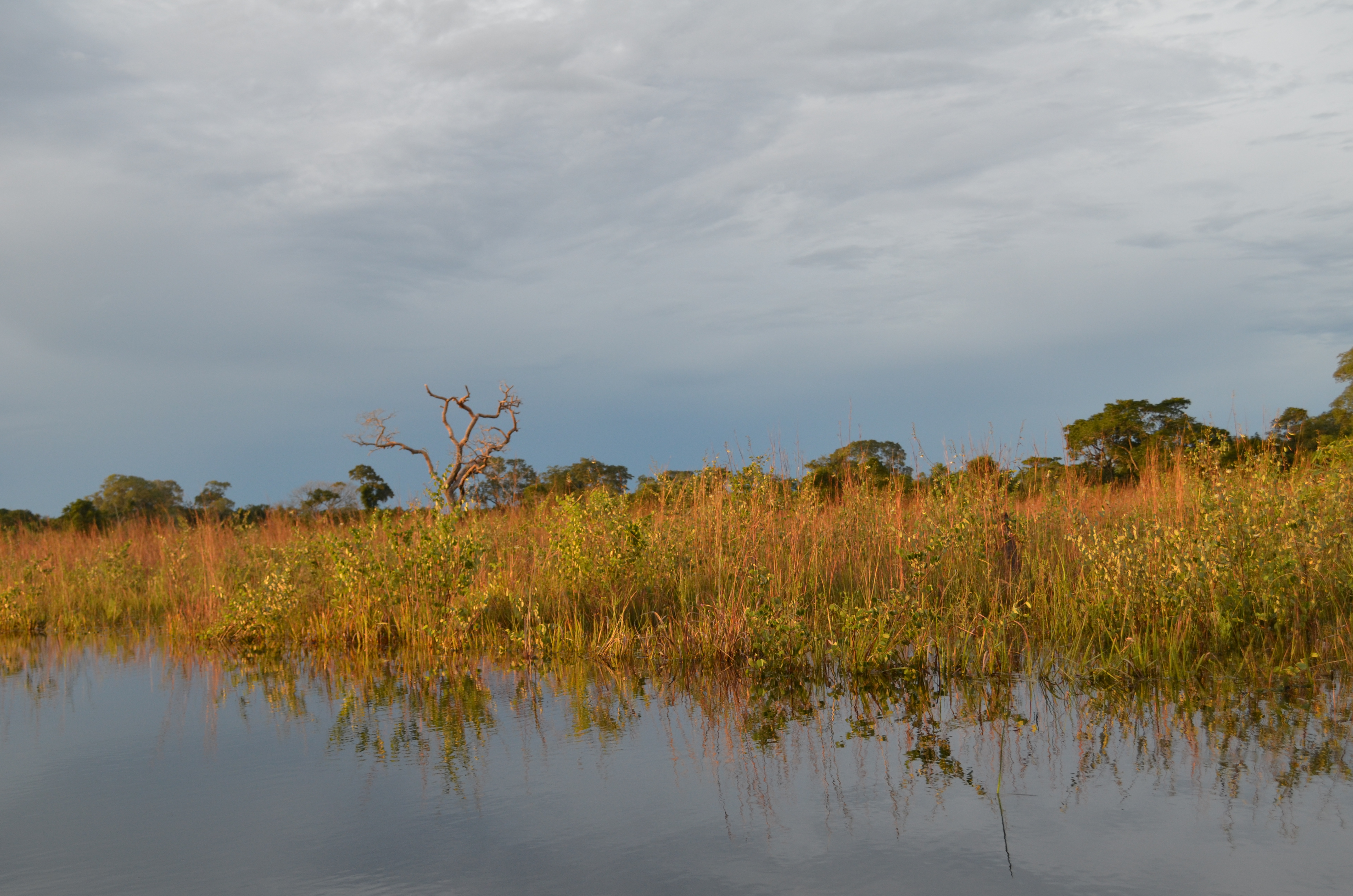
Pantanal is a stunning natural wonder and one of the world’s largest tropical wetlands. It spans across the Brazilian states of Mato Grosso and Mato Grosso do Sul, as well as parts of Bolivia and Paraguay. The Pantanal features a diverse landscape of marshes, lagoons, and floodplains that attract nature enthusiasts and wildlife lovers from all over the world.

Most of the travellers choose a guided and organised tour to visit the place. It’s a good option but also a bit crowded and expensive. As this is also a perfect place for those who love solitude, peace and quiet, it can be interesting to organise a self guided trip like we did. We browsed the internet, looked for the pousadas and car rentals and we opted to book with a traditional Fazenda/Pousada “Rio Clarinho” in the middle of the Pantanal. Great decision, saved us a ton of money and we still got tours within the property. This requires speaking some basic Portuguese as the owners of the posadas generally don’t speak any English but remember, you can use google translate or any other language app to communicate so don’t get discouraged. If you would like to book or have more info don’t hesitate! https://www.pousadarioclarinho.com.br/

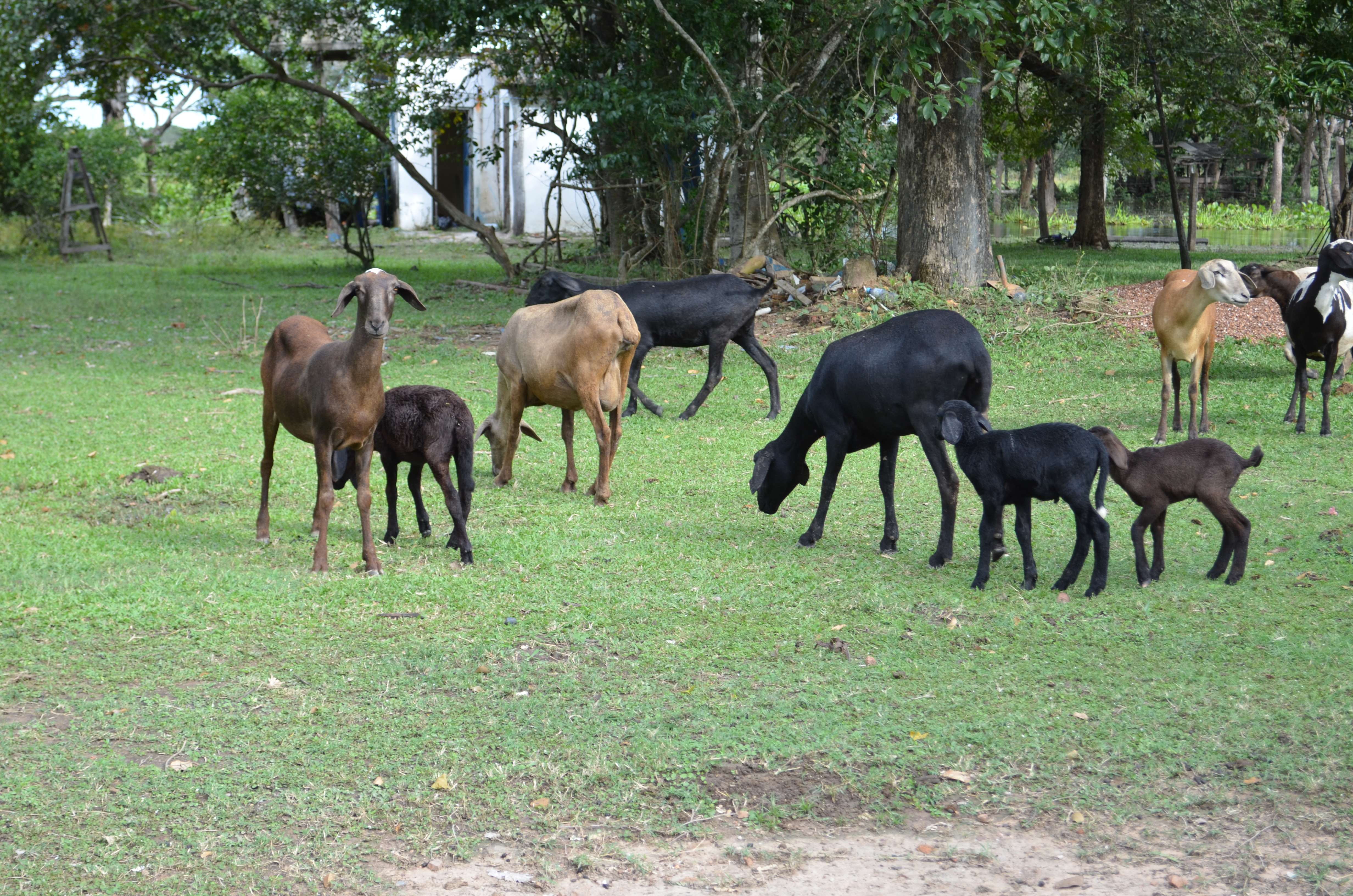
I advice you to stay more than one night here or even a week if you are a fan of peaceful and quiet nature. We stayed 5 days in this place and each day we did something within its territory (the whole Pantanal is divided between many private properities!)

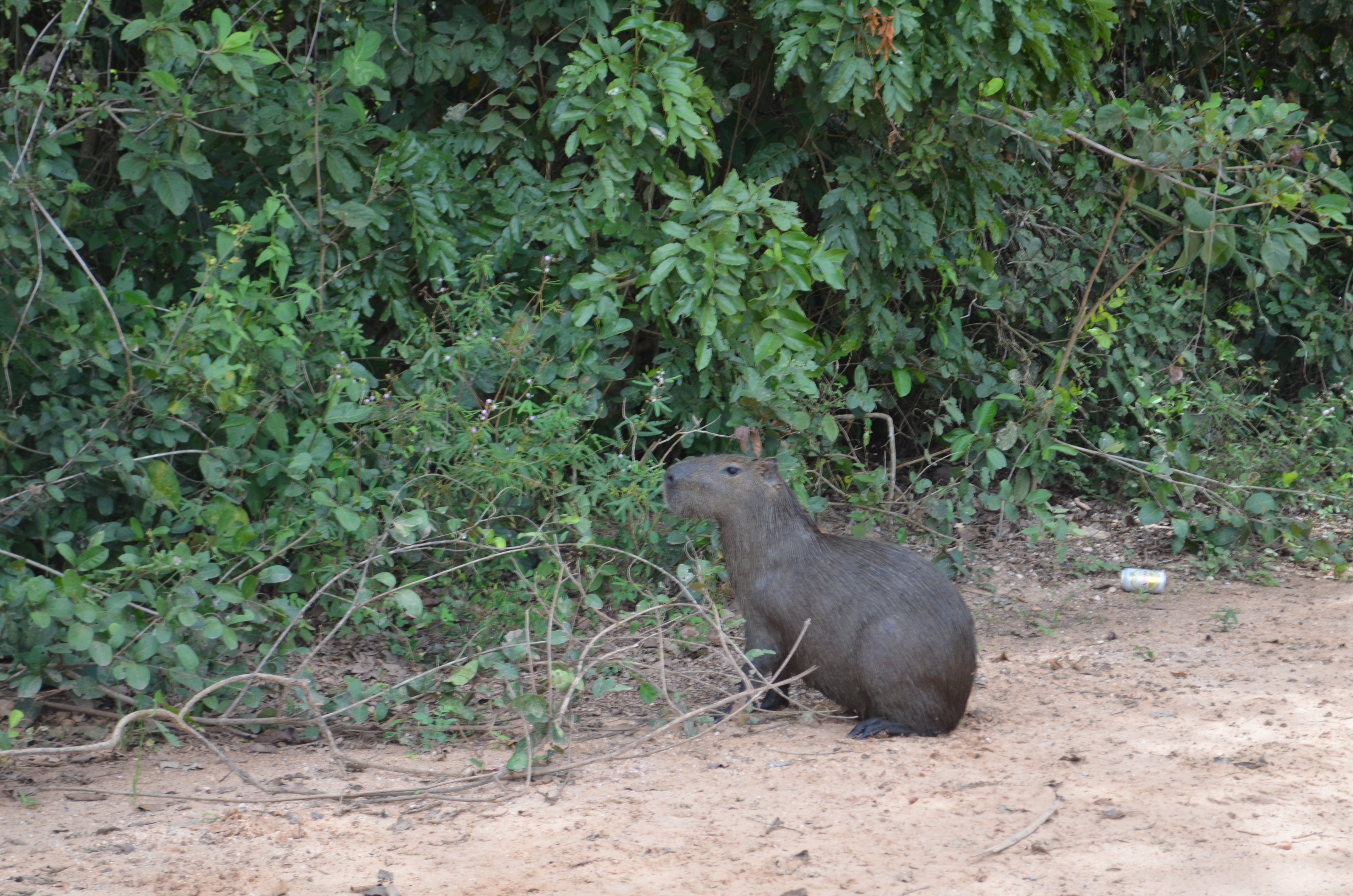
One day we headed out on a paddle boat with Luis, our guide. A cheerful fellow that had quite a talent for spotting animals we could not even imagine that were there. Monkeys, birds, birds and more birds, nothing escaped him. We gradually worked our way throught the thick water plants and did a circuit along the clarinho river. He took us to an amazing observation platform that the owner built around and above a gigantic tree. The platform grants a spectacular 360 view of the property. The Pantanal is unique, the flatland floods over completely during the rainy season and dries out to look almost like the savannah in the dry season. Fish, Birds, Jaguar, Puma, Deer, Capibara, Ant eaters, Monkeys, Jacaré (kind of Cayman) and many other animal species have thrived where hardly any men could. People who are born here and decide to stay commit to a very particular lifestyle because they live in complete isolation in a place where nature is so powerful and overwhelming that you wonder how one manages to even stay alive. It’s great to stay here for some days but would you be able to live here forever?

We also spent some time walking in the jungle and horse back riding. Again, spotting birds and monkeys everywhere. We didn’t manage to see the famous Pantanal jaguar, I guess it’s easier in the dry season. I would still advice you not to focus too much only on the safari aspect of Pantanal. I saw many people complain and review negatively the properties and tours if they do not spot the animals. Hay, it’s not really the guides fault. These are wild animals and you are not in the zoo but in open nature. Sometimes it’s just a matter of being lucky. Instead of thinking only about a nice insta picture of a cayman, just enjoy the beautiful untouched nature. The sunsets at the pantanal, the sunrise, the peace, the sound of the frogs and birds. It is absolutely an unforgettable immersive natural experience. In this hectic world it is difficult to find a place where you can truly soak in the wonders of the earth and truly relax.

Practical info:
How to get here?
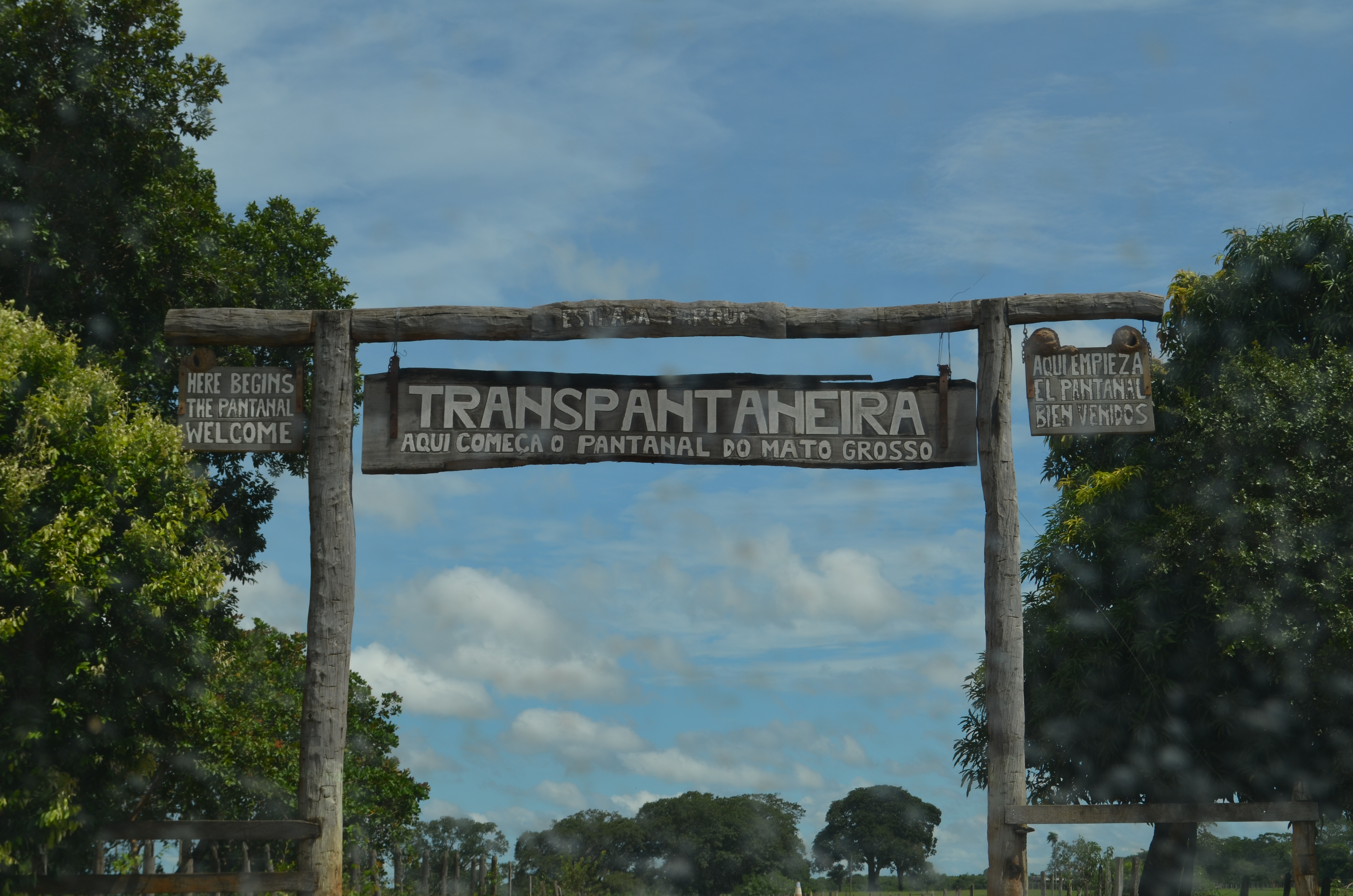
The nearest big city is Cuiaba; from here it takes around two hours to drive to the gates of the Pantanal in the peaceful town of Pucon. From Pucon to the gates of Pousada Rio Clarinho it’s 45 minutes on the unpaved surface of “transpantaneira”. The road can be heavy flooded during the rainy season but luckily it was not our experience. You generally don’t need a 4X4 vehicle but it’s worth checking the road conditions with the owner of the place where you booked the accommodation.
Best time to visit?
Dry season (April to September) if you want to have almost a guarantee to spot the animals. September is considered the best month of all.
Rainy season (October to March) if you prefer to avoid crowds. You will still see many animals and enjoy the beauty of the landscape.
 Nomadlytics
Leave a comment