
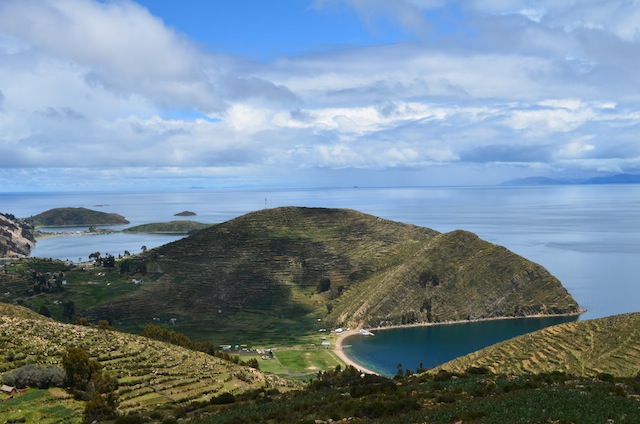
High in the Andes Mountains, straddling the border between Bolivia and Peru, let me introduce to you the magnificent Lake Titicaca. Revered by ancient civilizations and cherished by modern-day travelers, Lake Titicaca, a natural wonder, captivates the imagination with its shimmering waters, sacred islands, and rich cultural heritage. It is the largest lake in South America by volume and the highest navigable lake in the world, sitting at an elevation of over 3,800 meters above sea level. Its crystalline waters stretch across an expanse of approximately 8,372 square kilometers, surrounded by snow-capped peaks, Andean plateaus, and fertile valleys. The lake’s deep blue hues and ever-changing reflections mesmerize visitors, offering a sense of tranquility and awe-inspiring beauty. Across this lake we find different islands, each with its own unique charm and significance.

Among the most renowned are the floating Uros Islands, where indigenous communities have lived for centuries on artificial islands made of totora reeds. These islands offer a glimpse into traditional Andean culture and craftsmanship, with residents practicing age-old customs and techniques passed down through generations. A bit touristy but still worth seeing.
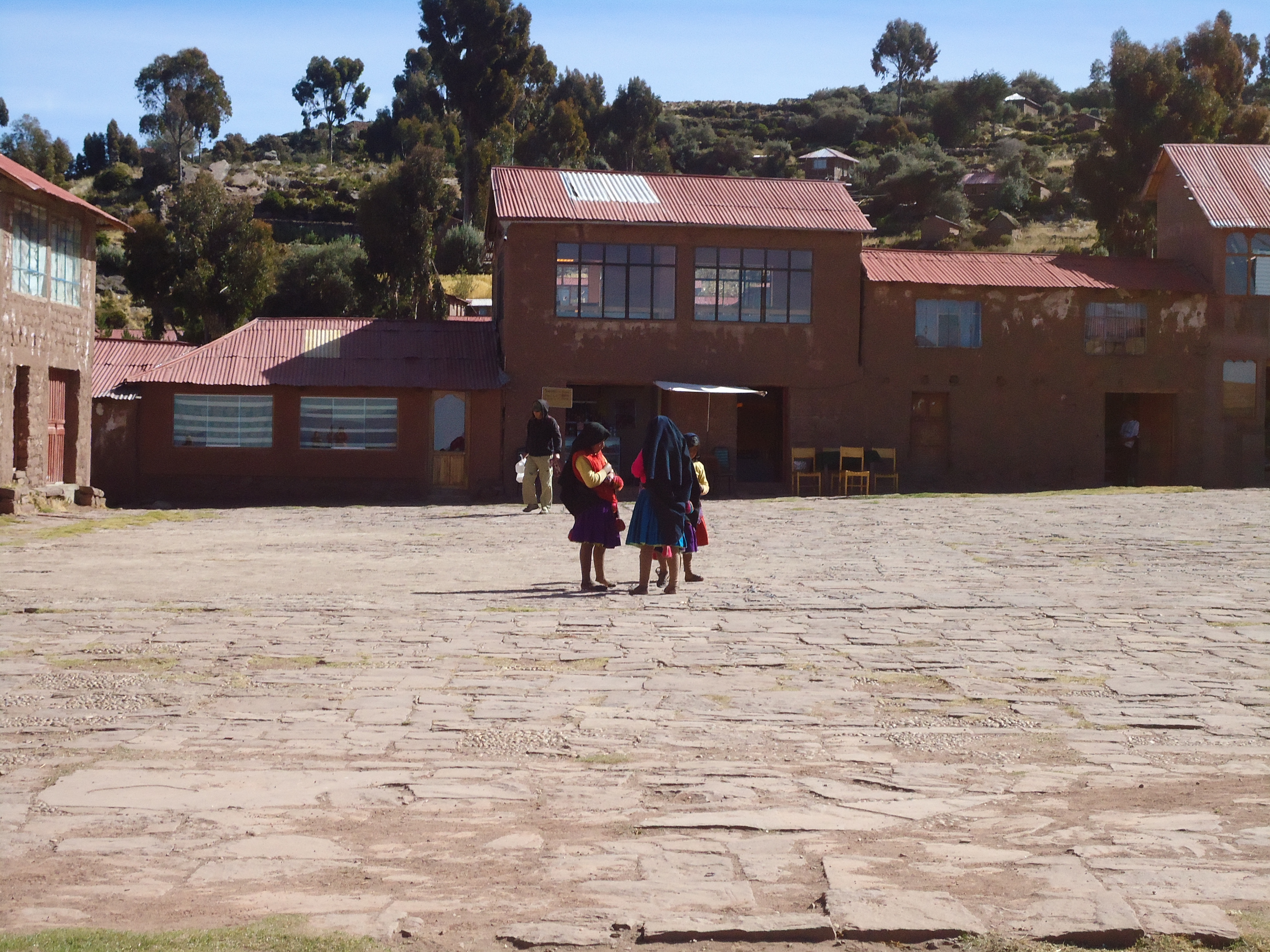

The Taquile Island is another gem of Lake Titicaca, known for its vibrant textile traditions and terraced landscapes. It’s the biggest island of the lake. The indigenous Quechua-speaking inhabitants of Taquile are renowned for their intricately woven textiles, which are UNESCO recognized as Masterpieces of the Oral and Intangible Heritage of Humanity. Easy to explore, the island offers picturesque villages perfect fro your insta pictures. Don’t miss out on interacting with local artisans and on visiting the beach.
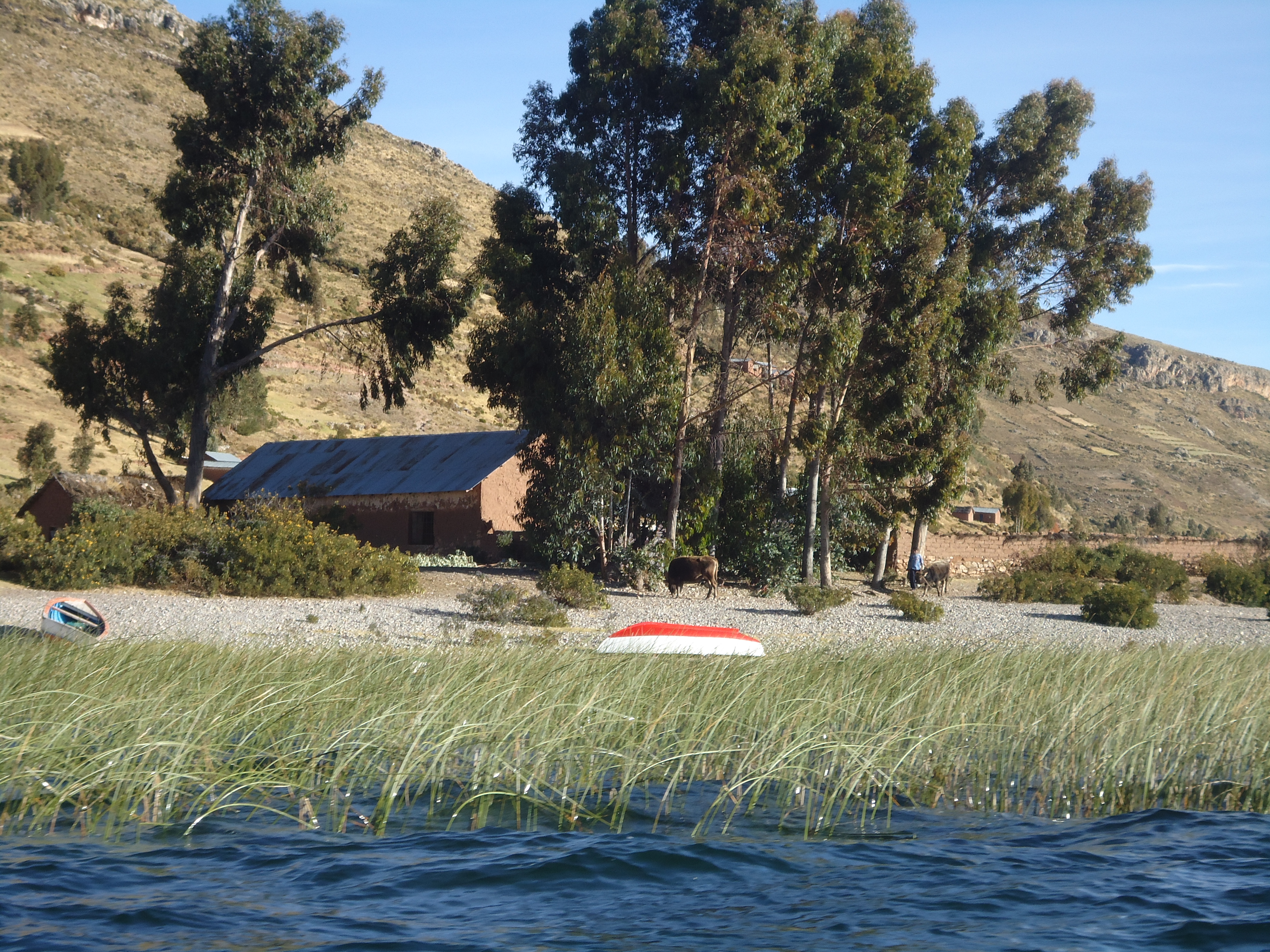
The Amantani Island is full of mystical energy and ancient temples. Home to indigenous Quechua and Aymara communities, Amantani offers visitors the opportunity to experience traditional Andean hospitality through homestay accommodations. Travelers can participate in cultural exchanges, share meals with local families, and partake in ceremonies honoring the lake’s sacred spirits.
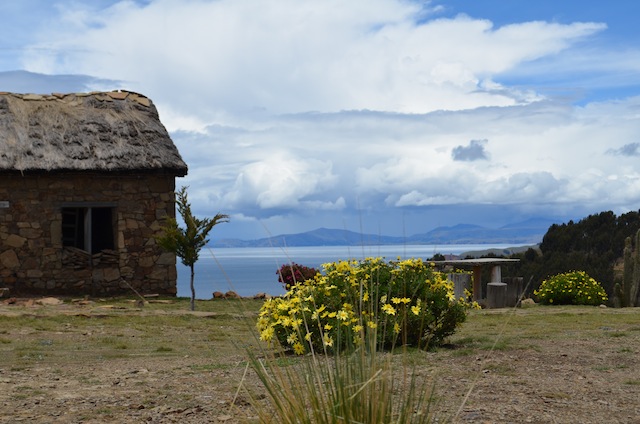

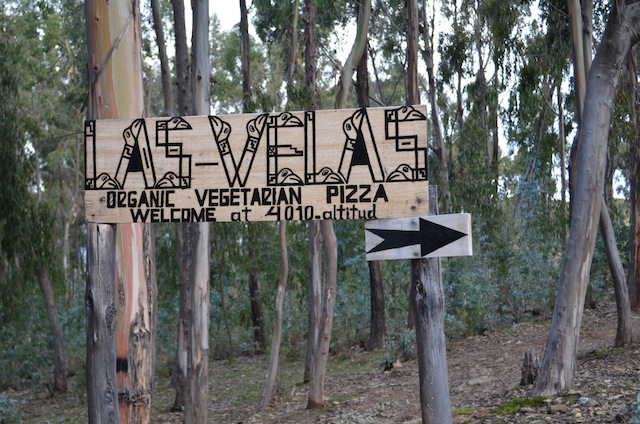
We visited the three islands mentioned above but my favourite was Isla del Sol; the less touristy one. According to Andean mythology, Isla del Sol is believed to be the birthplace of the sun god Inti, who is revered as the supreme deity in Inca religion. Legend has it that Inti emerged from the depths of Lake Titicaca and ascended to the heavens, bringing light and warmth to the world. Isla del Sol holds a sacred significance as a place of divine creation and spiritual enlightenment, attracting pilgrims and seekers from far and wide. Isla del Sol enchants with its rugged terrain, terraced hillsides, and panoramic views of Lake Titicaca and the surrounding Andean mountains. The island’s pristine beaches, crystal-clear waters, and tranquil coves offer opportunities for swimming, kayaking, and relaxation amid stunning natural scenery. Plus hiking trails, not for everyone as the altitude literally leaves you with no breath here. We arrived to the Isla Del Sol from Copacabana (not the beach in Rio but a small and charming Bolivian town just on the shores of Titicaca lake and the main gateway to the Isla del Sol). Mean of transportation: ferry of course. Stunning rock formations dot the green terraces around the lake and Eucalyptus forests now took over from the local flora and cover parts of the landscape. The incaic and pre-incaic agricultural terraces decorate create pleasant sinous lines that relax the eye. You reach the island and are welcomed by locals, nine year old ones that peddle their accommodation. They are not too insistant and they soon surrender to the fact that travellers want to look for their own place or have one already. Before entering the island, you have to pay an entrance fee to a local man: the fee goes towards community development and maintenance of the island. When you arrive to the main port of Yumani on the Center-South side of the Island of the Sun you are greeted by an infinite stairway that goes by the mythical name of Stairway of the Inca. In order to exlpore the island there is only one way to go from Yumani: up. If you are not used to the high altitudes, just slow down and take it easy while you admire the scenery. The Island’s highest peak is at just over 4000m. There are no motor vehicles on the island, donkeys and llama are the local transportation. The local population is predominantly Aymara with some later settlers from other parts of the world relocating to the island to try and exploit the tourist boom. I was surprised with the local infrastructure, there was electricity and the accommodation looked and was in fact better than that of mainland Copacabana.We opted to stay in a cute cabana at the top of the Inca Stairway, just before the village center of Yumani. The cabana had a million dollar views of the lake and cost around 15 USD, half the price of what we had paid for a mediocre and freezing cold room in Copacabana the night before. The climate here can get intense. There is a dry season and a wet season. The dry season is slightly colder being during the Southern hemisphere winter. The wet season is between December and March. During the morning it is sunny and beautiful. The sky feels so close, you feel like it merges with the sea in an orgy of dark and light blues and you swear that you could almost touch it in all its glory. The sun is scorching hot and will burn the skin right off you if you don’t pay attention. By ten-eleven a.m. it is almost t-shirt weather. It’s great to have a swim in the lake which is not cold at all. At midday if your lungs didn’t implode due to the lack of oxygen you can sample some of the local cuisine: steamed trout, grilled trout, fried trout and quinoa soup. Mate de coca is sorely needed to get yourself back into gear. We hiked different paths here and all of them are stunning with magnificent views of the lake, island and the mountains. You pass cholitas or señoras de pollera, as urbanized Bolivians call them, local women dressed in the traditional garb. A thick layer of colorful skirts worn one on top of the other makes these largish women look positively huge. They also wear something which resembles a blazer and a gay multicolored sash above it.Their hair is rigorously done up in a plait/braid and to top it off they wear a bowler hat which looks positively out of place. Apparently this was introduced by British railway workers in the 1920s and is now considered part of the local traditional womenswear.The whole outfit is really sophisticated and must take ages to prepare and even just to put it on.
Words and pictures don’t do these islands justice and even if the sky does -and it often does- open up in the late afternoon and tries to drown you, you won’t be disappointed.
Practical info:
How to get here: The main hubs for visiting the lake and the islands are Puno (on the Peruvian side) and Copacabana in Bolivia. It’s a 5 hours drive between these two towns and a bus service is available. Copacabana is 5 hours away from La Paz (the Bolivian capital) and Puno is just 6-8 hours away from Cusco.
Ferries to the island from Copacabana:
There are two daily ferries from Copacabana to Isla del Sol: 8.30 am and 1.30 pm. I advice to sleep at least one or two nights on the island but it is possible to do this trip in one day as there are there ferries coming back to Copacabana in the afternoon.
Ferries from Puno:
a public boat service to Taquile Island that leaves at 7.00 am in the morning and takes 3 hours. The same boat comes back to Puno in the afternoon and stops at the Urus Island (which to be honest can be well seen without actually getting off the boat).
Organised tourist fast boat: takes 1 hour to get to Taquile Island. Multiple tour operators offers all kind of trips to the islands. Below links to some of the local tour operators.
https://coclatours.com/puno_y_uros_taquile_amantani.html
https://www.titicaca.cruises/es/lancha-veloz-lago-titicaca/isla-amantani-taquile-en-lancha-veloz-02-dias/
https://www.civitatis.com/es/puno/islas-uros-taquile-amantani-2-dias/
Private small boat services: you can find them in Puno and arrange transportation between Puno, Amantani Island and Taquile Island.
Accommodation: no issues to find all sorts of accommodation. You can easily arrive to Puno, Copacabana and the islands without a booked room and find it while you are there. If you prefer to book, I advice you to check the offers not only on the usual booking.com and airbnb but also on www.vaolo.com and https://www.vrbo.com/ Below some suggestions:
Amantani Island lodges:
https://vaolo.com/es/lodges/amantani-lodge/
https://vaolo.com/en/lodges/isla-amantani-pachamama-wasi/
Local community offers the accommodation to tourists in Isla del Sol in Bolivia:
https://www.minube.com/donde_dormir/bolivia/la_paz/comunidad_yumani
Local accommodation on Taquile Island
https://taquilehospedaje.com/
Remote work: only offline as the internet connection is not reliable
 Nomadlytics
Leave a comment