
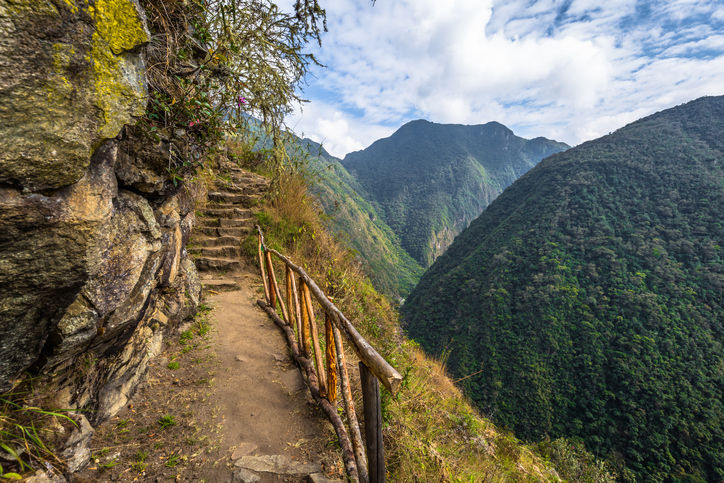
Embarking on the legendary Inca Trail hike to Machu Picchu is a bucket-list adventure that promises breathtaking scenery, rich history, and unparalleled cultural experiences. This ancient trail, traversing the rugged Andean terrain, offers a magnificent journey to the heart of the Inca Empire. In this guide, I will do my best to provide all the information you need to plan and prepare for your unforgettable trek along the Inca Trail to Machu Picchu.
The Inca Trail is a network of ancient footpaths that wind through the Andes Mountains, connecting the city of Cusco to the sacred citadel of Machu Picchu. The most popular and the original route is the Classic Inca Trail, a four-day trek that covers approximately 43 kilometres (26 miles) of breathtaking landscapes, including mountain passes, cloud forests, and Inca ruins. Access to the Inca Trail is strictly regulated, and all trekkers must obtain permits in advance to embark on the journey. Permits are limited to protect the trail and preserve its cultural and environmental significance. It’s essential to book your permit several months in advance, especially if you plan to trek during the peak season from May to September. Permits and guided tours can only be purchased through authorized tour operators. It is not possible to hike the Inca Trail independently. The tours typically include experienced guides, porters to carry equipment and supplies, camping gear, meals, and transportation to and from Cusco. When selecting a tour operator, consider factors such as reputation, safety record, group size, and level of service. Once again: Inca Trail Permits are very hard to get! Since 2004, the number of Inca Trail Permits is limited to 500 people per day: 200 for hikers and 300 for staff. So if you want to hike the Inca Trail, the key is booking well in advance For the busy season (May-August), book between 6 – 8 months in advance to be guaranteed a place on the date that you wish to do the hike. Inca Trail permits are sold on a first-come, first-served basis and the sale for the upcoming year starts in October. Once all spaces are booked, NO tour operator or trekking guide in Cusco can still offer permits for the Inca Trail. Even for the low season, I advice you to book as far in advance as possible; even 5 months ahead. Moreover, the Inca Trail is closed in February of each year for maintenance.
Let’s talk about the preparation. The Inca Trail hike is a challenging endeavor that requires physical fitness, mental resilience, and proper preparation. Don’t even think about it if you are not prepared for a demanding hike on a high altitude. It’s essential to train for the trek by engaging in regular cardiovascular exercise, strength training, and hiking on uneven terrain. Additionally, acclimatization to the altitude is crucial, as the trail reaches elevations of over 4000 meters (13,000 feet) above sea level. Spending a few days (I would say one week) in Cusco or the Sacred Valley before the trek can help mitigate altitude-related symptoms. It’s a 4 day trek so you need a backpack along the way. Packing light is key to a successful Inca Trail hike. It’s true that the tours offers the service of porters but they do have weight limits for carrying gear. Here is the list of essential items to pack:
- High-quality hiking boots
- Moisture-wicking clothing layers
- Warm jacket and rain gear
- Sleeping bag and sleeping pad
- Headlamp or flashlight
- Sunscreen, sunglasses, and hat
- Insect repellent and personal toiletries
- Reusable water bottle and water purification tablets
- Snacks and energy-boosting food
The Classic Inca Trail trek typically follows a four-day itinerary, with each day presenting unique challenges and highlights:
Day 1: Start at the trailhead in the Sacred Valley and hike to the first campsite at Huayllabamba.
Day 2: Ascend to the highest point of the trek, Warmiwañusca Pass (Dead Woman’s Pass), before descending to the campsite at Pacaymayo.
Day 3: Trek through cloud forests and visit archaeological sites such as Runkurakay and Sayacmarca before reaching the campsite at Wiñay Wayna.
Day 4: Rise early to hike to Inti Punku (Sun Gate) and witness the sunrise over Machu Picchu before exploring the citadel with a guided tour.
Many tour operators offers a reduced inks trail: a version of 2 days or even 1 day hike. Well, to be honest I would not call those trips inks trail but they are good options ion you don’t feel fit enough for the 4 days hike in the nature. The 2 day trip usually starts at km 104 and after the first day of hike the groups are transported by bus to Aguas Clientes where they sleep in a hotel. On the second day the groups either hike up to Machu Pichu or get bused there and visit the ruins with a guide. The one day trips sold as ink trails are simply tours of Machu Pichu ruins. In my very personal opinion they should not be called ink trails. I guess most of the people know that the real and an authentic ink trail is the 4 day trek in the nature, no shortcuts, no busses no comfy beds and that is why it’s so challenging and beautiful.
Last but not leat I would like to remember you that respecting the cultural and environmental significance of the Inca Trail is essential for sustainable tourism and preservation efforts. You should adhere to Leave No Trace principles, avoid littering or damaging archaeological sites, and respect local customs and traditions. Additionally, supporting responsible tour operators and local communities contributes to the conservation of the trail and its surrounding areas. Here below you find a couple of suggested tour operators.
https://www.incatrail-peru.com/contact
https://www.inkatrailexplorer.com/inca-trail-machu-picchu/classic-inca-trail-4-days/
The Inca Trail hike to Machu Picchu is an extraordinary adventure that combines physical challenge, cultural immersion, and natural beauty. By planning ahead, training appropriately, and embracing the spirit of adventure, you can embark on a transformative journey through the Andean wilderness, following in the footsteps of the ancient Incas to discover the legendary citadel of Machu Picchu in all its splendor.
 Nomadlytics
Leave a comment