

The Sacred Valley is definitely a must see place in Peru. If you are visiting Perù as a tourist or if you are living here linger as an expat you definetely have to schedule a trip to this truly magical place. The gate to Sacred Valley is Cusco and there are few daily direct flights from Lima and of course some overnight busses so getting here is not a problem at all. There are multiple ways of visiting this place. My favourite is by trekking but I am sure that mountain biking or horse back riding will also offer you the unforgettable experience. Renowned for its picturesque landscapes, ancient ruins, and vibrant indigenous communities, the Sacred Valley offers a glimpse into the heart of the Inca Empire and the legacy of its remarkable civilization. The Valley stretches along the Urubamba River, between the city of Cusco and the iconic citadel of Machu Picchu. Its fertile terraced fields, snow-capped peaks, and meandering rivers create a breathtaking backdrop for exploration and adventure. The Sacred Valley is dotted with ancient Inca ruins, temples, and agricultural terraces, each bearing witness to the ingenuity and engineering prowess of the Inca civilization. You can find all the information you need on the dedicated website https://www.peru.travel/en/attractions/sacred-valley#what-to-do
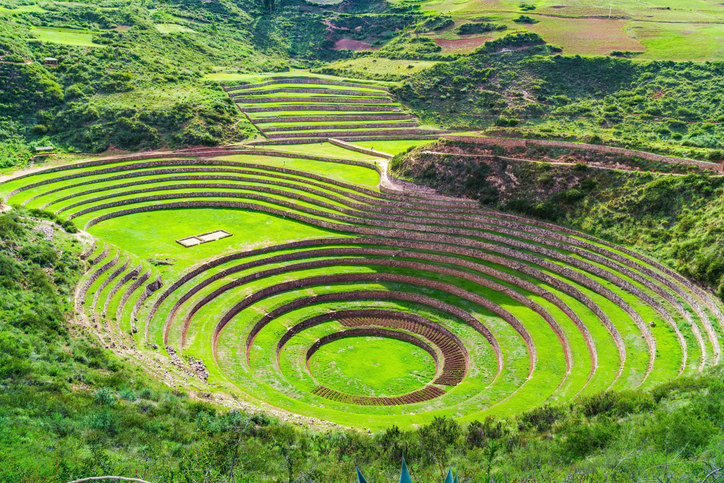
The most important archaeological sites are:
- Pisac: Known for its impressive terraced hillsides and hilltop citadel. From here you will enjoy the stunning views of the valley below. Don’t miss the indigenous market where artisans sell traditional crafts and textiles!
- Ollantaytambo: This well-preserved Inca town features massive stone walls, ceremonial temples, and intricate stone carvings. Ollantaytambo also serves as a starting point for the Inca Trail to Machu Picchu. More about the trail here:
- Moray: The enigmatic circular terraces of Moray served as an agricultural laboratory for the Incas, where they experimented with different microclimates and crop varieties.
- Chinchero: Known for its traditional Andean textiles and ancient agricultural terraces. You cannot miss if if you are interested in the traditional Andean culture and craftsmanship.

As mentioned before The Sacred Valley offers a wide range of outdoor activities, including trekking, mountain biking, white-water rafting, and zip-lining. The hiking trails lead to hidden waterfalls, remote Andean villages, and panoramic viewpoints overlooking the valley below. One of the most captivating and popular trails is the hike to the ancient ruins of Pisac, a journey that combines breathtaking scenery with rich cultural heritage. It is considered a moderate trail but remember that you are in the Andes and the altitude leaves you breathless. The trail begins in the charming village of Pisac, located at the eastern end of the Sacred Valley. As you set out from the village, you’ll follow a winding path that ascends gently through terraced hillsides and agricultural fields, offering panoramic views of the valley below. Along the way, you’ll pass by traditional adobe houses, grazing llamas, and friendly locals going about their daily activities. The trail is lined with vibrant wildflowers, gnarled trees, and ancient Inca irrigation channels, adding to the sense of tranquility and natural beauty. As you continue hiking, the trail gradually climbs higher into the mountains, eventually reaching the entrance to the Pisac archaeological site. Here, you’ll purchase your entrance ticket and begin the ascent to the hilltop citadel, where the ruins are perched dramatically on a ridge overlooking the valley. The hike to the Pisac ruins is both challenging and rewarding, with steep stone staircases and narrow pathways leading to the summit. Along the way, you’ll encounter ancient Inca structures, including ceremonial plazas, temples, and residential areas, each offering glimpses into the lives of the people who once inhabited this sacred site. At the top of the hill, you’ll be rewarded with breathtaking panoramic views of the surrounding mountains, valleys, and the Urubamba River below. From this vantage point, you can see the intricate agricultural terraces that cascade down the mountainside, a testament to the Inca’s mastery of landscape architecture. After exploring the ruins and soaking in the awe-inspiring vistas, you’ll descend back down the trail to Pisac village, where you can relax and unwind in one of the local cafes or artisan markets. Along the way, you may encounter herds of llamas grazing in the fields or local vendors selling handmade crafts and textiles. If you prefer an alternative way to reach the ruins you can start in the small village of Amaru. Once you are in the National Park you can basically follow your own trek and stay as long as you want admiring the ruins. The trail I described is approximately 5 km long and it takes roughly 3 hours to complete it. If you are looking for a less crowded and less popular option that will allow you to enjoy the ruins from a different perspective this trek could be a better choice for you https://www.alltrails.com/trail/peru/cusco/pisaq-ruins-via-challwacasa-pass
It is basically up to you to hike alone, in a group or with an organised tour. All options are allowed. The trails in the National Park are relatively well organised and you probably won’t get lost. However if you are planning a bit of less touristy trekking it’s is probably better to enrol for and organised adventure. If you go alone, make sure to have the offline maps with you and keep in mind that sometimes less popular trails are not maintained so shortly speaking they are full of vegetation. I you are looking for an organized trip I can recommend kimkim personalised travel
https://www.kimkim.com/c/best-day-hikes-in-the-sacred-valley
Whatever is your way of visiting the place, remember to stay well hydrated, bring your sun cap and sunglasses but also some thermal cloths as the nights can be chilly. The best timeto visit the region is between May and September. Hiking in the Sacred Valley is also one of best possibly ways to acclimatise to the Andean altitudes before visiting Macchu Pichu.
 Nomadlytics
You must be logged in to post a comment.