
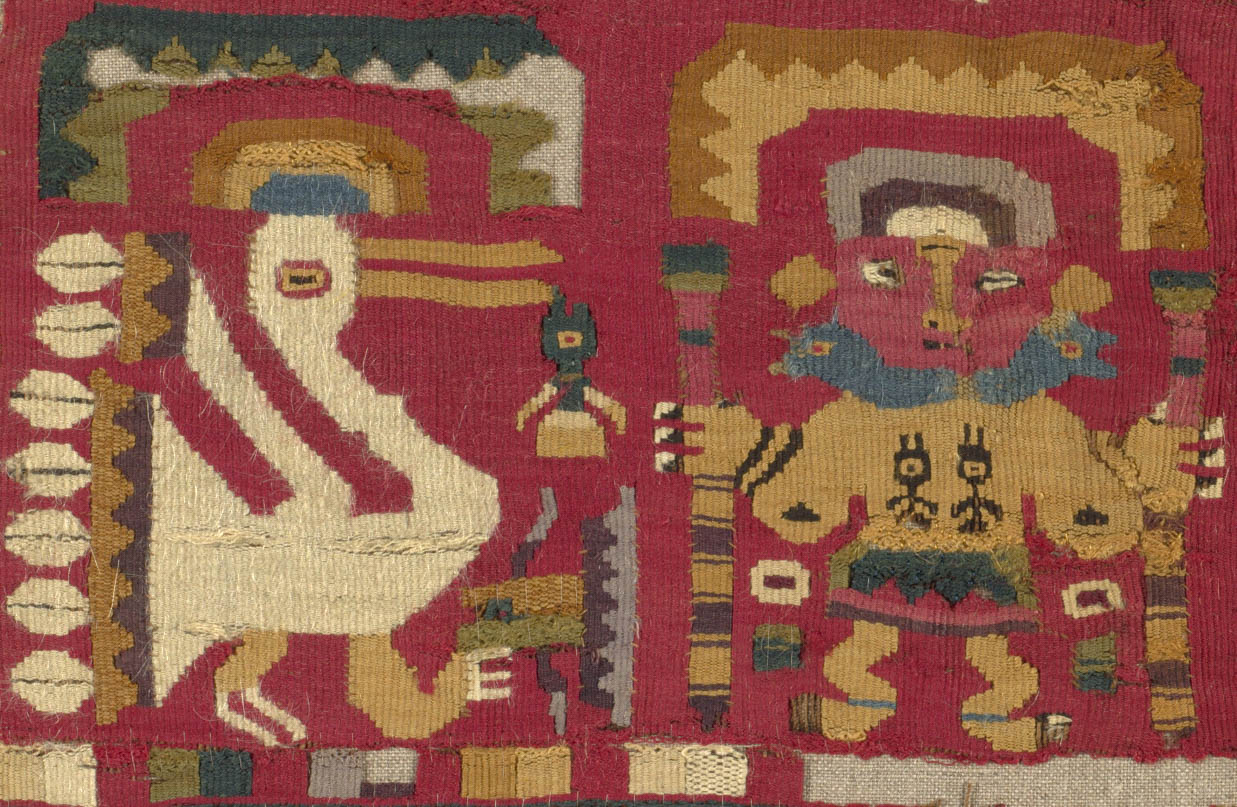
Developed along the northern coast of Peru, the Lambayeque culture, also known as the Sicán culture, is a testament to the rich and intricate history of pre-Columbian civilizations. Flourishing between approximately 750 and 1375 AD, this culture left behind a remarkable legacy through its architectural feats, exquisite metallurgy, and complex social structures. In this post I will try to give you a glimpse of the origins, achievements, and lasting impact of the Lambayeque culture, providing you with a comprehensive look at one of Peru’s most fascinating ancient societies.
Origins and Historical Context
The Lambayeque culture emerged following the decline of the Moche civilization around 750 AD. The region, characterized by fertile valleys and abundant water sources, was ideal for sustaining a thriving society. The Lambayeque people inherited and built upon the Moche’s artistic traditions, engineering prowess, and agricultural innovations, creating a unique culture that would leave a lasting mark on northern Peru.
Society and Governance
Social Structure
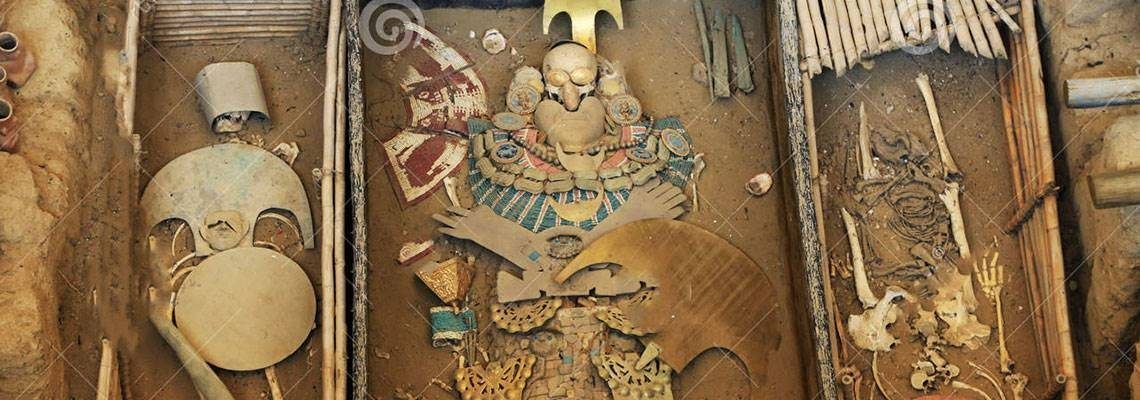
The Lambayeque society was hierarchical, with a ruling elite that included priests and warriors at the top, followed by artisans, farmers, and laborers. The elite controlled the wealth and resources, overseeing complex irrigation systems and engaging in long-distance trade. This stratified social order was reflected in their monumental architecture and elaborate burials.
Political Organization
The Lambayeque civilization was organized into city-states, each governed by a lord. These city-states were interconnected through trade and political alliances. The rulers wielded significant religious and political power, often depicted in art as divine or semi-divine figures. The capital city of this civilization was probably located at Batán Grande, a site with numerous monumental structures and significant archaeological findings.
Achievements in Art and Architecture
Monumental Architecture
One of the most impressive aspects of the Lambayeque culture is its monumental architecture. The civilization constructed massive adobe pyramids, known as huacas, which served as ceremonial and administrative centers. Notable examples include:
- Huaca Loro: Located in the Batán Grande complex, this pyramid is renowned for its size and the wealth of artifacts found within.
- Huaca Las Ventanas: Another significant pyramid in Batán Grande, featuring elaborate murals and intricate reliefs.
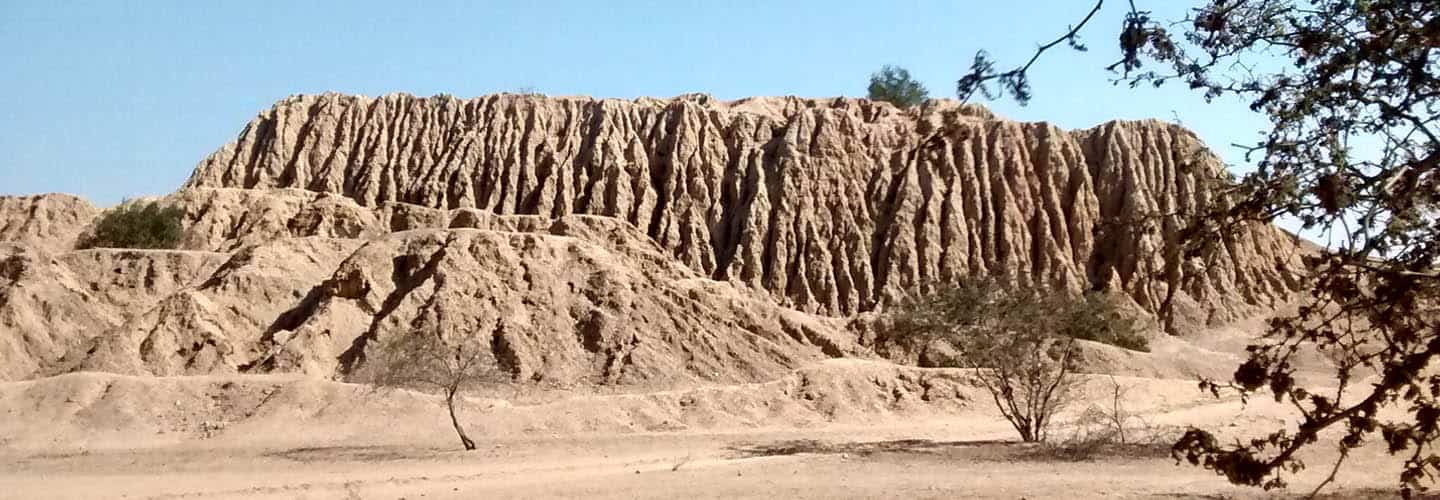
These structures were often decorated with elaborate friezes and carvings depicting deities, mythological scenes, and daily life, showcasing the Lambayeque’s artistic sophistication.
Metallurgy
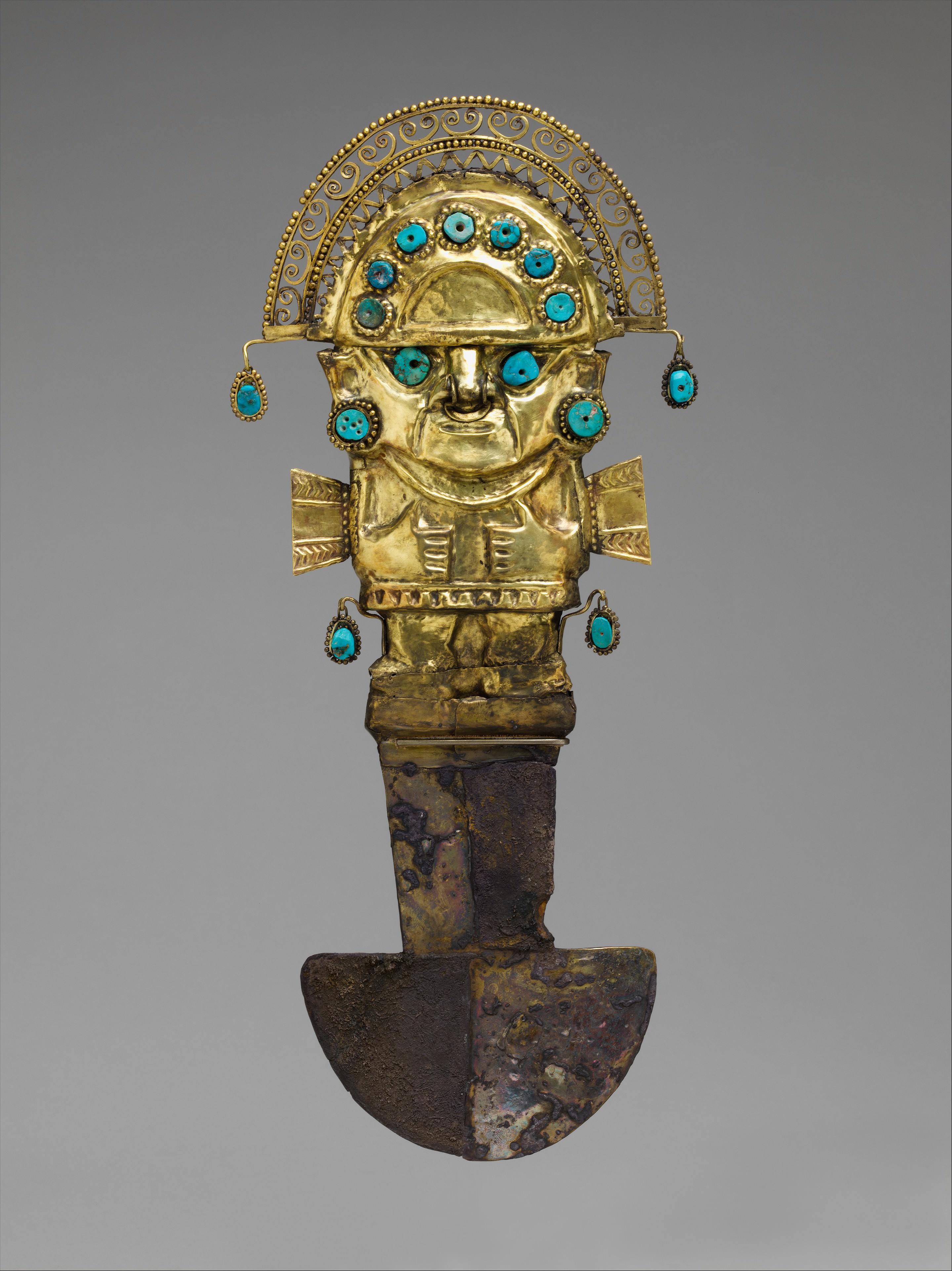
The Lambayeque culture is particularly famous for its advanced metallurgy. They mastered the art of alloying and casting metals, producing exquisite gold, silver, and copper artifacts. The most iconic of these are the ceremonial tumi knives, which were used in religious rituals. These knives often feature anthropomorphic figures with elaborate headdresses, symbolizing the high status and divine nature of their rulers.
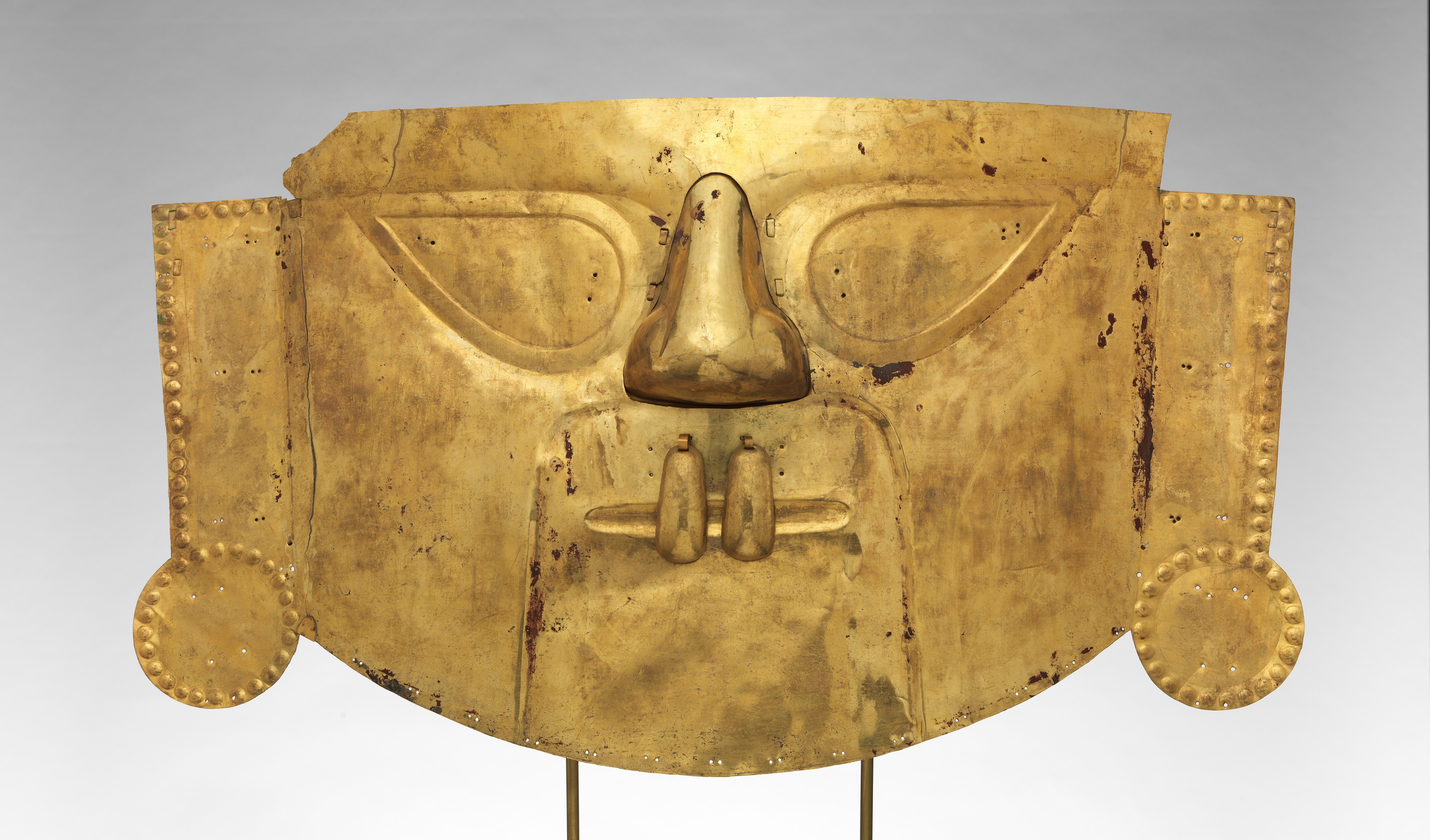
Other notable metallurgical achievements include:
- Funerary Masks: Crafted from gold and silver, these masks adorned the faces of high-status individuals in burial sites.
- Jewelry: Intricately designed necklaces, earrings, and bracelets made from precious metals and semi-precious stones.
Ceramics
Lambayeque ceramics are distinguished by their fine craftsmanship and distinct style. Pottery from this culture often features stirrup spouts and detailed representations of deities, animals, and everyday activities. The use of molds allowed for mass production of these ceramics, indicating a high level of organization and skilled labor.
Religion and Mythology
Religion played a central role in Lambayeque society, influencing their art, architecture, and daily life. The Lambayeque pantheon included a range of deities, each associated with natural elements and agricultural cycles. The most important god was Naylamp, the mythical founder of the Lambayeque dynasty.
Naylamp Legend
According to legend, Naylamp arrived by sea, leading a flotilla of rafts to the Lambayeque coast. He established the first dynasty and brought prosperity to the region. After his death, it was believed that he transformed into a bird and flew away. This legend reinforced the divine right of the ruling elite and was depicted in various forms of art, including murals and pottery.
Ritual Practices
Ritual practices were integral to maintaining social order and appeasing the gods. These included:
- Human Sacrifice: As with many ancient civilizations, the Lambayeque performed human sacrifices to ensure agricultural fertility and societal stability.
- Burials: The elite were buried with lavish offerings, including metalwork, ceramics, and textiles, indicating their high status and the belief in an afterlife.
Trade and Economy
The Lambayeque economy was diverse and robust, underpinned by agriculture, trade, and craft production.
Agriculture
The Lambayeque people developed sophisticated irrigation systems to support agriculture in the arid coastal region. These systems included canals and reservoirs, allowing them to cultivate crops such as maize, beans, and cotton. The surplus produced by these agricultural activities supported a growing population and facilitated trade.
Trade Networks
The Lambayeque engaged in extensive trade with neighboring cultures, including the Chimu to the south and various highland communities. They traded goods such as textiles, ceramics, and metal artifacts, spreading their influence and acquiring valuable resources. The discovery of Lambayeque-style artifacts in distant regions attests to the extent of their trade networks.
Craft Production
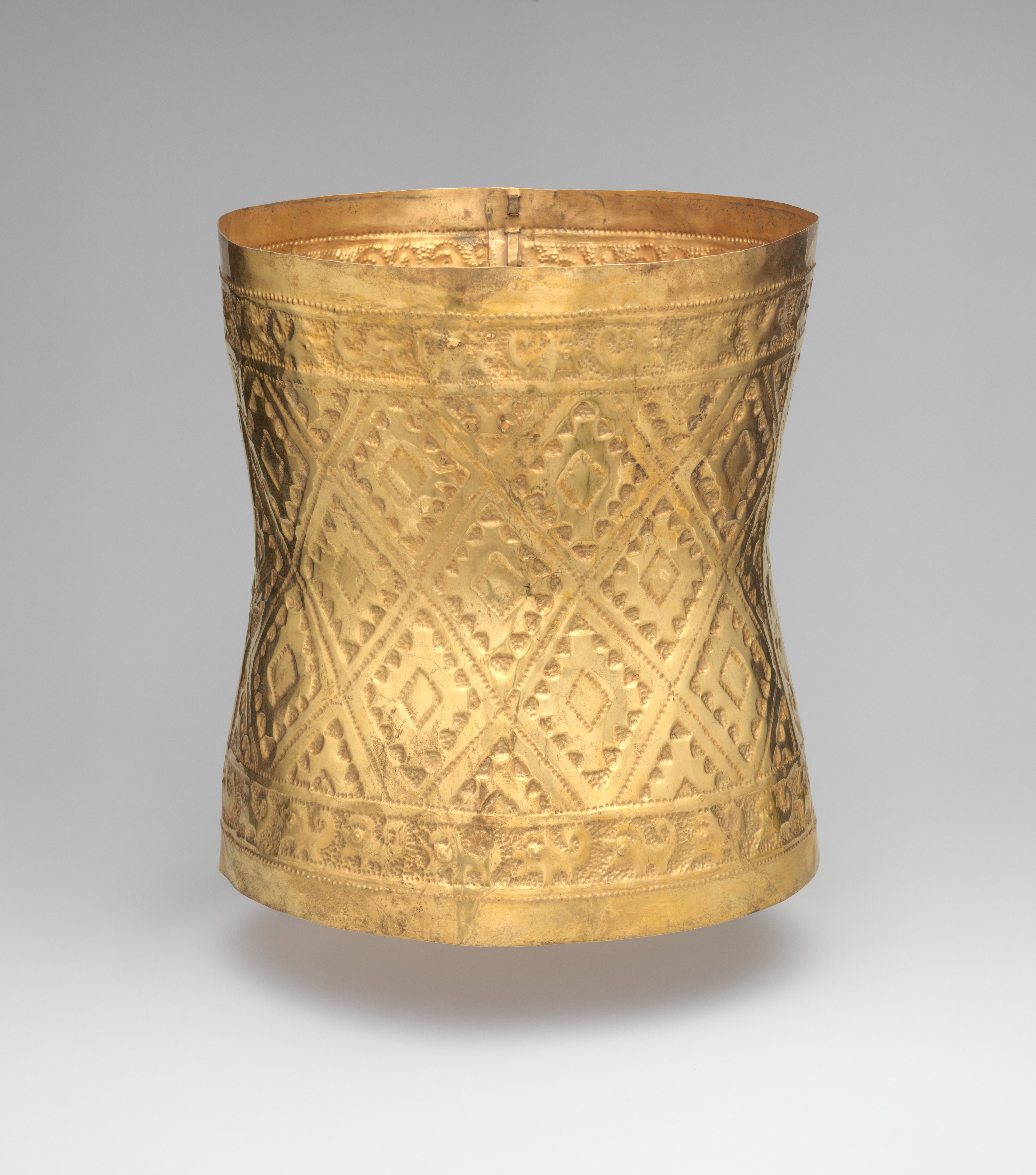
Artisans played a crucial role in the Lambayeque economy, producing goods for both local consumption and trade. The high quality of their metalwork, ceramics, and textiles not only reflected their artistic achievements but also contributed to their economic prosperity.
Decline and Legacy
The decline of the Lambayeque culture began around 1375 AD, likely due to a combination of environmental changes, social unrest, and external pressures. The Chimu Empire eventually absorbed the Lambayeque territory, integrating many aspects of their culture. The arrival of the Spanish in the 16th century further disrupted the region, leading to the loss of much of the Lambayeque’s cultural heritage.
Archaeological Discoveries
Modern archaeological excavations have played a crucial role in uncovering the Lambayeque culture’s achievements. Sites like Sipán, Batán Grande, and Túcume have yielded significant finds, including royal tombs, gold artifacts, and ceremonial objects. These discoveries have provided invaluable insights into the Lambayeque way of life and their contributions to pre-Columbian history.
Influence on Contemporary Culture
The legacy of the Lambayeque culture lives on in contemporary Peru. Traditional crafts, such as pottery and metalwork, continue to be practiced, preserving ancient techniques and styles.
The Lambayeque culture represents a remarkable chapter in the history of ancient Peru. Their achievements in art, architecture, and metallurgy reflect a society of great sophistication and innovation. Despite their eventual decline, the Lambayeque left an indelible mark on the cultural landscape of northern Peru. Through ongoing archaeological research and preservation efforts, the legacy of this fascinating civilization continues to be celebrated and understood, offering a window into the rich tapestry of pre-Columbian history.
 Nomadlytics
Leave a comment