
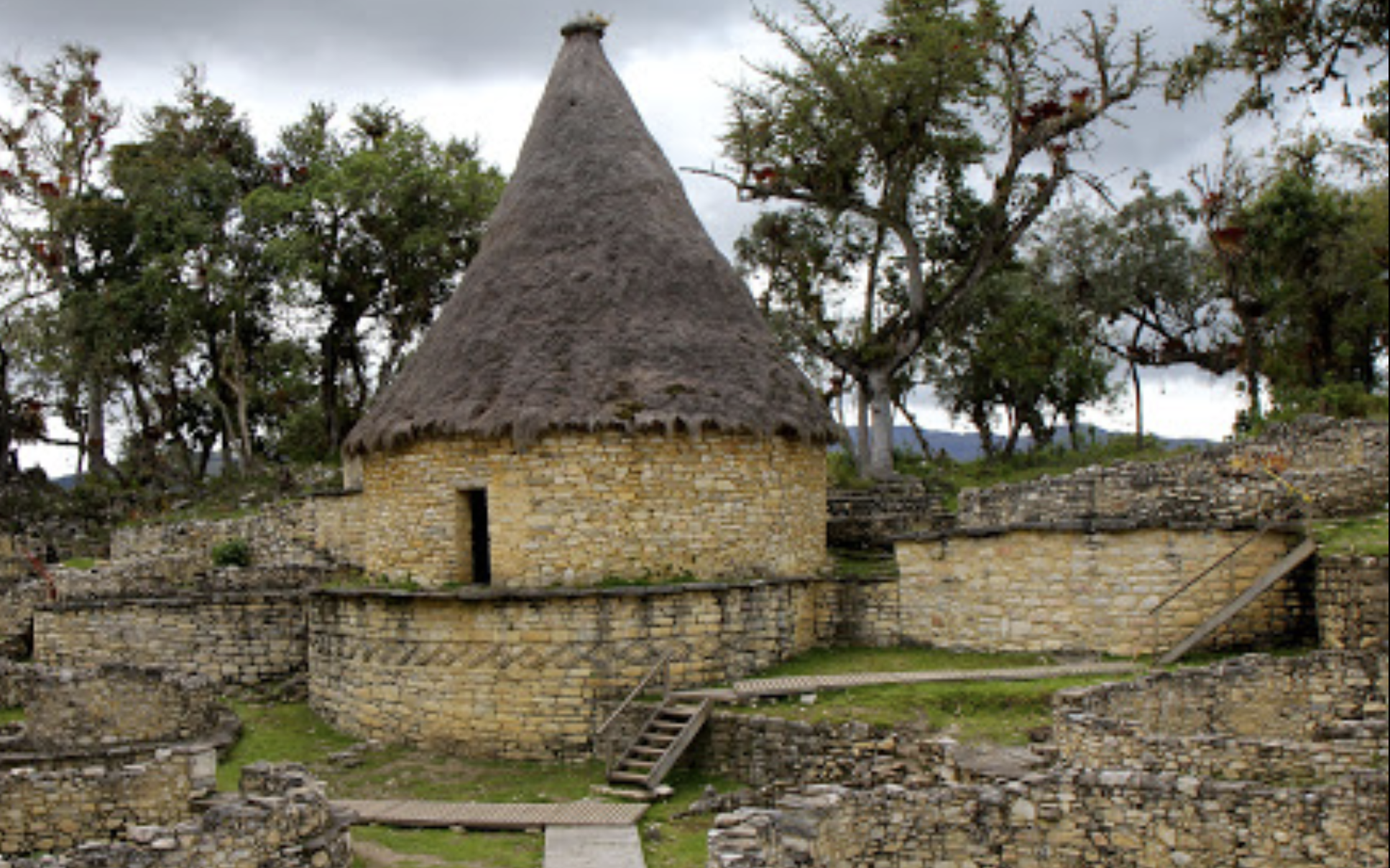
Hike from Tingo to Kuelap Fortress is an unforgettable journey through the heart of northern Peru’s breathtaking landscapes. This trail not only offers a challenging adventure but also offers you a chance to discover the rich history of the Chachapoya civilization. Here’s a comprehensive guide to help you prepare for the hike from Tingo to Kuelap Fortress, ensuring a safe and memorable experience.
Overview of the Hike
Distance and Duration
The hike from Tingo to Kuelap covers approximately 9 kilometers (5.6 miles). Depending on your pace and fitness level, it can take between 3 to 5 hours to complete. The trail is steep and can be challenging, especially during the rainy season. In fact, in general I would advise you to avoid hiking in the rainy season in Peru also because the landslide risk is quite high.
Elevation Gain
Starting at an elevation of around 1,800 meters (5,900 feet) in Tingo, the trail ascends to Kuelap Fortress at approximately 3,000 meters (9,843 feet). This significant elevation gain requires a good level of fitness and acclimatization to avoid altitude sickness. Even if you are good hiker, used to long trails in the Alps (for example) remember that the altitude in South American mountains can really ruin your trip. Don’t underestimate the altitude sickness, make sure to get used to it slowly and if you are traveling with kids, take it easy.

Packing Essentials
Clothing
- Layered Clothing: Weather can vary, so pack lightweight, moisture-wicking layers.
- Rain Gear: A waterproof jacket and pants are crucial, especially during the rainy season. Although, as said I advise to hike in dry season.
- Hiking Boots: Sturdy, comfortable, and well-broken-in boots are essential.
- Warm Clothing: Temperatures can drop significantly at higher elevations.
Gear
- Backpack: A small to medium-sized backpack (20-30 liters) to carry your essentials.
- Trekking Poles: Helpful for the steep and uneven terrain.
- Water Bottles: At least 2 liters of water, with a purification method if needed.
- First Aid Kit: Include basic medical supplies, blister treatment, and altitude sickness medication.
- Navigation Tools: All trails app is great but remember to download the off line map as you will be in the middle of nature and the connection isn’t always great.
Food and Snacks
- High-Energy Snacks: Nuts, dried fruits, energy bars, and chocolate.
- Packed Lunch: Sandwiches, fruits, and other easily packable foods.
Acclimatization
Spend a day or two in Tingo or the surrounding areas to acclimatize to the altitude. This will help reduce the risk of altitude sickness and make your hike more enjoyable.
Starting the Hike: Tingo
Tingo is a small village located at the base of the trail to Kuelap. It’s a peaceful starting point where you can stock up on last-minute supplies and enjoy the local hospitality.
Getting to Tingo
- From Chachapoyas: Tingo is about a 1.5-hour drive from Chachapoyas. You can take a bus, shared taxi (colectivo), or drive your private vehicle. There are rentals in Chachapoyas so if you arrived here by bus or by plane and want to rent a car here, no problem. Buses and colectivos are available from the main terminal in Chachapoyas.
Accommodations in Tingo
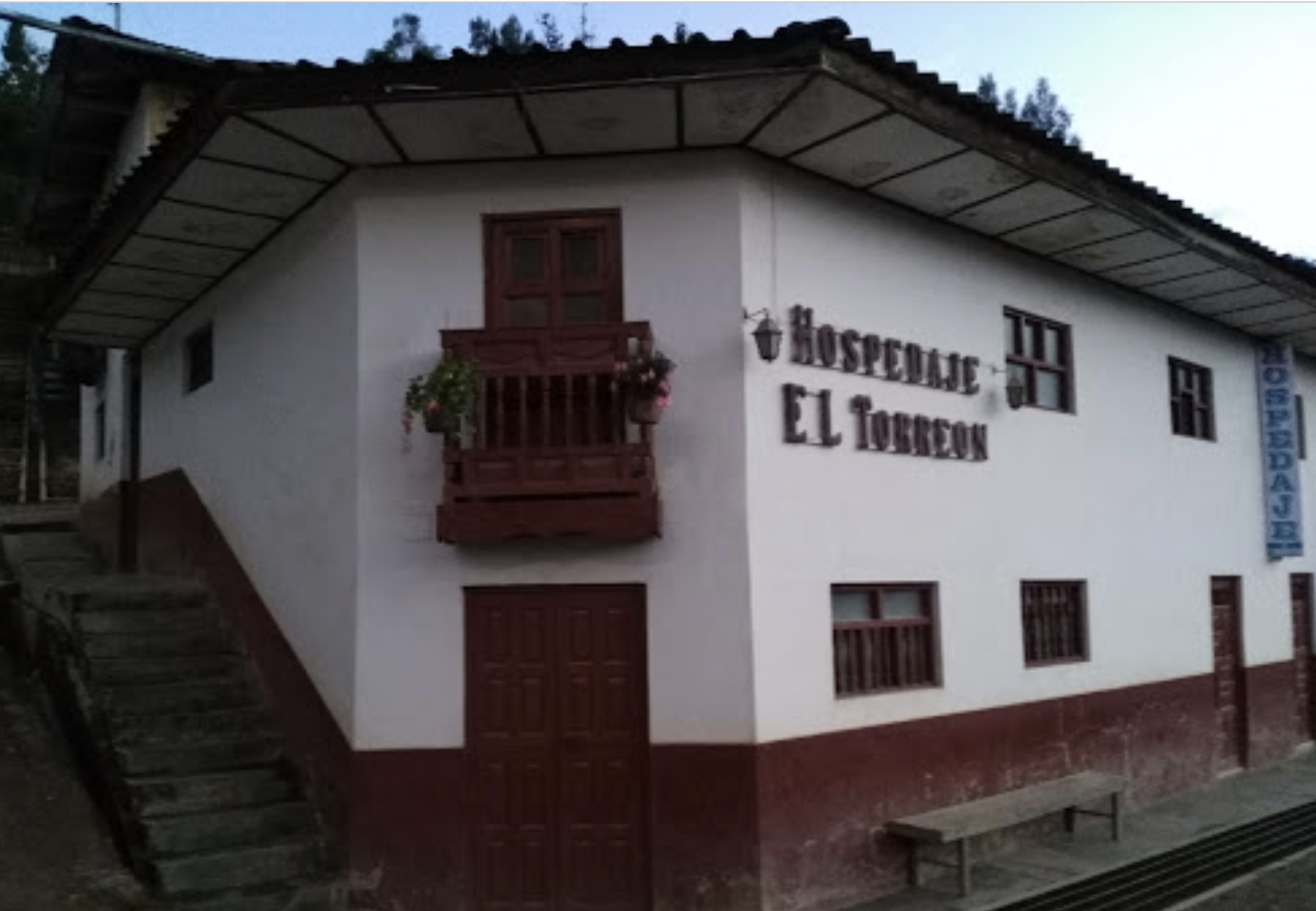
Tingo is small and it offers literally a couple of basic accommodations. I advise you the Hospedaje El Torreon. No website, just the phone number and you will need basic Spanish +51958254644. If you prefer looking on the internet and booking through the usual websites, you will find couple of good accomodation on booking.com Remember that you must serach in Nuevo Tingo not in Tingo Maria (which is also a town in Peru but nowhere near to the Kuelap fortress).
The Trail: Tingo to Kuelap
The trailhead is located just outside the village of Tingo, not far from Hospedaje el Torreon and just behind the Restaurant El Mirrador. Look for signs pointing towards Kuelap, or ask locals for directions if needed. The path is well-trodden but can be steep and narrow in places.
Trail Description
The first part of the trail involves a steep ascent through lush vegetation. The path is narrow and can be slippery, especially after rain. Use trekking poles for stability and take frequent breaks to catch your breath and enjoy the scenery. After about 2-3 hours of hiking, you’ll reach the midway point near the small settlement of Malca. This is a good place to rest, hydrate, and refuel with some snacks. The elevation here is around 2,500 meters (8,200 feet). The final stretch of the hike is the most challenging, with a steep climb to the fortress. The trail becomes rockier and the air thinner, making the hike more strenuous. Take your time, drink plenty of water, and maintain a steady pace.
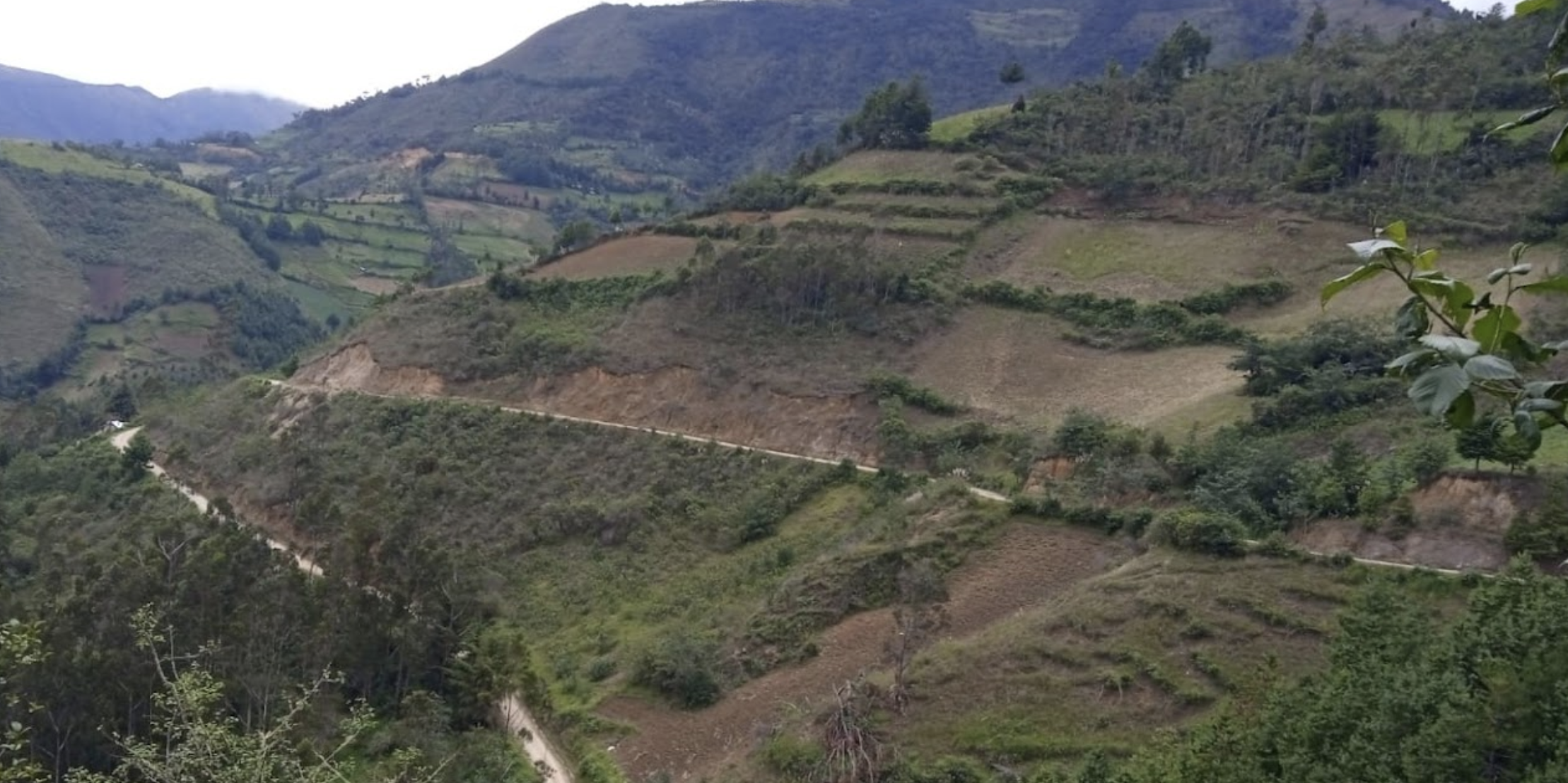
As you hike, you’ll pass through diverse ecosystems, from cloud forests to high Andean landscapes. Keep an eye out for unique plants, colorful orchids, and various bird species. The rich biodiversity adds to the allure of the hike.
Exploring Kuelap Fortress

As you approach Kuelap Fortress, the massive stone walls will come into view, a testament to the architectural prowess of the Chachapoya civilization. The main entrance is a narrow, funnel-shaped passageway designed for defense. Kuelap is an extensive site, with over 400 circular stone houses, ceremonial structures, and defensive walls. Key features include:
- Main Wall and Entryways: The imposing stone walls, some up to 20 meters high, are a sight to behold.
- Circular Houses: These structures provide insight into the daily lives and social organization of the Chachapoya.
- El Tintero: An inverted cone-shaped structure thought to have ceremonial significance.
- Torreon: A prominent tower offering panoramic views of the surrounding landscape.
Guided Tours
While it’s possible to explore Kuelap independently, hiring a local guide can enhance your experience. Guides offer valuable historical and cultural context, making your visit more enriching.

Facilities
Kuelap has basic facilities, including restrooms and a small visitor center where you can learn more about the site’s history.
Practical Tips
Acclimatization
Given the significant elevation gain, it’s crucial to acclimatize properly. Spend a few days in the region and avoid strenuous activities before the hike.
Hydration
Drink plenty of water before, during, and after the hike to stay hydrated. Dehydration can exacerbate altitude sickness and fatigue.
Weather
The weather can change rapidly in the Andes. Be prepared for rain, wind, and temperature fluctuations by dressing in layers and carrying appropriate gear.
Respect the Site
Kuelap is a protected archaeological site. Follow all guidelines and respect preservation efforts to ensure its beauty and historical significance are maintained for future generations.
Returning to Tingo
After exploring Kuelap, you have a few options for returning to Tingo:
- Hiking Back: Retrace your steps along the same trail. The descent is quicker but still requires caution, especially on steep sections.
- Cable Car: For a quicker and less strenuous return, take the cable car from the fortress to Nuevo Tingo. From there, you can catch a ride back to Tingo.

If you like the area a lot, you can spend the night near the fortress. There are couple of private accommodations near by and it’s worth to stay here and enjoy this place a bit longer. The trail is not crowded and it goes without saying that once the last cable car departs, the area becomes desolated and even more peaceful. Below a link to a family owned accommodation, perfect for an overnight stay.
https://www.facebook.com/HaciendaKuelap
Other possibly hiking trails in the area:
Gran Vilaya Trek: Choctamal – Kuelap
https://www.alltrails.com/explore/trail/peru/amazonas/gran-vilaya-choctamal-kuelap
 Nomadlytics
Leave a comment