

The Pemon people are an indigenous group inhabiting the Gran Sabana region in southeastern Venezuela, extending into parts of Brazil and Guyana. Their rich cultural heritage, deep connection to the land, and vibrant traditions offer a fascinating glimpse into a way of life that has endured for centuries.
Historical Background
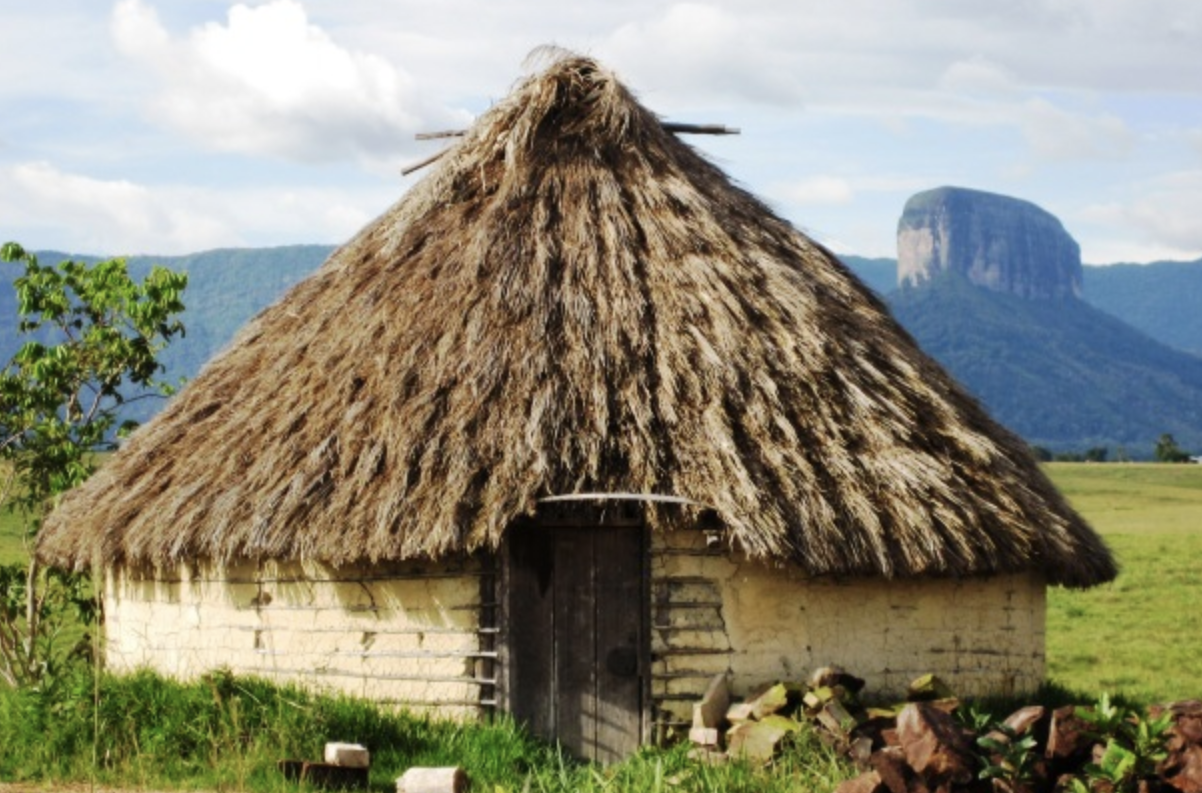
The Pemon people are part of the larger Cariban linguistic family and have lived in the Gran Sabana for thousands of years. Their history is deeply intertwined with the unique landscapes of the region, characterized by vast savannas, dramatic tepuis (tabletop mountains), and numerous rivers and waterfalls, including the world-famous Angel Falls.
Social Structure and Community Life
The Pemon society is traditionally organized into small, autonomous villages called “shabonos.” These villages typically consist of extended families living together in communal dwellings. Leadership within the community is often provided by elders, who are respected for their wisdom and experience.
Pemon communities are known for their strong sense of cooperation and communal living. This social cohesion is essential for survival in the often harsh and remote environment of the Gran Sabana. Daily life involves a range of communal activities, including farming, fishing, hunting, and gathering.
Language and Communication
The Pemon language, also called Pemon, is a Cariban language with several dialects. It is an integral part of their cultural identity, used in daily communication, storytelling, and rituals. While many Pemon people also speak Spanish, particularly in areas with more interaction with the outside world, efforts are ongoing to preserve and revitalize the Pemon language among younger generations.
Spirituality and Beliefs
The Pemon worldview is deeply spiritual, with a profound reverence for nature and the land they inhabit. They believe in a complex pantheon of deities and spirits, many of whom are associated with natural features such as rivers, mountains, and forests. The tepuis, in particular, hold significant spiritual importance, believed to be the dwelling places of powerful spirits.
Central to Pemon spirituality is the figure of Makunaima, a cultural hero and creator figure who is said to have shaped the landscape and brought various elements of culture to the Pemon people. Makunaima’s stories and deeds are passed down through generations, often through oral traditions and rituals.
Traditional Practices and Ceremonies
Pemon culture is rich with traditional practices and ceremonies that mark important life events, seasonal changes, and communal activities. These ceremonies often involve music, dance, and the use of traditional attire and body paint.
- Yopo Ceremony: One of the most significant rituals is the Yopo ceremony, where participants inhale the powdered seeds of the Anadenanthera peregrina tree, known as Yopo. This powerful hallucinogenic substance is used in religious and healing ceremonies to connect with the spiritual world and seek guidance from the spirits.
- Harvest Festivals: Harvest festivals celebrate the bounty of the land and are marked by communal feasts, music, and dance. These events strengthen community bonds and express gratitude for the resources provided by nature.
- Coming-of-Age Ceremonies: These ceremonies mark the transition from childhood to adulthood and involve various rites of passage, including tests of endurance and skills that demonstrate readiness for adult responsibilities.
Art and Craftsmanship
Pemon art and craftsmanship are expressions of their connection to nature and their cultural heritage. Traditional crafts include basket weaving, pottery, and beadwork, often featuring intricate designs and patterns inspired by the natural world.
- Basket Weaving: Pemon baskets are made from locally sourced materials such as palm leaves and vines. These baskets are not only functional but also highly decorative, used for carrying goods, storage, and ceremonial purposes.
- Pottery: Traditional pottery includes bowls, pots, and figurines, often decorated with geometric patterns and motifs that hold cultural significance.
- Beadwork: Beadwork is another important craft, with beads used to create necklaces, bracelets, and other adornments. These items are often worn during ceremonies and festivals, symbolizing status and identity within the community.

Modern Challenges and Adaptation
Like many indigenous groups, the Pemon people face numerous challenges in the modern world. Encroachment on their land by mining and logging activities, environmental degradation, and the impacts of climate change threaten their traditional way of life.
Despite these challenges, the Pemon people have shown remarkable resilience and adaptability. Many have embraced education and technology to advocate for their rights and preserve their culture. Efforts to document and teach the Pemon language, promote sustainable practices, and engage in eco-tourism are examples of how they are navigating the complexities of the modern world while staying true to their cultural roots.
Environmental Stewardship
The Pemon people’s relationship with their environment is one of deep respect and stewardship. They view the land not just as a resource but as a sacred entity that sustains and nurtures them. This perspective has led to sustainable practices that have allowed them to live in harmony with their surroundings for generations.
- Sustainable Agriculture: Traditional farming methods, such as shifting cultivation and agroforestry, minimize environmental impact and maintain soil fertility. Crops like cassava, sweet potatoes, and maize are staples of the Pemon diet.
- Fishing and Hunting: Fishing and hunting are conducted with an awareness of ecological balance. The Pemon people use traditional techniques that avoid overexploitation and ensure the sustainability of fish and wildlife populations.
- Forest Management: The Pemon people have extensive knowledge of the forest and its resources. They gather medicinal plants, fruits, and other forest products in ways that do not harm the ecosystem. This traditional knowledge is passed down through generations, ensuring that the forest remains a vital part of their culture and survival.
Tourism and Cultural Exchange
Eco-tourism has become an important aspect of the Pemon economy, providing a means to share their culture and natural heritage with the world while generating income to support their communities. Visitors to the Gran Sabana can experience guided tours led by Pemon guides, who share their knowledge of the landscape, flora, and fauna, as well as their cultural traditions.
These tours often include visits to iconic sites such as Angel Falls, Roraima, and other tepuis, offering tourists a unique opportunity to learn about the Pemon way of life and their spiritual connection to these sacred places. This cultural exchange not only enriches the visitor’s experience but also fosters mutual respect and understanding.
Education and Preservation
Education plays a crucial role in preserving Pemon culture and empowering the next generation. There are ongoing efforts to integrate traditional knowledge into formal education systems, ensuring that Pemon children learn about their heritage alongside conventional subjects.
- Bilingual Education: Bilingual education programs teach both Spanish and Pemon, promoting linguistic and cultural preservation. These programs help maintain the Pemon language, which is essential for passing on cultural knowledge and traditions.
- Cultural Workshops: Workshops and cultural programs focus on traditional crafts, music, dance, and storytelling. These activities engage young people and provide them with a sense of pride and identity rooted in their heritage.
Challenges and Advocacy
The Pemon people continue to face significant challenges, including land rights disputes, environmental threats, and socio-economic pressures. Advocacy and activism are critical in addressing these issues and ensuring the Pemon people’s voices are heard.
- Land Rights: Securing legal recognition of their ancestral lands is a priority for the Pemon people. This involves navigating complex legal frameworks and advocating for their rights at local, national, and international levels.
- Environmental Protection: The Pemon people are at the forefront of efforts to protect the Gran Sabana from destructive activities such as mining and deforestation. Collaborations with environmental organizations and governmental agencies aim to safeguard their environment for future generations.
- Cultural Advocacy: Organizations and community leaders work tirelessly to promote Pemon culture and protect their way of life. This includes raising awareness about the importance of cultural preservation and advocating for policies that support indigenous rights.
The Pemon people, with their rich cultural heritage and deep connection to the land, offer a profound example of living in harmony with nature. Despite facing numerous challenges, their resilience, adaptability, and commitment to preserving their culture and environment are inspiring.
If this post made you more curious and you would like to discover more on this subject, I advice you to read more about this fascinating culture on the website of Angel Conservation organization here . You can also discover the United Nations projects developed in order to help the Pemon people here
 Nomadlytics
Leave a comment