
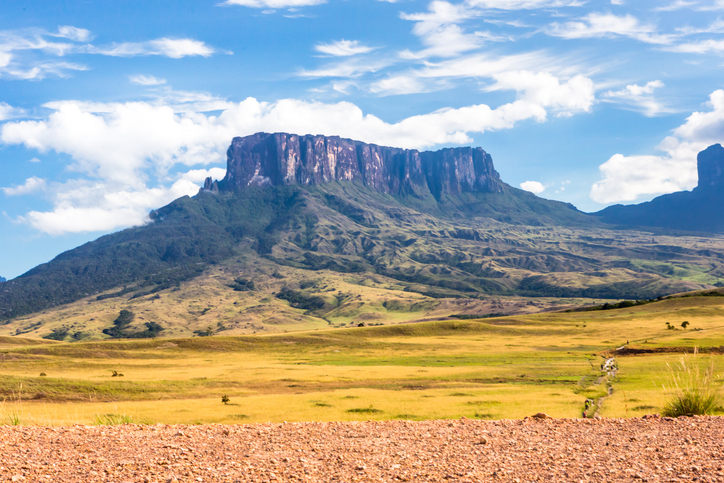
Mount Roraima is one of the most majestic and enigmatic landscapes on Earth. This destination impress adventurers, geologists, biologists, and anyone with a passion for the natural world. Situated on the border between Venezuela, Brazil, and Guyana, Roraima is the tallest of the Pakaraima chain of tepuis (tabletop mountains) in South America. Its sheer cliffs and unique flat summit have inspired countless myths, legends, and scientific explorations. For those seeking an extraordinary and challenging trek, visiting Roraima offers an unforgettable journey into what Sir Arthur Conan Doyle famously called “The Lost World.”
Historical and Geological Background
Mount Roraima is not just a mountain but a window into Earth’s distant past. It is part of the Guiana Shield, a geological formation that dates back over two billion years, making it one of the oldest rock formations on the planet. The tepuis, including Roraima, are remnants of an ancient plateau that once covered the region. Over millions of years, erosion carved these massive formations, leaving behind isolated, flat-topped mountains with sheer vertical walls.
The indigenous Pemon people, who inhabit the Gran Sabana region where Roraima is located, have long revered the mountain, calling it “Roraima,” which translates to “great blue-green house.” According to their mythology, Roraima is the stump of a mighty tree that once bore all the fruits and vegetables in the world until it was felled by Makunaima, a trickster deity. This myth, along with the mountain’s otherworldly appearance, has contributed to its legendary status. If you want to know more about Pemon people read my post about them here.
Planning Your Trip
Visiting Mount Roraima is not a casual endeavor; it requires careful planning, preparation, and a good level of physical fitness. Here are some essential steps and tips for planning your trip:
1. Best Time to Visit: The best time to visit Roraima is during the dry season, which runs from December to April. During the wet season (May to November), the trails can become extremely muddy, and the river crossings more challenging, though the waterfalls cascading off the tepui’s cliffs are particularly spectacular at this time. It is strongly advised not to hike during rainy season. Take it seriously.
2. Getting There: The journey to Roraima begins in Caracas, Venezuela’s capital. From Caracas, you can take a flight to Ciudad Bolívar or Puerto Ordaz, and then another flight to Santa Elena de Uairén, the closest town to Roraima. From Santa Elena, it’s a drive to the indigenous village of Paraitepui, the starting point of the trek.
3. Permits and Guides: A permit is required to enter the Canaima National Park, where Roraima is located. Additionally, hiring a local guide is mandatory and highly recommended. The guides are usually members of the Pemon community and have extensive knowledge of the terrain, weather, and local customs. It is not a hike to do by yourself but if you hoped to find I way to go all the way up to the top alone and now you are disappointed, then keep on reading because those tours are not the usual tourist business. The guides are well prepared and as mentioned, members of Pemon people. You will love this experience so much that once you are back from the trip I dare you not to stay in the Pemon camp for a couple of days.
4. Physical Preparation: The trek to Roraima is demanding, involving several days of hiking through varied terrain, including jungle, savannah, and steep ascents. Regular physical training, including cardio, strength, and endurance exercises, is essential to prepare for the journey.
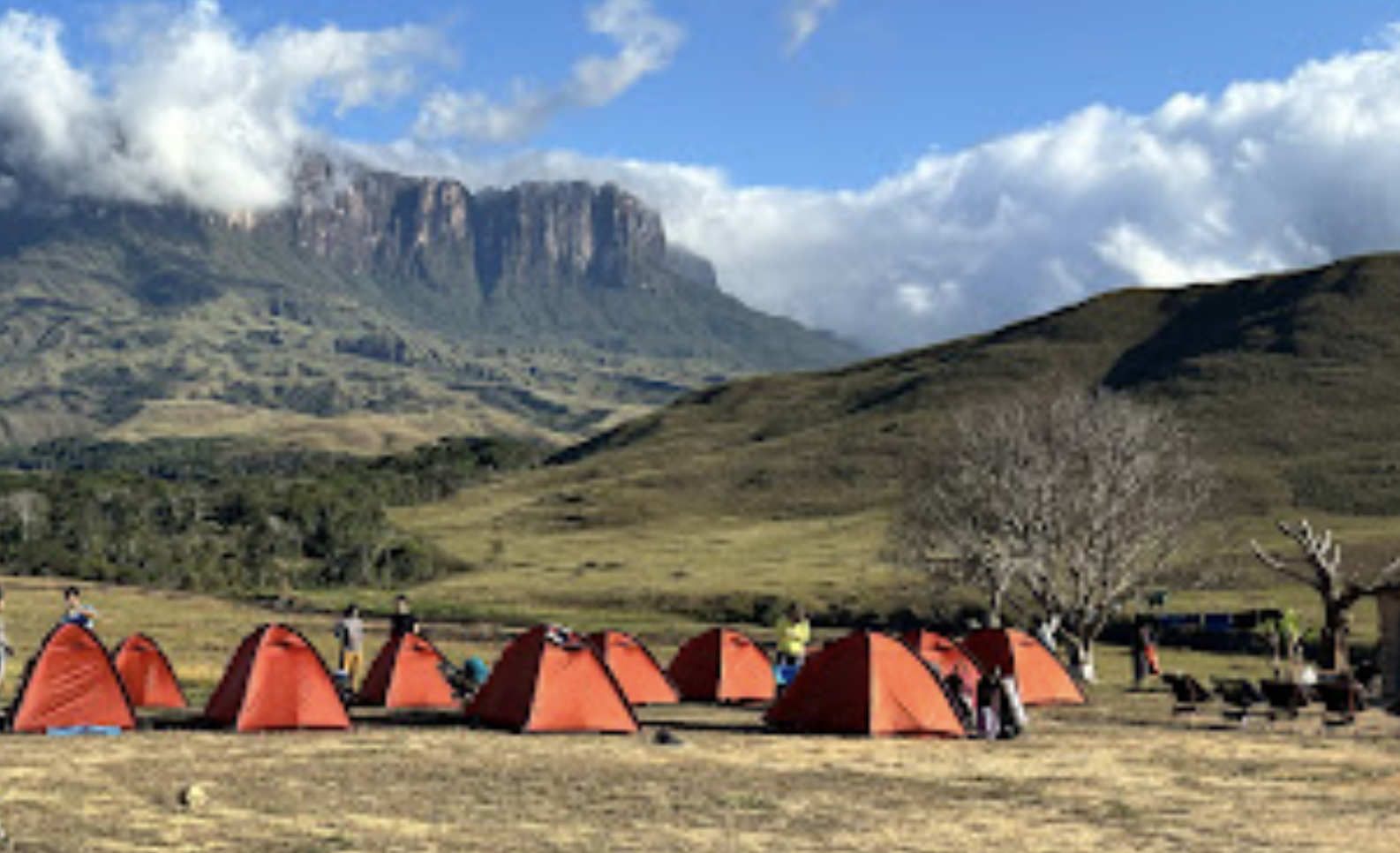
5. Packing Essentials: Key items to pack include a good quality backpack, sturdy hiking boots, lightweight clothing, rain gear, a sleeping bag, a tent, a first aid kit, water purification tablets, high-energy snacks, and a camera to capture the breathtaking scenery.
The Trek to Roraima
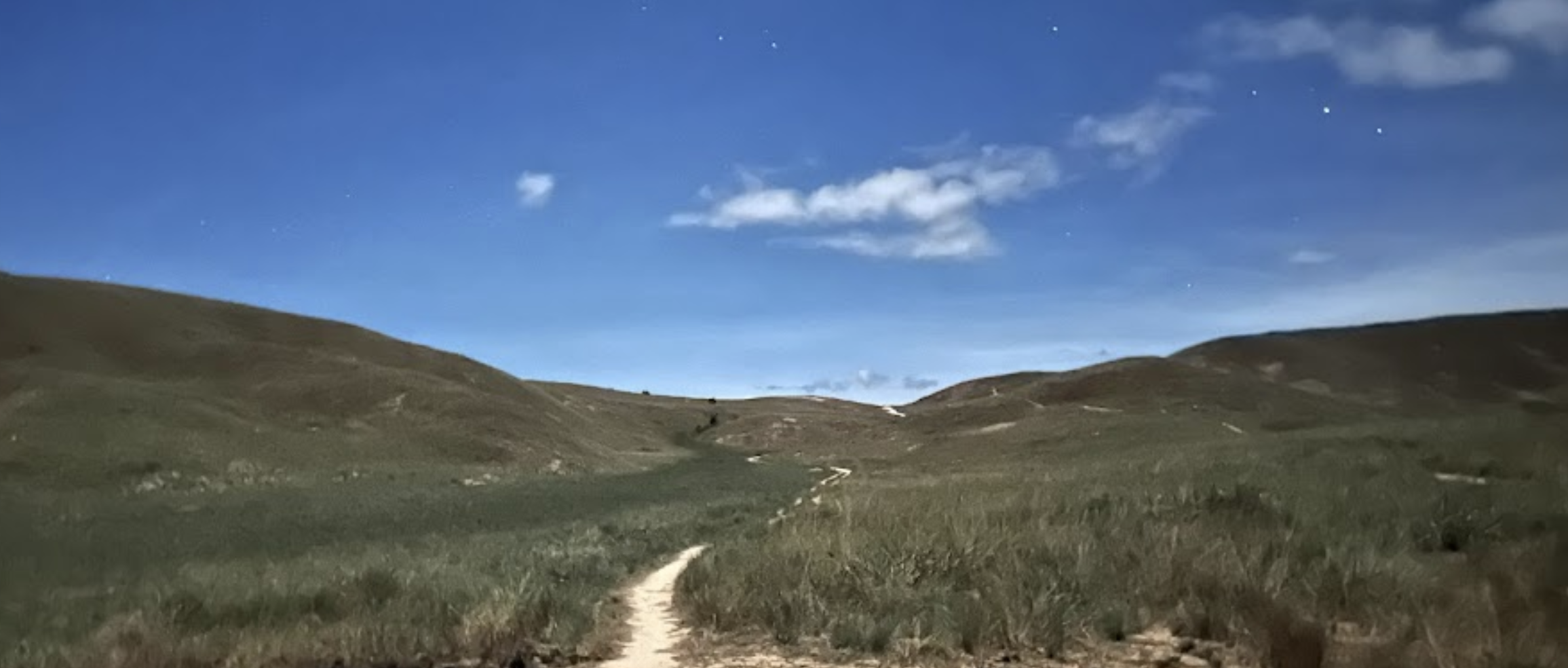
Day 1: Paraitepui to Tek River Camp The adventure begins at Paraitepui, where you’ll meet your guide and porters. The first day’s trek is relatively easy, covering about 15 kilometers (9 miles) across open savannah. You’ll set up camp near the Tek River, where you can take a refreshing dip and prepare for the more challenging days ahead.
Day 2: Tek River Camp to Base Camp The second day involves a more strenuous hike of approximately 10 kilometers (6 miles), with noticeable elevation gain as you approach the base of Roraima. The terrain becomes steeper and more rugged, but the sight of the towering tepui in the distance is a powerful motivator. Base camp is located near a small stream, providing water for cooking and washing.
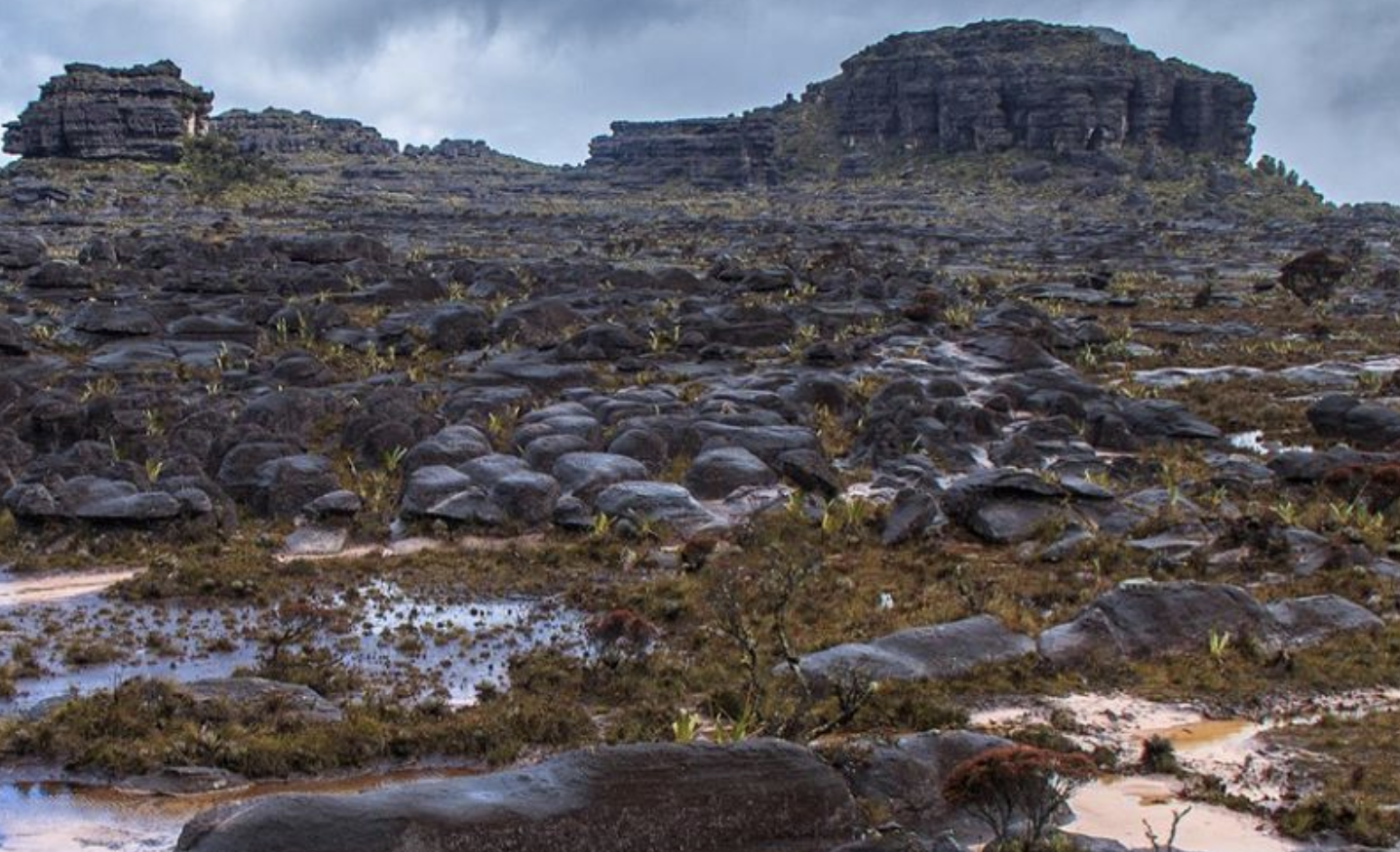
Day 3: Base Camp to Summit The third day is the most challenging and rewarding. The trek to the summit of Roraima involves a steep climb of about 4 kilometers (2.5 miles). The trail winds through dense forest, up rocky slopes, and past stunning waterfalls. The final ascent, known as the “Rampa,” is a natural ramp that leads to the top of the tepui. Reaching the summit is an exhilarating experience, and you’ll spend the night on the flat plateau, surrounded by otherworldly rock formations and unique flora.
Days 4-5: Exploring the Summit The summit of Roraima is a vast, alien landscape, with towering rock formations, deep crevices, and crystal-clear pools. Over the next two days, you’ll explore this unique environment, visiting landmarks such as the Triple Point (where the borders of Venezuela, Brazil, and Guyana meet), the Valley of the Crystals, and the Maverick Rock, the highest point on the tepui. The flora and fauna on the summit are unlike anything else on Earth, with many species found nowhere else.
Day 6: Descent to Base Camp After exploring the summit, it’s time to begin the descent. Retracing your steps down the Rampa and through the forest, you’ll return to base camp. The descent is less physically demanding than the ascent but requires careful footing, especially on the steep sections.
Day 7: Base Camp to Paraitepui The final leg of the journey takes you back across the savannah to Paraitepui. Although the trek is long, the sense of accomplishment and the stunning views of the tepui behind you make it a memorable end to the adventure.
The Unique Ecosystem
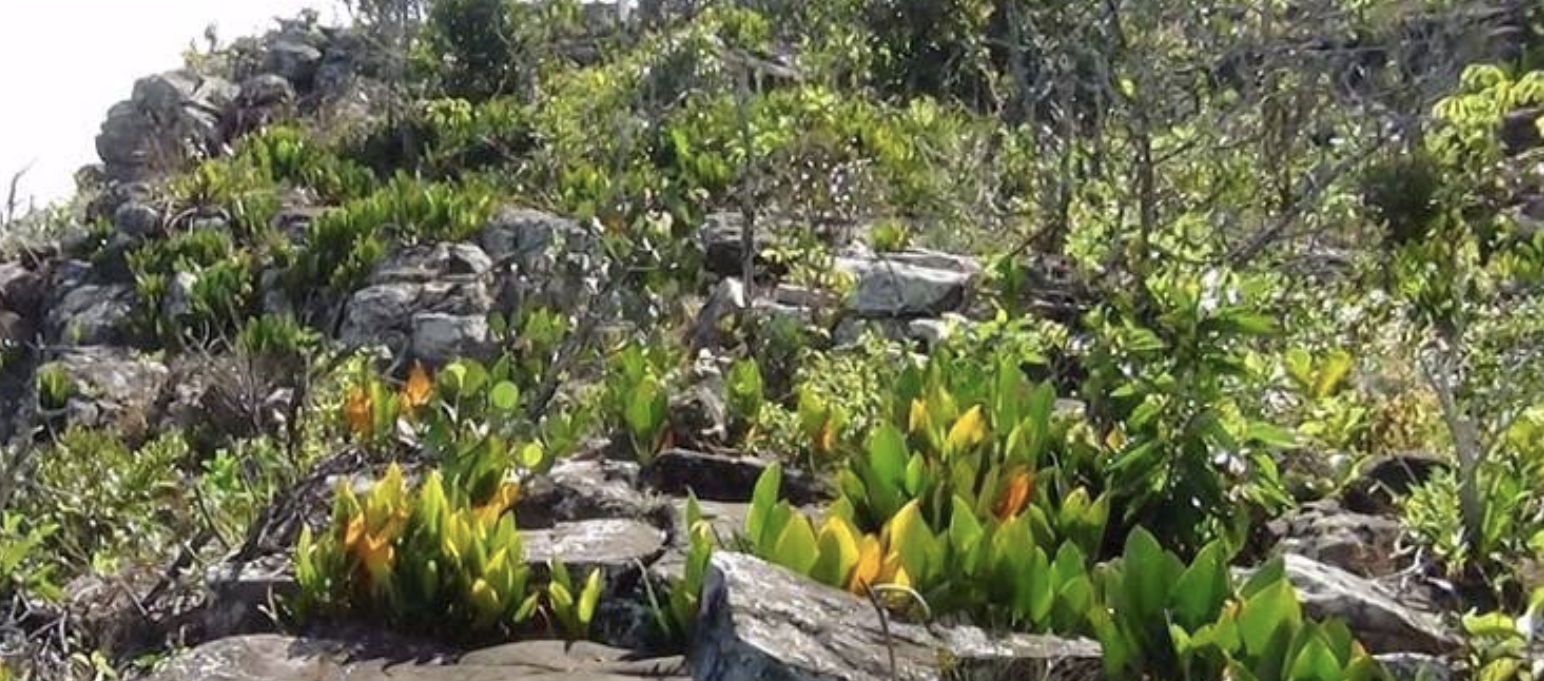
Mount Roraima’s summit hosts a unique ecosystem that has evolved in isolation for millions of years. The extreme environmental conditions—frequent rain, high humidity, and poor soil—have led to the development of highly specialized plants and animals.
Flora: The vegetation on Roraima is adapted to the nutrient-poor soil and high rainfall. You’ll find an array of carnivorous plants, such as pitcher plants (Heliamphora), sundews (Drosera), and bladderworts (Utricularia), which derive nutrients from trapping insects. Other notable plants include the rare Roraima bush toad and various species of orchids and bromeliads.
Fauna: While animal life is less abundant, several unique species inhabit the summit. The Roraima bush toad (Oreophrynella quelchii), a small, black toad with distinctive hopping behavior, is one of the best-known residents. Birdwatchers may spot the tepui swift and the golden rocket frog, both of which are endemic to the region.
Cultural and Spiritual Significance
For the Pemon people, Mount Roraima is not just a natural wonder but a sacred site imbued with deep spiritual significance. According to Pemon mythology, Roraima is the home of powerful spirits and the source of life. The stories and legends associated with the mountain are passed down through generations, emphasizing respect for nature and the interconnectedness of all living things. If you would like to discover more about Pemon people, don’t hesitate and read my post about them here.
Visitors to Roraima are encouraged to approach the mountain with a sense of reverence and respect for the local culture and traditions. Engaging with the Pemon guides and learning about their beliefs and customs adds a rich cultural dimension to the trekking experience.
Environmental Challenges and Conservation
Mount Roraima and the surrounding Gran Sabana face several environmental challenges, including climate change, deforestation, and increasing tourism. The delicate ecosystems of the tepuis are particularly vulnerable to disturbances, and conservation efforts are crucial to preserving this unique environment.
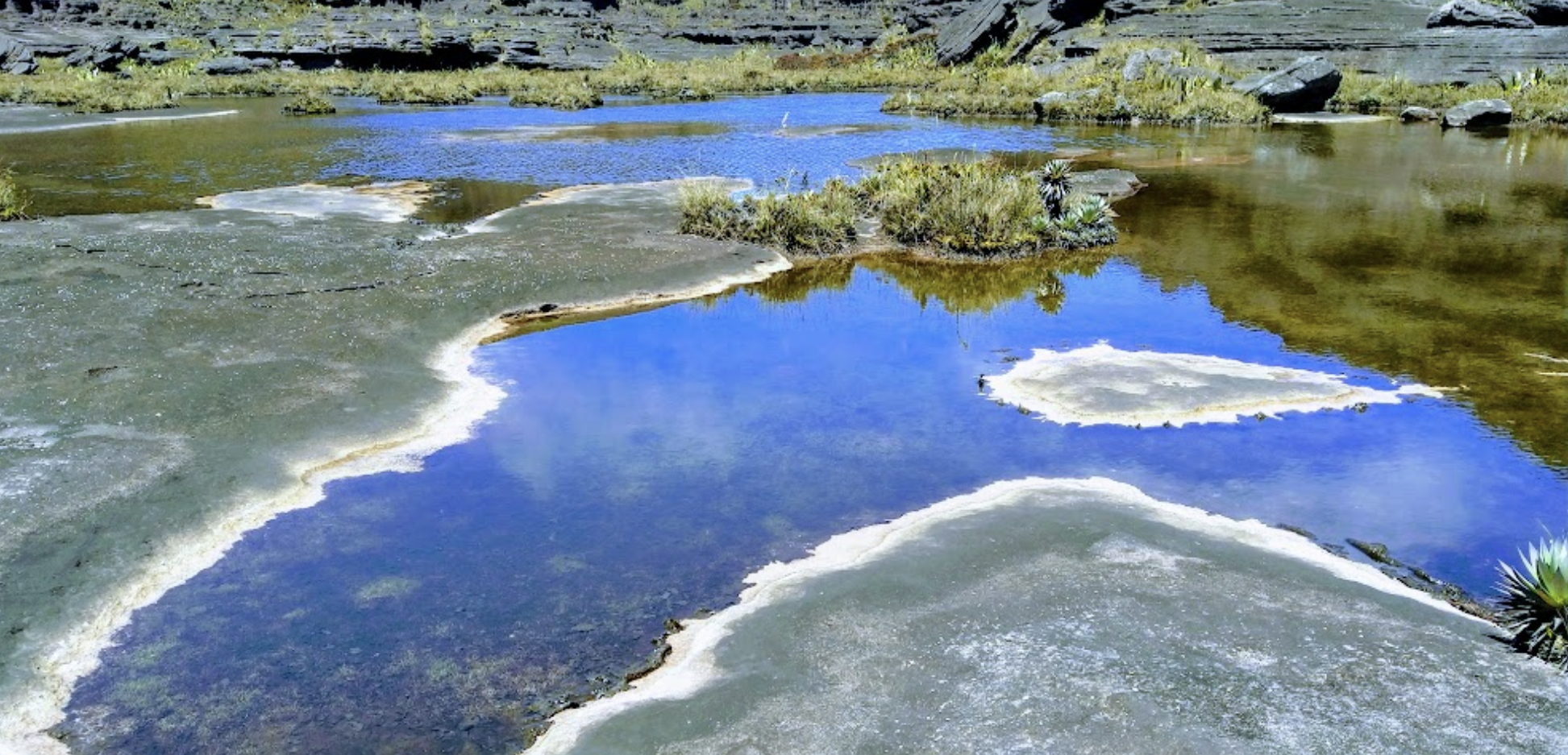
Canaima National Park, which encompasses Roraima, is a UNESCO World Heritage site, recognized for its ecological and cultural significance. Conservation initiatives focus on protecting the flora and fauna, promoting sustainable tourism, and supporting the local communities. As a visitor, you can contribute to these efforts by minimizing your environmental footprint, following Leave No Trace principles, and supporting eco-friendly tour operators.
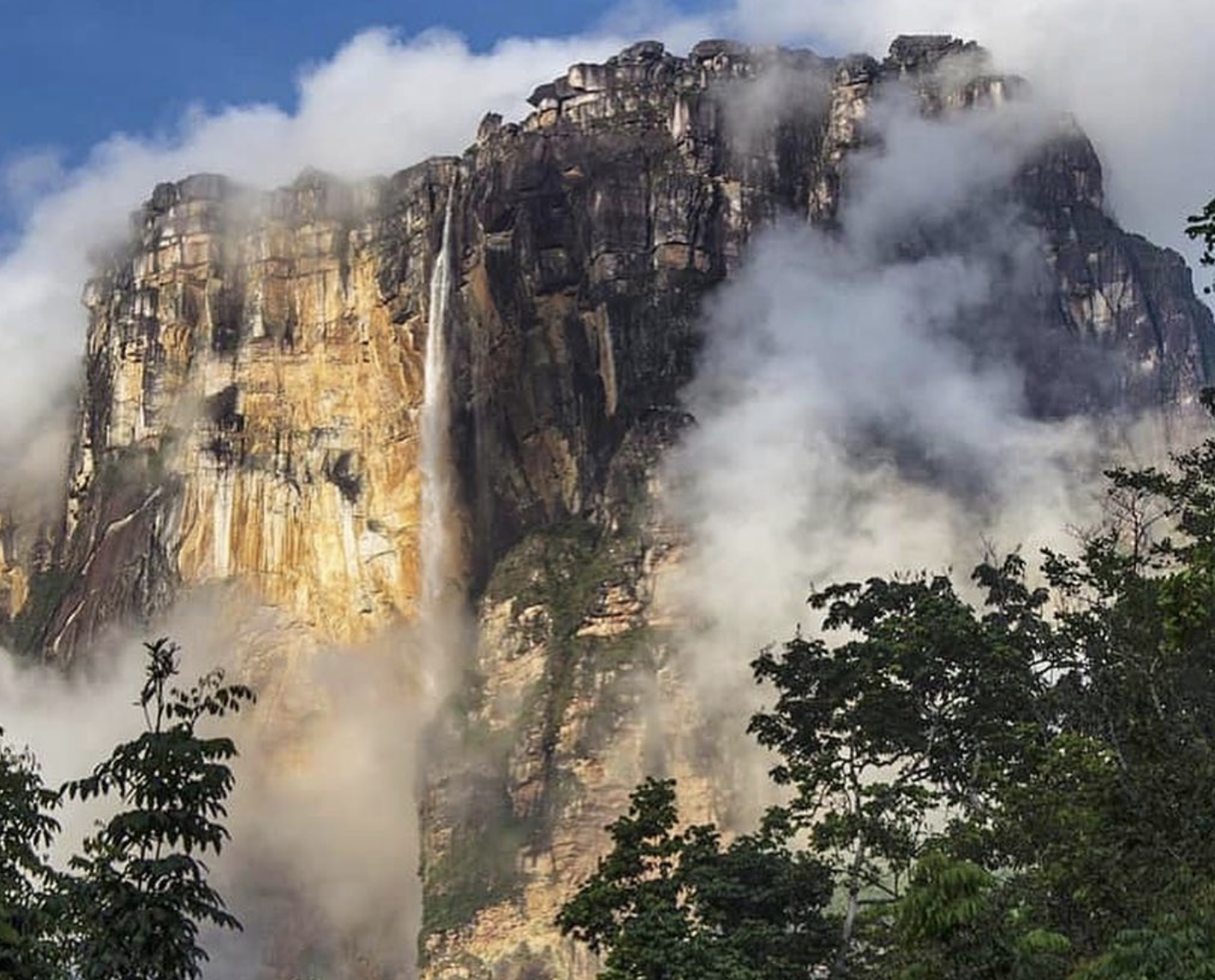
As you stand on the summit of Roraima, gazing out over the vast expanse of the Gran Sabana, you’ll understand why this mountain has captivated the imagination of explorers, scientists, and adventurers for centuries. It is a place where the ancient past and the present converge, where nature’s raw power and delicate beauty coexist, and where every step taken is a step closer to understanding the extraordinary tapestry of life on Earth.
 Nomadlytics
Leave a comment