

Peru is a country steeped in ancient history and rich cultural heritage. While many travelers are familiar with Machu Picchu and the Inca civilization, fewer may know about the remarkable pre-Columbian sites that tell the story of earlier cultures. One such site is Huaca del Sol, a majestic adobe pyramid built by the Moche civilization. Located near the modern city of Trujillo, Huaca del Sol, along with its companion structure Huaca de la Luna, offers a captivating glimpse into the Moche people’s sophisticated society, religious practices, and architectural prowess.
Historical Background
The Moche civilization flourished in northern Peru between 100 AD and 800 AD, long before the rise of the Incas. Known for their advanced agricultural techniques, impressive engineering skills, and artistic achievements, the Moche left behind a legacy that continues to intrigue archaeologists and historians. The Moche culture was hierarchical, with powerful rulers who were often seen as divine figures. They practiced complex rituals, including human sacrifices, which were integral to their religious beliefs and political structure.
Huaca del Sol, the larger of the two pyramids, served as the political and administrative center of the Moche capital. Built over several centuries, the pyramid was constructed using millions of adobe bricks, each bearing a unique mark that identified the worker or group who made it. This massive undertaking reflects not only the Moche’s architectural ingenuity but also their highly organized and stratified society.
Architectural Marvel
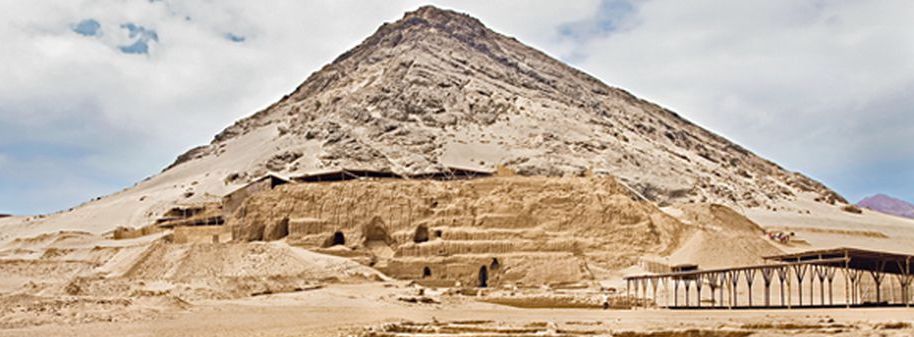
Standing at an original height of about 50 meters (164 feet), Huaca del Sol was one of the tallest man-made structures in the Americas during its time. Although it has suffered significant damage over the centuries, particularly due to Spanish looting and natural erosion, its remaining structure still impresses visitors today.
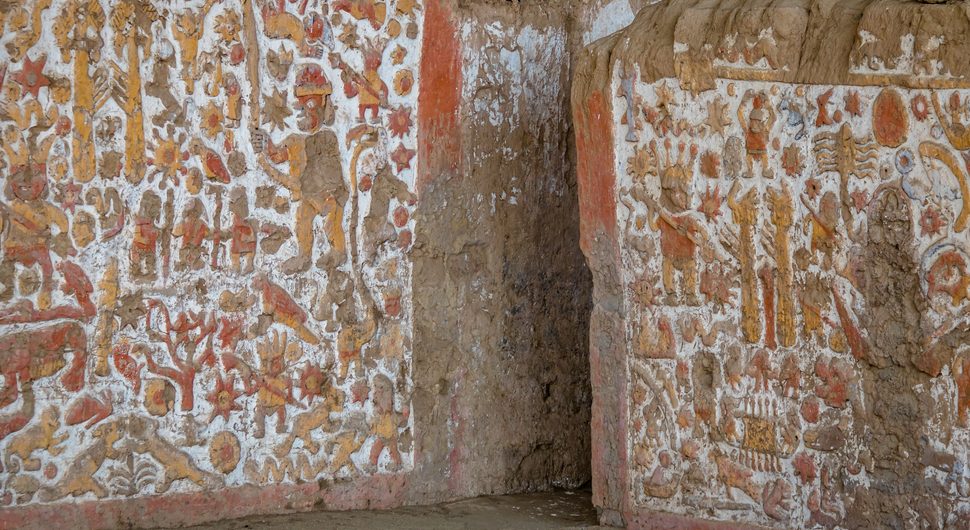
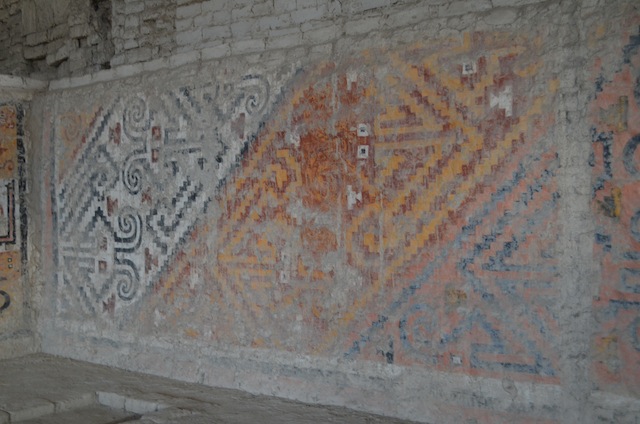
The pyramid’s construction involved meticulous planning and labor. Adobe bricks were made from a mixture of clay, sand, and water, and then sun-dried. Each brick was carefully placed to create the pyramid’s steep slopes and intricate terraces. The exterior walls were adorned with colorful murals and reliefs, depicting scenes of Moche mythology, daily life, and ceremonial activities.
One of the most remarkable aspects of Huaca del Sol is the evidence of its continual expansion and renovation. Archaeological studies suggest that the pyramid underwent at least eight major construction phases, each adding new layers and modifications. This process not only increased the pyramid’s size but also allowed it to serve various functions over time, from a royal residence to a ceremonial center.
Visiting Huaca del Sol
A visit to Huaca del Sol is a journey back in time, offering a unique opportunity to explore the remains of one of ancient Peru’s most significant cultural sites. Here are some tips and insights to help you make the most of your visit:
1. Getting There: Huaca del Sol is located about 5 kilometers (3 miles) southeast of Trujillo, a vibrant city on Peru’s northern coast. Trujillo is accessible by air, with regular flights from Lima, the capital of Peru. From Trujillo, you can take a taxi or join a guided tour to reach the archaeological site.
2. Guided Tours: While it’s possible to visit Huaca del Sol independently, hiring a knowledgeable guide can greatly enhance your experience. Guides can provide detailed explanations of the site’s history, architecture, and significance, helping you to appreciate the intricacies of Moche culture. Many tours also include a visit to Huaca de la Luna and the nearby Moche Museum, which houses artifacts and exhibits related to the Moche civilization.
3. Exploring the Site: As you approach Huaca del Sol, you’ll be struck by its imposing presence and the vastness of the surrounding archaeological complex. The pyramid itself is off-limits to visitors to preserve its delicate structure, but you can explore the adjacent areas, including the open plaza and partially excavated sectors. Interpretive signs provide information about the site’s history and the Moche people.
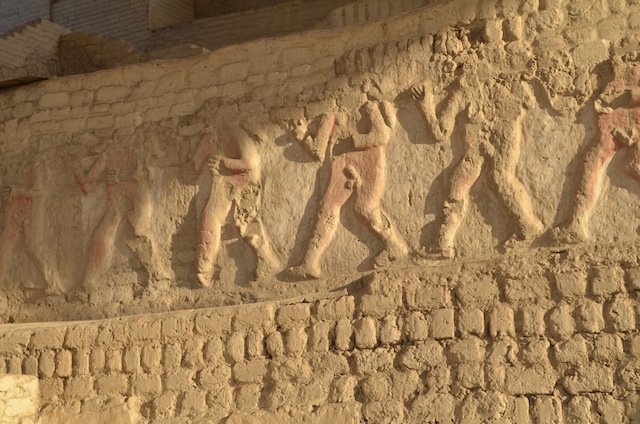
4. Huaca de la Luna: Just a short distance from Huaca del Sol lies Huaca de la Luna, a smaller but equally fascinating pyramid. Huaca de la Luna served as the Moche’s religious and ceremonial center, and its well-preserved murals offer stunning insights into Moche iconography and ritual practices. A visit to both huacas provides a more comprehensive understanding of Moche society, highlighting the interplay between political power and religious authority.
5. Moche Museum: The Moche Museum, located near the archaeological site, is a must-visit for anyone interested in learning more about the Moche civilization. The museum’s exhibits feature pottery, jewelry, tools, and other artifacts recovered from the huacas, as well as detailed explanations of Moche history and culture. Highlights include the intricately decorated Moche ceramics, which are renowned for their realism and artistry. If you would like to discover more about the Moche culture before you embark on the Museum journey, feel free to read the following article Unveiling the Moche Culture: Ancient Masters of Northern Peru
6. Practical Tips:
- Wear Comfortable Shoes: The terrain around Huaca del Sol can be uneven and dusty, so sturdy footwear is recommended.
- Sun Protection: The coastal region of northern Peru can be hot and sunny, so bring sunscreen, a hat, and plenty of water.
- Respect the Site: As with all archaeological sites, it’s important to respect the integrity of Huaca del Sol by not touching the ruins or straying from designated paths.
Cultural Significance
Huaca del Sol is not just an architectural marvel; it is also a testament to the cultural and spiritual life of the Moche people. The pyramid was a focal point for various activities, including administrative functions, ceremonies, and burials. The intricate murals and reliefs that once adorned its walls provide valuable insights into Moche mythology and cosmology.
Moche art is characterized by its vivid depiction of supernatural beings, warriors, animals, and scenes of everyday life. These artistic expressions were not merely decorative but were imbued with deep symbolic meaning. For instance, the frequent depiction of feline creatures, such as jaguars, highlights the Moche’s reverence for powerful predators, which they associated with strength and divine protection.
Human sacrifice was a significant aspect of Moche religious practice, often depicted in their artwork and performed at Huaca de la Luna. These rituals were believed to appease the gods and ensure the community’s prosperity. While such practices might seem brutal by modern standards, they were integral to the Moche’s worldview and societal organization.
Archaeological Research
Ongoing archaeological research continues to uncover new facets of Huaca del Sol and the broader Moche civilization. Excavations have revealed a wealth of information about Moche urban planning, social structure, and daily life. One notable discovery is the intricate network of canals and irrigation systems that the Moche developed to support their agriculture. These innovations allowed them to cultivate crops in the arid coastal environment, demonstrating their ingenuity and adaptability.
Researchers have also found evidence of large-scale craft production at Huaca del Sol, including pottery workshops and metalworking facilities. The Moche were skilled artisans, producing finely crafted ceramics, textiles, and metal objects that were both functional and symbolic. These artifacts provide a tangible connection to the people who lived and worked in the shadow of the pyramid.
Another fascinating aspect of Moche archaeology is the study of their burial practices. Tombs discovered within and around Huaca del Sol have yielded rich grave goods, including ornate ceramics, jewelry, and ceremonial items. These burials reflect the social hierarchy of Moche society, with elite individuals buried with elaborate offerings that signify their status and role within the community.
Preservation and Challenges
Preserving Huaca del Sol poses significant challenges due to its age, construction materials, and environmental factors. Adobe, while durable in dry conditions, is vulnerable to erosion from wind and rain. Over the centuries, the pyramid has suffered damage from natural forces as well as human activities, including looting and unauthorized excavations.
Efforts to protect and conserve Huaca del Sol are ongoing. Archaeologists and conservationists work together to stabilize the remaining structures, prevent further erosion, and develop sustainable strategies for site management. Education and community involvement are also crucial components of preservation, fostering a sense of stewardship and appreciation for the site’s cultural value.
The local community plays a vital role in these efforts. By involving residents in archaeological projects and tourism initiatives, there is a greater emphasis on protecting the heritage that defines their cultural identity. Sustainable tourism practices are promoted to ensure that visitors can enjoy and learn from Huaca del Sol without compromising its integrity for future generations.
A visit to Huaca del Sol is a profound experience that transports you to the heart of Moche civilization. As you stand before the towering pyramid and imagine the bustling activity that once surrounded it, you gain a deeper appreciation for the ingenuity, artistry, and spirituality of the Moche people. The combination of architectural grandeur, artistic expression, and archaeological significance makes Huaca del Sol a must-see destination for anyone interested in Peru’s ancient history.
Exploring Huaca del Sol and the broader Moche archaeological complex is not just a journey through time, but a testament to the enduring legacy of a remarkable civilization. It reminds us of the importance of preserving our shared heritage and the stories that connect us to our past. Whether you’re an avid history enthusiast or a curious traveler, Huaca del Sol offers a captivating and enriching experience that will leave you with a lasting appreciation for the wonders of ancient Peru.
 Nomadlytics
Leave a comment