

Nestled in the heart of Venezuela’s northern coastal range, Henri Pittier National Park stands as a testament to the nation’s rich natural heritage and cultural legacy. Established in 1937 as Rancho Grande, it holds the distinction of being Venezuela’s oldest national park, a title it earned through the tireless efforts of Henri Pittier, a renowned Swiss geographer, botanist, and ethnologist.
Pittier’s arrival in Venezuela in 1917 marked the beginning of his profound connection with the country’s flora and fauna. Over the years, he meticulously classified over 30,000 plant species, dedicating himself to understanding the intricate ecosystems that thrived within the park’s boundaries. In 1953, the park was renamed in his honor, a fitting tribute to his unwavering dedication to conservation.
Spanning an impressive 107,800 hectares, Henri Pittier National Park encompasses a diverse landscape, ranging from rugged mountains to pristine coastlines. The park’s mountainous terrain provides a haven for an astonishing array of avian life, with over 500 species gracing its skies, including 22 endemic species. Nine major rivers snake their way through the park, nourishing the vibrant tapestry of flora and vegetation that adorns the landscape.

In stark contrast to the mountainous interior, Henri Pittier National Park’s coastal zone unveils a breathtaking panorama of secluded bays, pristine beaches, and charming seaside towns. This idyllic setting beckons visitors from near and far, offering a wealth of opportunities for leisure and adventure.
Beyond its ecological significance, Henri Pittier National Park serves as a vital source of water for the surrounding cities and towns. Additionally, the park is renowned for its cultivation of some of the world’s finest cacao, particularly in the renowned Chuao region, where the famed Cacao Route winds its way through the lush greenery.
Henri Pittier National Park stands as a beacon of Venezuela’s natural and cultural treasures. Its diverse ecosystems, rich biodiversity, and historical significance make it an invaluable asset to the nation, ensuring its enduring legacy for generations to come.
In 1953, Henri Pittier National Park underwent a significant name change, honoring the remarkable contributions of Henri Pittier, a distinguished Swiss engineer, naturalist, and botanist. Pittier played a pivotal role in establishing Venezuela’s national park system and dedicated a substantial portion of his life to meticulously studying the intricate ecosystems of tropical forests and the park’s abundant plant and animal species.
The park’s initial size of 90,000 hectares was expanded in 1974 during the presidency of Carlos Andrés Pérez, incorporating an additional 17,800 hectares, bringing the total area to its current 107,800 hectares.
The park’s establishment was driven by the urgent need to safeguard the threatened cloud forest ecosystems, estuarine environments, and coastal marine areas of the Cordillera de la Costa from the detrimental impacts of fires and agricultural activities. The park’s primary objectives are to protect its rich biodiversity, conserve endemic, rare, vulnerable, or endangered species, and safeguard vital water resources that supply nearby communities. Additionally, the park serves as a valuable space for research, recreation, and environmental education.
Henri Pittier’s unwavering dedication to conservation played a crucial role in the park’s creation. For many years, the park has been under the stewardship of the Instituto Nacional de Parques de Venezuela (INPARQUES), which implements a systematic policy of conservation and preservation of the park’s natural resources.
The park’s unique blend of natural beauty and scientific significance attracts visitors and researchers from around the globe. In 1989, the Sociedad Científica Amigos del parque nacional Henri Pittier (SCAPNHP) was established to further promote the study of the park’s flora and fauna while safeguarding the natural habitats of these species from disruptive elements.
Henri Pittier National Park offers diverse landscapes, rich biodiversity, and historical significance. It continues to inspire and educate generations, ensuring its place as a treasured natural and cultural gem of Venezuela.

Rivers
The San Miguel, Turiamo, Ocumare, Cata, Cuyagua, Aroa, Cepe, Choroní, and Chuao rivers flow towards the Caribbean Sea. The Guayabita, Colorado, Güey, and Limón rivers drain into Lake Valencia.
Tourist Attractions
- Beaches: The park’s pristine beaches are a major draw for visitors. Some beaches are accessible by road, making them more popular during peak season, while others can only be reached by sea, ensuring a more secluded and tranquil experience. Notable beaches include Cata Bay, Cuyagua Beach, Playa Grande, El Playón, and Playa Chuao. Playa Cuyagua is renowned as one of Venezuela’s premier surfing destinations.
- Birdwatching: With over 500 species of birds, representing more than 40% of the country’s total avian diversity, Henri Pittier National Park is a paradise for bird enthusiasts.
- Rancho Grande Biological Station: Located at kilometer 0, the Rancho Grande Biological Station, operated by the Ministry of the Environment, houses a zoological museum showcasing the region’s diverse fauna. Prior to its current location, the station was situated at kilometer 12, where the iconic Hotel Rancho Grande, designed in the style of the European Alps by renowned architect André Potel, was under construction under the orders of General Juan Vicente Gómez.
- Paseo del Pargo: This scenic trail, accessible via the Maracay-Choroní road, offers breathtaking views of the peaks of La Mesa, Palmarito, La Negra, La Negrita, and El Cenizo.
Location
Encompassing a significant portion of the Cordillera de la Costa mountain range, Henri Pittier National Park is situated in the Central Region, occupying most of the northern part of Aragua state and a substantial portion of northeastern Carabobo state. The park borders the towns of Choroní, Cuyagua, Chuao, Cata, La Ciénaga, Ocumare de la Costa, and Turiamo.
The park is most easily accessible via the Maracay-El Limón road, passing through Rancho Grande and descending through Ocumare de la Costa, and the Maracay-Las Delicias road, leading to Choroní. Buses from the Maracay Transportation Terminal also provide service to the town of Choroní.
Vegetation
The park’s vegetation is representative of the Cordillera de la Costa mountain range, showcasing cloud forests, deciduous forests, and gallery forests. Within these diverse ecosystems, a rich array of orchid species, bromeliads, palms, and towering trees can be found. Notably, the Gyranthera Caribensis, also known as “El niño” or “cucharón,” can reach heights of approximately 40 meters. Mangroves thrive in La Ciénaga and Bahía de Turiamo.
Deciduous forests harbor communities of giant grasses known as “cogollo.” From the summit to the valleys, a remarkable diversity of vegetation unfolds due to the abundance of distinct environments. The park comprises four distinct vegetation strata characteristic of cloud forests: tall trees, including climbers; medium-sized shrubs; herbs; and finally, mosses, lichens, ferns, and fungi.
Climate
Owing to its rugged and varied topography, Henri Pittier National Park exhibits a diverse range of climates, influenced by altitude above sea level. The park’s elevation spans from 0 to 2,436 meters above sea level, with Pico El Cenizo marking its highest point. In the coastal system, the average temperature hovers around 28°C, with highs occasionally exceeding 30°C. In contrast, higher elevations experience cooler temperatures, ranging from 12°C to 6°C, accompanied by significant precipitation during the rainy season, which extends from April to November.
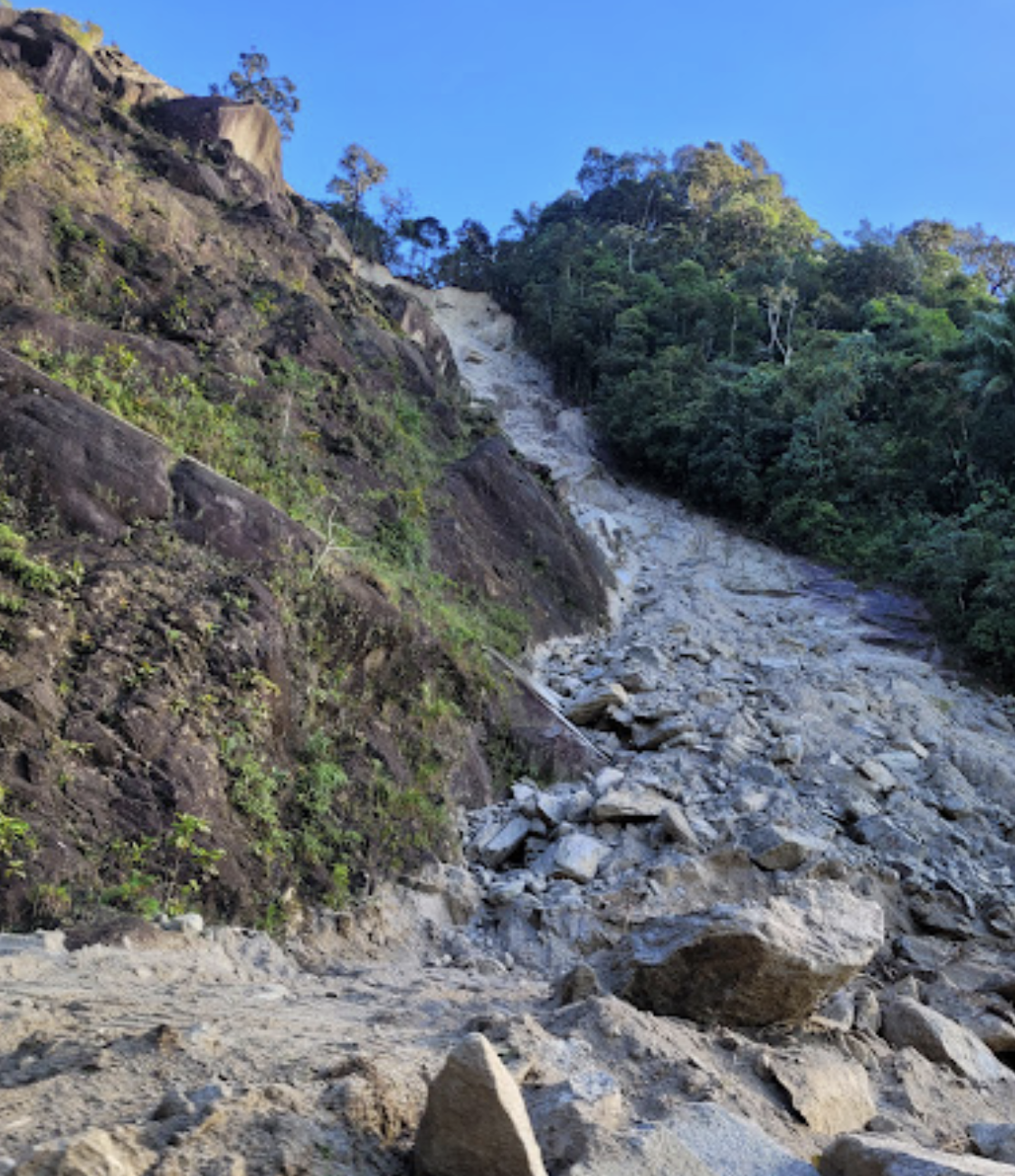
Henri Pittier National Park’s unique blend of topography, vegetation, and climate creates a fantastic natural tapestry, offering a haven for diverse flora and fauna and a captivating destination for exploration and discovery.
Practical information:
How to get here?
The easiest access to the park is across the road from Maracay to El Limón, through Rancho Grande and down Ocumare de la Costa, and the road from Maracay to Las Delicias and reaches Choroní. If you don’t drive a car in Venezuel, you can reach Choroni by bus from Maracay. If you feel adventureus and fit enough you can even hike from Maracay to Choroni. Check out this trail. It’s almost 40 km immeresed in nature. Could be worth it.
Accomodation in Coronì
There is plenty of posadas and hostels in town. You can show up in Choronì without a reservation and most probably you will find a nice and not expensive place. If you are looking for a quiet and well organized accomodation Posad Pittier could be a place for you.
 Nomadlytics
Leave a comment