
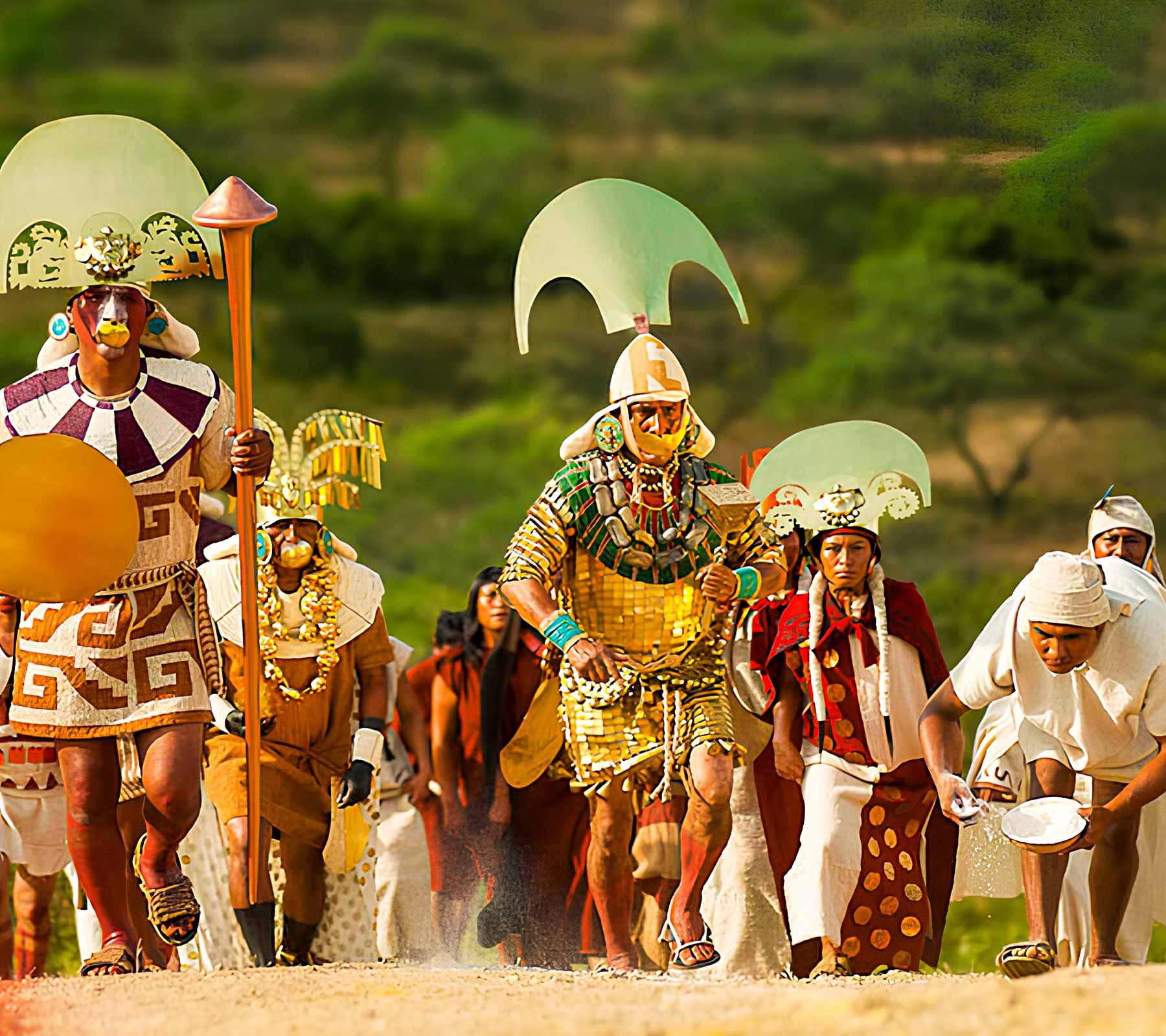
The Moche culture, which flourished between 100 and 700 AD on the northern coast of Peru, is renowned for its extraordinary contributions to pre-Columbian civilization. Known for their sophisticated irrigation systems, remarkable art, and complex society, the Moche left behind a legacy that continues to intrigue and inspire historians, archaeologists, and enthusiasts of ancient cultures. In this post I will try to introduce you to this culture and present you some basic aspects of it. I my modest opinion, you cannot travel through Peru without the basic understanding of Moche cultre. Moche had very interesting social structure, religious practices, and above all they had a huge impact on Peruvian history. Let’s start!
Historical Context and Origins
The Moche culture developed between 200 and 900 C.E. , in the fertile valleys of northern Peru, particularly in the regions of present-day La Libertad and Lambayeque. They emerged following the decline of the Chavín culture and laid the groundwork for future civilizations, including the Chimu and the Inca. The Moche were not a unified empire but rather a collection of autonomous polities sharing a common culture and religious beliefs, connected through trade and political alliances.
Social Structure and Governance
Hierarchical Society
The Moche society was highly stratified, with a clear hierarchy that included a ruling elite, priests, warriors, artisans, farmers, and laborers. The elite lived in grand palaces and were often depicted in art as divine or semi-divine figures. This stratification was reflected in their monumental architecture and elaborate burials, which showcased the wealth and power of the upper classes.
Political Organization
Each Moche polity was governed by a local ruler, often referred to as a “curaca.” These leaders wielded considerable political and religious authority, overseeing agricultural production, trade, and religious ceremonies. The rulers and high-ranking officials were often buried with lavish grave goods, including gold and silver artifacts, ceramics, and textiles, indicating their high status and the society’s belief in an afterlife.

Agricultural Innovations
The Moche were master engineers who developed advanced agricultural techniques to sustain their growing population. They constructed extensive irrigation systems, including canals and aqueducts, to bring water from the Andean highlands to their arid coastal lands. These innovations allowed them to cultivate a variety of crops, such as maize, beans, squash, and cotton, which supported their economy and facilitated trade with neighboring regions.
Artistic Achievements
Ceramics
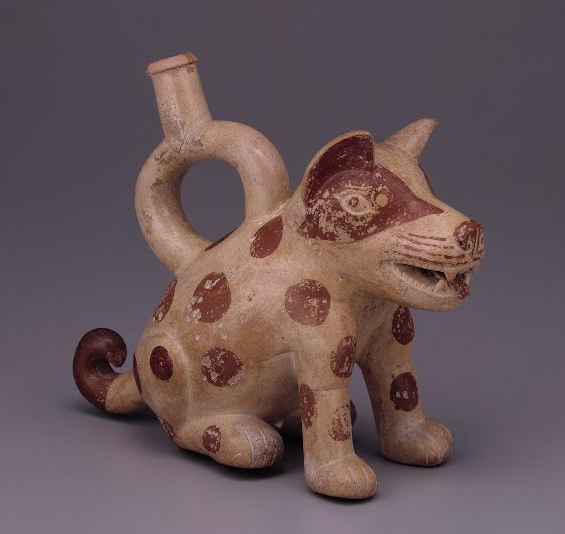
Moche ceramics are among the most distinguished and studied artifacts from ancient Peru. These ceramics were often crafted with remarkable precision and detail, depicting a wide range of subjects, from everyday life and nature to religious rituals and mythological scenes. The Moche used mold-making techniques to produce large quantities of pottery, but they also created unique, hand-sculpted pieces.
One of the most famous forms of Moche pottery is the stirrup-spout vessel, characterized by a spout that resembles a stirrup. These vessels often featured realistic portrait heads, believed to represent high-ranking individuals or deities. The detailed facial expressions and lifelike features make them a valuable source of information about the Moche people and their society.
Metalwork
The Moche were also skilled metallurgists, producing intricate objects from gold, silver, and copper. They employed techniques such as alloying, casting, hammering, and repoussé to create jewelry, ornaments, and ceremonial objects. The metalwork of the Moche is characterized by its high level of craftsmanship and often features depictions of animals, deities, and geometric patterns.
Murals and Frescoes
The Moche adorned the walls of their temples and public buildings with vibrant murals and frescoes. These artworks provide a glimpse into the religious and ceremonial life of the Moche, depicting scenes of ritual sacrifice, warrior processions, and mythical narratives. The murals are notable for their dynamic compositions and detailed representations, which offer valuable insights into Moche beliefs and practices.
Religious Beliefs and Practices
Religion was central to Moche society, influencing every aspect of their culture, from art and architecture to politics and daily life. The Moche pantheon included a variety of deities associated with natural elements, agriculture, and warfare. These gods were often depicted in art and played a crucial role in the rituals and ceremonies conducted by the elite.
Sacrificial Practices
Human sacrifice was a significant aspect of Moche religious practice. Sacrificial ceremonies were conducted to appease the gods, ensure agricultural fertility, and maintain social order. The most famous depiction of these rituals is found in the murals of the Huaca de la Luna (Temple of the Moon), one of the major Moche ceremonial centers. These murals illustrate complex scenes of sacrificial victims, priests, and deities, highlighting the importance of these rituals in Moche society.
Funerary Practices
The Moche placed great importance on funerary practices, particularly for the elite. High-status individuals were buried in elaborate tombs, accompanied by a wealth of grave goods, including ceramics, metalwork, textiles, and food offerings. These burials provide valuable information about the social hierarchy, beliefs, and daily life of the Moche.
One of the most significant archaeological discoveries related to Moche funerary practices is the tomb of the Lord of Sipán, uncovered in 1987. This tomb contained a wealth of artifacts and the remains of a high-ranking Moche ruler, providing unprecedented insights into Moche society and burial customs.
Architectural Masterpieces
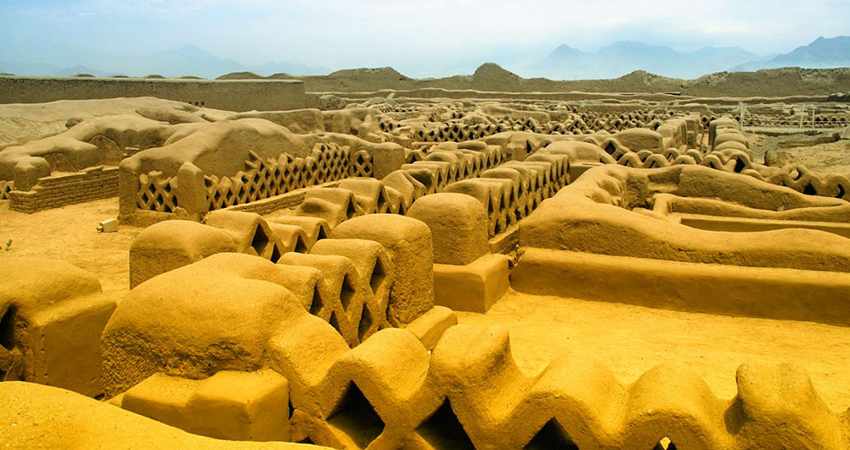
The Moche constructed impressive architectural complexes, including pyramids, temples, and administrative centers. These structures were built from adobe bricks and often featured elaborate decorative elements.
Huaca del Sol and Huaca de la Luna
The Huaca del Sol (Temple of the Sun) and Huaca de la Luna (Temple of the Moon) are two of the most prominent Moche structures, located near the modern city of Trujillo. The Huaca del Sol was the largest adobe pyramid in the Americas, serving as a political and administrative center. Although much of it has been damaged by looting and natural erosion, its scale and construction remain impressive.
The Huaca de la Luna, situated nearby, served as a religious and ceremonial center. Its walls are adorned with intricate murals depicting scenes of warfare, sacrifice, and mythology. Excavations at the Huaca de la Luna have yielded a wealth of artifacts, including ceramics, metal objects, and human remains, providing valuable insights into Moche religious practices.
If you would like to discover more about Huaca del Sol y de la Luna, check my post about it.
Legacy and Influence
The Moche culture laid the foundation for subsequent civilizations in northern Peru, including the Chimu and the Inca. Their advancements in agriculture, metallurgy, and art significantly influenced these later cultures. The legacy of the Moche is also evident in the continued use of their irrigation systems and the preservation of their artistic traditions.
Modern Archaeological Discoveries
Modern archaeology has played a crucial role in uncovering and understanding the Moche culture. Excavations at major Moche sites, such as Sipán, San José de Moro, and El Brujo, have provided invaluable insights into their society, economy, and religious practices. These discoveries have helped to reconstruct the history of the Moche and appreciate their contributions to Andean civilization.
Cultural Heritage
Today, the legacy of the Moche is celebrated and preserved through museums, archaeological sites, and cultural programs. The Royal Tombs of Sipán Museum, located in Lambayeque, showcases the artifacts from the Lord of Sipán’s tomb and other significant finds, offering visitors a glimpse into the rich history of the Moche. Efforts to protect and study Moche sites continue, ensuring that the heritage of this remarkable civilization remains accessible to future generations.
The Moche culture stands as a testament to the creativity and resilience of ancient Peruvian societies. Their achievements in art, architecture, agriculture, and metallurgy reflect a complex and sophisticated civilization that continues to surprise researchers and enthusiasts alike. Through ongoing archaeological discoveries and preservation efforts, the legacy of the Moche endures, offering a window into the rich tapestry of Peru’s pre-Columbian history. Exploring the world of the Moche provides a deeper understanding of the cultural and historical foundations that have shaped the vibrant and diverse nation of Peru.
 Nomadlytics
Leave a comment