
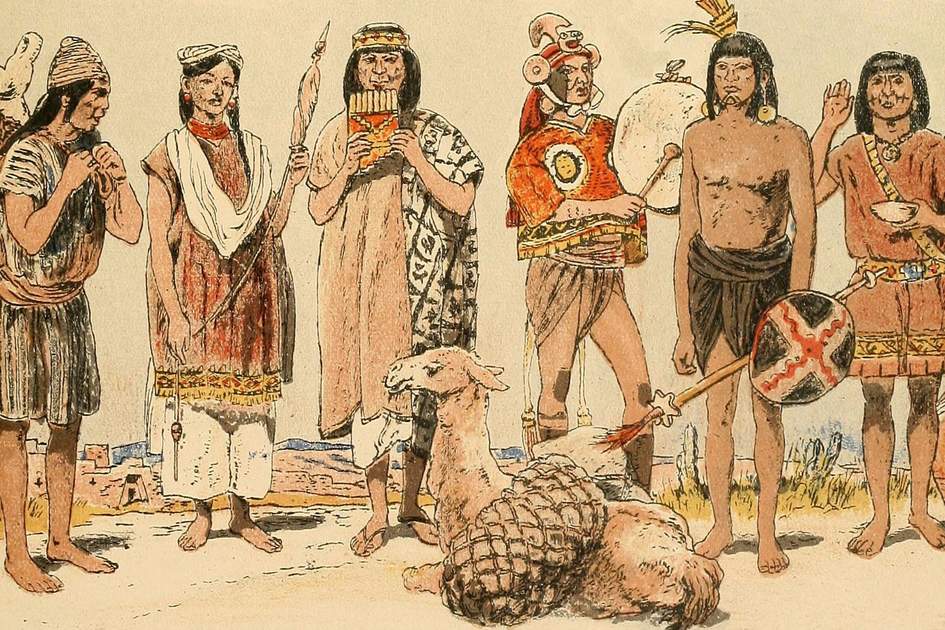
The Inca Empire, known as Tawantinsuyu in Quechua, which means “The Four Regions,” was the largest empire in pre-Columbian America. At its zenith, it stretched across present-day Peru, Bolivia, Ecuador, Colombia, Chile, and Argentina. The heart of this vast empire lay in modern-day Peru, where the Inca culture flourished, leaving a rich legacy that continues to fascinate the travelers from all over the world. Wherever you will go in Peru you will see the traces of this incredible empire. So let’s discover the multifaceted aspects of Inca culture, their religion and architecture that influenced the contemporary Peruvian society.
Origins and Expansion of the Inca Empire
The Inca civilization originated in the Andean region of Peru around the early 13th century. Legend has it that the empire was founded by Manco Cápac, who emerged from the sacred waters of Lake Titicaca, chosen by the sun god Inti to lead his people. The Inca’s rise to power began in the Cusco Valley, where they established their capital, Cusco, which means “navel of the world.”
The expansion of the Inca Empire was characterized by a combination of military conquest and diplomacy. The Sapa Inca, or emperor, and his elite military commanders led campaigns to incorporate neighboring tribes and regions into the empire. These newly conquered peoples were integrated through a sophisticated system of administration, ensuring loyalty to the central authority in Cusco.
Social Structure and Governance
The Inca social structure was highly hierarchical, reflecting a well-organized society with distinct roles and responsibilities. At the top of this hierarchy was the Sapa Inca, considered a divine ruler with direct descent from Inti, the sun god. Below the Sapa Inca were the nobility, who held key administrative and military positions.
The empire was divided into four suyus (regions), each governed by an Apu, who was responsible for the local administration, tribute collection, and implementation of imperial policies. The governance model relied on the ayllu, a kin-based community organization that managed land and labor resources. Each ayllu was headed by a kuraka, who acted as an intermediary between the common people and the higher authorities.
The Inca system of labor, known as mit’a, required every able-bodied citizen to contribute a certain amount of labor to state projects, such as construction of infrastructure, agricultural terraces, and military service. This labor tax was crucial for the maintenance and expansion of the empire.
Religion and Cosmology
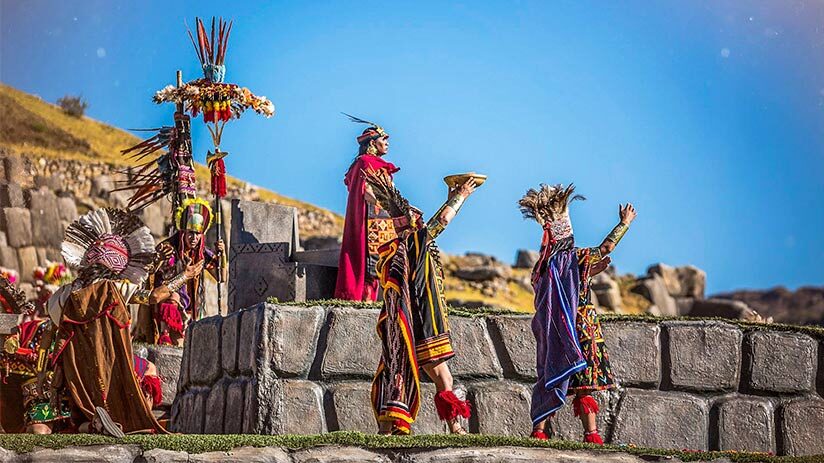
Religion played a central role in Inca culture, with a pantheon of gods and goddesses that influenced every aspect of daily life. Inti, the sun god, was the most revered deity, and the Sapa Inca was considered his earthly representative. The Inca also worshipped Pachamama (Mother Earth), Viracocha (the creator god), and other natural deities associated with mountains, rivers, and fertility.
The Incas believed in a dualistic cosmology, where the world was divided into the upper world (Hanan Pacha), the middle world (Kay Pacha), and the underworld (Ukhu Pacha). They practiced elaborate rituals and ceremonies to honor their gods, including human and animal sacrifices, especially during important agricultural cycles and celestial events.
Priests and priestesses played a significant role in Inca society, conducting rituals and maintaining temples. The most important religious site was the Coricancha (Temple of the Sun) in Cusco, adorned with gold and dedicated to Inti. Another significant practice was the mummification of ancestors, particularly former rulers, whose bodies were treated as living entities and consulted for important decisions.
Architecture and Engineering
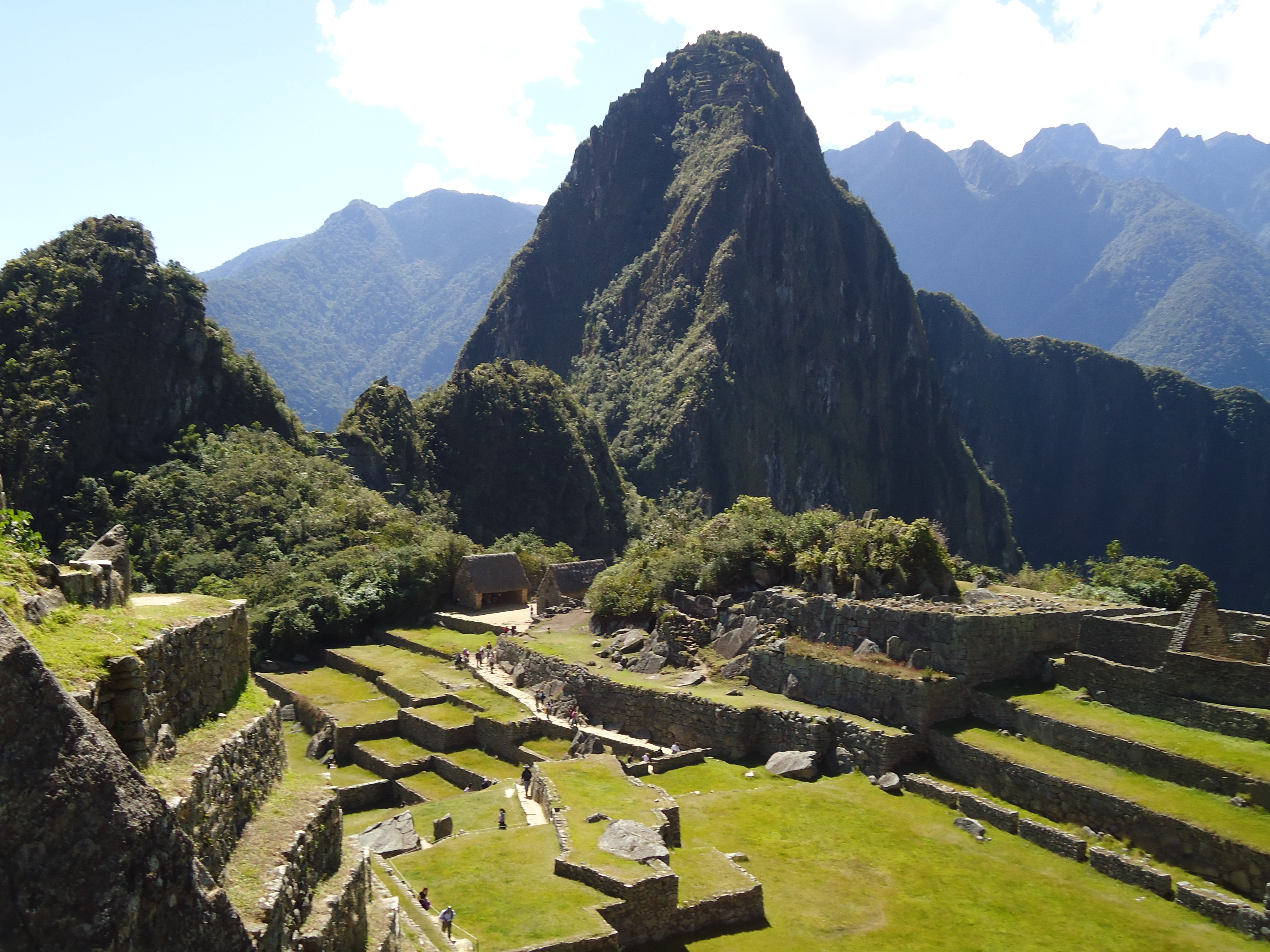
The architectural and engineering feats of the Inca are among their most enduring legacies. They mastered the art of stone masonry, constructing buildings and structures without the use of mortar. The precision with which they cut and fitted stones is evident in their surviving structures, many of which have withstood earthquakes over the centuries.
One of the most iconic examples of Inca architecture is Machu Picchu, a royal estate built for Emperor Pachacuti. Nestled high in the Andes, Machu Picchu showcases the Incas’ advanced understanding of astronomy, agriculture, and urban planning. The site features terraces, temples, plazas, and water management systems that exemplify their ingenuity.
The Incas also developed an extensive network of roads, known as the Qhapaq Ñan, which spanned over 25,000 miles. These roads connected various parts of the empire, facilitating trade, communication, and military movement. Waystations and tambos (inns) were established along these routes to provide rest and resources for travelers.
Agriculture and Economy
Agriculture was the backbone of the Inca economy, supported by their innovative farming techniques. They developed terraced fields, which prevented soil erosion and maximized arable land in the mountainous terrain. These terraces were irrigated through an intricate system of canals and aqueducts that harnessed water from rivers and springs.
The Incas cultivated a diverse array of crops, including potatoes, maize, quinoa, and various tubers. They also domesticated animals such as llamas and alpacas, which provided wool, meat, and served as pack animals. The surplus produce from agriculture was stored in qollqas (storehouses) and redistributed during times of scarcity.
Trade within the empire was conducted through barter, as the Incas did not have a currency system. They exchanged goods such as textiles, pottery, and agricultural produce. The state played a central role in regulating and redistributing resources, ensuring that all regions of the empire were adequately supplied.
Art and Craftsmanship
Inca art and craftsmanship reflected their deep connection to nature and spirituality. They excelled in textiles, metallurgy, pottery, and woodcarving. Textiles were highly prized, with weavers creating intricate patterns and designs using natural dyes. These textiles were not only used for clothing but also as offerings to the gods and symbols of status.
Metallurgy was another area where the Incas demonstrated exceptional skill. They worked with gold, silver, and copper to create jewelry, ceremonial objects, and tools. Gold, in particular, was considered the sweat of the sun and was used extensively in religious artifacts and decorations.
Pottery and ceramics were also integral to Inca culture, with artisans producing vessels and figurines that depicted daily life, animals, and deities. These objects were often used in rituals and as offerings in burials.

Language and Communication
The primary language of the Inca Empire was Quechua, which became the lingua franca of the region. Despite the lack of a written language, the Incas developed an innovative system of record-keeping known as quipu. Quipus consisted of a series of colored strings and knots, each representing numerical data and other information. This system was used for administrative purposes, such as recording tribute, census data, and agricultural production.
Messengers known as chasquis played a vital role in communication across the vast empire. They relayed messages and quipus between different regions, running long distances along the Qhapaq Ñan. The efficiency and speed of the chasquis ensured that the Sapa Inca and his administrators could maintain control over distant territories.
The Spanish Conquest and Legacy
The arrival of the Spanish conquistadors in the early 16th century marked the beginning of the end for the Inca Empire. Led by Francisco Pizarro, the Spaniards exploited internal conflicts and used superior weaponry to defeat the Incas. The capture and execution of the last Sapa Inca, Atahualpa, in 1533, symbolized the fall of the empire.
Despite the collapse of their political structure, the cultural legacy of the Incas endures in modern Peru. Many aspects of Inca culture, including language, agricultural practices, and artisanal crafts, continue to thrive among indigenous communities. Quechua remains widely spoken, and traditional festivals and rituals are celebrated with fervor.
The architectural marvels of the Incas, such as Machu Picchu, Sacsayhuamán, and Ollantaytambo, attract millions of visitors each year, serving as a testament to their ingenuity and resilience. These sites are not only important tourist attractions but also hold significant cultural and spiritual value for the descendants of the Incas.
Contemporary Influence and Preservation
In modern Peru, the influence of Inca culture is pervasive, shaping the nation’s identity and cultural heritage. Efforts to preserve and promote this legacy are evident in various spheres, including education, tourism, and community initiatives.
Educational programs in Peru often include the study of Inca history and Quechua language, fostering a sense of pride and continuity among young generations. Museums and cultural centers dedicated to Inca heritage, such as the Museo Inka in Cusco, offer valuable insights into the empire’s history and achievements.
Tourism plays a crucial role in the preservation and dissemination of Inca culture. Sites like Machu Picchu and the Sacred Valley are meticulously maintained, and sustainable tourism practices are encouraged to protect these fragile heritage sites. The revenue generated from tourism supports local economies and conservation efforts, ensuring that the legacy of the Incas remains intact for future generations.
Community initiatives and grassroots movements are also instrumental in preserving traditional Inca practices. Indigenous communities across Peru continue to practice ancient agricultural techniques, artisanal crafts, and spiritual rituals, maintaining a living connection to their ancestral heritage.
The story of the Incas is not just a chapter in history; it is a living tradition that continues to inspire. From the awe-inspiring ruins of Machu Picchu to the festive celebrations of traditional festivals.
If you would like to discover more about the Inca Empire I suggest you a pretty good read here.
 Nomadlytics
Leave a comment