

Ciudad Bolívar is a historic city in southeastern Venezuela, serving as the capital of Bolívar State. Located on the banks of the Orinoco River, it is known for its well-preserved colonial architecture, vibrant plazas, and significant role in Venezuela’s independence history. Highlights include the Plaza Bolívar, the Casa del Congreso de Angostura, and the Jesús Soto Museum of Modern Art. Ciudad Bolívar’s charming streets and scenic riverfront offer a glimpse into the country’s rich cultural and historical heritage.
Why did we travel to Ciudad Bolivar? Well, we were on our way to Canaima and it’s quite convenient to fly there from Ciudad Bolivar. We arrived to the town after over 33 hours of traveling from the coastal town Jericoacoara in Brasil. If you are not familiar with Jeri then you have to read my post about that one and only paradise on Earth here .
It began with a six-hour journey in a 4X4 truck and subsequent bus from the serene sands of Jeri to Fortaleza airport. From there, we took a two-hour flight to Manaus, and then a connecting flight in the middle of the night to Boa Vista. Landing at 4:30 AM, we transferred to the bus terminal and waited for the 7:30 AM bus to Venezuela. And here comes the fun part. The 17-hour bus ride through the picturesque landscape of Roraima was both challenging and mesmerizing. We passed through several military checkpoints, only three this time, and experienced the typical broken engines (a standard issue in Venezuela). It took us nearly 33 hours in total to transfer from the peaceful and relaxing Jeri to the vibrant and colorful Ciudad Bolívar but we made it. There are surely less extreme ways to get here so if you prefer you can for example fly here from Caracas airport.
A Warm Welcome in Ciudad Bolívar
Upon our arrival, the most important thing was that we made it safely and found rest in a beautiful colonial guest house called Posada Don Carlos. Our arrival day was anything but usual; it was May 1st, Labour Day, and in Venezuela, a socialist country, this festivity holds significant importance. The entire town was closed in observance of the holiday.

We used the morning to organize our agenda and get some work done (thankfully, the WiFi was decent). Later, we ventured out to explore the town and found ourselves in the middle of a Labour Day demonstration. Nothing serious, it all ended within half an hour. Despite the incredible heat, we wandered through the deserted streets of Ciudad Bolívar.
As we passed by the town’s municipality, a friendly lady greeted us and, upon learning we were tourists, invited us inside. She provided a fascinating tour, explaining the rich history of Ciudad Bolívar, and even introduced us to the mayor, Sergio Hernandez. The mayor was exceptionally welcoming, giving us a tour of his office and private resting space, and gifting us some memorabilia and sweets to remember our visit.
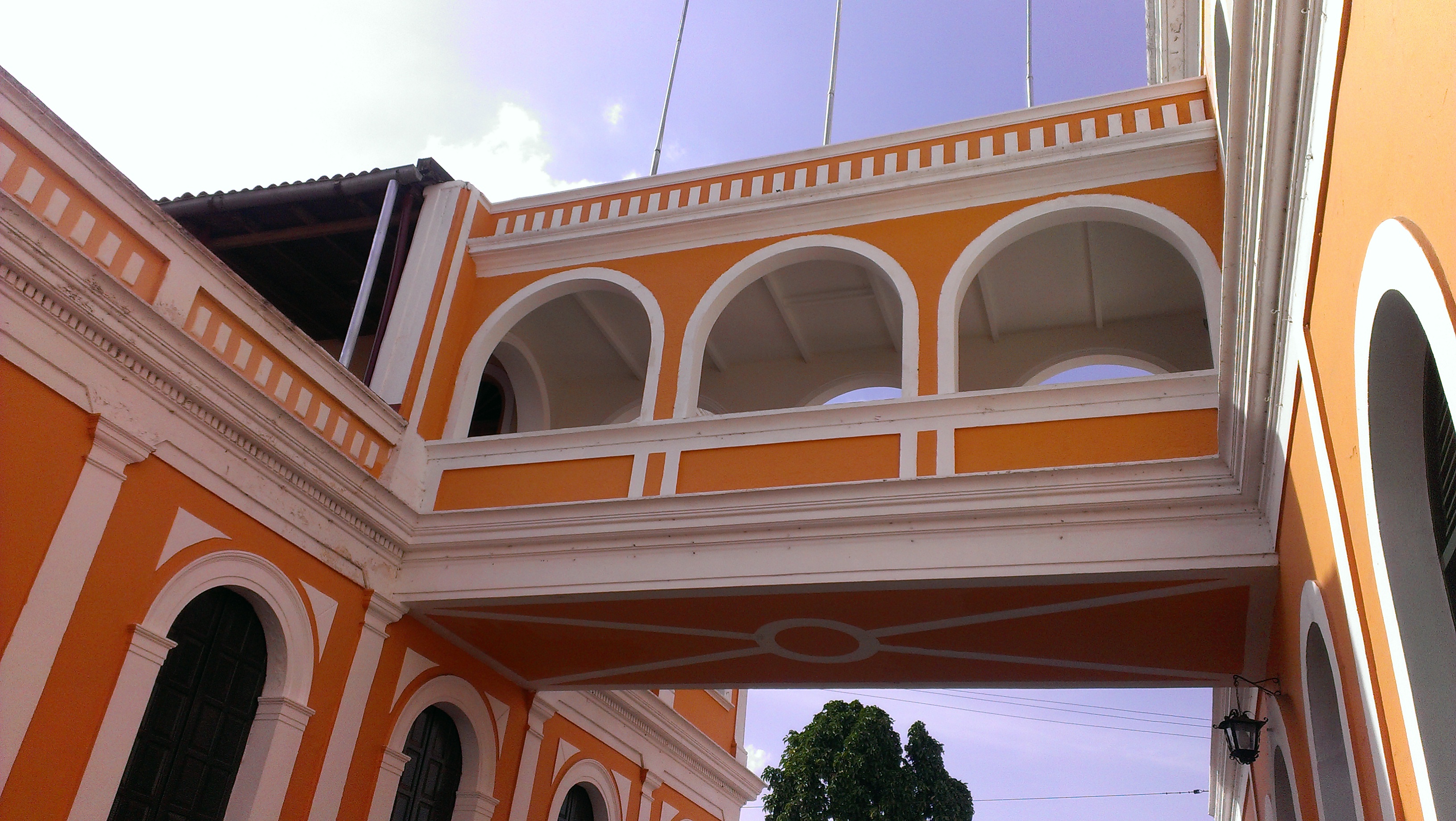
Meeting the mayor and getting a comprehensive tour of the city’s history on Labour Day, when everything else was closed, was an incredible experience. We were moved and astonished by the hospitality we received. This warm welcome made us feel at home and left us wishing we could stay longer in Ciudad Bolívar. My first impression of Venezuelans was excellent; every person we met that day was extremely nice, friendly, and helpful.

Is it worth to visit the city? Yes, absolutely. It’s a calm town with beautiful colonial architecture. Obviously you cannot miss the Plaza Bolivar: The central square of the city, dedicated to Simón Bolívar, features a statue of the liberator and is surrounded by historical buildings, including the Cathedral of Ciudad Bolívar. Casa del Congreso de Angostura is also worth a stop. This historic building hosted the Angostura Congress of 1819, where Simón Bolívar laid out his vision for the future of South America. It’s now a museum showcasing artifacts from this pivotal moment in history. It was very pleasant and quite refershing to stroll on the Orinoco River Waterfront: just perfect for leisurely walks and offers stunning views of the Orinoco River. You can also find local vendors and eateries along the promenade. If you want even a better view of the river, don’t miss the Mirador Angostura. This viewpoint offers panoramic views of the Orinoco River and the Angostura Bridge, one of the longest bridges in South America.
While in town, you cannot miss the beautiful colonial-era cathedral located on Plaza Bolívar, it features stunning architecture and a peaceful interior for visitors to admire. If you are interested in the history, you must visit Casa Piar and Musuem of Ciudad Bolivar. Casa Piar is the former home of Manuel Piar, a prominent figure in the Venezuelan War of Independence, now serves as a museum dedicated to his life and the independence movement.
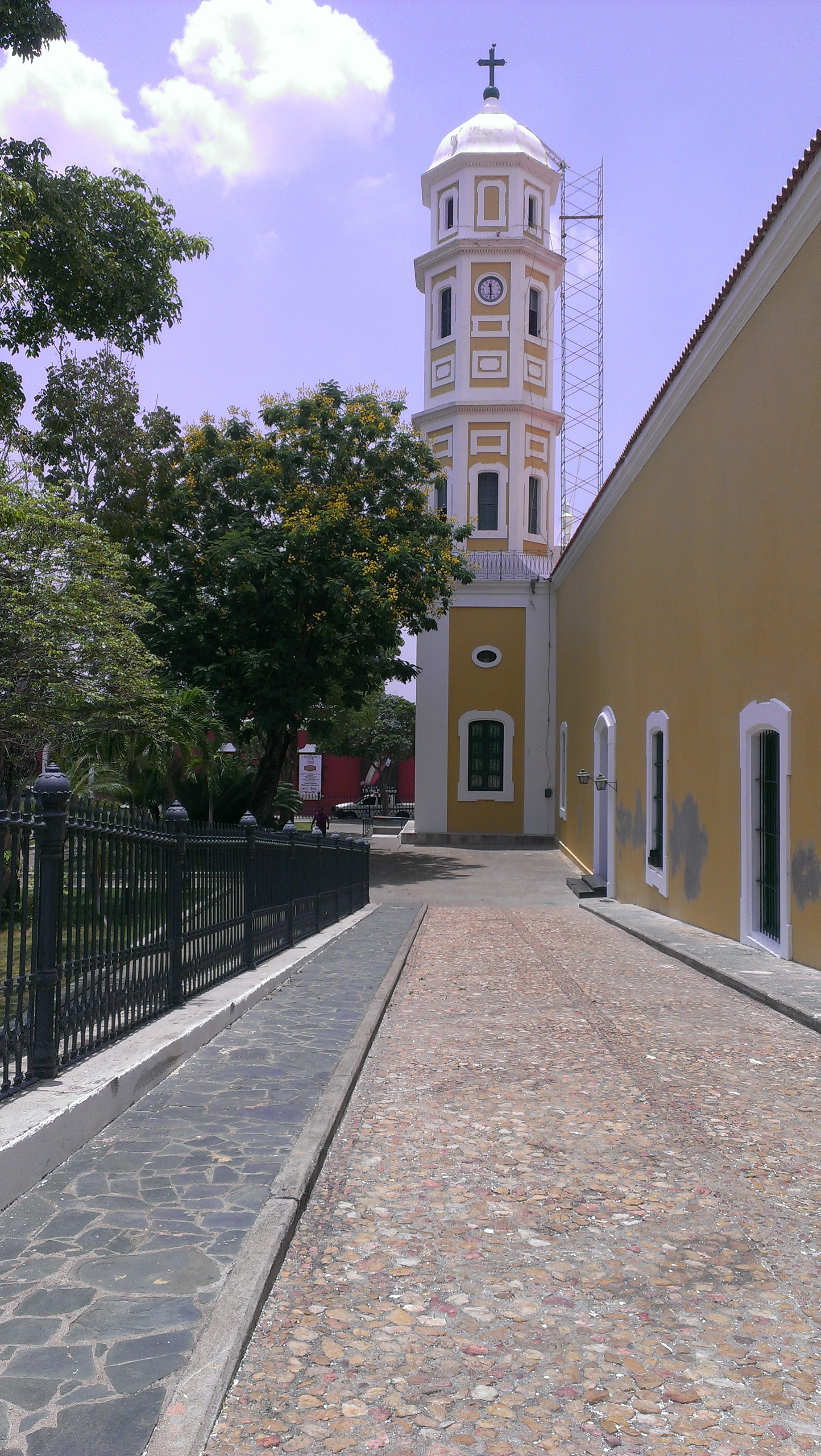
I honestly thought that Ciudad Bolivar would have been just a stop over but the town resulted so pretty and nice that we stayed a bit longer. We treated it as a base for our Salto Angel expedition, but the memories we made in this charming town will stay with us forever.
 Nomadlytics
Leave a comment