

Some people say that Uruguay is known as the Switzerland of South America. No crime, high prices, boring night life, banks harboring secret accounts, cows and chocolate. Well, it is like this to a certain extent. I didn’t find the chocolate as delicious as the Swiss one and I had a perception that some of the areas of Montevideo were not that safe as one could think. The prices are definitely high. Uruguay is pretty flat, has a beautiful stretch of Atlantic beaches and a relatively small population (a little over 3million).
In this post I will write about my first stop in the country: Colonia de Sacramento. This cute colonial town was built by the Portuguese to control access to the river Plate. Today its quaint Portuguese architecture and quiet cobble covered streets are the main attraction. The town is a popular destination among the Argentinians, mainly because it is really close to Buenos Aires: you just have to cross the river and the ferries are really frequent. I stayed here for one day, which is enough. The sleepy atmosphere and the cobble stones are pleasant but are only entertaining for so long after spending time in buzzy Buenos Aires. Let’s see the highlights for your one day escape:
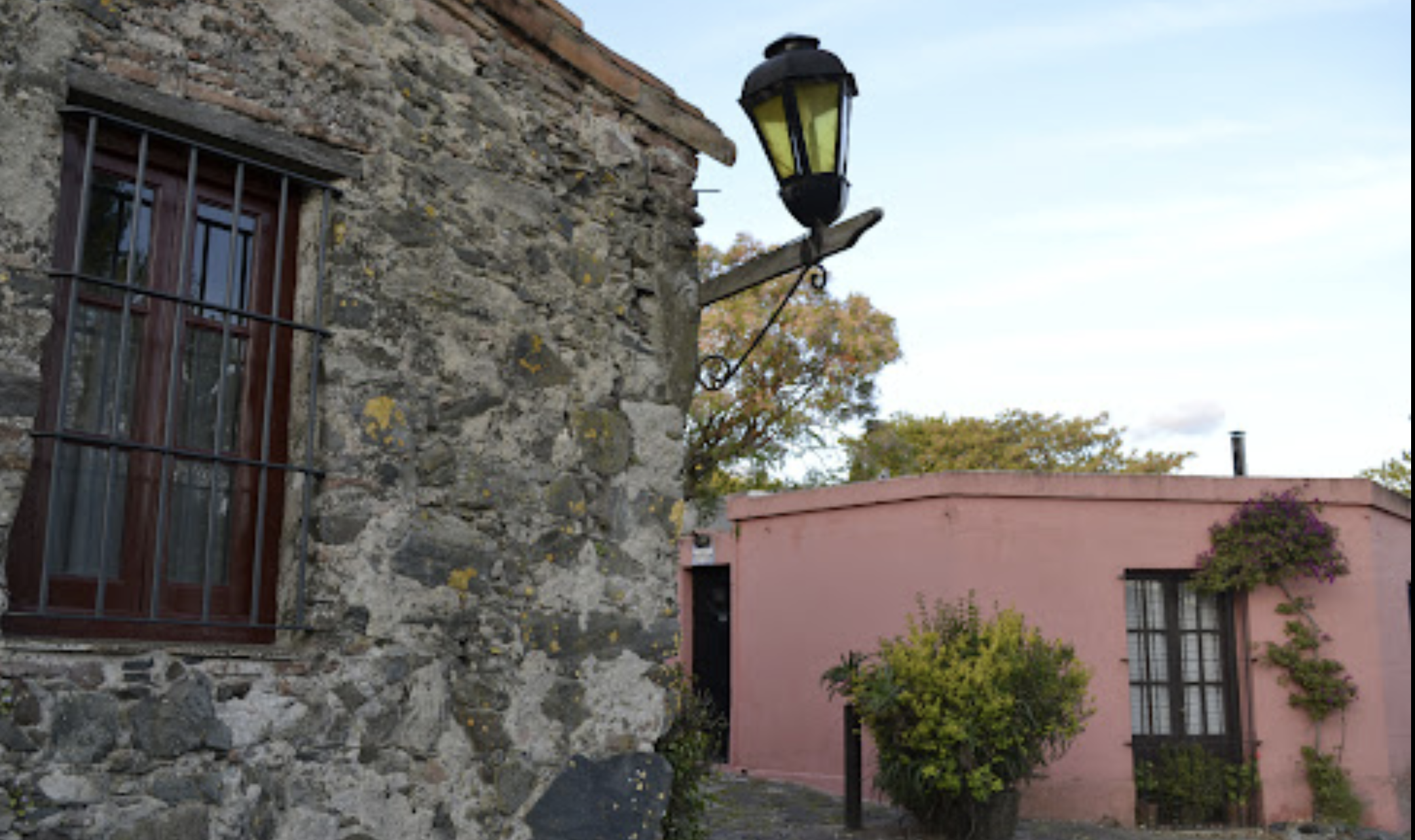
The town was founded in 1680 and it does have a unique blend of Portuguese and Spanish colonial architecture, a testament to its strategic importance during colonial times. The town’s historic center is a UNESCO World Heritage site and is characterized by its well-preserved buildings and charming streets. No wonder that the heart of Colonia is the Barrio Histórico, the old town area that offers a step back in time with its narrow, cobblestone streets and colonial buildings. Key attractions in this area include:
Plaza Mayor: This central square surrounded by historic buildings. It often hosts local markets and events.
Calle de los Suspiros: Translating to “Street of Sighs,” this picturesque cobblestone street is one of the most photographed locations in Colonia. It’s lined with charming colonial houses and offers a romantic setting for a leisurely stroll.
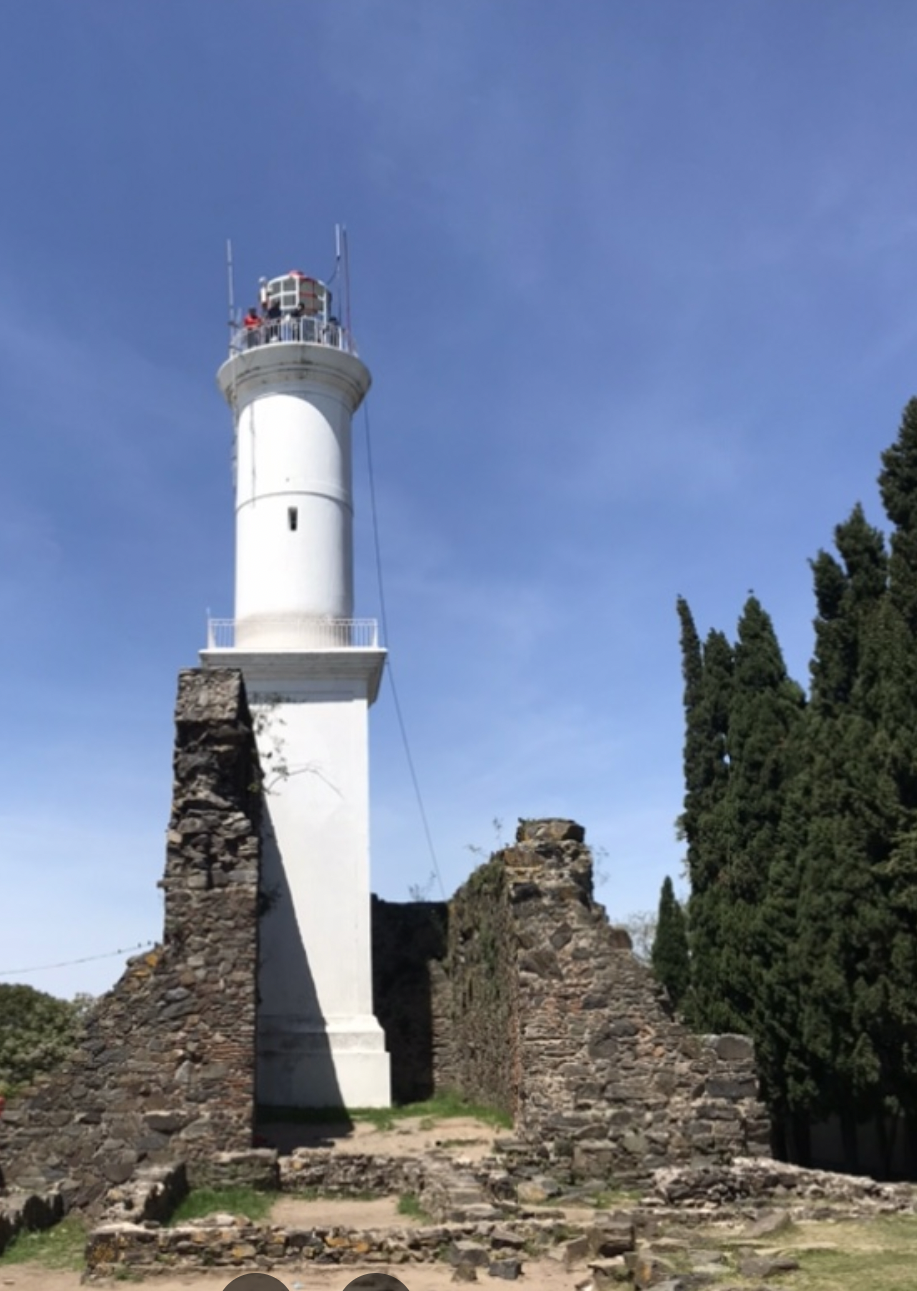
Faro de Colonia: The lighthouse at the entrance to the old port provides panoramic views of the town and the Río de la Plata. Climbing to the top offers an excellent vantage point for photos and a deeper appreciation of Colonia’s landscape.
Museo Portugués and Museo Municipal: These museums offer insights into the town’s colonial history, with exhibits on Portuguese and Spanish influences, as well as local artifacts.
Another nice area is the riverfront. This area is perfect for relaxing and enjoying scenic views of the Río de la Plata. Take a leisurely walk along the waterfront, where you can find cozy cafes and restaurants offering local cuisine. The area is also ideal for watching the sunset over the river, creating a picturesque end to your day.
Obviously Colonia boasts a variety of dining options, from casual cafes to more upscale restaurants. Local specialties include asado (Uruguayan barbecue), fresh seafood, and chivito (a hearty steak sandwich). Enjoying a meal in one of the town’s charming eateries is a great way to experience Uruguayan cuisine.
How to Get There
From Buenos Aires: By Ferry:
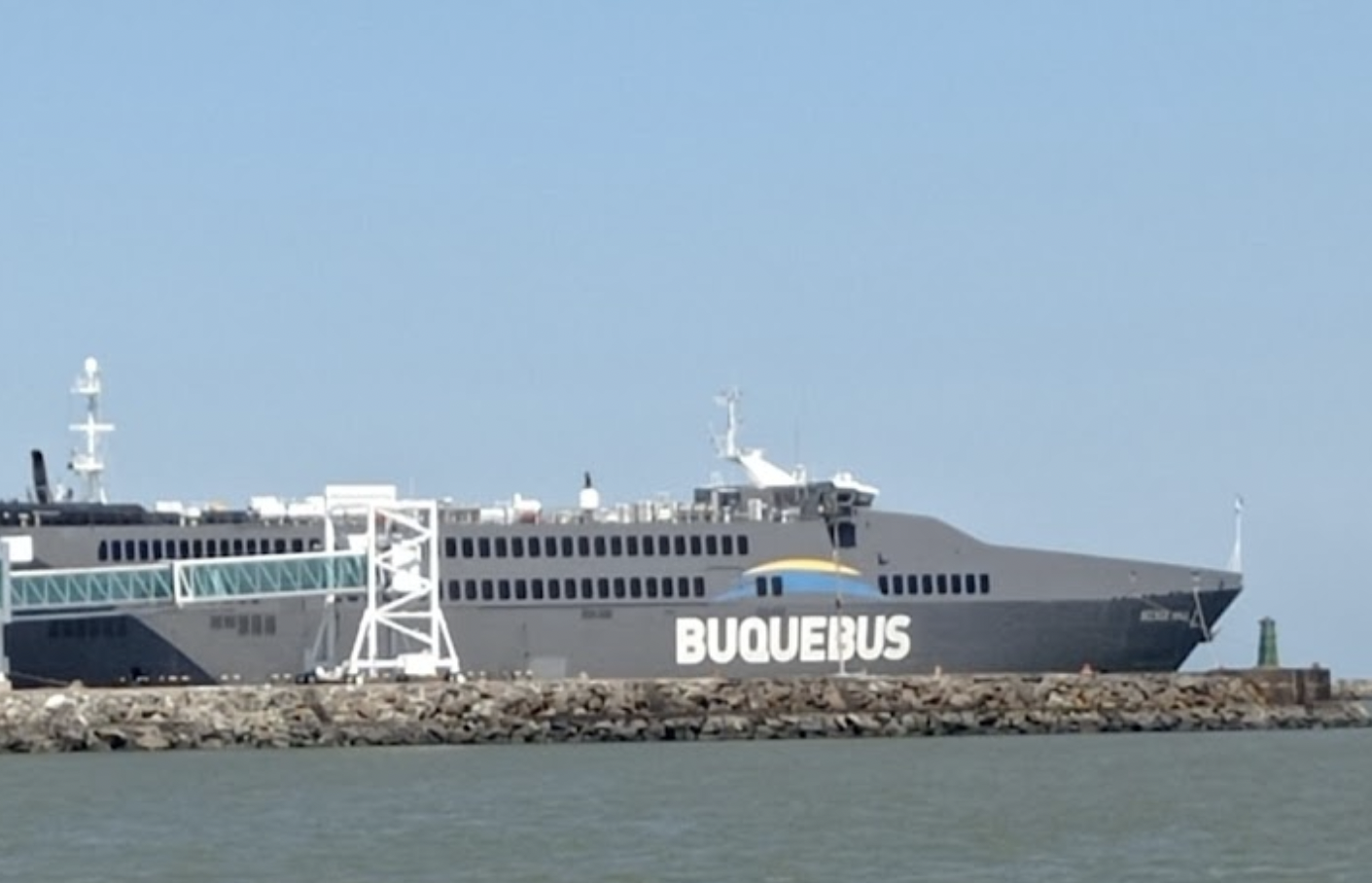
The most convenient way to get from Buenos Aires to Colonia del Sacramento is by ferry. The ferry service is frequent and offers a quick and scenic crossing of the Río de la Plata.
- Ferry Operators: Buquebus and Colonia Express operate ferries between Buenos Aires and Colonia. The journey typically takes around 1 to 1.5 hours. Ferries depart from the Puerto Madero area in Buenos Aires.
From Montevideo:
By Bus:
If you’re coming from Montevideo, the bus is a convenient option. Several bus companies operate routes between Montevideo and Colonia del Sacramento. You can book the ticket online or directly at the bus station. The websites are only in Spanish. The most known are COT and Buquebus which offer regular services. The journey by bus takes approximately 2.5 to 3 hours.
By Car:
Driving from Montevideo to Colonia is also an option. The distance is around 180 kilometers (112 miles), and the drive typically takes about 2.5 hours. Take Route 1 west from Montevideo, which connects directly to Route 21 leading to Colonia.
If you’re traveling from other parts of Uruguay or from neighboring countries, consider connecting through Montevideo or Buenos Aires. From these major cities, you can use the ferry, bus, or car options detailed above to reach Colonia.
Accomodation:
Colonia offers all types of accommodation which you can find on the main online platforms.
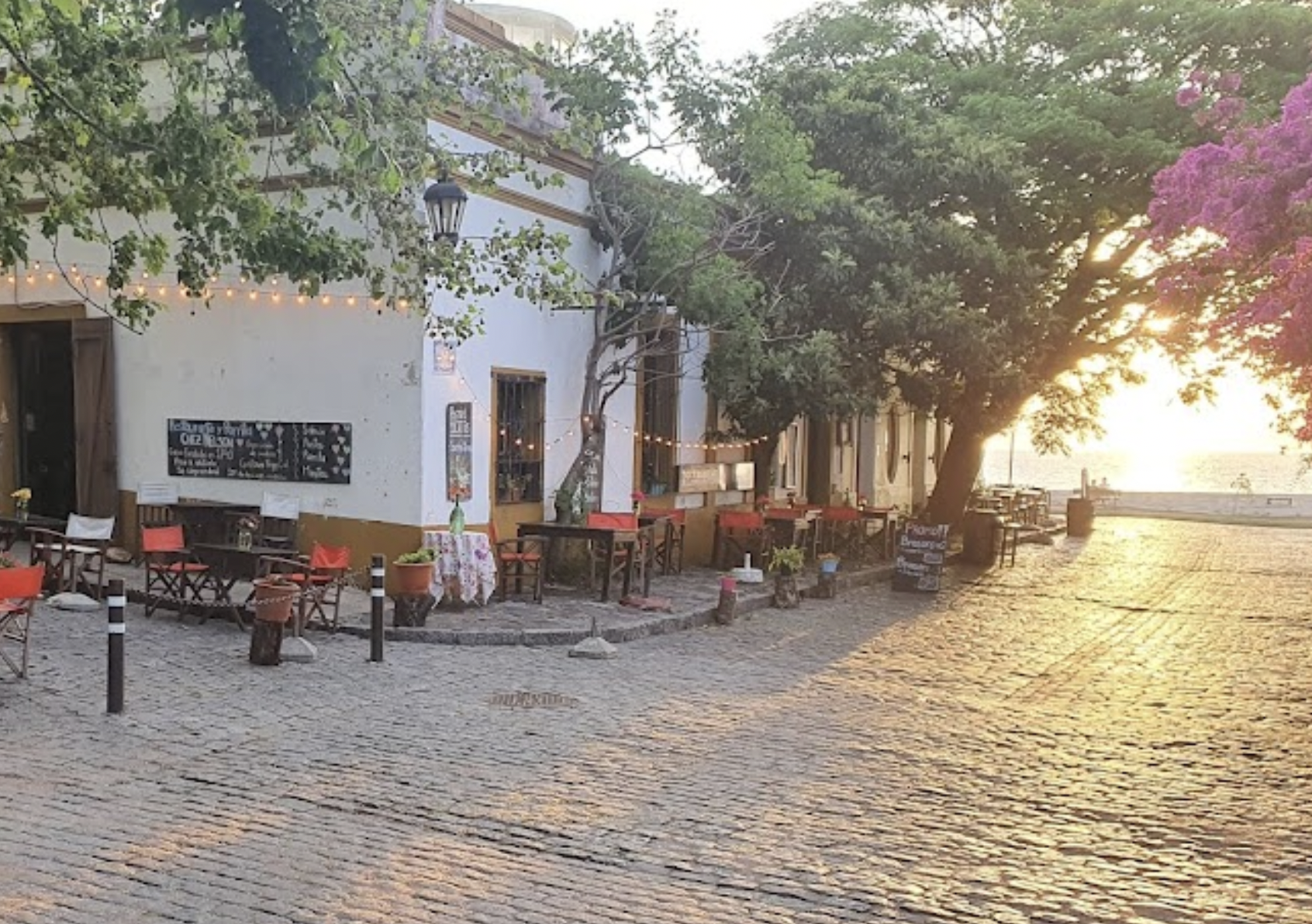
It’s surely worth it to stay one night in this charming, quiet town. Especially if you are planning to visit both capital cities: Buenos Aires and Montevideo. It’s a great stop in between those two.
 Nomadlytics
Leave a comment