
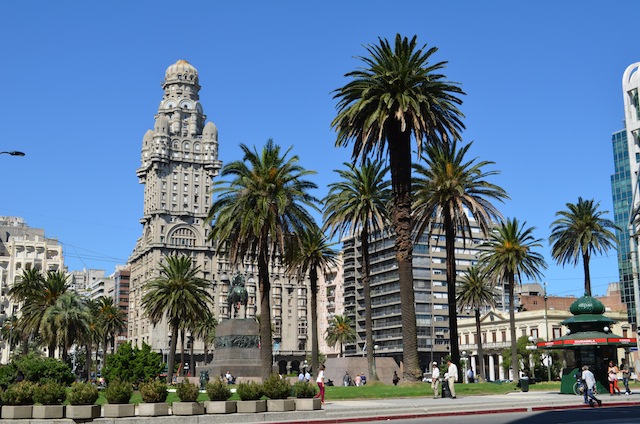
Montevideo, the vibrant capital of Uruguay, is a city known for its rich cultural heritage, laid-back atmosphere, and stunning coastal views. Nestled along the banks of the Río de la Plata, Montevideo offers a delightful mix of historical landmarks, modern attractions, and scenic beauty. Whether you’re a history buff, a food lover, or simply looking to relax by the water, Montevideo has something for everyone. Here’s a guide to making the most of a four-day adventure in this captivating city.
Day 1: Exploring the Historic Heart
Morning:
Ciudad Vieja: Start your exploration in Montevideo’s historic district, Ciudad Vieja. Wander through the cobblestone streets and admire the well-preserved colonial architecture. The must see places are:
- Plaza Independencia: The city’s main square is home to the iconic Artigas Mausoleum, a grand monument dedicated to Uruguay’s national hero, José Artigas. The plaza also features the impressive Solís Theatre, an architectural gem worth admiring.
- Catedral Metropolitana: Just a short walk from Plaza Independencia, the cathedral is a beautiful example of colonial architecture with its stunning interiors and historical significance.
Afternoon:
Mercado del Puerto: Head to the Mercado del Puerto for lunch and immerse yourself in Montevideo’s vibrant food scene. The market is renowned for its traditional asado (Uruguayan barbecue) but if you are vegetarian (like me) you will surely find other local delicacies. The bustling atmosphere, with numerous stalls and restaurants, offers a true taste of Uruguayan culture.
Museo Nacional de Artes Visuales: After lunch, visit the Museo Nacional de Artes Visuales, which houses an extensive collection of Uruguayan art, including works by the country’s most celebrated artists. The museum is located in the Parque Rodó area and offers a deep dive into Uruguay’s artistic heritage.
Evening:
Rambla of Montevideo: End your day with a leisurely stroll along the Rambla, Montevideo’s waterfront promenade. Stretching for miles along the coast, the Rambla offers stunning views of the Río de la Plata, perfect for watching the sunset. There are plenty of cafes and restaurants where you can enjoy dinner with a view.
Day 2: Culture and Relaxation
Morning:
Parque Batlle: Begin your day at Parque Batlle, a large park offering green spaces, gardens, and recreational areas. Visit the Estadio Centenario, the historic stadium where the first FIFA World Cup was held in 1930. The nearby Museo del Futbol (Football Museum) is also worth a visit for sports enthusiasts.
Afternoon:
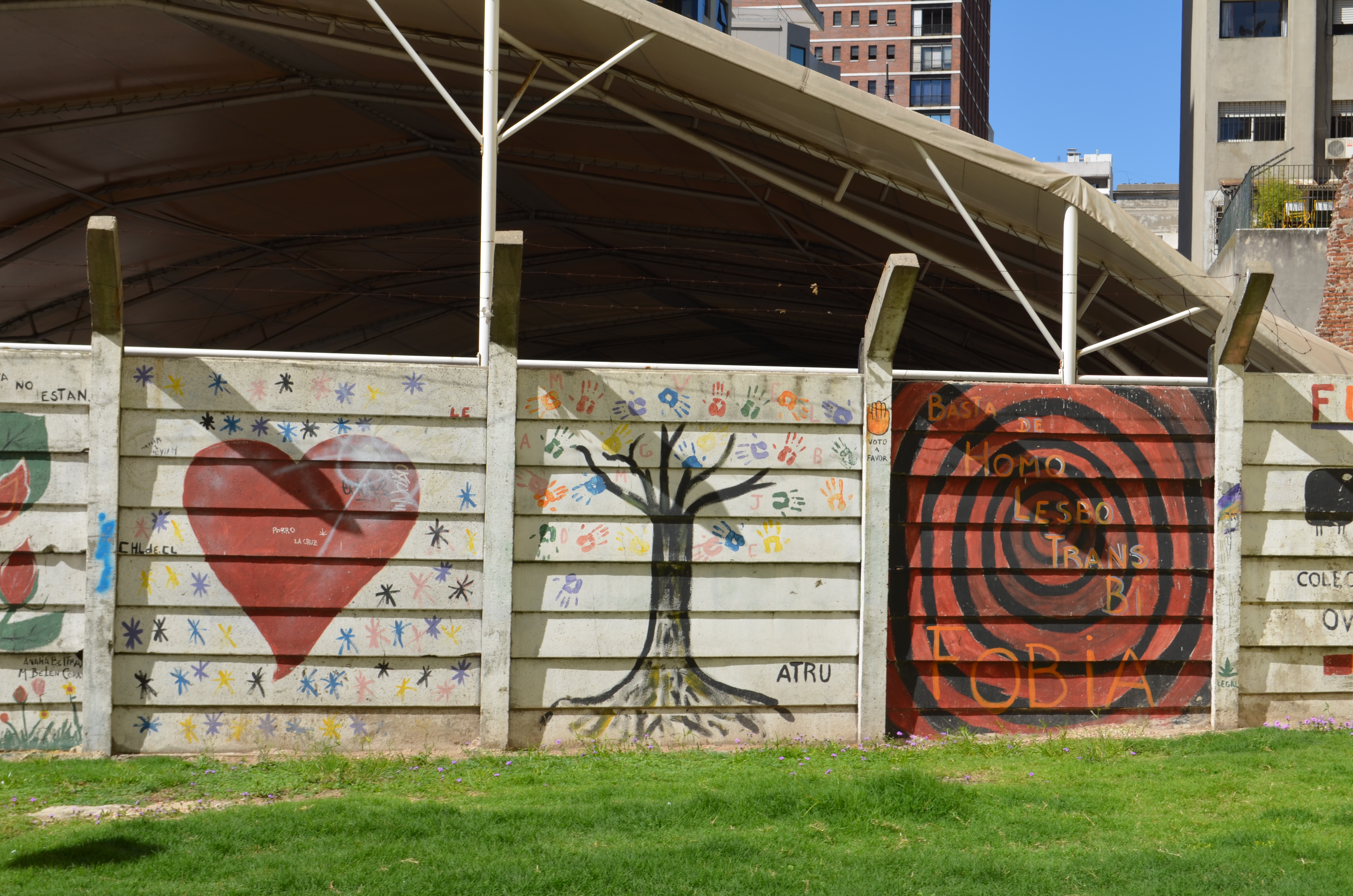
Barrio Sur and Palermo: Explore the vibrant neighborhoods of Barrio Sur and Palermo, known for their rich cultural heritage and bohemian atmosphere. Barrio Sur is famous for its Afro-Uruguayan culture and is the birthplace of the candombe dance, an important part of Uruguay’s cultural identity. Check out local shops, art galleries, and street art.
Museo del Carnaval: Discover Uruguay’s carnival traditions at the Museo del Carnaval. The museum showcases colorful costumes, masks, and memorabilia from the annual carnival celebrations, offering insight into this lively and festive cultural event.
Evening:
Dining and Nightlife: Montevideo has a lively nightlife scene with numerous bars, cafes, and restaurants. Head to the Pocitos or Cordón neighborhoods for a variety of dining options and vibrant nightlife. Enjoy dinner at a local restaurant, and consider trying some traditional Uruguayan dishes, such as empanadas or milanesa.
Day 3: Day Trips and Coastal Charm
Morning:
Punta Carretas: Visit the Punta Carretas neighborhood, known for its upscale shops and beautiful coastal views. The Punta Carretas Shopping mall offers a variety of retail options, and the nearby Punta Carretas Lighthouse provides panoramic views of the surrounding area.
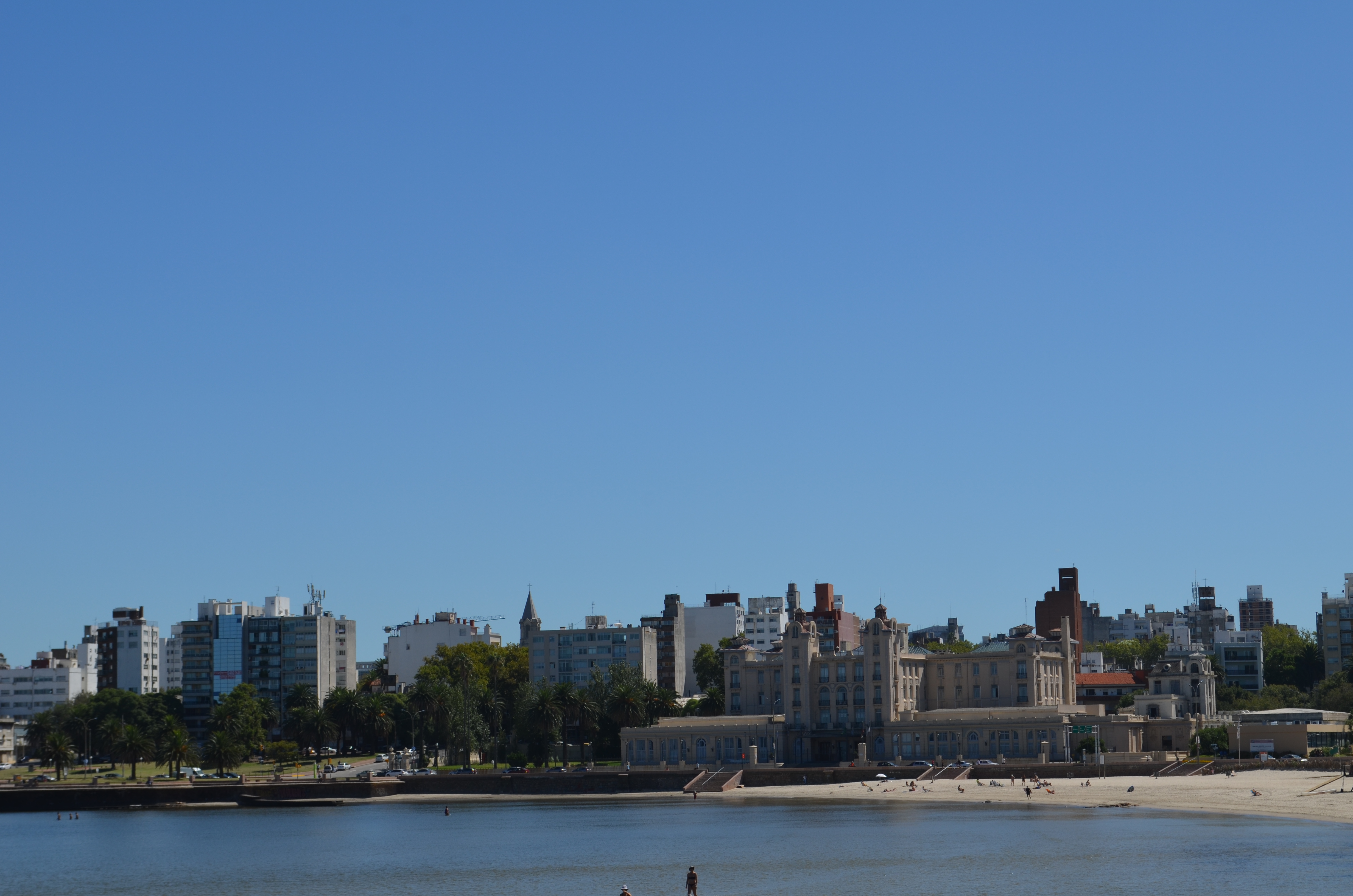
Playa Pocitos: Spend some time relaxing at Playa Pocitos, one of Montevideo’s most popular beaches. The beach is perfect for sunbathing, swimming, or simply enjoying a leisurely walk along the shore.
Afternoon:
Day Trip to Colonia del Sacramento: If you’re up for a day trip, consider visiting Colonia del Sacramento, a UNESCO World Heritage site known for its colonial charm and picturesque streets. The town is just a short ferry ride from Montevideo and offers a wealth of historical and cultural attractions. If you would like to discover more about it, check my post here. I stayed in Colonia two nights but you can easily visit it in a day (that is also what many inhabitants of Buenos Aires do).
Evening:
Return to Montevideo: After returning from Colonia del Sacramento, enjoy a relaxing evening back in Montevideo. Consider visiting a local cafe or bar for a nightcap.
Day 4: Arts and Local Flavor

Morning:
Museo Torres García: Start your final day with a visit to the Museo Torres García, dedicated to the works of the renowned Uruguayan artist Joaquín Torres García. The museum features a collection of his abstract and geometric art, offering a unique perspective on modernist art.
Feria Tristán Narvaja: If you’re visiting on a Sunday, the Feria Tristán Narvaja is a must-see. This bustling street market offers everything from antiques and vintage items to fresh produce and local crafts. It’s a great place to pick up souvenirs and experience Montevideo’s vibrant market culture.
Afternoon:
Mercado Agrícola de Montevideo: Explore the Mercado Agrícola, a renovated market that now hosts a variety of food stalls, artisanal shops, and local products. It’s an excellent spot for lunch and offers a chance to sample more of Montevideo’s culinary delights.
Parque Rodó: Spend your afternoon at Parque Rodó, another lovely green space in Montevideo. The park features a lake, gardens, and a small amusement park, providing a peaceful retreat and a chance to unwind before your departure.
Evening:
Farewell Dinner: For your last night in Montevideo, enjoy a farewell dinner at one of the city’s top restaurants. Consider dining at Restaurante Francis or El Palenque, known for their exceptional Uruguayan cuisine and warm ambiance.
How to Get There
1. By Air:
Montevideo is served by Carrasco International Airport (MVD), which is approximately 20 kilometers (12 miles) from the city center. The airport has direct flights to and from major cities in South America, as well as connections to Europe and the United States.
2. By Bus:
Montevideo is well-connected to other Uruguayan cities and neighboring countries by bus. Long-distance buses from cities like Buenos Aires and Punta del Este offer comfortable and convenient travel options. Book you ticket directly on the website or at the bus stations.
3. By Car:
If you’re traveling from neighboring cities or countries, renting a car is a viable option. Montevideo is accessible via major highways and offers a range of car rental services. The roads are good and it is relatively easy to drive around Uruguay.
Practical Tips for Visiting Montevideo
Accommodation:
Montevideo offers a range of accommodation options, from budget hostels to luxury hotels. The old town is crumbling, in dire need of renovation so don’t expect great accommodation there plus it can be a bit dodgy at night. I can recommend to stay in Pochitos neighborhood.
Currency and Communication:
The local currency is the Uruguayan peso. Credit cards are widely accepted, but it’s a good idea to carry some cash for small purchases. Spanish is the official language but people speak other languages: English and Italian are very common among the inhabitants of the capital.
A four-day trip to Montevideo offers a delightful blend of cultural exploration, relaxation, and local flavor and in my opinion it is enough to visit the capital of Uruguay however you can always stay longer.
 Nomadlytics
Leave a comment