
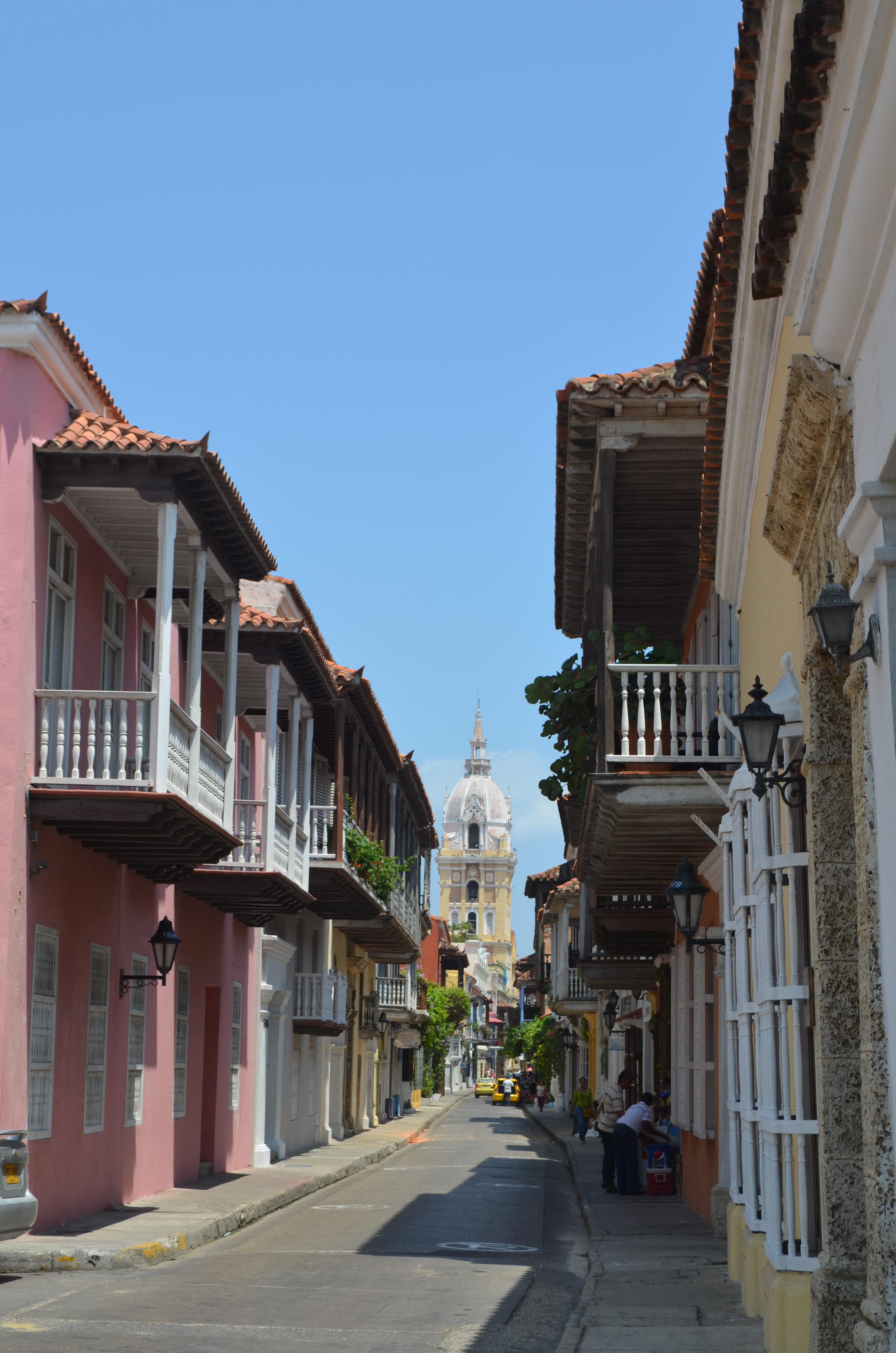
Cartagena, the vibrant gem of Colombia’s Caribbean coast, is a destination where history, culture, and stunning landscapes come together. With its colorful colonial architecture, lively plazas, and nearby pristine beaches, Cartagena offers something for every type of traveler. If you’re planning a trip to this beautiful city and only have three days, this itinerary will help you make the most of your time while exploring its highlights.
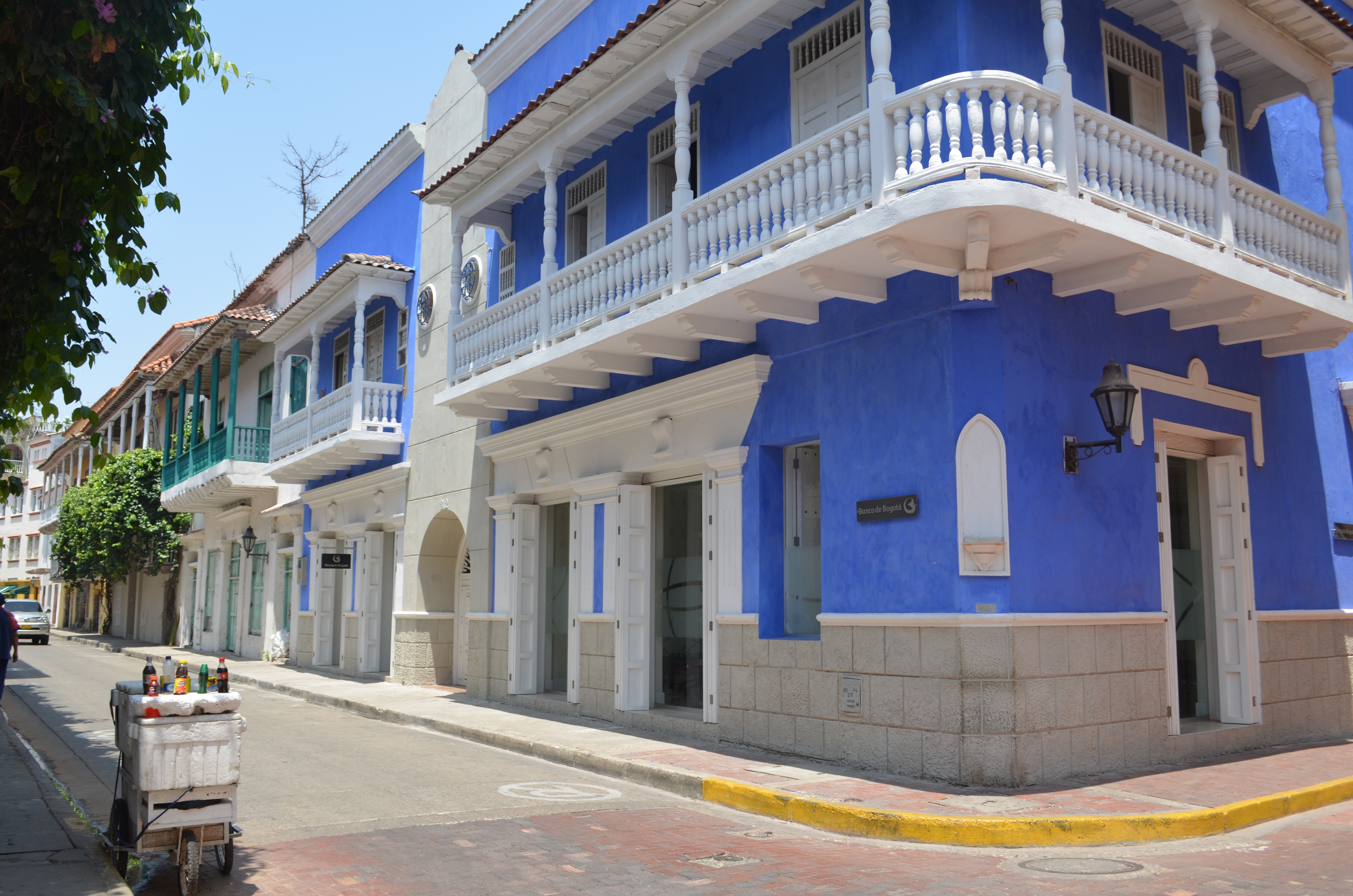
The stifling Caribbean heat forces you to take things nice and slow, and I doubt there is anything more pleasant than slowly strolling along the colorful colonial town: shady, narrow streets lined with pastel painted walls covered in bougainvillaeas, green serene squares, balconies facing the street that could turn even the most unromantic person in the world into an instant romeo, Afro-Caribbean culture. In fact it is all so picture perfect that you almost forget that you are melting in the tropical sun. Cartagena is surrounded by a fortress built by the Spanish to defend this strategic port and within the embrace of the walls tourists from the world over awe at the architecture and indulge in treats provided by posh cafés, restaurants and boutiques. We walked on almost every street of the old town, sat in every square, explored the walls, admired sculptures and filled our minds with the colors that only Africa and South America mixed with the Caribbean could give you. Sadly not all that glitters in gold. The city was a big port of entry for slave labor and many Afro-descendents still live in complete poverty.

The Cartagena that you don’t get to see, the one hidden away from the tourist’s eyes is not too far outside the city walls. The city is a big tourist attraction for international tourists and rich Colombians and hopefully the extreme contrast between rich and poor will fade with time but if you happen to visit the town, don’t hesitate to see also the poor part of it. To do that, simply walk away from the downtown. It’s safe as long as you don’t show up how rich you are.
Cartagena is a beautiful place to visit but unless you want to take on a Spanish course or you are a university student that wants to party all night long, most probably you will not stay here a long time. Three days are enough. Let’s see the itinerary to take most of it.
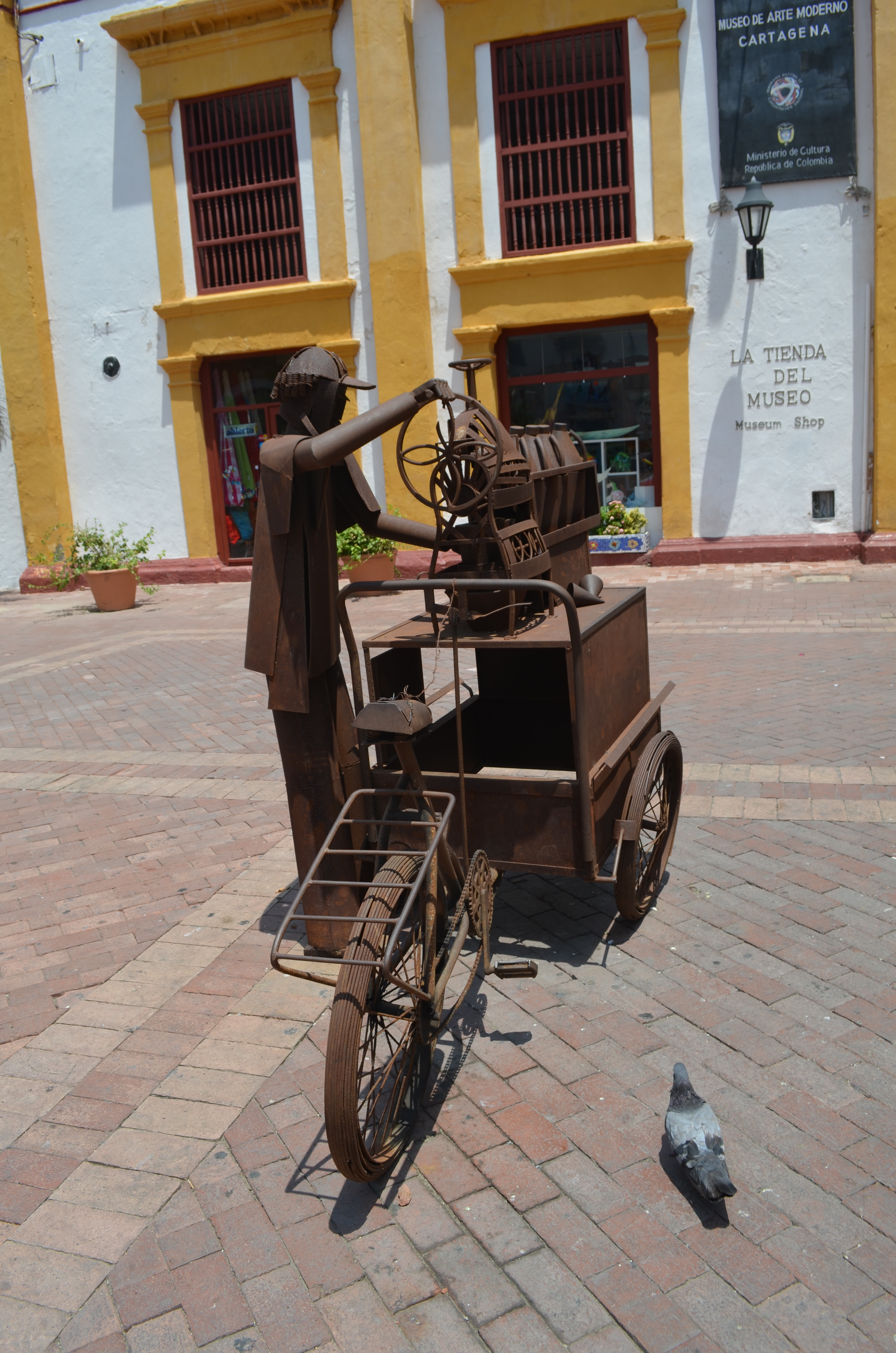
Day 1: Discover the Historic Charm of the Old Town (Centro Histórico)
Start your first day in Cartagena by exploring the heart of the city – the Old Town, a UNESCO World Heritage site. This area, known for its cobblestone streets, brightly painted colonial buildings, and centuries-old churches, feels like stepping back in time. Begin with a leisurely stroll along the iconic Las Murallas (The City Walls). Cartagena’s city walls were built in the 16th century to protect against pirate invasions. From here, you’ll get stunning views of the Caribbean Sea, perfect for snapping panoramic shots. Explore Plaza de los Coches. It is one of the most famous plazas in the Old Town, this lively square is surrounded by colorful colonial houses with iconic balconies overflowing with bougainvillea. This is a great spot to get a feel for the city’s energy. Just before lunch time visit the Clock Tower (Torre del Reloj). It is situated just steps away from Plaza de los Coches and it is the Cartagena’s most recognizable landmark and the gateway to the Old Town. Pass through it and immerse yourself in Cartagena’s history. There are many fine eateries in the city. I advice you to have lunch in Plaza Santo Domingo: You can simply grab a seat at one of the many charming restaurants around Plaza Santo Domingo, where you can enjoy traditional Colombian dishes. No reservation needed. Tourist trap? I can’t hide it that some of those places are tailored for tourists. However, some others are trully authentic. I can advice you Restaurante Porton de San Sebastian where you can taste real traditional meals from the region and have some delicious vegetarian plates as well. Another option for lunch can be the iconic arepa from one of the street food stands or simple bring your sandwich and eat it while seating on the square and watching people (tourists and locals). Once you are reinforced and hydrated (super important part of visiting Cartagena) proceed to visit the Cartagena Cathedral (Catedral de Santa Catalina). I am not a fan of religious buildings but I must admit that this is one of the most beautiful religious structures in Colombia, built in the 16th century with its stunning yellow facade. End your afternoon wit a visit to Palacio de la Inquisición. It is a museum where you will discover the fascinating history of Cartagena during the Spanish Inquisition. The building itself is a beautiful example of colonial architecture, but the stories within are dark and intriguing. Worth a visit for sure! You can end your evening with a fantastic sunset on the city walls and have take away drink. Enjoy a cocktail while the sun dips below the horizon, casting a golden glow over the Caribbean. If this is not a first blog about Colombia that you are reading, you are probably set for a beautiful sunset in one of Cartagena’s most famous bars: Cafffé del Mar. Well, I have bad news for you. Caffé del Mar closed recently and it will not re-open. Still, there are many bars in the area that have stunning view an good drinks. I can advice to check out El Baluarte San Francisco Javier, not only drinks but also delicious food and of course a stunning sunset.
Day 2: Beaches, Bocagrande, and Castles
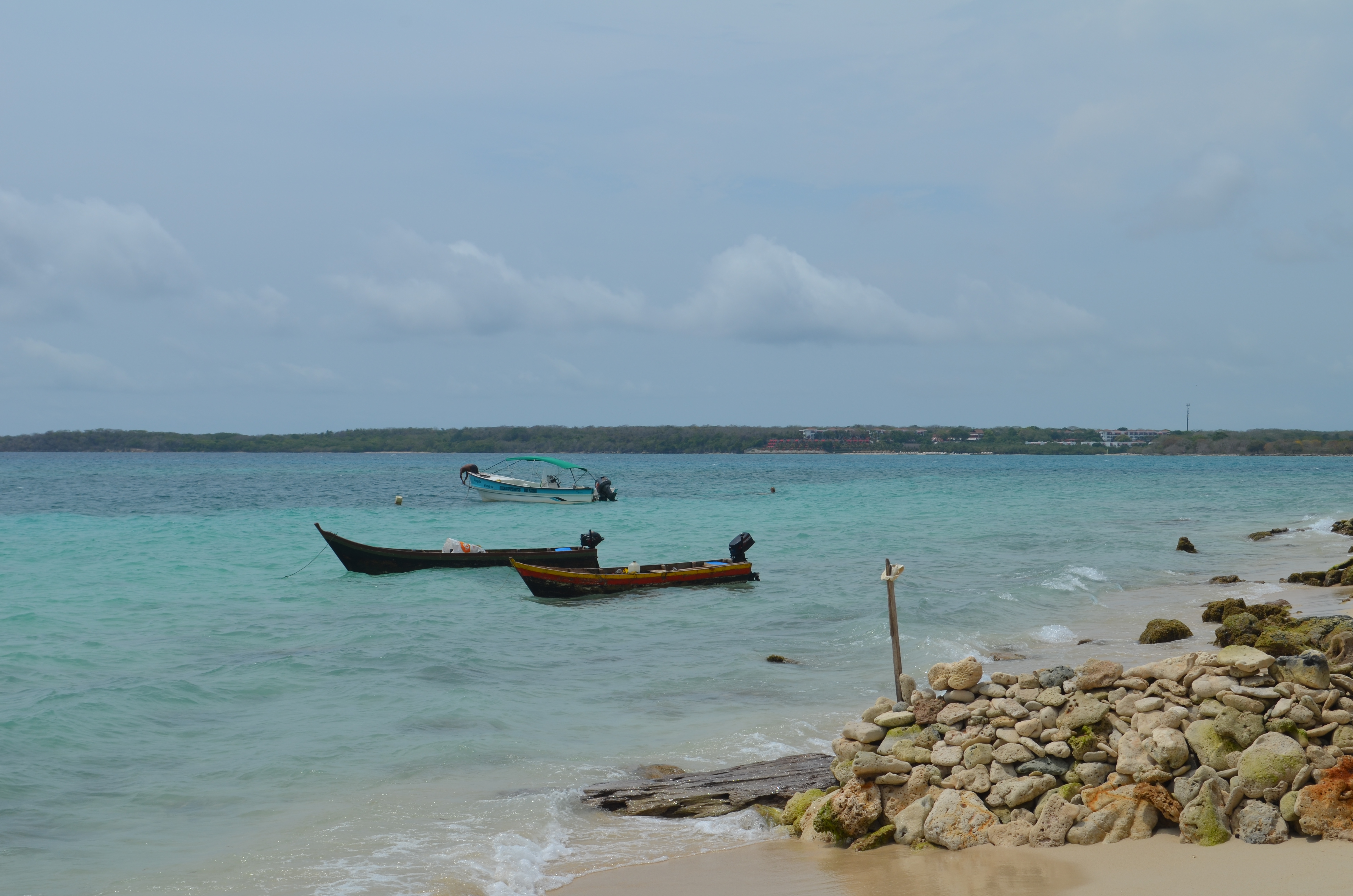
On your second day, it’s time to experience Cartagena’s beaches and dive into more of the city’s rich history. Cartagena is a beautiful colonial city but remember that the Caribbean Sea is just here and you cannot leave without spending some time at the beach and snorkeling. My advice is to go to Playa Bocagrande, Cartagena’s most accessible beach. The neighborhood of Bocagrande is often compared to Miami with its high-rise hotels and condos lining the coast. The beach here is lively and a great spot to take a dip in the Caribbean or soak up the sun on the sandy shores. You can easily spend the whole day here with lunch in one of the nearby restaurants. If you are not a fan of the beach you can go back to city center at lunch time. For the second day I advice you La Mulata (try their coconut rice and fried fish—authentic coastal flavors at their finest) and then visit Castillo San Felipe de Barajas. No trip to Cartagena would be complete without visiting Castillo San Felipe de Barajas, the largest colonial fortification in South America. Built in the 16th century to defend Cartagena from pirates and invaders, the fortress offers fascinating tunnels and impressive views of the city. If you opted for the one whole beach day, you still can visit the castle in the late afternoon or on your third day. Definitely it is a must during your visit in this charming city.
In the evening, head over to Getsemaní, Cartagena’s bohemian neighborhood. Once a working-class area, Getsemaní has transformed into a hub for street art, nightlife, and culture. Wander the colorful streets filled with murals and grab dinner in one of many restaurants and caffès. Unfortunately many of these places are a tourist trap and are expensive. It’s still worth a stroll and a drink. If you are here on a weekend you will also be able to catch live salsa music later in the night. I can recommend to dine at El Bololó – Bowls del Caribe where you will find also veggie options. The prices are high and the portions not too big but if you are searching for a local food in the area, this is surely the best option.
Day 3: Island Hopping to Islas del Rosario
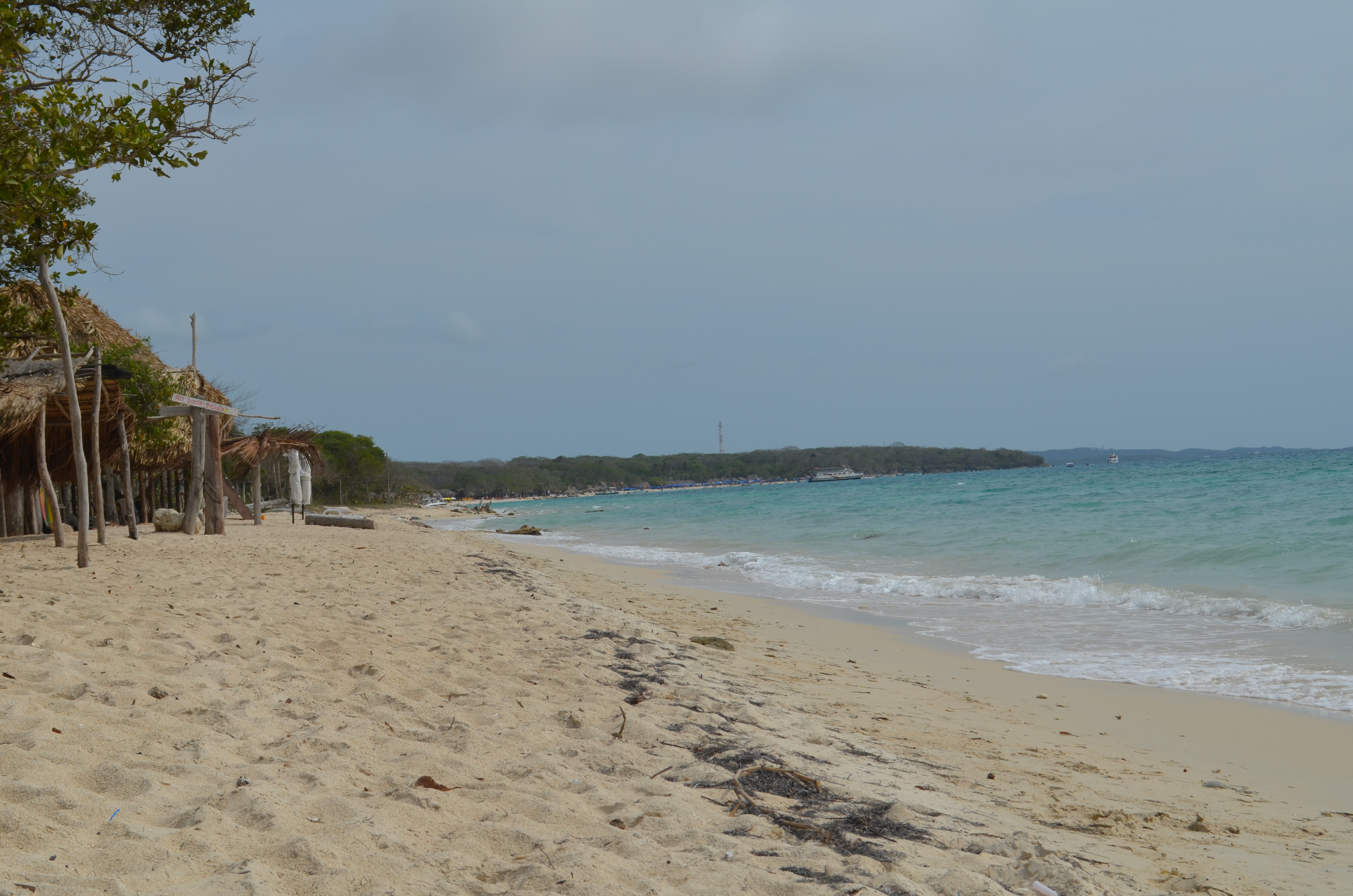
For your final day in Cartagena, escape the city and explore the Rosario Islands, an idyllic archipelago of small islands just off the coast. The only way to do that is with a Boat Tour. It is a very touristy experience but if you prepare well (bring your own snorkeling gear and your food for the day) you will still enjoy it. Catch an early boat from the dock at Muelle La Bodeguita for a day trip to the Rosario Islands. The islands are about an hour’s boat ride away, and once you arrive, you’ll be greeted by crystal-clear turquoise waters and coral reefs perfect for snorkeling and swimming. What to do here? Simply relax on the beach and explore the waters of this gorgeous sea. Playa Blanca on Isla Barú is the most famous, offering pristine white sand beaches and calm waters perfect for a swim. Alternatively, visit one of the private beach clubs for a more exclusive and peaceful experience. The Rosario Islands are part of a national park, and the surrounding coral reefs offer excellent snorkeling opportunities. You can join a snorkeling tour to explore the underwater life but it is way too overpriced. You can simply do your snorkeling from one of the beaches and you will love it. Important to bring your own gear as you even just renting the masks on the island is overpriced.
After a day of sun and sand, if you are not too tired, enjoy your final evening at a fine dining restaurant in the Old Town. Tomillo Cevicheria y Mar is my final advice for you, if you have tried all the previous ones. Here you will indulge yourself in a superior taste of sea food.
Cartagena is a city of contrasts—rich in history but lively and modern, with a unique blend of beach relaxation and cultural exploration. Three days is the perfect amount of time to get a taste of its charm, and you’ll leave with memories of a beautiful city steeped in history and Caribbean flair.
How to Get There
By Air: Cartagena is easily accessible by air, with Rafael Núñez International Airport (CTG) serving as the main airport for the city. If you’re traveling from outside Colombia, there are direct flights to Cartagena from several major U.S. cities, such as Miami, New York, and Houston, as well as other international hubs like Panama City and Madrid. If you’re already in Colombia, you can catch domestic flights from Bogotá, Medellín, or Cali, which are short and convenient.
Once you land, the airport is located just a 15-minute taxi ride away from the city center, making it easy to start your adventure without wasting time.
By Bus: For those already in Colombia and preferring land travel, you can also take a long-distance bus to Cartagena. The bus terminal is about 45 minutes from the city center, and several bus companies operate routes from major cities like Bogotá (approx. 20 hours), Medellín (approx. 13 hours), and Barranquilla (about 2-3 hours). While the bus ride can be lengthy, it’s often a budget-friendly way to travel, and the journey along Colombia’s coast can be scenic.
How to move around Cartagena?
The best part of this city is that you can actually walk around it. Of course you can catch a taxi but it’s really a walkable city and you get on foot anywhere you need.
 Nomadlytics
Leave a comment