
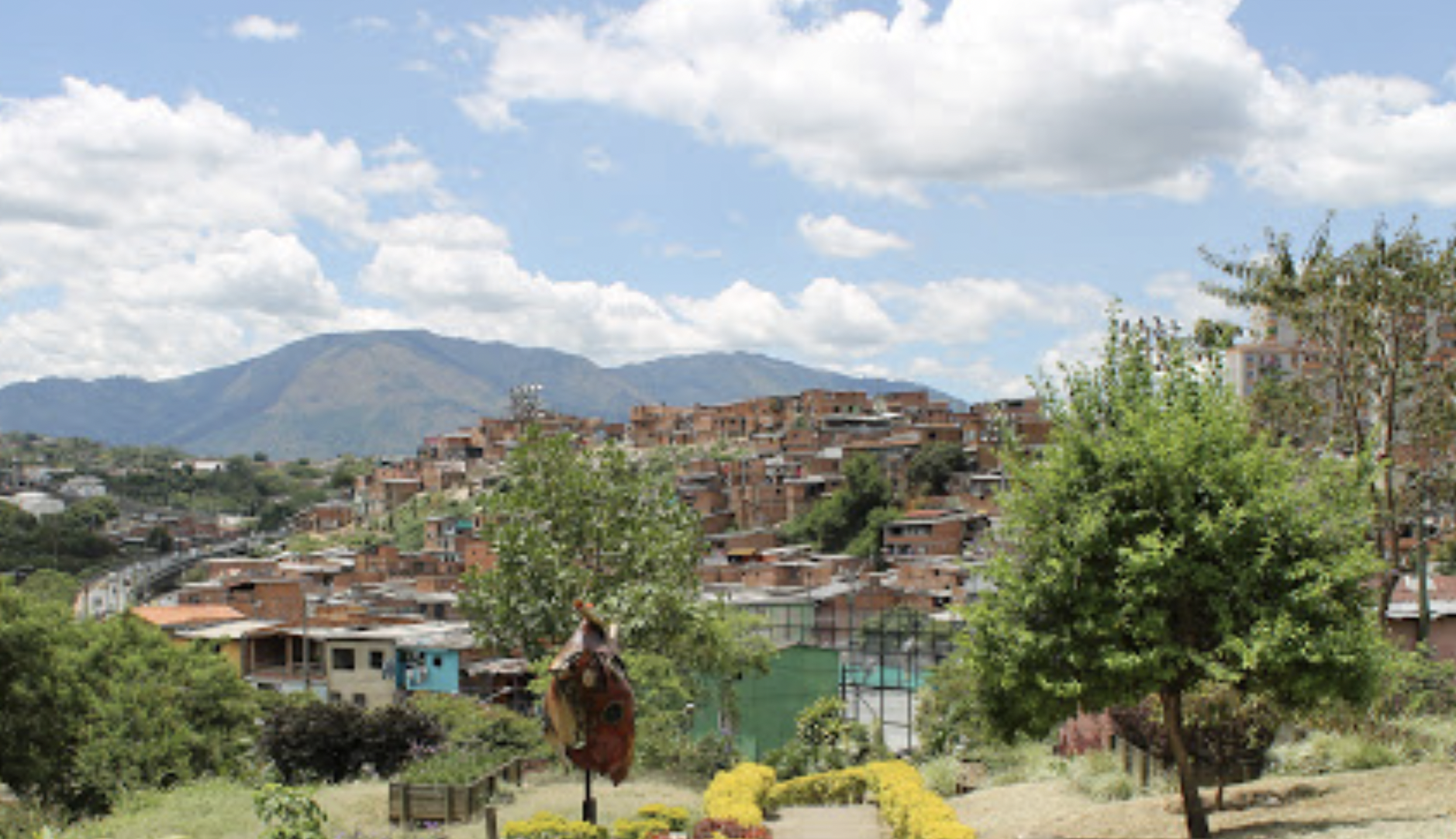
Once synonymous with violence and conflict, Medellín earned the grim title of the murder capital of the world in the early 1990s. A combination of drug lords, right-wing guerrillas, left-wing paramilitaries, and an overburdened government left the city in chaos. The infamous drug kingpin Pablo Escobar’s death in 1993 marked the beginning of positive change for much of the city’s 16 comunas (neighborhoods). However, for Comuna 13, the years following his death only saw an escalation in violence and turmoil. Comuna 13’s strategic location, with its densely packed, makeshift homes perched on the hillside and easy access to the San Juan Highway and the surrounding mountains, made it a critical transit point for smuggling drugs out of Medellín and bringing weapons in. This vulnerability, combined with a population trapped in poverty, left the area in the grip of drug cartels and guerrilla forces, turning the neighborhood into a battlefield where lawlessness reigned. The violence peaked in 2002 with the government’s military crackdown, known as Operation Orion, one of several military campaigns to reclaim control of the comuna. Over the course of three days, 1,500 military personnel, two helicopters, and a tank were deployed in a full-scale assault aimed at neutralizing the rival factions. However, the operation caused widespread suffering, as innocent civilians were caught in the crossfire. Helicopter fire rained down on homes with fragile aluminum roofs, resulting in numerous casualties and destruction. Although the guerrillas were defeated, the paramilitaries – who had unofficially supported the government during the operation – moved in afterward, filling the power vacuum. Recriminations were swift and brutal. Many people suspected of collaborating with the guerrillas faced abduction or death. It is believed that close to 300 people were forcibly disappeared and buried in a mass grave, known as La Escombrera, hidden in the hillside. After a peace deal in 2006, most paramilitary groups disbanded, only to be replaced by splinter factions that continued mafia-style operations. These groups still hold a presence today, but against this grim backdrop, community leaders and activists began to rise up, determined to reclaim their neighborhood.
A Community’s Resilience and Transformation
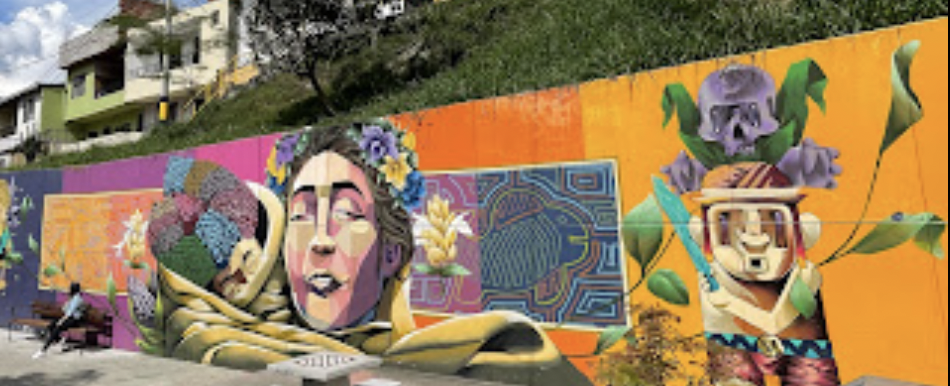
Despite years of violence and government neglect, Comuna 13 has slowly transformed, thanks to grassroots movements advocating for justice and peace. In 2008, the government took a significant step to reintegrate the community by building a cable car line that connected Comuna 13 to the city center and neighboring areas, offering residents a much-needed lifeline to the rest of the city. In 2011, the construction of a set of outdoor escalators in the Las Independencias 1 barrio provided further relief to residents, making it easier to navigate the steep hills. This infrastructural improvement symbolized a turning point in the city’s efforts to reconnect Comuna 13 with Medellín, both physically and socially. During this period of recovery, local artists began to cover the walls of Comuna 13 with vibrant murals that depicted the neighborhood’s painful history, its ongoing struggles, and the collective hope for a better future. These works of art became a form of peaceful resistance, honoring the community’s resilience and paying tribute to those lost to the violence. Quickly tourists began to trickle into the neighborhood, drawn by the stories of transformation and the powerful visual art. While the threat of violence lingered, it was clear that Comuna 13 was moving forward, and visitors were eager to witness this change firsthand.
Most visitors opt for guided walking tours, led by locals who lived through the most difficult times and who now offer personal insights into the neighborhood’s past and present. These tours provide context to the murals, sharing stories of loss, struggle, resilience, and hope. While some travelers choose to explore the area on their own, joining a guided tour is not only a safer option but also an opportunity to hear firsthand accounts from people who experienced the atrocities of Comuna 13’s darkest days. These guides provide invaluable context to the street art and the ongoing efforts to transform the community. I can recommend you Civitatis for their super explicative 2.5h free walking tours and a customized private tour Off the Beaten Track in Medellin: Comuna 13 Tour. Really worth the money.
Though a military presence remains in Comuna 13, it serves more as a reminder of the area’s tumultuous history than as a cause for concern. Today, the streets of Comuna 13 are clean and lively, filled with the energy of local entrepreneurs selling everything from handmade jewelry to traditional Colombian snacks. The locals are warm and welcoming, eager to see tourism thrive in their community. A particularly memorable experience for many visitors is watching local artistic groups perform high-energy routines at the top of the escalators. These performances reflect the positive spirit and determination of Comuna 13’s residents to move beyond their troubled past. The dancers’ passion is infectious, and many tourists stop to watch and leave a tip as a small token of appreciation for their hard work.
Street Art
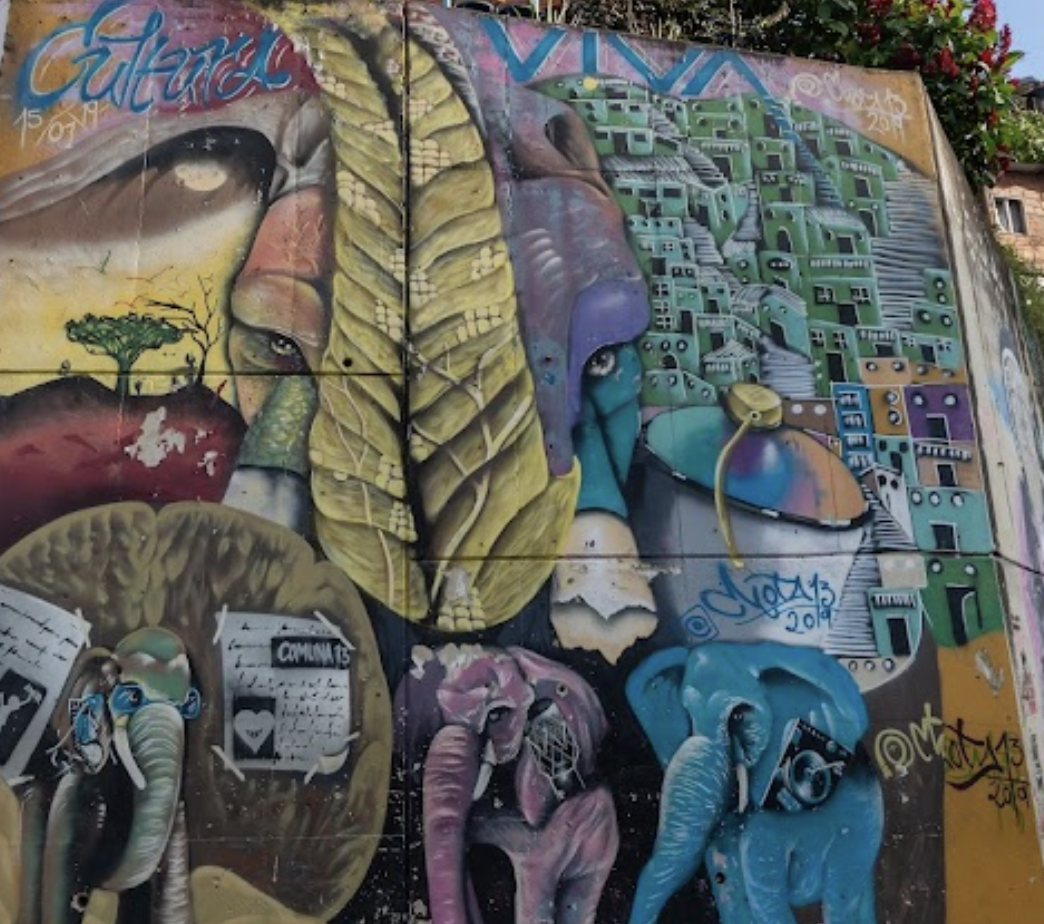
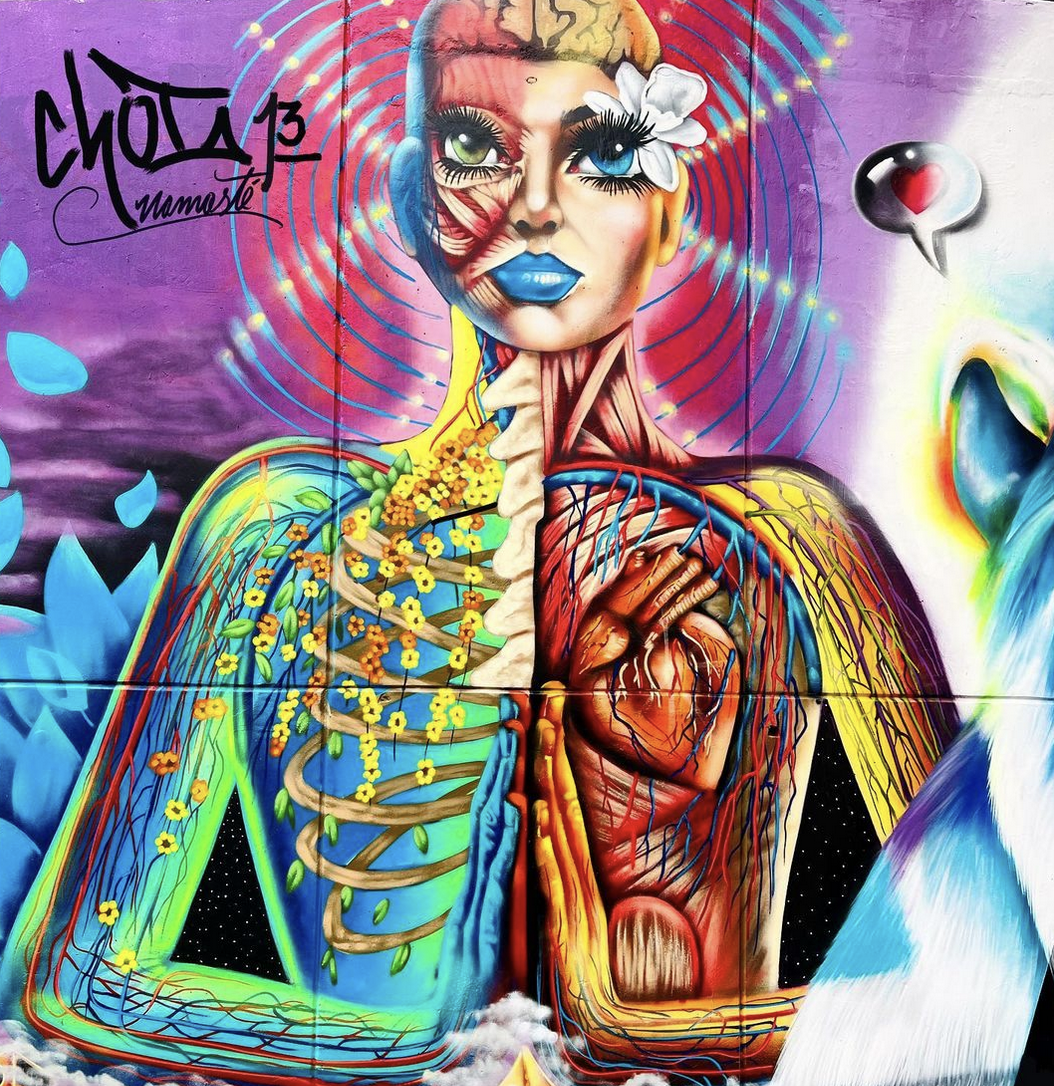
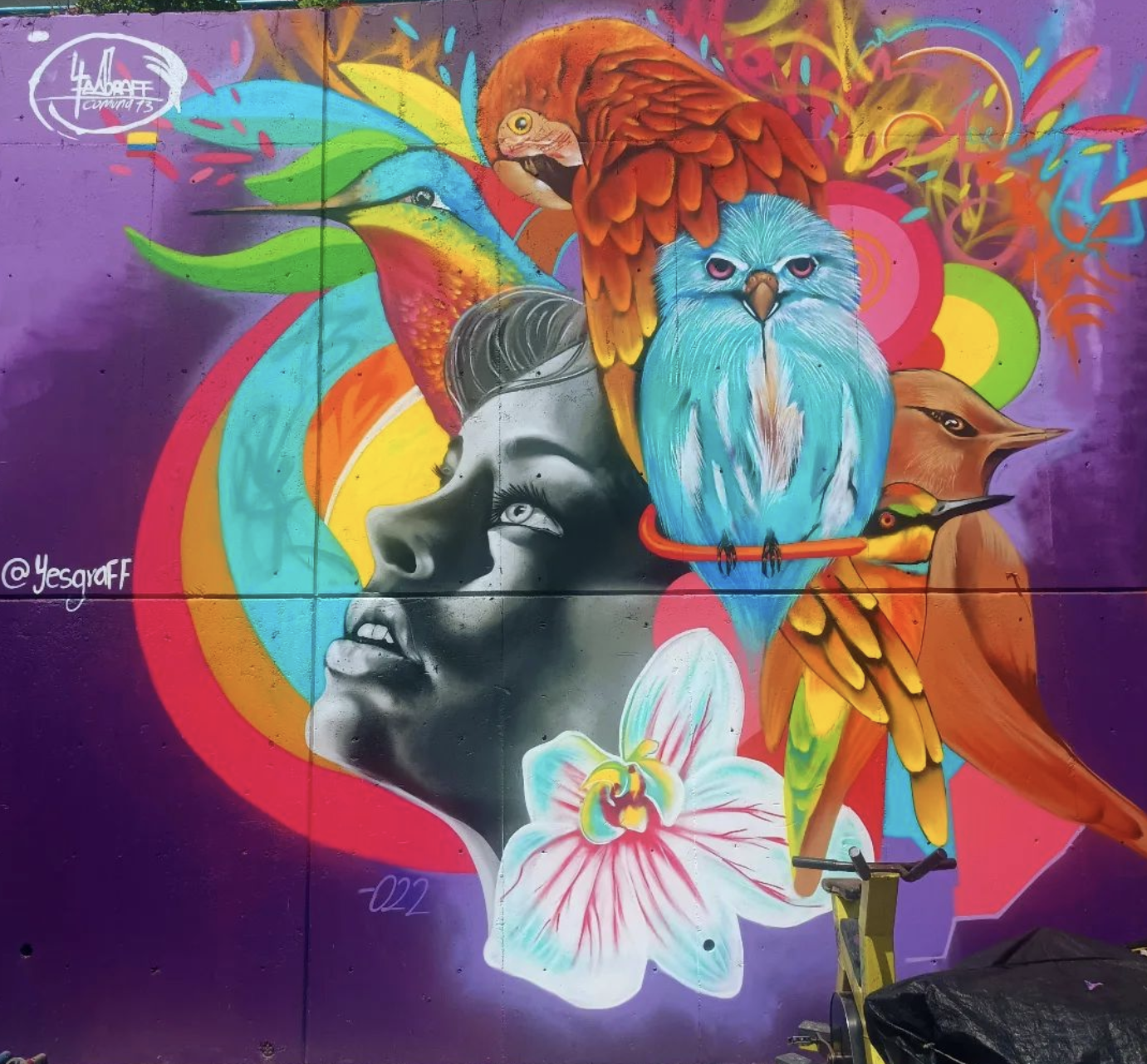
Street art plays a central role in Comuna 13’s resurgence. As the neighborhood began to stabilize, local artists found a way to channel their experiences and emotions into stunning murals. These murals do more than just beautify the neighborhood; they tell the story of Comuna 13’s history of violence and its ongoing recovery. Recognizing the power of this art, the local government began to support these artistic endeavors, funding projects that would cover the walls of Comuna 13 with works of cultural and historical significance. The result is a vibrant, open-air gallery that stretches across the neighborhood, with each mural offering a unique perspective on the community’s past struggles and present hopes. Artists such as @YesGraff or @Chota13 have gained recognition both within and beyond Comuna 13, their work celebrated for capturing the resilience of their community. The murals themselves are best appreciated when experienced with the context provided by the local guides, many of whom have intimate connections to the themes depicted in the artwork. This is why it’s really worth to get your free or private tour at Comuna 13. These murals not only serve as a reminder of the pain and trauma that Comuna 13 has endured, but they also highlight the community’s strength and its desire for a peaceful and prosperous future.
As Comuna 13 continues to evolve, its residents remain committed to fostering a safer and more vibrant community. Though the scars of the past are still visible, the people of Comuna 13 are determined to look toward the future with optimism. Tourism plays a key role in this process, providing the neighborhood with economic opportunities while allowing residents to share their stories with the world. What strikes many visitors is the resilience of the community. Despite the hardships they’ve faced, the people of Comuna 13 are hopeful, and their determination to turn their neighborhood into a place of growth and creativity is palpable. Every mural, every performance, every smiling face on the street speaks to the strength of the human spirit in the face of adversity. As tourism in the comuna continues to grow, it’s clear that the residents are not just surviving – they’re thriving. The transformation of Comuna 13 is an ongoing journey, one that reflects the power of community, art, and the collective will to overcome even the darkest of times. So, whether you’re drawn to Comuna 13 for its street art, its history, or its culture, visiting this remarkable neighborhood is a powerful experience. The stories, the art, and the people of Comuna 13 are testaments to the fact that, even in the face of unimaginable challenges, hope and resilience can lead to remarkable transformatio
 Nomadlytics
Leave a comment