
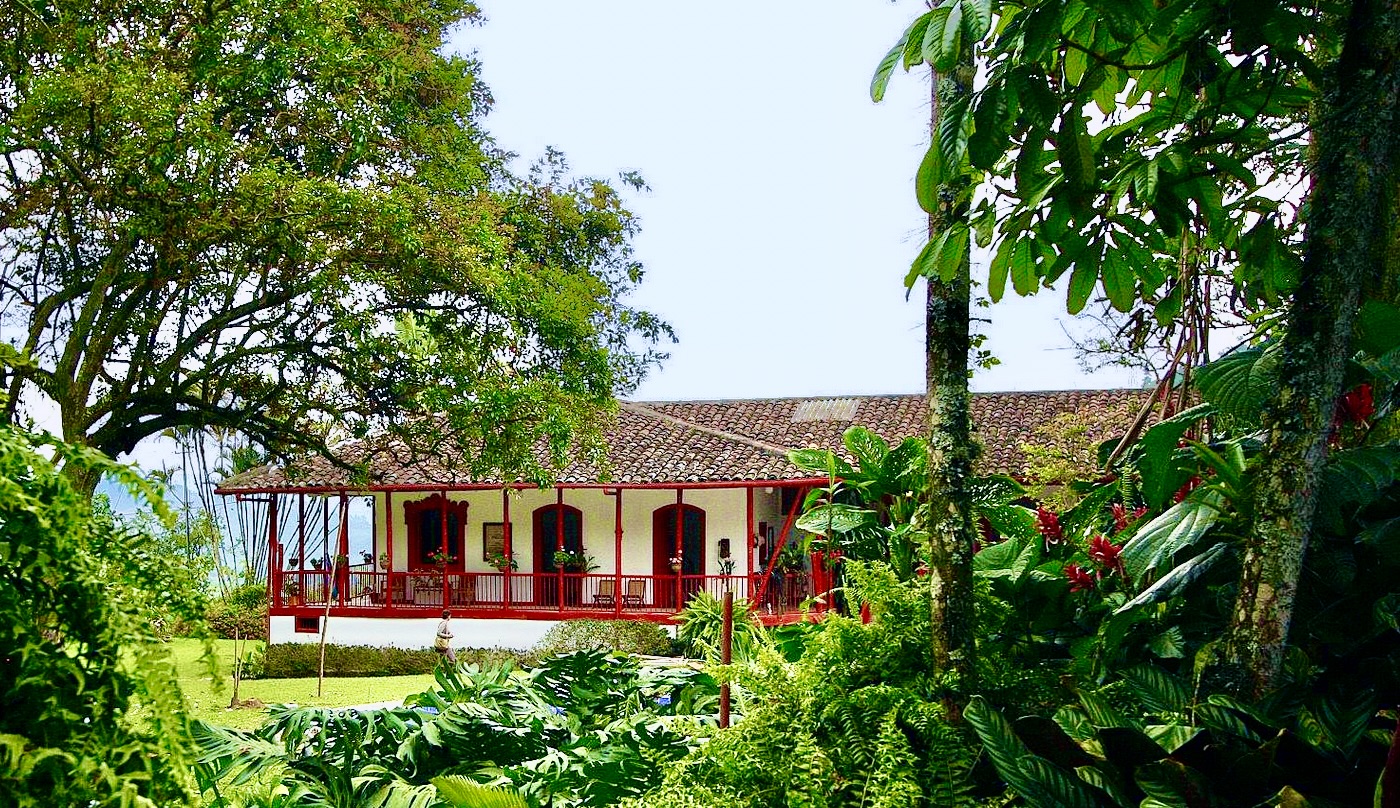
The Coffee Triangle, or “Eje Cafetero,” is a UNESCO World Heritage Site and a region rich in both natural beauty and cultural significance. Visiting this area is a unique opportunity to explore Colombia’s coffee heritage, learn about sustainable farming practices, and connect with the local communities that make it all possible.
Manizales, along with the neighboring towns of Pereira and Armenia, offers a perfect base for exploring this region. Each town has its own charm and is surrounded by stunning landscapes, including coffee plantations, cloud forests, and dramatic mountain scenery. Whether you’re a coffee enthusiast or simply looking for a peaceful retreat, the Coffee Triangle has something for everyone.
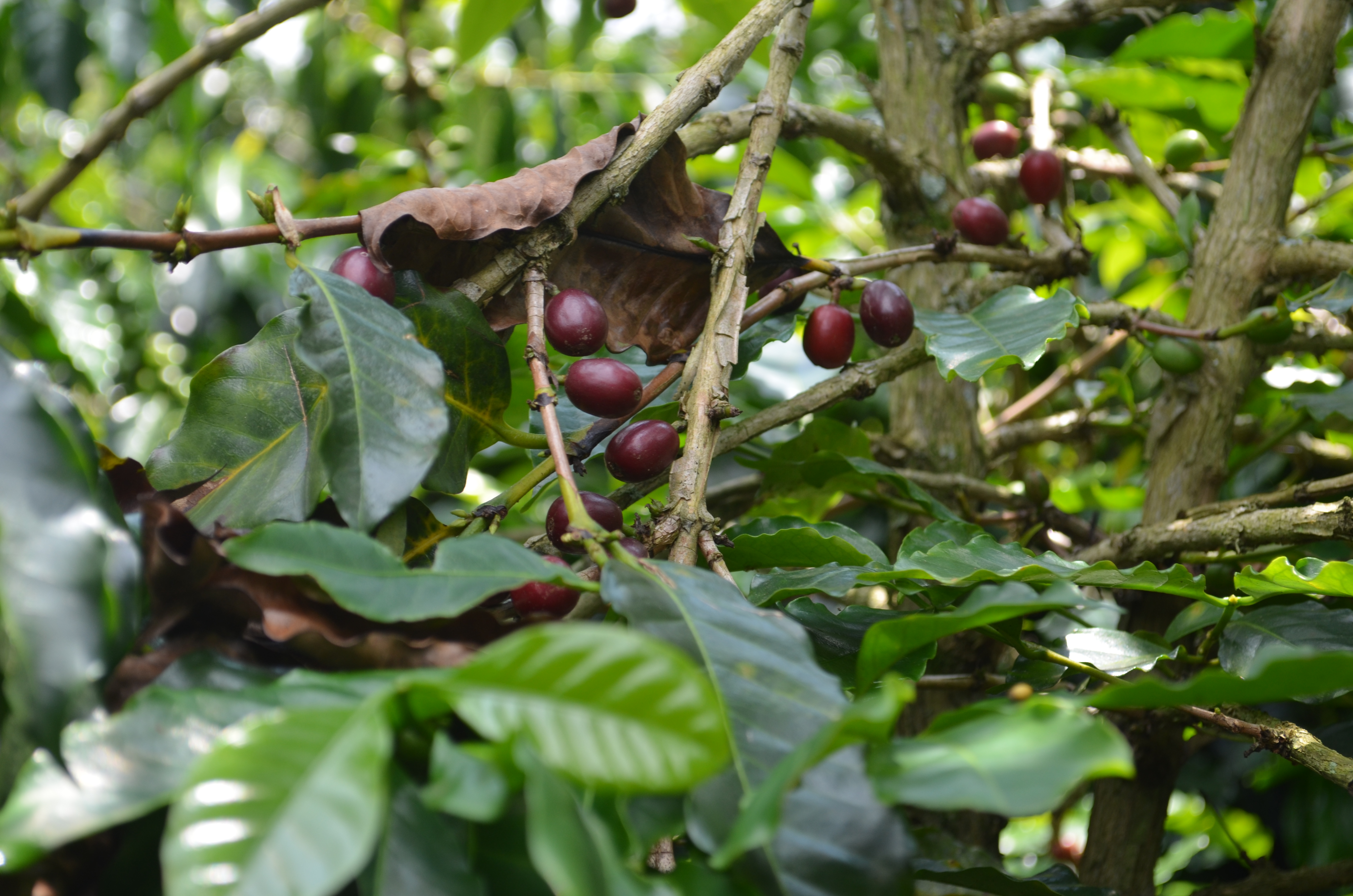
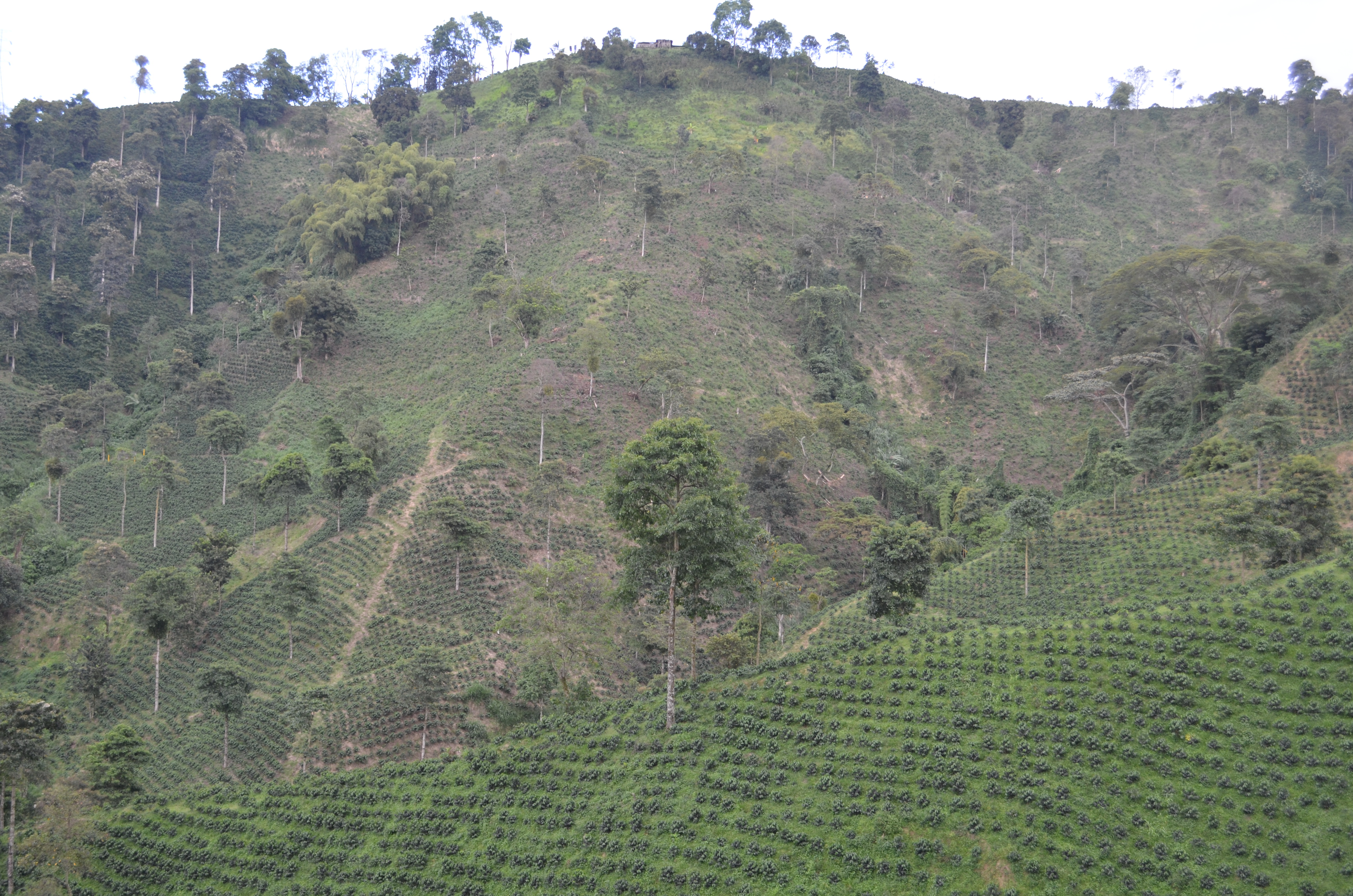
I was told that the best coffee in the world is produced here and I was asking myself what is the secret? As I arrived, I understood that it is possibly the most fertile land I have ever seen in my life. The climate here is just perfect for coffee, with just the right rainfall, the perfect soil, ideal temperatures and sunshine. When you come here you must book a night or tow at one of the coffee farms. The public transport will drop you off in Menizales (or near by) and someone from the farm will pick you up. We have chosen to stay in the Hacienda Venecia coffee farm and we were picked up at the San Peregrino bridge. Nestled in the lush landscapes Hacienda Venecia offers an idyllic escape into the world of coffee, nature, and tranquility. Soon after we drove into the 200 ha grounds and made way to this beautiful hotel: nice clean rooms, swimming pool, hammocks and a lush tropical garden and of course a free coffee, but not the usual filter coffee that is free all over the country. No, this was prime quality arabica, conserved in a swiss made, fully automated coffee machine. I’m not sure if it was because I was drinking the coffee some ten meters from the very plants loaded with red berries, but I have never tasted coffee so good in my life outside Italy. We walked along the hills and contemplated the endless rows of coffee plants and could hardly believe the amount of fruit trees that just seem to pop up from the earth along the path: guavas, bananas, tree tomatoes (tomate del albor) and many more. As mentioned the soil is so rich here that if you drop a seed you are guaranteed to come back within a short time and find a tree.
What you can do here is relax in one of the many hammocks scattered throughout the property, enjoy delicious meals o the terrace, sip some coffee, read books and relax some more being surrounded by the serene beauty of the hacienda’s gardens.
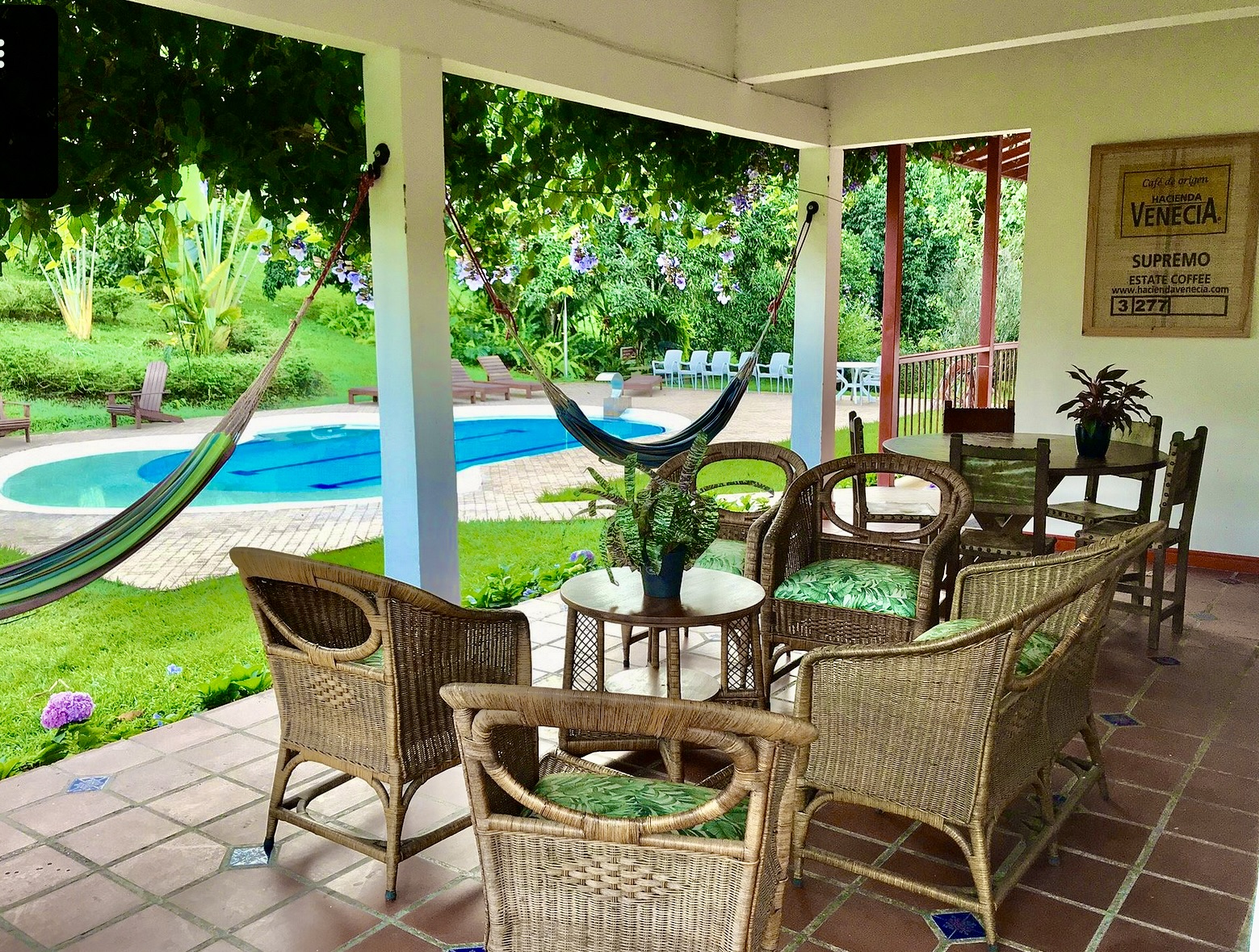
If you’re up for a bit more exploration, it’s worth taking a short hike around the hacienda’s trails. The area is home to an incredible diversity of flora and fauna, including colorful birds and butterflies. For a more laid-back afternoon, lounge by the pool with a good book, or enjoy a traditional Colombian lunch prepared with fresh, local ingredients.
You can also enroll to a tour(included in the price of your stay) to find out more about these incredible plantations of coffee, about its production and export. I obviously advice you to do that, especially if it is your fist time in the Menizales. Our 2.5h tour started with a walk through the verdant coffee plantations. Our guide shared insights into the coffee-growing process, from planting and harvesting to drying and roasting. As we strolled among the coffee bushes, we were taking in the crisp mountain air and marvel at the sheer variety of coffee plants, each contributing to Colombia’s reputation for producing some of the finest coffee in the world. The tour continued with a visit to the processing facilities, where we all learned how beans are meticulously transformed from ripe cherries into the aromatic beverage we all love. The experience culminated in a tasting session, where we could sample various coffee profiles, appreciating the unique flavors and aromas that distinguish Colombian coffee. Are you smelling and tasting the delicious coffee? I promise you that those tours are not a tourist trap but. By the end of the tour, you’ll have a newfound appreciation for the dedication and expertise that goes into each cup.

The Coffee Triangle is more than just a place to stay; it’s an experience that captures the essence of Colombia’s Coffee Triangle. Whether you’re savoring a freshly brewed cup of coffee, swaying in a hammock amidst the greenery, or exploring the rich cultural landscape, your time here will leave you with lasting memories. Plan your visit to this enchanting corner of Colombia and discover why it’s a destination that’s truly worth the journey.
How to Get to Manizales
Reaching Manizales is relatively straightforward, with several transportation options available:
- By Air: The quickest way to reach Manizales is by flying into La Nubia Airport (MZL), which has daily connections from Bogotá and Medellín. From the airport, Hacienda Venecia is just a short taxi or shuttle ride away.
- By Bus: For those who prefer scenic routes, buses connect Manizales with major cities like Bogotá (10h) Medellín (5h), and Cali (5h). The journey offers stunning views of the Colombian countryside, though it can be long and winding due to the mountainous terrain. In fact, we arrived to Menizales by bus from Medellin. The bus drove along winding roads high up in the Andean mountain range and the landscapes were amazing!
- By Car: Renting a car is another option, providing flexibility to explore the region at your own pace. The roads in this area are generally well-maintained, but be prepared for winding mountain roads and occasional traffic delays. Don’t rent a car if you are not used to drive in the mountains.
 Nomadlytics
Leave a comment