
Quito, Ecuador’s capital, is a vivid city situated in the Andes at an elevation of 2,850 meters (9,350 feet). It’s known for its well-preserved colonial center, stunning views, rich culture, and proximity to nature. Here’s a guide to the must-see places in Quito and how to reach them. All based on my personal visit to the city and tips from my local friends.
1. La Mitad del Mundo (The Middle of the World)
One of the most iconic sites near Quito is La Mitad del Mundo, where you can stand on the equator, with one foot in the Northern Hemisphere and one in the Southern Hemisphere. The monument and the Intiñan Solar Museum offer interactive exhibits about the region’s geography and cultural history.
How to get there?
By bus: From the city center, take a bus to Ofelia Station, then transfer to another bus bound for La Mitad del Mundo. The trip takes about 1-1.5 hours.
By taxi: A taxi from the city center will take around 30-40 minutes and cost approximately $15-$20.
2. Historic Center of Quito
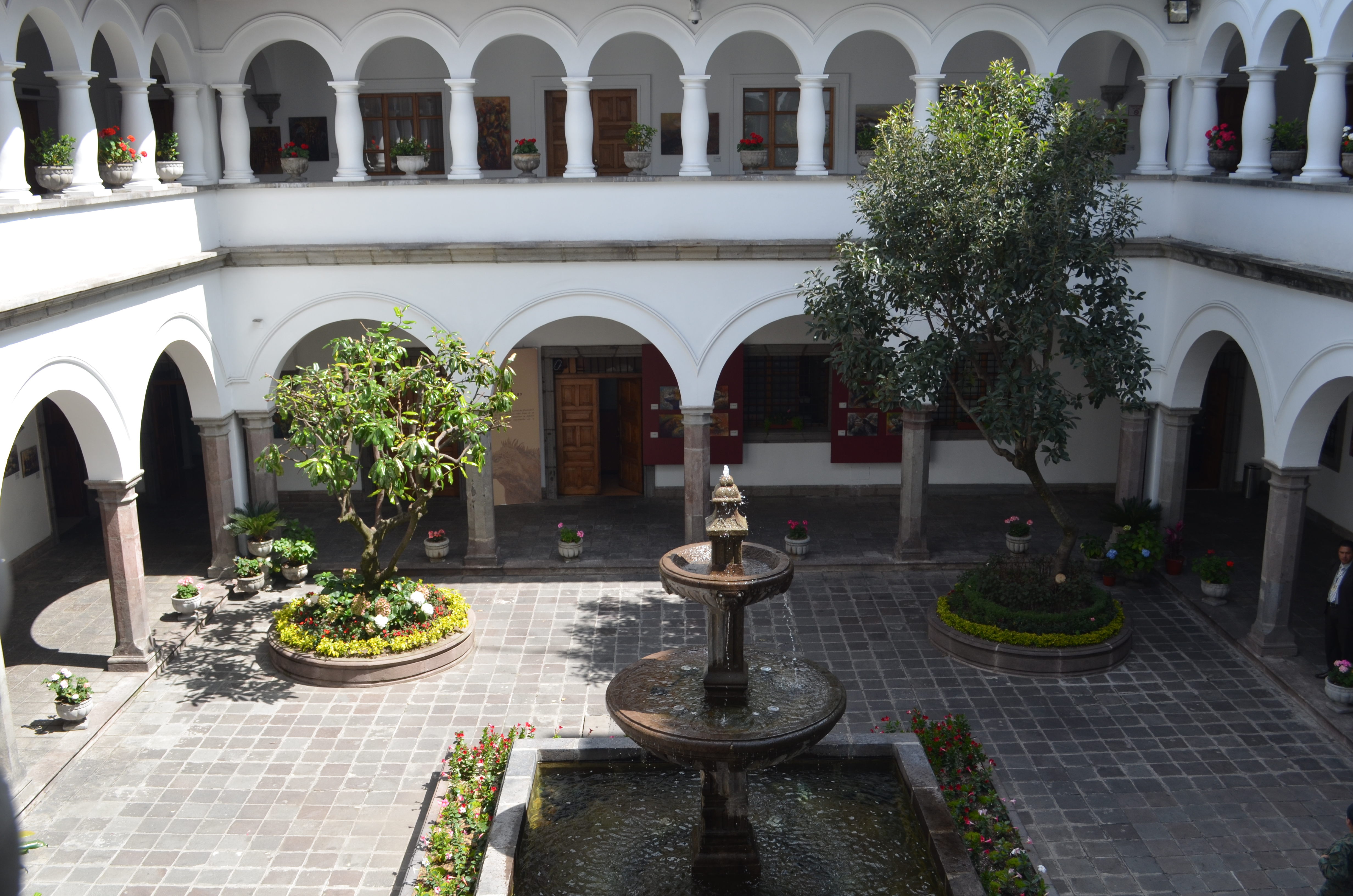
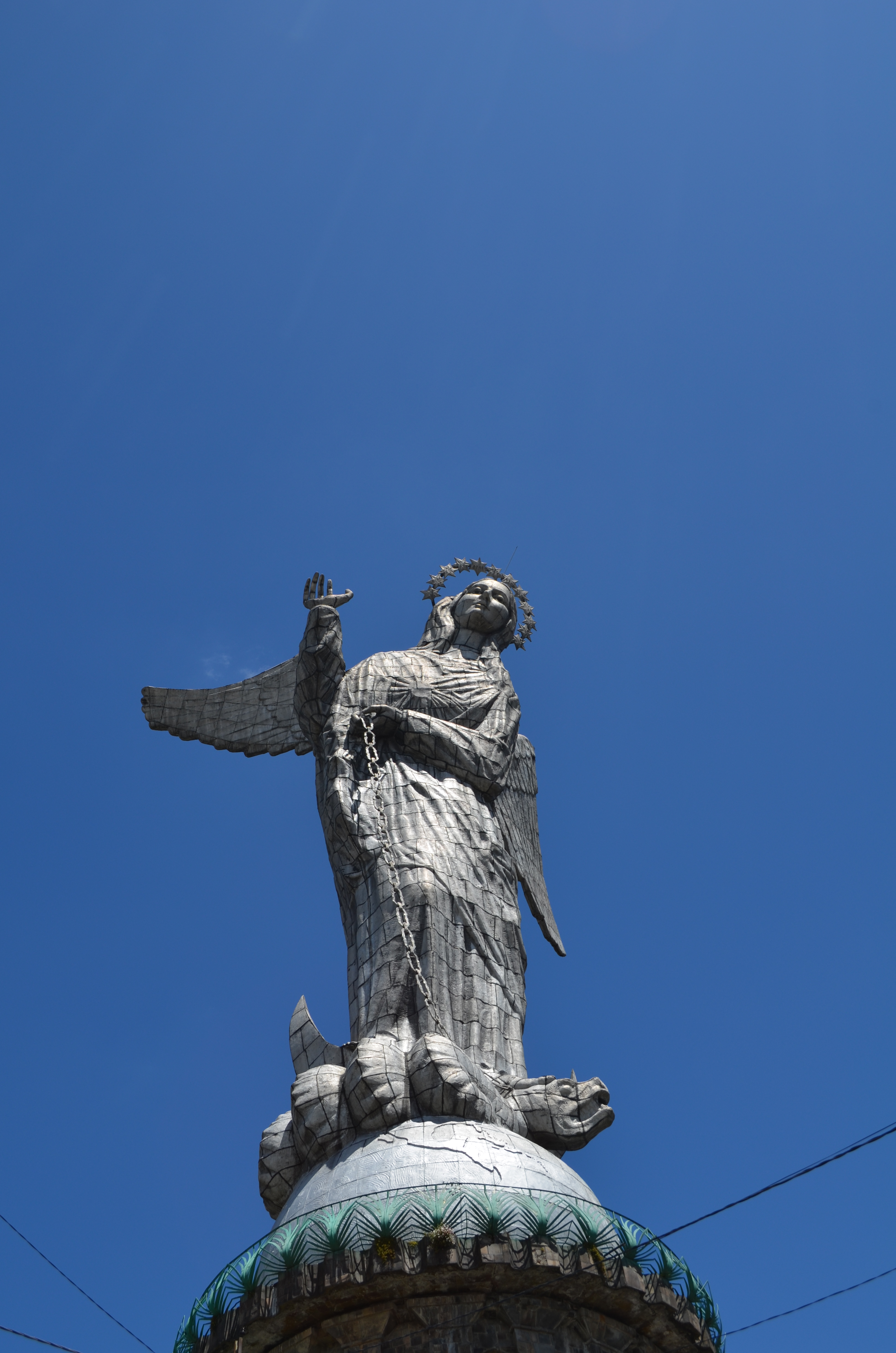
Quito’s historic center, a UNESCO World Heritage site, is one of the largest and best-preserved in Latin America. The cobblestone streets are home to centuries-old churches, gorgeous colonial architecture, and plazas. Even if you are not a fan of the churches “because at the end they are all the same”, you will be surprised in Quito. Some interesting churches which display a fusion of indigenous and Spanish art (for example a painting of The Last Supper that features Cuy as the main dish) and a most interesting WINGED statue of the Virgin Mary standing on a CROCODILE set upon a hill that dominates the foreground. (This statue is one of the very few I have ever seen that could possibly compete with the crazy Balinese demi god statues). So even if you have visited all possible churches in Europe and you promised yourself that you have seen enough, in Quito it can be a totally different experience. Either way these are the places you should not miss in Quito’s downtown:
Plaza Grande
The main square, featuring the Presidential Palace. Until couple of years ago it was possible to visit the Palace on a free guided tour organized by the Presidential office. Unfortunately, this practice has ended and now the Palace is available only to official guests. However, I advice you to stay tuned as maybe one day this initiative will come back and tourist all together with the inhabitants of Quito will be again admitted to see the Palace again.
La Compañía de Jesús – A baroque church famed for its gold-leaf interior.
Basilica del Voto Nacional – A neo-Gothic church where you can climb the towers for panoramic views of the city.
How to get there:
By bus: Most buses within Quito head towards the Centro Histórico. Look for “Centro” or “Plaza Grande” as destinations.
By foot or taxi: If staying in or near La Mariscal or the modern area of Quito, the historic center is a 10-20 minute drive or a 40-minute walk.
3. El Panecillo and La Virgen de Quito
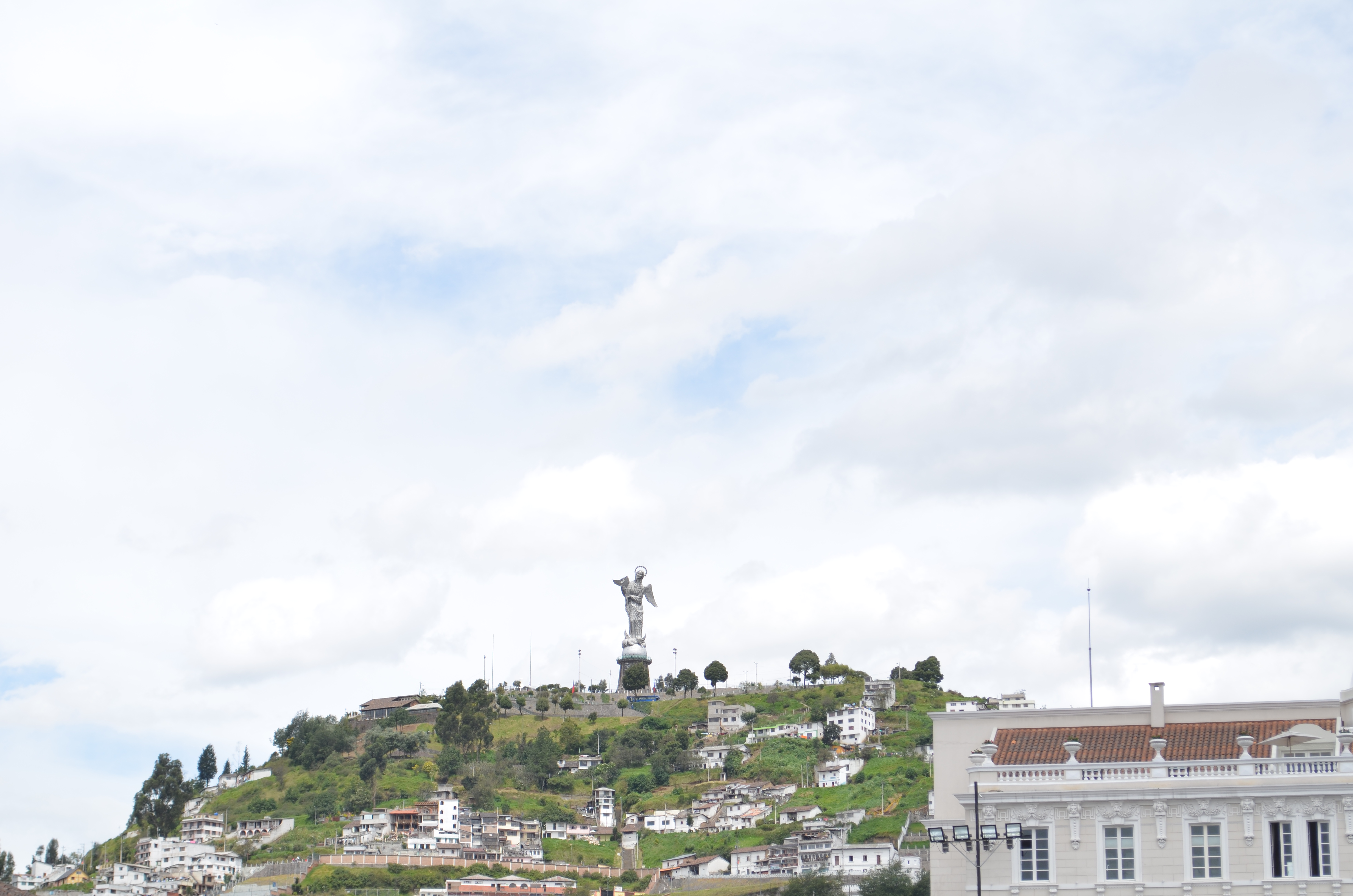
El Panecillo is a hill south of Quito’s historic center with a massive statue of the Virgin of Quito. The viewpoint offers breathtaking views of both the northern and southern parts of Quito, as well as the surrounding volcanoes.
How to get there:
By bus: Take a bus from the historic center or nearby to El Panecillo. The route is steep, so buses may be limited.
By taxi: Taxis are a more reliable option and take about 10-15 minutes from the historic center for around $5. Make sure to go during daylight hours for safety.
4. TelefériQo (Quito Cable Car)
The TelefériQo takes you up the slopes of the Pichincha Volcano to an altitude of 4,050 meters (13,290 feet), where you can enjoy breathtaking views of the city and surrounding volcanoes. It’s also the starting point for hiking trails to the Rucu Pichincha summit.
How to get there:
- By bus: From the historic center, take a bus heading towards the western edge of the city, getting off at the TelefériQo station.
- By taxi: A taxi ride from central Quito will take 15-20 minutes and cost about $8-$10.
5. La Mariscal and Plaza Foch
La Mariscal, especially around Plaza Foch, is Quito’s lively neighborhood with bustling nightlife, restaurants, cafés, and boutique shops. This area is popular with both locals and tourists for its vibrant atmosphere.
How to get there:
By bus: Many buses travel along Avenida Amazonas, one of La Mariscal’s main streets.
By taxi: Depending on your starting point, it’s about a 5-15 minute taxi ride from most parts of Quito.
6. Museo del Banco Central and La Casa de la Cultura
For a dive into Ecuador’s rich history and art, the Museo del Banco Central features artifacts from pre-Columbian civilizations, colonial art, and contemporary Ecuadorian works. Nearby, La Casa de la Cultura hosts theater performances, art exhibitions, and cultural events.
How to get there:
By bus: Take a bus toward Parque El Ejido or the La Alameda area. Both are within walking distance of the museum.
By taxi: From the historic center or La Mariscal, it’s a 5-10 minute ride for about $3-$5.
7. Parque Metropolitano Guangüiltagua
This is the largest urban park in South America, perfect for hiking, cycling, picnicking, and birdwatching. It offers beautiful trails with views of the surrounding valleys and mountains.
How to get there:
By bus: Take a bus to the nearby neighborhoods of Bellavista or Monteserrín, from where you can walk to the park.
By taxi: A ride from the city center to the park will take 15-20 minutes and cost around $6-$8.
8. La Ronda
This picturesque street in the historic center is one of Quito’s most charming areas. It’s lined with artisanal shops, restaurants, and traditional crafts. Visit in the evening for live music and street performers.
How to get there:
By bus or foot: La Ronda is located near the heart of the historic center. You can easily walk from Plaza Grande or take a bus heading toward the southern part of the Centro Histórico.
By taxi: It’s about a 10-minute taxi ride from most central parts of Quito, costing around $3-$5.
9. Parque La Carolina and Botanical Garden
La Carolina is a vast urban park perfect for a relaxing afternoon stroll, boating, or enjoying street food. Inside the park, you’ll find the Quito Botanical Garden, showcasing Ecuador’s rich flora, including a stunning collection of orchids.
How to get there:
By bus: Buses along Avenida Amazonas or Avenida de la República will drop you off near La Carolina Park.
By taxi: From most parts of Quito, it’s a 10-15 minute ride, costing $3-$6.
10. Capilla del Hombre and Museo Guayasamín
Oswaldo Guayasamín, one of Ecuador’s most renowned artists, has his legacy preserved at the Capilla del Hombre (Chapel of Man) and the Guayasamín Museum. His works focus on human suffering and social justice, set in a striking building with sweeping city views.
How to get there:
By bus: Take a bus to Bellavista, and from there, it’s a 15-20 minute walk.
By taxi: A 10-15 minute taxi ride from La Mariscal or the historic center will cost about $5-$7.
Tips for Getting Around Quito

Quito is not a small city. Don’t be fooled by the fact that Ecuador is relatively small country. The capital city is too big to simply move from one place to the next in 15 minutes. Only the city center is walk-able and you will need rides in buses or taxis in order to see the main attractions.
Taxis: Taxis are affordable in Quito, but make sure to use metered taxis or agree on a fare beforehand. Prices increase slightly at night.
Buses and Trolebus: Quito has an extensive bus and Trolebus system that is efficient and cheap. Be cautious with your belongings as it can get crowded.
Walking: Many of Quito’s main attractions, especially in the historic center, are within walking distance. The city’s altitude can make walking more tiring, so pace yourself.
How long do you need to visit Quito?
As usual, I say that you can stay in a city 3 days and visit it all if you keep a fast pace or you can stay one week and enjoy it slowly taking also advantage of many good eateries and experiencing pretty good cultural scene. Keep in mind that you might need some time to adjust to the altitude. Quito is a city rich in history, culture, and natural beauty. From ancient churches to modern parks and impressive viewpoints, there’s something for everyone. Make sure to spend a few days exploring both the historic center and the surrounding areas to fully appreciate the magic of Ecuador’s capital. Like the rest of the country, Quito has a great infrastructure and not bad public services. How knows, maybe at the end of your trip you will decide to spend some more time in the capital or to relocate here directly. If you are curious about the expats life in Ecuador check my post here.
 Nomadlytics
Leave a comment