
The Cañari people of Ecuador hold a unique place in the country’s history, not only as skilled architects and astronomers but also as a community that has preserved its cultural traditions and identity for centuries.
Originally inhabiting the highlands of southern Ecuador, the Cañari were known for their complex society, resilient spirit, and integration of both their native beliefs and the influences that came with the Inca and Spanish conquests. Today, the Cañari culture continues to thrive in areas like the province of Cañar, with its capital city Azogues, and in some regions of Azuay, where traces of their ancestral practices, traditions, and archeological sites offer a glimpse into their remarkable past and enduring legacy.
Origins of the Cañari People
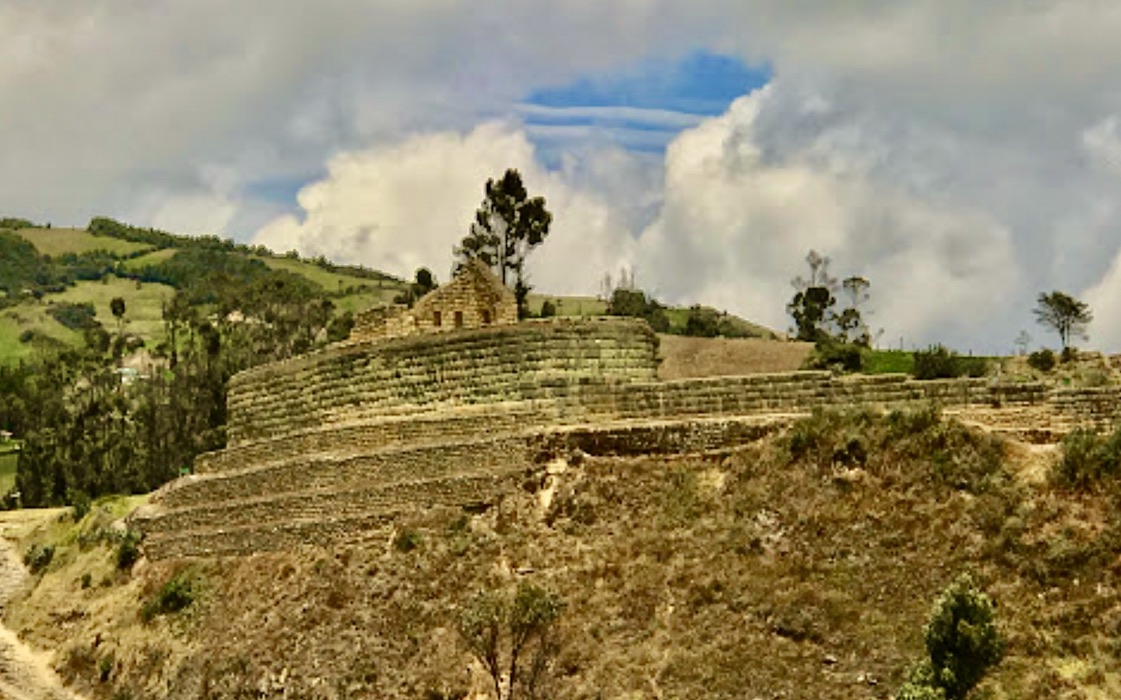
The Cañari culture dates back thousands of years, with evidence of their society existing long before the Incas arrived in the 15th century. They originally settled in the highlands and valleys of what is now Cañar Province, particularly in the regions around Ingapirca, the largest and best-preserved Inca-Cañari archeological site in Ecuador. The Cañari were believed to have established a sophisticated social organization, with settlements that included communal agriculture, ceremonial centers, and strategic fortifications.
One of the distinguishing aspects of Cañari society was their matriarchal structure, in which women held prominent positions in both family and community life. This influenced everything from their governance to their agricultural practices, as land and resources were often controlled by female leaders. Their society was based on cooperation, respect for nature, and a strong emphasis on social harmony.
The Cañari Creation Myth
Central to Cañari spirituality is a creation myth that describes how their ancestors were saved from a massive flood by two brothers who took refuge on a sacred mountain. This myth not only highlights the Cañari’s connection to the natural world but also illustrates the importance of certain geographical features, such as mountains and lakes, in their spiritual beliefs.
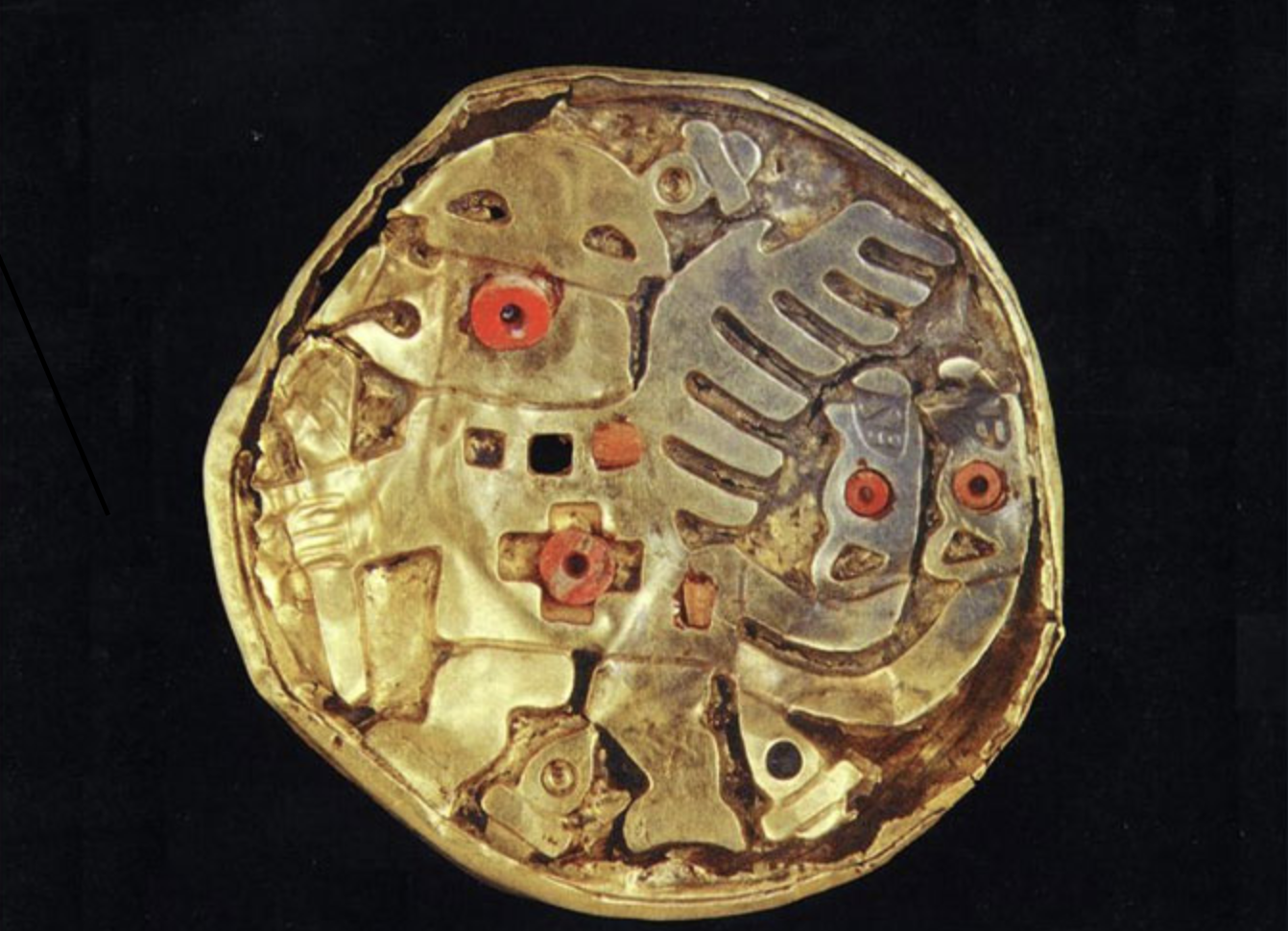
The Cañari also believed in the power of certain animals, particularly the serpent, the condor, and the jaguar, which represented different aspects of their cosmology. For example, the condor symbolized the upper world, while the jaguar embodied the earthly realm, and the serpent connected them to the underworld. This spiritual framework was closely connected to their surroundings, and it guided their agricultural cycles, ceremonies, and rituals.
Cañari and Inca Relations
When the Inca Empire expanded northward in the 15th century, they encountered fierce resistance from the Cañari people who defended their land vigorously, and many battles took place before the Incas finally managed to subdue the region. Despite the conflict, the Incas eventually formed an alliance with the Cañari, and the two cultures merged to some extent, especially through intermarriage. The Inca conquerors even honored the Cañari by incorporating aspects of their culture into the local governance, allowing them to retain a degree of autonomy.
One of the most significant Inca constructions in Cañari territory is Ingapirca, an ancient ceremonial and astronomical site located near Cuenca. The site was originally a Cañari ceremonial center, but the Incas expanded it to include their distinctive stonework and added the iconic Temple of the Sun. Ingapirca serves as a testament to the blending of Inca and Cañari cultures, with distinct architectural styles and religious practices coexisting in a single sacred space.
Cañari Religion and Cosmology
The Cañari’s spiritual beliefs are deeply rooted in the Andean cosmovision, which sees the universe as an interconnected system where humans, nature, and the cosmos all influence one another. They practiced a form of animism, where every element in nature—from mountains to rivers—was believed to have a spirit. This respect for nature was integral to their lifestyle, as they depended on agriculture and lived in a close relationship with the land.
The most important deities in Cañari cosmology included Pachamama (Mother Earth) and Inti (the Sun God). Ceremonies and rituals were often held to honor these deities, particularly during the solstices and equinoxes, marking crucial moments in their agricultural calendar. At Ingapirca, the Temple of the Sun was designed to align with the solstices, allowing sunlight to illuminate the sacred site in a way that the Cañari viewed as a divine connection to Inti.

Today, Cañari people continue to honor these ancient beliefs through rituals, ceremonies, and a deep respect for the natural world. Many traditional festivals, such as Inti Raymi (Festival of the Sun) and Kapak Raymi (the December solstice), continue to be celebrated with offerings, music, and dance.
Language and Oral Tradition
While the Inca conquest introduced Quechua to the Cañari people, they retained their own language, known as Cañari, which has largely disappeared but survives in place names as well as in certain words and storytelling. Modern-day Cañari people often speak Spanish and Quechua, but they preserve their ancestral knowledge and history through storytelling, songs, and rituals passed down through generations.
Especially the oral tradition plays an important role in maintaining Cañari identity, with elders recounting tales of ancient battles, creation myths, and stories that explain the origins of natural landmarks. This tradition serves as a mean of cultural transmission and is often part of community gatherings, especially during festivals and rituals.
Traditional Dress and Arts
Cañari attire reflects their Andean heritage, with men and women often wearing garments made from wool, featuring vibrant colors and intricate patterns. Women wear shawls, skirts, and blouses adorned with beads and embroidery that represent elements of their natural surroundings, while men typically wear ponchos and hats that protect them from the cold Andean climate. Their dress is not only functional but also symbolic, expressing their connection to the land and their identity as a people.

In addition to their clothing, the Cañari are skilled artisans, particularly in weaving, pottery, and jewelry-making. These crafts are not only an economic activity but also a means of preserving traditional designs and techniques that date back centuries. The pottery often incorporates motifs from nature, such as animals, plants, and symbols representing the sun and moon.
Cañari Sites and Where to Experience Their Culture Today
Ingapirca
Located about two hours from Cuenca, Ingapirca is Ecuador’s largest and most significant archeological site. Visitors can explore the remains of the Temple of the Sun and other ceremonial areas that reflect both Inca and Cañari architectural styles. Guided tours offer insight into the site’s astronomical alignments and the cultural significance of each structure.
Chobshi
In the canton of Sigsig, Azuay Province, Chobshi features a stone fortress that dates back to the Cañari era. This site is known for its ancient cave paintings and ruins that provide a glimpse into the pre-Inca era. The site is surrounded by beautiful landscapes, ideal for those interested in both nature and history.
Cañar Province
Known as the heartland of Cañari culture, this area offers a more immersive experience of Cañari life. The communities here continue to practice traditional agriculture, weaving, and festivals. Visiting Cañar, particularly during festival times like Inti Raymi, allows you to witness Cañari culture and rituals firsthand.
Cuenca
As one of Ecuador’s major cities, Cuenca has a strong Cañari presence and serves as a gateway to Cañari history. Museums in Cuenca, such as the Pumapungo Museum and Archeological Park, display artifacts from Cañari and Inca cultures, including pottery, tools, and clothing.
San Bartolomé
Located near the city of Cuenca, this small town is known for its traditional guitar-making, a skill handed down through generations. Cañari artisans here use local wood and age-old techniques to craft some of Ecuador’s finest instruments, blending music with craftsmanship.

The Legacy and Challenges of the Cañari People
Today, the Cañari people face the challenge of preserving their culture in a rapidly modernizing world. Many young Cañari are moving to cities for educational and economic opportunities, creating a generational divide. However, the community is actively working to revive and maintain their heritage through cultural organizations, education, and tourism initiatives.
Some Cañari elders and leaders are focusing on teaching younger generations about their traditions, language, and history, often incorporating these subjects into local school curriculums and community events. Additionally, tourism has provided economic support, as visitors from around the world come to experience Cañari festivals, traditional arts, and archeological sites.
The Cañari culture is a testament to the resilience and adaptability of an indigenous people who have thrived for centuries in the Ecuadorian highlands. Their beliefs, craftsmanship, and close connection to nature continue to inspire both locals and visitors, offering a deep appreciation for Ecuador’s diverse cultural heritage. By visiting the Cañari region, exploring sites like Ingapirca, and participating in their cultural festivals, one can gain a better understanding of the Cañari people’s rich history, vibrant traditions, and enduring legacy.
 Nomadlytics
Leave a comment