

Banff National Park situated in the Canadian Rockies, is a hiker’s paradise, offering over 1,600 kilometers of well-maintained trails that take you through breathtaking landscapes. Known for its pristine alpine lakes, rich wildlife, and inspiring mountain ranges, Banff attracts adventurers from all around the world and is the most visited Park in Canada. It does not matter if you’re an experienced hiker or just starting out, Banff National Park is a must go to place if you live or travel in the area. This guide will provide almost everything you need to know for an unforgettable hiking trip, with detailed trail recommendations, tips on how to get there, safety advice, and a look at where to stay in the park.
Getting to Banff National Park
Banff National Park is located in Alberta, Canada, about 128 kilometers (80 miles) west of Calgary, which is the nearest major city. Here’s how to get there:
- By Shuttle or Bus: Several shuttle services operate between Calgary and Banff, including Brewster Express and Banff Airporter. These are convenient if you’re flying into Calgary International Airport and don’t want to rent a car. I find this option the best of all. Saves you the cost of parking (very limited by the way) and sitting on the bus and admiring the views on the way from Calgary to Banff is just like a fairy tell. Remember to book your tickets in advance ad places are limited.
- By Train: While there is no direct train to Banff from Calgary, the Rocky Mountaineer offers a scenic train ride from Vancouver to Banff during the summer season. The journey provides a unique perspective of the Canadian Rockies, though it is more of a luxury experience.
- By Car: Of course you can travel to Banff by car. From Calgary, take the Trans-Canada Highway (Highway 1) westbound, and within about 1.5 hours, you’ll arrive at the park’s eastern entrance. Banff townsite is located about 30 minutes further into the park. Remember that the parking places are limited. It’s very common that already before the sunrise the parking is full.

Essential Safety Tips for Hiking in Banff National Park
Banff’s wilderness is a beautiful yet rugged environment, and taking precautions is key to a safe and enjoyable adventure.
Stay Bear Aware
Although it is still rare to encounter an aggressive bear on your trail, Banff is home to grizzly and black bears. Hike in groups, carry bear spray, and know how to use it. Bear spray is widely available in Banff and should always be accessible.
Plan for Changing Weather
Weather in the Rockies can shift dramatically. Pack layers and bring rain gear, even on sunny days.
Stay on Marked Trails
Following established trails reduces your impact on the environment and minimizes the risk of getting lost.
Know Your Limits
Banff’s altitude and terrain can be challenging. Know your fitness level and choose trails accordingly. Carry plenty of water, high-energy snacks, and take breaks as needed.
Check Trail Conditions and Closures
Some trails may close due to wildlife activity or environmental hazards. Parks Canada provides up-to-date information on trail conditions and closures.
Emergency Preparedness
Cell reception is limited or totally absent in many parts of Banff. Bring a paper map, a first aid kit, and a charged GPS or compass. Always let someone know your itinerary. You can register yourself at the visitors center. Be responsible, don’t waste time and efforts of rescue services.
Accommodation in Banff National Park
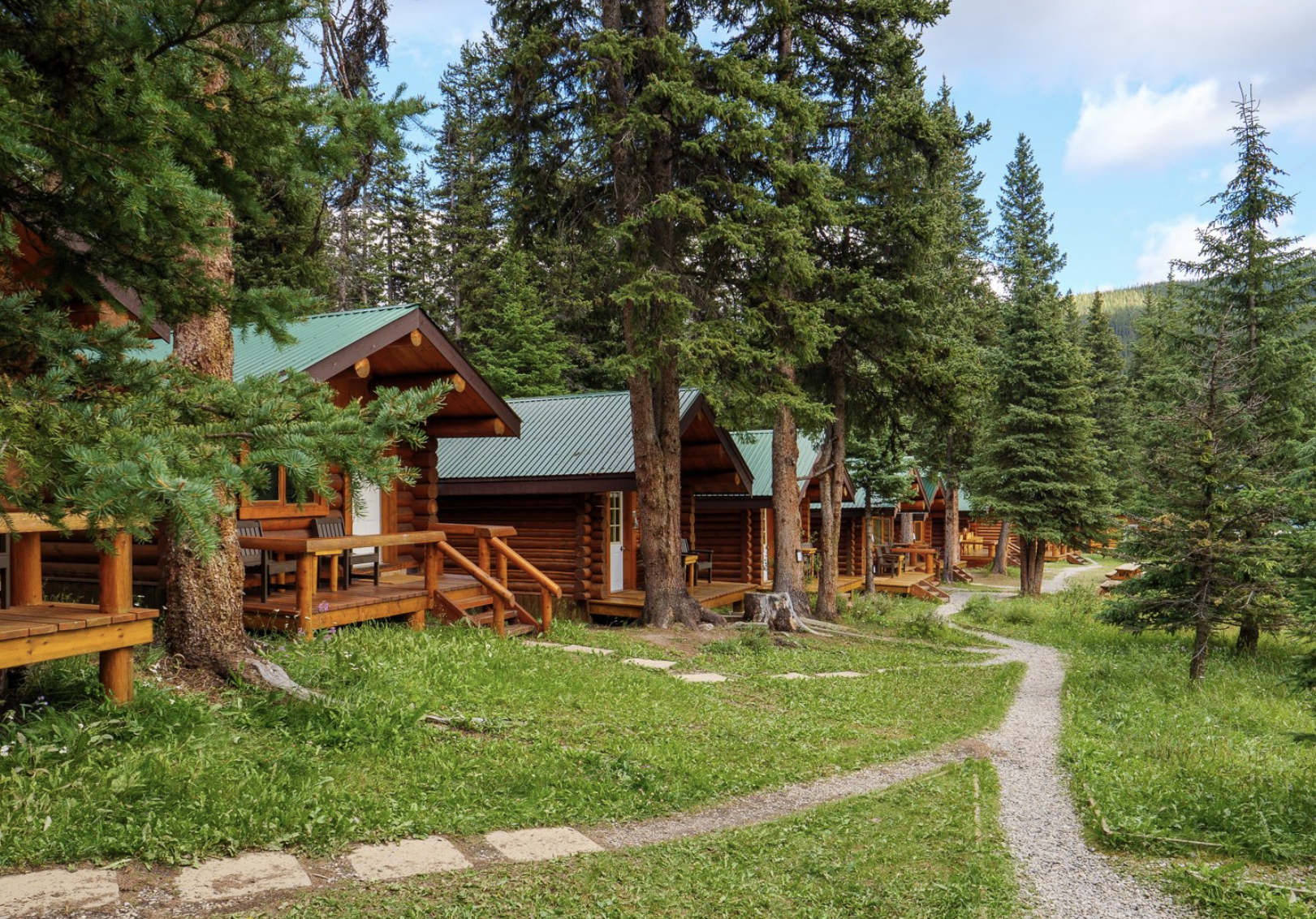
Banff offers a wide range of accommodations for every budget. Options include rustic backcountry lodges, cozy cabins, campgrounds, and luxurious hotels.
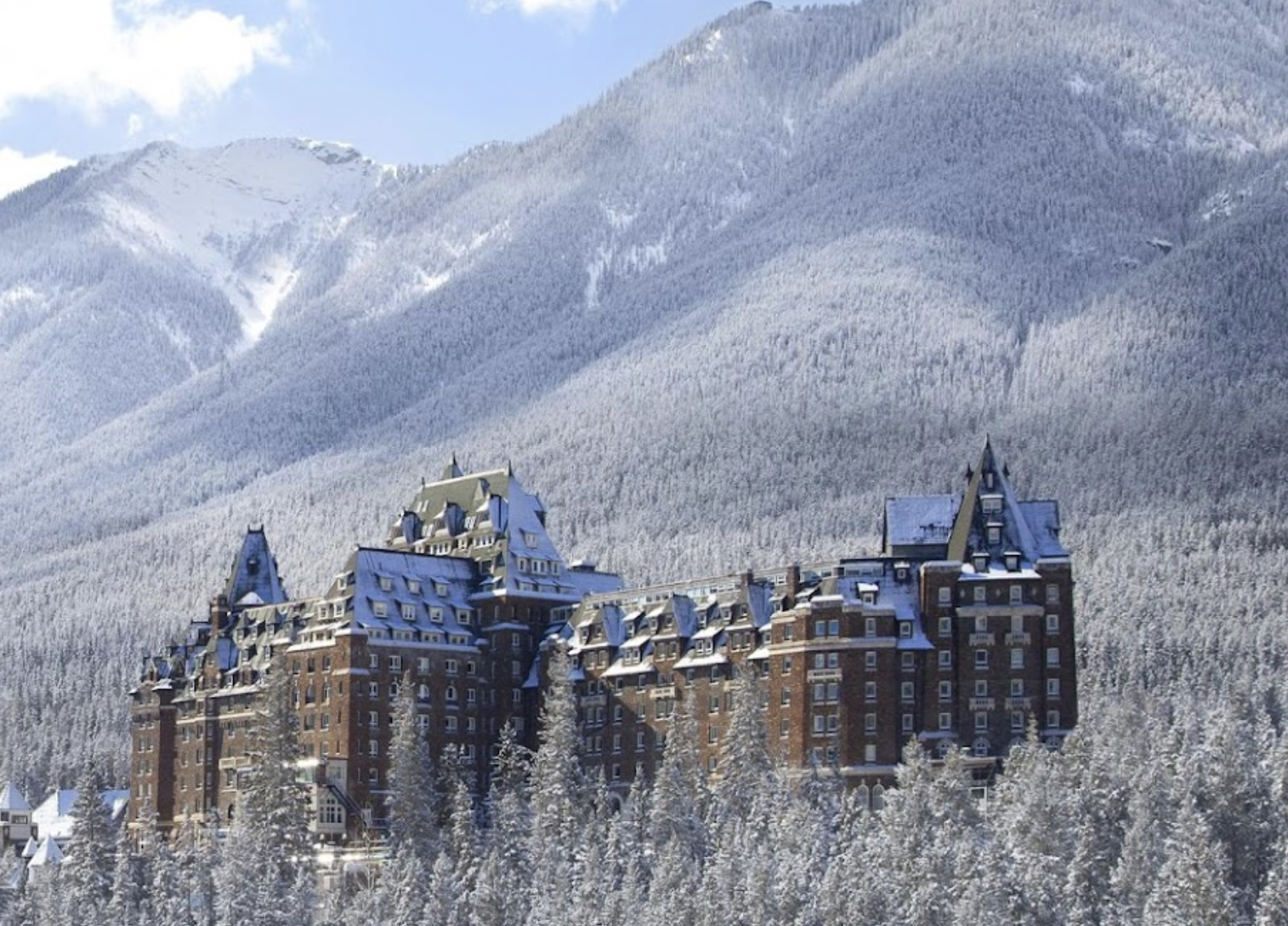
Fairmont Banff Springs
A renowned, historic hotel that offers luxury amenities and stunning mountain views, perfect for those looking for an elegant experience.
Lake Louise Inn
Just 10 minutes drive from Lake Luise and 20 from the beautiful Moraine Lake, this hotel is a great value for money. From here you will have an easy access to some of the best hiking trails. Super convenient for those who love to stay in a hot tube after a day of hiking or skiing in winter.
Backcountry Lodges
For an immersive wilderness experience, check out the lodges situated in the middle of nature. The Shadow Lake Lodge for example is accessible by a 14 km hiking trail and offers a unique experience for those of you who love to sleep in the middle of nowhere.
Campgrounds
Banff National Park has numerous campgrounds, including Tunnel Mountain Campground near Banff townsite and Lake Louise Campground. Reservations are strongly recommended, especially in summer. While planning your camping trip, make sure to visit the Park website for all the information related to campsite services and reservations. You can compare various campsites, download maps and book your place directly on the website.
Top Trails in Banff National Park
Banff is a paradise for hikers not only because there are many trails but also because the Park is really well organized. The paths are well signed and the official website of the park contain all the information you need, including a detailed list and description of the trails. Don’t hesitate to check out the list of trails and if you decide to hike, remember to send pictures and comments directly to Banff Visitor Centre or Lake Louise Visitor Centre as this will help other hikers to organize their trip.
I have chosen three fantastic trails that showcase the beauty and diversity of Banff National Park. I’ve included two scenic hiking trails and one popular biking route near Moraine Lake, so you can experience a mix of Banff’s natural wonders.
1. Larch Valley and Sentinel Pass Trail (Hiking Trail)
Distance: 11.6 km (7.2 miles) round trip
Elevation Gain: 792 meters (2,598 feet)
Difficulty: Moderate
Trailhead: Moraine Lake parking lot (shuttle stoop)
The Larch Valley and Sentinel Pass Trail is a must-do hike in Banff National Park, especially during the fall. Known for its golden larches in September, this trail offers a stunning display of color and panoramic views of the Ten Peaks surrounding Moraine Lake.

Starting from the Moraine Lake parking lot, the trail initially takes you through dense forest before opening up to the Larch Valley, where the scenery transforms into an alpine meadow flanked by golden larch trees. Continue up the switchbacks to reach Sentinel Pass, where you’ll be rewarded with jaw-dropping views of Paradise Valley and the surrounding peaks.
2. Plain of Six Glaciers Trail (Hiking Trail)
Distance: 13.8 km (8.6 miles) round trip
Elevation Gain: 587 meters (1,926 feet)
Difficulty: Moderate
Trailhead: Lake Louise
The Plain of Six Glaciers Trail is an iconic Banff hike that takes you through some of the most striking alpine scenery in the Rockies. Starting near the Fairmont Chateau Lake Louise, the trail follows the shoreline of Lake Louise before ascending toward the Victoria Glacier and the six glaciers that give the trail its name.
Along the way, you’ll pass turquoise waters, rugged terrain, and towering peaks. It is very common to see marmots, mountain goats, and other wildlife along this trail. Respect their space and observe from a distance.
Those who hiked this trail in the past may remember having a tasty tea at the tea house, located around 5km into the trail. This historic tea house, built in the 1920s, was an iconic point for the hikers as you could always find there a good selection of homemade treats and tea, making it the perfect spot to rest and enjoy the scenery. Unfortunately, the place is now closed so make sure to bring some snacks and plenty of water on your trip.
3. Moraine Lake Highline Trail (Biking Trail)
Distance: 8.4 km (5.2 miles) one way
Elevation Gain: 200 meters (656 feet)
Difficulty: Moderate
Trailhead: Moraine Lake parking lot
For those who prefer to explore Banff’s beauty on two wheels, the Moraine Lake Highline Trail offers an incredible mountain biking experience. This route takes you on an exhilarating ride through dense forest and along the rocky cliffs surrounding Moraine Lake, with views of the lake and surrounding peaks.
Starting from Moraine Lake, the Highline Trail leads cyclists through a series of switchbacks and varied terrain, eventually connecting with the Paradise Valley Trail for those who wish to continue further. It’s a more technical trail suited for intermediate to advanced bikers due to some rocky sections and elevation changes. If you are a beginner and still want to bike in Banff, take a look to the list of trails on the official website here. The Healy Creek trail could be the right loop for you.
If you don’t have your own bike, you can rent one in many bike shops in Banff and Lake Louise.
Must-See Spots in Banff National Park:
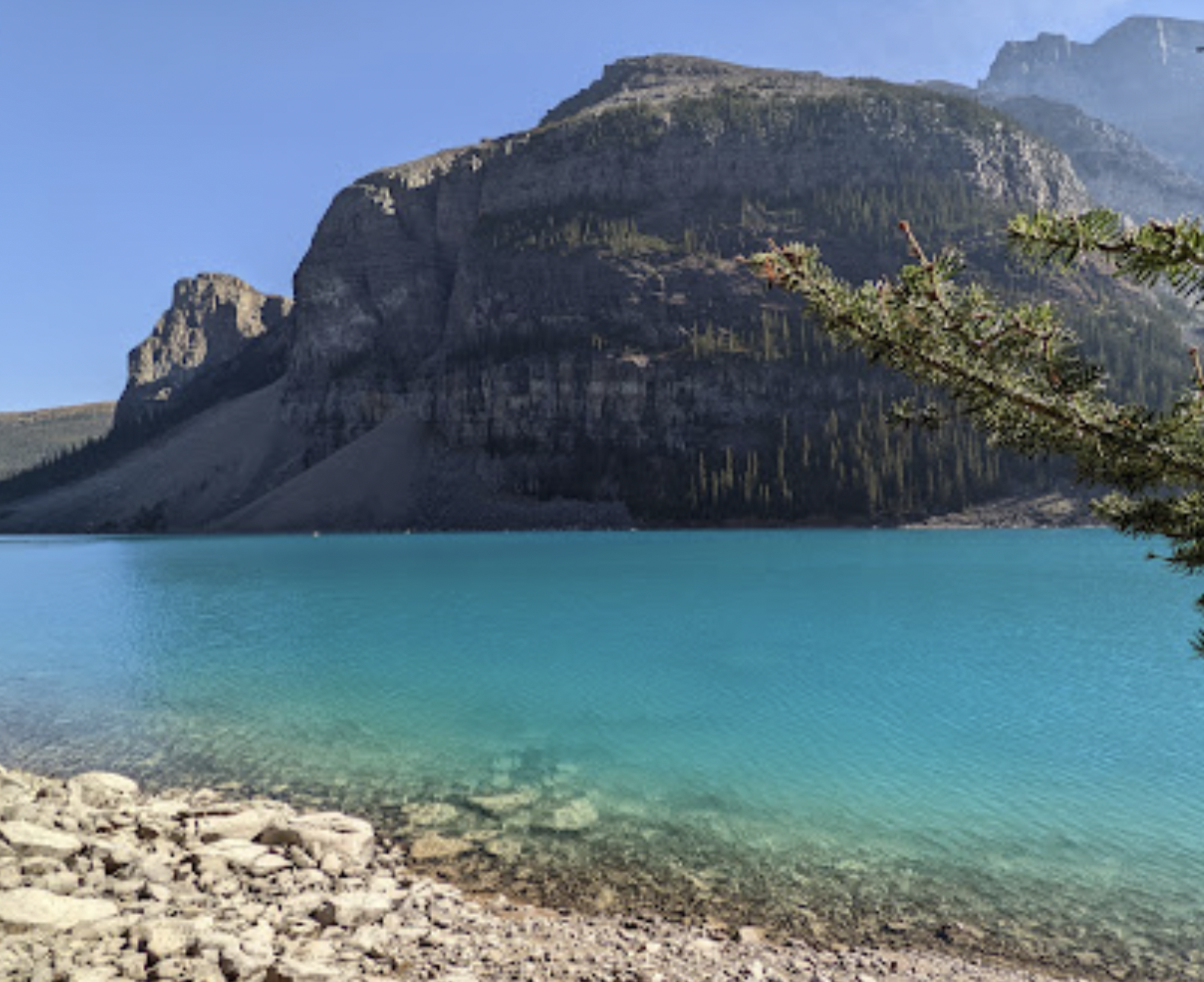
Moraine Lake
Known for its crystal-clear turquoise waters, Moraine Lake is one of the most photographed spots in the Rockies. Arrive early for the best views, as the parking lot fills up quickly.
Lake Louise
Another iconic lake, Lake Louise is stunning year-round and offers excellent opportunities for canoeing, picnicking, and, of course, hiking.
Johnston Canyon
For a shorter but scenic hike, Johnston Canyon features beautiful waterfalls and is accessible via an easy trail with catwalks along the canyon walls.
This 1 km long path will take you into the depths of the canyon on wide paths and narrow bridges that lead to the Lower Falls and to the spectacular 30 metre-high Upper Falls. The head of the trail is here.
Basic Rules of Hiking in Banff
Respect Wildlife
Banff is home to numerous species, including elk, deer, bighorn sheep, and bears. Admire wildlife from a safe distance and never feed or approach animals.
Stay Hydrated
Due to the higher elevation, staying hydrated is crucial. Bring enough water for the day, and consider a hydration pack for longer hikes.
Pack Out What You Pack In
Leave no trace by taking all your trash with you, including food scraps.
 Nomadlytics
Leave a comment