
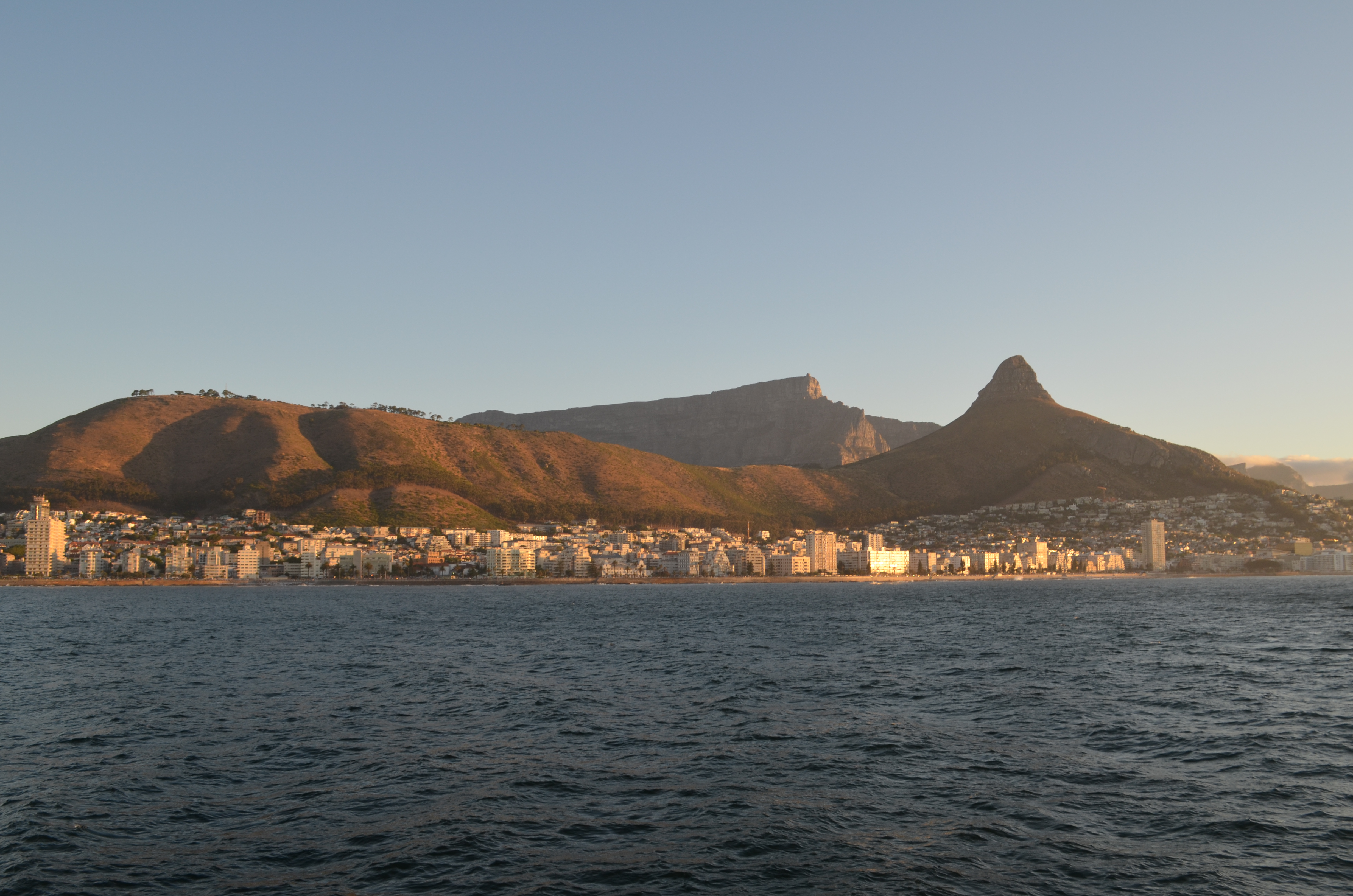
Cape Town, known as the “Mother City,” is brimming with diverse attractions that highlight South Africa’s natural beauty, rich history, and rich culture. This five-day itinerary includes visits to famous sites like Robben Island, Table Mountain, and Cape of Good Hope, alongside time to enjoy the city’s bustling waterfront and unique beaches.
Day 1: Table Mountain and Water Front
Start your day from the iconic landmark of the city: the Table Mountain. The quickest way to the top is the Table Mountain Aerial Cableway, which offers panoramic views of the city and the ocean as you ascend. The cable car rotates, allowing passengers to see the entire 360-degree view. At the summit, you’ll have several paths to wander, including the Dassie Walk, with expansive views across the Cape Peninsula. Sounds great, right? If you are visiting Cape Town in the summer, make sure to book the tickets in advance. You can do that directly at the website and consider that you still will have to stand in a long queue before boarding the cable car.
As an alternative to the cable car, you can enjoy a fantastic hike to the summit via the Platteklip Gorge trail. Here is where the trail starts and you will find a couple of paring spots in the area. In the high season you might have to leave the car at the Cable car par stations. This trails is a steep and physically demanding climb but rewards you with incredible views of the city below. The hike typically takes 2-3 hours, depending on pace. If you are planning to hike up and down, I advice you to reserve the full day for this experience. You can have lunch on top in a restaurant or simply bring your own food and enjoy a picnic with a view (recommended). Many first timers opt for a cable car ride to the summit, a short hike on many of the top trails and then a relatively quick walk down. It is very common to spend the whole day on the top of the Table Mountain. It is really your choice: spending the afternoon in the middle of the nature or in the commercial area of Waterfront. Either way it’s good to go back to town before the sunset and enjoy a tasty dinner at the Waterfront.

Victoria & Alfred Waterfront, known as the “V&A Waterfront,” is a bustling hub that combines shopping, dining, and entertainment along the harbor. Wander around, admire the docked boats, and enjoy the vibrant energy. You can explore markets, artisan shops, and stop by the Watershed Market to see locally crafted goods. If you decided to come down from the Table Mountain just after lunch, you will probably have time to explore the Zeitz MOCAA Museum where you can admire the contemporary African art. The museum is housed in a renovated grain silo and features works from artists across the continent providing a fresh perspective on African art. If you arrived to the Waterfront just before dinner, you are just in time to have a delicious meal with a view at Waterside.
Day 2: Robben Island and Historical Landmarks
One of South Africa’s most significant historical sites, Robben Island, is a UNESCO World Heritage Site and former prison, most notably where Nelson Mandela was held for 18 of his 27 years of imprisonment. A visit to Robben Island offers an understanding of South Africa’s journey toward democracy and is a must during your trip to Cape Town.
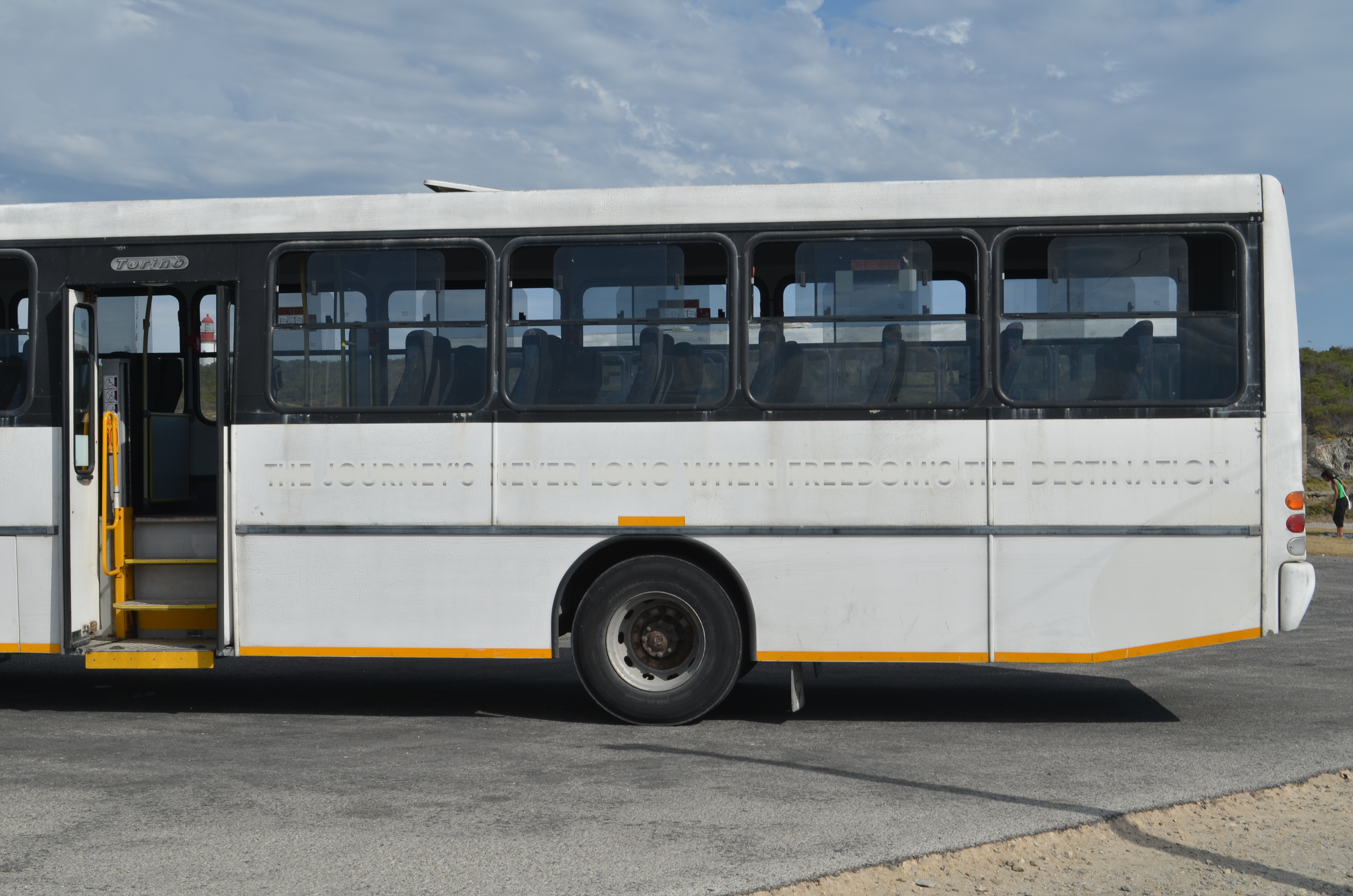
Ferries to Robben Island depart from the V&A Waterfront and take about 30 minutes to reach the island. The guided tour includes a bus ride around the island and a visit to the prison itself, led by a former political prisoner who shares personal accounts of life in confinement and the anti-apartheid struggle. As you tour the prison, you’ll see Mandela’s cell and learn about the challenges faced by political prisoners. This experience gives a moving and sobering glimpse into South Africa’s past and the resilience of its people. Bisiting Robben Island is a half a day experience, I always advice to book the tickets directly online but not too long in advance. It can happen that the boat ride is postponed or canceled due to the stormy weather and this is why I always advice to check the sea conditions while planning this trip and to book the tickets for a morning tour.
Six Museum and Bo-Kaap
After returning from Robben Island, dive deeper into Cape Town’s complex history. Head to District Six Museum located in the historic District Six. This museum offers insight into the forced removals that took place during apartheid. Exhibits and personal stories reveal the impact of apartheid on Cape Town’s communities, with photographs and maps showing the areas affected by this period of forced segregation.
Next, walk over to the Bo-Kaap neighborhood, known for its colorful houses and rich Cape Malay culture. Originally home to freed slaves, Bo-Kaap has a unique history influenced by Indonesian, African, and Indian heritage. Wander the streets, meet locals, and enjoy a traditional Cape Malay snack at one of the small eateries. If you like the vibe of this area, end the day with dinner in one of many local restaurants where you can try a Cape Malay curry or bobotie, a traditional South African spiced meat dish. Unfortunately, in those little eateries you will find meat and some fish but not many vegetarian options.
Day 3: Cape of Good Hope and Boulders Beach

Dedicate your third day to the most remarkable place in the area: Cape Peninsula. Spoiler: it is one of the most scenic drives in the world and it leads to the Cape of Good Hope.
You can go around Cape Town without a car, especially if your accommodation is in the Waterfront area. However, as soon as you want to visit the places just outside the downtown area, you will need a car. I suggest you to rent a car at least for 2 or 3 days during your stay. Surely you can enroll on a day tour with a minibus or a private driver but the best option is really to rent a car and drive yourself. It’s the best way because you will really drive through some of the most beautiful places in this Earth any you will want to stop there forever so, flexibility is really important and you don’t want to be rushed by a tour guide. Driving in South Africa is pretty easy, the only issue for most of the Europeans and Americans is that you will drive on the left side of the road but trust me, you will get used to it.
Start the journey on Chapman’s Peak Drive, a stunning coastal route with breathtaking views and stopping points perfect for photos. This winding road hugs the cliffs between Hout Bay and Noordhoek, offering picturesque ocean views along the way. Continue to Cape Point, within Table Mountain National Park. Hike up to the old lighthouse or take the Flying Dutchman Funicular for a quick ride to the summit. Enjoy panoramic views of the Atlantic Ocean, spot wildlife (including baboons and antelope), and take in the raw, rugged beauty of this coastal area.
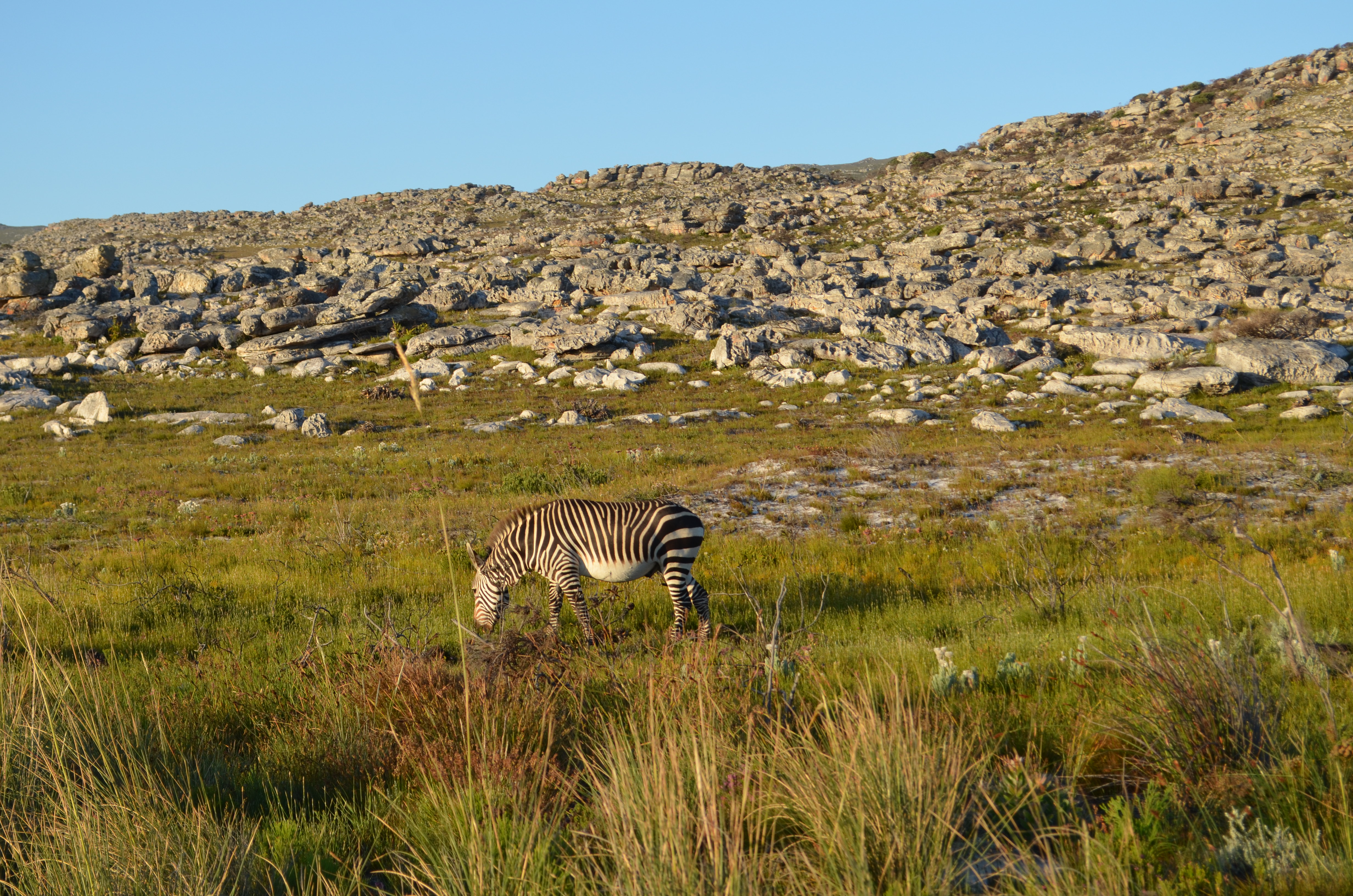
Finally drive to the Cape of Good Hope, the southwestern-most point of Africa, known for its rich history and significance in sea navigation. Capture the iconic “Cape of Good Hope” sign and walk along the cliffs for more scenic ocean views. Admire the cape zebras, the ostriches and the baboons. Be careful! The baboons will try to still your food and can get aggressive. Leave all your food in the car and close it!
On your return journey, stop at Boulders Beach, home to a colony of endangered African penguins. The beach is located in Simon’s Town and is famous for its unique, rocky shoreline and lovely penguins. Walk along the boardwalk for close-up views of these delightful creatures and spend some time enjoying the beach. The penguins roam freely, and the area is carefully managed to protect their natural habitat.

Day 4: Kirstenbosch Gardens and Wine Tasting in Constantia
Start your day with a tranquil visit to the Kirstenbosch National Botanical Garden, a UNESCO World Heritage Site nestled at the eastern foot of Table Mountain. Stroll through beautifully landscaped gardens featuring a vast collection of indigenous plants, including unique fynbos vegetation and fragrant herbs. The Boomslang Treetop Canopy Walkway is a highlight, providing a bird’s-eye view of the surrounding mountains and gardens. There are several walking trails within the gardens, suitable for different fitness levels. The gardens offer also an excellent opportunity for photography, and you may even spot local birds and small wildlife.
From Kirstenbosch you can drive in no time to Constantia – one of South Africa’s oldest wine regions, known for its award-winning wines and stunning estates. Visit Groot Constantia Estate. As South Africa’s oldest wine estate, it offers a combination of history and quality wine tasting. Explore the historic manor house and museum, which will give you an insight into the estate’s Dutch colonial past, and you will enjoy a tasting of their famous wines, particularly the Constantia dessert wine. Constantia has several other beautiful estates to visit, such as Klein Constantia and Buitenverwachting, each with unique wines and breathtaking views of the vineyards. Some estates also offer gourmet picnics, which make for a memorable lunch amid the vines. If you like the vibe of this place, feel free to stay here for dinner. Restaurant in Constantia, such as Bistro Sixteen82 at Steenberg Estate offer seasonal dishes (some vegetarian options available) paired with fine local wines.
Day 5: Beaches and Final Day at the Waterfront
Cape Town is famous for its beaches, especially along the Atlantic Seaboard, where you’ll find pristine white sands and stunning mountain backdrops. Let’s say that everybody will find a perfect beach in Cape Town. Whether you like wild and pristine sands, fancy establishments with good vibe and music or surfing spots, you will find the right beach for you. Below couple of main beaches in the city which deserve to be visited.
First head for a coffee to Camps Bay Beach, known for its trendy beach clubs and restaurants. It is a lively spot where you can relax on the sand or grab a drink at a beachside café. From here you will enjoy views of the Twelve Apostles mountain range and surely you will want to take a dip in the cold but refreshing Atlantic waters.
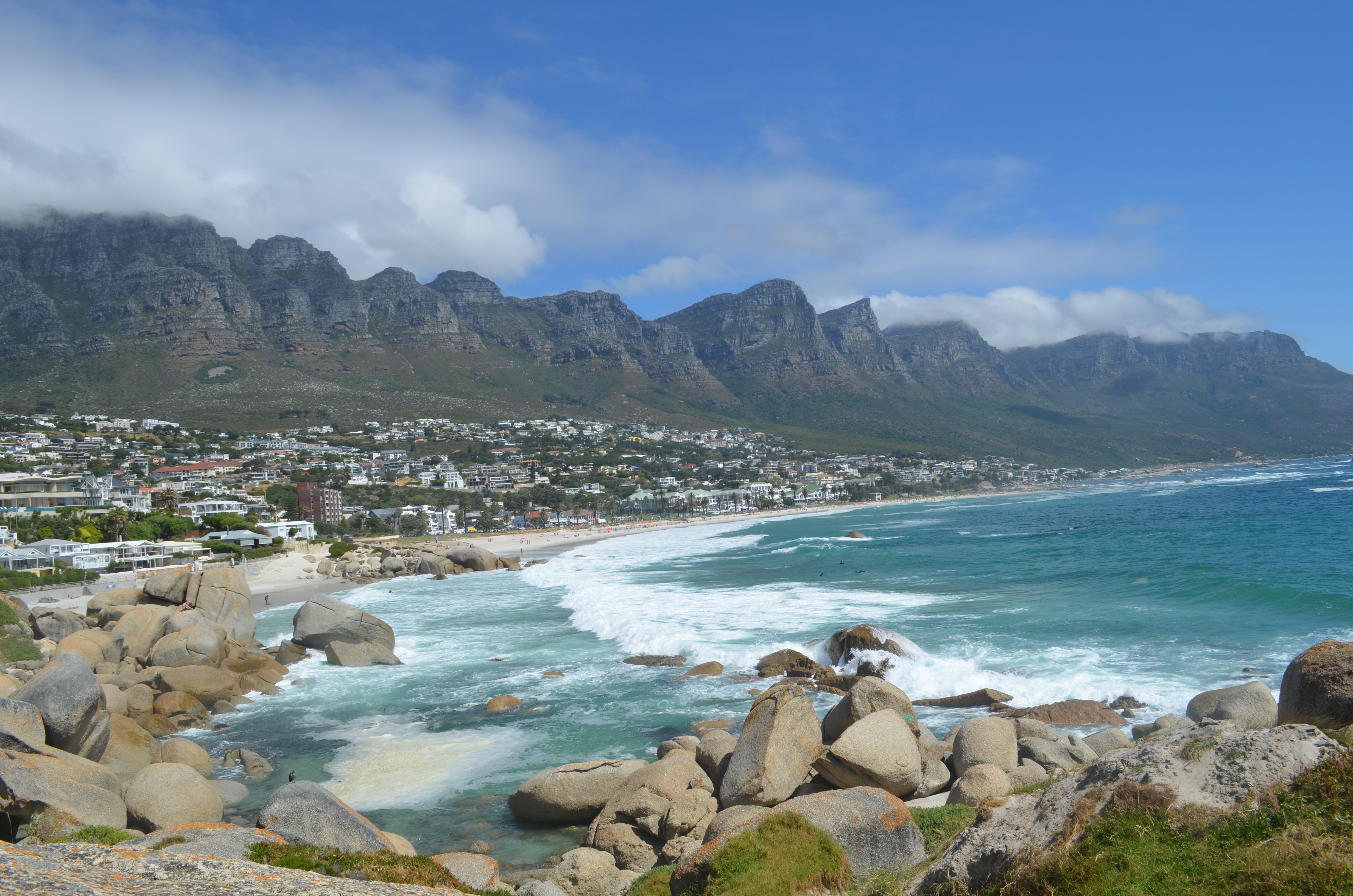
It is also worth to visit Clifton Beaches – located just around the corner from Camps Bay. This place is divided into four separate beaches. Each beach has a slightly different vibe, but all feature soft sand, clear waters, and are popular with locals. Spend the day sunbathing, swimming, or simply admiring the views.
If you like surfing or simply want to enjoy the surfing vibes at the beach, head to Muizenberg Beach, located on the False Bay coastline of Cape Town. It is an iconic destination known for its wide stretch of golden sand and colorful Victorian-era beach huts. Popular among surfers of all skill levels, the beach features gentle waves that make it an ideal spot for beginners. Here you will also find an array of surf schools, rental shops, and lively beachfront cafes. With breathtaking views of the surrounding mountains and a laid-back, welcoming atmosphere, Muizenberg Beach is a must-visit spot for both adventure seekers and those looking to relax and soak up the sun.
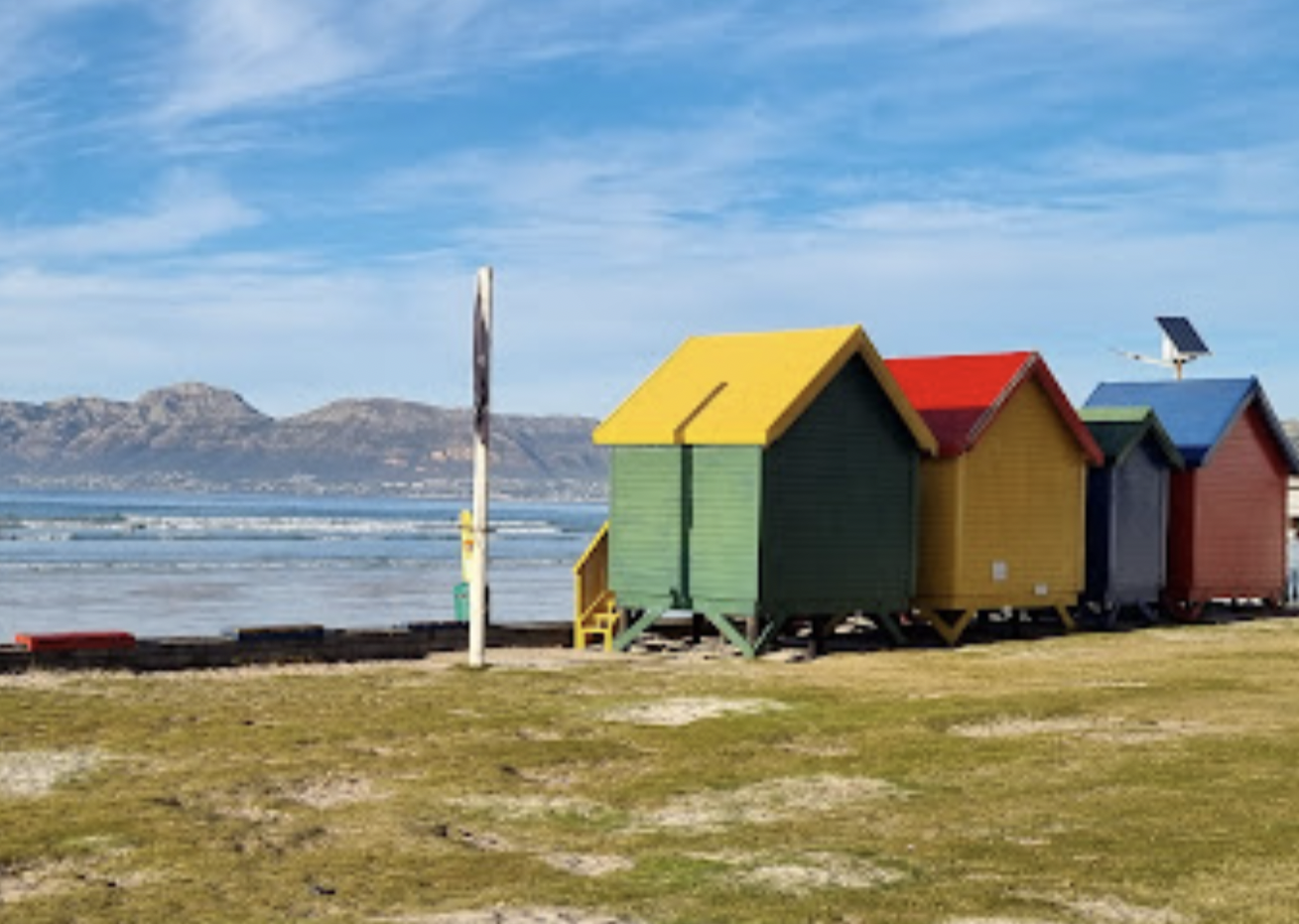
After the day at the beach, head for the last walk along Waterfront and wrap up your time in Cape Town with a dinner at The Watershed market where you can also buy some unique gifts and handicrafts made by South African artisans.
How to get there?
By Air
Most visitors arrive in Cape Town via Cape Town International Airport (CPT), the primary international gateway to the city. The airport is well-connected, offering both international flights from major hubs and domestic flights from other South African cities like Johannesburg and Durban.
Direct Flights: Many airlines offer direct flights to Cape Town from cities like Amsterdam, London, Doha, Dubai, and Frankfurt. Seasonal flights may also operate from New York and other North American destinations.
Domestic Connections: For travelers already in South Africa, domestic airlines like South African Airways, FlySafair, and Airlink provide frequent and affordable flights to Cape Town from Johannesburg, Durban, and other cities.
I advice to rent a car at the airport if you want to visit places like Cape Of Good Hope or Constantia. However, if you arrive here only for a couple of days you may get around without a car or rent one just for the day of your getaway trip. In this case, you can rely on different transfer options from the airport to the Cape Town city center:
- Taxi and Uber – take about 20-30 minutes to reach the city center.
- Airport Shuttle Services like MyCiti offer a budget-friendly option, with routes connecting the airport to Cape Town’s CBD (Central Business District).
By Road
If you’re coming from nearby regions or wish to explore South Africa by car, Cape Town is accessible via several major routes. A road trip along the N1 from Johannesburg or the N2 from the Garden Route can be a scenic and adventurous way to reach Cape Town.
If you don’t like to drive you can always catch a bus. Companies like Greyhound and Baz Bus offer long-distance bus services that connect Cape Town with other South African cities, providing a comfortable way to travel.
By Train
It is possible to arrive to Cape Town by train but it is one of those “once in a lifetime experiences”. The journey takes 3 days and two nights and is similar to the Oreint Express journey and also very expensive and exclusive.
If you are arriving from Pretoria or from Kruger Park, the Blue Train offers a scenic journey. As said it is a luxury type experience and you can complete it with gourmet meals, spacious cabins, and beautiful views. Prices starts at 4’000USD per person one way.
Another high-end option is Rovos Rail which provides a vintage luxury train journey from Pretoria, showcasing the South African countryside. Slightly less expensive than the competitor offers different types of itineraries and combination with personalized tours along the way.
Accommodation

Cape Town offers a range of accommodations for every type of traveler, from budget-conscious backpackers to luxury seekers. You will be able to find hotels, hostels, guest houses, farm stays and city apartments all available on the main booking websites. Below a couple of suggestions for different types of travelers.
Budget-Friendly Accommodations
91 Loop Boutique Hostel offers cozy and modern private rooms and comfortable dorms. A Common kitchen a free breakfast are surely a plus fro travelers on a tight budget. The hostel is centrally located and with its relaxed atmosphere is a great spot to meet fellow travelers.
Mid-Range Accommodations
The centrally located and brand new I Gadi Guest house will delight you with the tasty breakfast and a stunning view on the Lion Head Mountain. Last but not least, after a day of sight seeing you will be able to relax in their colorful garden.
Antrim Villa located in Green Point offers a relaxed and cozy Mediterranean vibe. Being it a mid range accommodation you will be able to enjoy a swimming pool, garden, breakfast, and family-friendly rooms.
Luxury Accommodations
The Silo Hotel in the heart of V&A Waterfront is surely ultra-luxurious and architecturally iconic. If features Spa and rooftop pool with panoramic views of Table Mountain, the harbor, and the city. Each suite is uniquely designed, and the service is exceptional, making it one of Cape Town’s most exclusive stays.
Eco-Lodges
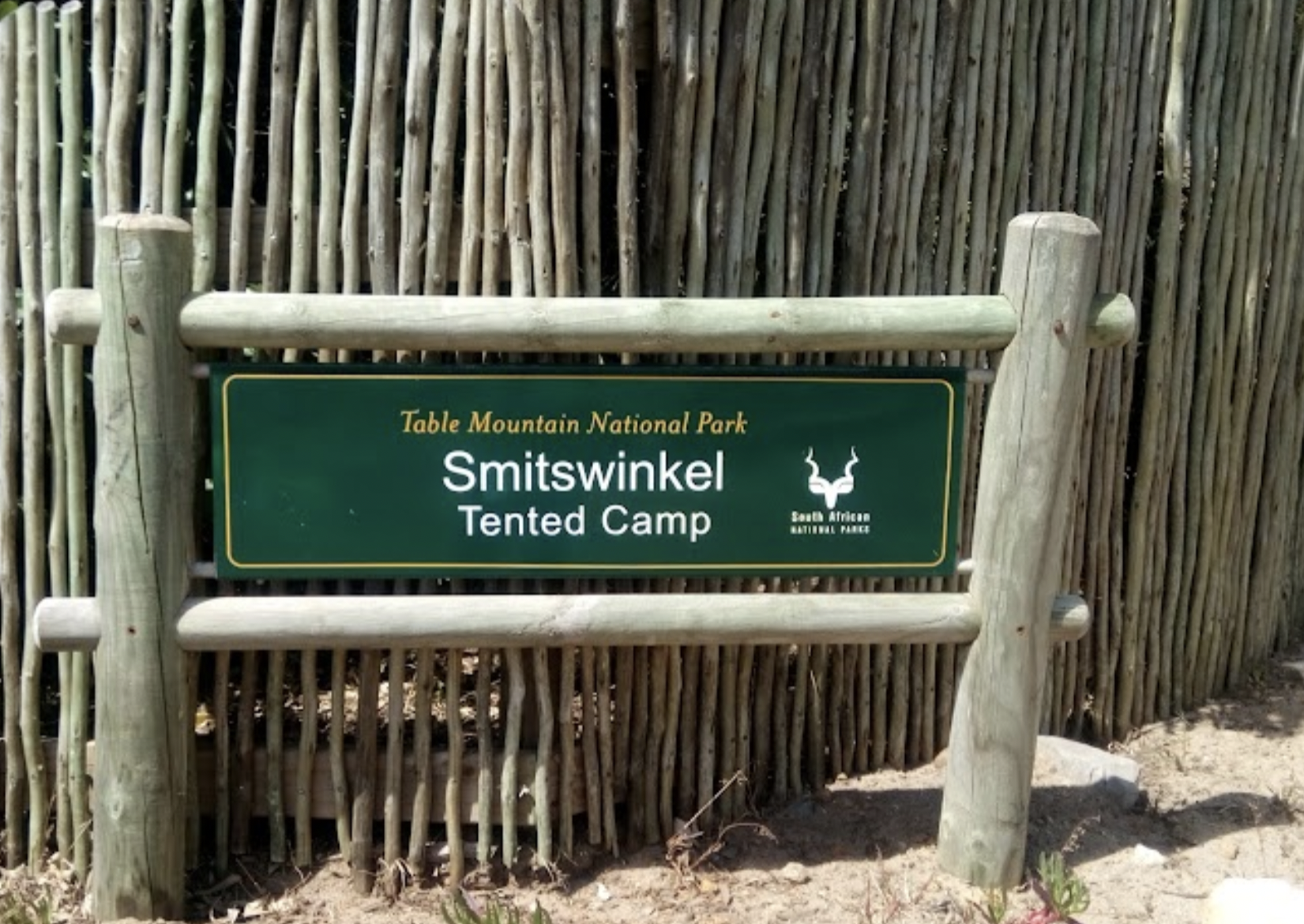
If you’re looking for something a little out of the ordinary, Cape Town has unique accommodations like eco-lodges, glamping spots, and nature-oriented guesthouses. If you would like to spend more time in the Table Mountain National Park and sleep close to the Cape Of Good Hope, Smitswinkel Tented Camp is just perfect for you. Feel free to check other eco-friendly accommodations directly at the Parks website. Strongly recommended for those who love to sleep in the almost untouched nature.
 Nomadlytics
Leave a comment