

The idea of working remotely while traveling the world has taken on new life, especially in the wake of the global shift toward flexible working arrangements. It’s a dream many people aspire to: escaping the boundaries of a traditional office to work from a beach in Bali or a bustling café in Rome. But is the digital nomad lifestyle really as glamorous as it appears? Before you pack your laptop and start this international adventure, it’s essential to weigh the pros and cons of remote work while traveling to see if it’s truly the right fit for you.
In this post, I will dive deep into the advantages and disadvantages of remote work while on the move, discussing everything from increased flexibility to internet reliability issues, cultural enrichment to feelings of isolation. By the end, you should have a clear understanding of whether this lifestyle aligns with your work habits and personal goals.
The Pros of Remote Work While Traveling
Unparalleled Flexibility and Freedom
One of the most significant advantages of remote work while traveling is the freedom to choose where you live and work.
- Customizable Work Environment
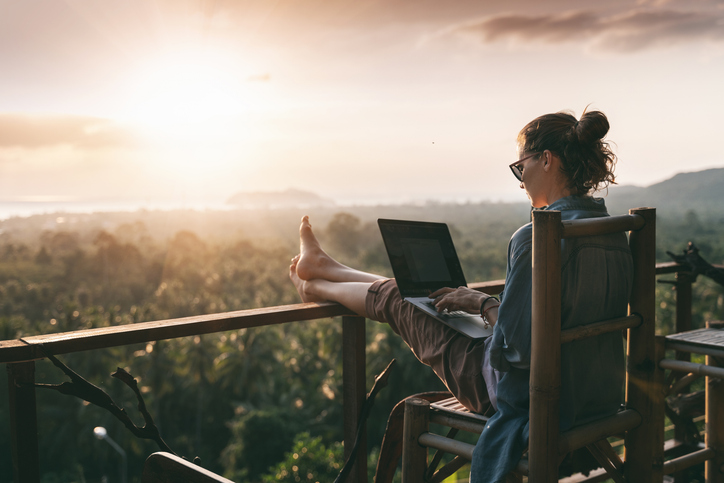
You can set up your office in a tropical paradise, a serene mountain cabin, or a lively city—whatever inspires you the most. Well, always if you have the reliable internet connection. - Create Your Own Schedule
Many remote workers can tailor their schedules to their personal productivity peaks, allowing for more efficient work. Want to explore a new city in the afternoon and catch up on work at night? Remote work makes that possible. - Eliminate the Monotony
With constant changes in your environment, your workdays are far from repetitive. New experiences and surroundings can invigorate your routine and reduce the feeling of burnout.
Enhanced Work-Life Balance
Traveling while working allows you to merge your professional responsibilities with your desire for exploration and personal growth.
- Experience Life to the Fullest
Instead of waiting for annual vacations, you can live in travel mode full-time. You’ll have the chance to explore new places and cultures regularly. - Quality Personal Time
Many digital nomads report having more time to engage in hobbies or pursue interests, thanks to a more efficient use of their working hours and reduced commuting. - Closer to Nature
If you prefer the outdoors, working remotely allows you to base yourself in places where you can regularly hike, surf, or just enjoy breathtaking landscapes.
Cost of Living Arbitrage
Depending on where you choose to travel, remote work can potentially save you a lot of money.
- Affordable Destinations
Some regions, such as Southeast Asia or parts of Latin America, offer a lower cost of living. You can live comfortably in these places for a fraction of what you would spend in a major Western city. - No Office Expenses
Gone are the days of spending on expensive business attire, daily commuting, or overpriced lunches. The cost savings can be substantial over time.
Cultural Enrichment and Personal Growth
Traveling introduces you to new cultures, languages, and perspectives, which can be incredibly enriching.
- Cultural Immersion
Living and working in different countries exposes you to diverse ways of life. You’ll learn to adapt and appreciate new customs, foods, and languages, broadening your worldview. - Networking Opportunities
The digital nomad community is vast and diverse. By meeting fellow travelers, you could gain valuable professional connections, find collaborators for your projects, or simply make lifelong friends. - Developing Soft Skills
Traveling often forces you to become more adaptable, improve your communication skills, and learn to handle stressful situations with grace.
Increased Productivity and Creativity
Many remote workers find that their productivity increases when they work in environments that inspire them.
- New Experiences Fuel Creativity
Fresh surroundings and experiences can help spark new ideas and solutions, making your work feel less stagnant. - Customized Workspaces
You’re not confined to a standard office setup. You can choose places where you feel most productive, whether that’s a quiet library, and inspirational co-working space or a buzzing café.
The Cons of Remote Work While Traveling
Internet and Technology Challenges
Consistent and reliable internet is the lifeblood of remote work, but it’s not always a given when traveling.
- Unreliable Internet Connections and Power Outages
Despite careful planning, you may still encounter unexpected outages or places where the internet speed is insufficient for video calls or data-heavy tasks. In some countries it is still common to have power outages and this may affect your work. - Tech Issues on the Road
You might face difficulties with hardware failures or software glitches, and it’s not always easy to find tech support when you’re far from home. Unless you are working in IT sector and you know how to fix those issues by yourself of course. Carrying backups, like a portable Wi-Fi device or extra power banks, is often necessary. - Time Zone Complications
Coordinating with colleagues or clients in different time zones can be a nightmare. You may find yourself needing to wake up at odd hours to join important meetings or make deadlines.
To overcome those issues, you should choose wisely the destinations and inform yourself beforehand about possible power and internet issues. While working remotely it is good to have at least the basic knowledge about the IT issues. It’s a good idea to complete at least a beginner level course in IT problem solving.

Work-Life Balance Can Blur
While the flexibility is appealing, it can sometimes be challenging to set boundaries between work and play.
- Constant Connectivity Pressure
The desire to be “always available” can lead to longer working hours, as you juggle deadlines and the urge to explore. - Difficulty Disconnecting
It’s easy to fall into the trap of always checking your emails or worrying about work tasks, even when you’re trying to enjoy your surroundings. - Routine Disruptions
Traveling disrupts routine, making it hard to maintain healthy habits, such as regular exercise or consistent meal times. A lack of structure can affect your overall well-being and productivity.
To overcome those issues, you need a good self discipline and great organizational skills.
Loneliness and Isolation
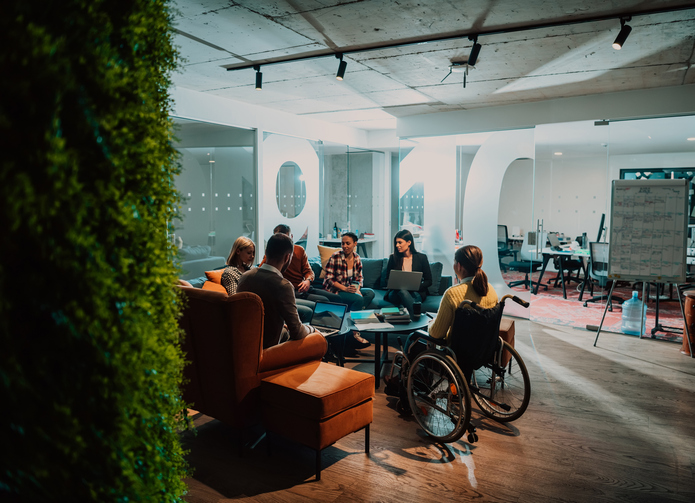
The digital nomad lifestyle can sometimes be isolating, especially if you’re far from family and friends.
- Social Disconnection
Moving frequently makes it difficult to form long-lasting friendships or be part of a consistent community. You may also miss out on important family events or milestones back home. - Working Alone
While co-working spaces and meetups exist, the reality is that you’ll often be working alone. This can lead to feelings of isolation, especially if you’re in a place where you don’t speak the language. - Burnout from Nomadic Living
The constant pressure to work and explore can lead to burnout. It’s crucial to take breaks and find moments of stability amid the chaos of travel.
In order to overcome the loneliness, you must improve your social skills. There are plenty of digital nomads and expats all over the world. All you have to do is to reach out to them and get to know them. People who decide to work remotely during their travels must be open minded and outgoing in order to overcome the loneliness. However, if you are a solo traveler and a solo worker who actually loves being alone, far from the colleagues, family and crowded cities then all the above is not a disadvantage for you at all.
Financial Instability and Hidden Costs
While working remotely can save you money, it also comes with financial risks and unexpected expenses.
- Fluctuating Expenses
Costs can vary significantly depending on where you are. An affordable stay in one country could be offset by a sudden expense, like a costly flight change or a medical emergency. - Healthcare Costs
Getting sick or injured while traveling can be complicated and expensive, especially if you need to be evacuated to a place with proper medical care. Comprehensive travel insurance is a must but can be costly. - Unpredictable Income
If you’re a freelancer or a contractor, you may face inconsistent income streams, making it harder to budget for long-term travel.
In order to overcome the financial instability, you can plan in advance. Make sure that you have a good health insurance covering your expanses world wide.Being flexible also helps – if you are a freelancer without a fix income, be open to work in different fields. Constant learning is also a good idea – while working abroad, take time to learn new language or make an online course so you have more possibilities to generate your income.
Visa and Legal Complications
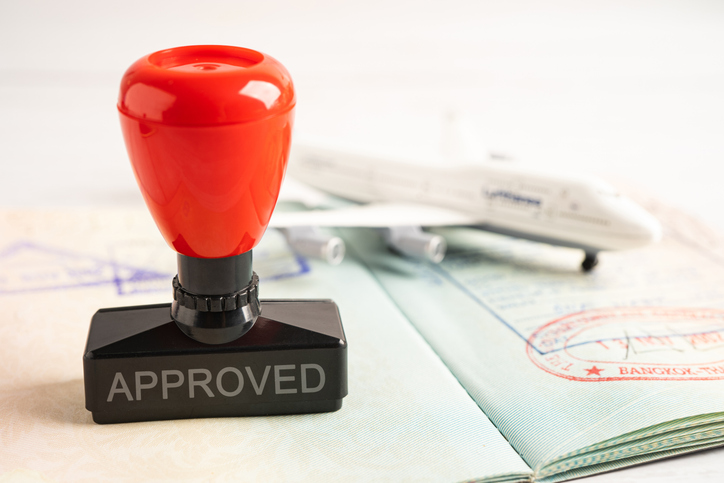
Traveling while working remotely involves navigating complex visa regulations.
- Visa Restrictions
Not all countries are friendly to digital nomads. Many visas don’t explicitly allow remote work, and overstaying your visa can have severe consequences. - Tax Implications
Working in multiple countries can make taxes complicated. You may need to consult a tax advisor to understand your obligations and avoid double taxation. - Work Permits
Some countries require work permits even for remote jobs. It’s crucial to research legal requirements thoroughly to avoid fines or deportation.
Make sure you plan your moves in advance. Talks to your tax advisor and surely you will find the best set up.
Is Remote Work While Traveling Right for You?
Now that we’ve explored the advantages and disadvantages, it’s time to evaluate whether this lifestyle aligns with your personal and professional needs. Before packing your suitcase and booking your flight consider the following factors:
Your Personality and Work Style
- Self-Discipline
Are you able to stay motivated and focused without a traditional office structure? If you’re easily distracted, remote work while traveling may not be ideal. However, if your motivation to discover new places is strong enough then why not to work on your self discipline and learn how to get more organized and consistent? - Adaptability
How do you handle sudden changes or uncertainties? The nomadic lifestyle is full of surprises, so being flexible and resourceful is crucial. I would say that it is actually the MUST HAVE SKILL. - Social Needs
Do you thrive on being part of a close-knit community, or are you comfortable with more transient social connections? Loneliness can be a real issue, so either you like to be alone or you’ll need to put effort into building relationships on the go.
Your Career and Work Requirements
- Job Flexibility
Does your job allow for flexible hours, or are you required to be online during specific times? If your work demands constant collaboration, the time zone differences could be a significant hurdle. - Task Nature
Some jobs are easier to manage remotely than others. Creative, writing, or design work, for example, may lend itself well to remote setups, while roles that require physical presence or hands-on collaboration may not. - Communication Tools
If your work relies heavily on smooth communication, ensure you have access to the necessary tools and a backup plan for staying connected. Stay up to date and ope to new learning opportunities.

Your Financial Situation
- Budget and Savings
Do you have a financial cushion to handle emergencies? Traveling can be unpredictable, and having a safety net will give you peace of mind. - Income Stability
Is your income steady enough to support a traveling lifestyle? Freelancers or contractors might need to account for fluctuating earnings. - Long-Term Goals
Does traveling align with your long-term career and personal goals, or could it become a distraction
In conclusion, there are pros and cons of being a digital nomad. If you are not fully convinced about. the life on the go for longer period of time, you can always start with just couple of months remote work, not too far from your current residence. This way you will have a sample of what it’s like to be a remote worker and a traveler.
 Nomadlytics
Leave a comment