
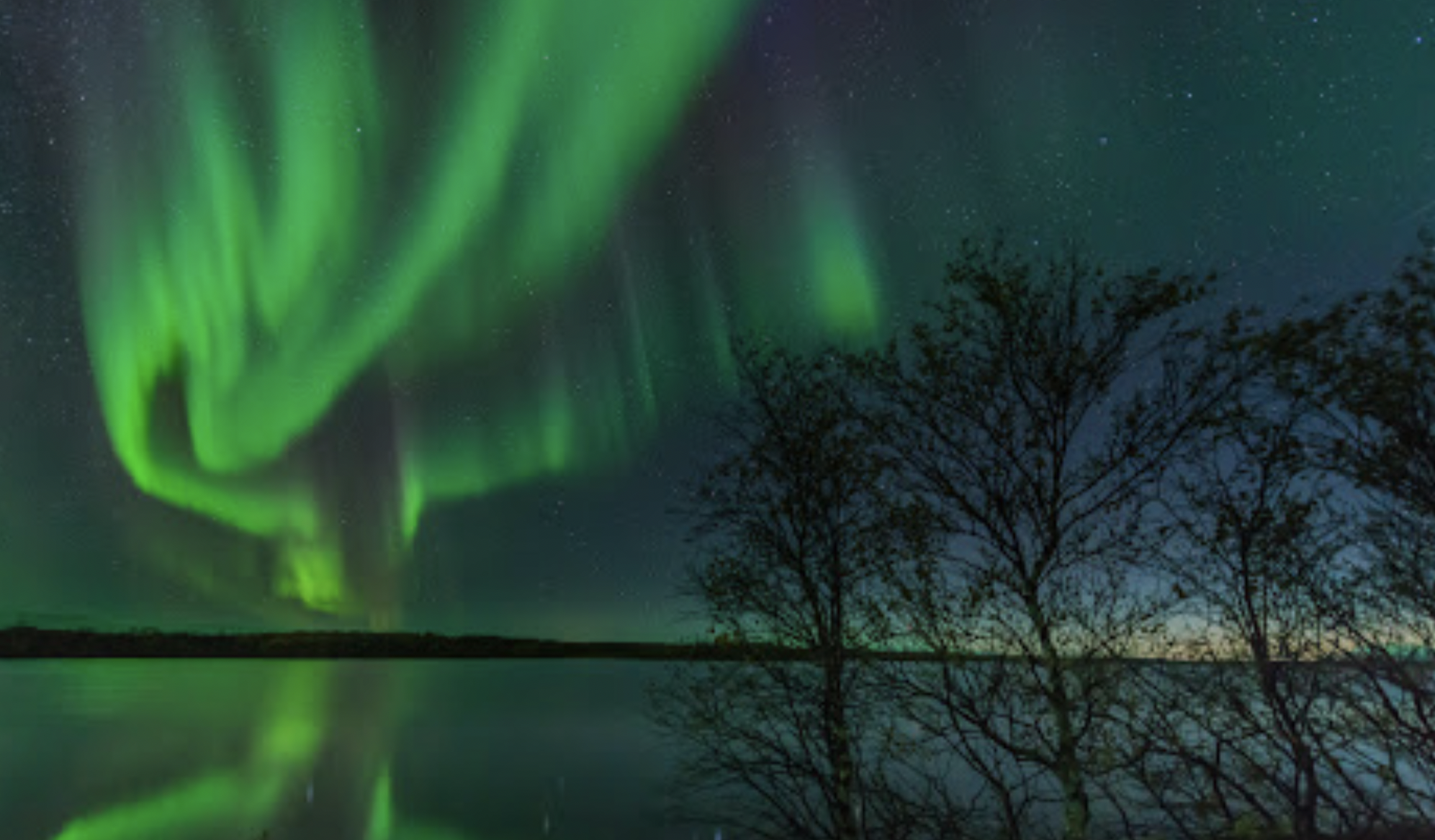
The Sami, also known as the Sámi or Lapp people, are the indigenous peoples of the Arctic region of Europe, specifically spanning across the northern parts of Norway, Sweden, Finland, and Russia’s Kola Peninsula. Historically, they have lived in one of the harshest environments on Earth, yet they have developed a rich, resilient culture that is uniquely adapted to the conditions of the Arctic Circle.
Today, the Sami are faced with complex challenges as they strive to maintain their culture and heritage in the face of modernity, political conflicts, climate change, and global pressures. Despite these challenges, the Sami culture is experiencing a renaissance, driven by efforts to preserve their traditions, language, and way of life. Let’s explore the history, traditions, and contemporary struggles of the Sami people, shedding light on their rich cultural legacy and the ongoing fight for their rights and recognition.
History of the Sami People
Origins and Early History
The exact origins of the Sami people are a subject of debate among scholars. Linguistic evidence suggests that the Sami speak a Finno-Ugric language, part of the Uralic language family, which indicates they may have migrated from the east, possibly from areas near the Ural Mountains or Siberia, thousands of years ago. Archaeological evidence shows that the Sami have lived in the northern parts of Europe for at least 6,000 years, making them one of the oldest continuous indigenous groups in the region.
The Sami are believed to have originally practiced a nomadic lifestyle, moving seasonally with the migration patterns of reindeer herds. Their deep connection to the land and animals, especially reindeer, played a crucial role in shaping their culture. The Sami’s relationship with nature is rooted in animism, with a belief that the natural world is inhabited by spirits that must be respected and honored.
Contact with Scandinavians
The first significant contact between the Sami and the Scandinavian settlers began around the 12th century. Norse Vikings are known to have interacted with the Sami, initially through trade. Over time, however, the relationship between the Sami and the expanding Scandinavian kingdoms became more complex and often hostile. With the spread of Christianity in Scandinavia, the Sami were pressured to abandon their traditional shamanistic practices and adopt the new religion.
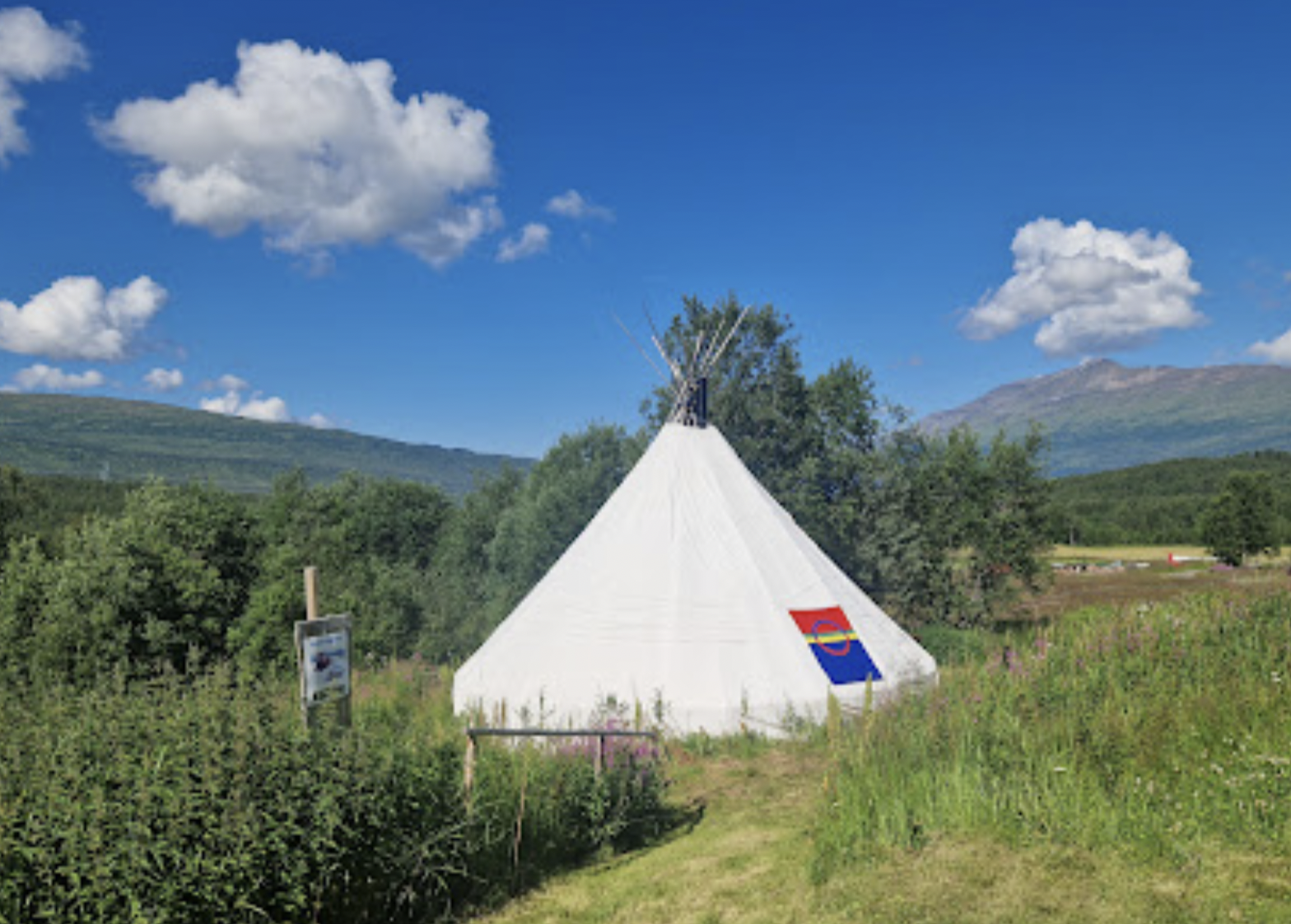
In the 17th and 18th centuries, the Sami faced increasing colonization pressures, as their land was slowly incorporated into the kingdoms of Sweden, Norway, Finland, and Russia. These incursions disrupted their traditional lifestyle and led to forced assimilation policies that sought to eradicate Sami languages and cultural practices.
The Impact of State Policies
As the nation-states of Scandinavia solidified their control over the Arctic territories, the Sami people were increasingly marginalized. In Norway and Sweden, state-sponsored programs in the 19th and early 20th centuries sought to “civilize” the Sami, which included forced relocation to settlements, banning traditional clothing, and suppressing their language. In Finland and Russia, similar assimilationist policies were enacted, and the Sami were often treated as a “primitive” people in need of modernizing.
The policies of forced assimilation and cultural suppression led to the near extinction of many traditional Sami practices, including language use, reindeer herding techniques, and shamanistic rituals. The Sami were pushed into the margins of society, often relegated to the status of second-class citizens in their own homeland.
Sami Traditions and Cultural Practices
Reindeer Herding and Nomadic Lifestyle
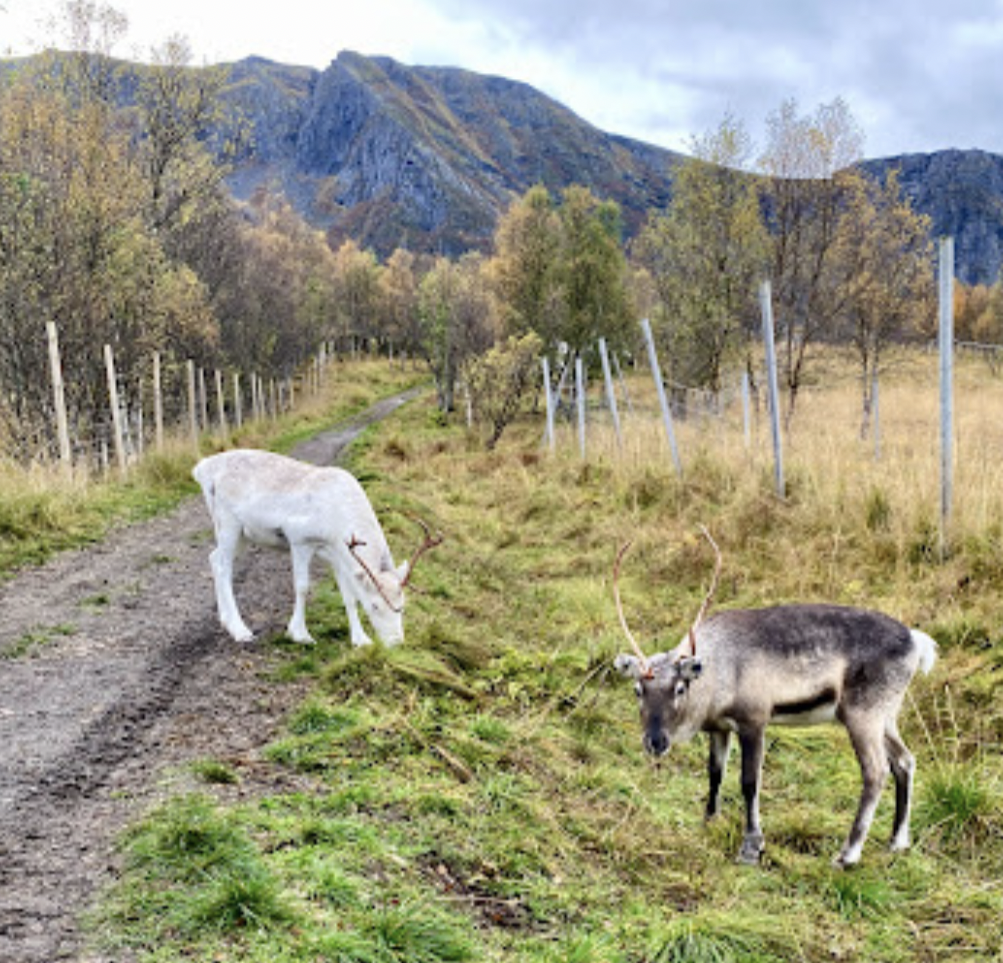
At the heart of Sami culture lies reindeer herding, a practice that has sustained the Sami people for centuries. Reindeer herding is not just an economic activity but a central element of Sami identity. The herders, known as reindriftsamer, move with their herds across the vast tundra, using age-old techniques to track and manage their animals.
The Sami developed sophisticated knowledge of the Arctic environment, understanding the migratory patterns of the reindeer and the seasonal availability of grazing land. Reindeer provide meat, hides, antlers, and bones, all of which are used for food, clothing, and tools. The Sami’s deep bond with reindeer is also reflected in their cultural rituals, music, and storytelling.
Language and Oral Tradition
The Sami language is a key aspect of the culture, and there are several distinct Sami dialects, some of which are very different from one another. The language is considered endangered, with fewer people speaking it fluently today, but efforts to revitalize it are underway in both schools and through media outlets in Norway, Sweden, and Finland.
Sami oral traditions are rich, with stories passed down through generations in the form of joik (a unique form of singing), storytelling, and poetry. The joik is one of the oldest forms of music in Europe, and it is considered a spiritual expression, often used to connect with the natural world or to honor people and events.
Clothing: The Gákti
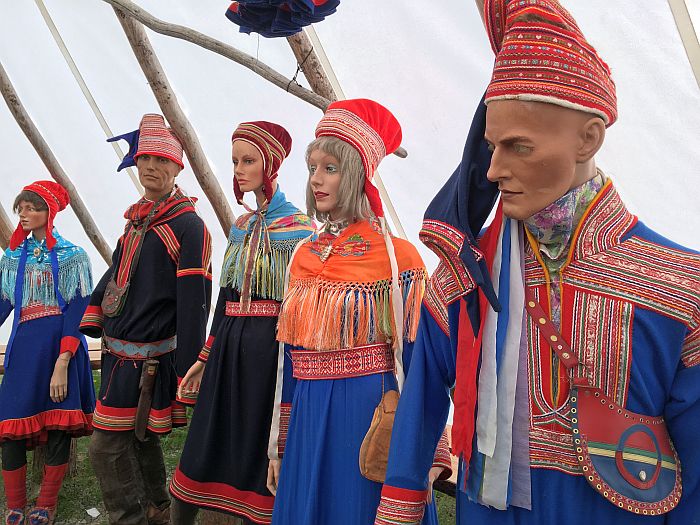
Traditional Sami clothing, known as gákti, is distinctive and varies by region. The gákti is usually made from wool or reindeer skin and is adorned with intricate embroidery, often in bright colors. The outfit is worn during festivals, ceremonies, and important life events such as weddings or religious ceremonies. The colors and patterns of the gákti can indicate the wearer’s family, region, or even social status.
Shamanism and Spiritual Beliefs
Historically, Sami spirituality was animistic, with a belief in spirits inhabiting the natural world, including animals, trees, and bodies of water. Shamanistic practices, such as drumming, were used to communicate with the spirit world and seek guidance from the ancestors. While Christianity significantly diminished these practices, elements of Sami spirituality still persist, particularly in relation to nature and the land.
Contemporary Challenges Facing the Sami People

Loss of Land and Territorial Rights
One of the most pressing issues facing the Sami today is the loss of their traditional lands. The expansion of mining, logging, hydroelectric projects, and tourism has led to significant encroachment on the lands that the Sami have historically relied on for reindeer herding and other traditional practices. In Norway, Sweden, and Finland, large-scale development projects are often approved without the consent of the Sami people, and they are frequently excluded from decision-making processes that affect their land and livelihoods.
In addition, the concept of land ownership itself is problematic for many Sami, as their traditional worldview is centered around communal use of land rather than individual property rights. This has led to legal battles over land claims, with the Sami people asserting their rights to ancestral territories that are increasingly being claimed by the state or private corporations.
Climate Change and Environmental Degradation
Climate change is perhaps the most existential threat to Sami culture today. Rising temperatures in the Arctic are affecting the migratory patterns of reindeer and the availability of traditional grazing lands. In particular, warmer winters result in the formation of a hard layer of ice over the tundra, making it difficult for reindeer to graze on moss and lichen. This impacts the health and sustainability of herds, which in turn affects the Sami economy.
Additionally, environmental degradation from industrial activities, such as mining and logging, disrupts the delicate ecosystem that the Sami rely on for their livelihood. The decline of biodiversity, pollution, and changes in weather patterns make traditional ways of life increasingly difficult to sustain.
Language Loss and Cultural Assimilation
Despite efforts to revitalize the Sami language, it continues to face the threat of extinction. Many younger Sami people do not speak the language fluently, and the pressure to assimilate into mainstream society means that the use of Sami languages is often seen as a barrier to success. Schools in Sami regions offer language courses, but the lack of fluent speakers and the dominance of national languages in media and public life create significant challenges.
The Sami are also increasingly exposed to mainstream consumer culture, which undermines traditional practices. The encroachment of Western values, media, and consumer goods poses a threat to Sami identity, particularly for the younger generations who may feel disconnected from their cultural heritage.
Political Representation and Autonomy

The Sami people have long fought for political recognition and autonomy. In Norway, Sweden, and Finland, the Sami have established institutions such as the Sami Parliaments, which represent their interests and push for greater self-determination. However, these parliaments have limited power and often face resistance from national governments.
The Sami people’s history, traditions, and way of life are a prove of their resilience and adaptability in the face of adversity. From their deep connection to the land to their important cultural practices, the Sami continue to maintain a unique and rich cultural identity despite centuries of colonization and suppression.
However, the challenges they face today are immense. Climate change, environmental degradation, the loss of language, and the struggle for land and political recognition continue to threaten the very foundations of Sami culture. Yet, there is hope. The Sami people’s efforts to revitalize their language, assert their rights, and protect their land are crucial steps toward ensuring the survival and flourishing of their culture in the modern world.
 Nomadlytics
Leave a comment