

Norway is one of the most enchanting destinations for a winter holiday. Known for its incredible landscapes, majestic fjords, and magic Northern Lights, Norway offers an abundance of outdoor activities for those brave enough to embrace the cold. Are you planning to hit the ski slopes? Or just glide through snow-covered trails on a dog sled? Are you simply planning to admire the breathtaking scenery? Either way you will have to pack the right winter clothes and accessories to ensure your comfort and safety during your trip. In this blog post, I will tell you more about the must-have winter clothes and accessories absolutely necessary for your winter adventure in Norway. From base layers to outer layers, and from thermal gloves to winter boots, we’ve got you covered!
Base Layers: The Foundation of Warmth
The key to staying warm in Norway’s cold winter is layering. The base layer is the first line of defense against the cold, and it plays a crucial role in moisture management. When you are skiing, ice climbing or dog sledding, you will be exerting a lot of energy, which can make you sweat. If sweat is trapped close to your body, it can chill you quickly once the activity slows down. Therefore, choosing the right base layer is essential.
What to Look for:
- Opt for moisture-wicking materials like merino wool or synthetic fibers such as polyester. Merino wool is breathable, naturally odor-resistant, and offers excellent warmth without being bulky. Synthetic materials like polyester are also great at wicking away sweat and drying quickly.
- Your base layer should fit snugly but not too tight. A tight fit helps the fabric trap heat but also ensures the fabric can wick away moisture from your skin.
- For skiing and other activities, you’ll want a long-sleeve top and long bottoms for full-body coverage. Consider a turtleneck for extra warmth around the neck.
Recommended Products:
- Icebreaker Merino Wool Base Layer: Soft, breathable, and incredibly warm.
- Under Armour ColdGear Compression Shirt: A synthetic option that is great for moisture-wicking.
- Check the online shop of Calida and buy the high quality durable winter clothes
Mid Layers: Insulation for Extreme Cold
Once you’ve got your base layer sorted, the next step is adding a mid-layer for insulation. The mid-layer traps heat close to your body, providing warmth for your muscles during physical activity.
What to Look for:
- Down Jackets: Down offers great insulation and is lightweight. It’s the ideal mid-layer for cold activities like skiing and dog sledding.
- Synthetic Insulation: If you’re concerned about down losing its insulating properties when wet (which can happen in snow), synthetic insulation like PrimaLoft can offer similar warmth without the risk of losing effectiveness when damp.
- Fleece Layers: Fleece is another great mid-layer option. It’s soft, comfortable, and highly insulating, though not as warm as down.

Recommended Products:
- Patagonia Nano Puff Jacket (Synthetic Insulation): A versatile, lightweight mid-layer that provides great warmth.
- Arc’teryx Cerium LT Jacket (Down Insulation): A high-quality, lightweight down jacket perfect for layering.
Outer Layer: Protecting from Wind, Snow, and Rain
Your outer layer is your defense against the elements, including wind, snow, and rain. When you’re skiing, sledging, or participating in dog sledding, you need an outer layer that will protect you from getting wet while still allowing you to move freely.
What to Look for:
- Waterproof and Windproof Materials: Look for jackets and pants made from GORE-TEX or similar waterproof materials. These fabrics are designed to keep water out while allowing moisture from sweat to escape.
- Breathability: Breathable fabrics allow you to vent heat, preventing you from overheating while still providing protection from the cold.
- Snow-Specific Features: For skiing, make sure your jacket has snow skirts (internal cuffs) that prevent snow from getting in, as well as ventilation zippers for airflow.
- Layering System: Choose an outer layer that’s compatible with layering. A good ski jacket, for example, should fit over your mid-layer without being too tight or too loose.
Recommended Products:
- The North Face ThermoBall Eco Snow Triclimate Jacket: A 3-in-1 jacket that can be worn in multiple configurations for various weather conditions.
Ski Pants: Durable, Flexible, and Warm
Ski pants are specifically designed to keep you comfortable on the slopes, providing warmth, protection from the snow, and flexibility for movement. The same goes for dog sledding and sledging, where you’ll be spending a lot of time outside in cold, snowy conditions.

What to Look for:
- Waterproofing: Your ski pants need to be waterproof to prevent snow from seeping in. GORE-TEX is the gold standard for waterproof fabrics.
- Insulation: Look for pants with built-in insulation or that can be easily layered over your base layer.
- Ventilation: Pants with zippers or vents along the thighs can help regulate body temperature when you’re working hard.
Recommended Products:
- Columbia Interchange Pant: A 3-in-1 option that provides warmth and waterproofing for skiing and other activities.
- Salomon Quest Ski Pants: Made with waterproof fabric and insulated for maximum comfort.
Winter Boots: Protection for Your Feet
When spending long hours in the snow, especially with activities like dog sledding or sledging, you need reliable, insulated boots that keep your feet warm, dry, and comfortable.
What to Look for:
- Insulation: Boots with Thinsulate or similar insulation will keep your feet warm even in extreme cold.
- Waterproofing: Ensure your boots are waterproof or at least water-resistant, as wet feet can lead to discomfort and frostbite.
- Grip: Look for boots with a sturdy sole that provides excellent traction in icy conditions.
- Height: Mid-calf or taller boots are ideal for snow activities as they provide extra protection from deep snow.
Recommended Products:
- Sorel Caribou Boots: Insulated, waterproof, and designed to withstand extreme temperatures.
- Columbia Bugaboot: Known for its warmth and traction, these boots are ideal for snowy environments.
Winter Gloves: Keeping Your Hands Warm
Your hands are one of the first body parts to feel the cold, especially when you’re participating in winter sports. Skiing and dog sledding require durable gloves that offer warmth, dexterity, and protection.
What to Look for:
- Insulation: Choose gloves with thick insulation, such as down or Thinsulate, to keep your hands warm.
- Waterproofing: Waterproof gloves or mittens are essential to prevent your hands from getting cold and wet.
- Dexterity: You need gloves that allow you to grip ski poles or dog sled reins without restricting movement.
Recommended Products:
- Hestra Army Leather Heli Ski Gloves: Waterproof, insulated, and designed for outdoor skiing and snow activities.
Thermal Socks: Warmth from the Bottom Up
The importance of good thermal socks cannot be overstated when heading into a Norwegian winter. Cold feet can ruin your whole experience, especially when skiing or participating in outdoor activities for long periods.
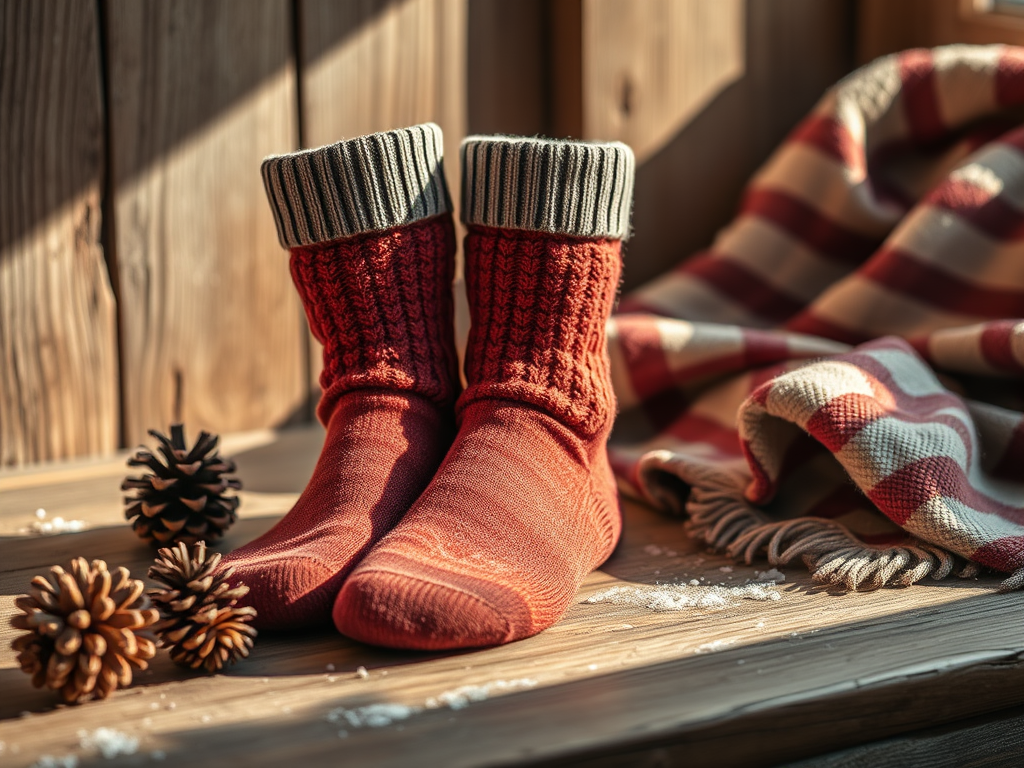
What to Look for:
- Material: Wool socks, particularly merino wool, are excellent at trapping heat and wicking moisture away from your skin.
- Thickness: For skiing and sledging, you’ll want thick, padded socks that offer extra warmth, but be careful not to make them too thick that they cause discomfort or reduce circulation.
- Length: Mid-calf or knee-length socks are ideal for preventing cold air from getting inside your boots.
Recommended Products:
- Smartwool PhD Ski Medium Socks: Warm, moisture-wicking, and specifically designed for skiing.
- Darn Tough Merino Wool Socks: Known for their durability and warmth.
Hats and Neckwear: Protecting Your Head and Neck
In freezing temperatures, your head and neck can lose a significant amount of heat. A good hat, neck gaiter, or balaclava will keep you warm while skiing or dog sledding, especially when exposed to high winds.
What to Look for:
- Wool or Fleece: Wool or fleece hats offer excellent insulation while still being breathable.
- Balaclavas: A full head covering that protects against the wind while offering warmth around the neck and face.
- Neck Gaiters: Easy to pull up and down, these are perfect for skiing, and you can adjust them as needed.
Recommended Products:
- Buff Merino Wool Neck Gaiter: Soft, versatile, and breathable.
- Knit Beanie Hat: Warm and stylish for wearing around town or after a day on the slopes.
Sunglasses and Goggles: Protecting Your Eyes
Norway’s winter sun can be surprisingly strong, reflecting off the snow and ice, so eye protection is crucial when skiing or engaging in snow sports. Goggles are especially important for skiing, while sunglasses are great for casual walks in the snow or driving.
A winter holiday in Norway promises thrilling outdoor adventures, from skiing down world-class slopes to mushing a dog sled across pristine snow-covered trails. But to truly enjoy all that Norway’s cold weather has to offer, proper clothing and gear are essential. Whether you’re navigating the slopes, speeding through snow on a sled, or marveling at the beauty of the frozen landscapes, staying warm, dry, and comfortable will make all the difference.

By focusing on high-quality base layers, mid-layers, durable outer layers, and key accessories like thermal socks, insulated gloves, and winter boots, you’ll ensure you can enjoy every moment of your winter adventure without worrying about the cold. Layering is the secret to staying comfortable, as it allows you to adjust based on your activity levels and the ever-changing weather conditions.
Choosing the right gear not only enhances your outdoor experience but also ensures your safety. Extreme cold and snow can be unforgiving, but with the right clothing, you can protect yourself from the elements and fully embrace everything that Norway’s stunning winter environment has to offer. So, pack your bags, layer up, and get ready for an unforgettable experience in one of the most breathtaking places on earth.
With the proper clothing and accessories, you’ll be able to ski, sled, and explore Norway’s winter paradise in comfort and style—no matter how cold the temperatures get. Here’s to an unforgettable adventure in the Norwegian winter wonderland!
 Nomadlytics
Leave a comment