

Oman, officially the Sultanate of Oman, is a country situated on the southeastern corner of the Arabian Peninsula. Oman is a land where ancient traditions seamlessly blend with modernity. Known for its stunning landscapes, from vast deserts and rugged mountains to pristine beaches, Oman is also rich in its cultural heritage and history. With its strategic location along ancient trade routes and a long-standing maritime legacy, Oman has played an important role in shaping the history of the Arabian Peninsula. Nowadays Oman is a modern country but still well rooted in its traditions and proud of its heritage. Let’s try to discover more about Oman’s rich tapestry of history and cultural heritage, its ancient roots, vibrant traditions, and unique identity.
The Historical Roots of Oman
Oman’s history dates back to antiquity, with evidence of human habitation as far back as the Stone Age. Archaeological discoveries suggest that Oman was an important center of trade and culture even in prehistoric times.
The Land of Magan: Oman’s Ancient Civilization
Oman’s early history is tied to the civilization of Magan, which flourished around 2300 BCE. Magan is frequently mentioned in ancient Sumerian texts as a source of copper and diorite, materials highly prized by Mesopotamian civilizations. Archaeological sites like Bat, Al-Ayn, and Al-Khutm, which are now UNESCO World Heritage sites, showcase Oman’s advanced ancient settlements.These sites are off the main touristic routes and not many tour operators offers a trip to visit them. However, if you are passionate about the history, it is really worth driving here. You should easily find your way following the google navigation. If you would like to know more about the archeological sites in Oman, check this wonderful article of an expat woman living in Oman.
Frankincense Trade and the Dhofar Region
The Dhofar region of southern Oman was the epicenter of the ancient frankincense trade. Frankincense, derived from the resin of the Boswellia tree, was one of the most sought-after commodities of the ancient world. It was traded extensively with Egypt, Rome, India, and China. The port city of Sumhuram, near modern-day Salalah, was a key hub for the export of frankincense.
The Arrival of Islam
Islam arrived in Oman during the Prophet Muhammad’s lifetime in the 7th century CE. The rulers of Oman were among the first outside of the Arabian Peninsula to embrace Islam, setting the foundation for Oman’s spiritual and cultural identity. Oman’s adherence to Ibadism (which by the way is one of the oldest surviving Islamic School thoughts) has shaped its political and social systems, emphasizing moderation, tolerance, consensus, simplicity and community cohesion.
Historical Origins of Ibadism
Ibadism originated in the 7th century CE, named after Abdullah ibn Ibad, an early Islamic scholar and preacher. The sect emerged as a moderate branch of the Kharijite movement, which broke away from mainstream Islam after disputes over leadership following the assassination of Caliph Uthman and the Battle of Siffin. Unlike the more radical Kharijites, Ibadis sought peaceful coexistence with other Muslim sects while maintaining their distinct theological principles.
Core Beliefs and Practices
Ibadism emphasizes the principles of justice, egalitarianism, and a deep sense of accountability to God. Ibadis believe in the importance of consultation (shura) in leadership, stressing that rulers should be chosen based on merit and piety rather than hereditary succession. Their theological stance is marked by moderation, avoiding the extremes of literalism or excessive interpretation.
Ibadis practice a form of worship similar to Sunni Islam, with slight differences in prayer rituals and jurisprudence. They value simplicity in worship and daily life, reflecting their focus on humility and self-discipline.
Ibadism in Oman’s Culture and Governance
Oman is the only country where Ibadism holds a majority, shaping its unique political and social structures. The Sultanate’s governance reflects Ibadi principles of consensus, justice, and religious tolerance. Oman is known for its peaceful coexistence of various religious communities, attributed to Ibadi values of inclusivity and moderation. The quiet and introspective nature of Ibadi practice has fostered a culture of modesty and hospitality in Oman. These qualities have contributed to the country’s reputation as a peaceful and harmonious nation in a region often marked by conflict.
Oman’s Maritime Legacy
Oman’s location along the Arabian Sea and the Indian Ocean made it a critical player in maritime trade for centuries. Omani sailors were renowned for their navigational skills, and their dhows—traditional wooden boats—were a common sight on the seas.
The Role of Sohar
The port city of Sohar, often considered the birthplace of Sinbad the Sailor, was a bustling center of trade during the early medieval period. It connected Oman to markets in East Africa, India, Southeast Asia, and China. Omani merchants played a significant role in the spread of goods, culture, and even Islam across these regions.
The Zanzibar Connection
In the 17th century, Oman established a maritime empire that extended to East Africa. The Omani Sultanate ruled Zanzibar, an island off the coast of modern-day Tanzania, for over a century. This period saw the flourishing of the spice trade, as well as cultural exchanges that left a lasting impact on both Oman and Zanzibar.
Cultural Heritage of Oman
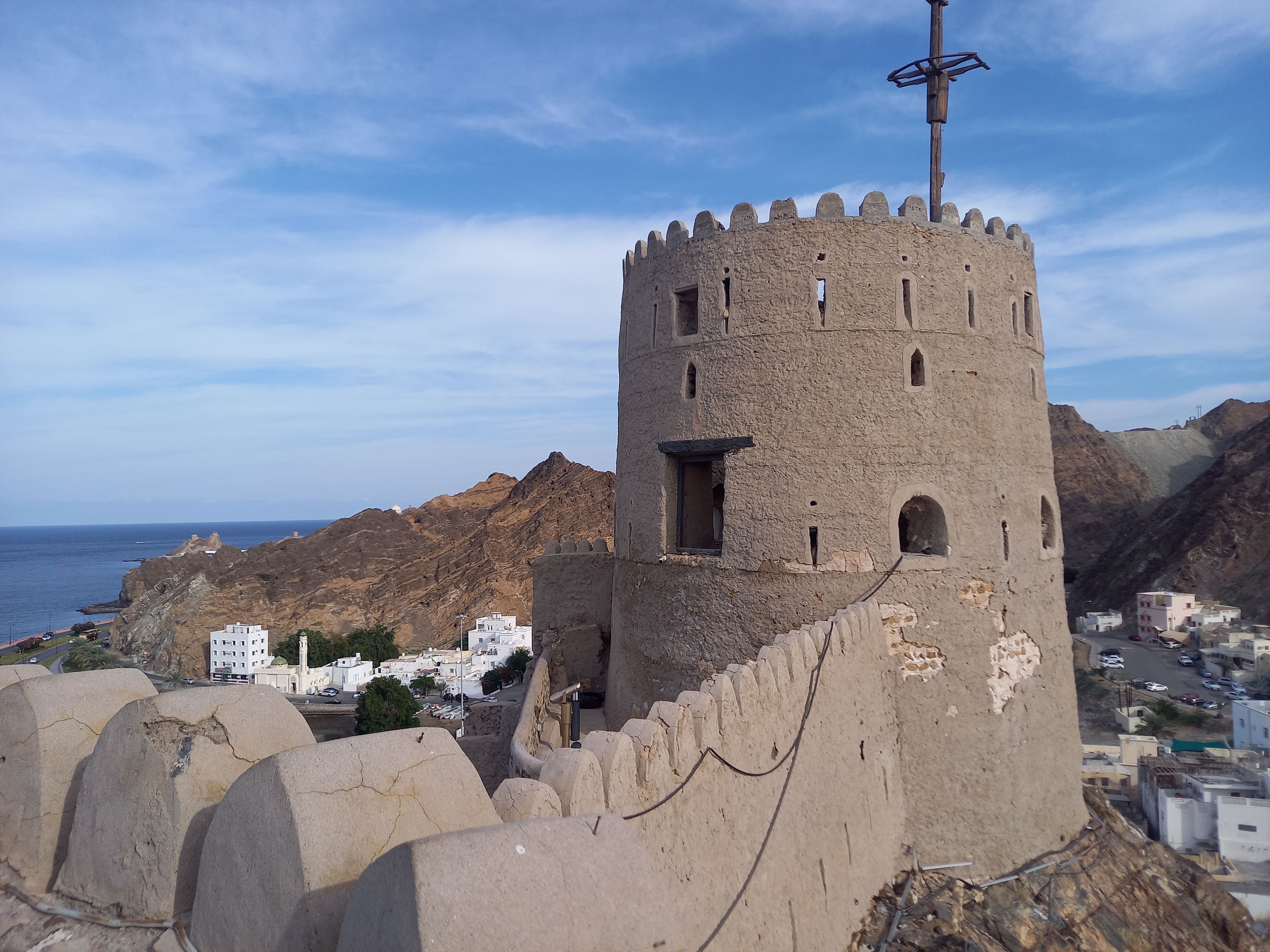
Oman’s cultural heritage is a reflection of its long history and its interactions with various civilizations. From its architecture to its festivals, Oman’s culture is deeply rooted in its past while remaining relevant to its present.
Omani architecture is characterized by its simplicity, practicality, and harmony with the environment. Let’s try to list some of the most important examples that you must visit during your trip:
- Forts and Castles: Oman is home to over 1,000 forts and castles, which were built to protect against invasions and tribal conflicts. Notable examples include Nizwa Fort, Jabrin Castle, and Bahla Fort (a UNESCO World Heritage site).
- Traditional Houses: The mudbrick houses in regions like Al-Hamra showcase ingenious techniques for dealing with the desert climate, including thick walls and wind towers.
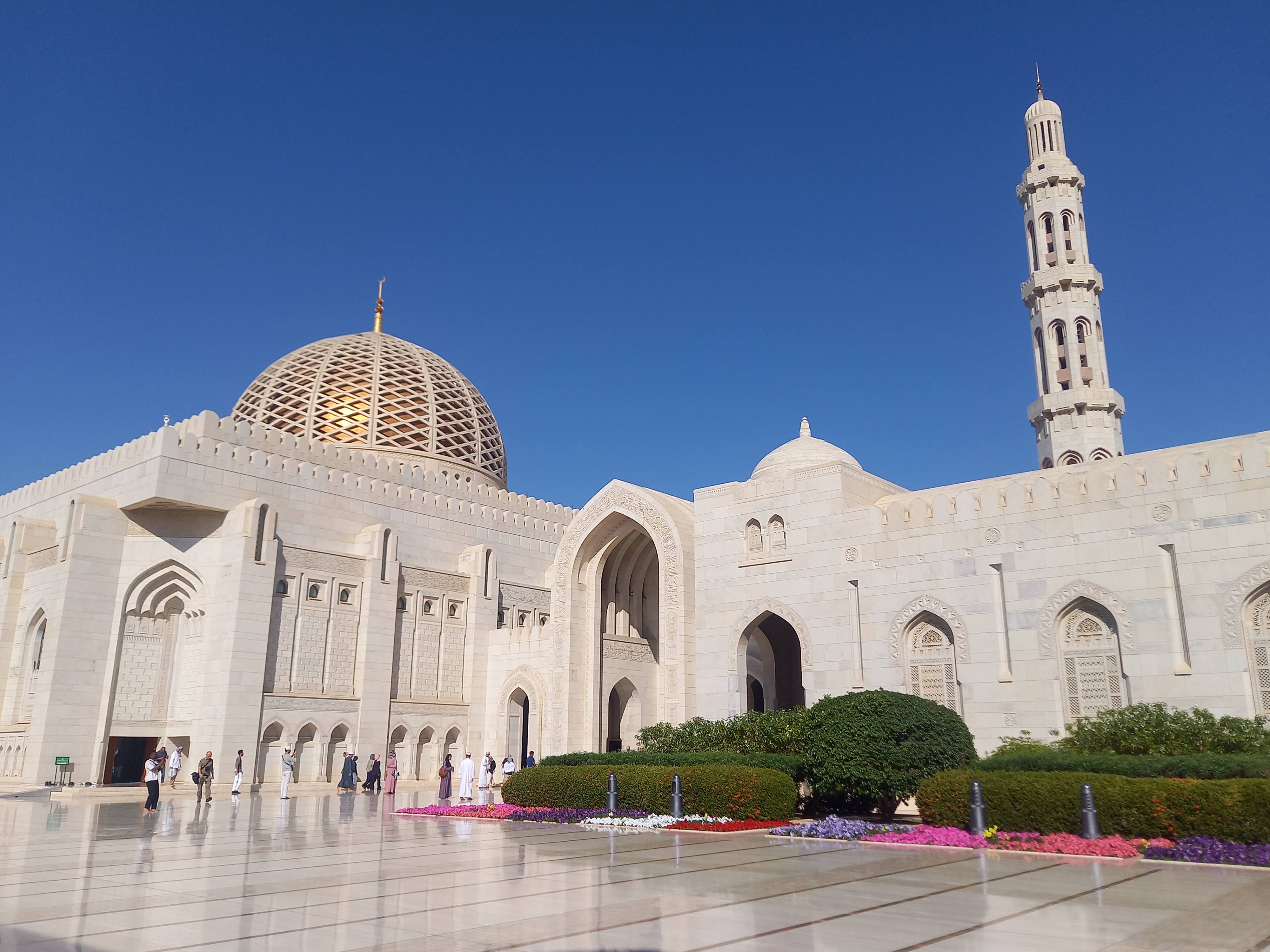
- Mosques: Omani mosques, such as the Sultan Qaboos Grand Mosque build at the beginning of 2000 in Muscat, combine traditional Islamic architectural elements with modern elegance.
Hospitality is a cornerstone of Omani culture. Visitors are often invited into homes to share coffee (kahwa) and dates, a gesture of friendship and goodwill. The majlis (a communal sitting area) is central to Omani social life, where people gather to discuss community matters, share stories, and resolve disputes in a peaceful way.
Oman has also a rich tradition of handicrafts that reflect its cultural identity:
- Omani silver jewelry and khanjars (curved daggers) are highly prized for their intricate craftsmanship.
- Bahla pottery, known for its distinctive unglazed style, is a UNESCO-recognized craft.
- Handwoven wool rugs and traditional head covers are still made using age-old techniques.
If you would like to find out more about the Omani heritage and culture, you have to visit the National Museum of Oman and the Bait Al Zubair Museum in Muscat. In both of them you will find a comprehensive look at the country’s history, art, and traditions.
Festivals and Traditions
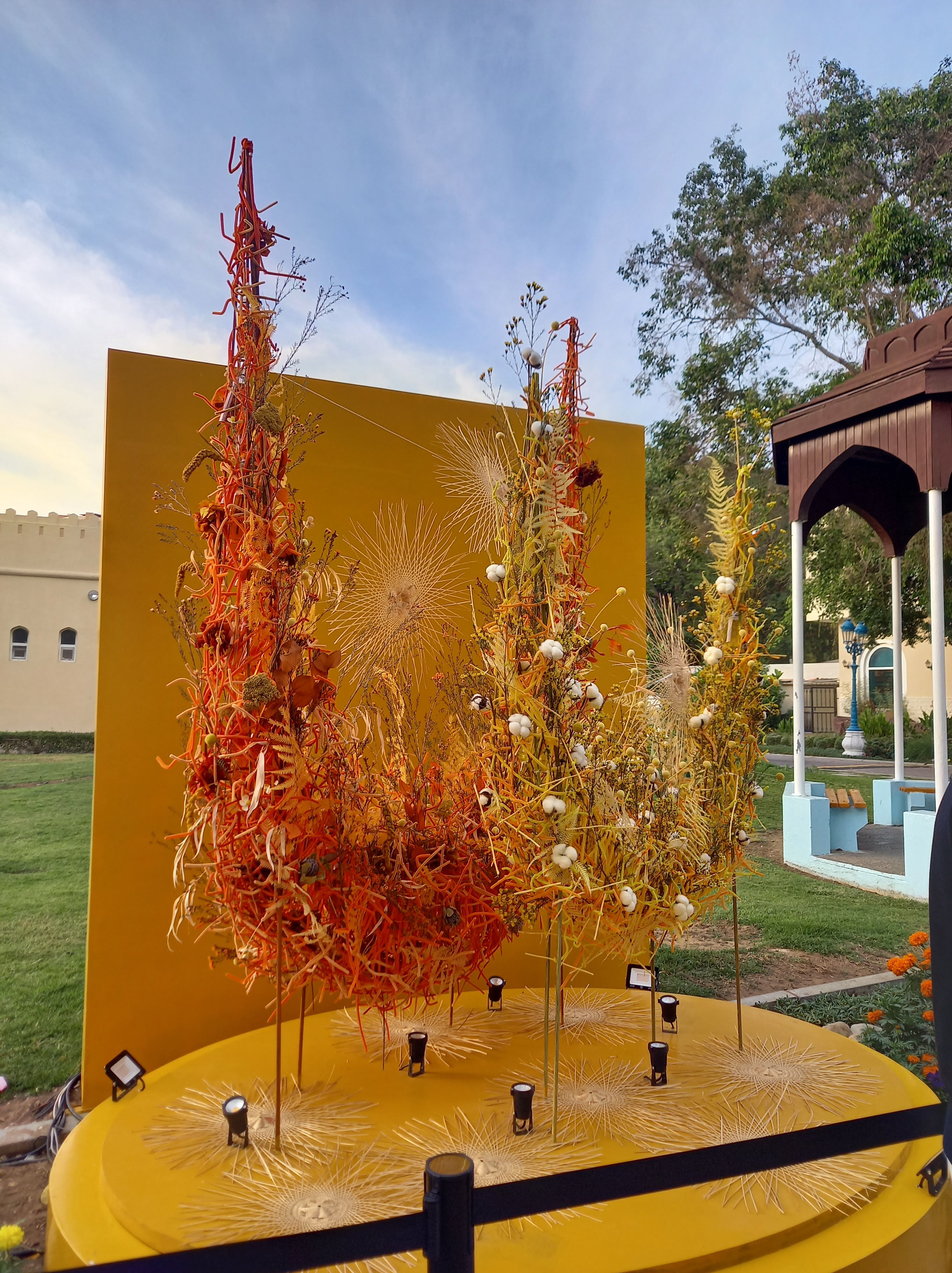
Oman’s festivals and traditions provide a window into its cultural richness. These events often combine Islamic practices with local customs.
Eid Celebrations
Eid al-Fitr and Eid al-Adha are major Islamic festivals celebrated across Oman. Families gather to share meals, exchange gifts, and perform acts of charity. Traditional dishes like shuwa (slow-cooked spiced meat) are prepared for these occasions.
The Muscat Nights
The Muscat Nights Festival, held annually, showcases Oman’s cultural heritage through music, dance, crafts, and traditional food. It’s an opportunity for visitors to immerse themselves in Omani traditions. If you would like to find out more about this Festival, check my post here.
Camel Racing and Equestrian Sports
Camel racing is a popular traditional sport in Oman, reflecting the country’s Bedouin roots. Equestrian sports, especially involving Arabian horses, are also deeply ingrained in Omani culture.
Balancing Heritage and Progress Nowadays

Today, Oman can be considered a model of development that respects its cultural heritage. While cities like Muscat and Salalah are rapidly modernizing, efforts are made to ensure that traditional values and aesthetics are not lost. For instance, modern buildings in Muscat adhere to regulations that preserve the city’s traditional architectural style. Oman’s Vision 2040 development plan emphasizes cultural sustainability alongside economic growth. This approach ensures that Oman’s heritage remains a vital part of its national identity. While visiting Oman you will notice that it is possible to cherish the historical roots while still embracing the future.
 Nomadlytics
Leave a comment