
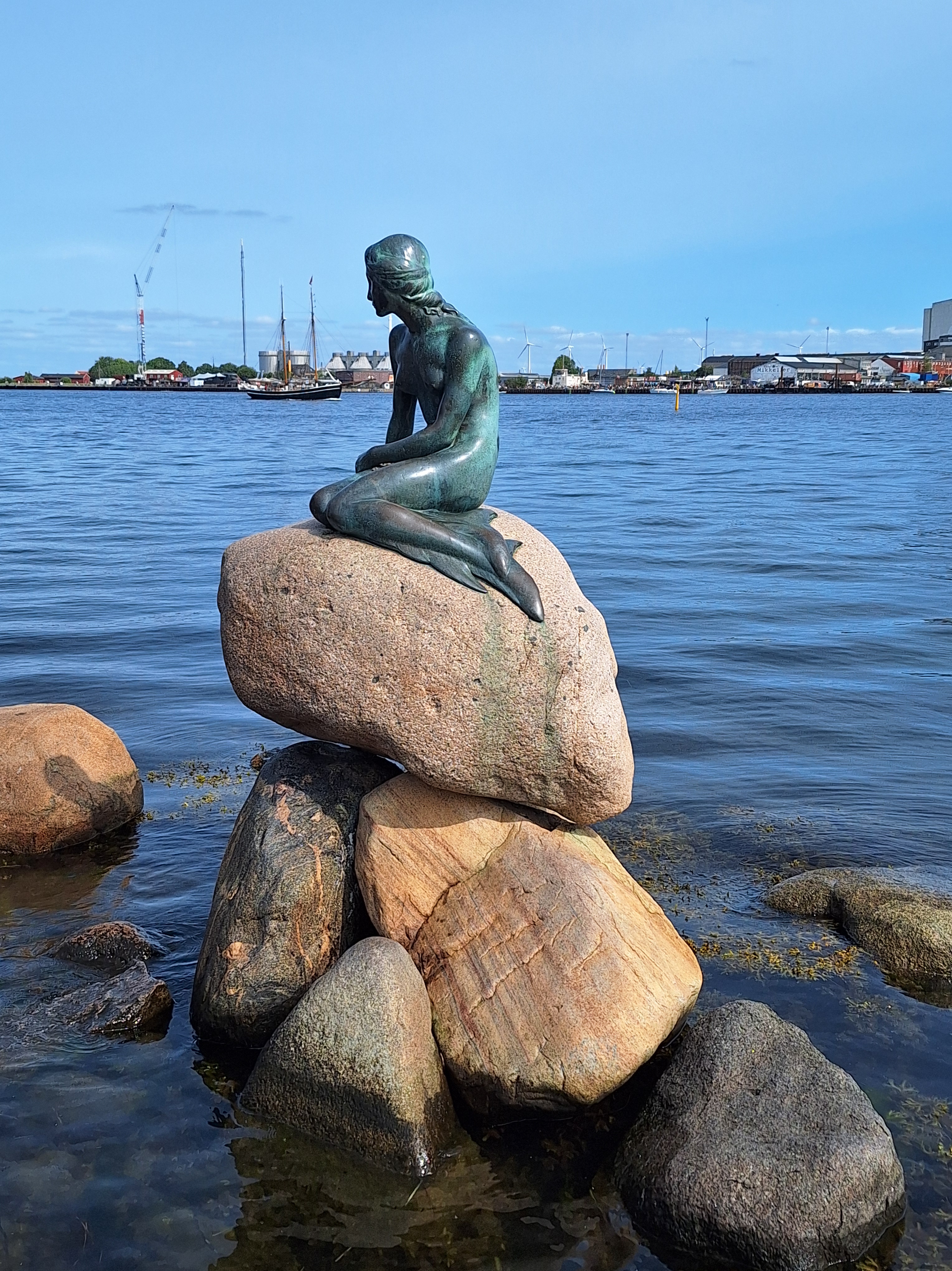
Denmark is a country rich in history, traditions, and cultural heritage. From its Viking origins to its modern reputation for happiness and progressive values, Denmark is a fascinating tapestry of historical events, cultural practices, and deeply rooted traditions. In this blog post I will explore the essence of Danish history, traditions, and culture, providing you with a comprehensive look at what makes Denmark so unique and worth visiting.
The History of Denmark
The Viking Age (8th – 11th Century)
Denmark’s historical roots trace back to the Viking Age, a time when Danish seafarers, warriors, and traders played a crucial role in European history. The Vikings, known for their shipbuilding skills and exploratory voyages, set out from Denmark to raid, trade, and establish settlements across Europe, including England, France, and even North America.
Key events from this period include:
- The establishment of the Danelaw in England.
- Viking incursions into France, leading to the foundation of Normandy.
- The legendary journeys of Leif Erikson, who is believed to have reached North America centuries before Columbus.
Danish Viking rulers such as Harald Bluetooth and Sweyn Forkbeard played significant roles in shaping not only Denmark but also the broader European landscape.
The Middle Ages (11th – 16th Century)
Following the Viking Age, Denmark transitioned into a Christian kingdom. Harald Bluetooth, who ruled in the late 10th century, is credited with introducing Christianity to Denmark, as evidenced by the Jelling Stones, an important historical monument inscribed with runes.
During the medieval period, Denmark expanded its influence through the Kalmar Union (1397-1523), a political alliance that united Denmark, Norway, and Sweden under a single monarch. However, internal conflicts and wars with Sweden eventually led to the union’s dissolution.
The Renaissance and Absolutism (16th – 19th Century)
Denmark underwent significant changes during the Renaissance and the period of absolutism. The Protestant Reformation, initiated in the early 16th century, led to Denmark’s conversion to Lutheranism, shaping its religious identity. Denmark also engaged in various conflicts, including wars with Sweden and involvement in the Napoleonic Wars, which resulted in territorial losses, including Norway in 1814.
The 19th century saw a move toward constitutional monarchy with the signing of Denmark’s first constitution in 1849, laying the foundation for the country’s democratic governance.
Modern Denmark (20th – 21st Century)
The 20th century saw Denmark navigating two World Wars, maintaining a policy of neutrality in World War I but facing German occupation during World War II. The Danish resistance movement played a crucial role in helping Jews escape to Sweden, showcasing Denmark’s humanitarian values.
Post-war Denmark became known for its welfare state, social democracy, and commitment to human rights. Today, Denmark is a progressive nation with high living standards, a strong economy, and a focus on sustainability and green energy.
Danish Traditions and Celebrations
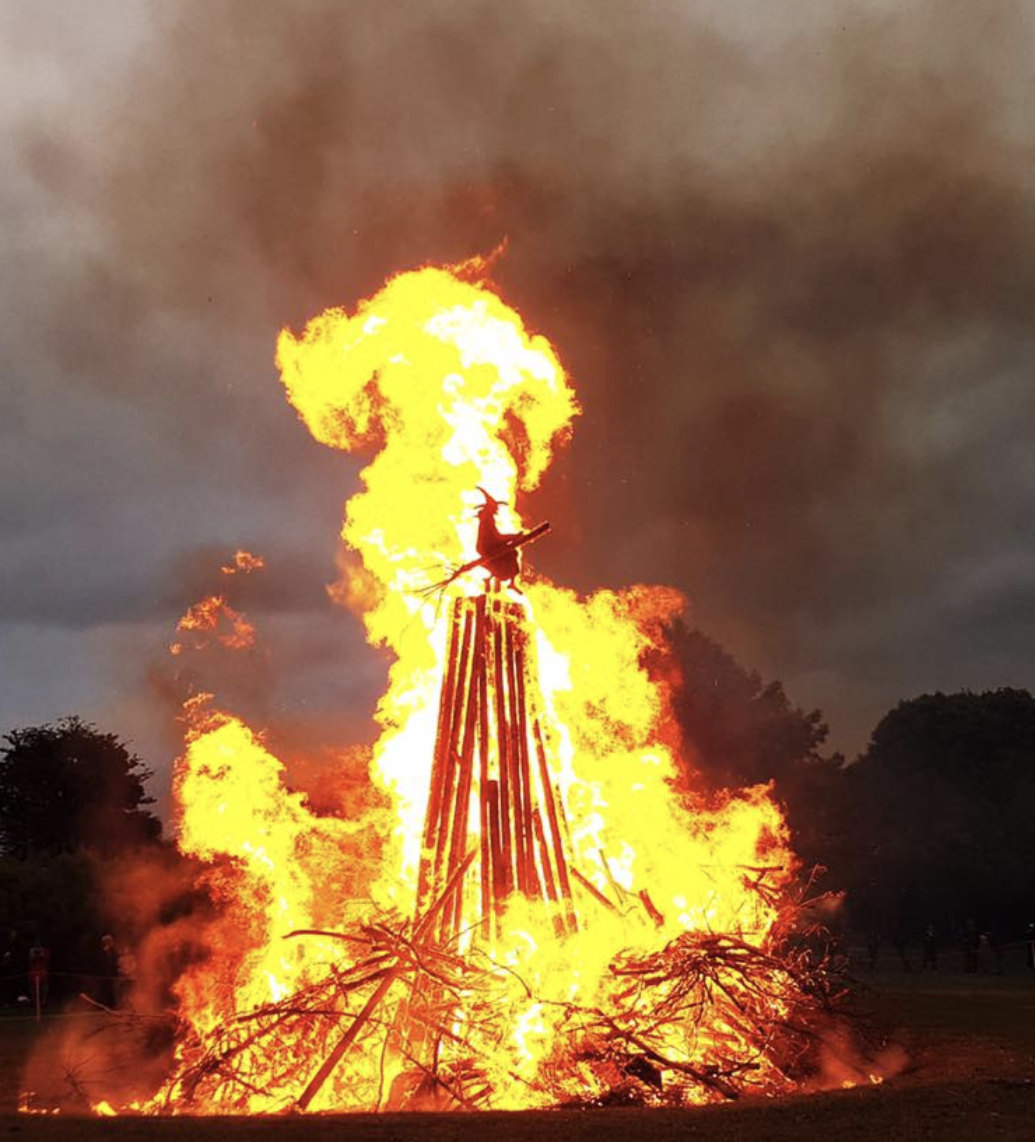
Danish traditions are deeply rooted in history and continue to be an integral part of the country’s cultural identity. Some of the most significant celebrations and customs include:
Midsummer (Sankt Hans Aften)
Celebrated on June 23rd, Midsummer is a festival that includes:
- Bonfires with effigies of witches, a tradition dating back to medieval times.
- Singing of the traditional song “Midsommervisen.”
- Festive gatherings by the beach or countryside.
Fastelavn (Danish Carnival)
Fastelavn is a pre-Lenten celebration similar to Halloween, where children dress up in costumes and engage in:
- “Slå katten af tønden” (Beating the Cat out of the Barrel): A game where children break open a barrel filled with candy.
- Enjoying traditional Fastelavnsboller (cream-filled pastries).
Grundlovsdag (Constitution Day)
Held on June 5th, Constitution Day commemorates the signing of Denmark’s first constitution in 1849. It is a day for political speeches, celebrations, and recognition of Denmark’s democratic values.
Hygge: The Danish Concept of Coziness

One of the most defining aspects of Danish culture is hygge, a concept that embodies warmth, coziness, and well-being. Hygge can be experienced through:
- Enjoying a cup of hot chocolate by the fireplace.
- Gathering with friends and family in a relaxed atmosphere.
- Creating a comfortable home environment with candles and soft lighting.
Danish Culture and Arts

Danish Literature
Denmark has produced world-renowned authors, including:
- Hans Christian Andersen (1805-1875): Known for timeless fairy tales like The Little Mermaid, The Ugly Duckling, and The Emperor’s New Clothes.
- Søren Kierkegaard (1813-1855): A philosopher considered the father of existentialism.
- Karen Blixen (1885-1962): Author of Out of Africa and other celebrated works.
Danish Design and Architecture

Denmark is famous for its minimalist and functional design. Icons of Danish design include:
- Arne Jacobsen: Designer of the Egg Chair and other modern furniture.
- LEGO: The world-famous toy brand originating from Denmark.
- Bjarke Ingels: A contemporary architect known for innovative designs such as Copenhagen’s 8 House.
If you are planning to visit Denmark and you are interested in country’s culture and history, the Danish National Museum is a must visit place.
Danish Cuisine

Danish food culture revolves around simplicity and high-quality ingredients. Popular dishes include:
- Smørrebrød: Open-faced sandwiches with various toppings.
- Frikadeller: Danish meatballs served with potatoes.
- Danish Pastries: Known internationally as “Danishes,” these pastries are a staple in Danish bakeries.
Denmark is also home to Noma, one of the world’s most celebrated restaurants, which revolutionized Nordic cuisine.
Denmark’s rich history, strong traditions, and broad cultural scene make it a great place for a summer or winter holidays. All sorts of visitors will find something interesting here: exploring Viking history, embracing the concept of hygge, cycling around the countryside or indulging in delicious Danish cuisine. Tourists and locals alike experience a nation that seamlessly blends its past with modern innovation. From literature and design to its democratic values and social welfare system, Denmark continues to set an example of progress and cultural pride. Stay tuned to read more about visiting Denmark.
 Nomadlytics
Leave a comment