
The rise of remote work has been one of the most significant transformations in the workforce over the past few years. The combination of evolving technology, globalization, and changing work culture has led to a massive shift, with many employees no longer bound by the physical limitations of an office. In particular, artificial intelligence is accelerating these changes, automating many tasks, optimizing workflows, and enabling more dynamic and efficient work environments.
The world of remote work presents exciting opportunities, but it also introduces challenges, especially when it comes to standing out in a competitive job market. AI-powered tools and platforms are now part of recruitment processes, creating a unique environment for job seekers to navigate. So, how can you position yourself to be selected for remote work opportunities in this AI-driven era?
In this long post I will explore some of the practical strategies for improving your chances of get selected for a remote job by an AI algorithm, with an emphasis on the specific skills, tools, and techniques you need to succeed.
Understanding the Landscape of Remote Work in the Era of Artificial Intelligence
Before getting into the specifics of how to secure remote work, it’s essential to understand the landscape you’re working within. Remote work has been gradually gaining popularity over the last decade, but its adoption increased during the COVID-19 pandemic. According to a report from Gallup, 45% of full-time employees in the U.S. were working remotely at least part of the time in 2020, a significant increase from previous years.
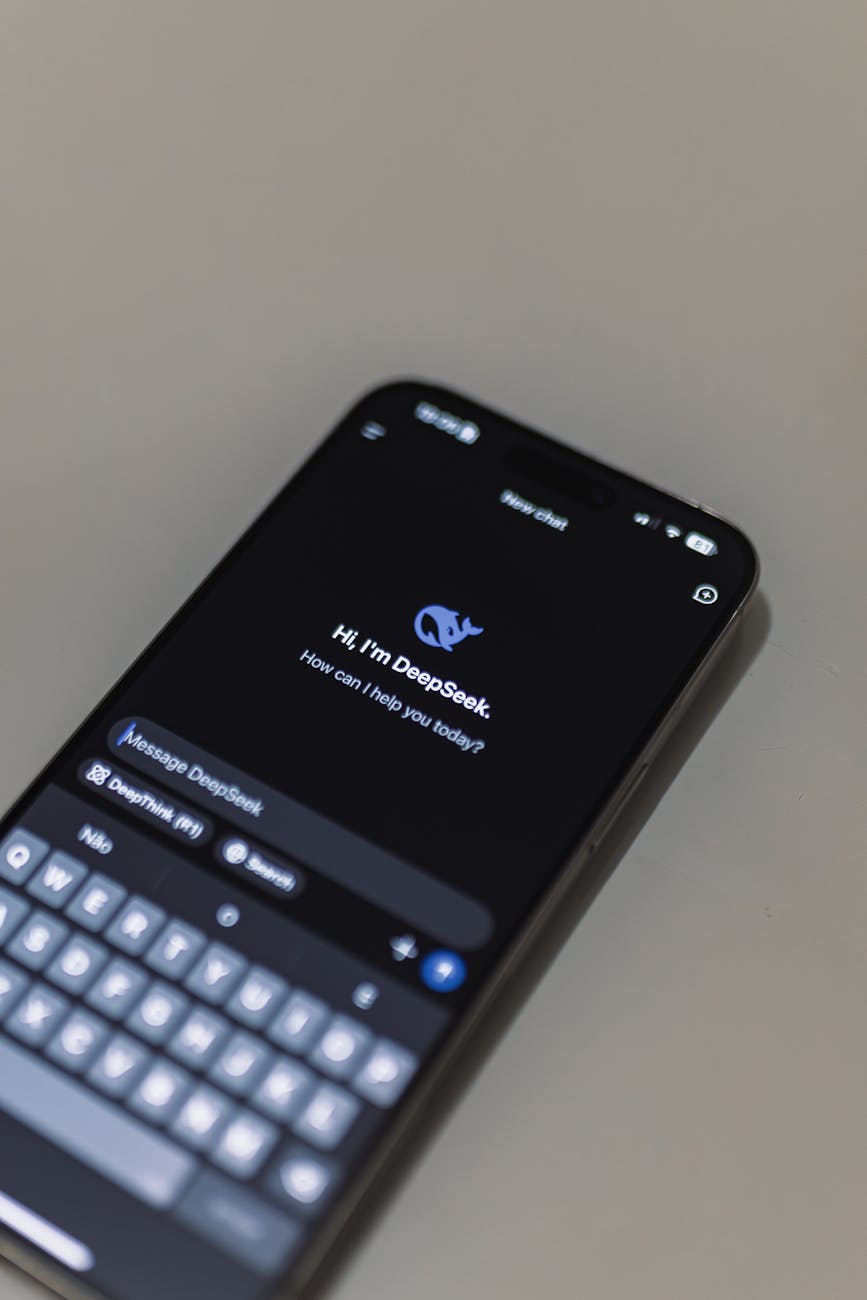
The AI revolution has been integral to the rise of remote work. Advances in AI have made it easier for companies to automate tasks such as candidate screening, onboarding, scheduling, and even performance tracking. Remote collaboration tools powered by AI have made it easier for teams to work together effectively, regardless of their physical location.
What does this mean for you as a job seeker?
- AI-Driven Recruitment Processes
Many companies now use AI-powered recruitment platforms to filter resumes, assess skills, and even conduct interviews. These platforms are programmed to scan your application for specific keywords and match them with the job description, making it more important than ever to tailor your resume to the position. - AI in Remote Collaboration
Remote work has increased the reliance on AI-powered tools like Slack, Zoom, Microsoft Teams, and Trello, which enhance communication, project management, and productivity. Familiarity with these tools can significantly boost your chances of getting hired. - Automation of Routine Tasks
As AI handles more routine work, companies are looking for employees who can engage in higher-level creative problem-solving and strategy, making skills in critical thinking, communication, and creativity more valuable than ever.
Mastering In-Demand Skills for the Remote Workforce
Securing remote work in the AI era requires more than just technical knowledge. While familiarity with AI tools and platforms is essential, soft skills like communication, adaptability, and problem-solving are equally if not more crucial. Here comes the list of key skills searched for the employers in every remote worker nowadays:
Technical Skills
- Digital Literacy and Technical Competence
Being comfortable with digital tools is non-negotiable in a remote work environment. You need to know how to use collaboration platforms like Slack, Zoom, and Microsoft Teams, as well as productivity tools such as Trello, Asana, or Jira. Additionally, depending on the field, knowledge of specific software like Photoshop, Final Cut Pro, or programming languages (Python, Java, etc.) can give you an edge. - Understanding AI Tools
Familiarizing yourself with AI-powered tools is a strong advantage. This could include: - Data Science and Analytics
The ability to analyze data and extract meaningful insights is increasingly in demand. Companies are looking for employees who can use AI and machine learning tools to optimize business operations, improve customer experiences, and drive innovation. - Cybersecurity
As remote work increases, so does the need for cybersecurity professionals. Being well-versed in protecting data and maintaining secure networks is a huge plus for remote job seekers in this digital-first era.
Soft Skills
- Communication
When working remotely, clear and concise communication is key. Being able to communicate effectively in writing (via email, chat, or project management tools) and over video calls is a critical skill. Good communication not only ensures that tasks are understood but also builds trust and rapport with colleagues, especially when you can’t rely on face-to-face interaction. - Time Management and Self-Motivation
Remote work requires a level of autonomy that many people aren’t accustomed to. Successful remote workers are self-disciplined and can manage their time effectively without supervision. Strong organizational skills are a must to juggle different projects and deadlines. - Problem-Solving and Critical Thinking
While AI can handle repetitive tasks, humans still need to provide creative solutions to complex problems. Being able to think critically, analyze situations, and come up with innovative ideas is an invaluable skill. - Adaptability
The world of remote work and AI is constantly evolving. New tools and processes emerge all the time. Employers want workers who can quickly adapt to these changes and embrace new technologies, as flexibility is vital in an ever-changing environment.
Optimizing Your Online Presence

In the AI-driven hiring process, your online presence is a critical component of how employers assess you. AI-powered recruitment platforms and job boards use data to find the best candidates, and recruiters will often search for your name online before making a hiring decision. Here’s how you can optimize your presence to improve your chances of getting noticed.
Create a Professional Online Profile
- LinkedIn Optimization
LinkedIn is the first place most recruiters will look to learn about your background. Make sure your profile is up-to-date, highlighting key achievements, technical skills, and any remote work experience. Customize your LinkedIn URL, add a professional photo, and write a compelling headline that emphasizes your expertise. - Build a Personal Website or Portfolio
Especially for creative roles or technical positions, having a personal website or portfolio can set you apart. Include samples of your work, whether that’s code, writing, design, or project management case studies. A well-organized portfolio can help recruiters assess your capabilities faster. - Engage with AI Tools
Some platforms use AI to suggest job opportunities based on your profile and skills. Engaging with tools like Jobscan can help you tailor your resume to job descriptions, improving your chances of passing AI filters.
Develop a Strong Digital Footprint
To improve your visibility and credibility, make sure you have a strong digital footprint that showcases your expertise:
- Blogging or Content Creation
Writing insightful articles about your industry or area of expertise (particularly AI or remote work) can position you as a thought leader. Medium, WordPress, or LinkedIn’s publishing platform are great places to get started. - Social Media Presence
Stay active on social media platforms like Twitter, LinkedIn, or even Reddit to engage with communities related to your field. Participate in conversations, share relevant articles, and network with professionals in the industry.
Tailoring Your Resume and Application for Artificial Intelligence Screening
With AI-powered recruitment tools becoming more prevalent, tailoring your resume to pass AI screening systems is critical. These systems scan resumes and rank them based on relevance to the job description. Here’s how to optimize your resume for AI:
Use Keywords Strategically
AI systems rely on specific keywords when scanning resumes. Be sure to:
- Review the job description carefully and identify key skills, tools, and qualifications.
- Incorporate relevant keywords naturally into your resume and cover letter to ensure they align with the job requirements.
Keep Formatting Simple
AI tools often struggle to read complex formatting. Stick to a clean, simple layout with standard headings (e.g., “Experience,” “Education,” “Skills”). Avoid images, graphics, or unusual fonts, as they can confuse AI systems.
Highlight Remote Work Experience
If you’ve previously worked remotely, make sure to highlight this experience, as it shows your ability to work independently. Mention relevant tools you’ve used (Slack, Zoom, etc.) and the successful outcomes of your remote work. This could be a deciding factor for employers seeking remote team members.
Networking in the AI-Driven Remote Job Market

While AI is transforming recruitment, human connections are still incredibly valuable. Networking allows you to build relationships, get recommendations, and access job opportunities that might not be advertised.
Leverage Online Communities
- Join AI and Remote Work Forums
Communities like GitHub, Stack Overflow, Reddit, or specialized Slack channels are great places to network with like-minded professionals and potential employers. - Engage in LinkedIn Groups
Participate in LinkedIn groups related to your industry or remote work. Engaging with these communities can help you discover hidden job opportunities and expand your network.
Reach Out Directly to Companies
Don’t hesitate to reach out to companies you’re interested in working for, even if they don’t have a job listing posted. Many companies appreciate proactive candidates who express interest in their organization. An AI-driven company may appreciate candidates who are already familiar with their tools and processes.
Ace the Remote Interview Process

The remote interview process may involve AI tools as well. Be prepared for everything from video interviews to AI-powered assessments that test your skills.
Prepare for AI-Powered Screening Tools
Some companies use AI to conduct pre-interview assessments that test your technical skills, cognitive abilities, or personality traits. Tools like HireVue or Harver use AI to evaluate candidates’ responses, so it’s crucial to stay calm, answer questions clearly, and ensure your responses match the qualities the company values. Sometimes the candidates are given a time slot to answer the question. Don’t panic, usually it’s enough time to expose your ideas clearly and concisely. Apply for more than one position so you can get used to this new way of being interviewed.
Master Video Interview Techniques
- Test Your Technology: Ensure that your camera, microphone, and internet connection are working properly before your interview.
- Dress Professionally: Even though the interview is remote, dressing professionally shows that you’re serious about the position.
- Be Mindful of Your Body Language: In a video interview, body language matters. Maintain eye contact, nod to show understanding, and avoid distractions to create a positive impression.
Even if the interview is done by an AI not by a human, make sure to apply all the above as good algorithm is programmed to evaluate all the soft skills in the candidate.
Thriving in the AI-Driven Remote Job Market
The AI era has significantly reshaped the remote work landscape, but by adapting and sharpening the right skills, you can position yourself for success. Mastering the technical and soft skills needed for remote work, optimizing your online presence, tailoring your resume for AI systems, networking, and acing the interview process are all essential steps to standing out in today’s competitive job market.
By combining the power of AI with human expertise, remote workers can thrive in this new era. Be proactive, stay adaptable, and continually improve your skills, and you’ll find yourself well on your way to securing a remote job in the AI-driven workforce.
 Nomadlytics
Leave a comment