
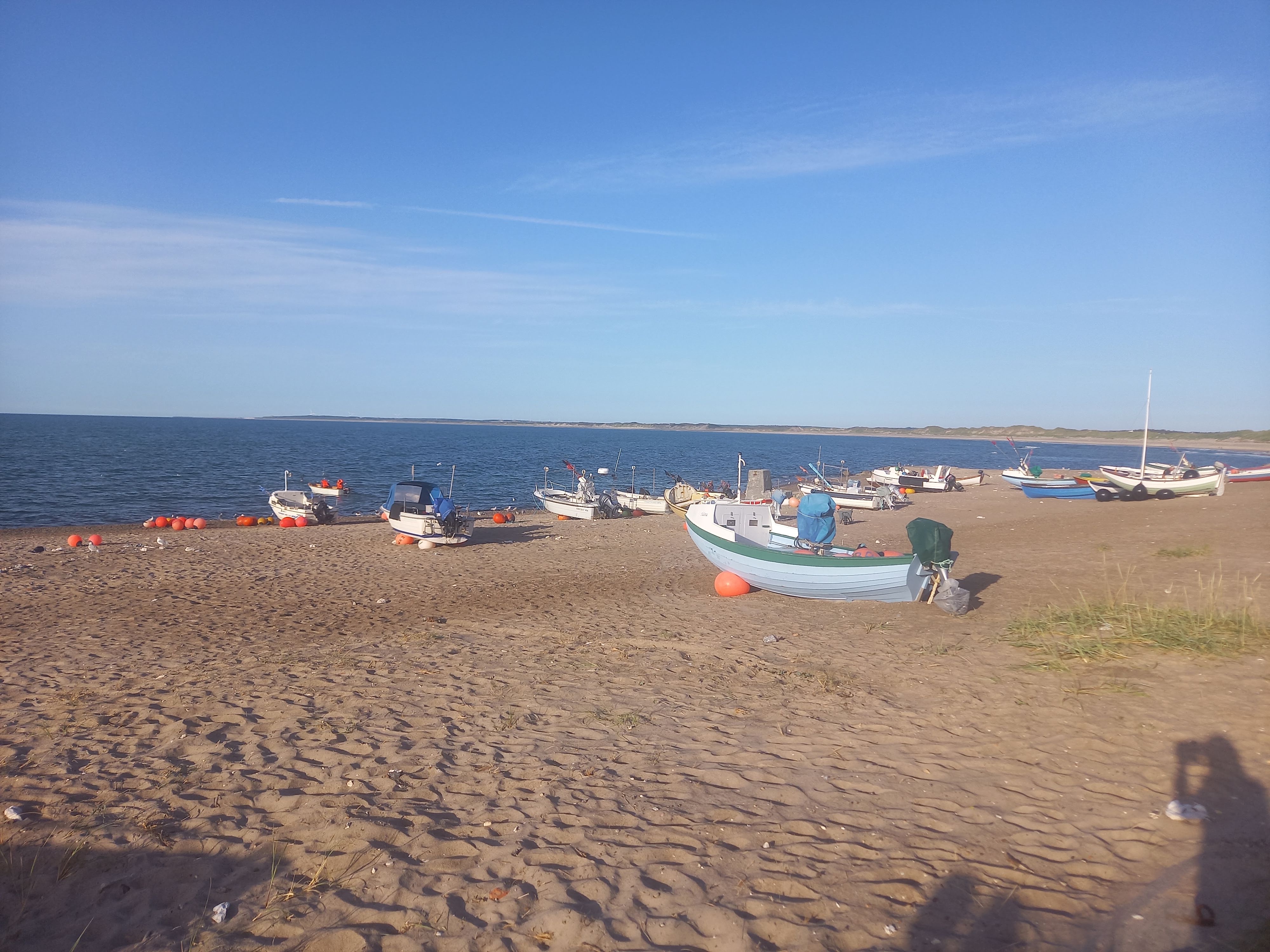
When people think of surfing, Denmark is probably not the first place that comes to mind. Yet, tucked away on the country’s northwest coast, Klitmøller has become one of Europe’s top cold-water surfing destinations. Known as Cold Hawaii, this once-quiet fishing village has transformed into a mecca for surfers, attracting mainly European wave raiders but becoming more and more famous around the world.
What is Cold Hawaii?
The name Cold Hawaii wasn’t just a clever marketing trick. It was coined by surfers who noticed that Klitmøller and the surrounding coastline offered wave conditions similar to Hawaii—just with much colder water! The term gained official recognition when the Cold Hawaii trademark was established to promote the area as a prime surfing destination. With over 30 designated surf spots along the Thy coastline, the region was embraced by surfers, and its reputation quickly grew.
The area’s popularity skyrocketed when it became a stop on the World Surf League (WSL) tour, hosting the Cold Hawaii PWA World Cup for windsurfing. Over time, Klitmøller has developed into one of the best surf locations in Northern Europe, rivaling spots in France, Portugal, and the United Kingdom.
Why is Klitmøller Great for Surfing?
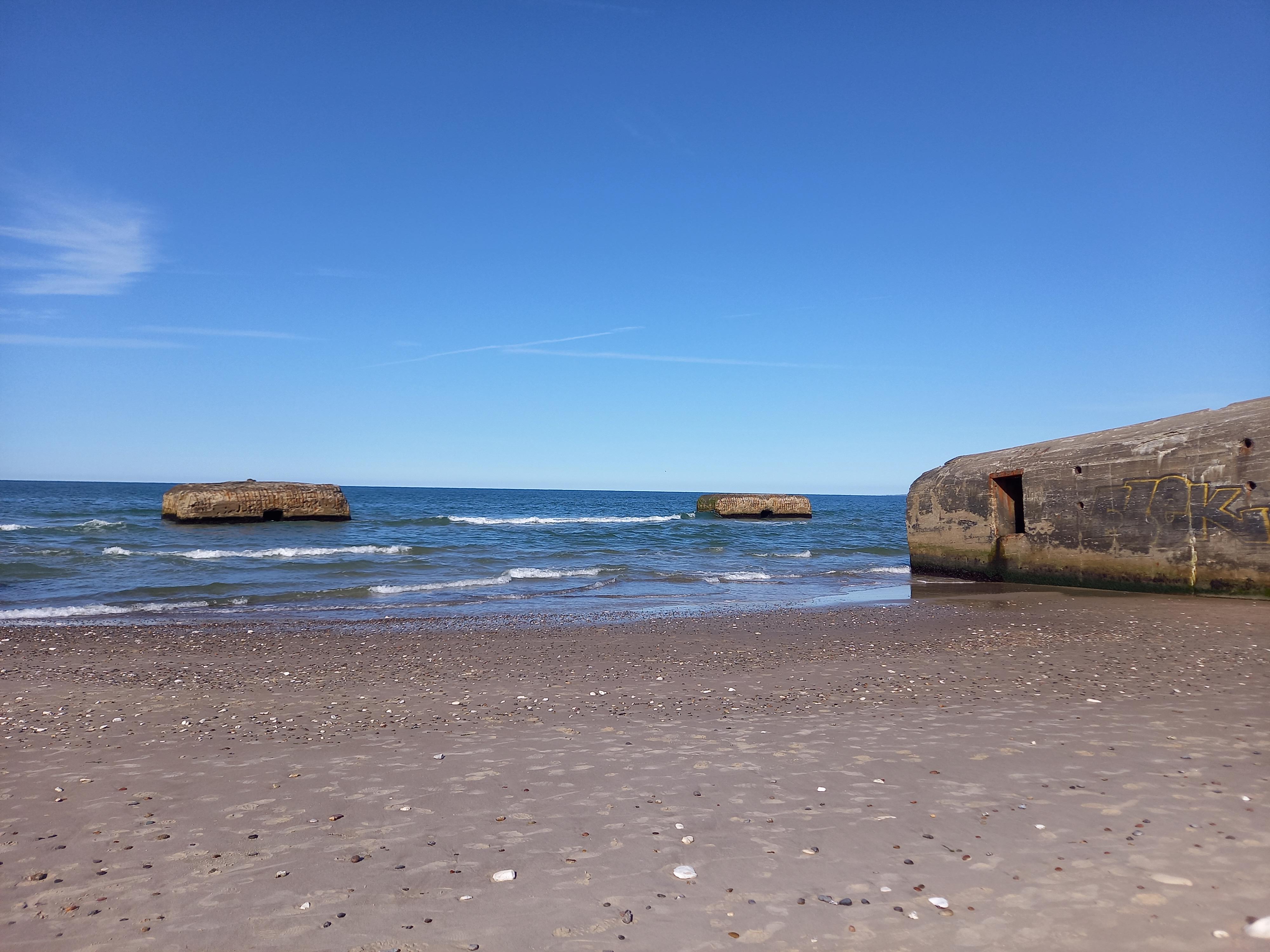
Klitmøller’s prime location along the North Sea gives it consistent swells and a variety of waves suited for all skill levels. The wind and wave conditions are shaped by strong westerly winds, making it a hotspot for not just surfers, but also windsurfers and kitesurfers.
- Beginner-friendly waves can be found closer to the shore, with surf schools offering lessons and rental gear.
- Intermediate surfers will enjoy the sandbanks and reef breaks that create long, clean rides.
- Advanced surfers can take on powerful North Sea swells, especially in winter when the waves are at their biggest.
When to Visit?
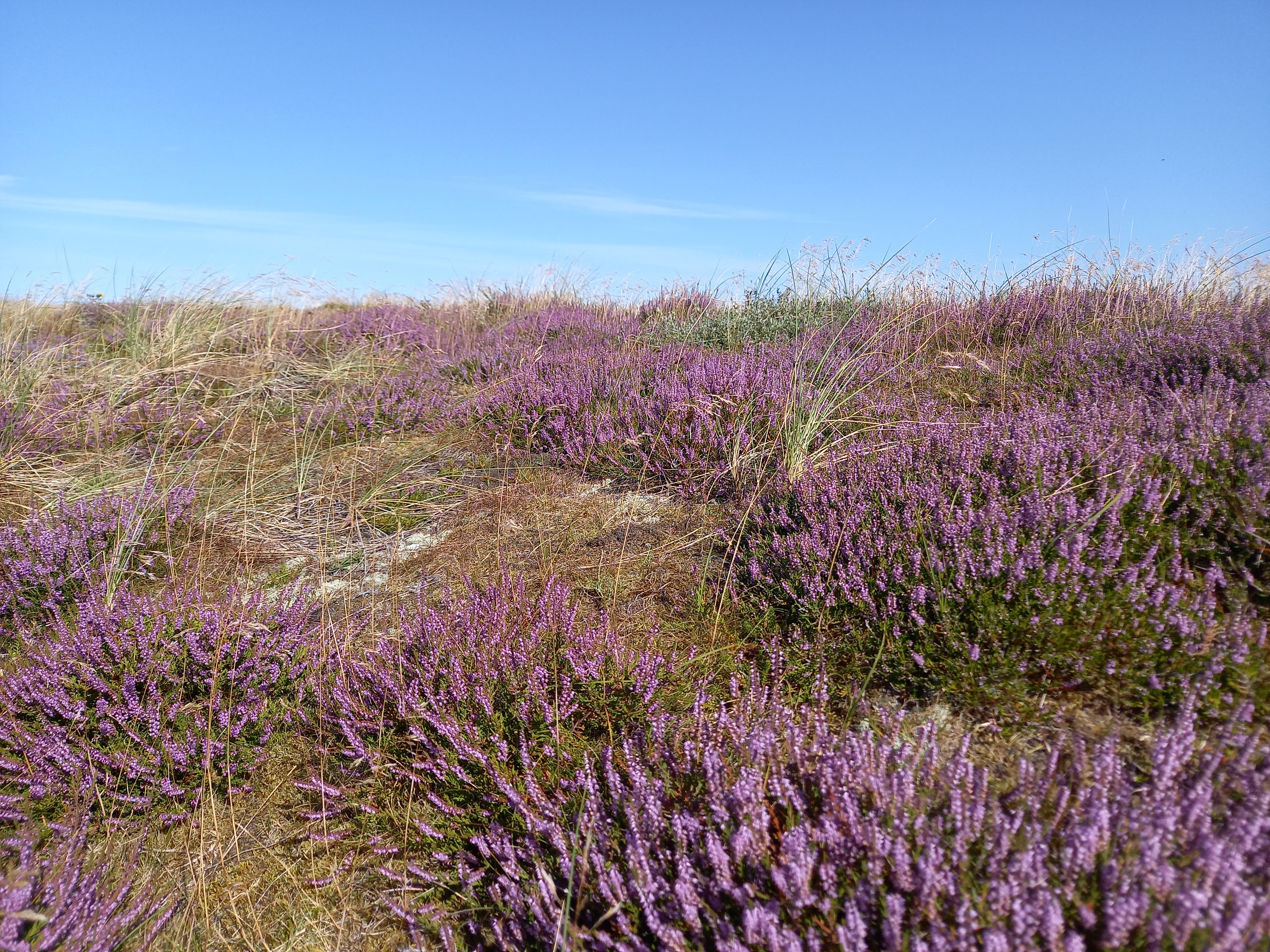
- Best Season: The prime surfing season runs from September to April, when the North Sea generates bigger swells.
- Summer (June–August): Waves are smaller but perfect for beginners. The water temperature hovers around 15°C (59°F).
- Winter (November–February): Hardcore surfers come for the best swells, but the water drops to 4–8°C (39–46°F)—wetsuits, gloves, and booties are a must!
The Klitmøller Surf Culture
Unlike the crowded surf spots of Southern Europe, Klitmøller has a laid-back, community-driven vibe. The small-town atmosphere, combined with its thriving surf culture, makes it an inviting place for both seasoned surfers and newcomers.
The town itself has embraced its surf identity, with surf shops, eco-friendly cafés, and cozy accommodations catering to the growing number of visitors. It’s cold and windy even during the summer so after your surf session, you want to warm up in one of many surf hangouts around the bay.
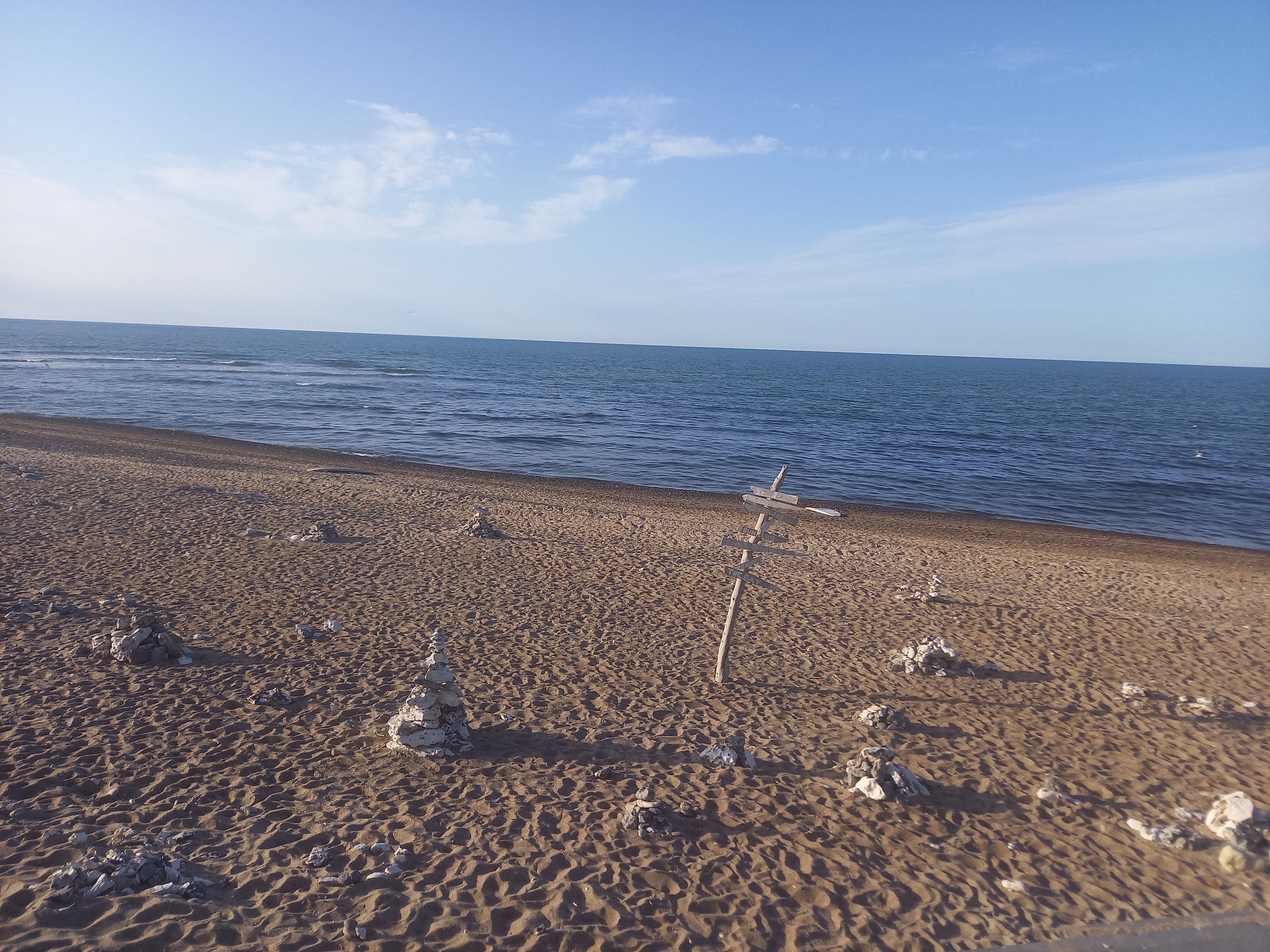
Beyond Surfing: Exploring Thy National Park
Surfing might be the main draw, but Klitmøller is also the gateway to Thy National Park, Denmark’s first national park. The area is home to dunes, heathlands, and coastal forests, making it perfect for trekking, biking, and wildlife spotting. Biking through multiple cycling lanes, in the middle of dunes, forests but also along the road is definitely the highlight of the region. If you don’t have your own bike, you can rent it in few places in Klitmøller. We rented ours at this camping ground where they have all sorts of bikes available and offer reasonable rates for a day or half a day trip.

For those who love outdoor adventures, a visit to the nearby Agger Tange or Stenbjerg Landingsplads provides stunning coastal scenery and a glimpse into Denmark’s rich fishing heritage.
Klitmøller is one of those places that raised from a sleepy fishing village to a world-class surf destination. Although it’s getting more and more popular, it’s still not too crowded. I am not a big fan of cold places and especially of surfing in cold water but this little danish village is surely a place worth visiting. You will enjoy the waves here either if you are a beginner or an experienced surfer. Just don’t forget your warm wetsuit and the fun is guaranteed! Cold Hawaii offers an unforgettable experience. With its unique blend of rugged nature, consistent waves, and welcoming surf community, Klitmøller has earned its place on Europe’s surfing map. So, if you’re looking for an off-the-beaten-path surf adventure, pack your wetsuit, embrace the cold, and head to Denmark’s surfing paradise! 🌊🏄♂️
How to get there?

Cycling!
Something special about Denmark is the fact that you really can cycle everywhere and the country is simply perfect for the bicycle tourism. Cycling from Copenhagen to Klitmøller is an adventurous and scenic journey covering approximately 400 km. The route takes you through Denmark’s beautiful countryside, coastal roads, and national parks.
Suggested Cycling Route (Copenhagen to Klitmøller)
Day 1: Copenhagen to Odense (~160 km)
- Follow EuroVelo 12 (North Sea Cycle Route) west from Copenhagen towards Korsør.
- Take the ferry from Korsør to Nyborg.
- Cycle through Funen’s rolling hills to reach Odense.
Day 2: Odense to Aarhus (~150 km)
- Ride west to Middelfart and cross the Little Belt Bridge into Jutland.
- Head north towards Vejle, then follow the East Jutland cycle routes to Aarhus.
Day 3: Aarhus to Klitmøller (~120 km)
- Follow the coast north to Aalborg via the Hærvejen route or EuroVelo 12.
- Cycle west through Thisted and National Park Thy to Klitmøller.
Alternative: Shorter Route via Train + Bike
- Take a train from Copenhagen to Aalborg (bikes allowed on DSB trains).
- Cycle Aalborg → Thisted → Klitmøller (~120 km) along scenic coastal cycling roads.
This trip is ideal for experienced cyclists or those with bikepacking gear, offering stunning landscapes, coastal views, and Denmark’s famous cycling infrastructure. If you are thinking about combining cycling and surfing, this is the right destination for you. Don’t think, start packing! 🚴♂️
Public Transport or self driving
The closest airports are Copenhagen and Allborg. From there you can either rent a car and drive or catch a couple of busses:
From Copenhagen:
- Bus to Thisted: FlixBus operates daily services from Copenhagen’s central train station to Thisted Trafikterminal. The journey takes approximately 6 hours, with tickets starting at around €19.48.
- Local Bus to Klitmøller: Upon arrival in Thisted, you can transfer to the local bus 322, which connects Thisted Station to Klitmøller. The bus stop closest to Klitmøller is “Krovej (Ørhagevej / Klitmøller),” just a 2-minute walk from the village center.
From Aalborg:
- Bus to Thisted: You can take a bus from Aalborg to Thisted, with the journey taking approximately 2 hours and 57 minutes and costing between 100 kr and 120 kr.
- Local Bus to Klitmøller: From Thisted, board the local bus 322 to Klitmøller, as detailed above.
Accomodation
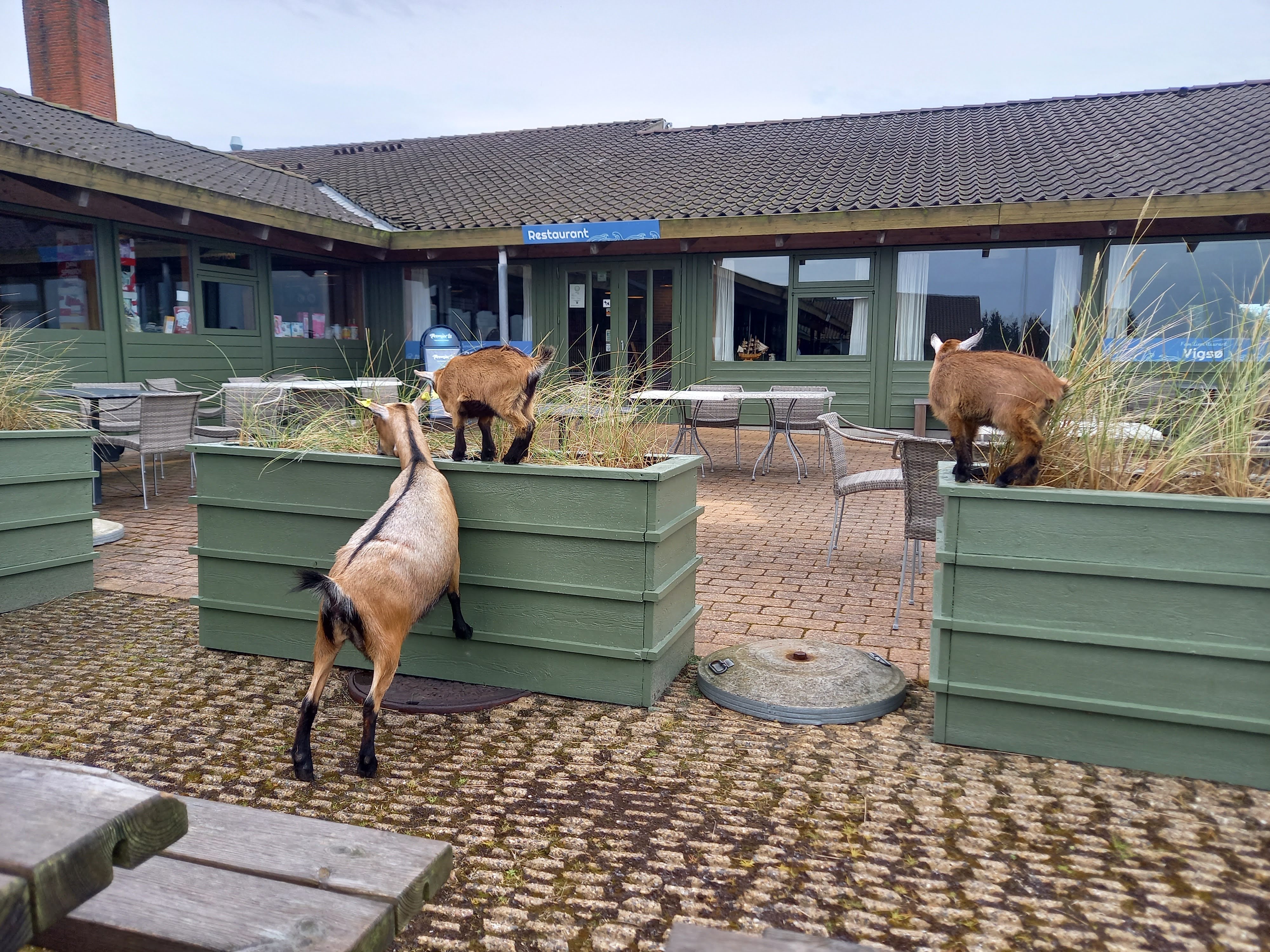
Klitmøller and the nearby villages offer all sorts of accommodation: from the luxury hotels to the basic camp grounds.
For surf-centric accommodations, the Viking Surf House offers private rooms in a shared guesthouse setting, complete with shared bathrooms and a communal kitchen. Located just 250 meters from the nearest surf spot, guests can also enjoy on-site surf lessons and equipment rentals at discounted rates. The property features a garden and an on-site coffee shop, and is within walking distance to local amenities.
Another excellent option is the Cold Hawaii Surf Camp, which provides surf camps, lessons, and accommodations tailored for surfers of all levels. They offer packages that include top-quality gear and instruction, ensuring a comprehensive surfing experience.
 Nomadlytics
Leave a comment