

Malta, a picturesque Mediterranean archipelago, always a melting point of different cultures, the crossing point of the ancient travelers. The island of Malta has become an increasingly popular destination for expatriates seeking a mix of historical charm, modern amenities, and a bustling international community. After the taxation reform, the country has become very attractive for the foreign investments. Many new job opportunities were created for people from all over the world. In the past 10 years the population of this tiny country grew from 400,000 to over 550 000 inhabitants. More than 25% of the population are the international expats. In Malta you will have no problem to find the right infrastructure for your remote work, international schools for your kids, excellent public transport and last but most important: the scenic views and nature. Let’s see in detail why it is worth to consider this little island as your next home.
Why Malta Attracts Expats
Malta offers a unique combination of benefits that appeal to expatriates:
Strategic Location
Situated at the crossroads of Europe, Africa, and the Middle East, Malta provides easy access to various regions. The Valletta International airport offers direct connection with many European cities. Ok, let’s admit that the airport terminal still has to upgrade to the newest standards but with the increase of the flights, it surely will be refurbished in a couple of years.
Language
English is one of the official languages, simplifying communication and integration with the Maltese. All the expats working in Malta speak perfect English making networking super easy.
Climate
With over 300 days of sunshine annually, Malta boasts a pleasant Mediterranean climate. The weather is always great and the air pollution is very low in the main cities.
Safety
The country maintains a low crime rate, contributing to a sense of security for residents. Especially families with kids appreciate the fact that it’s so easy and safe to move around the island.
Healthcare
Malta’s healthcare system is ranked among the best globally, offering both public and private services.
Tax Incentives
Favorable tax regimes and residency programs attract foreign investors, workers and retirees. Check the detailed description of Maltese taxation in the upcoming section of this post.
Cost of Living in Malta

Understanding the cost of living is crucial for planning a move to Malta. Here’s an overview of typical expenses:
Housing
Rental prices vary based on location and property type:
- Sliema/St. Julian’s: These popular expat areas command higher rents, with one-bedroom apartments ranging from €1,200 to €2,000 per month.
- Valletta: The capital city offers one-bedroom apartments for €1,000 to €1,800 monthly.
- Birkirkara: A more residential area with one-bedroom rentals between €800 and €1,300.
- Marsaskala: A quieter seaside town with rentals from €700 to €1,200.
For purchasing property:
- City Center: Average cost per square foot is €425.50.
- Outside City Center: Approximately €307.09 per square foot.
Notably, Malta does not impose annual property taxes, and buyers pay a 5% stamp duty at the time of purchase.
Utilities and Internet
- Monthly cost for utilities in a three bedroom apartment average €116.94.
- High-speed internet (60 Mbps or more) costs around €44.50/month
Transportation
- A monthly pass on a public transport costs approximately €34.11.
- Taxi service starts at €6.56, with an average of €4.23 per kilometer.
Education
- Private Kindergarten: Monthly fees average €485.73.
- International Primary School: Annual tuition is approximately €10,173.29.
Tax Incentives in Malta

Malta has established itself as a tax-efficient jurisdiction, making it particularly attractive to foreign investors, professionals, and retirees. The country’s favorable tax regime, along with a number of specific residency and citizenship programs, has played a significant role in the recent growth of its expat population.
1. Personal Income Tax
Malta operates a progressive income tax system for residents, with rates ranging from 0% to 35%. However, the actual tax burden for many expats is significantly lower due to various deductions and residency-specific regimes:
Residents vs. Non-Residents
Residents are taxed on a worldwide income basis, while non-residents are only taxed on income earned in or remitted to Malta.
- Progressive Tax Bands (as of 2025):
- 0% on income up to €9,100
- 15% on income up to €14,500
- 25% on income up to €60,000
- 35% on income above €60,000
(Exact brackets vary for single individuals, married couples, and parents.)
2. Flat Tax Regimes for Expats
Several special schemes offer flat tax rates or exemptions for foreign nationals:
a) The Highly Qualified Persons Rules (HQPR)
This program targets skilled professionals in key industries such as financial services, gaming, aviation, and ICT.
- Flat tax rate of 15% on income up to €5 million per year.
- Any income exceeding €5 million is exempt from taxation.
- Eligibility: Employment in a qualifying role with a licensed Malta-based company and a minimum annual salary (typically over €85,000).
- Duration: Valid for 5 years (EU/EEA/Swiss nationals) and 4 years (third-country nationals), renewable up to a maximum of 10 years.
b) The Global Residence Programme (GRP)
Geared toward non-EU nationals who wish to reside in Malta and benefit from a flat tax rate of 15% on foreign income remitted to Malta.
- Must purchase property (minimum value €275,000 in central areas, or €220,000 in the south/Gozo) or rent property (minimum €9,600 annually in central Malta, or €8,750 in Gozo/southern Malta).
- Annual minimum tax: €15,000.
- No tax on foreign-sourced income not remitted to Malta.
c) The Malta Retirement Programme (MRP)
Designed for EU, EEA, and Swiss nationals wishing to retire in Malta.
- 15% tax on foreign-sourced income remitted to Malta.
- Must reside in Malta for at least 90 days per year and cannot reside in any other country for more than 183 days.
- Must rent or buy qualifying property and receive pension income constituting at least 75% of total income.
3. Corporate Tax Incentives
While the official corporate tax rate in Malta is 35%, the system includes a full imputation and tax refund system that significantly reduces the effective tax rate for shareholders.
- Effective tax rates can be as low as 5% or even lower, depending on the structure and type of income.
- Especially attractive for holding companies, IP management, and digital businesses like iGaming and FinTech.
4. No Wealth or Inheritance Tax
Malta does not levy taxes on wealth, capital, or inheritance, making it an attractive location for high-net-worth individuals (HNWIs) and family offices looking to preserve wealth across generations.
5. Double Taxation Treaties
Malta has signed over 70 double taxation agreements (DTAs), including treaties with most EU countries, the UK, the US, Canada, Australia, and others. These agreements help avoid being taxed twice on the same income and offer clarity and stability for international professionals and investors.
6. Digital Nomad Residency Programme
(Nomad Residence Permit)
For non-EU nationals who work remotely, Malta offers a one-year renewable permit allowing digital nomads to live in Malta while being employed or running a business outside the country.
- Income must exceed €32,400 annually.
- Applicants are not subject to Maltese income tax if their income is not derived from Maltese sources.
Best Areas for Expats to Live

Choosing the right neighborhood is essential for comfort and convenience. Here are some top areas favored by expatriates:
Sliema
A bustling coastal town known for its shopping, dining, and entertainment options. Sliema offers a cosmopolitan lifestyle with easy access to the sea and a vibrant promenade.
St. Julian’s
Famous for its nightlife and luxury accommodations, St. Julian’s attracts young professionals and those seeking an active social scene.
Valletta
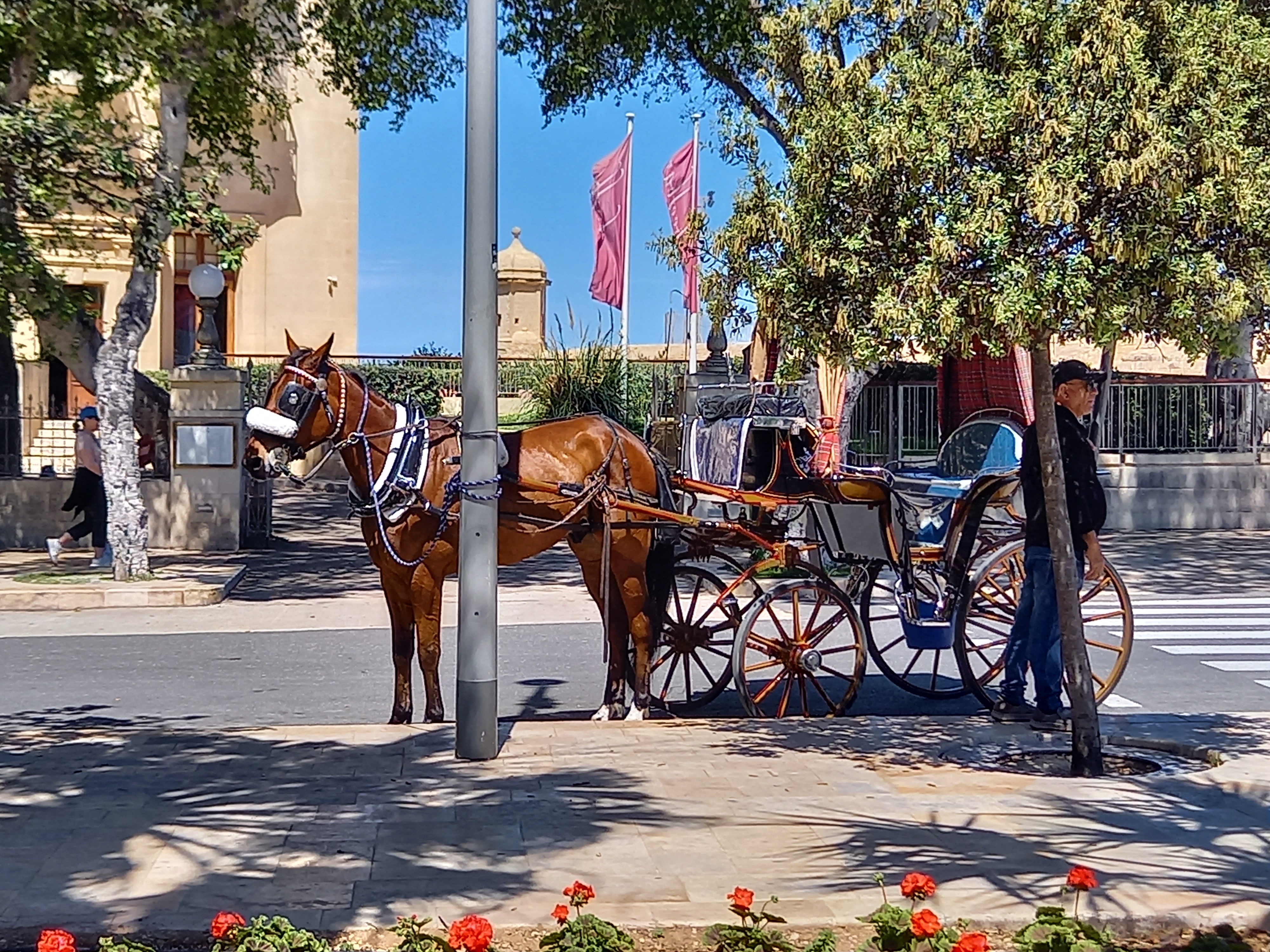
The historic capital city offers a blend of culture, architecture, and modern amenities. It’s ideal for those who appreciate a rich historical backdrop.
Birkirkara
A central residential area offering a more local experience with lower rental costs, suitable for families and those seeking a quieter lifestyle.
Marsaskala
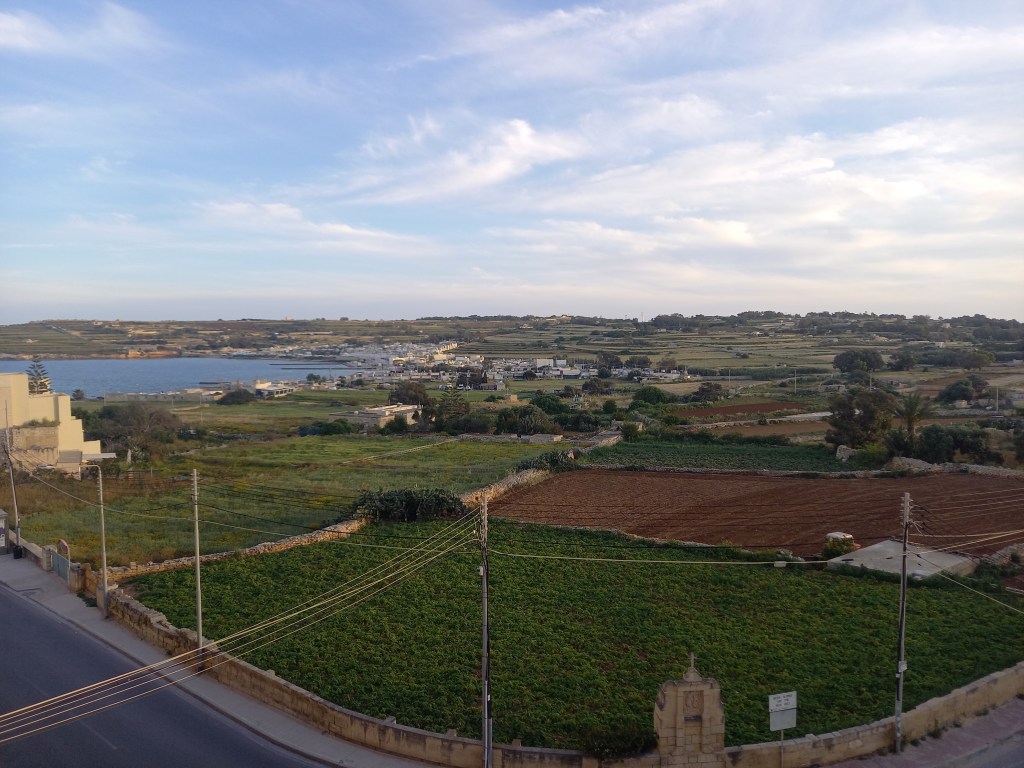
A serene seaside town perfect for those desiring a peaceful environment away from the hustle and bustle. This old fisherman village is perfect for families and people who appreciate the nature.
International Schools in Malta: A Closer Look
For expatriate families moving to Malta, education is often a central concern—especially when relocating with school-age children. Malta’s education system is well-developed, and the island is home to a number of high-quality international schools that offer globally recognized curricula and a multicultural learning environment. These schools not only provide academic discipline but also help children from different cultural backgrounds to adapt and to integrate. Here are some of the most reputable international schools:
1. Verdala International School (VIS)

📍 Location: Pembroke
Verdala International School is widely regarded as one of the top international schools in Malta. Founded in 1976, VIS offers a comprehensive American-style curriculum alongside the International Baccalaureate (IB) programs for both the Middle Years and Diploma levels.
- Age Range: 3 to 18 years old
- Curriculum: American system, IB Middle Years Programme (MYP), and IB Diploma Programme (DP)
- Student Body: Over 500 students from 45+ countries
- Language of Instruction: English
- Facilities: Includes science labs, art studios, sports fields, and a newly developed performing arts center.
- Reputation: Known for academic excellence and preparing students for top universities around the world.
VIS places a strong emphasis on creativity, critical thinking, and holistic development, making it an ideal choice for families seeking a forward-thinking international education.
2. QSI International School of Malta
📍 Location: Mosta
QSI (Quality Schools International) is part of a global network of non-profit schools that follow a U.S.-based mastery learning model. This system allows students to progress at their own pace and ensures they have fully grasped concepts before moving on.
- Age Range: 3 to 18 years old
- Curriculum: U.S. curriculum with mastery learning methodology
- Language of Instruction: English
- Student Body: Small class sizes with a highly personalized approach
- Key Strengths: Individualized education plans, inclusive environment, and emphasis on success orientation.
QSI is a great fit for expat families seeking flexibility, especially for students who may be transitioning from other international schools abroad.
3. San Andrea School
📍 Location: Mgarr
San Andrea School is a private, co-educational institution offering a curriculum rooted in the Maltese national framework, but taught entirely in English. It is well-respected for its inclusive philosophy and nurturing approach.
- Age Range: Preschool to secondary (approximately 3 to 16 years old)
- Curriculum: Maltese national curriculum completed with international standards
- Language of Instruction: English (Maltese taught as a second language)
- Learning Environment: Emphasizes student well-being, independence, and values education
- Extracurriculars: Art, music, drama, and sports are key components of the school culture
San Andrea is especially popular with expat families who may plan a longer-term stay in Malta and want their children to integrate more deeply into the local community.
Other Popular Schools:
- St. Michael Foundation: A private English-medium school with a reputation for academic discipline and strong performance in local exams.
- Lycée Français de Malte: Offers French curriculum education for families from French-speaking backgrounds.
Tuition Fees and Admission
Annual tuition fees for international schools in Malta range from €4,000 to over €12,000, depending on the school and grade level. Some schools may also charge registration, resource, and examination fees. Demand can be high, particularly in central and northern Malta, so it’s advisable to apply at least six months in advance.
Choosing the Right School
When selecting a school, expat families should consider:
- Curriculum continuity (especially if relocating again in future)
- Language of instruction and additional language support
- Class size and teacher-to-student ratio
- Proximity to home or workplace
- Extracurricular offerings
Of course, you can read as much as you want online and reach to the fellow expats for an opinion but the best way to choose the right school is to meet the teachers and visit the infrastructure in person.
Networking and Community Engagement
Building a social network is vital for a fulfilling expatriate experience. Malta offers various possibilities for community engagement:
- Meetup Groups like Malta Social (Expats & Locals organizes regular social events, including book clubs, wine tastings, and cultural outings.
- InterNations Malta provides networking opportunities through events and forums tailored for expatriates.
Co-Working Spaces:
- The Hub: co-working space located in Sliema offers a collaborative environment for professionals and it is a great place to meet with other digital nomads.
- SOHO Office Space: With locations in St. Julian’s and Gzira this co-office is great for freelancers and startups.
Healthcare Services
Malta’s healthcare system is a mix of public and private services:
- Public Healthcare: Funded through social security contributions, offering comprehensive services to residents.
- Private Healthcare: Provides shorter waiting times and a wider selection of specialists, with costs covered by private insurance or out-of-pocket payments. There is a range of companies to choose. Check the website of Malta Financial Services Authority to discover more about various options of health insurance for expats.
Residency and Citizenship
Malta offers various residency programs:
- Permanent Residency: Requires a minimum investment in property and a contribution to the national development fund.
- Citizenship by Investment: Involves a significant financial contribution and investment in real estate, offering EU citizenship.
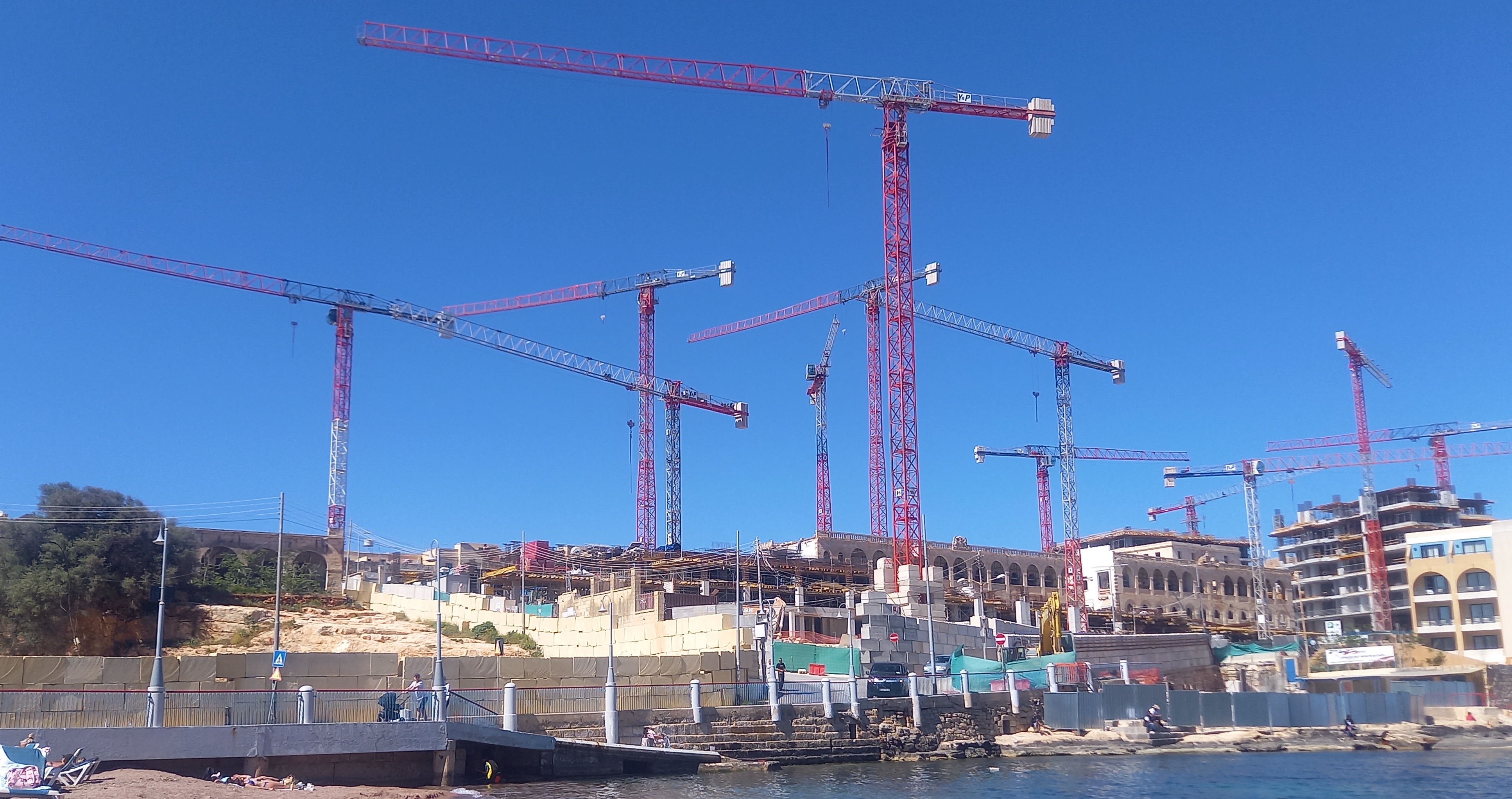
These programs have undeniably attracted a significant number of foreign investors, digital nomads, and high-net-worth individuals to Malta, contributing to the island’s economic growth and international appeal. However, they have also sparked heated debates among locals and policymakers, particularly concerning their broader social impact. One of the most pressing concerns is the rise in property prices and rental costs, which some argue has made housing less affordable for Maltese residents. As demand for high-end real estate has surged, long-term locals have found it increasingly difficult to secure reasonably priced homes. Additionally, there are concerns about community integration, with fears that exclusive enclaves of expatriates could lead to social fragmentation. While many expats contribute positively to local culture and the economy, others remain largely detached from the community, fueling sentiments of cultural displacement. As a result, the government faces growing pressure to balance foreign investment with social equity, ensuring that locals are not marginalized in their own housing market. These tensions highlight the need for thoughtful urban planning and policies that encourage inclusive, sustainable growth. If you are interested in this subject, stay tuned because I am about to prepare a dedicated post about the recent economic policies in Malta.
If you read this whole post and you are here, it means that you are really considering to move to Malta. Well, let’s be honest, it is a great island for expats: high quality of life, favorable climate, and a welcoming community. By understanding the cost of living, exploring suitable neighborhoods, and engaging with local networks, foreigners can seamlessly integrate and thrive in this Mediterranean haven.
 Nomadlytics
Leave a comment