

Over the next decade, Malta is poised for sustained economic growth, a stable yet appreciating real estate market, and a growing expatriate community. These trends underscore Malta’s position as an attractive destination for investment, residency, and lifestyle.
Malta’s investor-focused residency and citizenship programs have undeniably attracted a significant number of foreign investors, digital nomads, and high-net-worth individuals, contributing to the island’s economic growth and international appeal. However, they have also sparked heated debates among locals and policymakers, particularly concerning their broader social impact. One of the most pressing concerns is the rise in property prices and rental costs, which some argue has made housing less affordable for Maltese residents. As demand for high-end real estate has surged, long-term locals have found it increasingly difficult to secure reasonably priced homes. For instance, as of 2025, the average price of an apartment in Malta stands at approximately €374,000, while houses average around €680,000. In prime areas like Sliema, the average cost per square meter is projected to be around €4,000. Additionally, there are concerns about community integration, with fears that exclusive enclaves of expatriates could lead to social fragmentation. While many expats contribute positively to local culture and the economy, others remain largely detached from the community, fueling sentiments of cultural displacement. In response to these challenges, the Maltese government has initiated measures to address housing affordability, such as launching a major social and affordable housing project through Malita Investments. Furthermore, the European Court of Justice ruled that Malta’s “golden passport” scheme, which granted EU citizenship in exchange for financial investments, breaches EU law, leading to its mandated termination. These developments highlight the need for thoughtful urban planning and policies that encourage inclusive, sustainable growth, balancing foreign investment with social equity to ensure that locals are not marginalized in their own housing market.
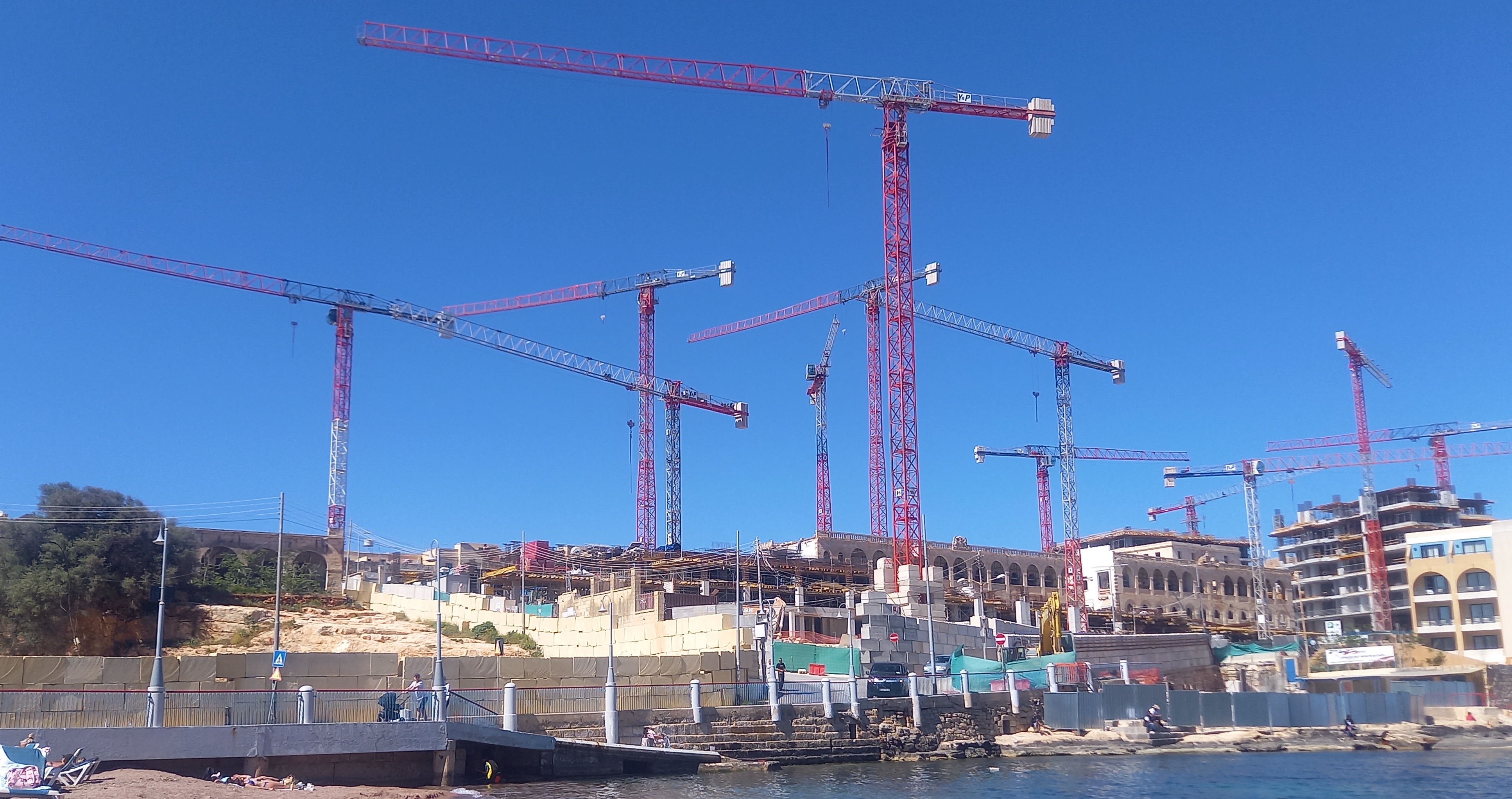
Impact of Residency Programs on Housing and Community – Malta Overview
| Aspect | Details |
|---|---|
| 🏠 Average Apartment Price | ~€374,000 (as of 2025) |
| 🏡 Average House Price | ~€680,000 |
| 📍 Sliema Price per m² | ~€4,000 |
| 📈 Rental Market Trend | Steady increases, especially in urban hubs like Sliema, St. Julian’s, and Gzira |
| 🧳 Expats & Investors | Drawn by tax incentives, investment schemes, and digital nomad visas |
| ⚠️ Local Concerns | Housing affordability, gentrification, limited access for first-time Maltese buyers |
| 🏗️ Gov’t Response (2024–2025) | Social housing project via Malita Investments; focus on affordable homes for residents |
| ⚖️ EU Legal Action | Golden Passport scheme ruled illegal by European Court of Justice (2024) |
Malta’s Economic Growth Forecast (2025–2035)
Malta’s economy is projected to continue its robust growth trajectory, albeit at a moderated pace compared to previous years.
Short-Term Projections (2025–2027):
The Central Bank of Malta forecasts real GDP growth to ease from 6.0% in 2024 to 4.0% in 2025, with a further moderation to 3.3% by 2027. This growth is expected to be driven primarily by strong domestic demand, particularly private consumption, and a positive contribution from net exports, especially in the services sector. If you are interested in this subject, visit the website of centralbankmalta.org to get more detailed information.
Long-Term Vision (2025–2035):
Under the “Vision 2050” strategic plan, Malta aims to transform its economy from a GDP of €20.6 billion in 2023 to a projected €38 billion by 2035. This ambitious target reflects an average annual growth rate of approximately 5.5%, focusing on sustainable economic development, digital transformation, and innovation.
🏘️ Real Estate Market Outlook (2025–2035)
Malta’s real estate market has experienced significant growth in recent years, and while the pace is expected to stabilize, the long-term outlook remains positive.
Current Market Snapshot (2025):
As of 2025, the average price for an apartment in Malta is approximately €374,000, while houses average around €680,000. The average property price per square meter stands at €3,300, with variations depending on the location.
Short-Term Trends (2025–2027):
The property market is anticipated to stabilize after a period of rapid growth. Factors contributing to this stabilization include an increase in new housing developments, leading to a more balanced supply-demand dynamic, and the conclusion of temporary COVID-19-related tax incentives. Investropa
Long-Term Projections (2025–2035):
While specific long-term forecasts are limited, the general consensus suggests that property prices will continue to appreciate, albeit at a more moderate pace. The sustained demand from both local and foreign buyers, coupled with Malta’s economic growth, is expected to support this upward trend.
🌍 Expatriate Population Growth (2025–2035)
Malta has become an increasingly attractive destination for expatriates, owing to its favorable climate, strategic location, and robust economy.
While exact projections are not specified, the trend suggests a continued increase in the expatriate population over the next decade. This growth is expected to be driven by Malta’s ongoing economic development, investment in infrastructure, and policies aimed at attracting foreign talent and investment.
Current Demographics (2025):
The total population of Malta in 2025 is estimated at 545,405, with a significant portion comprising foreign residents.
Between 2024 and 2025, Malta’s population increased by approximately 6,426 individuals, marking a 1.2% growth rate. This growth is largely attributed to the influx of expatriates seeking employment and residency in Malta.
As of early 2024, foreign-born individuals constitute approximately 30.8% of Malta’s total population, according to Eurostat data. Given the country’s estimated population of around 545,000 in 2025, this translates to roughly 168,000 foreign-born residents.
This significant expatriate presence reflects Malta’s appeal as a destination for foreign nationals, driven by factors such as its favorable tax regimes, English-speaking environment, and strategic location within the European Union.
The expatriate community in Malta is diverse, encompassing individuals from various backgrounds, including professionals, retirees, and students. This diversity contributes to the multicultural fabric of Maltese society and plays a role in balancing demographic trends, particularly by offsetting the aging native population.
Looking ahead, if current trends persist, the proportion of expatriates in Malta may continue to rise, further influencing the country’s demographic and cultural landscape.
Future Outlook (2025–2035):
While exact projections are not specified, the trend suggests a continued increase in the expatriate population over the next decade. This growth is expected to be driven by Malta’s ongoing economic development, investment in infrastructure, and policies aimed at attracting foreign talent and investment.
Over the next decade, Malta is poised for sustained economic growth, a stable yet appreciating real estate market, and a growing expatriate community. These trends underscore Malta’s position as an attractive destination for investment, residency, and lifestyle. Considering moving to Malta? Looking for a remote job opportunity on this fantastic Mediterranean Island? Check my post about expats life in Malta here.
 Nomadlytics
Leave a comment