

Pico Island, part of Portugal’s Azores archipelago, is a haven for hikers and not only. Dominated by its namesake volcano, Mount Pico, the island offers stunning landscapes, rich cultural heritage, and multiple outdoor activities. Here you will be able to walk through UNESCO-listed vineyards, explore lava tubes, and of course hike up the Portugal’s highest peak.
Located in the central group of the Azores, Pico Island spans approximately 447 square kilometers, making it the second-largest island in the archipelago. Its landscape is characterized by black volcanic soil, verdant forests, and of course the imposing Mount Pico, which rises to 2,351 meters above sea level.
Must See Places
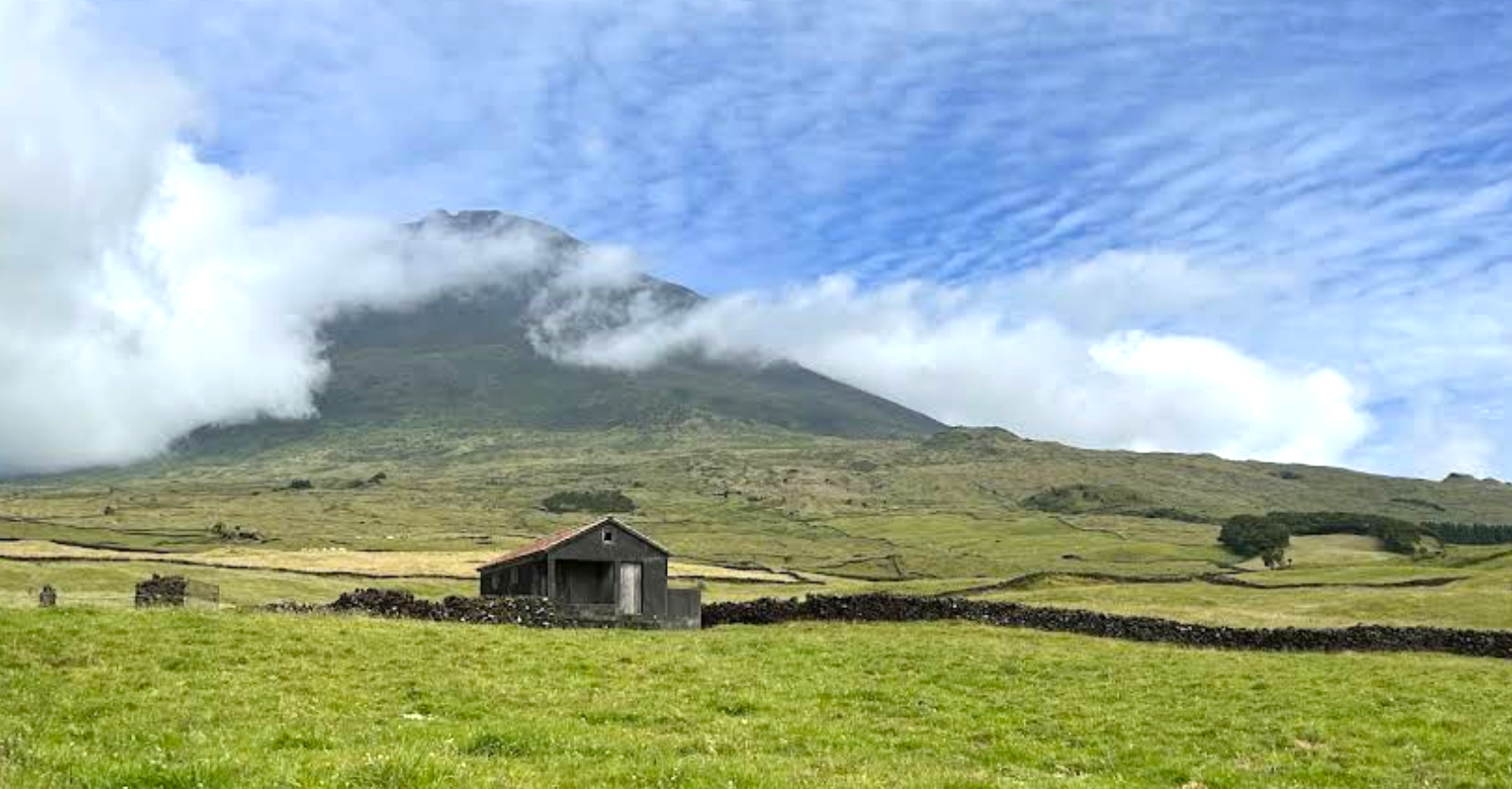
Mount Pico
As the highest point in Portugal, Mount Pico is a must-visit for hikers and and everyone who enjoys the nature. The ascent offers panoramic views of the surrounding islands and the Atlantic Ocean. The trail to the summit is approximately 8 kilometers round trip, with an elevation gain of over 1,000 meters. It is a challenging routes and you will need at least 7 hours to complete it. To make most of it, start in the morning and take it slowly. You can read more details about hiking Mt. Pico further down in this post.
Vineyards of Criação Velha
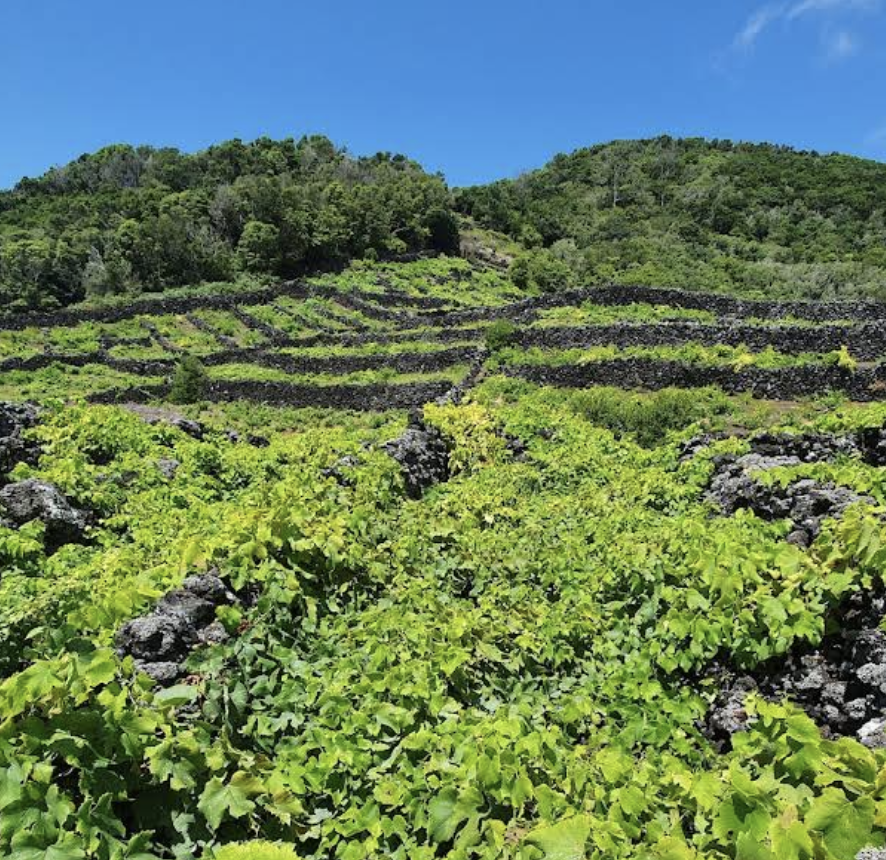
These UNESCO World Heritage-listed vineyards showcase the island’s unique wine culture. Stone walls protect the vines from wind and sea spray, creating a distinctive landscape. You can explore the area via the PR05 PIC trail, a 6.9-kilometer route that takes about 2 hours to complete.
Gruta das Torres
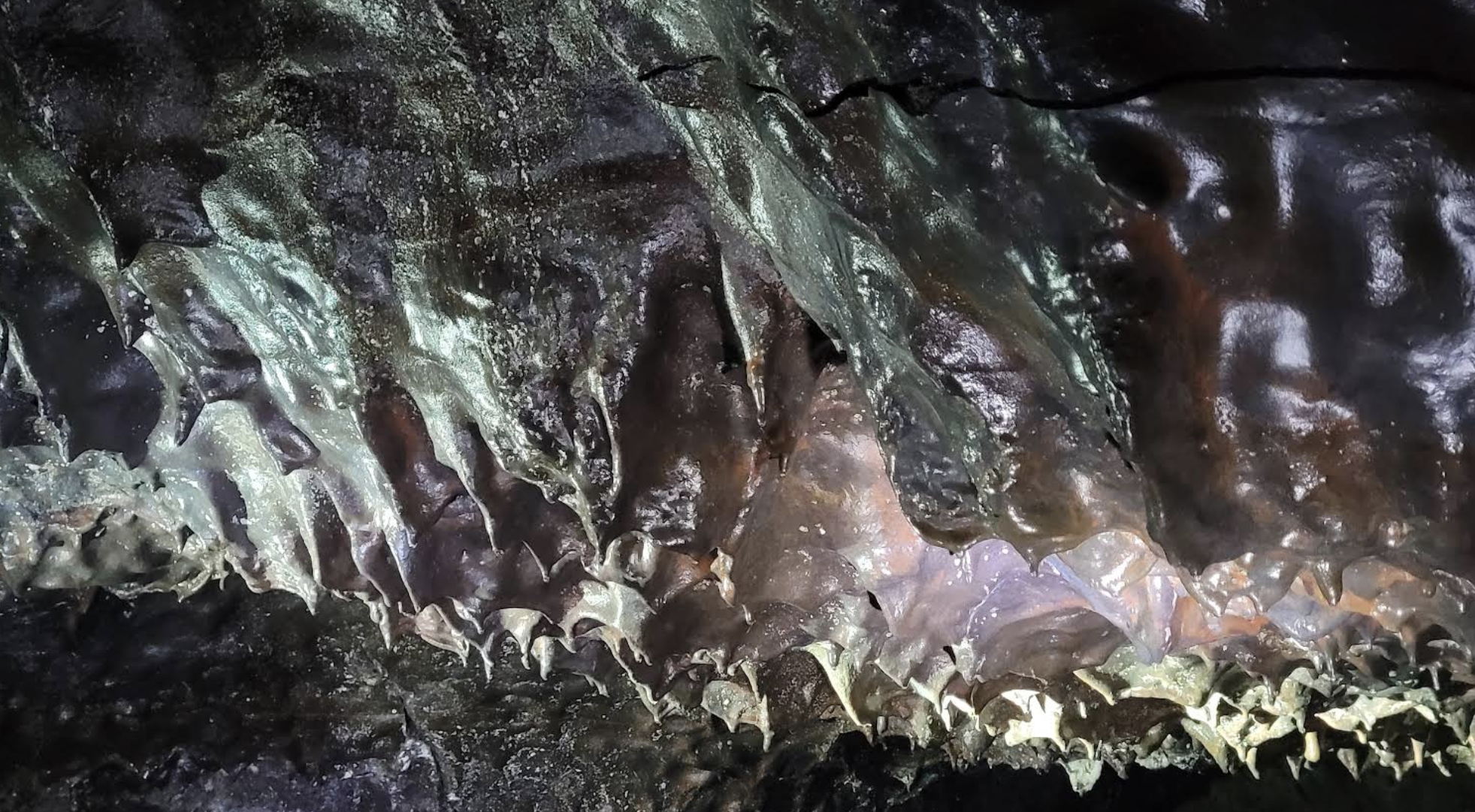
This lava tube, stretching over 5 kilometers, is the longest in the Azores. Impressive. Unfortunately since June 2024 the site is closed because the ceiling of the tube is at risk. You can still watch a free video explaining the history of these fascinating geological formations. It’s not the same as entering the tube itself but you will still learn a lot about the island’s volcanic history. Let’s hope that sooner or later the project to save this site will be implemented and it will possible again to visit the tube (strictly on a guided tour with the adequate equipment). Check the official website to have more details and updates about the Gruta.
Best hiking trails
As said before, Pico is a paradise hikers. There are many great trails on the island and as usual I encourage you to have a look at Visit Azores website in order to get a full list of the hiking routes. Below a couple of really rewarding and relatively easy trails.
1. Lagoa do Capitão (PR13 PIC)
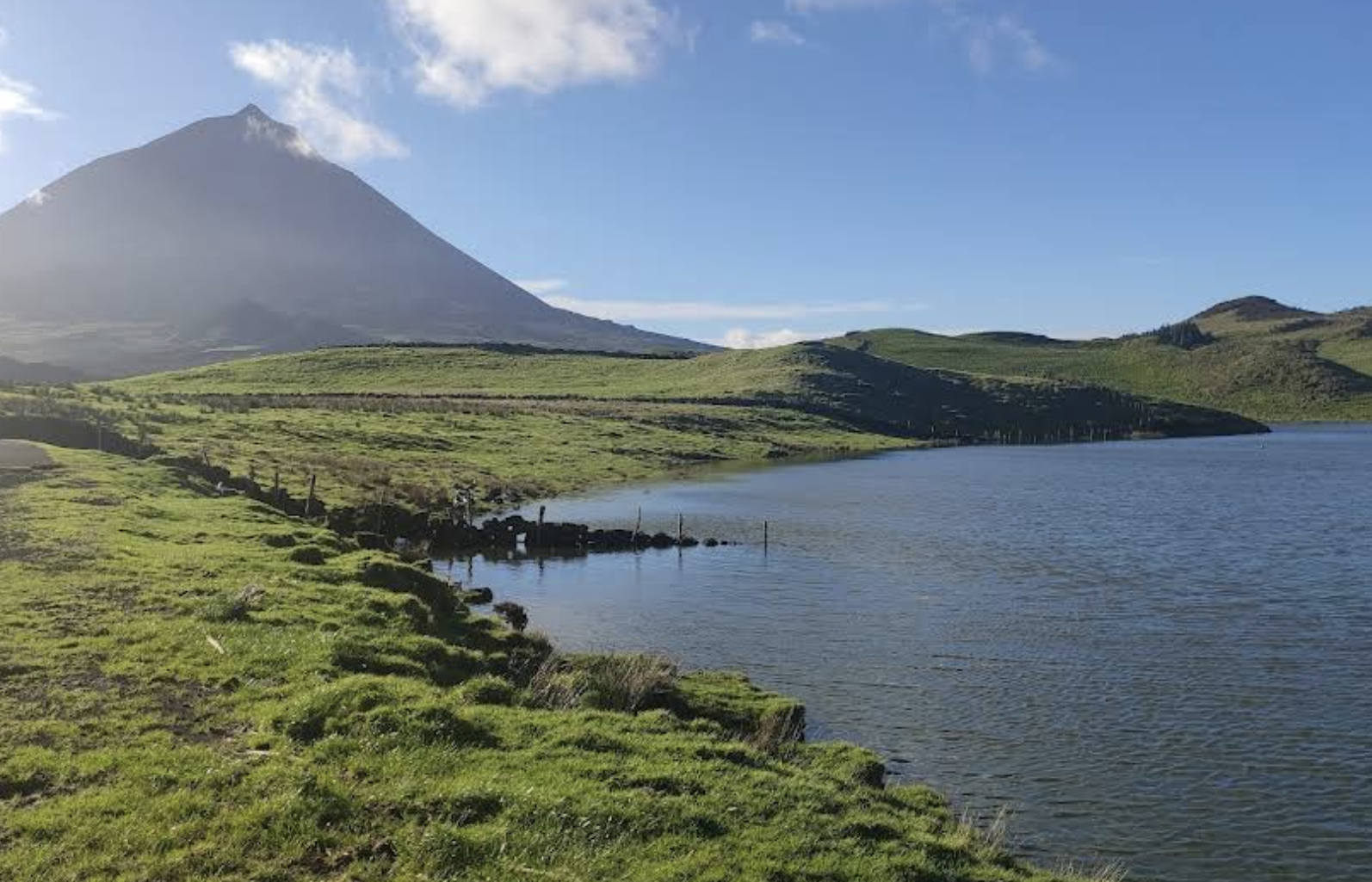
- Distance: 10.3 km
- Duration: 3 hours
- Difficulty: Moderate
This hike is one of the most rewarding routes for panoramic views of Mount Pico, particularly on clear days when the mountain’s full silhouette reflects beautifully on the still waters of Lagoa do Capitão. The trail begins near the plateau of Achada, winding through open pastures dotted with grazing cattle, native juniper trees, and volcanic ridges covered in moss and ferns.
As you continue, you’ll pass through pockets of laurel forest, an important relic of the Azores’ natural heritage, and spot endemic bird species such as the Azores chaffinch and the Azores wood pigeon. The diverse vegetation and the interplay of lava rock with lush greenery create a uniquely atmospheric environment.
Though the trail does not ascend steeply, the terrain can be uneven and muddy after rain. Sturdy hiking shoes are a must. This trail is suitable for most hikers, and its photogenic landscapes make it especially popular with nature photographers and birdwatchers.
2. Calheta do Nesquim (PRC11 PIC)

- Distance: 7.8 km
- Duration: 2.5 hours
- Difficulty: Easy
This is a scenic coastal circular route that winds through the parish of Calheta do Nesquim, a small but historically rich whaling village. The hike offers a gentle pace with stunning ocean views, traditional architecture, and plenty of cultural touchpoints along the way.
The path takes you past historic whaling buildings, including old boat ramps and processing facilities, giving insight into Pico’s once-thriving whaling industry. Today, these structures have been repurposed into museums and cultural centers, preserving this important piece of the island’s heritage.
The route also leads through man-made natural pools carved into the lava rock by the ocean, where locals and visitors often swim in summer. Along the way, you’ll pass by windmills, coastal pastures, and small chapels—all steeped in the quiet charm of island life.
With its combination of history, culture, and natural beauty, this hike is perfect for families with kids or anyone looking to connect with Pico’s coastal identity without tackling difficult terrain.
Mount Pico Summit
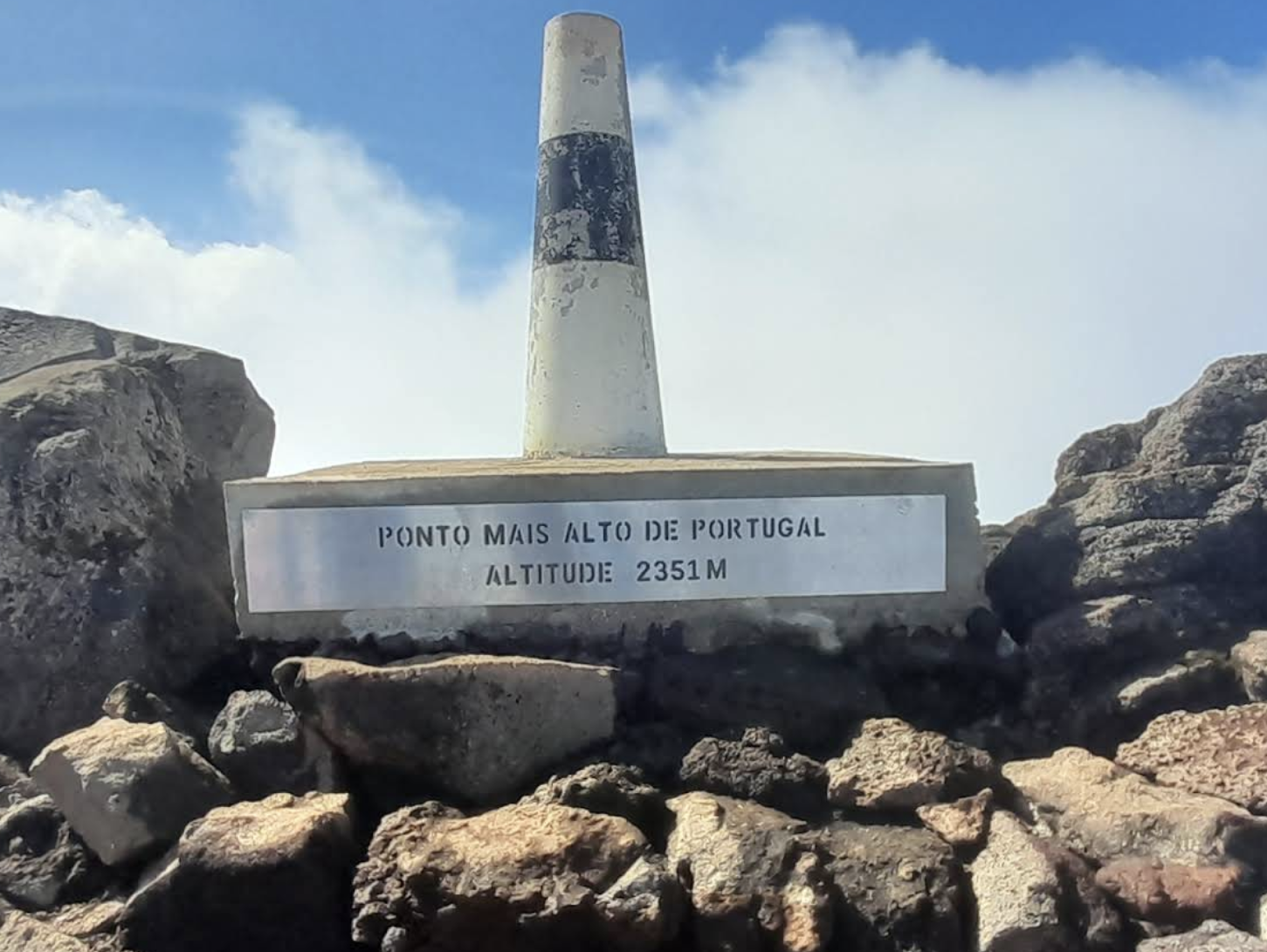
Climbing Mount Pico is more than just a hike—it’s a physical and emotional journey to the top of Portugal’s highest peak at 2,351 meters above sea level. This is a demanding adventure, suitable only for well-prepared hikers.
- Distance: 8 km round trip
- Duration: 7–10 hours
- Difficulty: High
The trail begins at the Casa da Montanha (Mountain House), where you must check in before starting the ascent. From there, the path climbs steeply through volcanic rock, ash, and loose gravel. You will follow numbered waypoints that guide you through varying terrain, from mossy basalt slopes to crater edges. The landscape becomes increasingly alien the higher you go, with views expanding to include the neighboring islands of Faial and São Jorge on clear days.
At the summit lies the Piquinho, a small secondary cone that forms the true peak of the volcano. The final climb to Piquinho is steep and requires using hands for balance and stability, but reaching the top is immensely rewarding, especially at sunrise when the clouds often lie far below you.
Can You Climb The Pico Summit Without a Guide?
Yes, it’s possible to hike independently, but there are strict regulations in place:
- You must register and attend a short briefing at Casa da Montanha.
- The trail is well-marked, but weather can change rapidly, making navigation and safety challenging. Avoid hiking totally alone.
- A headlamp, GPS, and proper gear are required, especially if you plan a sunrise or sunset hike. Without the proper equipment you will not be allowed on the trail.
Because of the high difficulty and unpredictable conditions, hiring a certified guide is strongly recommended, especially for first-time climbers. Guides enhance the experience by sharing geological, botanical, and cultural knowledge, while ensuring your safety. You can opt for a customized tour or a small group organized hike. Choose among the below operators and book directly online:
- Tripix Azores – Offers highly rated guided climbs (day or night), gear rental, and customized experiences
- Go Climb Pico Azores – Focuses on small group tours with detailed briefings and environmental respect
- Hominis Natura – Ideal for those who value sustainability and expert naturalist guides:
How to get there and move around?
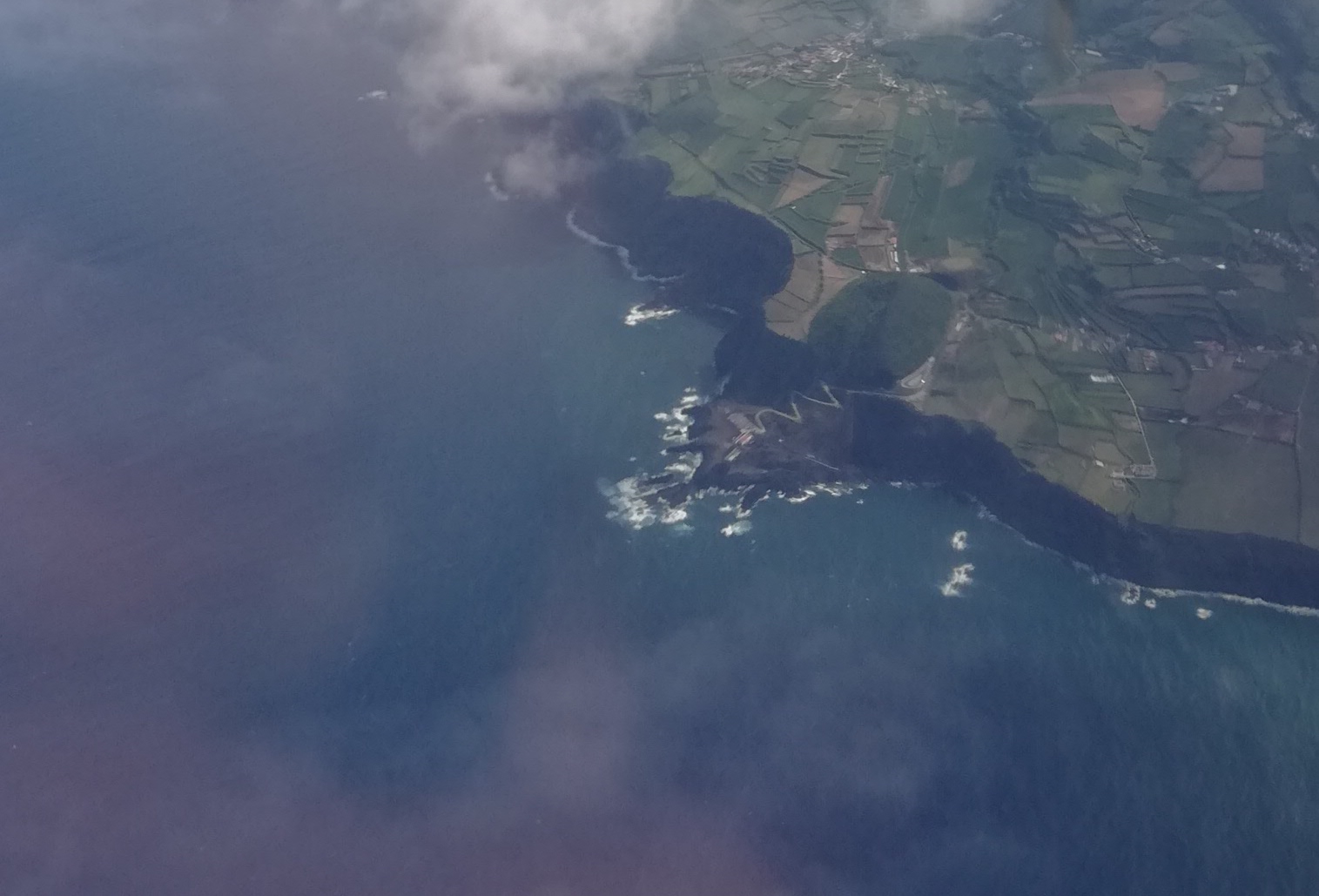
Pico Island is accessible via air and sea:
- Direct flights from São Miguel and Terceira islands operated by SATA Airlines
- Ferry services connect Pico to neighboring islands Faial and São Jorge. Check the schedule and prices on Atlanticoline website.
While public transportation exists, renting a car is the most convenient way to explore the island’s diverse attractions at your own pace. Among many car rentals available at the airport, Picauto is a local company offering a modern fleet, 24/7 service, and full insurance included. You will also be able to rent through the international Europcar. Make sure to book your car in advance as the availability is limited. Other rental companies on the island include:
Autatlantis: offers very competitive prices and present on all the Azorean Islands
Ilha Verde: the most famous rental company in the Azores
Rent a Car Tropical, another local company with the offices in Madalena and offering also long term rentals.
Rent a Car Oasis, great if you are planning to visit other nearby islands. The agency has cars available also on Terceira and São Jorge. You will be able to embark on the ferry and return the vehicle on another island.
Tips for Renting a Car on Pico Island
- Book Early: Especially during peak tourist seasons (May to September), it’s advisable to book your rental car in advance to ensure availability.
- Pick-up Locations: Most rental agencies offer pick-up and drop-off services at Pico Airport and in major towns like Madalena and São Roque.
- Driving Conditions: Pico’s roads are generally in good condition, but some rural areas may have narrow or winding roads. Drive cautiously and be prepared for occasional livestock crossings.
- Fuel Stations: Fuel stations are available in major towns. It’s a good idea to fill up when you have the opportunity, especially before exploring remote areas.
- Insurance: Ensure you understand the insurance coverage provided. Some companies include full insurance, while others offer it as an optional extra.
Accommodation
You will find all sorts of accommodations on the island. Remember to plan your trip and book advance especially during the high summer season. If you are looking for a particularly relaxing and comfortable experiences check the two below solutions for your next stay.

Pocinho Bay
A luxury boutique hotel offering stunning ocean views, personalized service, and elegant rooms. Visit the official website to book your room in advance.
Insula Atlantis
Set amidst lush gardens and vineyards, the hotel provides comfortable accommodations and offers a quiet atmosphere. You can book directly on the official website.
 Nomadlytics
Leave a comment