

Lisbon is a capital city where antique charm blends perfectly with contemporary flair. Lisbon offers everything you need: historic neighborhoods and iconic landmarks for a week of sightseeing, great culinary experiences and nearby surf-friendly beaches. You can travel here for a long weekend or a month of vacation and you won’t get bored. I would say that in order to discover Lisbon for real and soak up its vibe, you need at least one week. In this post I will guide you through the must-see attractions, uncover hidden gems, and highlight nearby beaches perfect for surfing.
Must-See Attractions in Lisbon
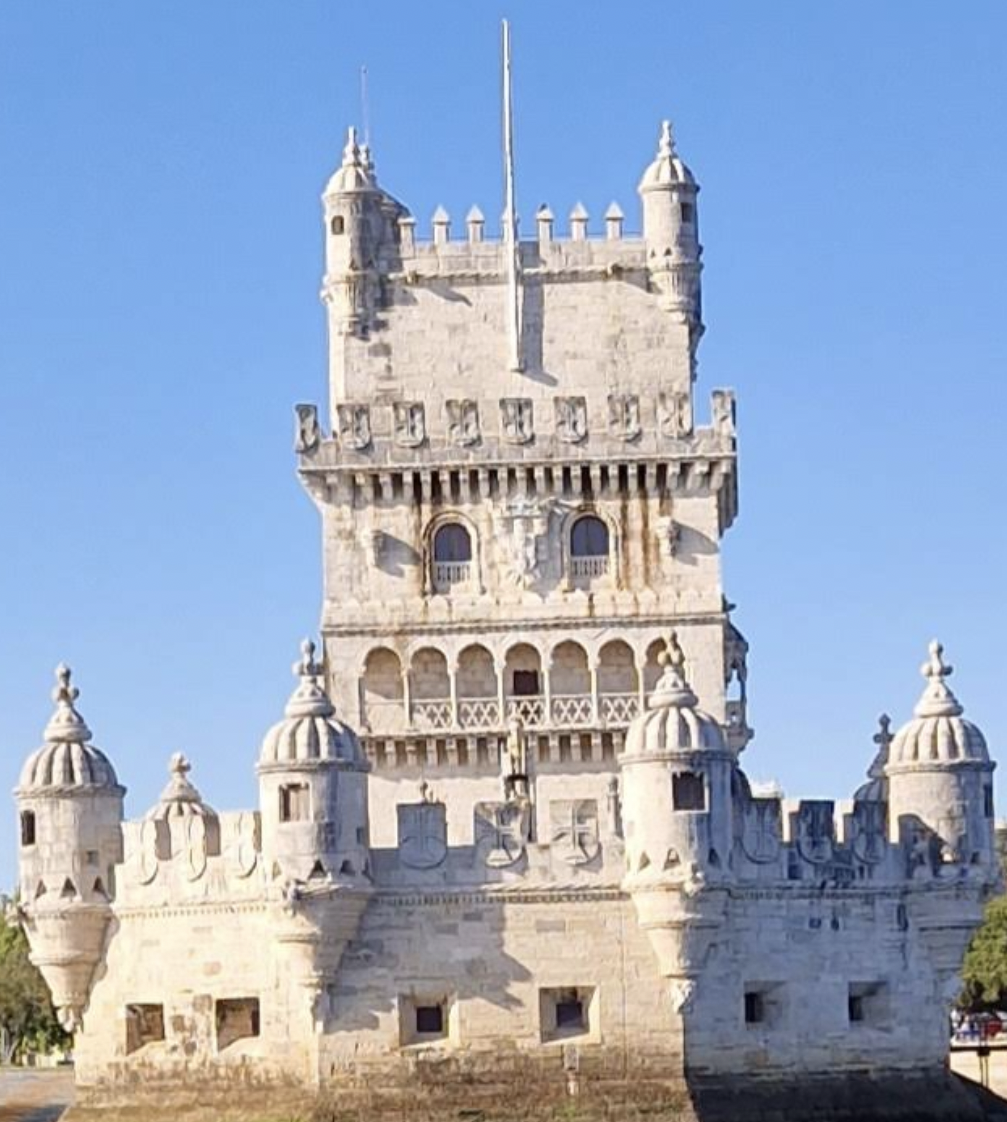
Belém Tower (Torre de Belém)
Standing proudly on the banks of the Tagus River, the Belém Tower is a striking symbol of Portugal’s Age of Discoveries. Built in the early 16th century, this UNESCO World Heritage Site once served as both a ceremonial gateway to Lisbon and a defensive stronghold. Designed in the distinctive Manueline style, the tower features ornate stone carvings, maritime motifs, and a fantastic location that makes it one of the most photographed landmarks in the city. You can climb its narrow spiral staircases to take in sweeping views of the river and learn more on Portugal’s seafaring legacy. You can visit the tower every day between 10.00AM and 17.00 PM. Book your single tickets or Lisboa card online.
Jerónimos Monastery (Mosteiro dos Jerónimos)
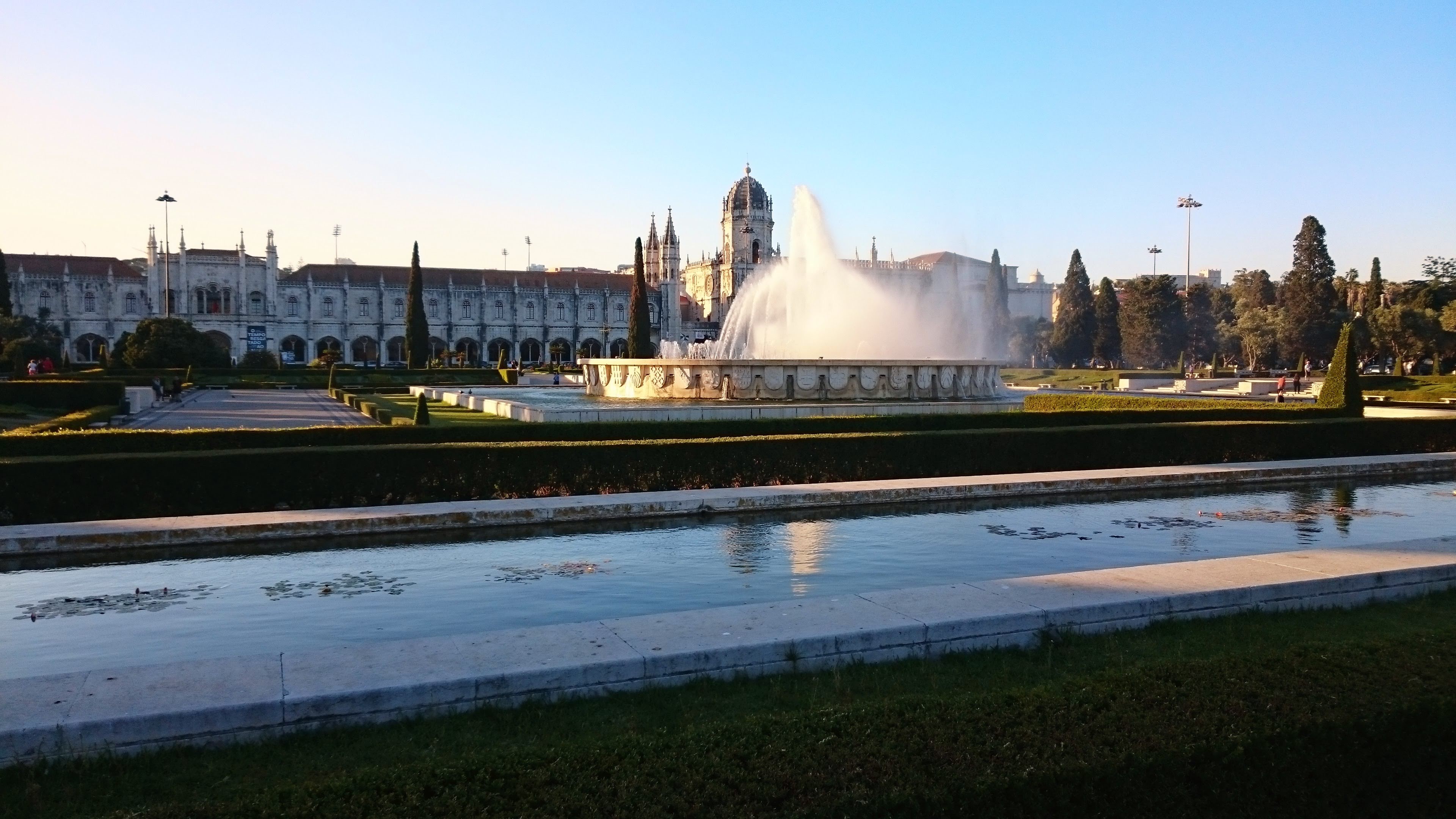
Just a short walk from the Belém Tower, this marvelous monastery is another UNESCO World Heritage Site and a masterpiece of Portuguese late Gothic (Manueline) architecture. Commissioned by King Manuel I in the early 1500s, the monastery was built to commemorate Vasco da Gama’s voyage to India and is intricately tied to Portugal’s Golden Age of Exploration. Inside, the ornate cloisters, grand columns, and vaulted ceilings are breathtaking. The monastery also houses the tombs of notable Portuguese figures, including Vasco da Gama and poet Luís de Camões. You can visit this majestic monument every day between 10.00AM and 17.30 in winter and between 10.00AM and 18.30 in summer. I advice you to buy the tickets directly on the official website to avoid possible long ques at the entrance.
Alfama District
As Lisbon’s oldest and most character-filled neighborhood, Alfama is a sensory journey through the city’s soul. With its labyrinth of narrow, winding streets, colorful houses with wrought-iron balconies, and the distant sounds of Fado music drifting from traditional taverns, Alfama exudes an old-world charm. This historic district survived the devastating 1755 earthquake, preserving its medieval layout. It’s a wonderful place to get lost—literally—and stumble upon tiny chapels, hidden viewpoints (miradouros), and intimate restaurants where locals gather for music, food, and conversation. If you are visiting Lisbon in the month of June, don’t miss the Santo António Festival – the most important local celebration. The festival starts already at the begging of June and ends on the night of June 12 when the city bursts into life with parties, street parades, and an electric atmosphere that fills every corner. The center of festival is Alfama district with plenty of food stands, concerts and parades.
São Jorge Castle (Castelo de São Jorge)
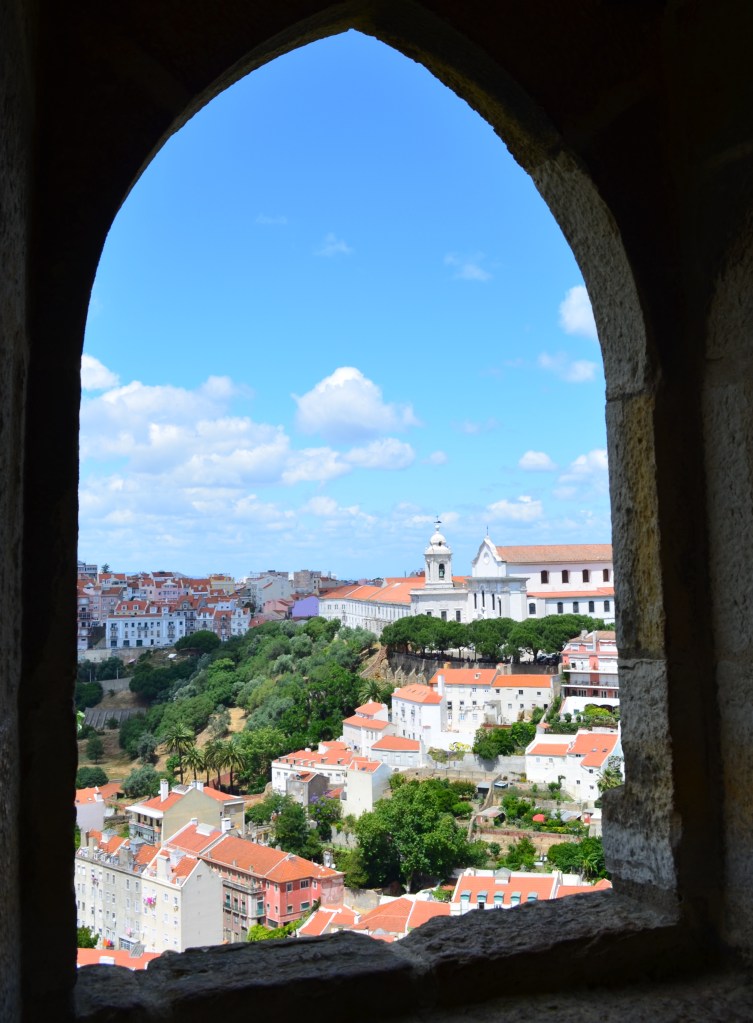
Dominating the skyline from atop one of Lisbon’s seven hills, São Jorge Castle offers both a great lesson for history lovers and some of the best panoramic views of the city and the Tagus River. Originally built by the Moors in the 11th century, the castle later became a royal palace and played a key role in defending the city. Today, you can wander its fortified walls, explore archaeological ruins, and enjoy stunning vistas from its towers—especially magical at sunset. Make sure to book the tickets in advance and check the opening hours directly on the official website here.
Lisbon Cathedral (Sé de Lisboa)
The Lisbon Cathedral, or Sé, is the city’s oldest surviving building, dating back to 1147 when it was built atop the ruins of a former mosque following the Christian reconquest of Lisbon. Its formidable Romanesque façade gives way to a fascinating interior that reveals layers of Gothic, Baroque, and even Moorish influences. With its soaring nave, cloister ruins, and treasury of religious artifacts, the cathedral stands as a testament to Lisbon’s evolving spiritual and architectural heritage. You can visit the Cathedral from Monday to Saturday between 10.00AM to 6.00PM but you must buy the tickets on site. It’s not possible to book in advance online unfortunately. The ticket price includes the ascent to the High Choir, a visit to the Museum of the Treasury of the Cathedral, and a walk along the naves of the church.
Elevador de Santa Justa
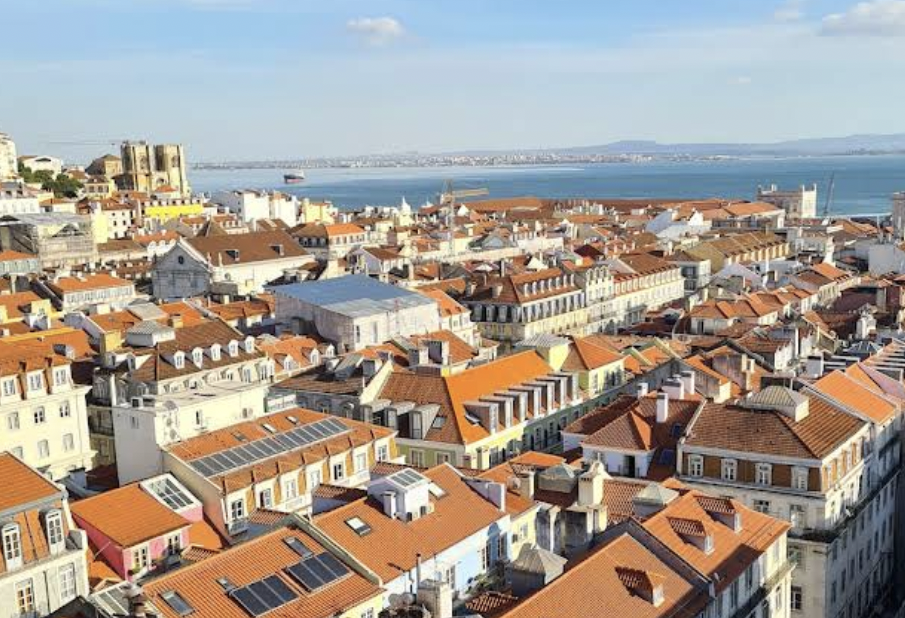
This elegant iron elevator rises in the heart of Lisbon’s downtown, linking the lower streets of Baixa with the higher Bairro Alto district. Built in 1902 and designed by Raoul Mesnier de Ponsard, a student of Gustave Eiffel, the structure is a marvel of industrial-era engineering and design. The ascent takes 3 minutes and from the rooftop terrace you will enjoy panoramic views over the city, castle, and river. It’s both a practical mode of transport and a unique historical attraction. The elevator is part of the city’s public transport. You can buy different kind of tickets (single use, 24h, multiple rides). If you stay at least for a weekend, I advice you to buy Lisboa Cards here.
Time Out Market Lisboa
A modern culinary landmark housed in the historic Mercado da Ribeira, Time Out Market is a vibrant gastronomic hall that curates the best of Lisbon’s food and drink scene. Under one expansive roof, you’ll find offerings from top chefs, innovative food startups, and beloved local eateries. Whether you’re craving a gourmet twist on traditional bacalhau, a glass of fine Portuguese wine, or global street food, this market is a paradise for food lovers. Communal tables and a lively atmosphere make it a great place to mingle with locals and fellow travelers.
Hidden Gems in Lisbon
You can hire a guide in Lisbon but you can also visit the city on your own and wandering around, discovering new places is really a great experience. The city is full of hidden gems, less famous and generally not popular among the organized tours. The local and international friendly vibes will surely contribute positively to your experience. Let’s see couple of places off the beaten tourist track.
LX Factory
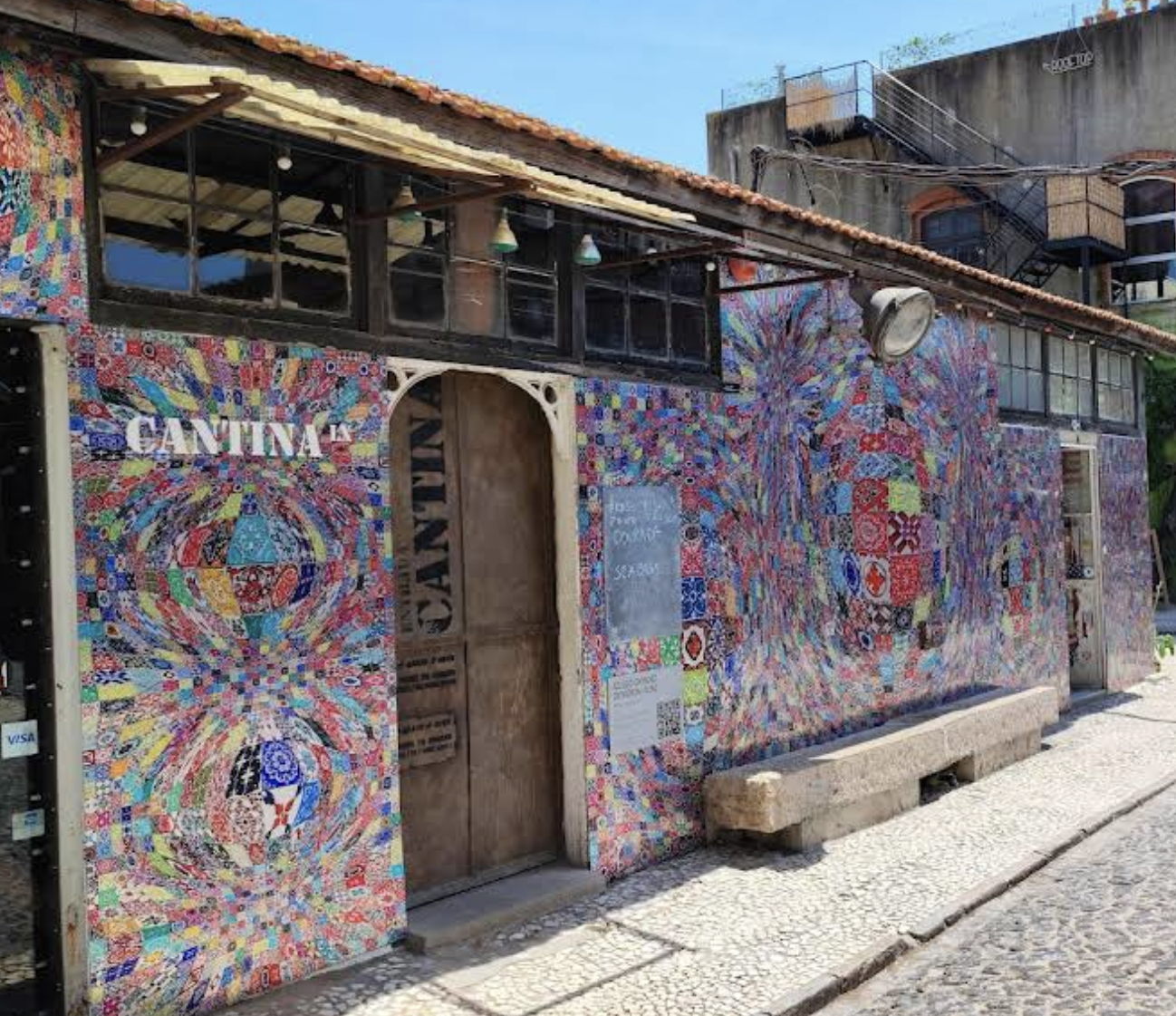
Located beneath the iconic 25 de Abril Bridge, LX Factory is a former 19th-century industrial complex turned into creative district that pulses with innovation and energy. What was once a textile and printing facility now buzzes with life, featuring street art, independent boutiques, creative studios, co-working spaces, and an eclectic mix of cafés and restaurants. It’s a go-to destination for Lisbon’s trendsetters and curious travelers. A highlight is Ler Devagar (“Read Slowly”), a sprawling bookstore set in a former printing press, where books soar toward the ceiling and art installations dangle from above. It’s a haven for bibliophiles and design lovers. Reserve at least one full afternoon for the visit of LX Factory. Really worth it.
Estufa Fria (Cold Greenhouse)
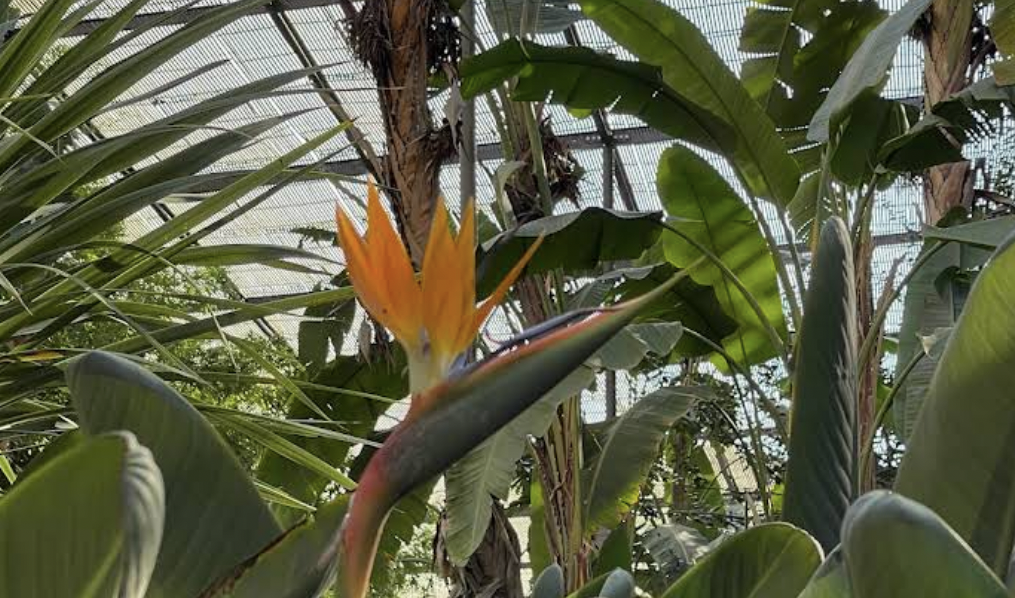
Hidden within the heart of Eduardo VII Park, Estufa Fria is a lush botanical oasis that offers a refreshing escape from the urban bustle. Spread across three interconnected greenhouses—Estufa Fria (Cold House), Estufa Quente (Hot House), and Estufa Doce (Sweet House)—the garden showcases a diverse collection of exotic plants, including ferns, tropical palms, succulents, and flowering species from around the world. Cascading waterfalls, serene ponds, and shaded walkways create a peaceful, almost magical atmosphere ideal for a quiet afternoon stroll or contemplative break.
Museu Nacional do Azulejo (National Tile Museum)
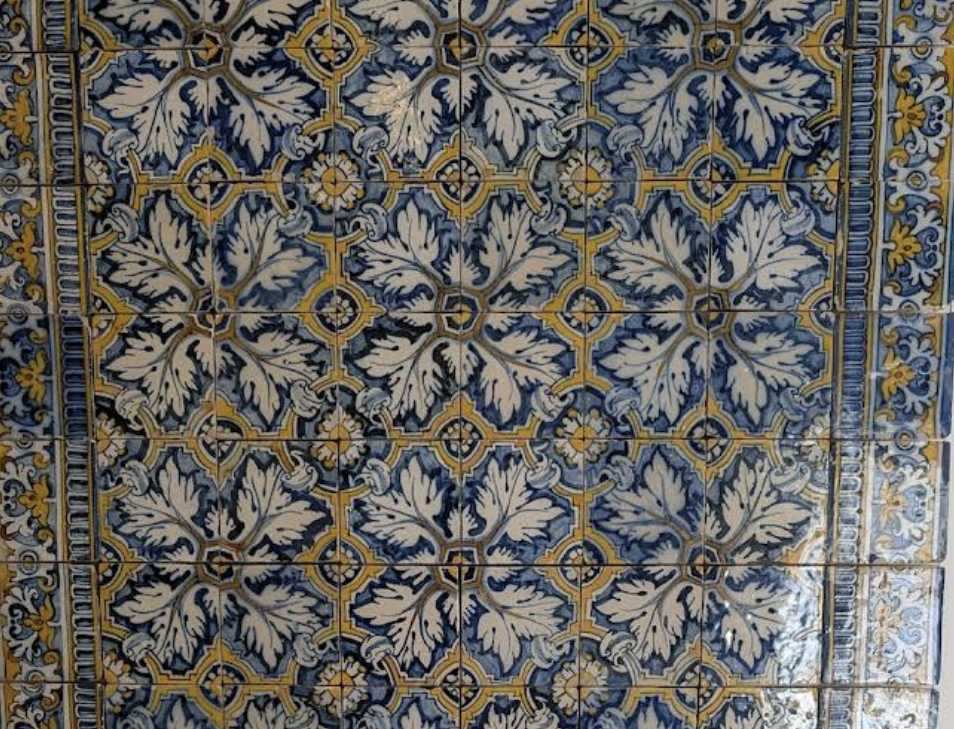
Housed in the 16th-century Convent of Madre de Deus, the National Tile Museum offers a fascinating journey through one of Portugal’s most iconic art forms: azulejos (decorative ceramic tiles). The museum chronicles the history of tilework from its Moorish roots through the Renaissance and Baroque periods to contemporary expressions. Its crown jewel is a massive 23-meter-long blue-and-white panel depicting Lisbon before the 1755 earthquake. Beyond the tiles themselves, the building’s gilded chapel, cloisters, and architectural details are masterpieces in their own right. You can visit the museum from Tuesday to Sunday between 10.00AM and 6.00PM, check the visiting hours and buy your tickets online on the official website here.
Palácio dos Marqueses de Fronteira (Fronteira Palace)
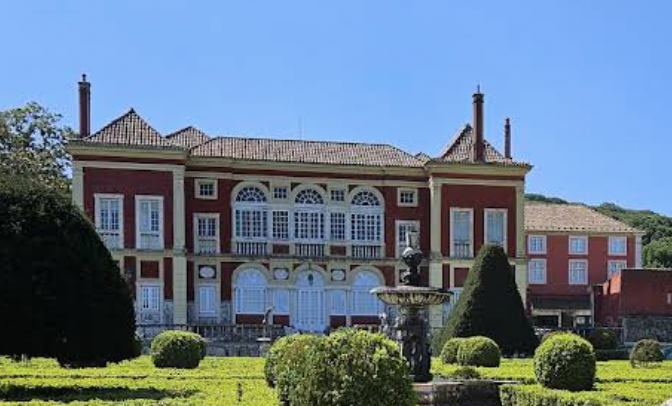
Tucked away in Lisbon’s Benfica district, this 17th-century palace is one of the city’s most enchanting hidden gems. Still partially inhabited by the Fronteira family, the palace is best known for its richly detailed azulejo panels, which depict historical scenes and allegories with stunning craftsmanship. The meticulously maintained formal gardens feature geometric layouts, statuary, fountains, and even a gallery of busts of Portuguese kings. Guided tours are the only way to visit the palace and the gardens. Professional guides provide insight into the palace’s aristocratic history, its impressive collection of furniture, artwork, and its unique blend of Baroque and Mannerist architecture. You can choose the right tour (available in different languages) and book it online on the official website here.
Miradouro da Senhora do Monte
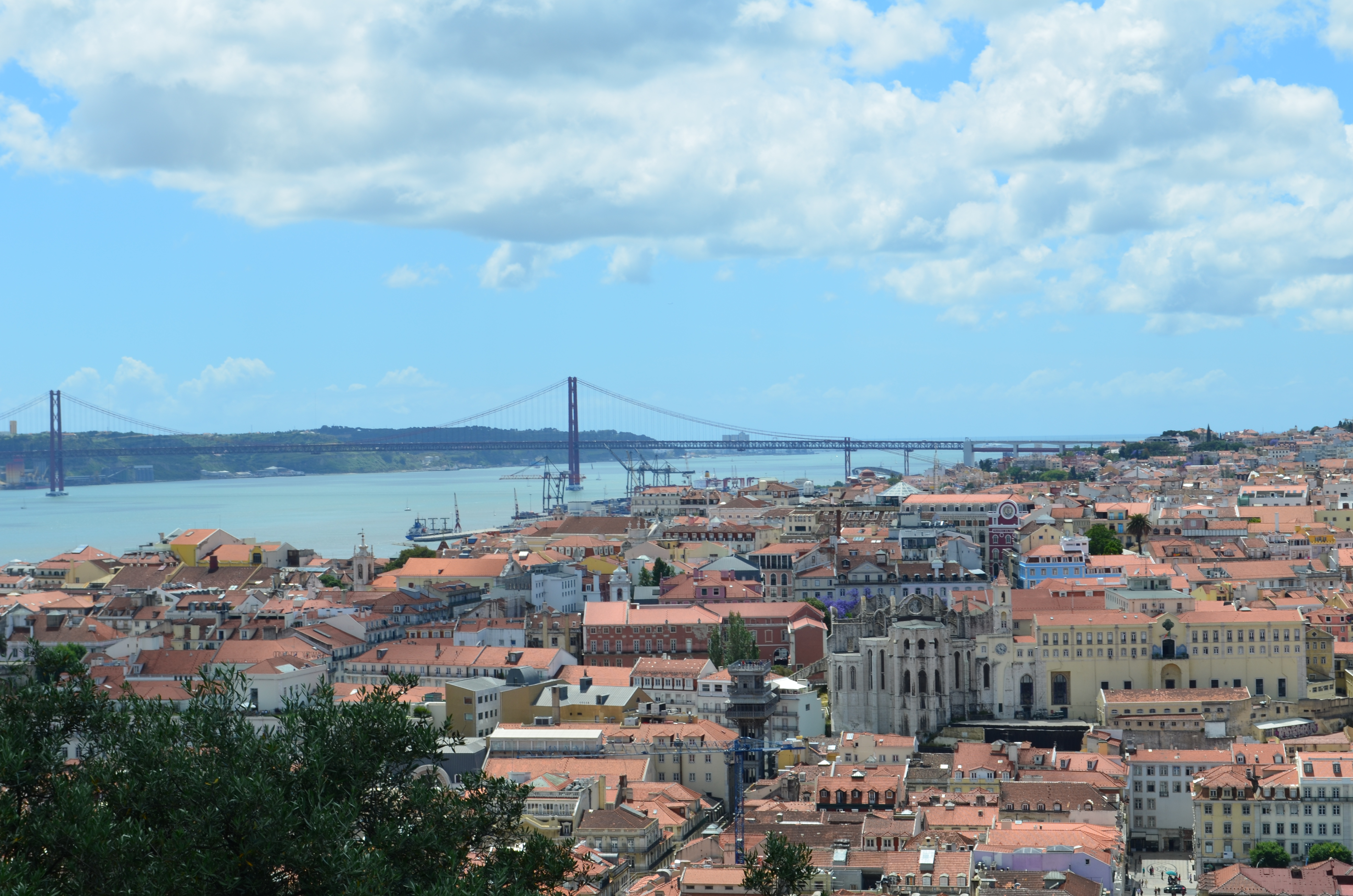
Perched high above the Graça neighborhood, this scenic viewpoint is still considered a secret spot. Miradouro da Senhora do Monte (Our Lady of the Hill) offers sweeping, unobstructed views over the city’s terracotta rooftops, São Jorge Castle, and the sparkling Tagus River. With fewer crowds than the popular Miradouro da Graça or Miradouro de Santa Catarina, it’s an ideal place to watch the sunset in peaceful environment or to share a quiet moment with fellow travelers. Miradouro can be easily reached by public transport (tram an bus) but you can also walk along the path from the nearby Miradouro da Graça – it takes approximately 10 minutes and it’s very scenic.
Nearby Beaches and Surf Spots
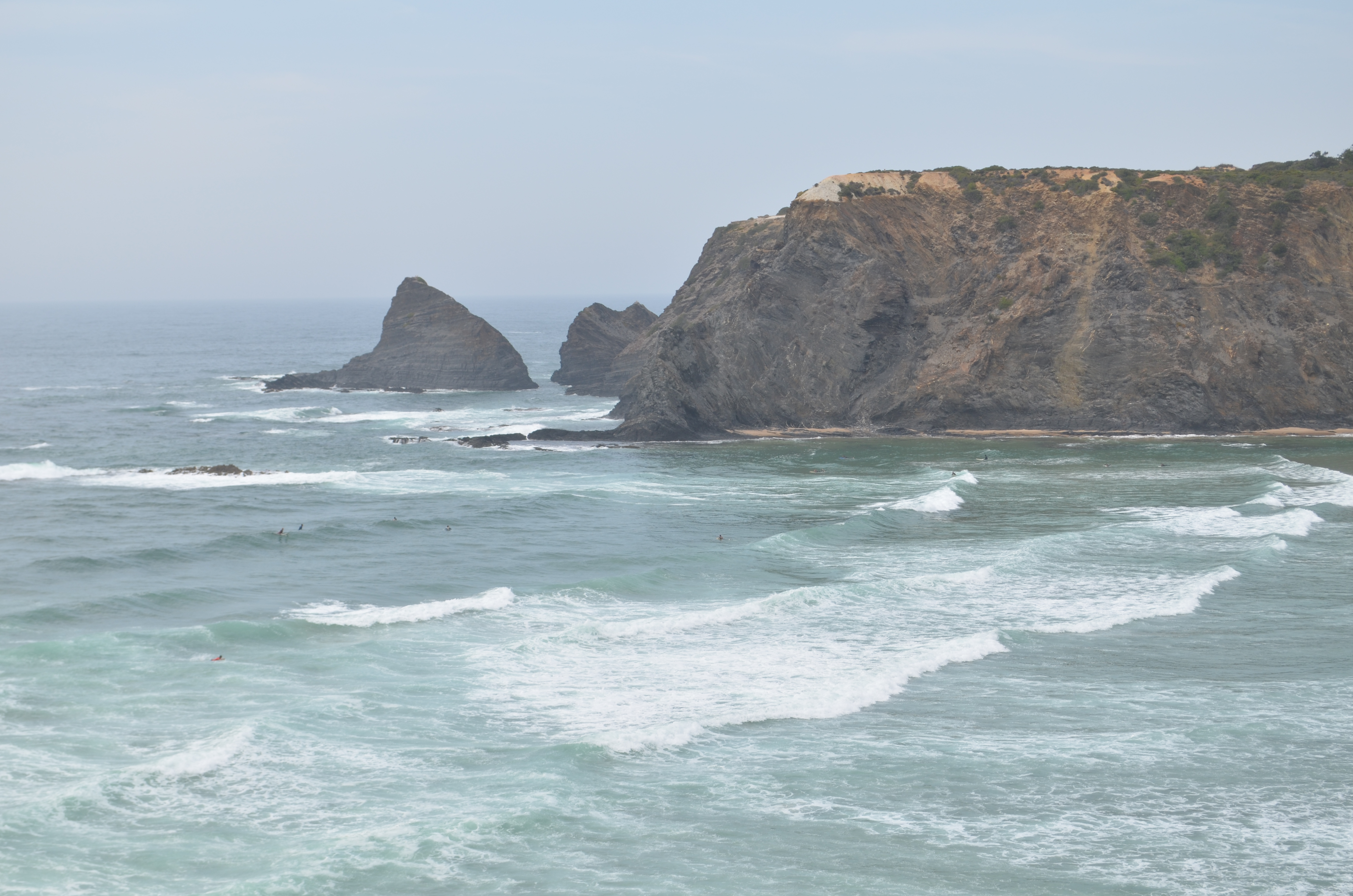
Lisbon’s proximity to the Atlantic Ocean means that world-class beaches and surf breaks are just a short train ride, drive, or bus journey away. It does not matter if you’re an advanced surfer chasing barrels or a beginner eager to stand on a board for the first time, Lisbon’s coastline has something to offer to everyone who loves the beach and water sports. Let’s explore the most iconic surf beaches near Lisbon!
Carcavelos Beach
Distance from Lisbon: ~20 minutes by train (Cascais Line from Cais do Sodré)
Best for: Beginners to intermediate surfers, social scene, easy access
Wave Type: Beach break
Carcavelos is the quintessential “city beach”—buzzing, accessible, and consistent. Located between Lisbon and Cascais, this wide, sandy beach is one of the most popular surf spots in the Lisbon metropolitan area, especially for those who want to catch waves before or after a workday in the city.
Why is it great?
- Consistent surf all year round, ideal for beginner and intermediate surfers
- Numerous surf schools and rental shops
- Lively atmosphere with cafés, beach bars, and a youthful vibe
- Lifeguards during peak months (June to September)
- Easily reachable via public transport (no car needed!)
When to go: Autumn and winter for more challenging waves; spring and summer for gentler swells. Avoid weekends if you can as it can get crowded.
Costa da Caparica
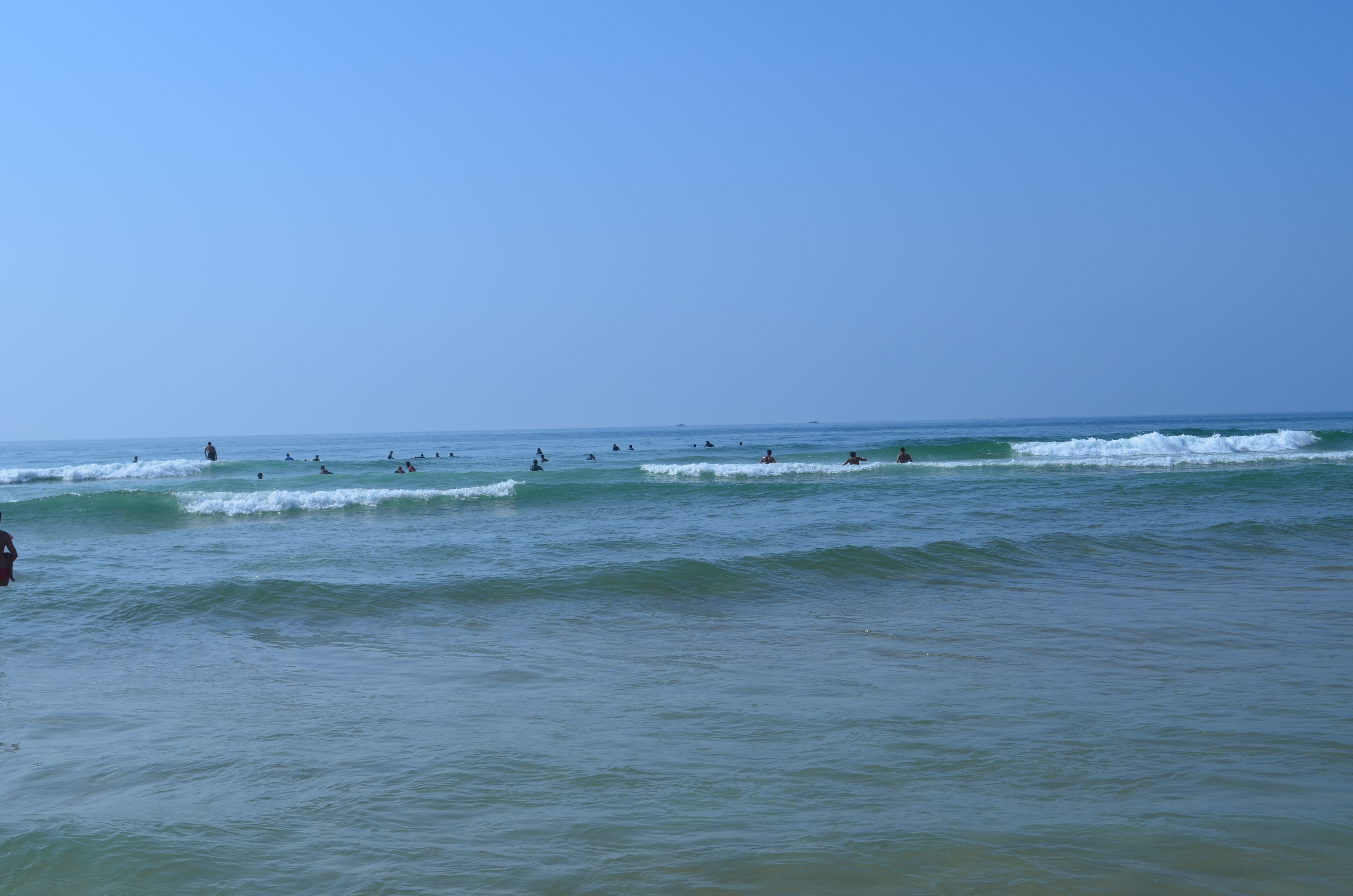
Distance from Lisbon: ~25–40 minutes by car, 1h by bus number 3710
Best for: All levels, long beach days, digital nomads, local surf culture
Wave Type: Beach break with multiple peaks
Costa da Caparica is a 15-kilometer-long stretch of golden sand that offers a beach for every mood—from beginner-friendly breaks to more powerful swells. The coastline is dotted with dozens of surf spots, each offering a slightly different experience.
Why is it great?
- Plenty of space to spread out, even during high season
- Growing digital nomad and surf community
- Trendy beach bars like Irmão, Borda d’Água, and Dr. Bernard
- Affordable accommodation, co-living spaces, and cafés ideal for remote workers
- Plenty of surf schools and surf shops open every day
- Proximity of Praia da Rainha or Praia do Tarquínio-Paraiso, both offer fewer crowds and reliable waves.
Guincho Beach
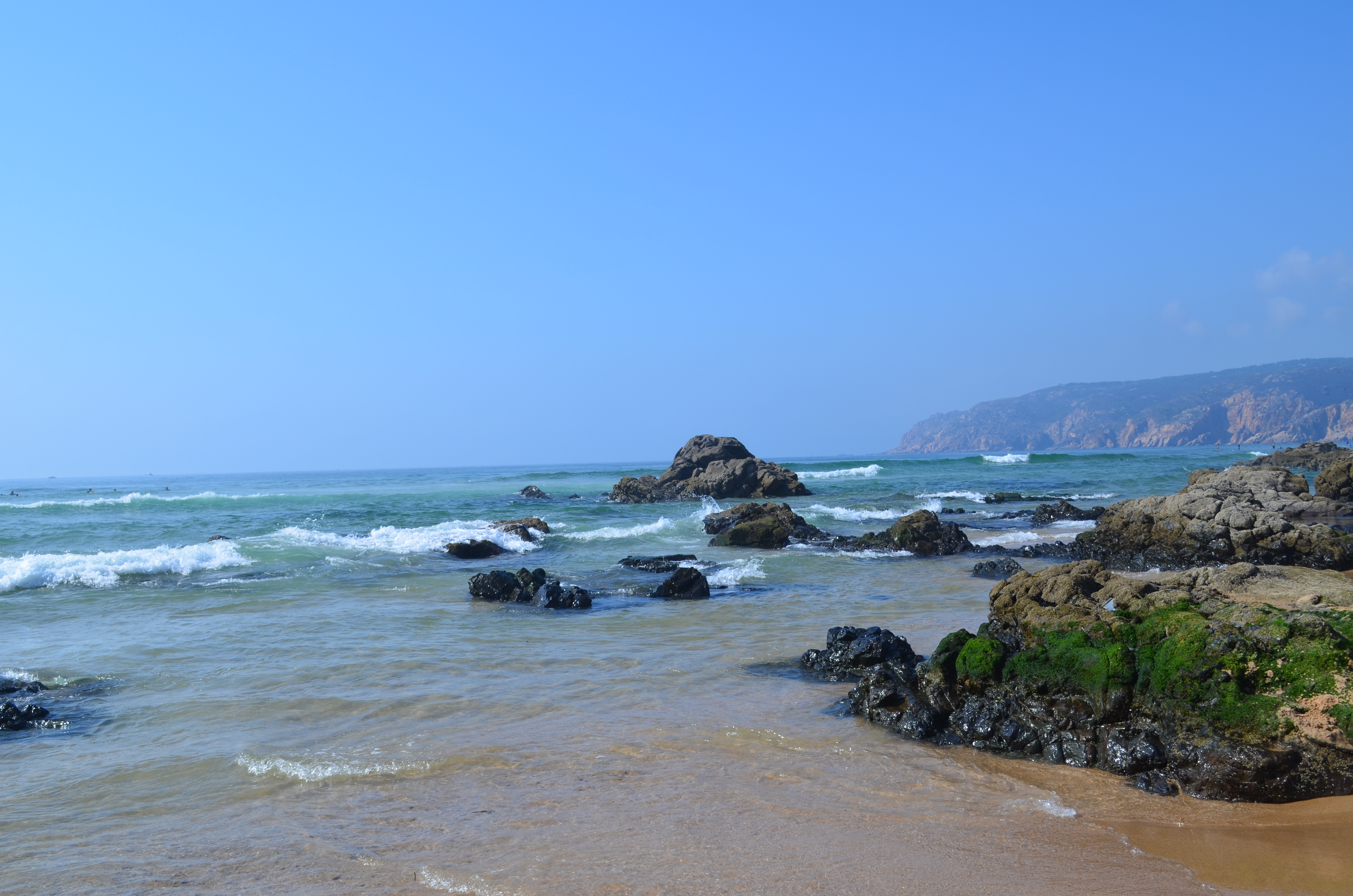
Distance from Lisbon: ~40 minutes by car (near Cascais)
Best for: Intermediate and experienced surfers, windsurfers, photographers
Wave Type: Powerful beach break with wind exposure
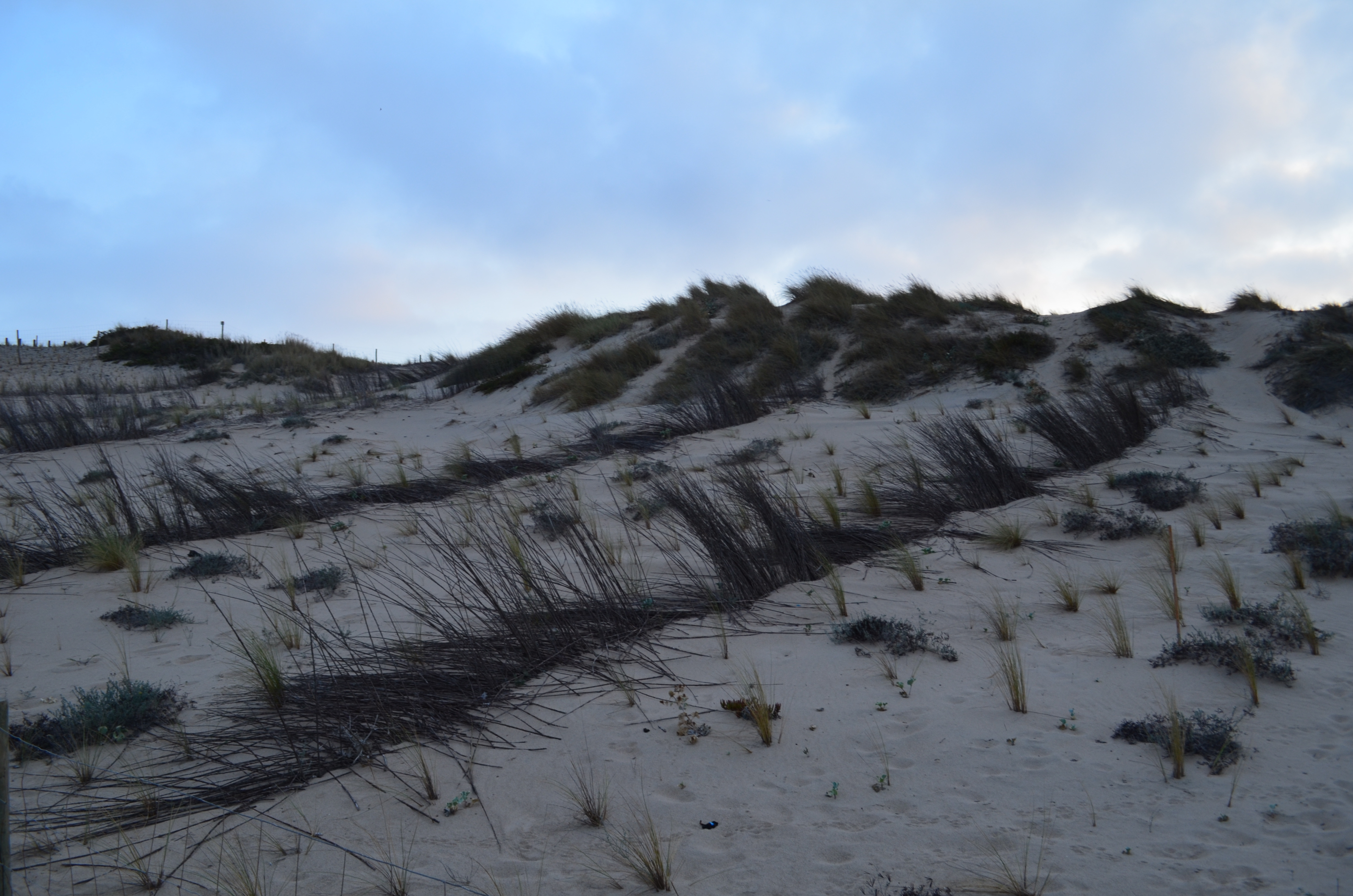
Guincho is a striking, wild beach located just north of Cascais in the Sintra-Cascais Natural Park. It’s surrounded by cliffs and rolling dunes, making it one of Portugal’s most scenic and raw coastal spots.
Why is it great?
- Strong swells and offshore winds, ideal for confident surfers
- Popular with kitesurfers and windsurfers
- Less commercial than other Lisbon-area beaches—feels remote and wild
- Stunning sunset views and scenic photo ops
- Backed by dunes, hiking trails, and a natural park ideal for combining many outdoor adventures
Praia Grande
Distance from Lisbon: ~50 minutes by car (Sintra region)
Best for: Intermediate to advanced surfers
Wave Type: Powerful beach break, sometimes heavy
Hidden in the Sintra-Cascais Natural Park, Praia Grande (literally “Big Beach”) lives up to its name. It offers long, strong waves and is a favorite among serious surfers. It also hosts international surfing and bodyboarding competitions throughout the year.
Why is it great?
- Reliable swell and strong, long-period waves
- A more local, authentic vibe—fewer tourists than Carcavelos or Caparica
- Good infrastructure with nearby parking, a surf school, and seaside restaurants
- Close to Sintra, making it perfect for combining a surf day with palace exploration
- The cliffs that border Praia Grande house dinosaur footprints embedded in ancient stone—great for a post-surf walk and some natural history.
Ericeira – The Surf Capital of Portugal
Distance from Lisbon: ~1 hour by car or bus number 2803
Best for: All skill levels, serious surfers, surf camps and co-living
Wave Type: A mix of reef, point, and beach breaks
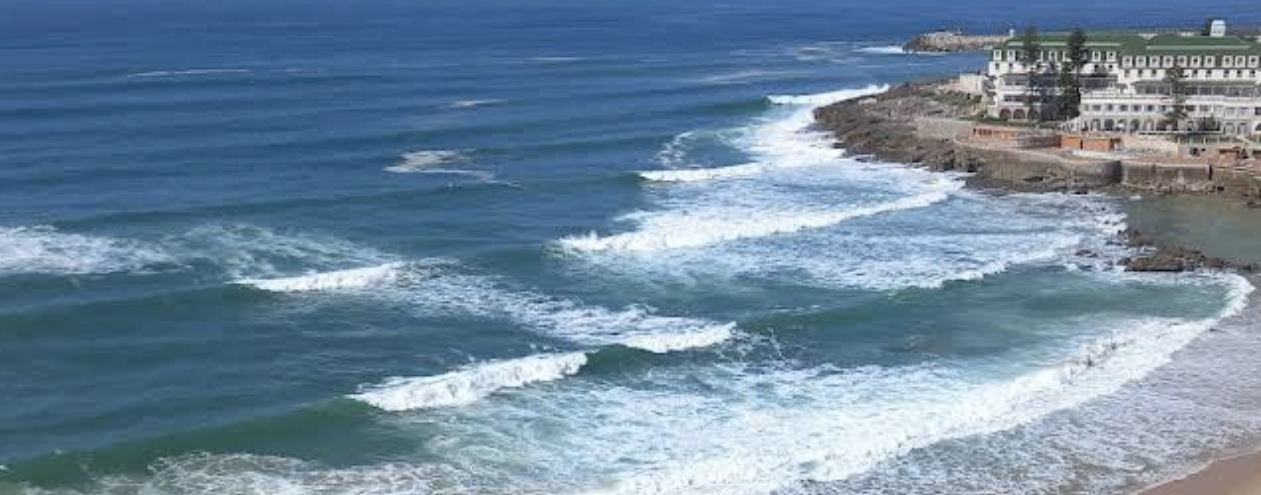
No list of surf destinations near Lisbon is complete without mentioning Ericeira—one of the world’s only official World Surfing Reserves. This picturesque fishing town turned surf haven offers an impressive range of waves for all levels, backed by a charming old town and a thriving international surf scene.
Why is it great?
- Iconic surf spots like:
- Ribeira d’Ilhas – long right-hand point break, great for intermediates
- Coxos – hollow and fast, for advanced surfers only
- Foz do Lizandro – beach break ideal for beginners
- Dozens of surf camps, schools, and coliving communities
- Healthy, international food scene with smoothie bars and vegan cafes
- Relaxed, bohemian vibe with great nightlife and weekly surf meetups
Insider tip: Rent a scooter or car if you want to surf multiple spots—most are within a 10-minute drive of each other but not walkable.
This blog would not be complete without a dedicated post to Ericeira’s surfing scene. Stay tuned, it’s coming up!
Catching Waves Near Lisbon
Let’s have a little recap on the surfing spots near Lisbon. The great thing of Lisbon is that you can surf in the morning and be back in the city in time for dinner overlooking the Tagus River. If you are a beginner standing on your board for the first time, Carcavelos and Costa da Caparica are your places. Experienced surfers cannot miss Ericeira and Guincho.
Here’s a quick comparison to help you pick the right beach:
| Beach | Skill Level | Distance from Lisbon | Vibe | Best For |
|---|---|---|---|---|
| Carcavelos | Beginner–Intermediate | 20 mins (train) | Urban, lively | Easy access, surf schools |
| Costa da Caparica | All levels | 25–40 mins (car/bus) | Laid-back, nomadic | Variety of breaks, long beach days |
| Guincho | Advanced | 40 mins (car) | Wild, natural | Powerful surf, kitesurfing |
| Praia Grande | Intermediate+ | 50 mins (car) | Local, rugged | Long waves, nature |
| Ericeira | All levels | 1 hour (car/bus) | Surf town, international | Surf camps, world-class breaks |
Practical Tips for your Visit in Lisbon
Transportation
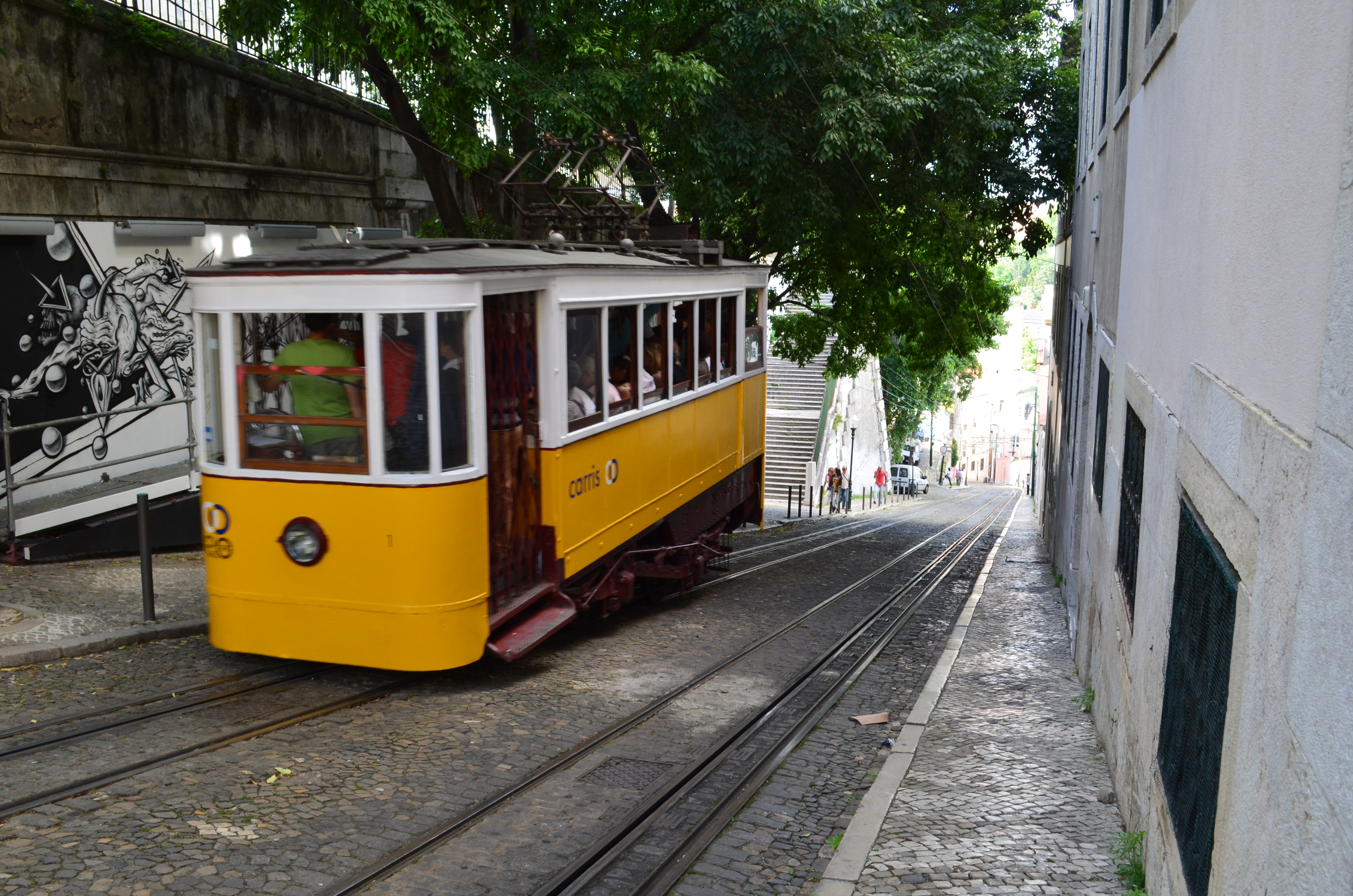
Lisbon’s public transport includes trams, buses, trains and the subway. Busses and trams are operated by Carris and serves entire city included hills and coastal areas like Caparica. Subway is operated my metropolitano de Lisboa. It features 4 lines and is the fastest way to move around the city. Traines are operated by Comboios de Portugal and are great way to travel to nearby cities like Sintra or Cascais. I advice you to purchase a Viva Viagem card for convenient travel and Lisboa Card for multiple discounts. You can find all the information on types of tickets, itineraries and prices on the navegante website here. Remember that you can also hop on board of busses and trams and pay by credit card.
Accomodation
As any other big city, Lisbon offers multiple solution for any budget and traveling style. From exclusive 5 stars hotels to youth friendly co-living spaces. You can find perfect solution inside the city of near the beach.
Safety and Best Time to Visit
Lisbon is generally safe, but always be cautious of pickpockets, especially in crowded areas and on public transport.
Spring (March to June) and autumn (September to October) offer pleasant weather and fewer crowds. Summer months can be hot and crowded but it’s still worth to book a seaside accommodation and enjoy the city.
 Nomadlytics
Leave a comment