
What Is the Portugal Digital Nomad Visa?
Portugal has become one of the top destinations for remote workers and digital nomads—thanks to its mild climate, affordable living costs, high quality of life, and welcoming expat community.
To accommodate this growing trend, Portugal launched a Digital Nomad Visa in October 2022, making it easier for non-EU/EEA nationals to live and work remotely from Portugal.
There are two main visa pathways for remote workers:
✅ Remote Work Visa (D8 Visa – Digital Nomad Visa)
Specifically designed for remote workers employed outside of Portugal or freelancers working with international clients.
✅ D7 Visa (Passive Income Visa)
Initially aimed at retirees or those with passive income, it’s often used by remote workers or freelancers who don’t meet the stricter requirements of the Digital Nomad Visa.
This guide will focus primarily on the Digital Nomad Visa (D8) but also touch on the D7 where relevant.
Why Is the Digital Nomad Visa Convenient?
Portugal’s Digital Nomad Visa offers a range of benefits that make relocating smooth and secure:
- Legal Residency
You obtain temporary residency, allowing you to legally live and work from Portugal, with the option to apply for permanent residency or even Portuguese citizenship after five years.
- Freedom of Movement in Schengen Area
Holders of D8 Visa can travel freely within Schengen Zone countries for up to 90 days out of every 180.
- Affordable Living and Great Quality of Life
Portugal is significantly cheaper than other Western European countries. You enjoy access to great healthcare, a laid-back lifestyle, and a diverse geography (beaches, mountains, cities).
- Tax Advantages
Many digital nomads apply for the NHR (Non-Habitual Resident) Tax Regime, which offers tax benefits such as:
- 10% flat rate on foreign pensions
- Possible tax exemptions on foreign income
- Flat 20% tax on income from high-value-added professions
How Long Does the Visa Last?
- Temporary Visa (Short Stay): 1 year
- Residence Permit (Long Stay): valid for 2 years, renewable for 3 more years
- After 5 years, you may apply for permanent residency or Portuguese citizenship, provided you meet language and legal requirements.
Requirements for Portugal’s Digital Nomad Visa
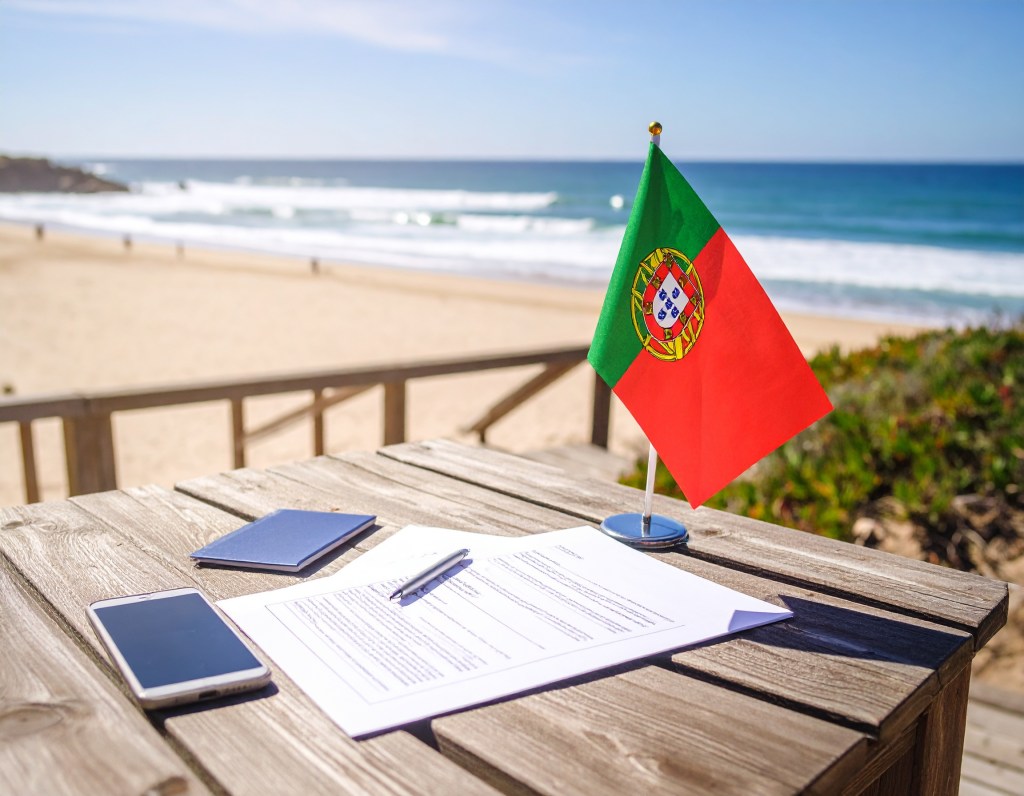
To qualify for the Digital Nomad Visa (D8), you must meet a series of criteria:
1. General Requirements
- Non-EU/EEA/Swiss citizen
- Work remotely for a foreign company or have clients outside Portugal
- No criminal record
- Valid passport
- Health insurance with coverage in Portugal
2. Income Requirements
You must earn at least 4 times the Portuguese minimum wage.
In 2025, that equals:
- €820/month x 4 = €3,280/month (net income)
- Proof via contracts, payslips, or bank statements over the past 3 months
For dependents, you’ll need additional income:
- +50% for a spouse (€1,640/month)
- +30% per dependent child (€984/month)
Application Process: Step-by-Step Guide
Check the website of the Portoguese Foreign Ministry for all the neccessary details about Visa application and immigration policies here.
You can apply in two ways:
- At a Portuguese consulate in your home country
- Or enter Portugal on a tourist visa and apply from within the country
Documents Checklist
Here’s what you’ll need to prepare:
🔹 Personal Documents:
- Passport (valid for at least 6 months)
- Two passport-sized photos
- Criminal background check (from your home country + countries where you lived in the past year)
- Proof of health insurance
- Portuguese NIF (tax number) – can be obtained via a fiscal representative or lawyer which I recommend.
🔹 Proof of Remote Work:
- Employment contract or freelancer agreements
- Statement from your employer/client confirming remote work status
- Income proof (bank statements, pay stubs)
🔹 Accommodation:
- Rental contract, hotel booking, or invitation letter from host in Portugal
🔹 Application Form:
- Filled National Visa Application Form (available for download on the website of Ministry of Foreign Affairs here)
Step-by-Step Process
STEP 1: Gather Documents
Prepare translations in Portuguese and notarize key documents.
STEP 2: Apply at Portuguese Consulate
- Book an appointment at the consulate in your home country
- Submit application + biometrics
- Pay visa fee (€90)
STEP 3: Receive Visa (Temporary Stay)
- Processing time: 30–60 days
- You’ll get a 4-month visa to enter Portugal and finalize residency and a letter explaining the procedure to follow at SEF (see below)
STEP 4: Schedule SEF Appointment in Portugal
Once in Portugal, book your appointment with SEF (Serviço de Estrangeiros e Fronteiras) to apply for the residence permit.
STEP 5: Attend SEF Interview
Bring your documents and be aware that biometrics will be taken again.
STEP 6: Receive Residence Card
You’ll be granted a 2-year residence permit, renewable afterward.
Should I hire a lawyer for the immigration process?

This is the question asked by many expats all over Europe. It’s true that Portugal has a relatively easy bureaucratic system and you surely can file the documents in the local consulate and then finish the practice ate the SEF office. Most of the SEF employees speak English so no problem with the communication. However, if you decide to sign up with an attorney, you will save lots of time. It cost 300-400 EUR and you will just have to sign the power of attorney and provide all the necessary documents. The rest will be done by the lawyer.
How to Transition to Permanent Residency or Citizenship
After 5 years of legal residency, you can apply for:
- Permanent residency, or
- Portuguese citizenship (requires A2 Portuguese language proficiency and no significant criminal record)
You must have spent a minimum number of days in Portugal each year (usually 183 days/year or proof that your primary home is here).
Portugal’s Growing Digital Nomad Community
Portugal is now considered one of Europe’s top destinations for digital nomads. Let’s see some of the key statistics:
- Over 200,000 registered expats live in Portugal (SEF 2023)
- Among them, an estimated 15,000–20,000 are digital nomads
- In 2023 alone, nearly 3,000 applications were submitted under the new digital nomad visa route
- Digital nomads came mainly from: United States, United Kingdom, Brazil, Canada, Germany (EU country therefore no need for a visa), South Africa

Common Jobs Among Digital Nomads:
- Software developers and UX designers
- Marketing consultants and SEO specialists
- Freelance writers and content creators
- Coaches, therapists, and online educators
- eCommerce and remote entrepreneurs
Best Places to Live as a Digital Nomad in Portugal
Portugal offers a wide variety of settings for digital nomads—from important urban centers to coastal hideaways and island retreats. While Lisbon and Porto remain top choices, an increasing number of remote workers are discovering new hubs throughout the country where the quality of life is high, internet is fast, and inspiration flows freely. Let’s have a closer ook at Portugal’s most nomad-friendly cities and towns:
Lisbon – The Dynamic Capital
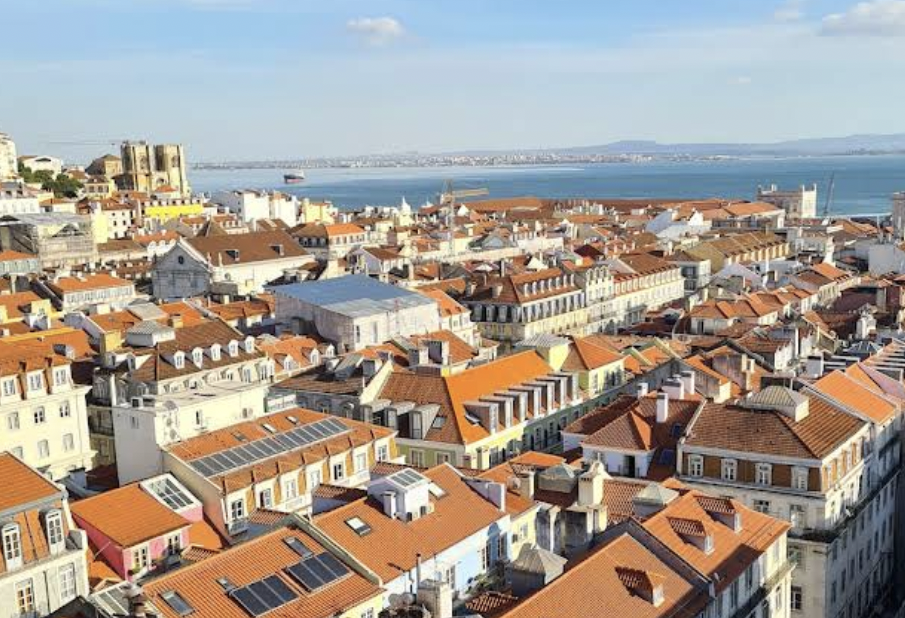
Lisbon is the beating heart of Portugal’s digital nomad scene. With its pastel-colored buildings, tiled sidewalks, tram-lined streets, and seven hills overlooking the Tagus River, the capital offers a great combination of antique charm and modern startup energy.
Why it’s great for nomads:
- Abundant coworking spaces: check places like Second Home or IDEA Spaces
- Fast, reliable internet and mobile coverage
- Great nightlife, live music, cultural events
- English widely spoken
- A well-connected international airport
- Plenty of professional events for startups and digital nomads
Neighborhoods to consider:
- Príncipe Real or Campo de Ourique for trendy, upscale living
- Alfama or Mouraria for culture and character
- Cais do Sodré and Santos for nightlife and proximity to coworking hubs
Cost of living: Lisbon is Portugal’s most expensive city, but still more affordable than many major European capitals.
Porto – Creative, Cool, and More Affordable
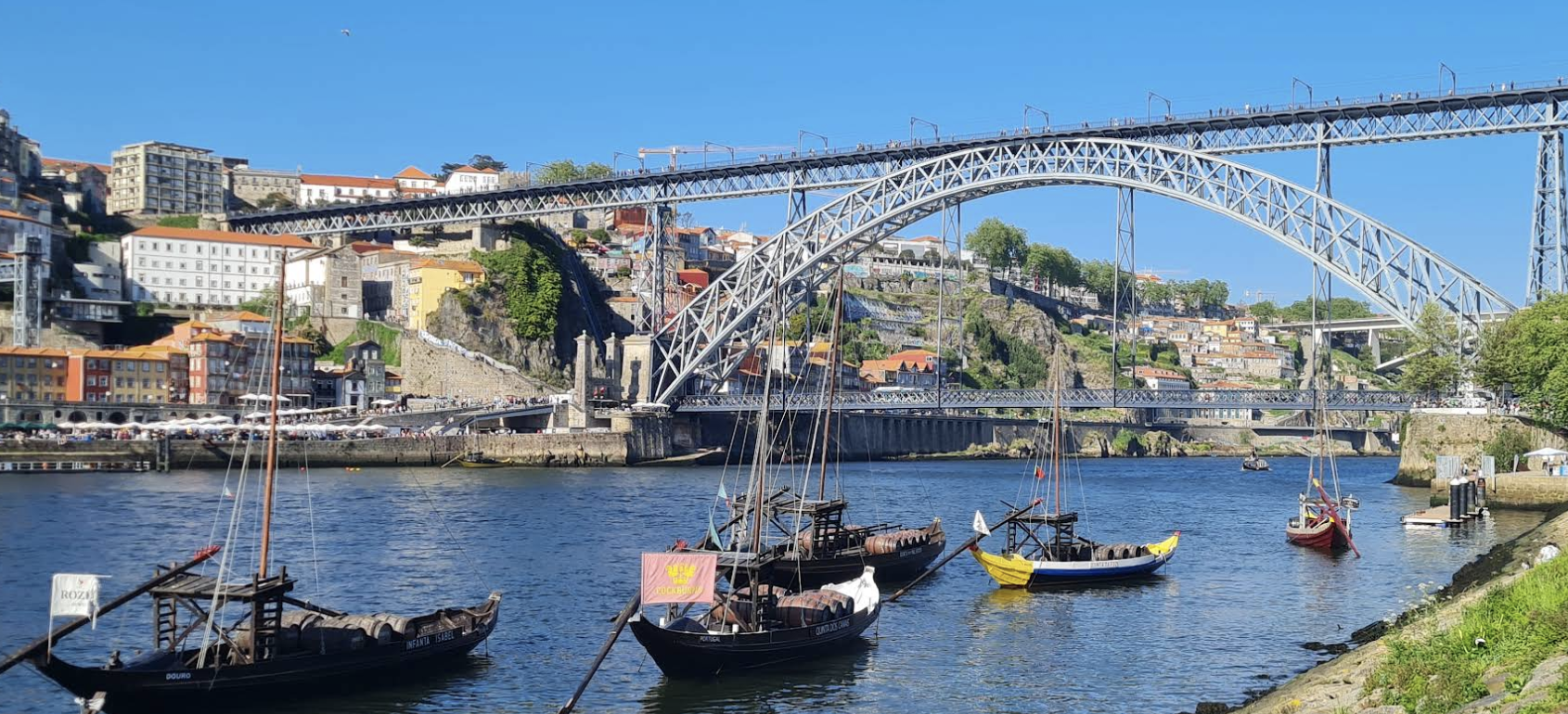
Portugal’s second-largest city, Porto is often described as Lisbon’s more artistic and laid-back sibling. With its baroque architecture, riverside cafés, and a growing tech scene, Porto is rapidly becoming a favorite place among freelancers, creatives and artists.
Highlights for remote workers:
- Lower cost of living than Lisbon
- A flourishing startup ecosystem and coworking options like Porto i/o and Typographia
- World-renowned food and wine (especially Port wine!)
- Excellent public transport and easy day trips (Douro Valley, Braga, Aveiro)
Best areas to live:
- Cedofeita – artsy and student-friendly
- Foz do Douro – beachside living
- Bonfim – emerging hip neighborhood with cool cafes and galleries
Ericeira – Portugal’s Surf & Startup Town
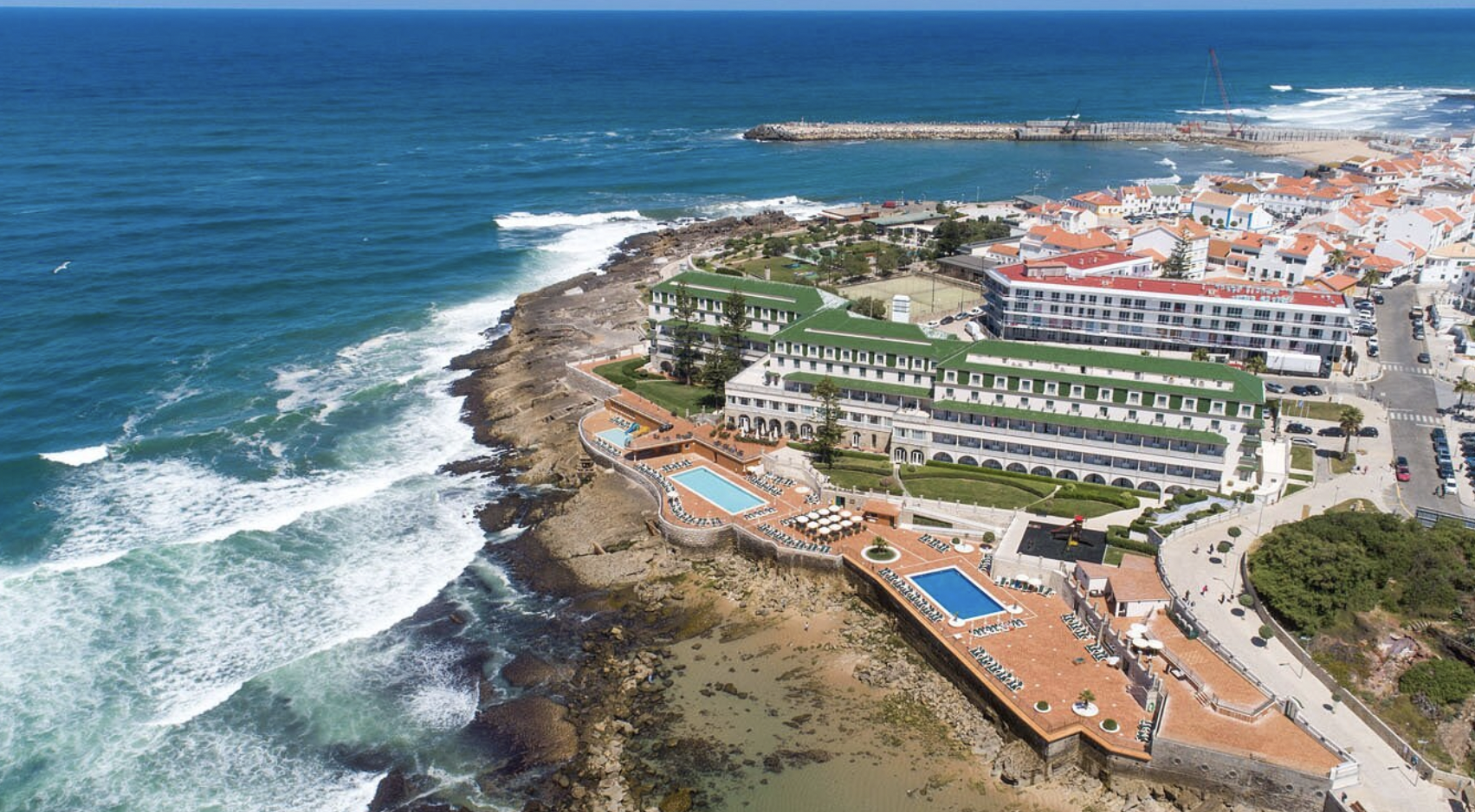
This charming fishing village north of Lisbon is a surfing mecca and an emerging tech hotspot. Ericeira was one of Europe’s first towns to embrace the digital nomad lifestyle, and its balance of community, creativity, and coast makes it a top destination for those who want to combine remote work and beach time.
What makes Ericeira unique:
- Designated World Surf Reserve
- Tight-knit expat and nomad community
- Regular meetups, pop-up coworking spots (like Selina), and co-living options
- Excellent food (especially seafood) and a relaxed pace of life
Downside: Public transport is limited—many nomads rent cars or scooters.
Lagos (Algarve) – Laid-Back, Sunny Paradise

Situated in the southern Algarve region, Lagos is known for its golden beaches, sea caves, and easygoing atmosphere. Personally I prefer other parts of Algarve. Lagos is very international but it’s also very touristy. It offers over 300 days of sun a year and an expat-friendly environment.
Ideal for:
- Digital nomads who want to balance work and leisure
- Beach lovers and outdoor enthusiasts
- Wellness practitioners (yoga, retreats, surfing)
Perks:
- Budget-friendly housing (especially in winter months)
- Co-working spaces like Lagos Digital Nomads and Coworksurf
- Great hiking and water sports
Best months: April to June and September to November (peak summer is packed with tourists).
Madeira Island – The Nomad Island
Located in the Atlantic Ocean, Madeira has quickly become a global remote work hotspot, thanks to the Portuguese government’s “Digital Nomad Village” project in Ponta do Sol.
Why Madeira stands out:
- Year-round spring-like climate
- Dramatic landscapes: mountains, cliffs, and forests
- Organized digital nomad infrastructure: events, co-living, and networking
- Funchal (the capital) has co-working spaces and solid internet
- Community focus: The Nomad Village initiative helps solo nomads instantly integrate into a social and professional network.
- Madeira feels remote, but Funchal airport offers regular flights to Lisbon and other EU cities.
Peniche & Nazaré – Creative, Coastal, and Underrated (for now)

These two surf-centric towns on Portugal’s Silver Coast are becoming rising stars among digital nomads, especially those seeking peace, affordability, natural beauty and of course good waves. Why these two towns can be a great place for digital nomads? Of course, they offer great surfing community and fast internet but there is more:
Peniche
- A laid-back fishing town turned into surf hub
- Home to Supertubos, one of the best surf breaks in Europe
- Inexpensive rentals and chilled vibe
- Growing co-working scene (like Baleal Surf Cowork)
- Still many possibilities for investment and development
- Close to Lisbon (~1.5 hours by car or a direct bus)
Nazaré
- Known for record-breaking giant waves and stunning cliffs
- Quieter than Ericeira or Lagos, but with an authentic Portuguese charm
- Ideal for digital creatives, writers, and deep workers seeking inspiration
- Perfect for international nomads seeking connection with the traditional Portuguese culture
Choosing the Right Base

When selecting where to live in Portugal as a digital nomad, consider:
- Your work style: Do you need organized co-working spaces, fast internet, or quiet and isolation?
- Your lifestyle preferences: Surf and sun? Culture and food? City or village?
- Your budget: Costs vary significantly between Lisbon and interior towns.
- Community: Some places have larger, more organized expat scenes than others. Smaller villages are still very attached to the local traditions and inhabitants don’t always speak English.
If you want to discover more about various places in Portugal, check some of my posts about this fantastic country here.
Digital Nomads Frequently Ask These Questions:
Can I bring my family?
Yes. Spouses and dependent children can apply as accompanying family with your application. However, your income must be high enough to meet the visa requirements.
Do I need to pay taxes in Portugal?
If you stay more than 183 days/year, you are considered a tax resident and you are eligible for the NHR tax regime.
Can I work for Portuguese companies?
No. The D8 visa is strictly for remote work with foreign entities or clients. To work in Portugal, you’d need a different work visa. You can be freelancer, with the registered portugese license but serving foreign clients.
What if I lose my job?
You must notify SEF and show you still meet income requirements, either through savings, freelance work, or new contracts.
Why Choose Portugal for Remote Work?
With sunshine nearly year-round, world-class infrastructure, safety, affordability, and vibrant expat communities, Portugal checks every box for remote workers. The Digital Nomad Visa makes it easier than ever to settle legally and securely—whether for a year or a lifetime. From the surf of Ericeira to the charm of Coimbra, from Lisbon’s tech hubs to the slow rhythm of Alentejo—Portugal is not just a destination, it’s a lifestyle upgrade. Check my post about different Portugese regions here.
 Nomadlytics
Leave a comment