

Nazaré – the little fishing village 120 km North of Lisbon. Before it became a surfing destination, it was a tiny village from which most of the people were emigrating. Now at the heart of Nazaré’s surfing fame is Praia do Norte (North Beach) – a beach break like no other. Thanks to a rare undersea geological phenomenon — the Nazaré Canyon — waves here grow to unimaginable heights. This underwater rift, one of the largest in Europe, funnels and magnifies ocean swells, transforming them into monstrous waves that have shattered world records and inspired awe across the globe. Surfers from around the world flock here for one reason: to ride giants.
Nazaré is worth to visit also if you are not a big wave surfer, even if you don’t surf at all. Let’s discover together why and let’s start with riding the waves or watching those who dare to surf the giants.
What Makes Nazaré Special for Surfing?
- Consistent Big Swells
Especially between October and March, massive Atlantic storms generate enormous waves that are channeled by the canyon straight into Praia do Norte. - The Nazaré Canyon
This 5-kilometer-deep underwater trench acts like a natural amplifier, creating wave faces of up to 100 feet. - Tow-in Surfing Culture
Due to the sheer size and power of the waves, many of the top surfers use jet skis to be towed in — making for a unique high-octane surf scene.
But Nazaré isn’t just for daredevils. The southern beach, Praia da Nazaré, offers gentler conditions in summer, making it ideal for beginner surfers or those looking to enjoy the water without risking their lives. In fact Nazaré is a very popular destination for family beach holidays. In August thousands of Portuguese spend their holidays here, in this small surfing village.
From Fishing Village to Surf Capital
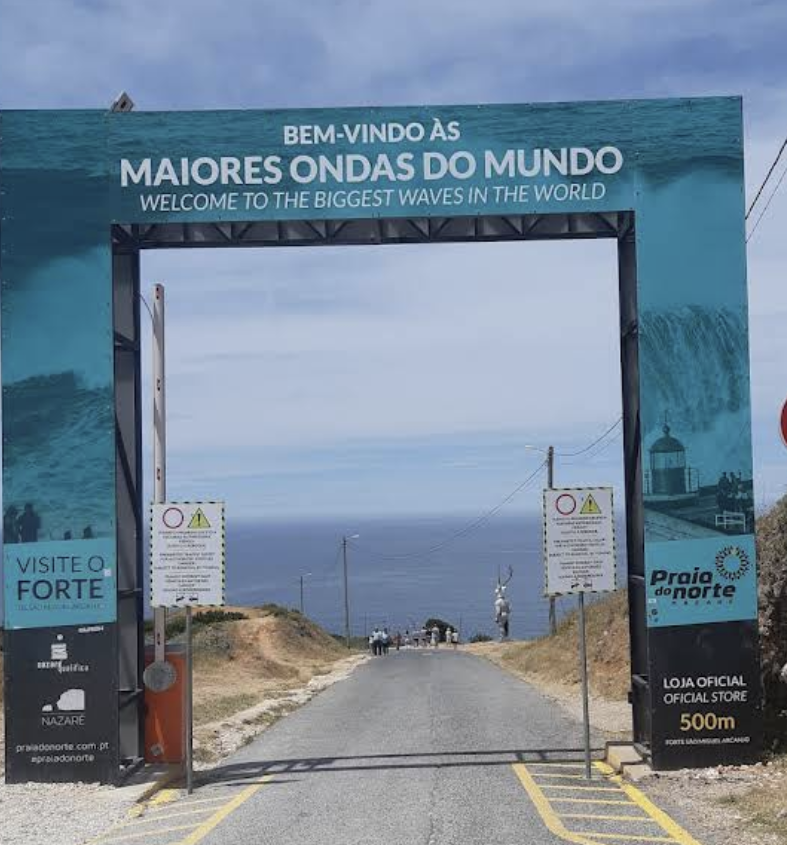
Long before surfboards arrived, Nazaré was known for its deep fishing roots. The name “Nazaré” comes from a wooden statue of the Virgin Mary brought from Nazareth, in Palestine (today Territory of Israel), in the 4th century. This gave the village religious significance and drew pilgrims for centuries.
For most of its modern history, Nazaré was a modest, tight-knit fishing community. Men went to sea while women ran the households, sold dried fish on the beach, and maintained colorful traditions — such as wearing the seven skirts, said to represent the seven days of the week or the seven virtues.
The arrival of surfing didn’t erase this heritage; instead, it added an exciting new layer to Nazaré’s identity.
The Coexistence of Locals & Surfers
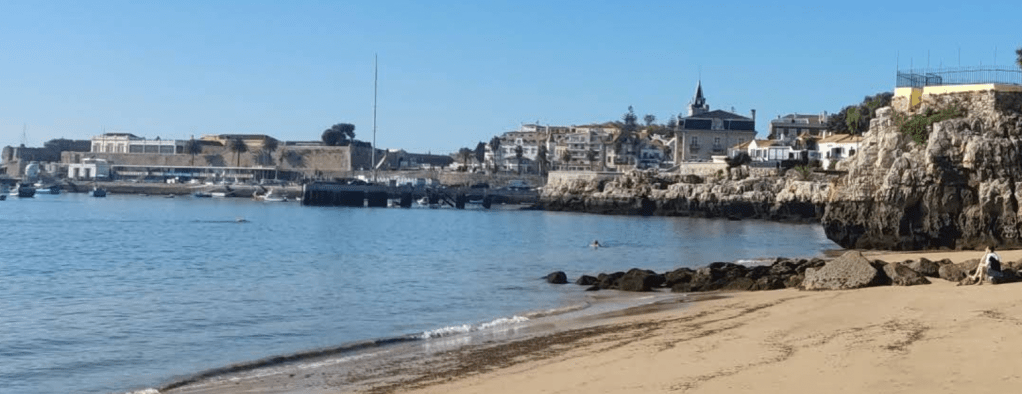
The relationship between locals and the surf community is one of mutual respect and curiosity. When international surfers began arriving in the early 2010s to chase record-breaking waves, Nazaré’s residents watched in a mix of disbelief and admiration. It wasn’t long before a new kind of pride grew in the town — not just in their heritage, but in their waves.
Many surfers, photographers, and big-wave chasers now live seasonally in Nazaré, forming a part of the community during the winter surf season. Some have even made it their permanent home. The town’s infrastructure has adapted: cafés now cater to surfers, guesthouses offer board storage, and local guides run surf-related tours and safety training.
The impact of surfing is also economic — providing new income through tourism, media, and events like the Nazaré Tow Surfing Challenge.
Despite the influx of global attention, the locals have preserved their way of life. You’ll still see traditional markets, families mending fishing nets, and women selling fish along the sea promenade. There’s a symbiotic harmony in Nazaré — one where modern thrill meets time-honored tradition.
The Biggest Wave Ever Surfed in Nazaré
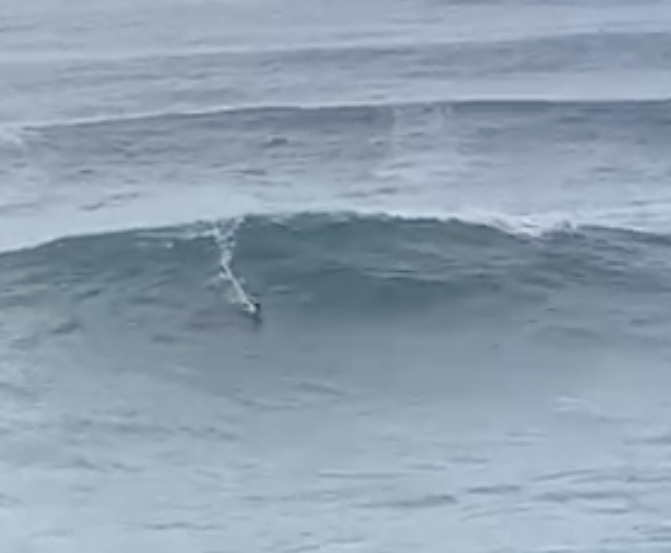
On January 8, 2013, Brazilian surfer Carlos Burle rode what was, at the time, believed to be a record-breaking wave estimated at nearly 100 feet. But Nazaré wasn’t done yet.
The official Guinness World Record for the biggest wave ever surfed currently belongs to Sebastian Steudtner, a German surfer who rode a 26.21-meter (86-foot) wave at Nazaré on October 29, 2020. This mind-blowing feat was made possible by tow-in assistance, jet skis, and a team of safety personnel — highlighting the extreme nature of big-wave surfing here.
Each season, waves of 20–30 meters crash into the cliffs of Nazaré, drawing spectators and cameras from around the world. Watching these leviathans rise from the ocean and collapse in thunderous spray is an unforgettable sight — even if you never touch a surfboard.
More than surfing
While Nazaré is now famous for its surf, there’s plenty to explore for non-surfers and families too:
Sitio da Nazaré
Reach this historic cliff-top village by taking the scenic funicular from the beachfront below. As you ascend, stunning views of the Atlantic Ocean unfold. Once at the top, wander through cobbled streets and soak in sweeping panoramas from the viewpoints. Visit the Sanctuary of Our Lady of Nazaré, an important pilgrimage site that houses a revered statue of the Virgin Mary said to have miraculous origins. This area offers some of the best photo opportunities in Nazaré, with amazing cliffs, the golden beach far below, and the vast Atlantic stretching into the horizon.
Forte de São Miguel Arcanjo
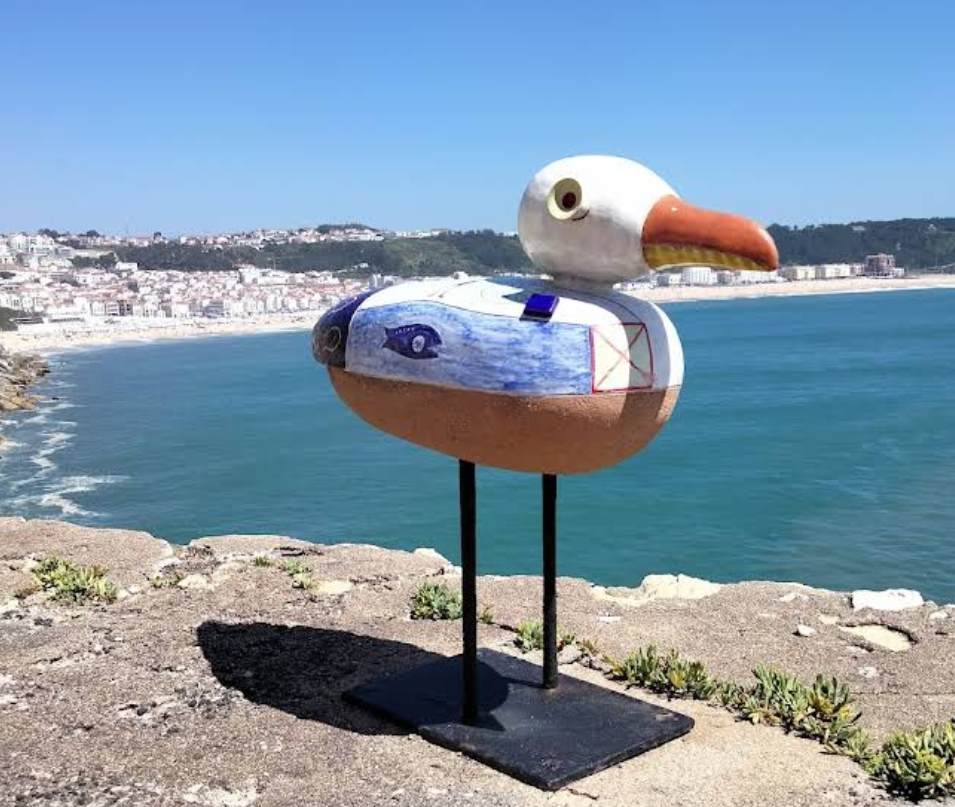
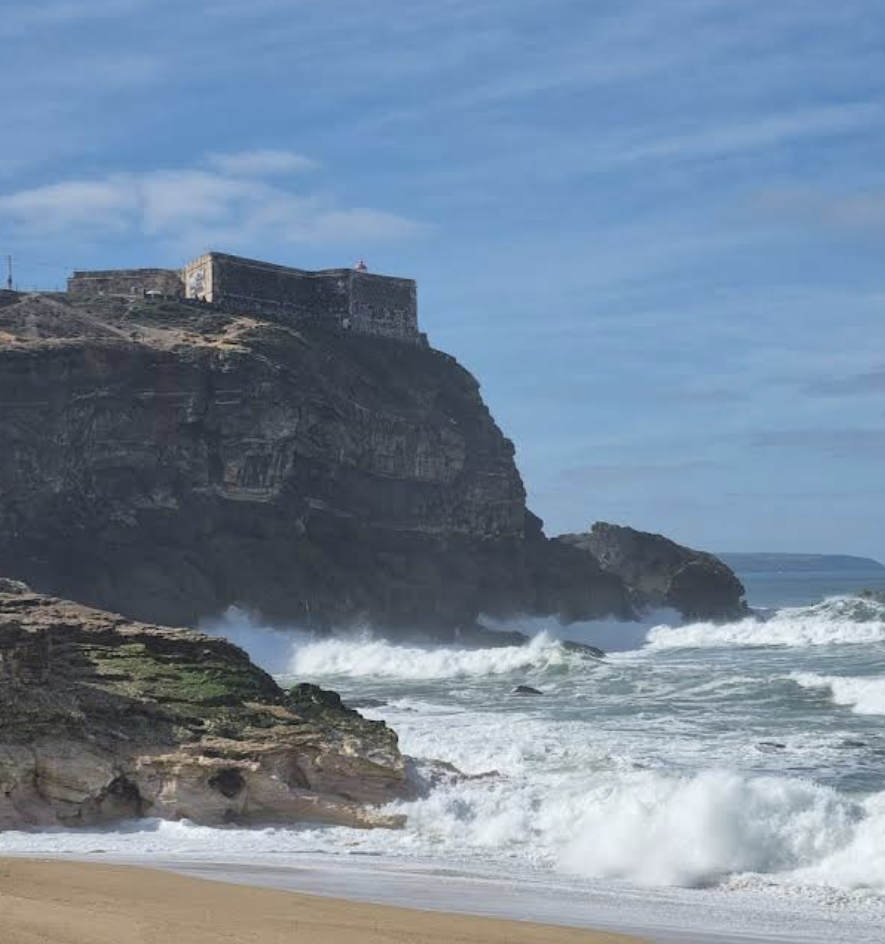
Perched defiantly on the edge of the cliff above Praia do Norte, this small 17th-century fort has become a beacon for surf enthusiasts. Inside, you’ll find the Nazaré Surf Museum, featuring exhibits on the town’s big wave surfing legacy, photos of record-breaking rides, and tributes to legendary surfers who’ve challenged these colossal waves. Climb to the rooftop terrace for a front-row seat to one of the most thrilling natural spectacles in the world—massive swells crashing below as surfers ride walls of water reaching up to 100 feet.
Traditional Fish Drying Racks
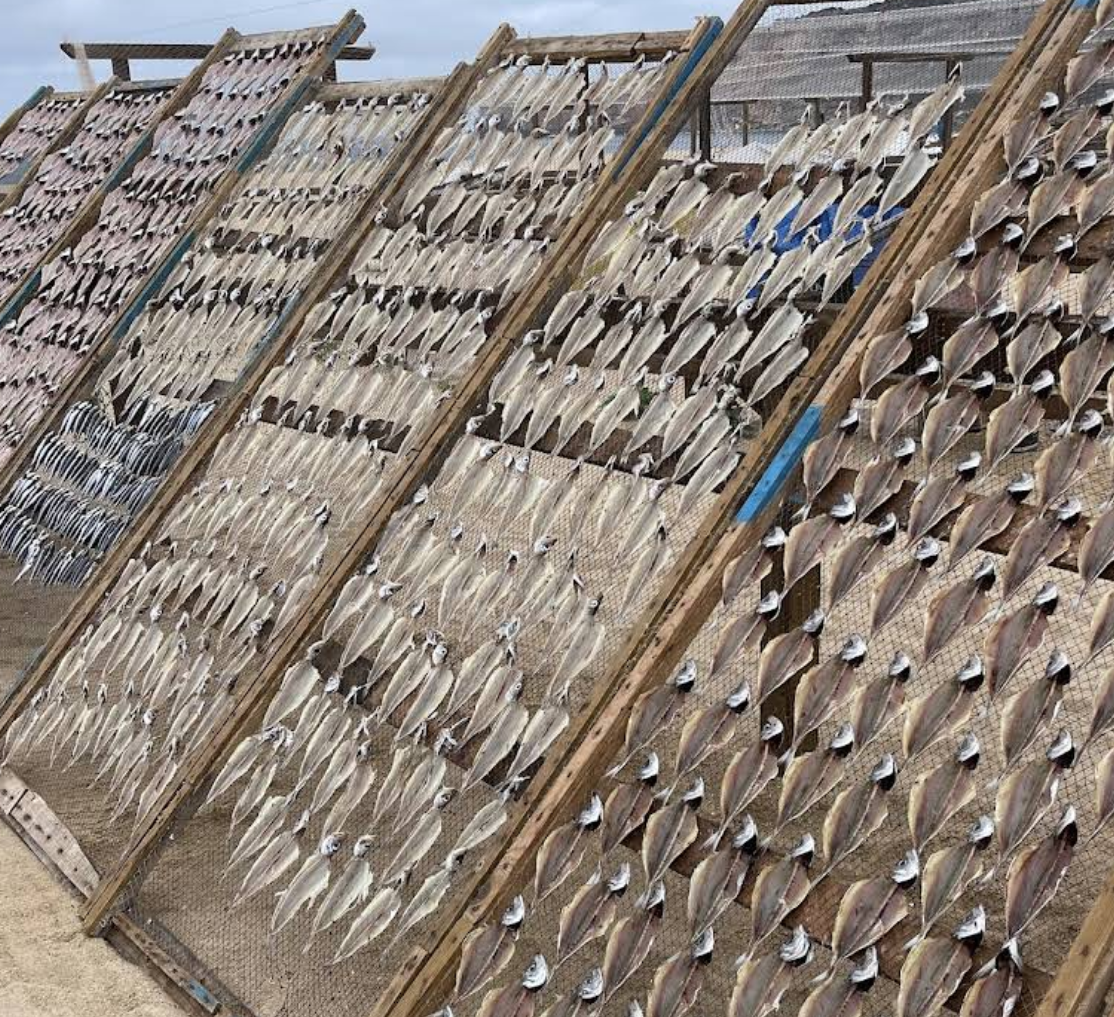
Along the sandy expanse of Praia da Nazaré, you’ll encounter rows of wooden racks where fish—typically mackerel or sardines—are laid out to dry under the sun. This time-honored tradition is still practiced by local women wearing the distinctive Nazaré costume of seven layered skirts. It’s a living cultural display that connects visitors with the town’s strong fishing heritage. You can stop and chat with the women although not many of them speak English so start learning some Portuguese. Why not buying some dried local fish as a salty, authentic snack?
Local Cuisine
Nazaré’s culinary offerings are a feast for the senses, especially if you love seafood. Indulge in caldeirada, a rich, aromatic fish stew brimming with fresh catch and local spices. Grilled sardines are a staple, often enjoyed with boiled potatoes and a splash of olive oil. But the real standout is the town’s beloved octopus—whether stewed, grilled, or served with rice, it’s a must-try delicacy. For the best experience, dine at a seafront restaurant as the sun sets and the scent of the sea mingles with sizzling garlic and fresh herbs.
Sunsets at the Lighthouse
The lighthouse near the fort becomes a magical spot as day turns to dusk. During big wave season (typically October to March), the sight of the sun dipping below the ocean while massive waves thunder against the cliffs is absolutely spellbinding. Photographers, surfers, and travelers alike gather here to witness nature’s raw beauty in one of its most cinematic moments. Bring a jacket, a camera, and a sense of awe.
Why Nazaré Is Worth the Journey
Nazaré isn’t just a surf destination — it’s a place where nature humbles, where culture endures, and where community adapts. It offers a rare balance: adrenaline-pumping spectacle for thrill-seekers, rich traditions for culture lovers, and warm hospitality for everyone in between.
Whether you come to surf, to watch, or to simply breathe in the Atlantic air, Nazaré is the kind of place that leaves a deep impression. It reminds you of the power of the ocean, the resilience of people, and the beauty that emerges when old worlds meet new waves.
If you want to catch or watch the monster waves, visit between October and March. Even if you’re not riding them, you’ll never forget the sight of those towering Atlantic walls rolling in. If you prefer calmer ocean visit between April and September with August being the hottest month but also the most crowded one so make sure to book your accommodation in advance.
How to get there and Accommodation
Nazaré is over 120km North of Lisbon any it takes around 1.5h to drive there. Alternatively you can catch the bus from Lisbon’s Sete Rios station. The journey takes approximately 1 hour and 45 minutes, with tickets ranging from €2 to €16. Services are frequent and operate daily.
Nazaré offers a diverse range of accommodations to suit various preferences and budgets. Book in advance if you are planning to visit this little town in August. In the village you will find all sorts of guest rooms, hotels, holiday apartments. On the outskirts you will also be able to stay in campsites. The place is growing fast and more and more investment is being made into real estate. This means that surely there is a potential for development of tourism but at the same time let’s hope that it will not destroy the unique character of this fishing village.
 Nomadlytics
Leave a comment