

Alentejo is the region between Lisbon and the famous Algarve. For me it is the heart of southern Portugal. Alentejo enchants with its vast landscapes, rich history, and authentic charm. Often overshadowed by the bustling cities of Lisbon and Porto or the sun-soaked beaches of the Algarve, Alentejo offers a serene escape into a world where time seems to slow down. From its rolling vineyards and historic towns to its unspoiled coastline and surf-friendly beaches, Alentejo is an off the beaten track treasure waiting to be discovered. Ready?
Getting to Alentejo
Reaching Alentejo is straightforward, especially from Lisbon. The most convenient way is by car also because while driving you will be able to explore the region’s diverse landscapes at your own pace. The drive from Lisbon to Évora, one of Alentejo’s main cities, takes approximately 1.5 hours via the A2 and A6 highways.
For those preferring public transportation, regular buses and trains connect Lisbon to various towns in Alentejo, including Évora, Beja, and Portalegre. However, to truly experience the region’s rural charm and reach its more secluded spots, renting a car is highly recommended.
Exploring the Alentejo Wine Region
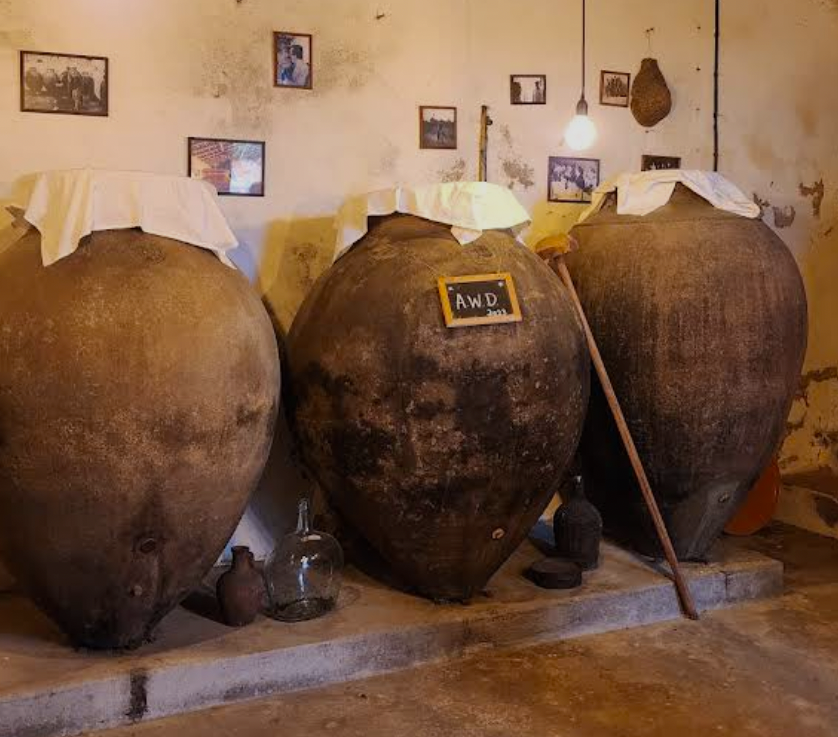
Alentejo is Portugal’s largest wine-producing region, covering over 30% of the country’s territory. The region is renowned for its rich red wines and increasingly popular whites, thanks to its unique climate and diverse soils.
Alentejo comprises eight subregions: Portalegre, Borba, Redondo, Évora, Reguengos, Granja-Amareleja, Vidigueira, and Moura. Each offers distinct terroirs and wine profiles. For instance, Portalegre, located in the north, benefits from the cooler microclimate of the Serra de São Mamede, producing wines with notable freshness and complexity.
The region’s red wines are typically intense and full-bodied, often made from grape varieties like Trincadeira, Aragonez, and Alicante Bouschet. These wines are known for their rich tannins and aromas of wild berries and red fruits. The white wines, on the other hand, are smooth and aromatic, featuring tropical fruit notes, and are commonly produced from Antão Vaz, Arinto, and Roupeiro grapes.
Wine Tourism in Alentejo
Alentejo, one of Portugal’s premier wine regions, is renowned for its sun-drenched plains, ancient vineyards, and a rich winemaking tradition that blends time-honored techniques with modern innovation. Visitors can experience everything from bold reds and refreshing whites to distinctive amphora-aged wines and innovative blends that reflect the character of the region.
The most scenic wine routes through some of Alentejo’s most iconic sub-regions:
Reguengos de Monsaraz – Known for full-bodied reds and striking landscapes, this area offers charming wineries and historic villages perched on hilltops.
Redondo – A picturesque town surrounded by vineyards and cork oak forests, where traditional wineries share space with modern cellars.
Vidigueira – Famous for its white wines and clay pot (talha) winemaking, rooted in Roman-era traditions that are still honored today.
Borba – One of the oldest wine-producing towns in Alentejo, home to both cooperatives and family-run estates known for their aromatic reds and mineral-driven whites.
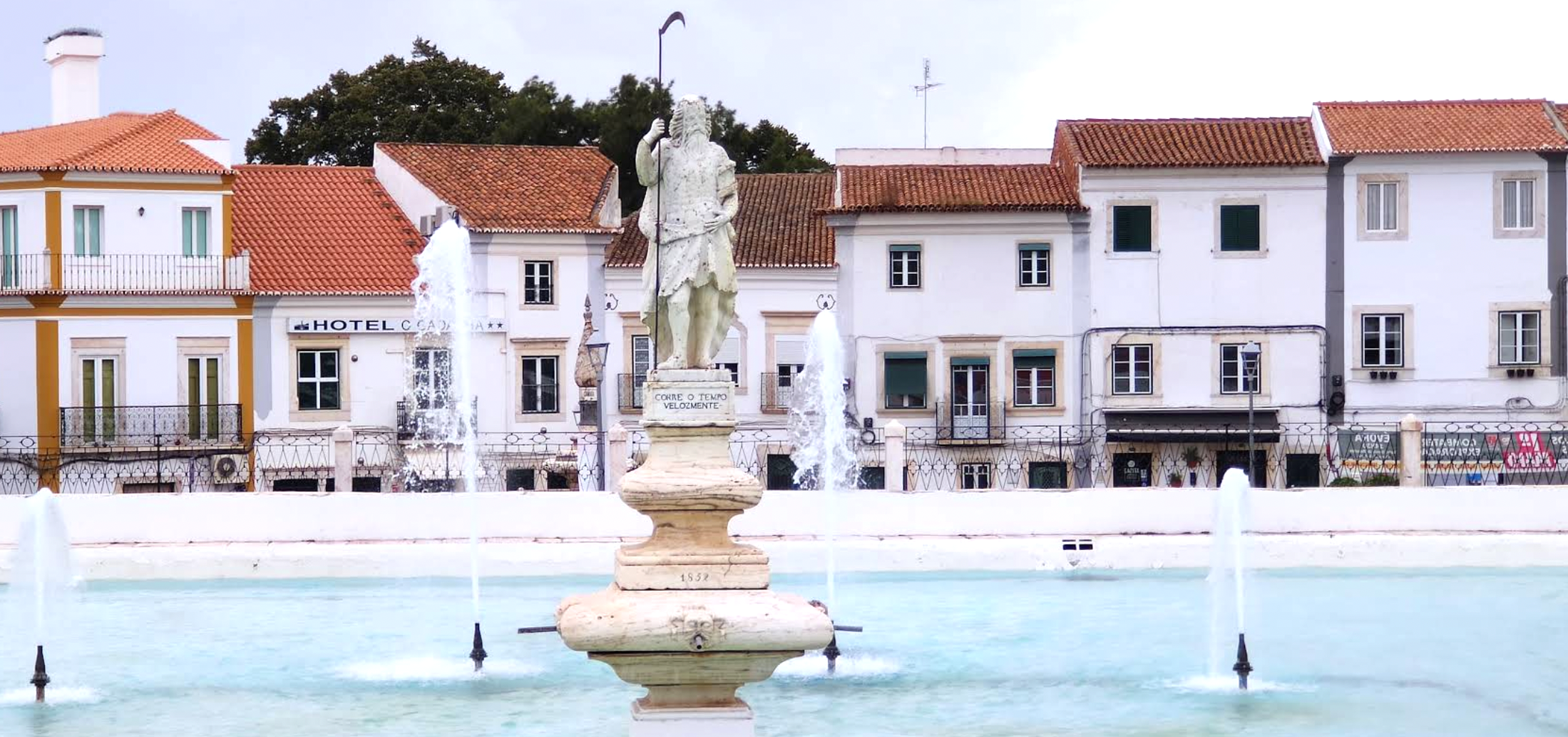
Make sure to include unforgettable stops at prestigious wineries like:
Herdade do Esporão
A leading estate with award-winning wines, a contemporary tasting room, and a Michelin-starred restaurant amidst organic vineyards.
Adega da Cartuxa
Located near Évora, this historic cellar produces the celebrated Pêra-Manca wines and offers in-depth tastings in a refined setting.
Herdade do Rocim
A dynamic winery merging tradition and innovation, known for both classic varietals and experimental wines aged in amphora.
From vineyard walks and barrel tastings to gourmet food pairings and cultural heritage, Alentejo offers a rich and immersive wine tourism experience for every enthusiast.
Surfing Along the Alentejo Coast
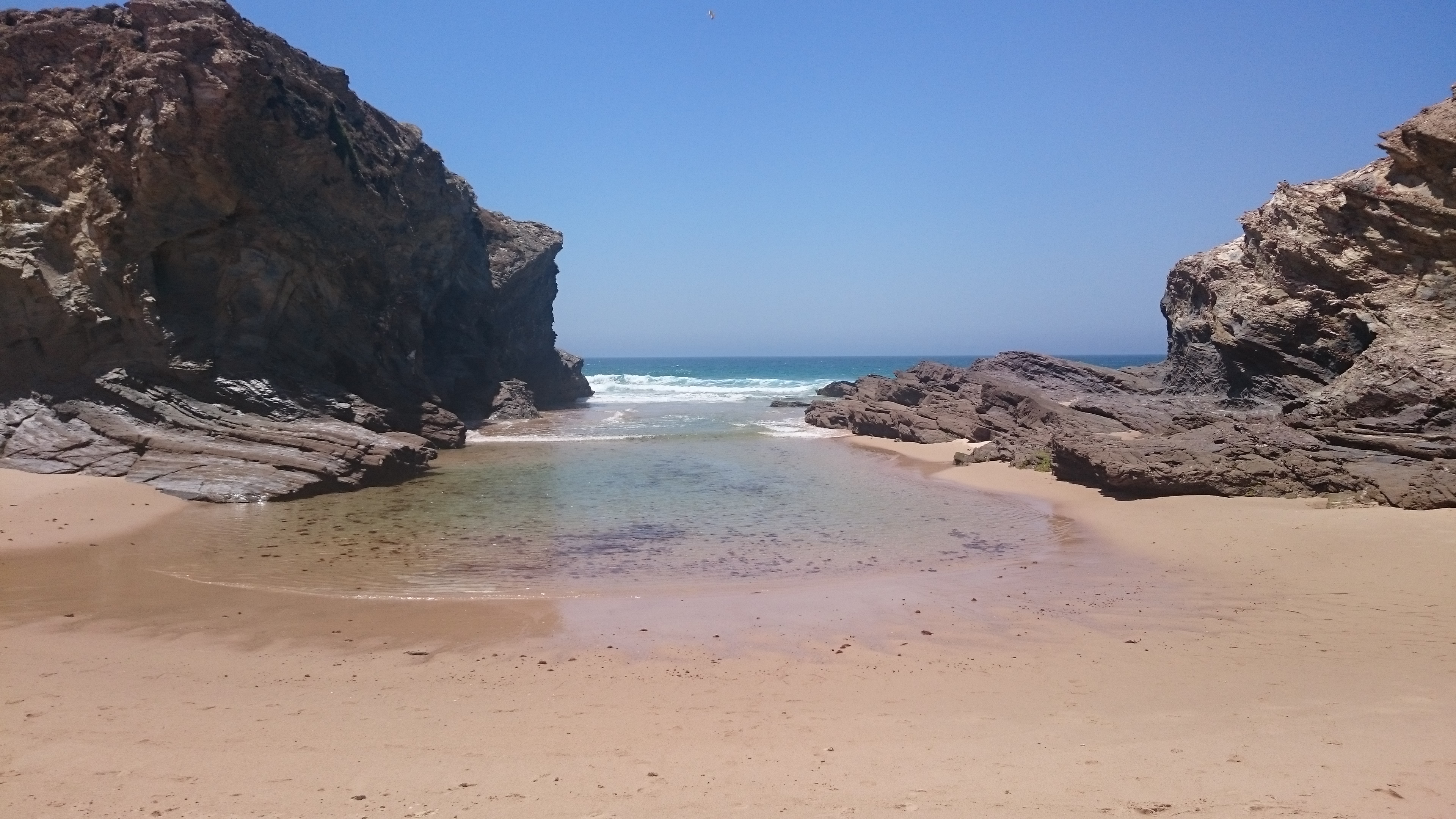
While Alentejo is often celebrated for its inland beauty, its coastline is a hidden gem for surfers. As said, it is often overshadowed by Algarve where most of the beach tourism happens. This is why Alentejo shores are still unspoiled and not crowded. The region boasts a rugged shoreline dotted with spectacular beaches, offering consistent swells and less people in water.
Top Surf Spots

Porto Covo
Within the Southwest Alentejo and Vicentine Coast Natural Park you will find this little traditional fishing village that has evolved into a surf destination. The beaches around Porto Covo, such as Praia do Cerro da Águia and Praia Grande, offer consistent waves year-round. The area is known for its uncrowded lineups and scenic cliffs, making it ideal for both beginners looking for mellow breaks and experienced surfers chasing more challenging swells. The relaxed atmosphere and charming town center also make it a great spot to unwind after a session.
Vila Nova de Milfontes
Vila Nova de Milfontes is a surf-friendly town with a great vibe, located at the mouth of the Mira River. The beaches here—particularly Praia da Franquia and Praia do Farol—are protected by natural formations, creating calm waters that are perfect for learning to surf or enjoying a relaxed ride. Just south, Praia do Malhão offers more powerful waves and long sandy stretches that are popular with intermediate and advanced surfers. The variety of beach breaks in this area means there’s something for every skill level.
Zambujeira do Mar
Famous for its rugged cliffs and bohemian flair, Zambujeira do Mar boasts a series of secluded coves and open beaches that cater to surfers seeking tranquility and solid waves. Praia da Zambujeira is the main beach, offering reliable swell and ample space for surfing, even in peak season. The nearby Praia dos Alteirinhos and Praia do Carvalhal provide alternative breaks with fewer crowds and scenic backdrops. This area is particularly good during autumn and spring when the swell is consistent and the winds are favorable.
Odeceixe

Odeceixe Beach, located at the confluence of the Seixe River and the Atlantic Ocean, offers a unique setting for surfing with both river mouth and ocean beach conditions. The northern side of the beach often produces clean, right-hand waves, especially during mid to high tide, while the southern end is more sheltered and ideal for beginners. The beach’s natural amphitheater of cliffs provides shelter from the wind, making it a reliable spot throughout much of the year. Odeceixe is perfect for surfers looking for a peaceful escape surrounded by nature, with the added bonus of a charming village just a short walk away.
In all the surf villages you will easily find the surf schools and surf rentals. There is no need to book in advance as the surf conditions are directly depending on the weather.
Inland must visit places
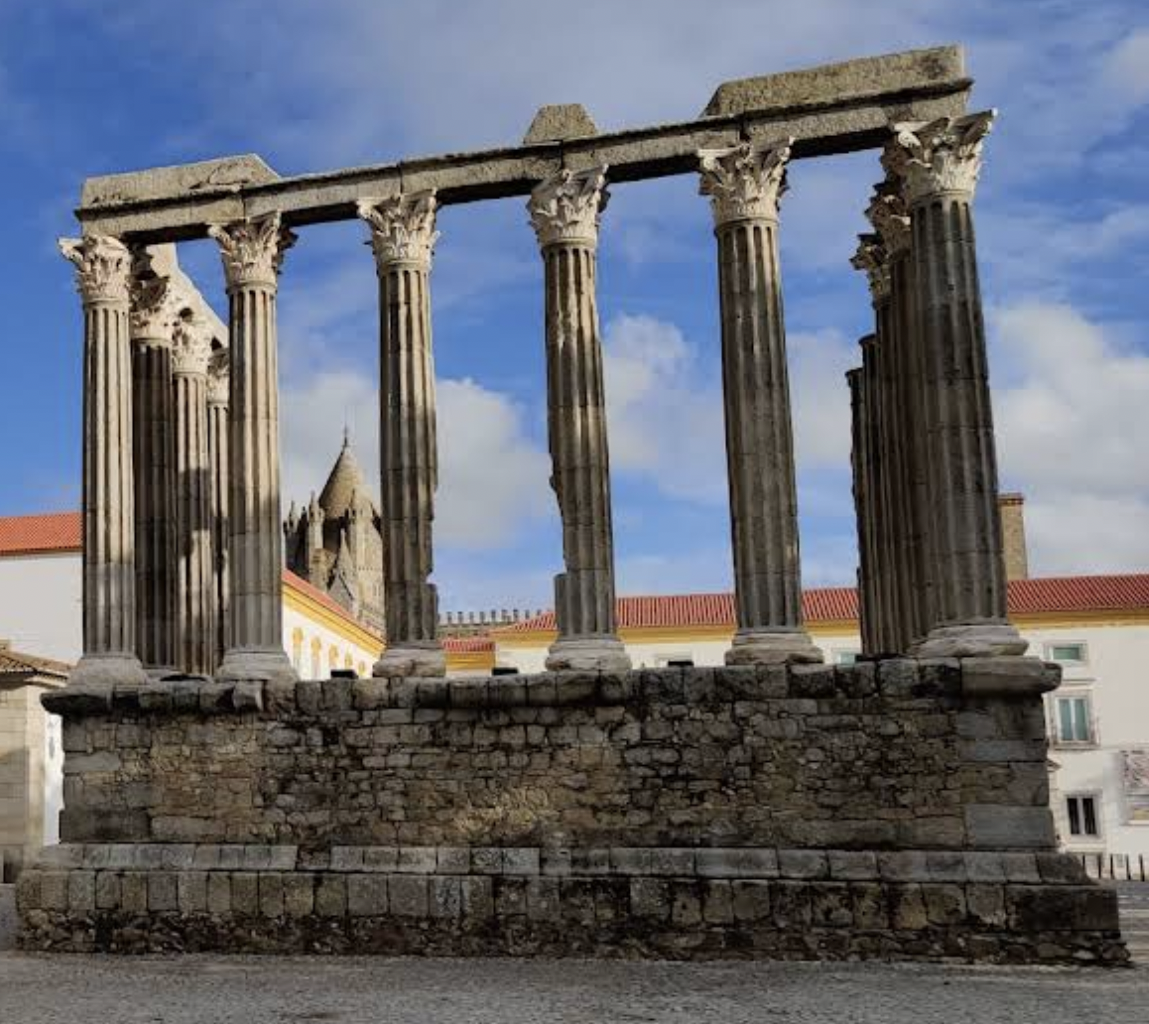
Évora – The Museum City
The capital of the Alentejo and one of Portugal’s oldest cities, Évora is a UNESCO World Heritage site and it is packed with history. Here you will wander through Roman ruins, medieval lanes, and whitewashed buildings wrapped in yellow trim.
Must see places:
- Temple of Diana – A remarkably preserved Roman temple in the city center.
- Capela dos Ossos (Chapel of Bones) – An eerie but fascinating ossuary lined with human skulls and bones.
- Cathedral of Évora – Climb the tower for panoramic views over the plains.
- Évora Museum – Houses relics from Roman, Visigothic, and Islamic periods.
Monsaraz – A Medieval Marvel Overlooking the Alqueva Lake
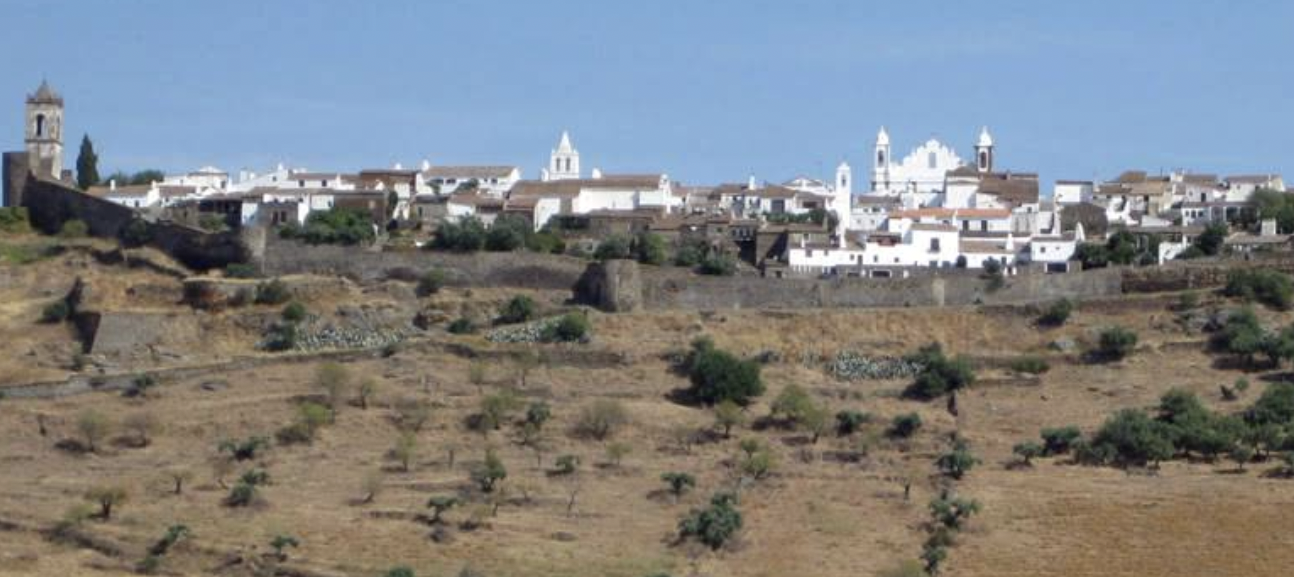
Perched on a hilltop near the Spanish border, Monsaraz is a storybook village of stone cottages, whitewashed walls, and cobbled streets, enclosed by medieval ramparts. It’s a sublime spot to watch sunsets over the Alqueva Reservoir, Europe’s largest artificial lake.
Highlights:
- Castle of Monsaraz – incredible views across the Alentejo plains and lake.
- Wineries – Check the nearby estates like Carmim offer excellent wine tastings.
- Dark Sky Alqueva – Monsaraz is in a certified Starlight Tourism Destination. On clear nights, the Milky Way stretches across the sky.
Marvão – The Eagle’s Nest
Located in northern Alentejo near the Serra de São Mamede, Marvão sits atop a dramatic granite cliff at nearly 900 meters above sea level. The town offers breathtaking 360-degree views, especially magical in the early morning mist.
Must see places:
- Marvão Castle – Climb its ramparts and walk along the walls for postcard-perfect views.
- Medieval town walls – Intact and easily walkable, perfect for quiet strolls.
- Nearby Portalegre – A charming larger town nearby with museums, tiled churches, and beautiful manors.
Bets time for your visit is in fall during the Chestnut Festival (Festival da Castanha), with traditional music, artisan crafts, and seasonal dishes.
Elvas – The Fortress Frontier
A major military stronghold during centuries of border conflict with Spain, Elvas is home to the largest bulwarked fortification in the world and it is also a UNESCO World Heritage Site.
Must see places:
- Forte de Nossa Senhora da Graça – A star-shaped fortress with an ingenious defensive design.
- Aqueduto da Amoreira – A 7 km-long, 16th-century aqueduct that’s still in remarkable condition.
Vila Viçosa – The Marble Capital of Portugal

Known for its luxurious white marble, Vila Viçosa exudes nobility. It was once the home of the House of Braganza, Portugal’s last royal dynasty.
Must see places:
- Ducal Palace of Vila Viçosa – A majestic Renaissance building with richly decorated rooms and royal collections.
- Marble Museum – Learn about the town’s economic lifeblood.
- Nearby Estremoz and Borba – Other towns forming the “Marble Triangle”, also worth a visit for ceramics, markets, and wine.
Beja – Roman Roots and Rustic Charm
Often overlooked, Beja is the largest city in southern Alentejo and steeped in over 2000 years of history. While less picturesque than hilltop towns, it offers a raw authenticity and a chance to explore everyday Alentejo life.
Must see places:
- Beja Castle – Featuring one of the tallest keeps in Portugal.
- Regional Museum of Beja – Located in the former Convento da Conceição, it houses a fascinating collection of Roman artifacts and religious art.
- City Market – A lively place to sample local cheeses, sausages, and pão alentejano (dense rustic bread).
Arraiolos – The Town of Tapestries

Famous for its handmade wool rugs, Arraiolos is a small, peaceful town with a deep connection to artisanal craftsmanship.
Must see places:
- Arraiolos Castle – One of the few circular castles in the Iberian Peninsula.
- Arraiolos Tapestry Museum – Showcasing the intricate designs of centuries-old rug-making traditions.
- Local workshops – Watch craftspeople at work and buy directly from the source.
Mértola – A Time Capsule on the Guadiana River
Perched above the Guadiana River in southeastern Alentejo, Mértola is one of Portugal’s most unique villages—where Roman, Moorish, and Christian influences visibly intersect.
Must see places:
- Mértola Castle – Offers sweeping views of the arid landscape.
- Igreja Matriz – A 12th-century mosque-turned-church, one of the rare surviving examples of Islamic architecture in Portugal.
- Archaeological Museum – Features Roman mosaics, Moorish artifacts, and Visigothic relics.
Why Alentejo Should Be on Your Travel List?
Alentejo isn’t just a place to visit—it’s a mood, a rhythm, and a way of life. Here you will slowly climb castle towers, sip a glass of wine under olive trees and walk the coastal trails. It’s the real soul of Portugal. In Alentejo villages tell stories carved in marble and sung in the rustle of cork oaks. It’s rustic, unpolished, and immensely rewarding.
 Nomadlytics
Leave a comment