
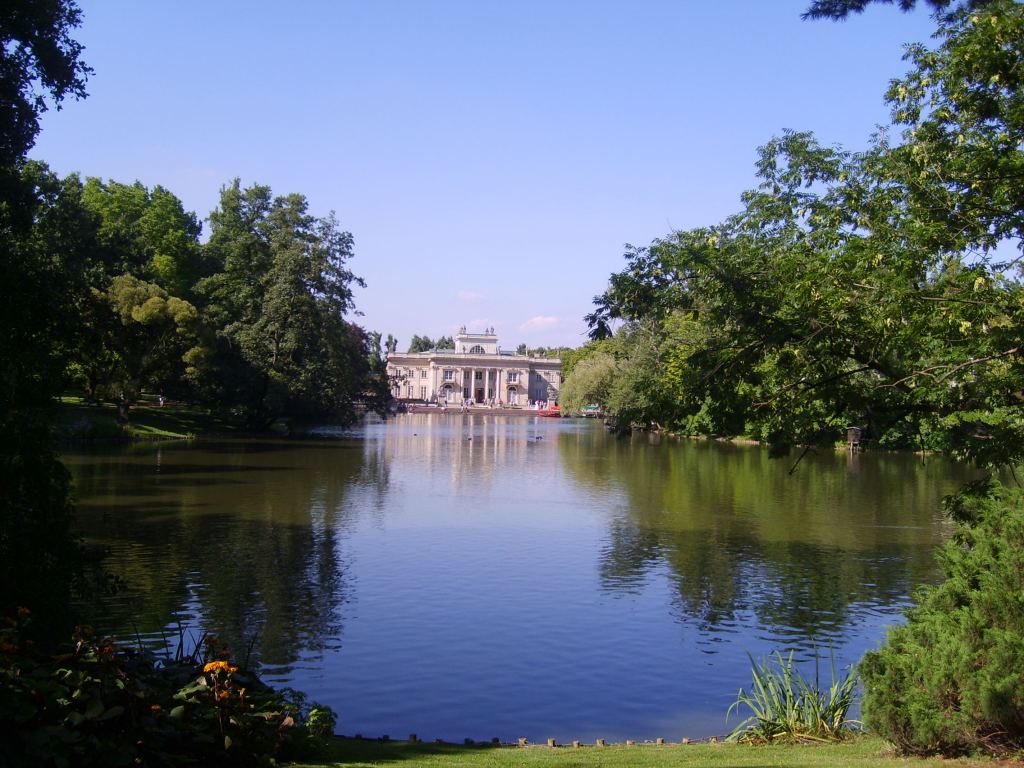
Warsaw is the capital of Poland and although it has grown a lot in the past 15 years it still remains a city of contrast. In Warsaw Gothic churches stand beside modern skyscrapers, red brick buildings are spot just next to the soviet era gray apartment blocks and quiet green parks give way to buzzing nightlife. It is worth to visit Warsaw not only to discover more about the city’s turbulent history but also to enjoy the more and more international food scene and to cycle through the green and fancy parks. Some people are so fascinated by the city that decide to move here. The growing Polish economy offers good conditions for the foreign workers who speak languages and have a solid experience. For me the climate is a deal breaker- it’s simply too cold and gray winters. That is why I always advice to visit this exciting capital in spring and summer when you will be able to enjoy also the outdoor activities. You can visit the main attractions on a weekend but I recommend to stay at least 5 days to enjoy the city’s vibe.
Day 1: The Old Town, Royal Route and Łazienki Park
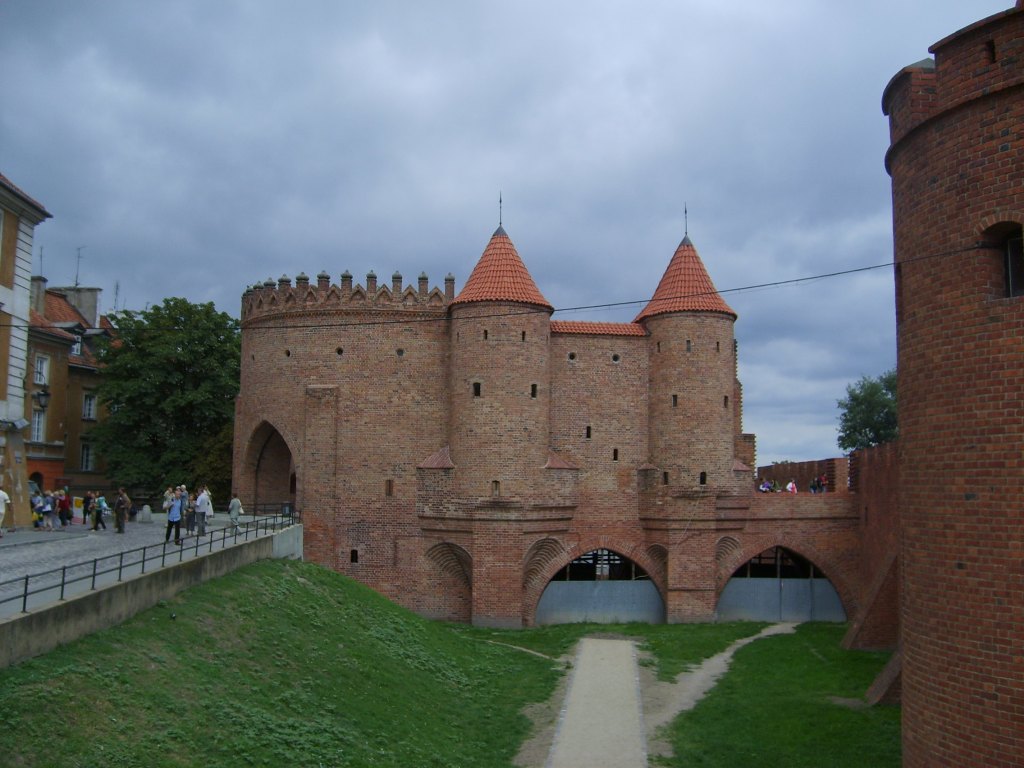
Start your trip in Warsaw’s Old Town, a UNESCO World Heritage Site lovingly rebuilt after World War II. Stroll through the cobbled streets of Castle Square, admire the colorful townhouses, and step inside St. John’s Archcathedral. Visit the Royal Castle, where Polish kings once lived, and don’t miss the panoramic views from the St. Anne’s Church tower.
Cycle (you can also hop on a bus) south along the Royal Route, which links the Old Town with Łazienki Park, and is lined with palaces, churches, and monuments. Nowy Swiat Street is also a great place to stop for coffee or lunch. My favorite place is the historic bakery Lubaszka, serving simple, delicious and not overpriced sandwiches. Try their freshly squeezed juices!
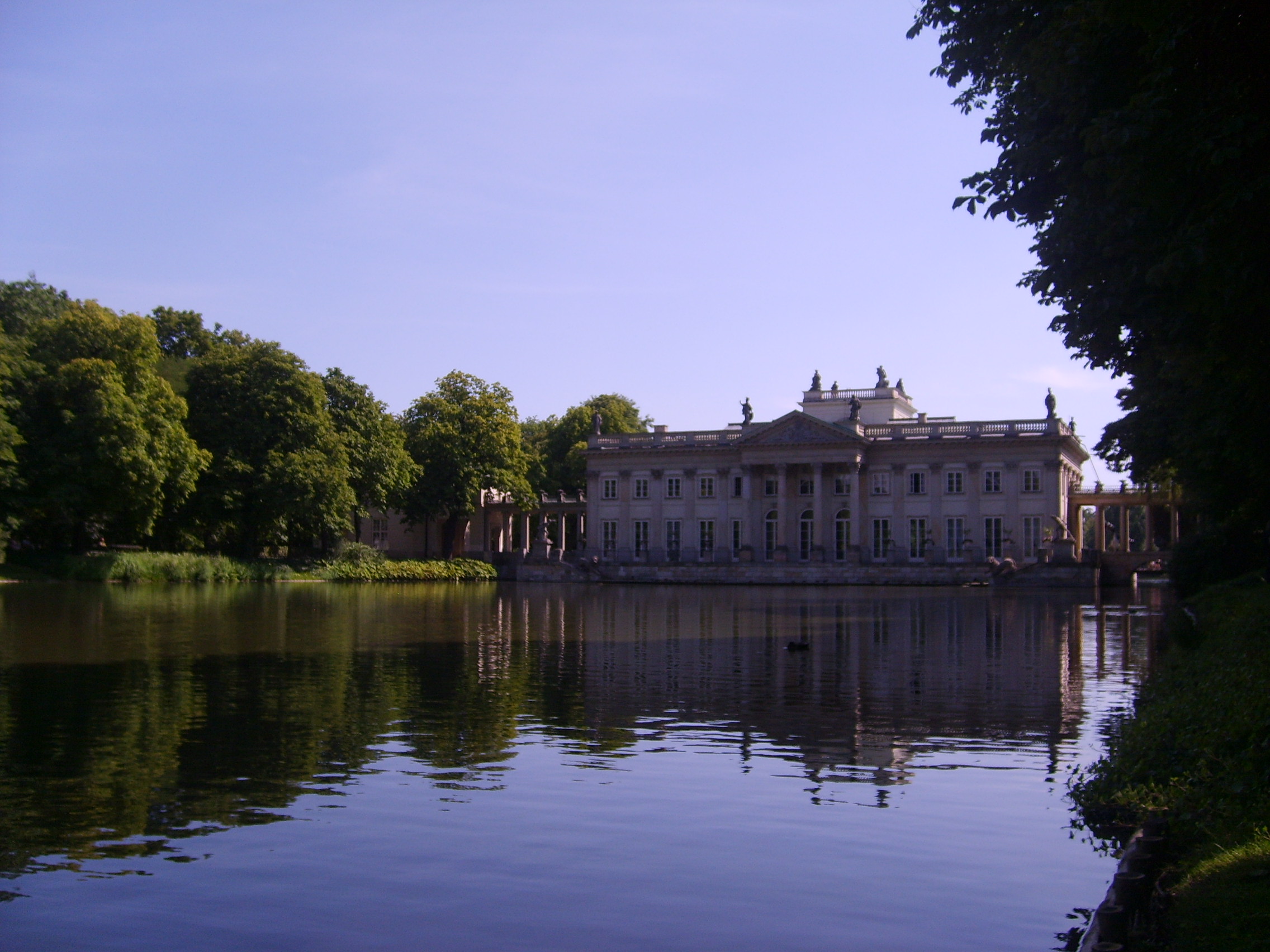
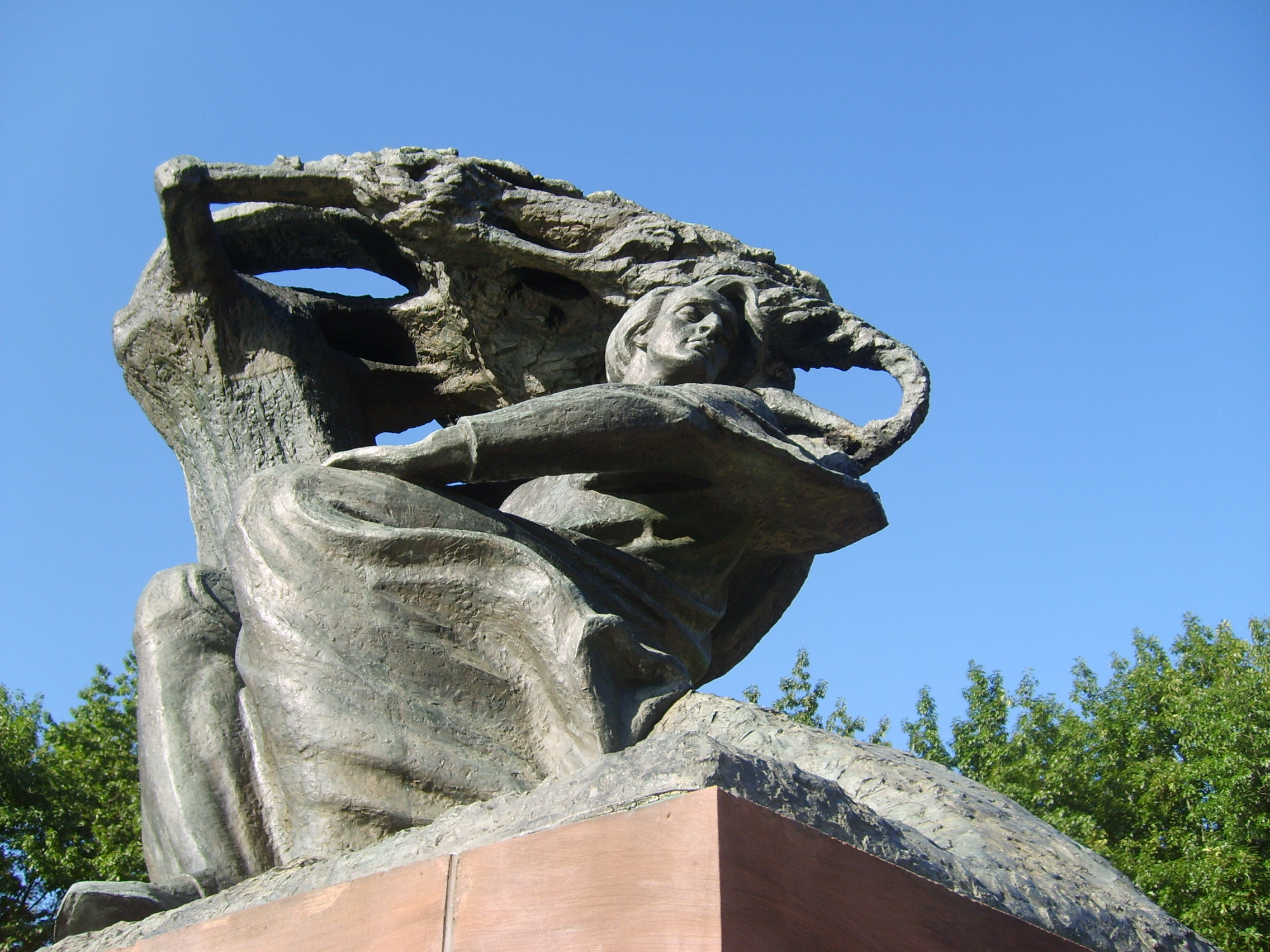
Spend the afternoon at Łazienki Park, one of Europe’s most beautiful urban parks. Home to peacocks, squirrels, tranquil lakes, and the majestic Palace on the Isle, it’s an idyllic escape from the city’s bustle. On summer Sundays, enjoy free Chopin concerts near the Chopin monument.
The crown jewel of the park is the Palace on the Isle, a stunning neoclassical residence built over a lake. Once the king’s summer retreat, the palace is now a museum with beautifully preserved royal chambers and art from the 17th–19th centuries.
Take a walk across the elegant bridge and step inside to see: the richly decorated Ballroom, royal portraits and antique furniture, panoramic windows that look out over the water and gardens
The entrance is free on Fridays. On the other days tickets cost is 30 PLN 8around 6 EUR) and you can buy them onsite.
If the weather is sunny, have a relaxing stroll around the park which features several themed gardens, including:
- The Royal Garden with symmetrical flower beds and baroque landscaping
- The Modernist Garden, perfect for a picnic or quiet read
- The Romantic Garden, inspired by English natural landscapes
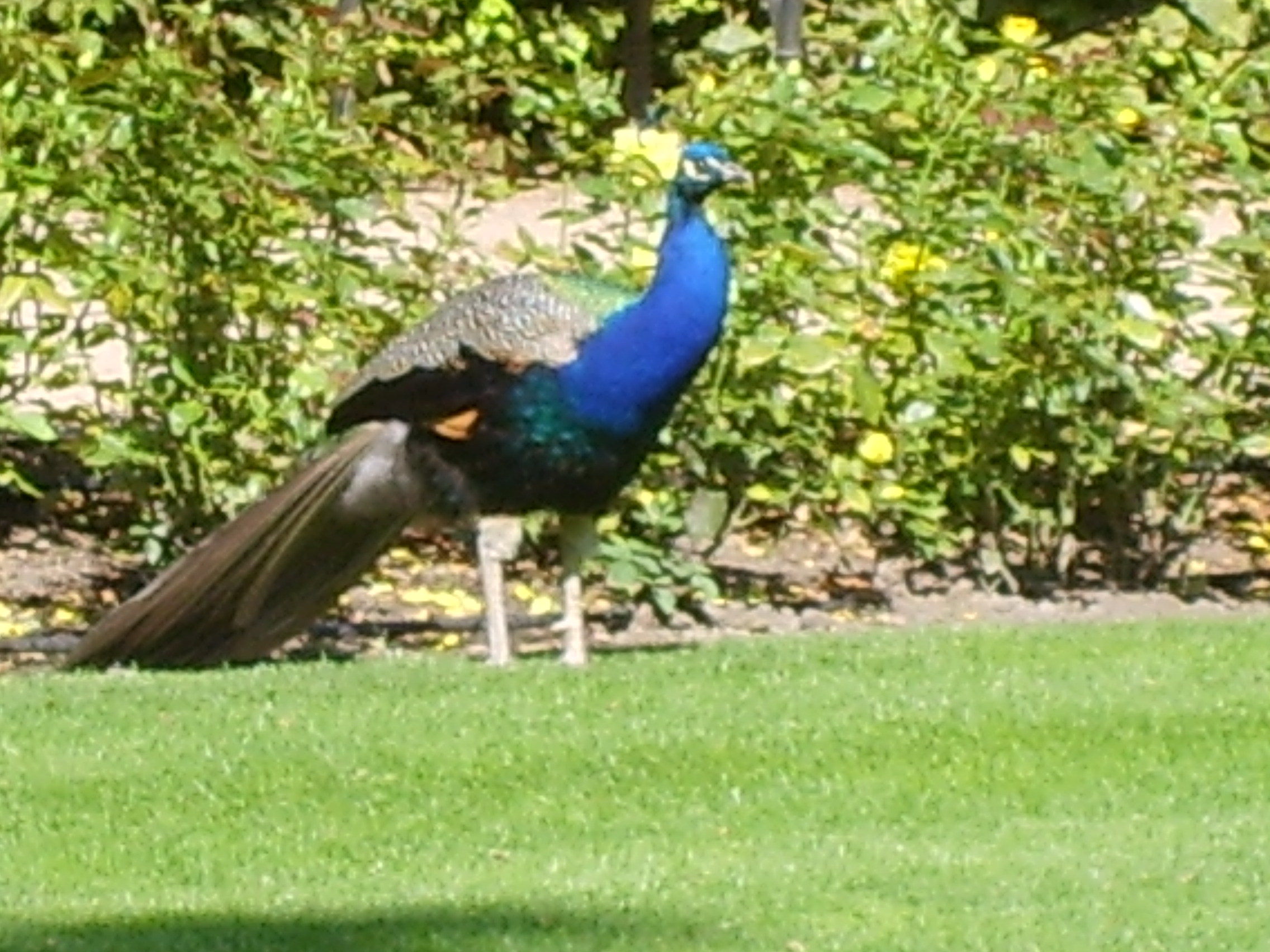
Along your walk, you’ll find marble statues, small fountains, hidden pathways, and plenty of benches for resting. Don’t be surprise when the squirrels come to search for food so bring some nuts. Keep your eyes open and you will spot other animals. Proud peacocks often are strutting along the paths or resting on the palace steps. Of course ducks, swans, and koi fish are swimming gentle in the ponds.
In spring and summer, you can also rent a paddle boat or gondola and glide across the tranquil lake surrounding the Palace on the Isle. It’s a relaxing and fun way to enjoy the scenery from a new perspective. Prices usually range from 20 to 40PLN (4-8 EUR) for a half an hour and rentals can be found near the Bridge of the Palace.
From mid-May to late September, head to the Chopin Monument on Sunday afternoons to catch a free open-air piano concert, celebrating Poland’s most famous composer. Bring a blanket or grab a bench nearby and enjoy world-class music in an unforgettable setting for free!
There are cafés and kiosks inside for coffee, ice cream, or a light lunch but I advice you a picnic lunch because the choice and the quality of food inside is not worth the price. There are better options nearby. Stay tuned for my guide for foodies in Warsaw.
Day 2: Museums and Culture
Begin your day at the POLIN Museum, located in the Muranów district, on the site of the former Warsaw Ghetto. This world-renowned, award-winning museum chronicles 1,000 years of Jewish life in Poland, from the Middle Ages to modern times. Warsaw has an incredible Jewish history and if decide to stay longer in town, it’s worth to discover more about this ethnic group. If the subject interests you, stay tuned because I am preparing a special post about the Jewish Warsaw of today. Even if you are not Jewish it’s worth to discover some hidden places and enjoy one of many events proposed by Jewish community Center and open for the general public.

The Core Exhibition here is an immersive journey through galleries filled with historical artifacts, multimedia installations, and interactive displays. You will discover Jewish life in early Poland and the recreation of vibrant 18th-century shtetl life. Obviously you cannot miss the Holocaust Gallery focused on Jewish persecution during WWII, including the Warsaw Ghetto and the stories of survivors. Finally, the last part guides you through the the revival of Jewish culture in Poland today.
The museum does an exceptional job of balancing celebration and tragedy, offering a holistic view of Jewish contributions to Polish society alongside the trauma of the Holocaust. It’s full of interactive edu-games for kids so it’s worth bringing your children age 8+ here. You can buy your ticket directly online or onsite. There are many possibilities of combined tickets and family tickets so choose the best option. The core exhibitions are free of charge on Thursdays.
Allocate 2–3 hours to explore the museum properly. It’s best to book tickets in advance online, especially during weekends and holidays.
After your visit head for a bite at Norblin Factory – an old factory converted into a commercial hub where you will find plenty of options for lunch: fancy and international restaurants, vegan and street food, healthy smoothies perfect for a summer day. Have stroll along the courtyard and admire the old factory machine which are an add on to this place.

Once your belly is full and you rested a bit, head towards the Warsaw Uprising Museum—an emotionally powerful and immersive museum dedicated to the 1944 uprising against Nazi Germany, one of the most significant events in Warsaw’s modern history. Housed in a former power station, this museum stores historical documents, photographs, soundscapes, and interactive installations to create a visceral visitor experience.
In The Uprising Room you will be able to watch a 3D film titled “City of Ruins”, which takes you on a haunting aerial journey over post-war Warsaw. In the Sewer System Simulation Room you will be able to walk through a replica of the sewers used by insurgents to move around the city.
This museum is full of sound stories and short movies of those who survived the uprising. It is particularly engaging for teens and adults. Younger children might find some parts intense, but the layout allows families to skip certain areas if needed. Anyway, I would advice to visit the museum only with kids 11 an older. usually the visit does not last longer than two hours. If you are visiting on Sunday, come early in the morning because that is when the museum is free of charge and obviously more crowded. General tickets starts at 35 PLN (7 EUR) and you can buy them on site or online here. If you want to hear more stories about the uprising, enroll for a guided tour available also in English.
Grand Theatre – National Opera or Śródmieście’s Nightlife
After a day of emotional and historical exploration, unwind with a cultural evening in Śródmieście. Have a glass of wine and a snack in Charlotte or head to Grand Theatre – National Opera. This neoclassical building is one of the largest and most prestigious opera houses in Europe. Check the schedule for performances ranging from Polish operas and ballet to international classics. The interiors alone are worth seeing, with elegant chandeliers, grand staircases, and world-class acoustics. Ticket prices vary by performance of course and you can check the whole program online. Book early online, especially for weekend shows or premieres.
Day 3: Wilanów Palace
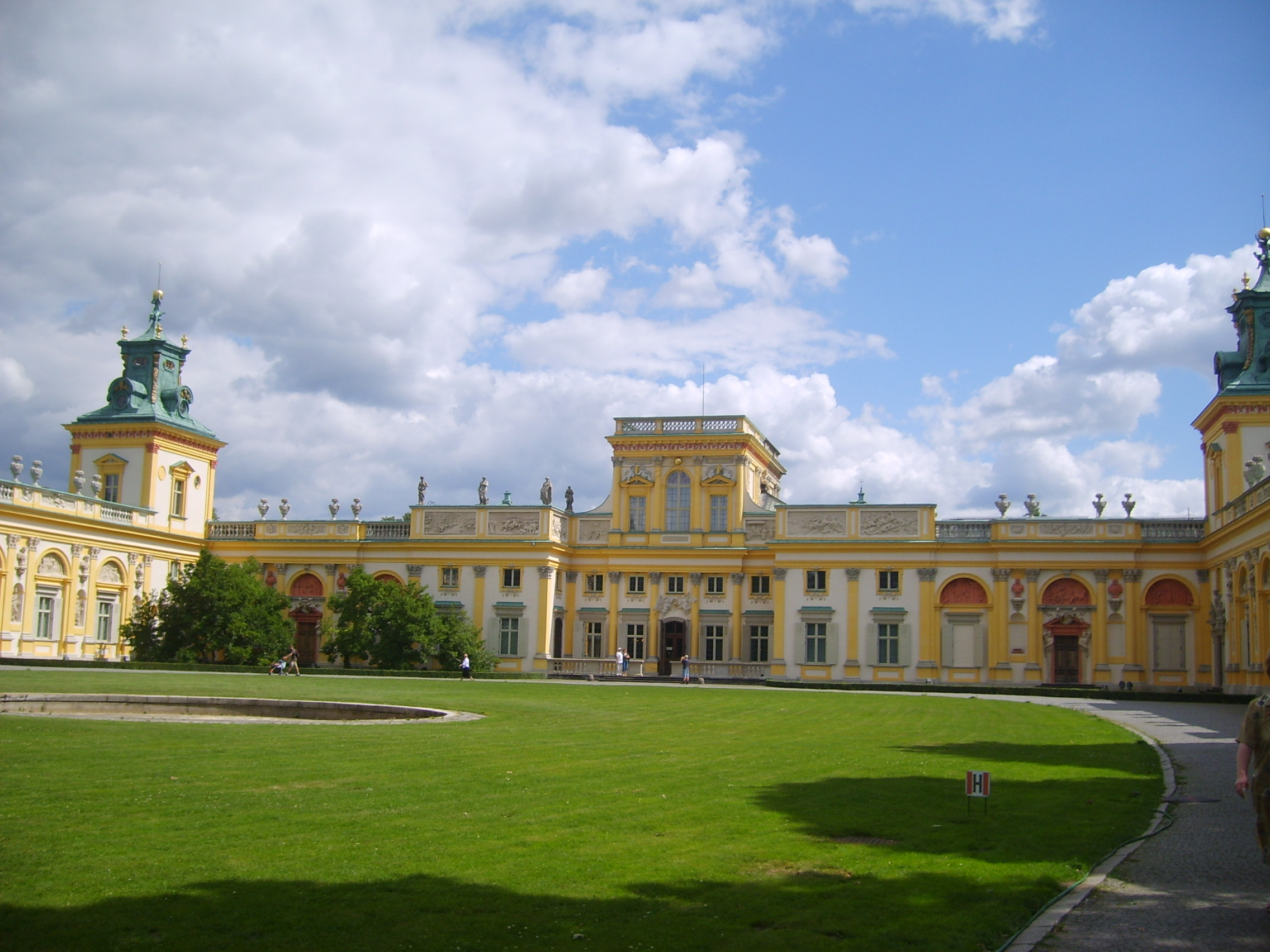
Dedicate your morning and early afternoon to a leisurely escape in Wilanów, one of Warsaw’s most elegant and historical districts. At its heart lies Wilanów Palace, often referred to as the “Polish Versailles”—a stunning Baroque residence that once served as the summer home of King Jan III Sobieski. Step back in time as you explore the richly decorated royal apartments, grand halls, and a remarkable collection of artwork and antique furnishings that reflect Poland’s golden age.
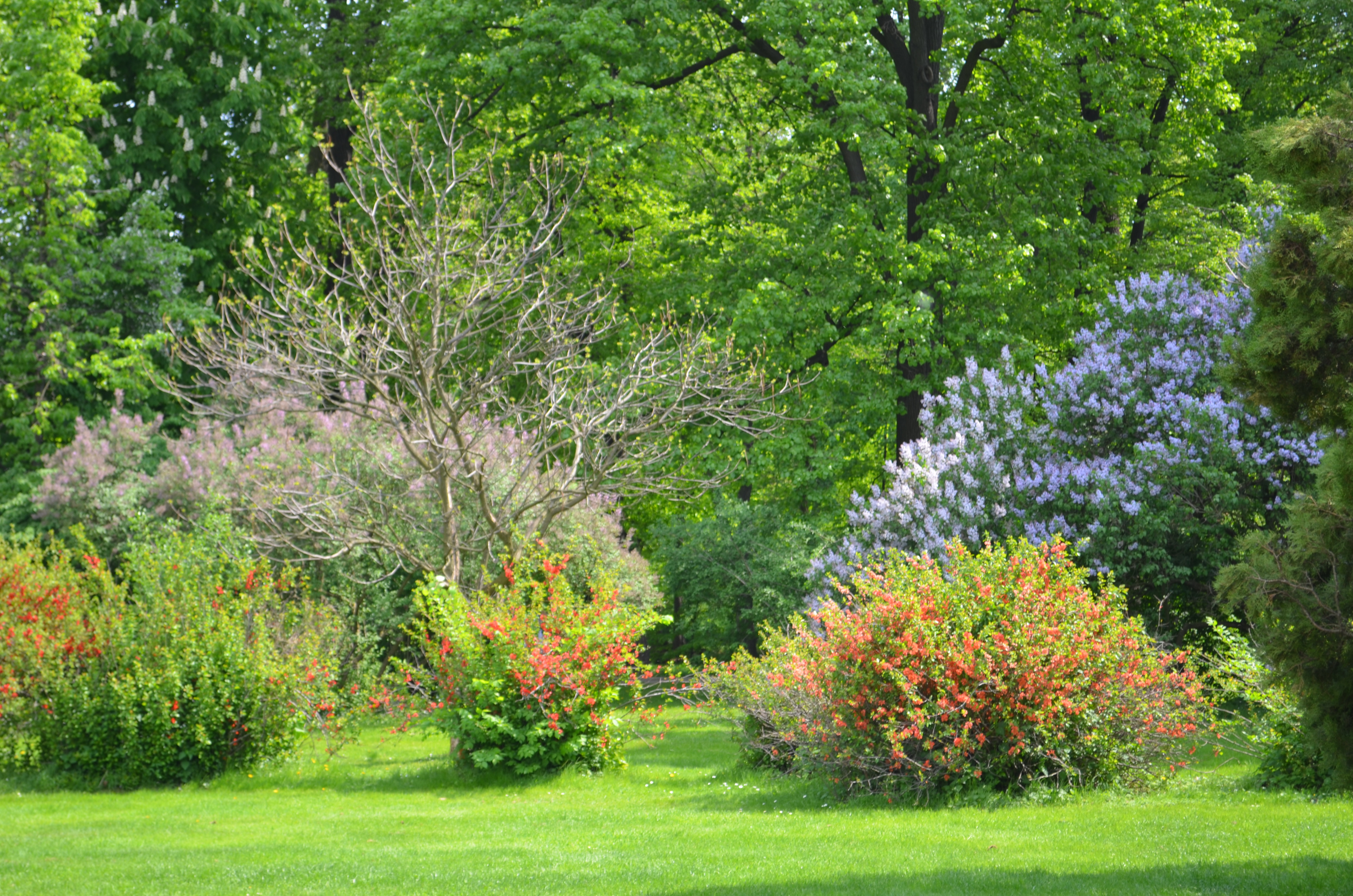
Take your time strolling through the Baroque gardens, meticulously designed with symmetry and elegance in mind. In spring and summer, the gardens burst into color with vibrant tulips, roses, and ornamental shrubs, creating a picture-perfect backdrop for a tranquil morning. Enjoy the scent of blooming flowers and the calming sound of fountains and birdsong. If you’re visiting in winter, don’t miss the Wilanów Garden of Lights, a magical outdoor exhibition that transforms the palace grounds into a wonderland with illuminated sculptures, classical music, and interactive light shows.
The entrance to the gardens is free of charge the whole year except for the months when the Festival of Lights takes place. Entry ticket to the Palace starts at 50 PLN (10 EUR) and can be purchased online. The admission is free on Thursday. If you speak at least a bit of Polish and you are a creative person, you can also check the list of workshops happening in the gardens and in the Palace itself. Some of then are interesting but unfortunately not available in English.
You can easily reach Wilanów by public transport—buses run frequently from central Warsaw—or by a short taxi or ride-share journey. After your palace visit, consider enjoying lunch at one of the charming cafes or restaurants nearby, many of which offer views of the palace grounds or the peaceful parklands.
Day 4: Praga District and Vistula River Vibes
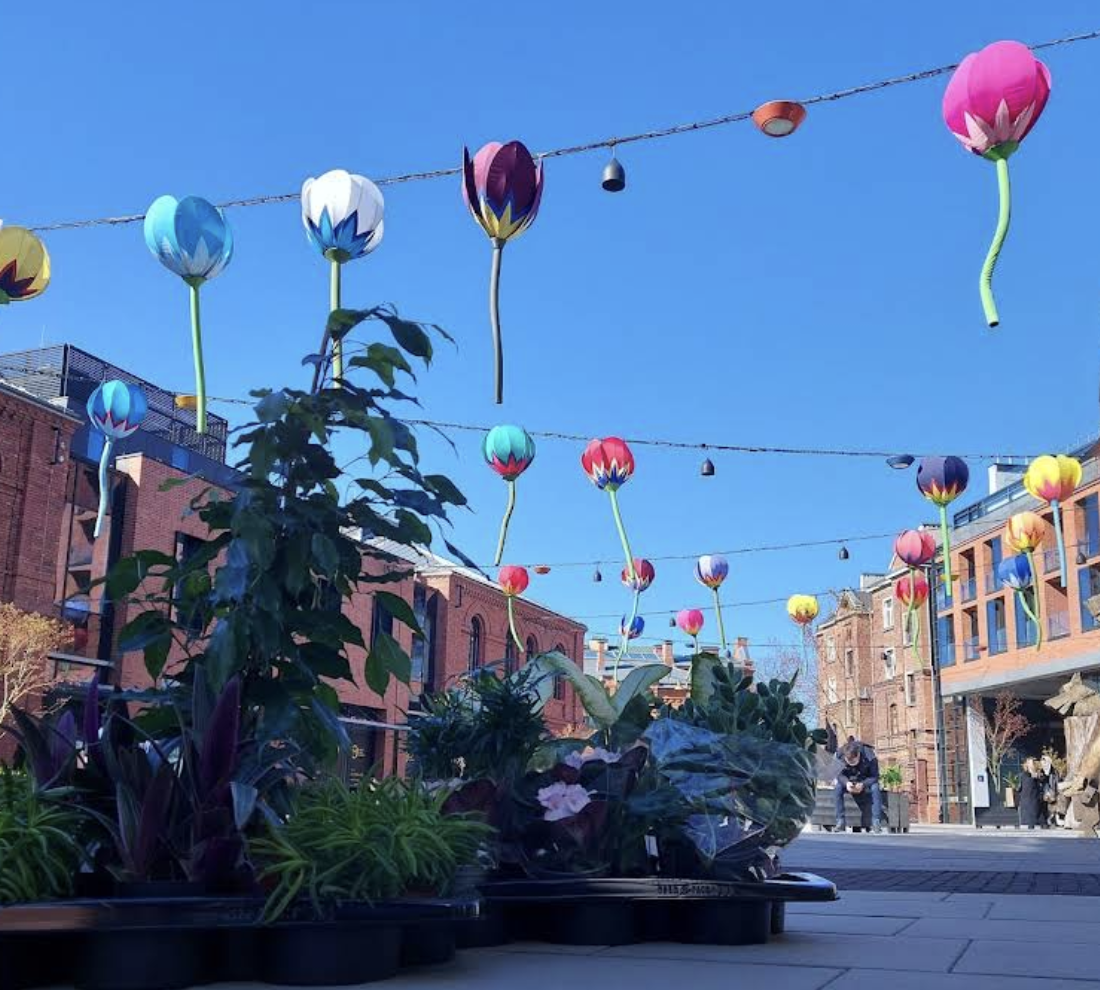
On your 4th day feel the creative energy of the city. Venture across the Vistula River to explore Praga, one of Warsaw’s most fascinating and culturally rich neighborhoods. Once overlooked, Praga has transformed into a hub for artists, musicians, and entrepreneurs, while still retaining its raw and authentic character. Begin your exploration at the Koneser Center, a revitalized 19th-century vodka distillery complex that now houses chic restaurants, boutique shops, art galleries, co-working spaces.
As you wander the streets, you’ll notice an eclectic mix of pre-war tenement buildings, colorful street art, and hip creative spaces tucked behind old facades. Be sure to bring your camera—Praga’s urban aesthetic and local charm make it a favorite for street photographers and culture seekers alike. Have a drink or a snack in one of many hipster cafés along Zabkowska street.
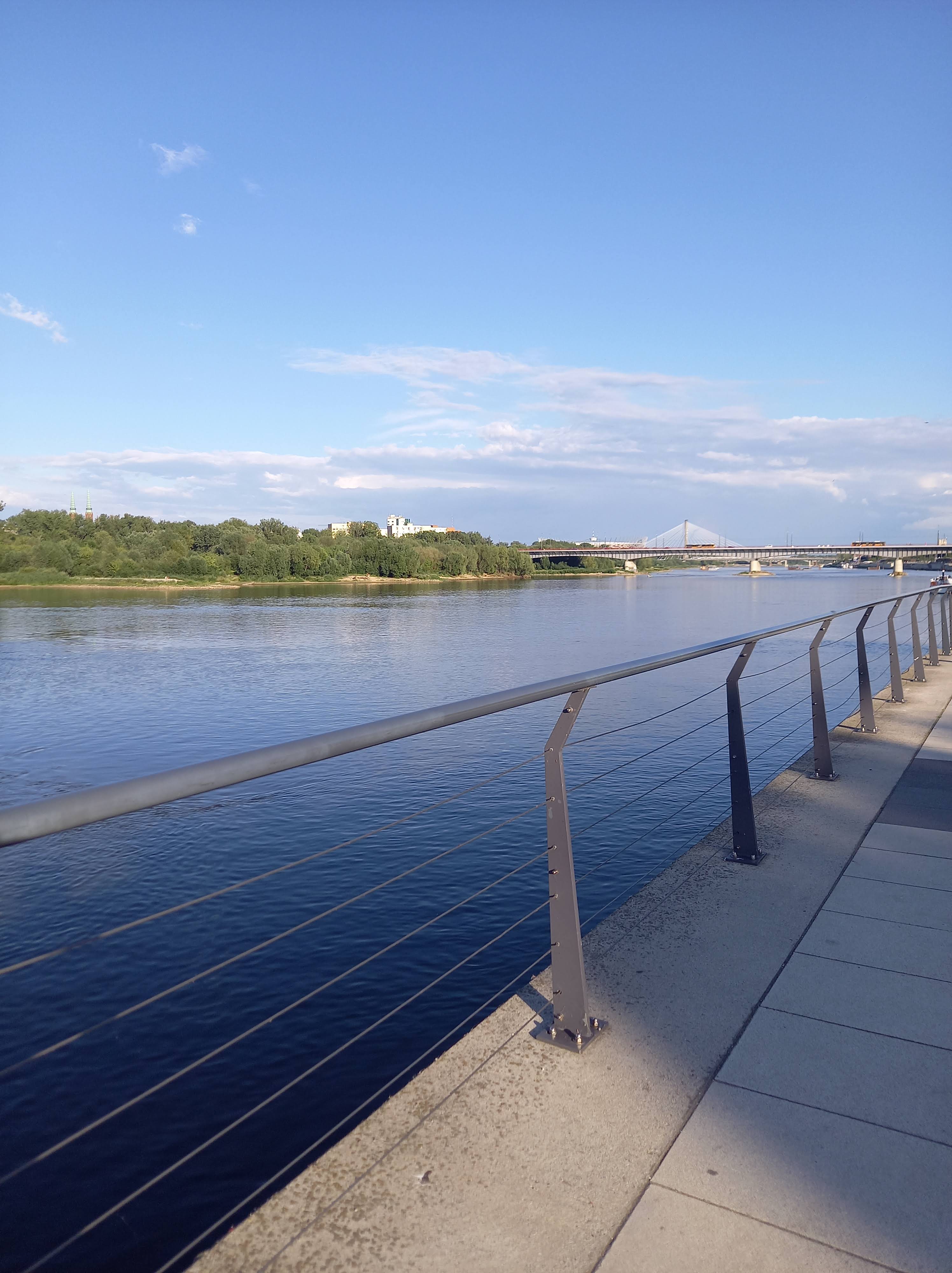
In the afternoon, make your way back toward the river and unwind along the Vistula boulevards, a revitalized riverside promenade that becomes an energetic social scene in the warmer months. You can grab a drink or snack at one of the beach bars, rent a bike or scooter to cruise along the water, or simply sit on the steps and watch the sunset over the Warsaw skyline. It’s a perfect way to experience the city like a local—especially on summer evenings when live music and food trucks add to the festive vibe.
Day 5: Shopping and skyscrapers
Begin your day at Złote Tarasy (Golden Terraces), a modern shopping and entertainment complex located in the heart of Warsaw, adjacent to the Central Railway Station. The mall boasts over 200 shops, numerous restaurants, and a cinema, all under a distinctive glass roof that offers a unique architectural experience. Here you will find the very first Hard Rock Cafe Warsaw.
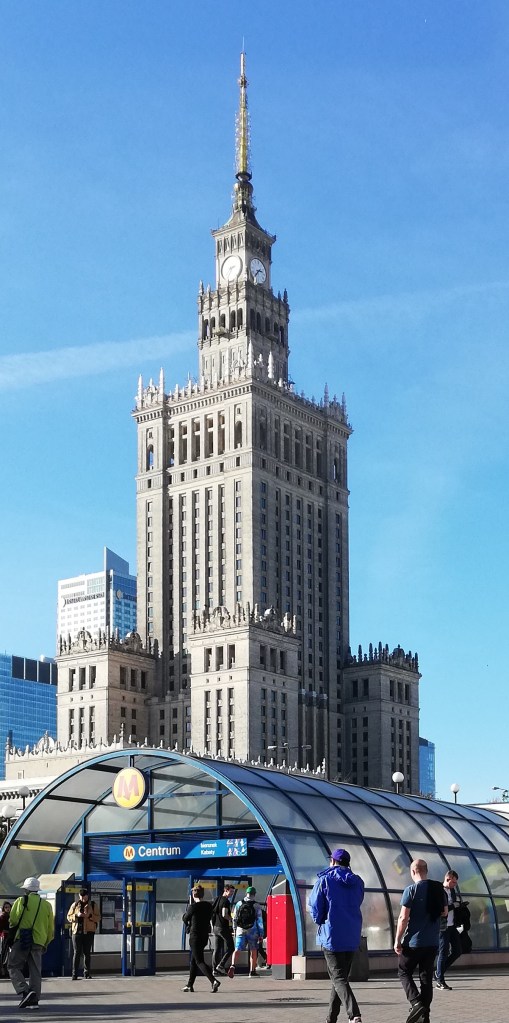
A short walk from Złote Tarasy brings you to the Palace of Culture and Science, Warsaw’s tallest and most iconic building. Constructed in the 1950s, this monumental structure houses theaters, museums, and a cinema. Don’t miss the observation deck on the 30th floor, offering panoramic views of the city. Especially worth it during the summer and autumn sunsets. Just like Warsaw Spire, a modern skyscraper located in the Wola district. Standing at 220 meters, it’s one of the tallest buildings in Poland and a symbol of the city’s contemporary architecture. Adjacent to the Spire is Plac Europejski (European Square), a public space featuring fountains, greenery, and art installations. It’s a perfect spot to unwind, people-watch, or enjoy a drink at one of the nearby cafes.
Accommodation
To make the most of your stay, choose accommodation in the Śródmieście or Powisle (City Centre) districts, which keeps you close to major attractions, dining, and transport. There is a whole range of accommodation: from budget hostels to luxury resorts and obviously self catered modern apartments.
How to get there and move around?
Warsaw is well-connected by air, rail, and road. The main airport, Warsaw Chopin Airport (WAW), is just 8 kilometers from the city center and serves numerous international and domestic flights. You can reach the city via taxi, ride-sharing apps (like Bolt or Uber), airport buses, or the S2 and S3 SKM suburban trains, which offer a fast and affordable link to central Warsaw
If you’re arriving by train, Warszawa Centralna (Warsaw Central Station) is the main railway hub, with convenient connections to major Polish cities like Kraków, Gdańsk, and Wrocław, as well as international routes to Berlin, Prague, and Vienna.
Warsaw’s public transportation system is reliable, extensive, and easy to navigate. It includes buses, trams, metro (two lines: M1 and M2), and SKM suburban trains—all of which operate under the ZTM (Public Transport Authority). You can use short term tickets (from 20 to 90 minutes) or longer passes (from 1 day to 3 days). Tickets are valid across buses, trams, metro, and SKM trains (within selected zones), and must be validated upon boarding or at metro gates. Tickets can be purchased at ticket machines, in metro stations, some buses/trams, kiosks, or via mobile apps like Jakdojade.
Biking in Warsaw
Warsaw is a bike-friendly city with an ever-growing network of bike lanes and dedicated cycling paths. Many major streets have clearly marked lanes, and parks like Łazienki or the Vistula boulevards offer scenic and safe cycling routes.
The city also operates a bike-sharing system available from spring to late fall (usually March to November). You can easily rent a bike using the Veturilo app or a terminal at one of the docking stations. The first 20 minutes are free, making it perfect for short trips. Whether you’re cycling along the river, commuting through the city center, or just exploring a neighborhood, Warsaw’s cycling infrastructure makes it convenient and enjoyable.
Warsaw is a city of resilience, creativity, and contrasts. With five days, you can dive into its past and embrace its present. You will notice that there is still a lots of potential for the future.
 Nomadlytics
Leave a comment