

Warsaw, the capital of Poland, is a city where the past and present walk side by side. If you are visiting Warsaw for the first time, check my post about dedicated itinerary with the main must visit places in the city here.
Among its many stories, the Jewish history of Warsaw stands out as a deeply moving and important narrative. It is a fact that the city is full of monuments remembering the history of pre-war Jewish community and their tragic wartime destruction. It is also true that in the past decades the young Jewish community has seen its revival in a modern and multicultural vibe. Curious? Let’s explore together the places that remind us about the past and let’s see how the young Jewish community is living their culture in modern Warsaw.
A Glimpse into the Past
Before World War II, Warsaw was home to one of the largest Jewish communities in the world. By the late 1930s, Jews made up about one-third of the city’s population—over 350,000 people. The city pulsed with Jewish culture, scholarship, and political life. From the bustling markets of Nalewki Street to vibrant Yiddish theaters and newspapers, Jewish Warsaw was intellectually rich and culturally diverse.
The Holocaust devastated this community. The Warsaw Ghetto, established by Nazi Germany in 1940, imprisoned hundreds of thousands of Jews in appalling conditions. The 1943 Warsaw Ghetto Uprising, a courageous act of resistance against the Nazis, stands as one of the most significant moments of Jewish defiance during the Holocaust. After the war, only a fraction of Warsaw’s Jewish population survived. Some of them stayed but others decided or were forced to emigrate from Poland. For many decades after the Second World War there were almost no traces of Jewish life in Warsaw. However, after the fall of the Communism Regime, the community of Jewish families have started to promote cultural initiatives and today the Jewish Community Center in the heart of the city is a real hub for everyone interested in sharing a bit of Jewish cultural life. Before we jump into the modern vibe of this community let’s see why you should discover more about Jewish life while visiting Warsaw.
Why Jewish Warsaw Matters?
Jewish history in Warsaw is not just a story of tragedy—it is also a story of life, resistance, rebirth, and continuity. Understanding this history is key to understanding Warsaw itself. It shows how deeply intertwined Jewish culture was with Polish society, and how memory continues to shape the present.
For travelers, discovering Jewish Warsaw is more than just a historical tour—it’s a deeply human experience. It challenges us to remember and to reflect on the importance of tolerance, diversity, and resilience.
In every corner of Jewish Warsaw, from the solemn silence of memorials to the joyful noise of a Jewish Community Center event, there is a sense that history lives on—not as something distant and fixed, but as something we all participate in preserving and understanding.
Must-See Monuments and Memorials
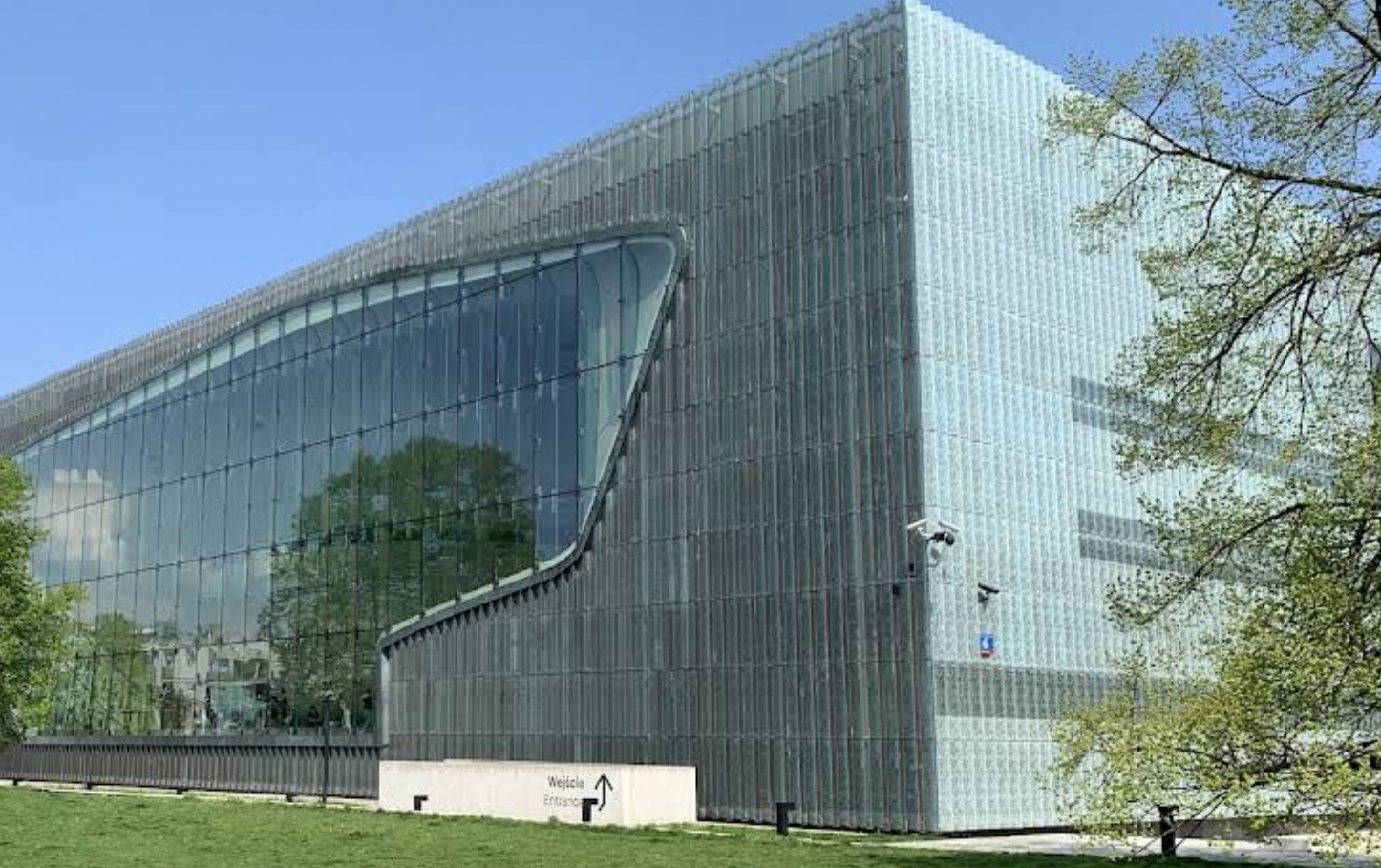
Exploring Jewish Warsaw involves not just visiting historical sites, but engaging with a city marked by remembrance:
POLIN Museum of the History of Polish Jews
Located on the site of the former Warsaw Ghetto, this award-winning museum offers an immersive journey through 1,000 years of Jewish life in Poland. It’s a must-visit for its interactive exhibits, emotional storytelling, and powerful architecture. Visit the official website to book your tickets (free admission on Thursdays) and read more about the permanent and temporary exhibitions.
Warsaw Ghetto Memorials
- The Monument to the Ghetto Heroes, created in 1948, stands as a powerful tribute to the fighters of the 1943 uprising.
- Nearby, the Umschlagplatz Memorial marks the place where Jews were deported to the Treblinka extermination camp.
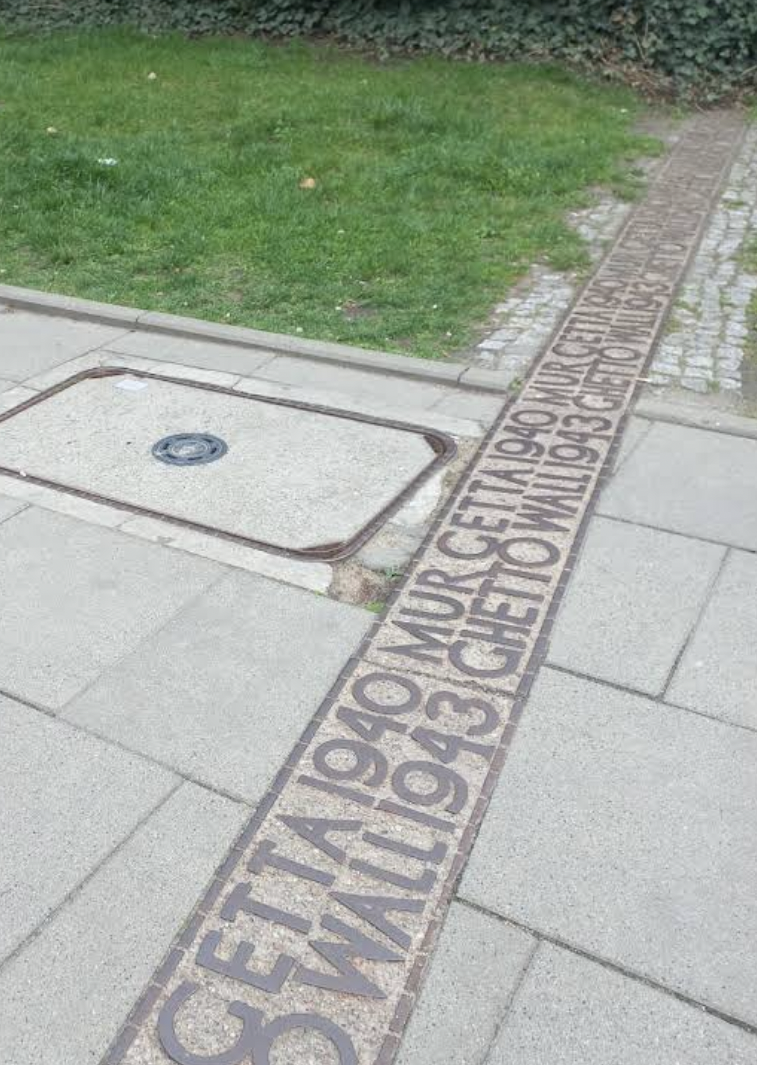
- Walking the Memory Trail with its granite markers brings the geography of the Ghetto to life.
Nożyk Synagogue
The Nożyk Synagogue is the only synagogue in Warsaw that survived the destruction of World War II. Built between 1898 and 1902 thanks to donations from the Nożyk family, this richly adorned Moorish Revival building miraculously withstood the devastation that obliterated most of the city’s Jewish heritage. It stands today not only as a powerful symbol of survival but also as a living center of Jewish worship and community life in Warsaw.
The synagogue remains active, hosting regular religious services, cultural events, and community gatherings. Visitors can gain deep insight into the endurance and revival of Jewish religious traditions in Poland. Inside, the restored interior features intricate woodwork, stained glass windows, and a solemn yet inspiring atmosphere. Guided tours are available and recommended to fully appreciate the synagogue’s historical and cultural context.
It is generally open to visitors during weekdays, but access may be limited during prayer times or Jewish holidays.
Jewish Cemetery on Okopowa Street

One of the largest Jewish cemeteries in Europe, it holds the graves of rabbis, artists, revolutionaries, and Holocaust victims. It’s a haunting yet peaceful place that speaks to the depth and diversity of Jewish life before the war.
Jewish Warsaw Today: A Living Community
While the scars of the past remain, Jewish life in Warsaw is experiencing a quiet but powerful renaissance. As said at the begging of this post, at the heart of this revival is the Jewish Community Center (JCC Warsaw), located in the city center. The JCC is a dynamic cultural and social hub, open to Jews of all backgrounds as well as non-Jews interested in learning more about Jewish culture and traditions. It organizes a wide variety of events, from Hebrew and Yiddish language courses to Shabbat dinners, film screenings, art workshops, and lectures, cooking lessons and common Sunday breakfasts. The JCC also plays a crucial role in fostering intergenerational dialogue and preserving cultural memory. It’s worth to notice that the Center rarely speaks about the politics, it focuses mainly on the day to day Jewish traditions and integration.
Are you planning to visit Warsaw and thinking about hiring a guide for a customized tour of Jewish places in town? Check this self guided two days itinerary with options for lunch, dinners and cultural life:
Day 1: Tracing Memory & Heritage

Begin your journey at POLIN Museum of the History of Polish Jews. This award winning museum was built on the site of the former Warsaw Ghetto. Through immersive exhibitions, learn about 1,000 years of Jewish life in Poland—from the Middle Ages to the postwar era. Don’t miss the “Core Exhibition” and the symbolic architecture of the building itself. Reserve at least 2-3 hours.
From POLIN head toward the Monument to the Ghetto Heroes. It is a powerful tribute to those who fought in the 1943 Warsaw Ghetto Uprising. The monument stands as a solemn place of remembrance.
For lunch step by to Hamra Restaurant in Zelazna Street and taste some traditional middle eastern dishes.
After lunch head to Warsaw Ghetto Memorial Trail. In around 2 hours walks you will follow the commemorative plaques and markers that trace the boundary of the former Warsaw Ghetto. Stops include:
Umschlagplatz – the deportation site to Treblinka
Miła 18 Bunker Memorial – symbolic grave of Mordechai Anielewicz, commander of the Ghetto Uprising
Footbridge Memorial on Chłodna Street – where the footbridge once connected the “small” and “large” ghetto
Last stop of the day is Nożyk Synagogue in Twarda 6. Dedicate at least half an hour to visit this one and only prewar synagogue in Warsaw. Still an active place of worship, it offers insight into the revival of Jewish life in the city.
Day 2: Community, Culture & Revival
Start your day by visiting the Jewish Cemetery on Okopowa Street. It is one of Europe’s largest Jewish cemeteries, this serene yet powerful space contains the graves of rabbis, writers, resistance fighters, and notable Polish Jews. Bring a guidebook to appreciate the rich symbolism and history.
In late morning and for lunch head to JCC Warsaw (Jewish Community Center). It is a true hub of Jewish cultural and community life. Visit to learn about the Jewish revival in Warsaw, engage with staff or local programs, and discover how Jewish identity is being rebuilt today. Check their calendar in advance—public events, Hebrew lessons, or Shabbat dinners may be available.
Reach out ahead of time for a guided tour or to join a scheduled activity.
In the afternoon head to Plac Grzybowski & Próżna Street. It is a moving blend of old and new. Walk down Próżna Street, where restored 19th-century tenements evoke prewar Jewish life. Plac Grzybowski was once a vibrant Jewish square, and now serves as a symbol of Warsaw’s multicultural layers. Check the All Saints’ Church & Jewish Warsaw Memorial Plaques. It is a unique point of interfaith history—this church provided shelter to Jews during the Holocaust. Nearby plaques commemorate both Christian and Jewish efforts in wartime resistance.
For your evevning activity check the calendars of JCC Warsaw, POLIN Museum, or Teatr Żydowski (Jewish Theatre) for live events, performances, or lectures. Either you are Jewish or not, you are welcome to attend many of these events. In fact, many local inhabitants of Warsaw gather together and mingle with the Jewish community. Whether you’re celebrating a holiday, attending a concert, or simply chatting over coffee, the JCC brings to life the warmth and resilience of a community that refuses to be forgotten. Forget the politcs when attending those places: all of them focus on the cultural aspect of the community.
 Nomadlytics
Leave a comment