
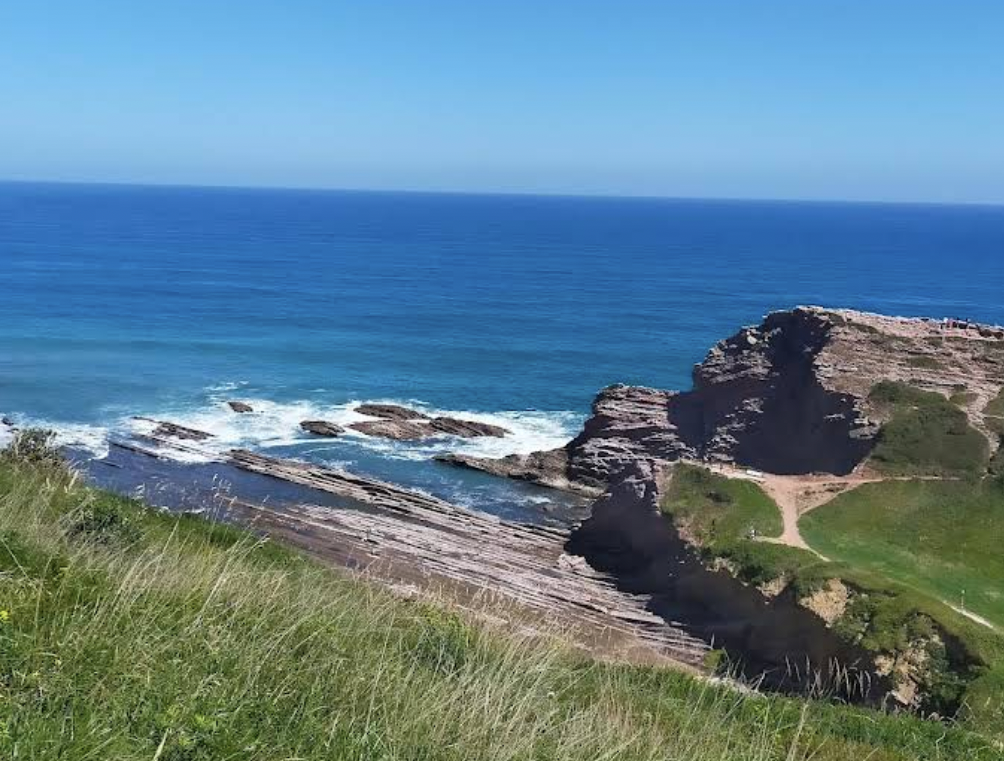
The Basque Country, straddling the border between northern Spain and southwestern France, is a hiker’s paradise. Here you will enjoy views of the coastlines and green mountains combined with a rich cultural heritage. This region offers a plethora of trails suitable for day hikes and it’s a perfect option for a day trip if you are surf tripping in Biarritz. Let’s check some of the best hikes suitable almost for every level of fitness.
1. Flysch Route (Zumaia to Deba)
Distance: Approximately 14 km (8.7 miles)
Duration: 4–5 hours
Difficulty: Moderate
The Flysch Route, located within the Basque Coast Geopark, offers a unique opportunity to walk through 60 million years of Earth’s history. The trail stretches between the towns of Zumaia and Deba, showcasing cliffs, unique rock formations, and stunning ocean views. Along the way, you can explore the charming fishing villages and enjoy local Basque cuisine. You will need a car to get here, especcially if you are arriving from the Southern France. Zumaia is situated 80km from Biarritz and traffic jams are very common in high season. It’s still possible to enjoy this hike on a day trip from Biarritz.
2. Mount Txindoki (Larrunarri)
Distance: Approximately 10 km (6.2 miles) round trip
Duration: 4–5 hours
Difficulty: Challenging
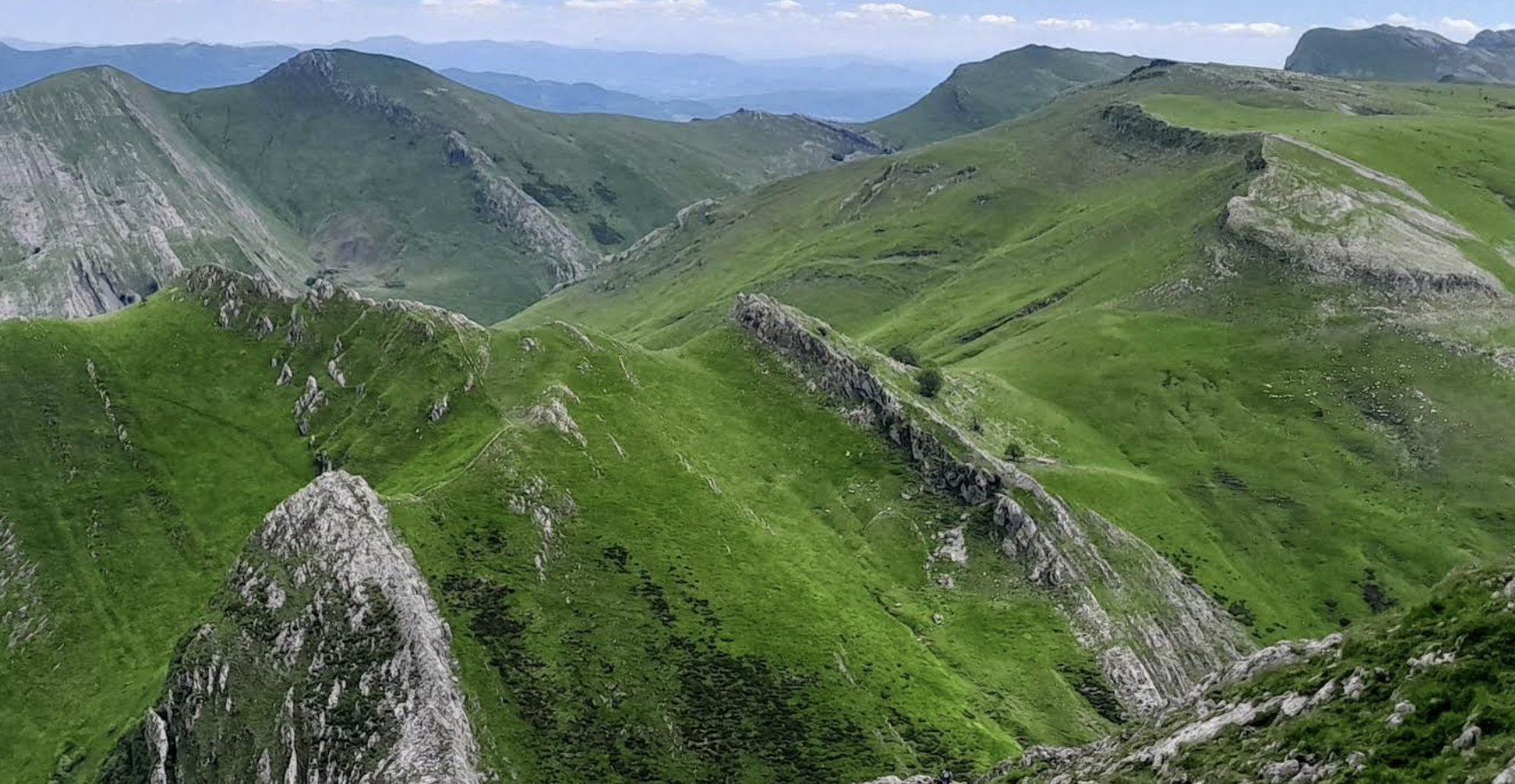
Rising to 1,346 meters (4,416 feet), Mount Txindoki, also known as Larrunarri, is often nicknamed the “Basque Matterhorn” for its striking pyramid-like silhouette. This prominent peak in the Aralar Natural Park is one of the most beloved summits in the Basque Country, both for its visual appeal and the rewarding challenge it offers hikers.
The most popular route begins at the picturesque village of Larraitz, situated at the foot of the mountain. The trail starts gently, winding through rolling green pastures and beech woodlands, often dotted with grazing sheep and traditional caseríos (Basque farmhouses), giving hikers a taste of the region’s rural charm.
As the path climbs, the terrain becomes steeper and more rugged, transitioning into rocky outcrops and alpine meadows. Along the way, hikers are treated to sweeping views of the Goierri valley, and, on clear days, can even spot the distant peaks of the Pyrenees.
The final ascent to the summit requires some stamina and sure-footedness, but the panoramic 360-degree views from the top are a fitting reward. From the summit, the vast landscapes of Gipuzkoa, Navarre, and beyond unfold, offering a breathtaking perspective of the Basque highlands.
Mount Txindoki is not only a physical challenge but also a cultural and spiritual symbol for many locals. It’s a common site for traditional pilgrimages and local festivals, and its slopes are steeped in mythology and Basque folklore.
Whether you’re an experienced hiker looking for a rewarding climb or a nature lover seeking a deeper connection with Basque heritage, Txindoki offers a compelling mix of natural beauty and cultural significance.
Just a bit more than one hour from Biarritz, this trail is perfect for day trip but it’s not for everyone – this steep and challenging path requires a certain level of fitness and physical preparation.
3. Urkiola Natural Park
Distance: Various trails ranging from 5 to 15 km (3.1 to 9.3 miles)
Duration: 2–6 hours
Difficulty: Easy to Moderate
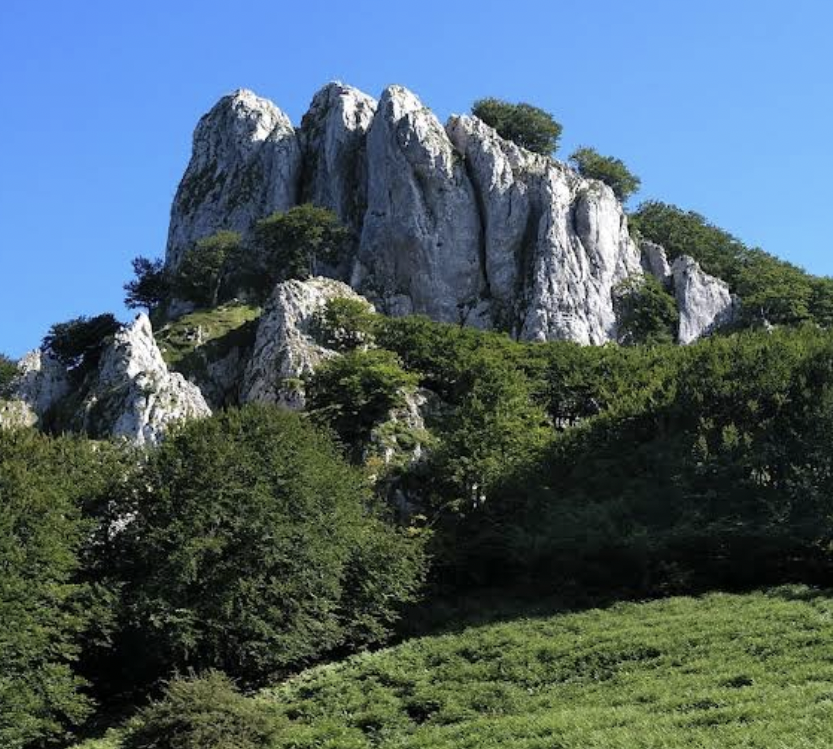
Urkiola Natural Park is a strikingly beautiful protected area known for its diverse ecosystems, limestone peaks, and deep cultural and mythological significance. Spanning over 5,900 hectares across the provinces of Bizkaia and Álava, the park is a haven for hikers, climbers, and families offering a wide range of outdoor activities throughout the year. The park’s website can be improved but the section for climbers is really well developed and here you can find all information needed for your next climbing adventure.
The landscape is dominated by the Urkiola mountain range, with rugged limestone ridges, deep forests of beech, oak, and pine, and alpine meadows alive with seasonal wildflowers. Wildlife enthusiasts may spot roe deer, wild boar, griffon vultures, and a variety of birds of prey that soar above the cliffs.
The park is crisscrossed by a well-maintained network of trails, ranging from short, family-friendly walks to more demanding hikes. These trails offer visitors the chance to explore a variety of natural and cultural highlights, including scenic viewpoints, sacred sites, and centuries-old hermitages.
One of the most iconic hikes in the park is the ascent to Mount Anboto (1,331 meters / 4,367 feet), a jagged peak that towers dramatically over the surrounding valleys. This mountain holds a special place in Basque mythology as the legendary home of Mari, the principal goddess in the region’s ancient spiritual traditions. According to legend, Mari resides in a cave near the summit and emerges during storms, often associated with natural phenomena and justice.
The hike to Mount Anboto is challenging but rewarding, offering panoramic views over the Durangaldea region and the broader Basque mountain ranges. Along the way, hikers pass through enchanted forests and stark limestone landscapes that seem almost otherworldly in their beauty.
At the heart of the park lies the San Antonio Sanctuary of Urkiola, a popular pilgrimage site that adds a spiritual layer to the natural setting. Just across from the sanctuary is a large stone that, according to local belief, brings good fortune in love if you circle it seven times.
Urkiola Natural Park is not just a destination for outdoor adventure—it’s a place where nature, history, and legend intertwine, offering a deeply immersive experience in the cultural soul of the Basque Country.
Planning to combine the hike in the park with surfing in Biarritz? It is possible as the park is reachable by the direct road and usually it takes less than 2 hours to arrive here. However, the dense network of hiking trails is so inviting that I would suggest you to stay here 2 or 3 days and try more than one path.
4. Pagasarri (Bilbao’s Backyard Mountain)
Distance: Approximately 10 km (6.2 miles) round trip
Duration: 3–4 hours
Difficulty: Moderate
If you are visiting Bilbao, this hike is a must for you day trip. Pagasarri in fact is a perfect escape into nature. The trailhead is accessible from the city center, leading through beech forests to the summit at 673 meters (2,208 feet). At the top, a mountain refuge provides a spot to rest and enjoy panoramic views of Bilbao and the surrounding countryside. It’s considered moderate not easy but I would say that also families with kids will enjoy it.
5. San Juan de Gaztelugatxe
Distance: Approximately 2.5 km (1.6 miles) round trip
Duration: 1–2 hours
Difficulty: Moderate
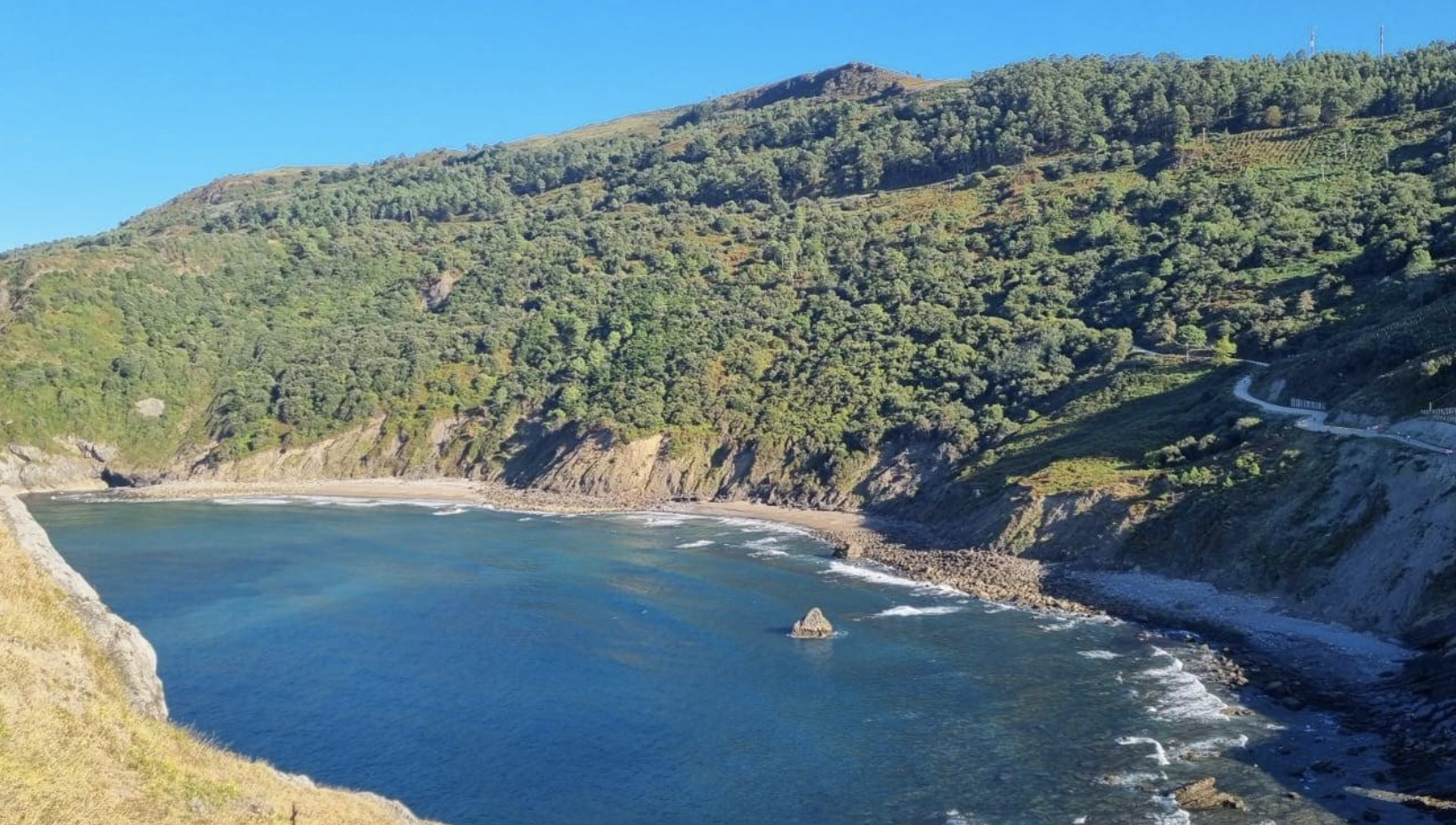
San Juan de Gaztelugatxe is a beautiful islet located off the northern coast of Spain, in the Basque Country, near the town of Bermeo. This striking natural formation is connected to the mainland by a narrow, man-made stone bridge and a winding staircase carved into the hillside, comprising a total of 241 steps. The path zigzags dramatically across the steep terrain, offering panoramic views at every turn.
At the summit of the island sits a small hermitage, known as Ermita de San Juan, which dates back to the 10th century. Though modest in size, the hermitage holds deep cultural and religious significance for locals, and is dedicated to John the Baptist. Over the centuries, it has undergone numerous reconstructions due to storm damage and attacks, yet it remains a symbol of resilience and devotion.
San Juan de Gaztelugatxe gained worldwide recognition when it was featured as Dragonstone in HBO’s hit television series Game of Thrones. Its dramatic cliffs, crashing waves, and isolated charm made it an ideal stand-in for the ancestral home of House Targaryen.
Visitors who make the hike up the stone steps are rewarded with breathtaking views of the rugged Basque coastline and the vast expanse of the Bay of Biscay. The journey itself, framed by wind-swept cliffs and vibrant blue waters, is an unforgettable experience. At the top, tradition holds that ringing the church bell three times and making a wish will bring good luck—a fitting end to a pilgrimage that blends history, legend, and natural beauty.
6. La Rhune (Larrun)

Distance: Approximately 13 km (8.1 miles) round trip
Duration: 4–5 hours
Difficulty: Moderate
Straddling the border between France and Spain, La Rhune stands at 905 meters (2,969 feet) and offers hikers panoramic views of the Basque coastline and the Pyrenees. The trail begins in the French village of Ascain, ascending through pastoral landscapes. For those preferring a less strenuous option, a historic cogwheel train provides an alternative route to the summit. This cross border trail is a must if you are on holiday in Biarritz.
7. Aizkorri-Aratz Natural Park
Distance: Various trails, including a 15 km (9.3 miles) loop
Duration: 4–6 hours
Difficulty: Challenging
Highlights: High mountain peaks, ancient hermitages, alpine meadows
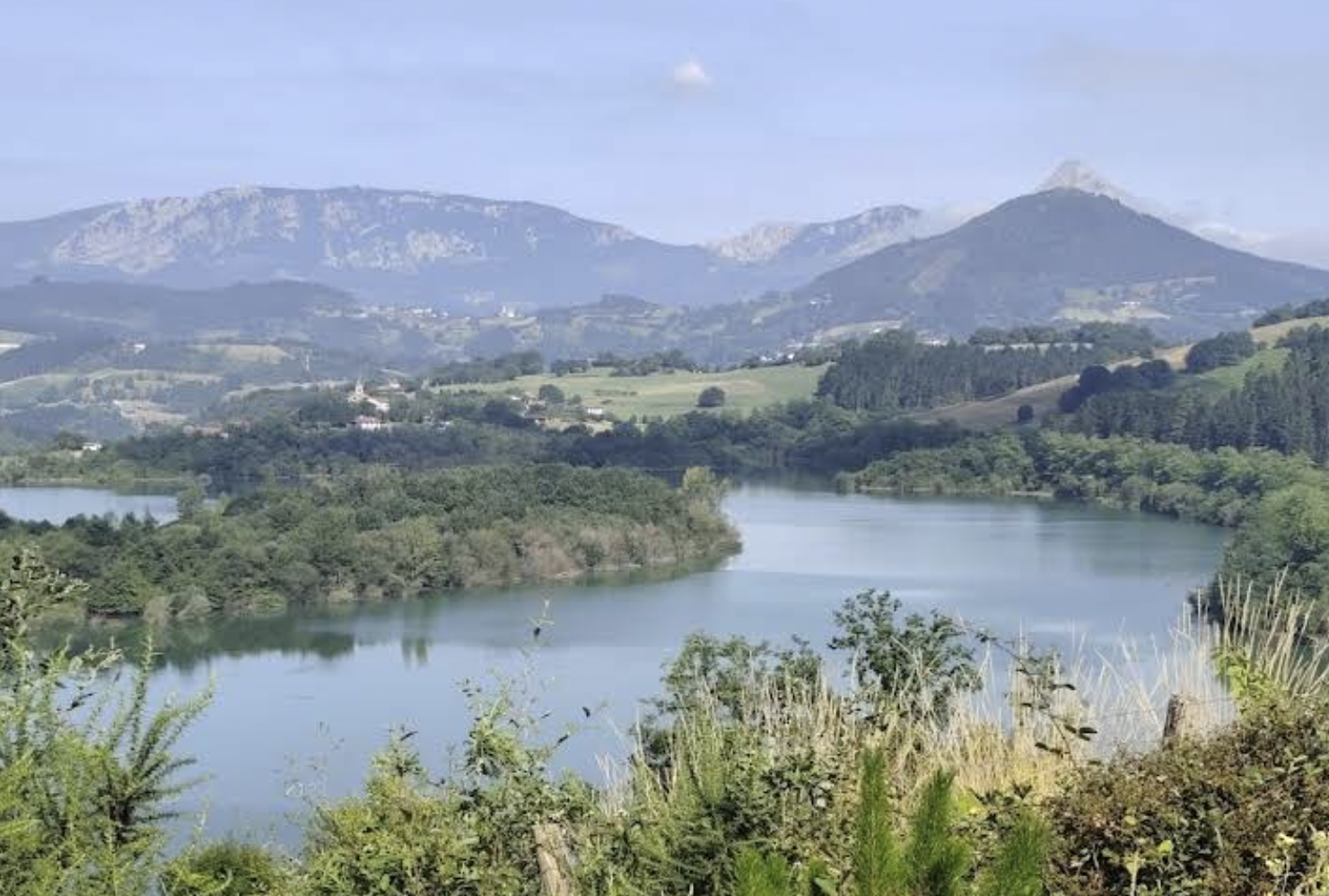
Aizkorri-Aratz Natural Park is home to some of the highest peaks in the Basque Country, including Mount Aizkorri at 1,528 meters (5,013 feet). The park’s trails traverse alpine meadows, dense forests, and rocky ridges. One notable route starts from the Sanctuary of Arantzazu, leading through the Urbia meadows and up to the summit, where a hermitage and refuge await. Here you will find all the necessary information to visit the park, the detailed maps of the trails and the available accommodation. Yes, you can hike here on a day trip but it’s worth to stay longer and enjoy this natural reserve.
8. Jaizkibel Ridge

Distance: Approximately 17 km (10.6 miles)
Duration: 5–6 hours
Difficulty: Moderate
The Jaizkibel Ridge trail is one of the Basque Country’s most scenic and rewarding coastal hikes, offering a captivating mix of rugged natural landscapes and echoes of centuries past. Stretching roughly 17 kilometers, the trail runs along the spine of Mount Jaizkibel, a prominent coastal ridge that rises between the charming fishing port of Hondarribia and the historic town of Pasaia.
What makes this hike truly special is the way it blends raw, unspoiled beauty with cultural and historical intrigue. As you follow the winding trail, you’ll traverse a series of windswept cliffs that plunge dramatically into the Bay of Biscay. The jagged coastline is punctuated by secluded coves, hidden beaches, and weather-sculpted rock formations that make the route feel both wild and intimate. On clear days, hikers are treated to sweeping views of the open sea, the French coastline to the north, and the green Basque hills rolling inland.
In addition to its natural allure, Jaizkibel holds historical significance. Scattered along the ridge are remnants of 19th-century military fortifications, old watchtowers, and bunkers—silent witnesses to Spain’s coastal defense history. These structures, some crumbling and overgrown, offer a fascinating contrast to the otherwise pristine environment and invite moments of reflection.
Though classified as moderate in difficulty, the trail includes several undulating sections and rocky terrain that require a reasonable level of fitness and good footwear. The route is well-marked but remote in places, so hikers are advised to bring water, snacks, and layers, especially given the Atlantic’s unpredictable weather.
9. Aralar Natural Park
Distance: Various trails ranging from 5 to 20 km (3.1 to 12.4 miles)
Duration: 2–7 hours
Difficulty: Easy to Challenging
Check the official website of Arlar Natural Park here and discover the details of all the trails. Located between the provinces of Gipuzkoa and Navarre, this park is one of the Basque Country’s most fascinating natural reserves. Spanning over 200 square kilometers, this park is defined by its karstic landscapes, a striking combination of limestone cliffs, rocky plateaus, and deep sinkholes shaped by millennia of erosion. These dramatic landforms are softened by expanses of dense beech and oak forests, wildflower-strewn meadows, and sweeping high-altitude pastures that have long been home to Basque shepherds and their flocks.
Aralar offers a diverse network of trails, catering to hikers of all experience levels—from gentle walks through forested valleys to more demanding ascents leading to panoramic viewpoints atop the Sierra de Aralar. Whether you’re in search of a peaceful woodland stroll or a full-day mountain trek, you’ll find a path that suits your pace and spirit.
Along the way, hikers can encounter traditional stone huts known as “txabolas,” still used seasonally by shepherds who maintain the park’s centuries-old pastoral customs. These rustic structures dot the open fields, serving as tangible links to the region’s rich Basque cultural heritage.
Nature lovers will also appreciate the park’s biodiversity. The area is home to a variety of wildlife, including griffon vultures, wild boar, roe deer, and even elusive species such as the Pyrenean desman, a rare semi-aquatic mammal. Birdwatchers and botanists alike will find Aralar a rewarding destination year-round.
One of the park’s cultural and spiritual highlights is the San Miguel de Aralar Sanctuary, perched at 1,230 meters above sea level. This Romanesque church, built in the 11th century, is both a pilgrimage site and a peaceful rest stop offering panoramic views across the valleys and peaks of the Basque countryside.
With its mix of natural splendor, geological wonder, and cultural depth, Aralar Natural Park offers more than just a hike—it offers a journey through the heart of Basque identity and a chance to experience the landscape as it has been lived in for generations.
10. Pagoeta Natural Park
Distance: Various trails ranging from 4 to 10 km (2.5 to 6.2 miles)
Duration: 1.5–4 hours
Difficulty: Easy to Moderate
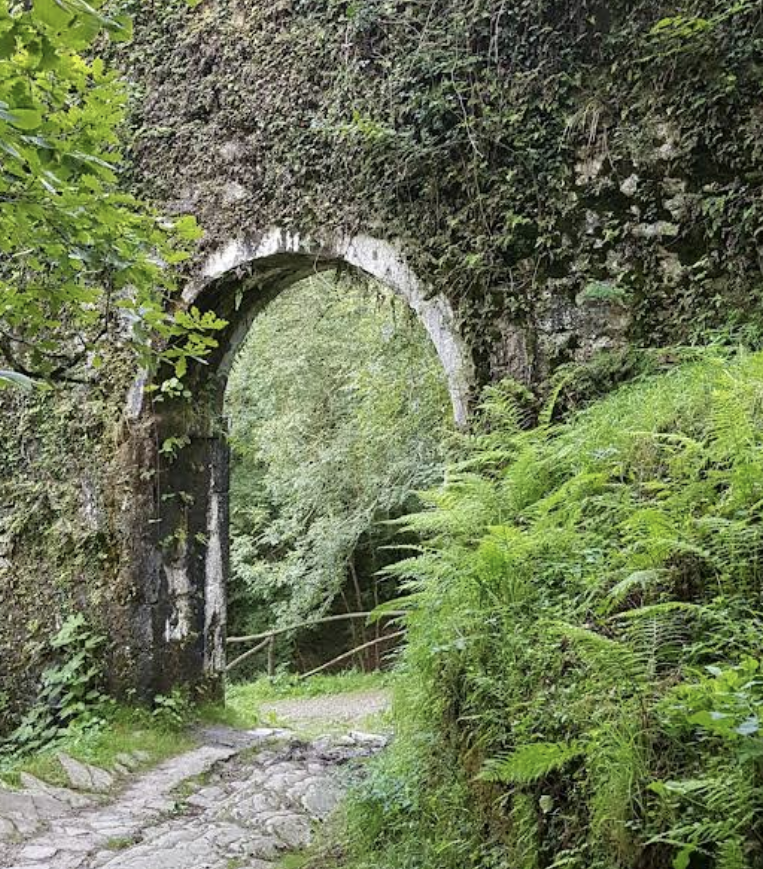
Situated near the town of Aia, Pagoeta Natural Park offers a mix of cultural heritage and natural beauty. Trails wind through forests, meadows, and past historical sites such as the Agorregi Forge, an 18th-century ironworks. The park also features a botanical garden showcasing native plant species. There are plenty of initiative for families with kids. Check more on the official website of the park here – for now, only in Spanish.
 Nomadlytics
Leave a comment