
Situated in the green hills of northern Spain, along the banks of the Nervión River, Bilbao is more than just the largest city in the Basque Country — it is its cultural heartbeat. For decades, Bilbao has evolved from a gritty industrial town into a dazzling metropolis renowned for its artistic innovation, architectural marvels, and rich Basque traditions.
But what exactly makes Bilbao the cultural capital of the Basque Country? The answer lies in its unique ability to blend heritage with modernity, tradition with innovation, and local pride with international appeal. Let’s explore why Bilbao is the epicenter of Basque culture and how it embodies the spirit of this distinct region.
A City Transformed: From Industry to Icon
In the 20th century, Bilbao was primarily known as a center for shipbuilding, steel production, and heavy industry. This industrial past shaped the city’s identity and landscape, but also left it struggling with economic decline and pollution by the late 1900s.
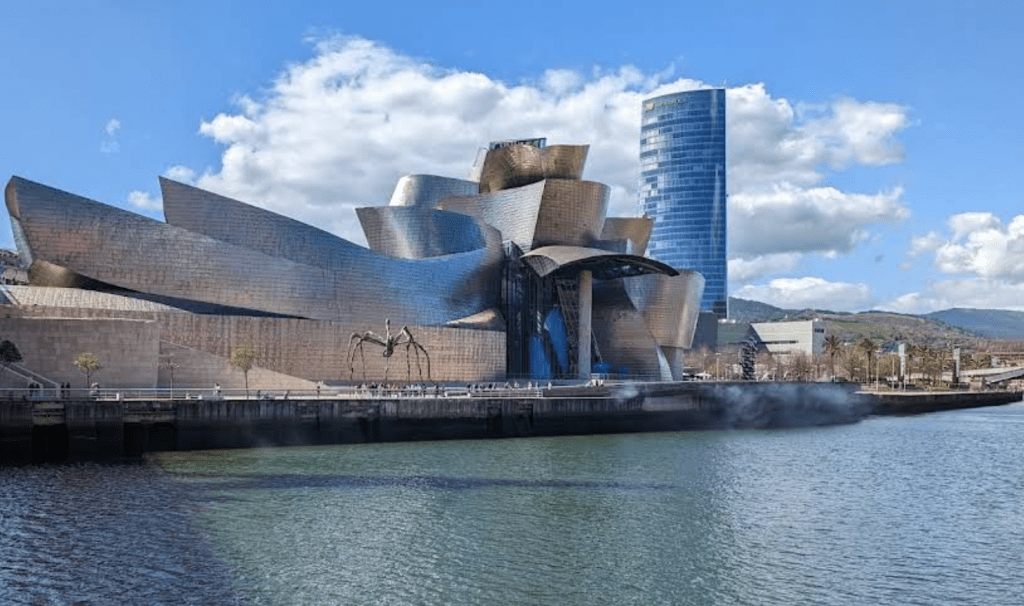
The cultural rebirth began with a bold urban regeneration project in the 1990s — centered on the opening of the now world-famous Guggenheim Museum Bilbao in 1997. Designed by architect Frank Gehry, the museum is an architectural masterpiece and a symbol of Bilbao’s transformation. It put the city on the global map as a cultural destination overnight.

This “Bilbao effect” sparked a wider cultural renaissance: old factories gave way to art galleries, theaters, and creative spaces, while the city invested heavily in public infrastructure and cultural institutions. Bilbao became a shining example of how culture can drive urban renewal.
The Guggenheim Museum: A Cultural Icon
No discussion about Bilbao’s cultural capital status would be complete without mentioning the Guggenheim Museum. It is arguably the most influential art museum in Spain and one of the most celebrated museums globally.
Art & Architecture
The museum’s cutting-edge design, with its swirling titanium panels, echoes the Basque landscape’s rugged coastline and industrial heritage. Inside, the Guggenheim hosts contemporary and modern art exhibitions from renowned international artists alongside Basque creators.
Cultural Magnet
The museum attracts over a million visitors annually, drawing art lovers from around the world and putting Basque culture in a global spotlight.
Economic & Social Impact
Beyond art, the Guggenheim has had a huge positive impact on Bilbao’s economy and social fabric, fostering local pride and inspiring further cultural initiatives.
A Thriving Arts Scene Beyond the Guggenheim
Bilbao’s cultural richness extends far beyond the Guggenheim. The city has cultivated a thriving arts scene with museums, galleries, theaters, and festivals that celebrate both Basque tradition and contemporary creativity.
Museo de Bellas Artes de Bilbao
One of Spain’s premier art institutions, the Museo de Bellas Artes de Bilbao houses an extensive collection spanning from the 13th century to the present. The museum features masterpieces from Spanish and European artists such as El Greco, Goya, Zurbarán, Sorolla, and Chillida, alongside a strong focus on Basque art. Its elegant blend of classical and modern architecture mirrors the evolution of its collection. The museum regularly hosts temporary exhibitions, guided tours, and educational activities, making it a cultural cornerstone of the city.
Opening Times:
- Monday to Saturday: 10:00 AM – 8:00 PM
- Sunday and Public Holidays: 10:00 AM – 3:00 PM
- Closed: Tuesdays (except on public holidays)
Azkuna Zentroa (Alhóndiga Bilbao)
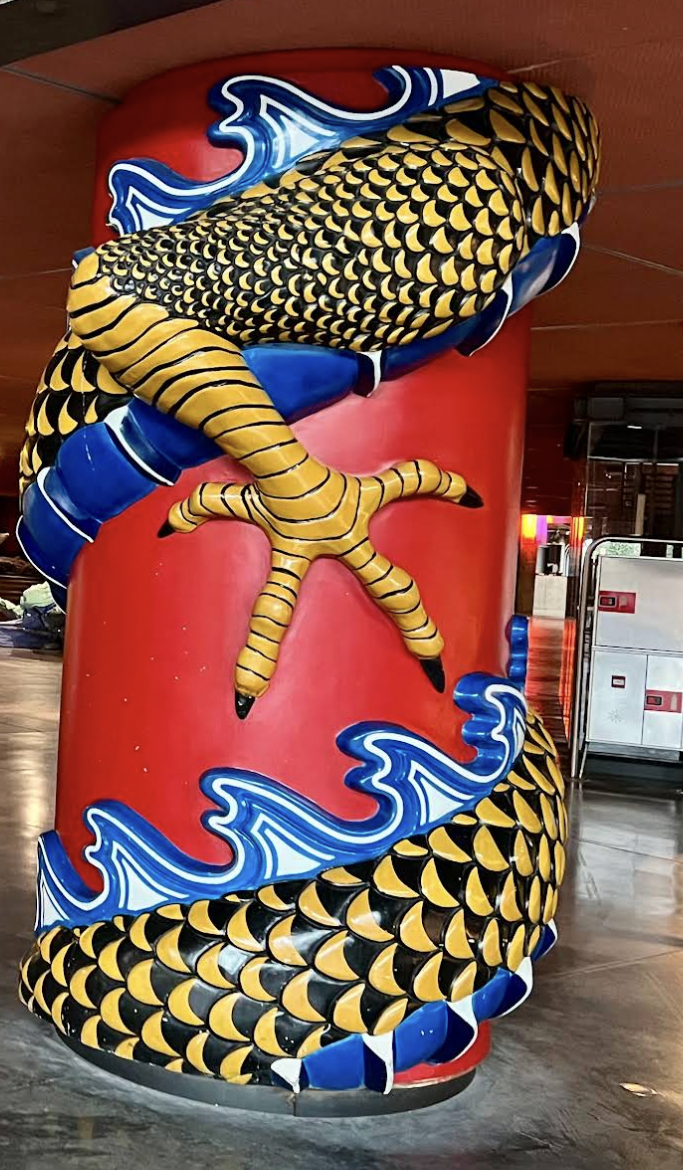
Azkuna Zentroa is a dynamic cultural hub located in a beautifully renovated modernist wine warehouse. Designed by French architect Philippe Starck, the space blends historic charm with contemporary innovation. It offers a wide array of cultural programming, including contemporary art exhibitions, concerts, film screenings, dance performances, and creative workshops. The building also features a public library, rooftop swimming pool with a glass bottom, and cafes, making it a vibrant meeting point for locals and visitors alike.
Opening Times:
- Monday to Sunday: 9:00 AM – 9:00 PM
- Cultural spaces (exhibitions, etc.): Typically 11:00 AM – 8:00 PM (varies by program)
BilbaoArte Foundation
BilbaoArte is a foundation and cultural center dedicated to supporting contemporary art and emerging artists, particularly from the Basque region. It provides studio spaces, production grants, and technical resources for artists, fostering experimentation and innovation. The foundation regularly hosts exhibitions, artist residencies, lectures, and public events, serving as a vital incubator for new talent and avant-garde projects in the visual arts. Its modern facilities and commitment to education make it a key player in Bilbao’s creative ecosystem.
Opening Times:
- Monday to Friday: 5:00 PM – 8:00 PM (exhibition spaces)
- Closed on weekends and public holidays
- Studio and resident artist access times vary
Theatres & Music Venues
Bilbao boasts a vibrant performing arts scene, with venues ranging from grand historic theatres to edgy contemporary spaces.
The Teatro Arriaga, inspired by the Paris Opera House, is the city’s architectural jewel, offering a rich calendar of opera, classical music, ballet, and theatre.
Teatro Campos Elíseos, another historic gem, blends Art Nouveau design with modern performances, including comedy, musicals, and indie theatre.
For modern sounds, Bilborock (a repurposed 17th-century church) and Kafe Antzokia (a former cinema) host live music from rock to electronic, often spotlighting local talent.
The Euskalduna Palace, a state-of-the-art concert hall, welcomes international orchestras, jazz ensembles, and large-scale productions.
Preserving and Celebrating Basque Identity
Bilbao is also a stronghold of Basque culture and language, known locally as Euskara. Unlike many regions where minority languages have faded, the Basque language thrives here, supported by education, media, and government policies. Street signs, shops, schools, and cultural events celebrate the language, helping to preserve this ancient tongue. Moreover, Bilbao hosts numerous Basque cultural festivals such as Aste Nagusia (The Big Week), the city’s lively annual festival full of traditional music, dance, and sports. Last but not least, the city is a gastronomic powerhouse where Basque culinary traditions shine in everything from pintxos bars to Michelin-starred restaurants.
Cultural Diversity and Innovation
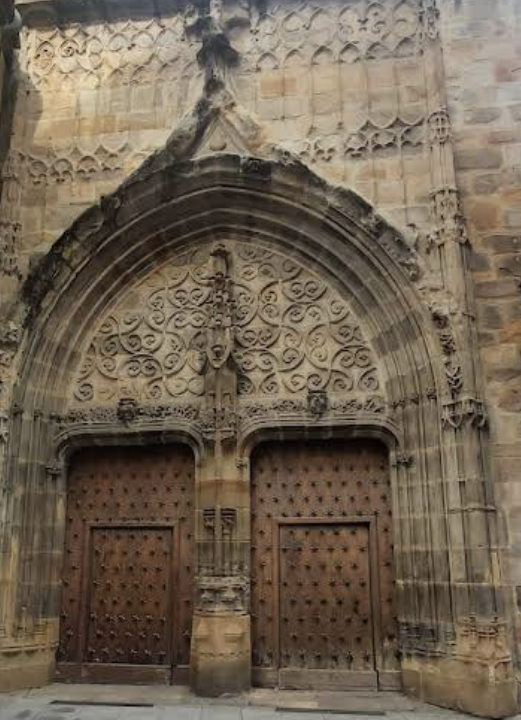
Bilbao has become a cosmopolitan hub where Basque heritage coexists with global influences. This cultural diversity fosters innovation and creativity across sectors. Spaces like Proyecto Hemen nurture multidisciplinary artistic experimentation, blending digital arts, crafts, and traditional forms. Events like the Bilbao BBK Live music festival and Zinebi International Documentary Festival attract artists and audiences from all over, enriching the city’s cultural landscape.
Bilbao’s push towards creative industries — design, media, technology — has created a dynamic environment where culture drives economic development.
The City as a Canvas: Public Art and Urban Design
Walking through Bilbao, you’ll notice how culture permeates the urban fabric.
Public Art
From large-scale sculptures like “Puppy” by Jeff Koons (outside the Guggenheim) to murals and installations scattered throughout the city, public art is a key feature.
Architectural Diversity
Bilbao’s cityscape is a fascinating blend of Art Deco buildings, sleek modernist structures, and renovated industrial spaces, all contributing to a rich visual culture.
Green Spaces
Parks like Doña Casilda Iturrizar serve as cultural hubs for outdoor performances and community gatherings.

Bilbao’s Cultural Institutions and Education
The city invests heavily in cultural education and institutions, ensuring that Basque culture is passed on and continually reinvented. University of the Basque Country (UPV/EHU) plays a major role in cultural research, arts education, and preserving Basque heritage. Basque Language Schools (known as Ikastolas) immerse children in Euskara from an early age. Organizations like the Basque Cultural Foundation promote research, art, and preservation efforts.
Bilbao as a Gateway to Basque Culture
While Bilbao is the cultural capital, the entire Basque Country is rich in cultural heritage. The city acts as a gateway, inviting visitors to explore:
- San Sebastián: Famous for its film festival, beaches, and culinary scene.
- Vitoria-Gasteiz: Known for its medieval old town and eco-friendly initiatives.
- Basque Villages: Traditional fishing and farming villages like Getaria, Hondarribia, and Mundaka offer intimate cultural experiences
Stay tuned because soon I will be posting about the most fascinating Basque villages near Bilbao.
Bilbao’s Cultural Soul
Bilbao’s journey from industrial powerhouse to cultural capital is a testament to the power of creativity, resilience, and community pride. The city honors its Basque roots while embracing innovation and internationalism, creating a cultural ecosystem that inspires locals and visitors alike.
How to get there?
By Plane:
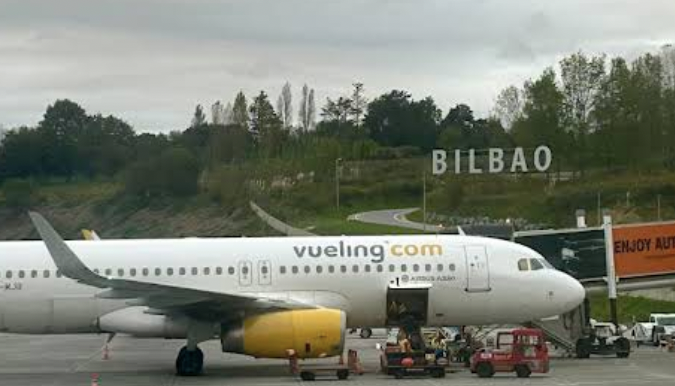
The nearest international airport is Bilbao Airport (BIO), located just 12 km from the city center. It has direct flights from major European cities such as London, Paris, Frankfurt, Amsterdam, and Madrid. From the airport, you can reach the city by taxi (approx. 15 minutes) or the A3247 airport bus, which runs every 20–30 minutes to Bilbao Termibus (main bus station).
By Train:
Bilbao is well-connected by train within Spain, though there are no direct high-speed trains from outside the country.
- From France, you can take a TGV to Hendaye or Bayonne, then connect to a regional train or bus into Bilbao.
- Within Spain, the Renfe Alvia services link Bilbao to Madrid (approx. 5 hours) and Barcelona (approx. 6.5 hours).
- The FEVE narrow-gauge railways offer scenic routes from the north coast, though they’re slower.
Accommodation
Bilbao offers a wide range of accommodation options to suit different budgets and preferences. You can find everything from budget-friendly hostels and guesthouses to mid-range hotels, serviced apartments, and luxury boutique hotels. Popular areas to stay include the Old Town (Casco Viejo), Indautxu, and near the Guggenheim Museum.
Finding accommodation is generally not difficult, especially if you book in advance. However, during festivals or major events (like Aste Nagusia in August), availability may be limited and prices can rise.
Whether you’re strolling along the Nervión River, exploring avant-garde museums, savoring pintxos in a bustling plaza, or listening to Basque folk music, Bilbao offers a deep and multifaceted cultural experience. It’s a city where tradition meets tomorrow, and where culture isn’t just preserved — it’s lived every day. If you want to truly understand the Basque Country, Bilbao is the place to start.
 Nomadlytics
Leave a comment