
San Sebastián (or Donostia in Basque) is one of Spain’s most beautiful coastal cities—where golden beaches meet green hills, pintxos bars buzz with energy, and every day feels like a celebration of the Basque spirit. If you’re planning a week here, get ready for an unbeatable mix of surfing, hiking, and cultural immersion that will leave you craving more. Let’s check together this one week suggested itinerary:
Day 1-2: Surfing the Legendary Waves
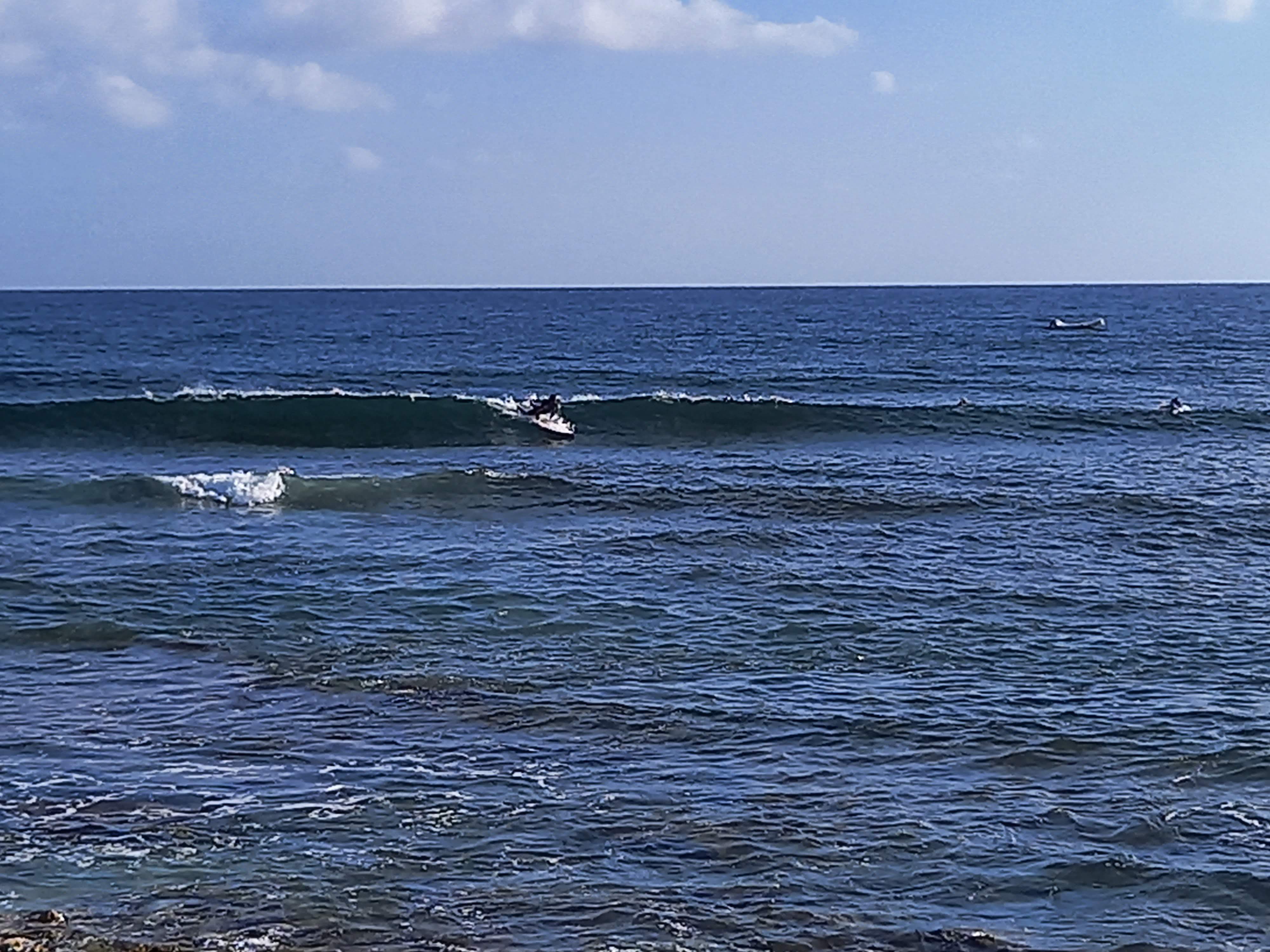
San Sebastián’s Zurriola Beach is the place to be for surf lovers. Known for consistent waves and a lively surf community, it’s perfect whether you’re a beginner or experienced. Here you will find rentals and you will be able to book surf lessons. If you want to surf bigger waves, come in autumn and winter. In summer you will enjoy great waves for the beginners. And after surfing, relax at one of the beachfront cafés or grab pintxos at nearby Gros neighborhood bars.
Day 3–4: Hiking the Green Hills of San Sebastián
One of the most magical aspects of San Sebastián is how seamlessly city life merges with nature. Just steps from its crowded old town and sweeping beaches, you’ll find two emerald hills—Monte Urgull and Monte Igueldo—each offering spectacular hikes, panoramic views, and glimpses into the region’s layered history. Whether you’re in the mood for a short urban escape or a full-day trek, San Sebastián’s trails will not disappoint. Here are three must hike trails if you are visiting San Sebastian:
1. Monte Urgull – Where History Meets the Nature
Difficulty: Easy
Duration: 45 minutes to 1.5 hours (round trip)
Access point: From the Old Town (Parte Vieja), near San Telmo Museum
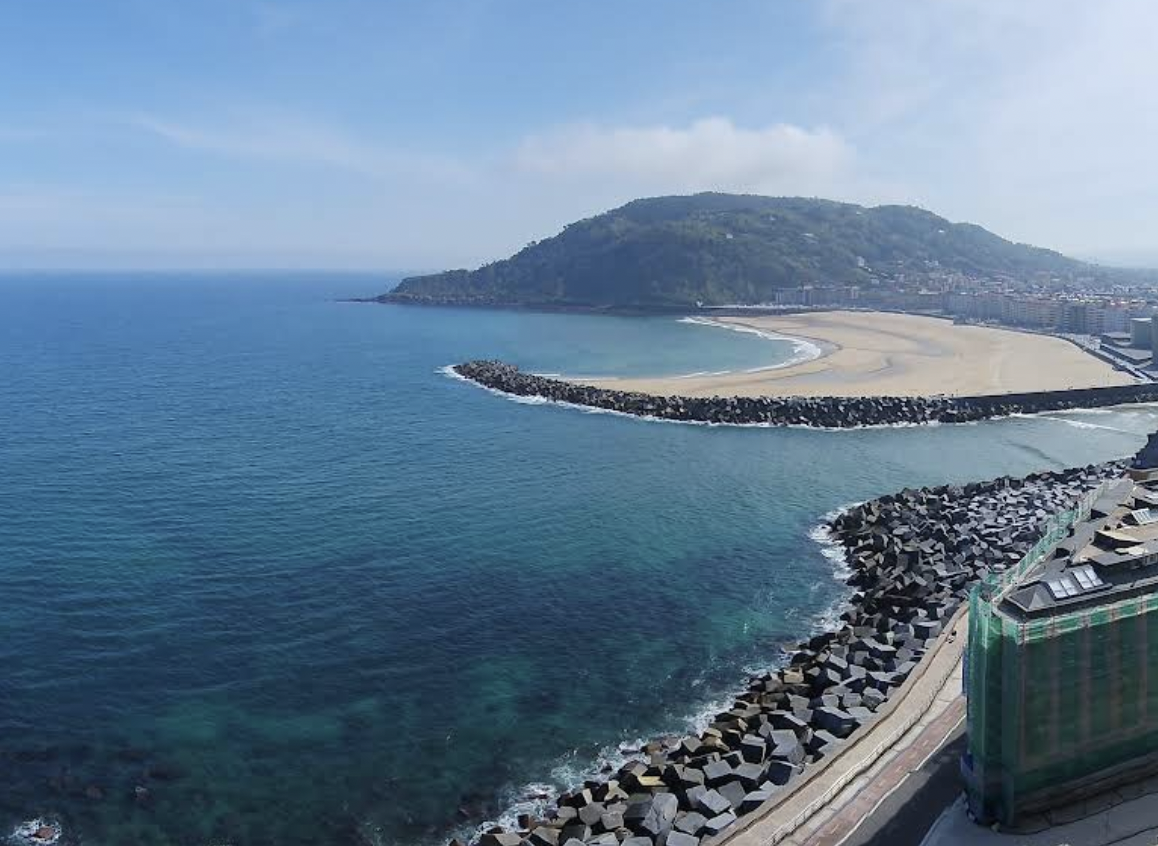
Monte Urgull is San Sebastián’s green crown, rising just behind the old town and offering a mix of lush woodland paths, historical ruins, and sweeping views over La Concha Bay. It’s perfect for a relaxed morning or late afternoon hike. In town you will find indications toward the trail’s head. The easiest access is from the harbor area behind the aquarium or from the Old Town, near the San Telmo Museum or the Basílica de Santa María.
Follow the winding stone paths through pine and chestnut trees, with hidden lookouts offering views of Zurriola Beach, the river mouth, and the harbor. Pass by old military fortifications, including the 12th-century Castillo de la Mota, which once protected the city from pirate raids and sieges. At the summit, you’ll find the Sagrado Corazón (Sacred Heart) statue, a towering Christ figure with one of the best photo ops in the Basque Country.
Tips:
- Bring a snack or coffee and relax at the top—there are shaded benches and grassy areas perfect for a break.
- Combine this hike with a visit to San Telmo Museum at the base or a pintxos crawl afterward.
- The hike is easy and accesble for families with kids. However if your kids are not used to walk, you might want to bring a child carrier backpack.
2. Monte Igueldo – Hillside Beauty & Ocean Views
Difficulty: Moderate (on foot), Easy (by funicular)
Duration: 2–3 hours round trip on foot
Access point: From Ondarreta Beach
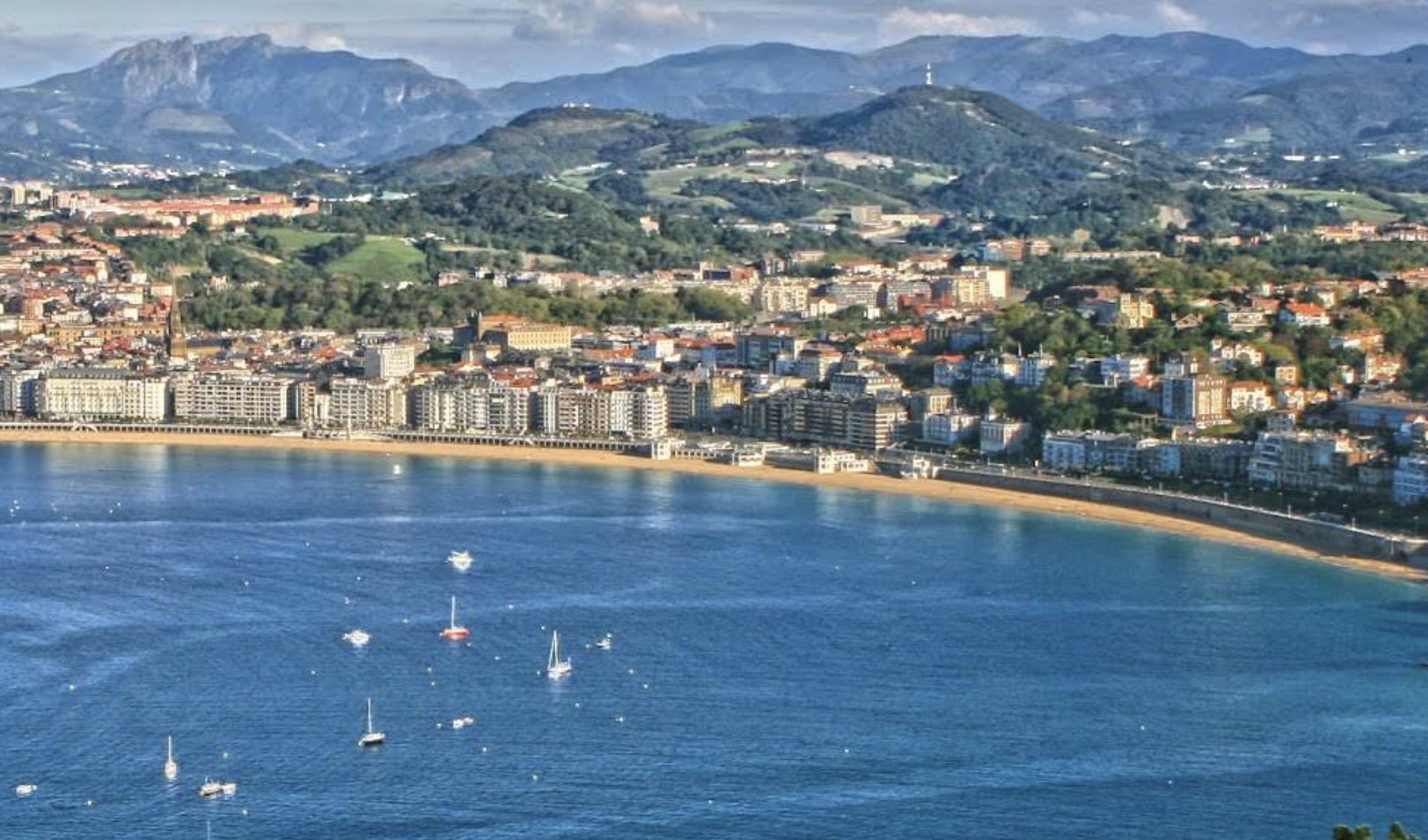
Monte Igueldo offers a different perspective: less wild, more pastoral, and deeply scenic. The summit overlooks the entire Bahía de La Concha, and the hike down is a local favorite for its peaceful, eucalyptus-lined trails. You can reach the top by the Funicular de Igueldo (a charming ride with nostalgic views) and explore the old amusement park at the top—kitschy. It’s a good solution if you have little kids- you go up by the funicular and the come back down on foot. However I advise you to hike up from the base, near Paseo del Faro, and work your way up to earn those fantastic views. The quiet country paths that meander through small farmhouses, meadows, and eucalyptus groves will enchant you. You can stop at Barrio de Igeldo, a small village with rustic Basque charm.
Extra tips:
- Hike in the evening. The sunsets from Igueldo are unforgettable, with the sun dipping into the Atlantic and casting gold across the entire bay.
- It’s quieter than Urgull, and perfect if you want a break from the crowds.
3. Coastal Hike on the Camino de Santiago (GR-121 Route)
Difficulty: Challenging
Distance: Varies – choose a section
Access point: Begin in San Sebastián and hike west toward Orio or east toward Pasaia
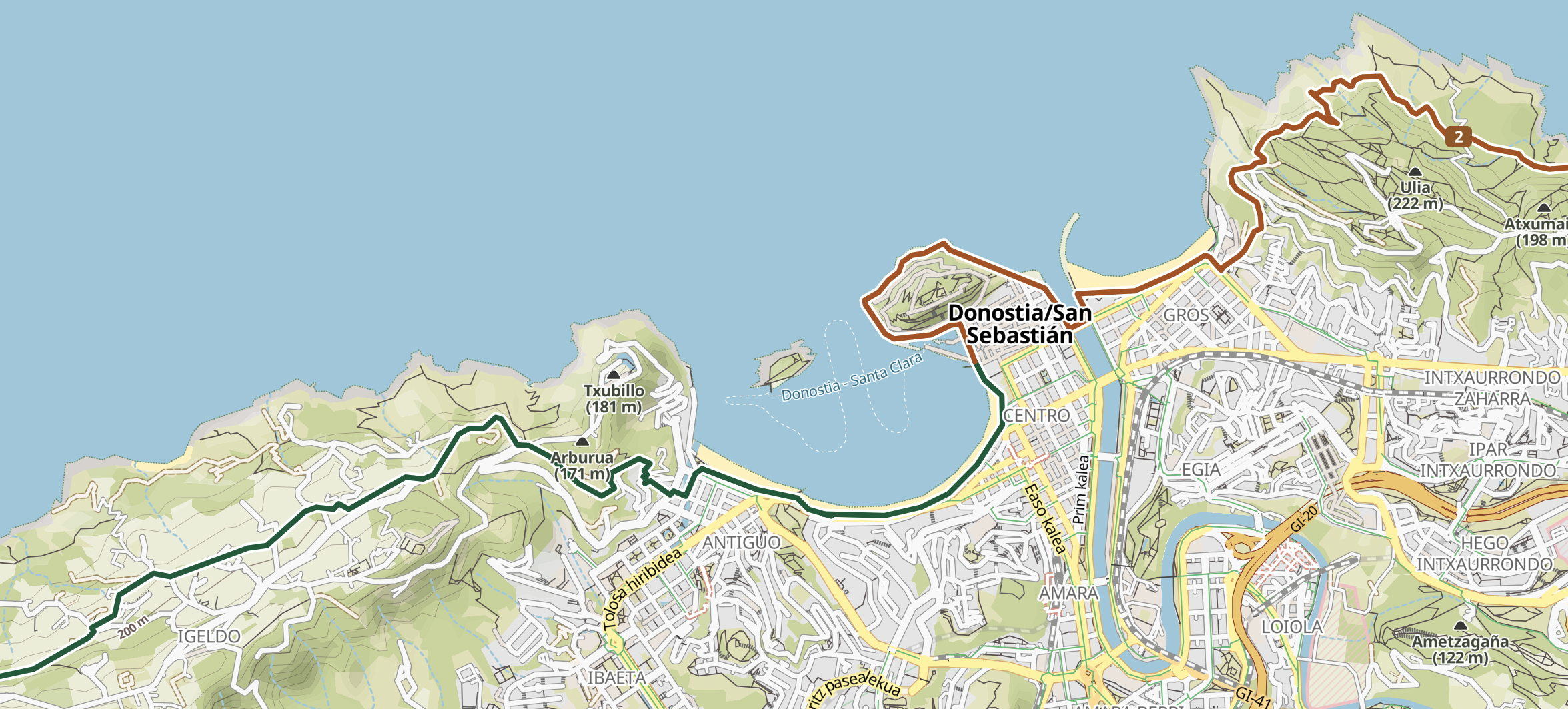
If you’re craving something longer and more adventurous, explore a segment of the Camino del Norte, part of the famous Camino de Santiago pilgrimage. The GR-121 coastal trail hugs the cliffs and beaches just outside San Sebastián and offers breathtaking coastal landscapes. Check the full description of the trail here.
Eastbound Option: San Sebastián to Pasaia (6 km)
A favorite among locals, this rugged cliffside hike takes you from Zurriola Beach over Mount Ulia, through pine forests and past dramatic ocean views. Follow the signs and you will arrive to Pasaia, a stunning little port town where you can grab a fresh seafood lunch before taking a bus or ferry back.
Westbound Option: San Sebastián to Orio via Igueldo (16 km)
If you are a regular hiker and a physically fit, head west over Monte Igueldo, along fields and coastal hills, eventually reaching the quaint town of Orio. This route mixes country and coastline, and if you start early, you’ll have time to reward yourself with a swim or local cider at the end.
What to Bring?
- Water, snacks, layers (weather can shift), and good hiking shoes—trails can get muddy after rain.
- A phone or map—although well-marked, some parts can be confusing, especially near village intersections.
Hike + Culture = Perfect Balance
Hiking in and around San Sebastián gives you more than just beautiful photos—it connects you to the Basque love for nature and outdoor life. Standing in silence atop Monte Urgull or feeling the Atlantic breeze on the Camino cliffs – in both cases you’ll feel the energy of the surrounding nature.
Day 5-7: Dive into Basque Culture and Cuisine
No visit to San Sebastián is complete without indulging in its rich culture and world-renowned gastronomy. You should spend evenings wandering the old town’s narrow streets, hopping between bars to sample tiny culinary masterpieces called pintxos—each bar has its specialty, so try as many as you can!
San Sebastián isn’t just a beach town—it’s a city where history, architecture, and art blend seamlessly into everyday life. You must visit the San Telmo Museum, housed in a former convent and explore Basque history and art. Don’t miss the beautiful Buen Pastor Cathedral and the modern Kursaal Congress Centre by the river.
San Telmo Museum
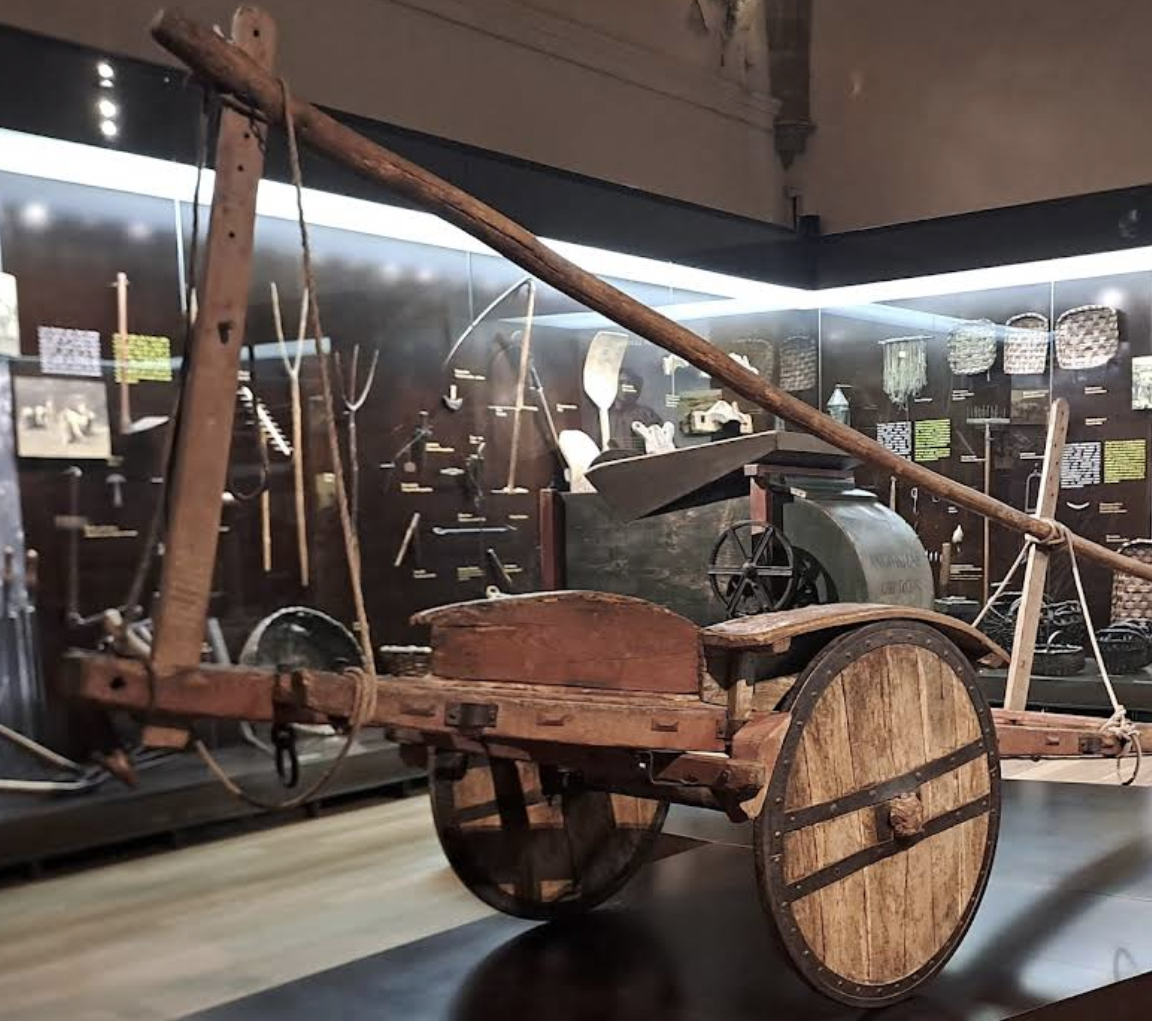
Located at the foot of Monte Urgull in the Old Town, housed in a 16th-century Dominican convent that’s been masterfully renovated with modern architecture, the museum itself is a beautiful dialogue between past and present. Inside, you’ll find collections on Basque ethnography, contemporary art, photography, and multimedia exhibits that explore everything from political movements to rural traditions. The highlight? A series of murals by José María Sert in the former church—a dramatic and immersive depiction of the struggles and triumphs of Basque society.
Check the website for all updates of the opening hours and plan to spend 1.5–2 hours here—perfect for a rainy day or a relaxed morning before a pintxos lunch.
Buen Pastor Cathedral
This neo-Gothic cathedral is San Sebastián’s tallest building and serves as a focal point in the modern city center. Built in 1897 from local sandstone, its towering spire and rose windows evoke a classic European grandeur, yet it feels deeply rooted in the city’s understated elegance.
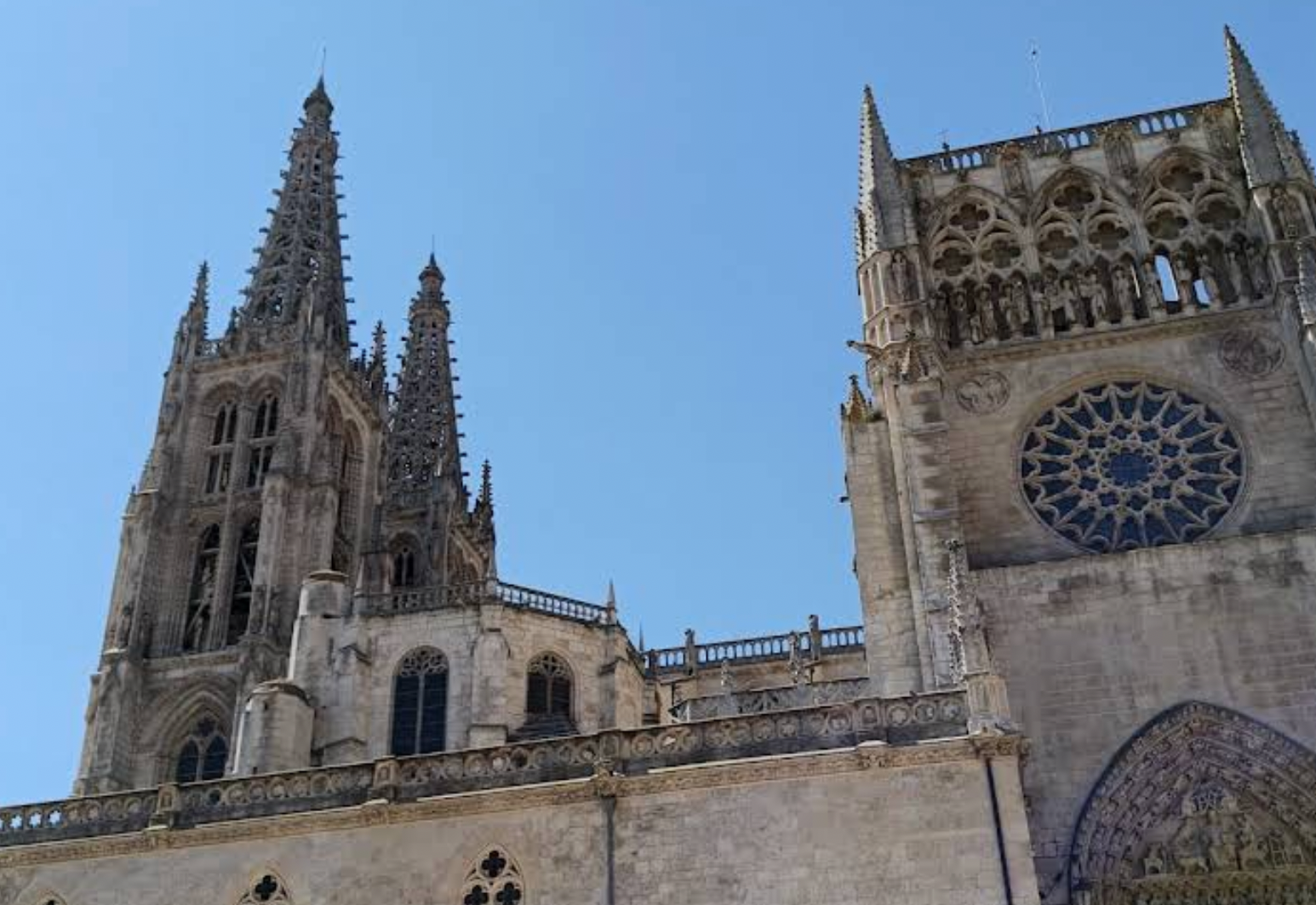
Step inside for a moment of calm: its soaring ceilings, intricate stained glass, and subtle ornamentation create a serene, spiritual atmosphere. It’s especially magical at twilight when the city’s lights begin to glow and the cathedral casts long shadows across the square. Check the website for the opening hours and guided tours, also in English.
Kursaal Congress Centre
Across the river from the old town, you’ll encounter a very different architectural statement: the Kursaal Congress Centre, designed by Rafael Moneo, a Pritzker Prize–winning architect. Often called the “two beached cubes,” this angular glass structure stands in stark contrast to San Sebastián’s Belle Époque elegance—and that’s exactly the point.
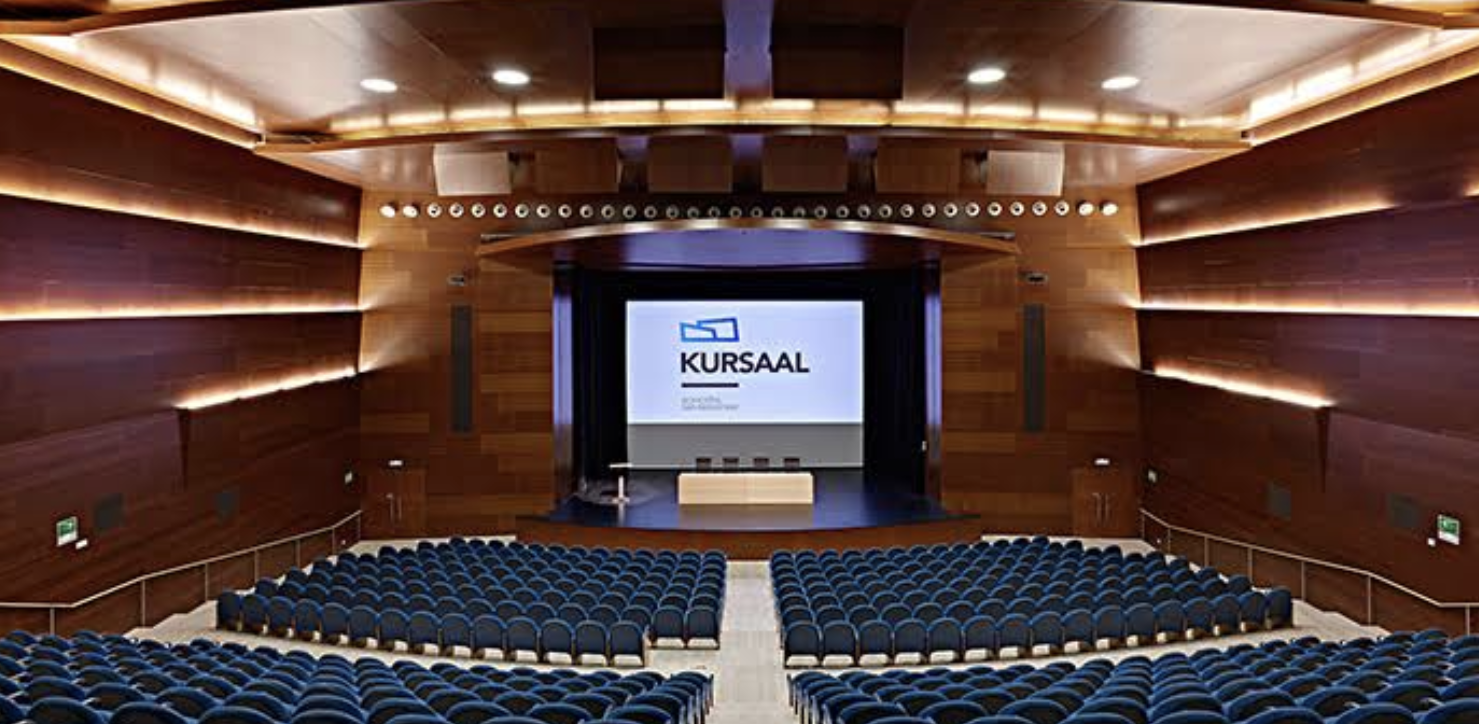
Inside, it hosts concerts, film screenings, exhibitions, and major events like the San Sebastián International Film Festival. Even if you’re not catching a performance, walk around it at sunset—the glowing translucent walls reflect the colors of the sea and sky in the most dramatic way.
Check local listings; there may be a concert, theater performance, or film festival event worth attending while you’re in town.
Local Festivals: When the City Comes Alive
San Sebastián knows how to celebrate. Throughout the year, the city pulses with festivals that blend tradition, music, food, and an unbeatable communal energy. Here are two of the most iconic:
La Tamborrada (January 20)
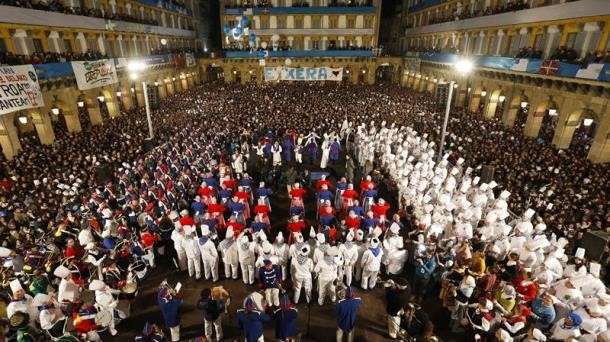
San Sebastián’s most raucous and beloved festival kicks off at midnight on January 20th. Thousands of residents, dressed in traditional military or cook uniforms, take to the streets banging drums for 24 hours straight.
It’s not just a show—it’s a display of civic pride, unity, and cultural expression. Each neighborhood has its own drumming parade, and the city is alive with joy, fireworks, and marching bands. Don’t worry if you’re not a local—visitors are always welcomed into the chaos with open arms.
If you can, watch the opening ceremony in Plaza de la Constitución at midnight—it’s unforgettable.
Jazzaldia – San Sebastián Jazz Festival (Mid-July)
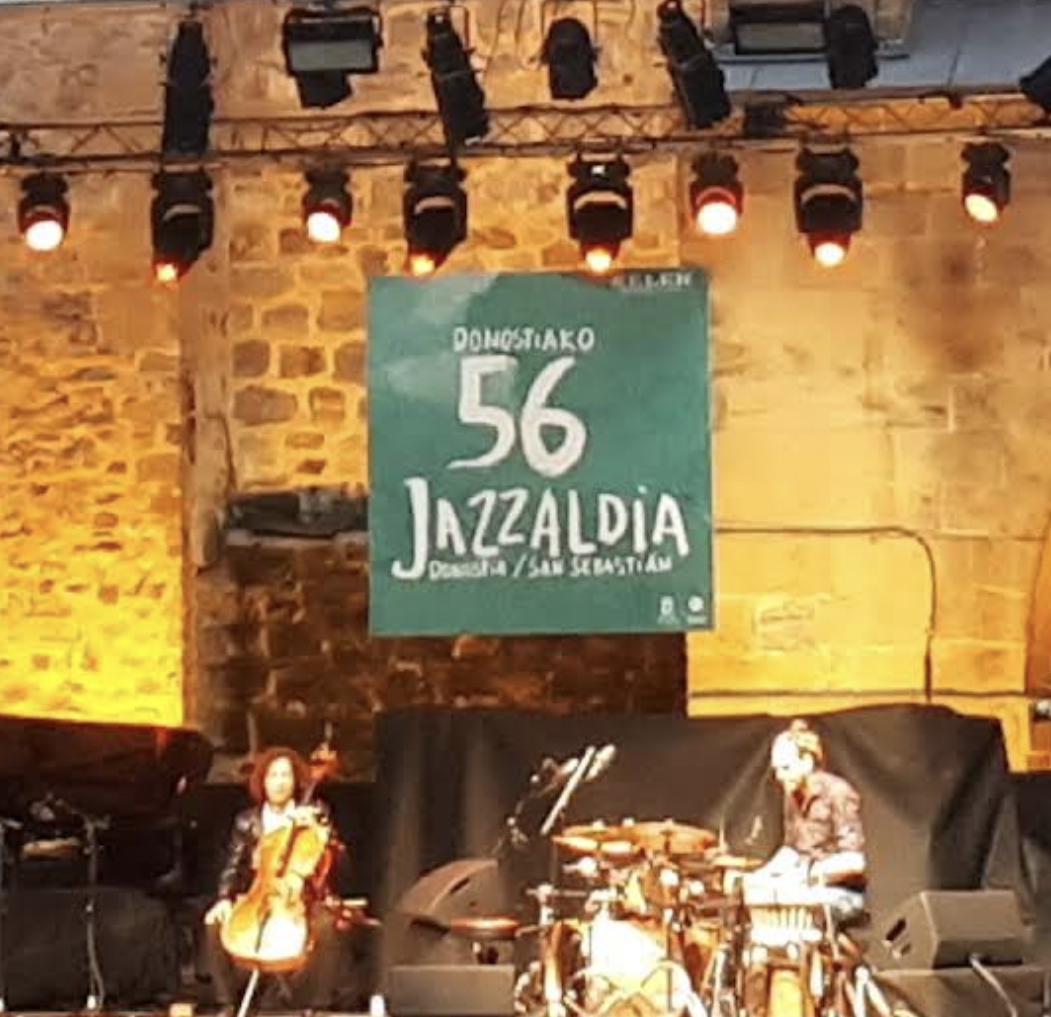
As the summer sun shines, the rhythm shifts from drums to saxophones. Jazzaldia, Spain’s oldest jazz festival, transforms the city into a stage. From beachside sets on Zurriola to intimate concerts in plazas and churches, it’s an incredible blend of world-class talent and local flavor. Past performers included legends like Herbie Hancock, Diana Krall, and Chick Corea, but the heart of Jazzaldia lies in its accessibility—many concerts are free and open-air, making world-class music feel like part of everyday life. You can even watch a sunset jazz performance on the beach with your feet in the sand and a pintxo in hand.
If you have more more than a week, take a day trip to one of the nearby fishing villages like Getaria. Here you will have the most delicious grilled seafood and if you are a fashion lover you will visit the Balanciaga Museum. In fact this little town is his birthplace. Want to discover more about the nearby Basque villages? Check my dedicated post here.
Accommodation
San Sebastian offers all sorts of accommodation – from luxurious sea fron 5 star hotels to cozy guest houses and budget hostels. Obviously self catered apartments are perfect for families and camping sites are great for nature lovers. If you are looking for a comfy stay in a perfect location, take into consideration Hotel Villa Soro—a charming boutique hotel set in a restored 19th-century villa just a short walk from both the beach and the old town. With elegant rooms, a peaceful garden, and personalized service, it’s an ideal retreat after your active days. Check the official website for the best deal.
Best time to visit and other practical info:
Weather in San Sebastian can be unpredictable -bring layers. Summer offers a better climate, although it can be rainy, and more crowds. Winter and autumn are great for surfing and less touristy. Spring is beautiful but bring the umbrella and waterproof cloths- it will rain a lot.
Getting Around
San Sebastián is very walkable, and there’s an efficient bus system for longer trips so leave your car behind.
Language
While Spanish and Basque are official languages, English is widely spoken in tourist areas so no worries.
How to get there?
San Sebastián is easily accessible whether you’re flying, driving, or coming by train:
By Air
The nearest airport is San Sebastián Airport (EAS), just 20 minutes from the city center, with flights from Madrid, Barcelona, and some European hubs. Alternatively, fly into Bilbao Airport (BIO), about 100 km away, which has many international connections. From Bilbao, you can take a direct bus or rent a car for the scenic 1.5-hour drive along the Basque coast.
By Train/Bus
San Sebastián is well connected by train and bus from Bilbao, Pamplona, and other nearby cities. The train station is just a 15-minute walk from the old town.
By Car
Driving is straightforward, with beautiful coastal roads if you’re coming from Bilbao or France.
 Nomadlytics
Leave a comment