

When you think of ancient civilizations, places like Egypt, Greece, or Rome might come to mind. But tucked away on the island of Sardinia, far from the mainland crowds, lies one of Europe’s most mysterious and unique prehistoric cultures: the Nuraghi Civilization.
Dating back to around 1800 BCE, the Nuraghi people left behind over 7,000 stone towers called nuraghe—massive, conical megaliths built without mortar, often surrounded by villages, wells, temples, and tombs. These structures, unique to Sardinia, are found nowhere else in the world. To this day, their exact purpose—defensive, religious, residential, or symbolic—is still debated.
Exploring the nuraghi is like walking through a living archaeological mystery. Here’s a short guide to understanding this civilization and a 5-day itinerary to discover its most impressive sites.
Who Were the Nuraghi?
The Nuragic civilization flourished during the Bronze and Iron Ages, between roughly 1800 and 238 BCE, until the Roman conquest. The term Nuraghe refers to the tower-like stone structures that are their most iconic legacy. These structures vary in size and complexity, with some standing over 20 meters tall.
The Nuragic people were skilled builders, metalworkers, and traders. They left behind bronze figurines, pottery, sacred wells, and tombs of the giants, many of which are now displayed in Sardinia’s archaeological museums.
Even today, locals consider these sites sacred. Many are set in wild landscapes—on hilltops, near springs, or in valleys—adding a mysterious, almost spiritual quality to the experience of visiting them.
5-Day Itinerary to Explore the Nuragic World
If the above made you curious about this underrated civilization then why not visit Sardinia and instead of soaking up the sun on sandy beaches you rent a car and hike up the nuragic places? Below you can find a suggested 5 days itinerary during which you will be able to get at least a basic knowledge about this fascinating culture.
Day 1 – Cagliari: Where Your Nuragic Journey Begins
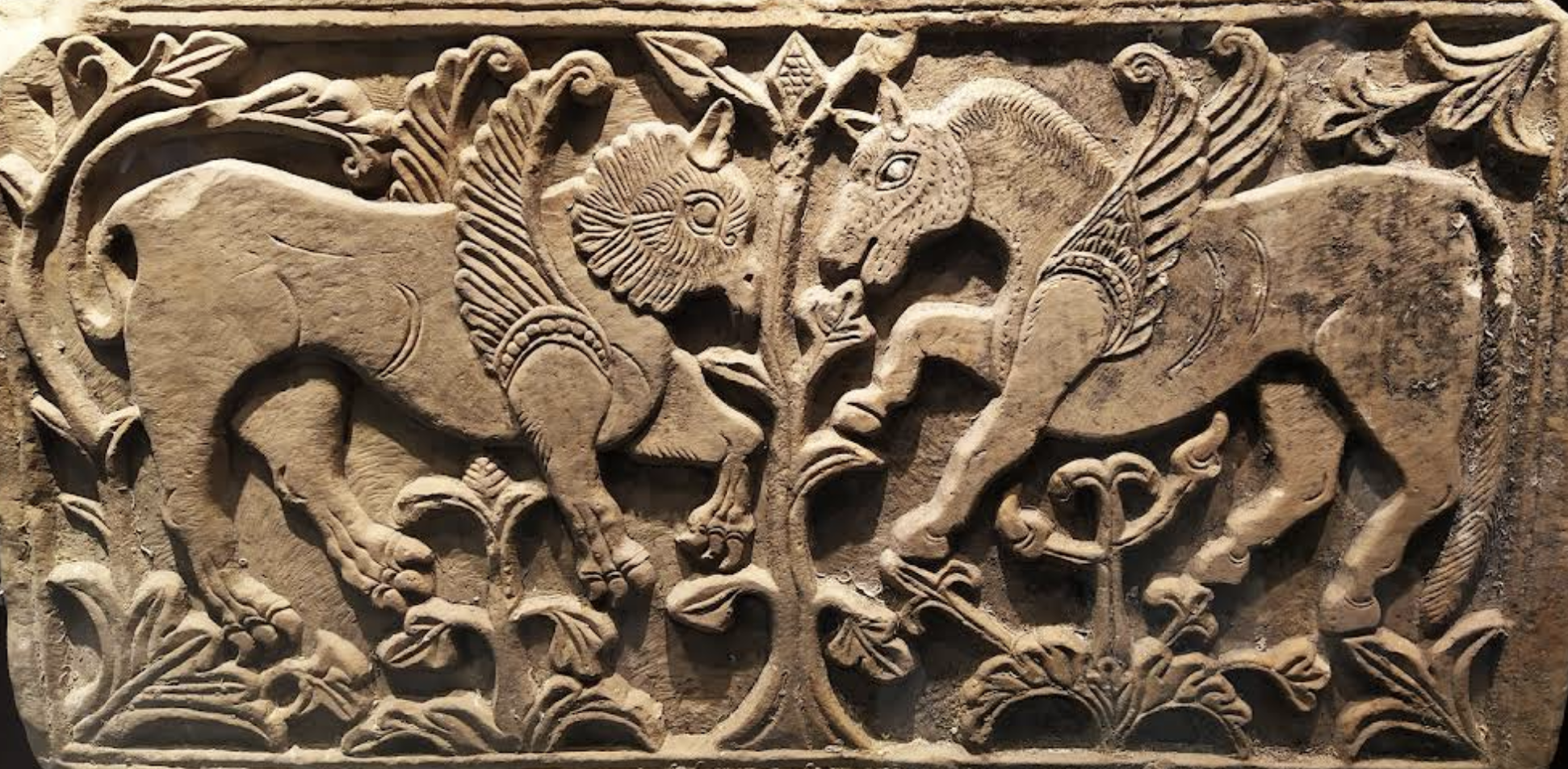
Your journey into the world of the Nuragic civilization begins in Cagliari, the sun-soaked capital of Sardinia, home to Elmas Airport. While most people come here for the beaches and old town charm, few realize that Cagliari also holds the key to unlocking the island’s prehistoric past. Perched on the edge of the Castello district, with panoramic views of the Gulf of Cagliari, lies one of Sardinia’s most important cultural institutions: the National Archaeological Museum of Cagliari.
Before heading into the wild landscapes dotted with megalithic towers, a visit to this museum offers the perfect introduction to the Nuragic world. This is where the story begins to take shape—not just through text and photos, but through the actual objects the Nuragic people left behind.
Inside the museum, you’ll find:
- Intricately crafted bronze statuettes (bronzetti) depicting warriors, archers, deities, and chieftains—many of which were found in sacred wells and temples.
- Stone tools, pottery, and weapons that reveal everyday life in Bronze Age Sardinia.
- Jewelry, ceremonial axes, and votive objects that suggest a culture rich in symbolism and spiritual practice.
- Fascinating displays on sacred architecture, including models of nuraghi, tombs of the giants, and temples.
Everything is well-labeled in multiple languages, and the layout walks you through the evolution of Sardinian civilizations, from the Neolithic period through to Roman times—with the Nuragic era forming the heart of the collection.
For travelers unfamiliar with this unique culture, the museum acts as a lens—helping you understand what you’re about to see on the island’s archaeological sites, and making those later visits all the more meaningful.
Take your time here. This isn’t just a museum; it’s the first chapter of a story that stretches over 3,000 years. And once you’ve stood face-to-face with a Nuragic bronze warrior, the adventure truly begins.
🕒 Opening Hours: Typically open from Tuesday to Sunday.
🎟 Admission: Around €7 for adults (check for reduced tickets).
📍 Location: Cittadella dei Musei, Piazza Arsenale, Cagliari.
Day 2 – Barumini: Stepping Into a Bronze Age Fortress

After soaking in the history at Cagliari’s archaeological museum, it’s time to leave the coast and head inland. Just over an hour’s drive north through Sardinia’s rolling hills and quiet villages lies Barumini, a small town that holds one of the island’s greatest archaeological treasures: Su Nuraxi di Barumini.
This isn’t just another ancient ruin—it’s the most famous and best-preserved Nuragic complex in Sardinia, and the only one recognized by UNESCO as a World Heritage Site. If there’s only one nuraghe you visit during your trip, make it this one.
Approaching Su Nuraxi, you’ll notice its towering, circular stone structure rising out of the earth like a time capsule from 3,000 years ago. Built around 1500 BCE, this fortified Nuragic complex is a masterpiece of prehistoric engineering.
The heart of the site is its central tower (or keep), which once stood up to 18 meters tall and features corbelled domes and a complex internal structure. Surrounding the main tower is a labyrinth of:
- Smaller towers and defensive walls
- Circular stone huts, believed to be homes, meeting spaces, or workshops
- Narrow passageways and staircases connecting multiple levels
- A communal courtyard and water cistern, showing advanced planning and communal living
Your visit includes a guided tour, which is essential to understanding the architecture, mythology, and daily life of the Nuragic people. Walking through the stone corridors, touching the volcanic rock, and standing inside these ancient rooms is a surreal and humbling experience—you can feel the weight of millennia in the silence.
🕒 Opening Hours: Daily, but hours vary by season
🎟 Tickets: Usually around €14 (combined with Casa Zapata)
📍 Location: Su Nuraxi di Barumini Google maps.
Tip: Book a guided tour in English to get the full historical context
Casa Zapata Museum – A Unique Perspective on History
Just a short walk from Su Nuraxi is Casa Zapata, a beautifully restored 16th-century Spanish-style noble residence once home to the Zapata family. What makes this museum unique is what lies beneath it.
During renovations, archaeologists discovered an entire Nuragic complex under the house—now fully visible through glass walkways that let you explore the ruins without disturbing them. It’s an incredible blend of Renaissance elegance and Bronze Age mystery.
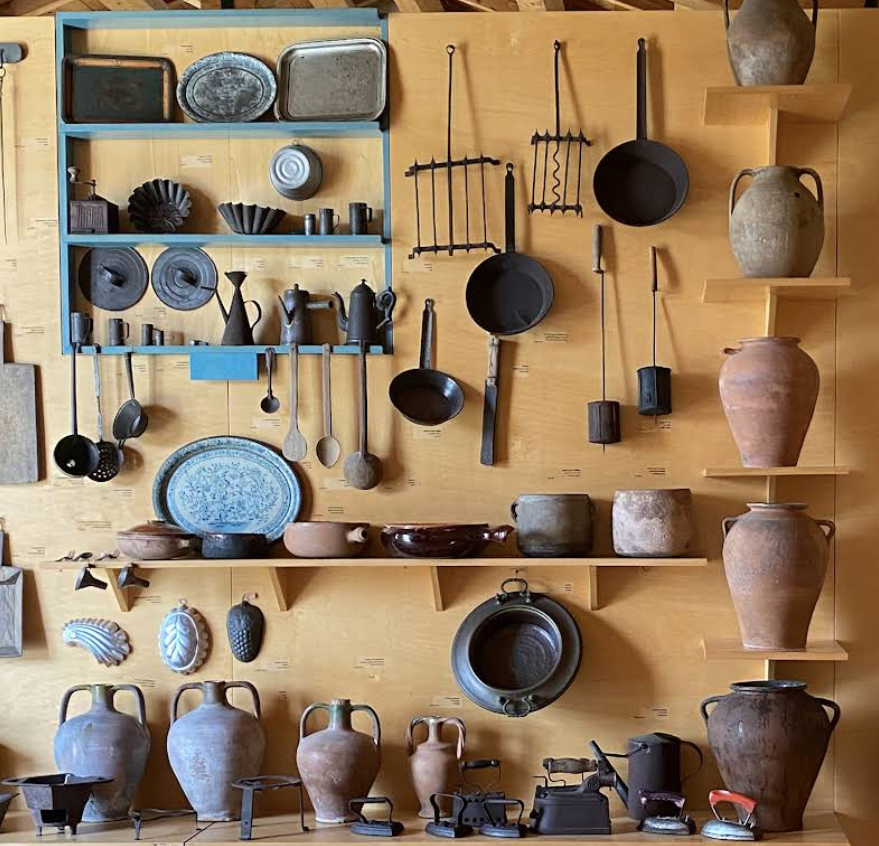
Inside Casa Zapata, you’ll also find:
- Detailed exhibits on the Nuragic civilization
- Scale models of Su Nuraxi and other towers
- Rooms showcasing archaeological tools, ceramics, and even local textiles and cultural traditions of the Marmilla region
This museum adds an important layer of interpretation to your Su Nuraxi visit—and its peaceful setting offers a great spot to cool down and reflect.
Day 3 – Giara di Gesturi & Sacred Wells
Where Nature Meets the Divine
On your third day, you’ll dive deeper into the mystical soul of the Nuragic civilization—where engineering, spirituality, and the raw Sardinian landscape come together in one unforgettable experience.
Heading northwest from Barumini, you’ll travel into central Sardinia, a region known for its untouched nature and ancient spiritual sites. This is where the Nuragic people didn’t just build to survive—they built to connect with the cosmos.
Base yourself for two nights in Oristano, a charming medieval town with plenty of accommodation, or in the nearby seaside hamlet of Torre Grande if you’re craving a sunset by the water. Cabras is also a lovely place to stay overnight. Stay tuned because soon I will be writing more about this area of Sardinia.
Giara di Gesturi Plateau – Walking Among Wild Horses and Ancient Stones
Your first stop is the ethereal Giara di Gesturi—a volcanic basalt plateau suspended between earth and sky. It’s a place where time slows down, and the silence is broken only by the wind, bird calls, and the occasional snort of wild Giara horses (cavallini della Giara), a small, semi-wild native breed that roams freely across the landscape.

The plateau is dotted with nuraghi ruins, ancient stone enclosures, and water-filled paulis (seasonal ponds), which mirror the sky and create an almost dreamlike atmosphere. Here, you can hike or cycle through cork oak groves, Mediterranean shrubs, and expansive open clearings.
Don’t Miss Nuraghe Brunku Maduli, one of the most intact nuraghi on the plateau, hidden among boulders and trees. It’s a simple structure, but in this untouched setting, it feels like a sacred secret from a forgotten time.
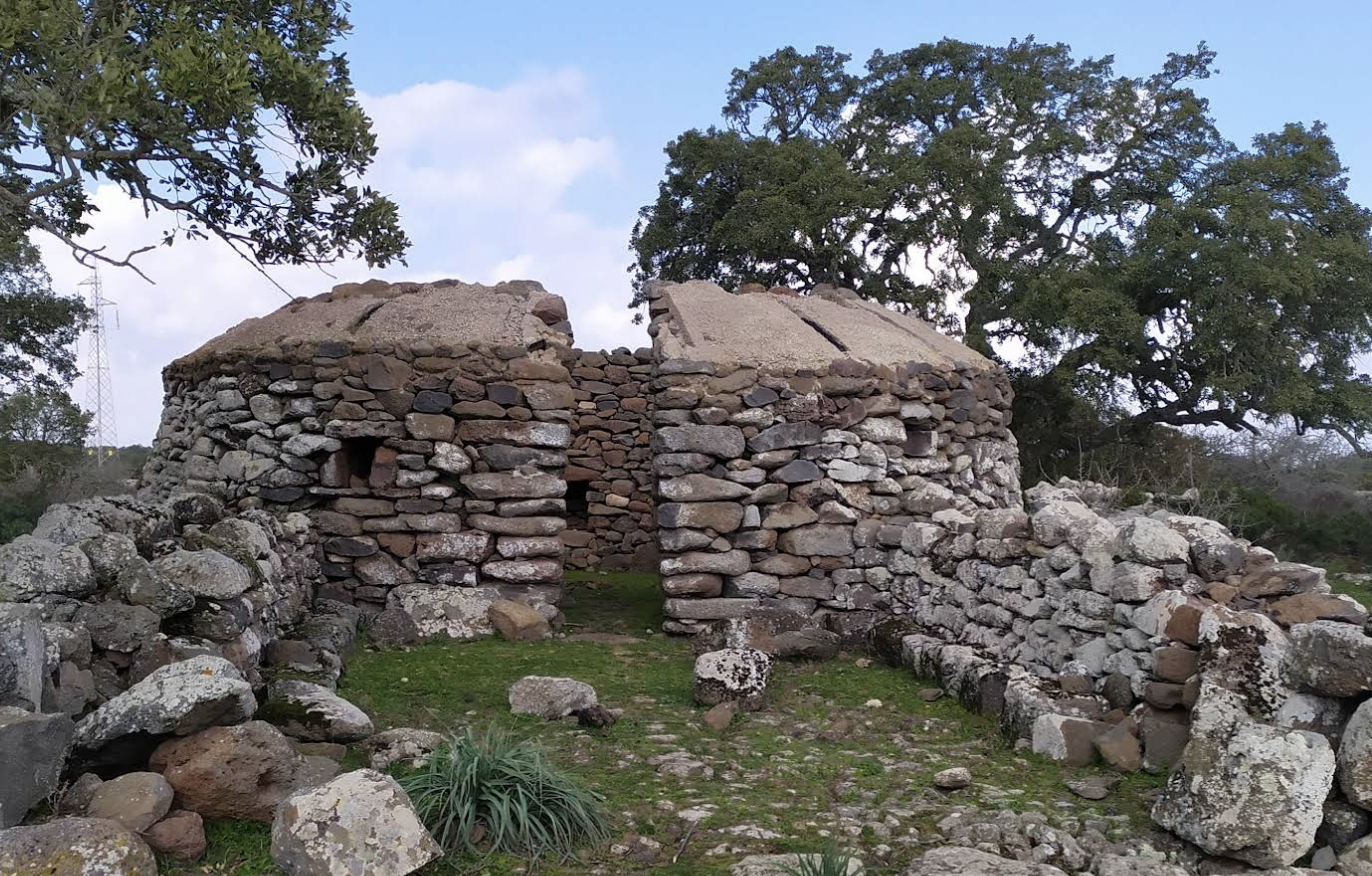
Tip: Bring water, good hiking shoes, and perhaps binoculars—the plateau is also a haven for birds and rare flora.
Santa Cristina Sacred Well – A Window to the Stars
After your walk through wilderness and time, drive west to Paulilatino, where one of the most astonishing Nuragic structures awaits: the Sacred Well of Santa Cristina (in Italian Pozzo Sacro di Santa Cristina).
This site is unlike anything you’ve seen so far. Built around 1200 BCE, the sacred well showcases the mathematical precision and astronomical awareness of the Nuragic people. Crafted from finely cut basalt blocks, its trapezoidal staircase leads underground to a perfectly domed, circular well chamber.
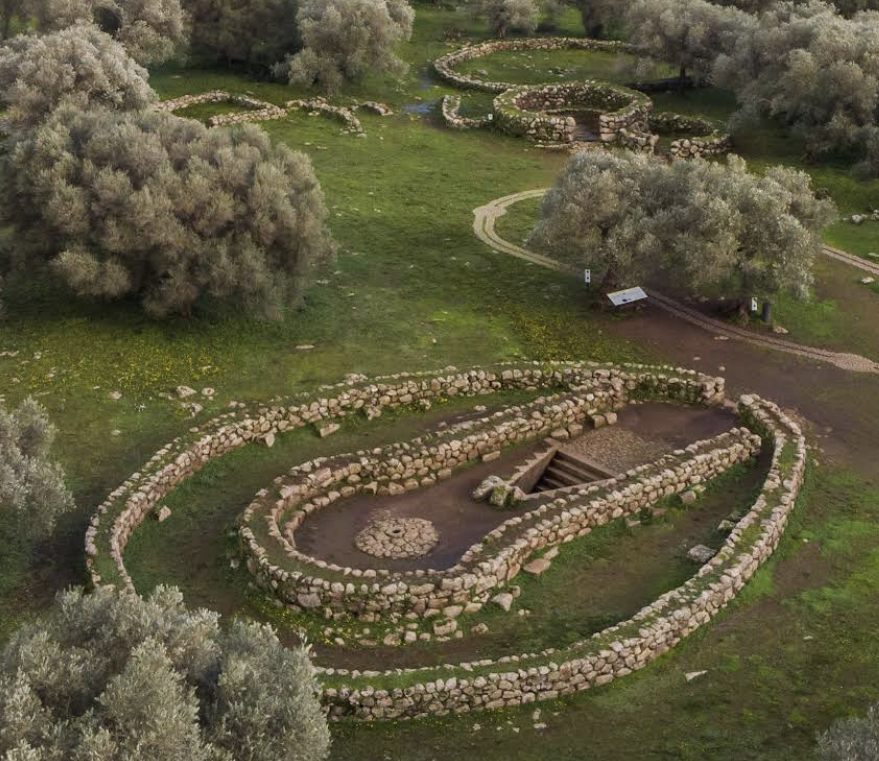
During the spring and autumn equinoxes, the moon’s reflection aligns precisely with the water’s surface—a cosmic connection captured in architecture over 3,000 years ago. This level of alignment rivals that of other ancient wonders like Stonehenge or the Pyramids.
The site is thought to have served as a place for ritual purification, lunar worship, or fertility ceremonies—but the true meaning remains shrouded in mystery.
While here, you can also explore:
- A Nuragic village with circular huts
- Later Byzantine-era churches and a small pilgrim complex, showing the spiritual importance of the site across centuries
Guided tours are available, and they enhance the experience tremendously—especially when the guide recounts the astronomical alignments and symbolic interpretations. Check the website to get more info and book your guided tour in English.
Day 4 – Tharros & Monte Prama Giants: Stone Warriors by the Sea
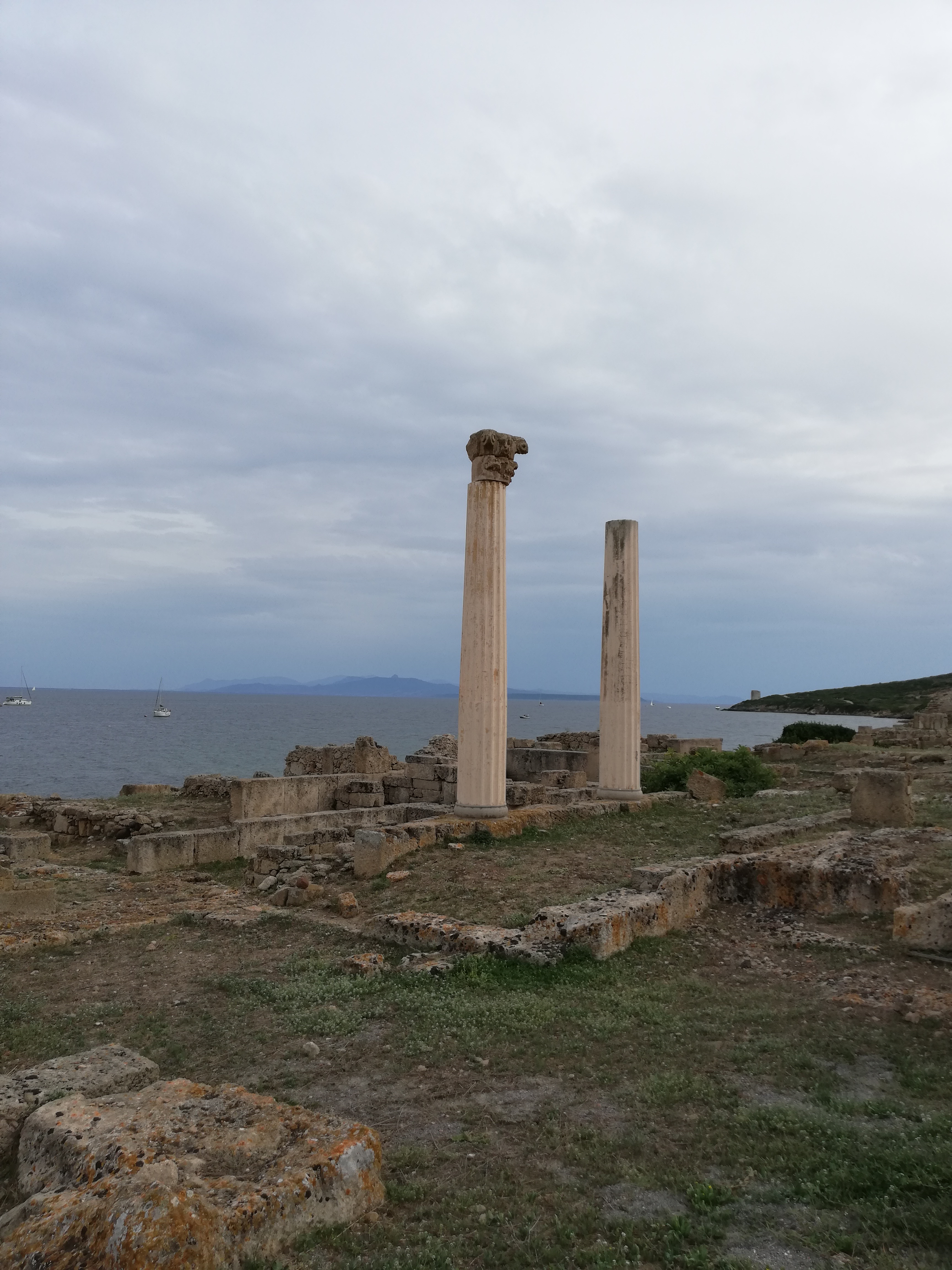
As your Nuragic journey continues, today’s drive west takes you to Sinis Peninsula, where archaeology meets the sea, and Sardinia’s ancient layers unfold before your eyes. This is where the Nuragic legacy intersects with Phoenician traders, Roman engineers, and Sardinian resilience—all framed by turquoise waters and salt-laced air.
Monte Prama Giants – The Stone Guardians of Cabras
Begin your day in Cabras, a humble town on the Sinis Peninsula, home to one of the most astonishing archaeological discoveries in Europe: the Giants of Monte Prama. Discovered by chance in the 1970s by a local farmer, these colossal sandstone statues had lain broken and buried for thousands of years. Since their reconstruction, they’ve sparked debate, admiration, and curiosity. While visiting the Monte Prama Archeological Area you will be able to admire:
- Over 30 giant statues, up to 2.5 meters tall, representing warriors, archers, and boxers—all with stylized eyes and geometric features.
- Nuragic-style shields, swords, and helmets carved in stone, suggesting a culture that revered heroic or elite figures.
- Accompanying stone models of nuraghi, implying strong spiritual and political symbolism.
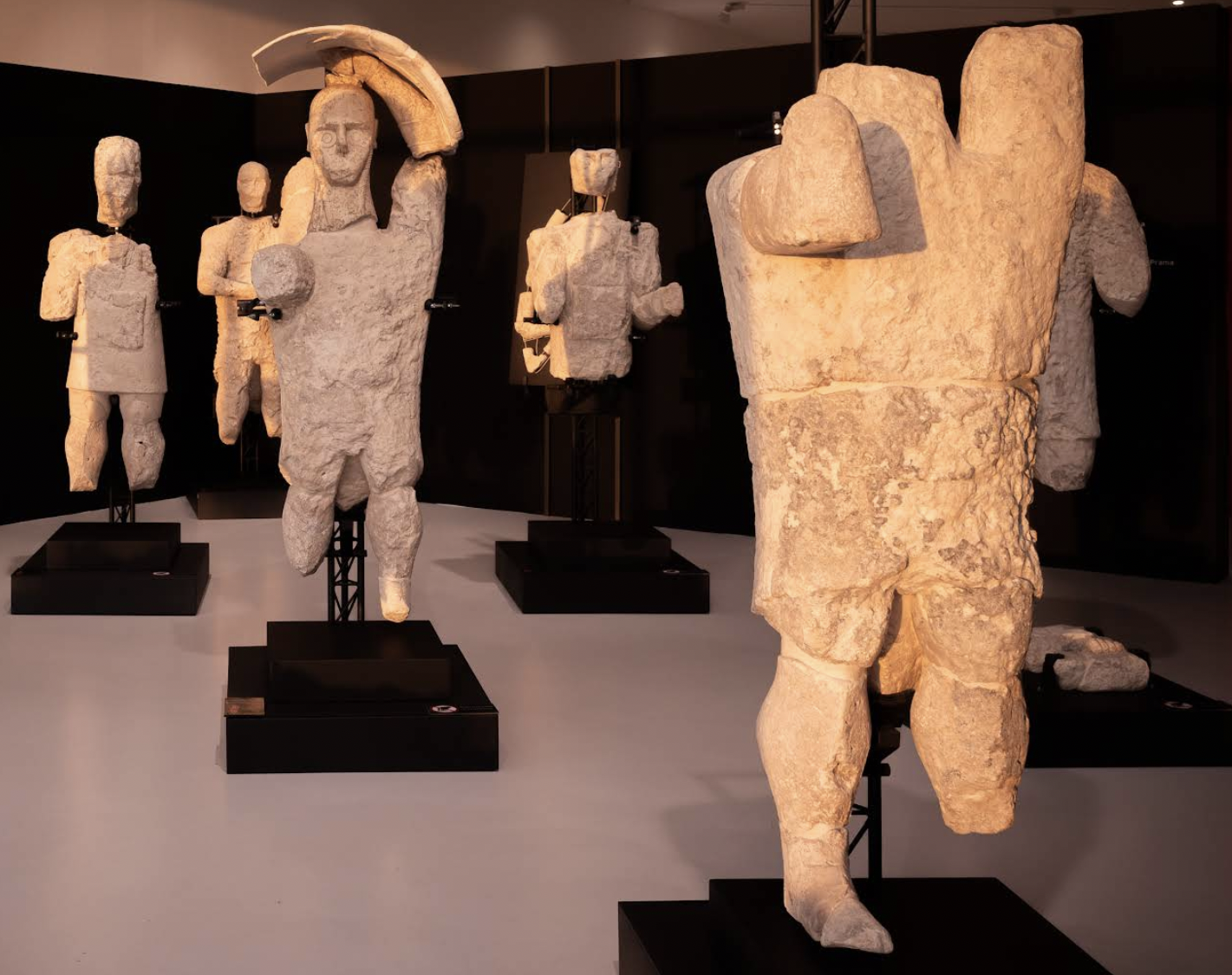
These figures are believed to date from the 9th to 8th century BCE—a period when Nuragic culture was at its peak. Some archaeologists suggest they may be commemorative statues of Nuragic leaders, while others see them as guardians of sacred necropolises.
The Civic Museum of Cabras houses the restored statues alongside excellent interpretive materials. The Archeological Site of Monte Prama is a must visit on your nuragical trip. It’s a powerful, immersive stop that helps bridge the gap between the Nuragic world and the classical Mediterranean civilizations that followed. Visit the official website to get more information on entrance tickets and guided tours.
Tharros Archaeological Site – Sardinia’s Ancient Port City

Just a short drive from Cabras lies one of Sardinia’s most spectacular archaeological sites: Tharros, an ancient port city perched dramatically on a peninsula, overlooking the endless blue of the Mediterranean.
Founded by the Phoenicians around the 8th century BCE, Tharros later came under Punic and Roman control, evolving into a prosperous trading hub. However, evidence suggests the area was inhabited long before that—likely by the Nuragic people, who may have chosen this strategic headland for ritual or settlement. At Tharros you will explore:
- Roman baths, roads, temples, and homes, all laid out against the sea
- Remains of Punic tophets (sacred burial sites), columns, and aqueducts
- The foundations of earlier structures possibly linked to Nuragic settlements
- A spectacular view from the tower of San Giovanni, where you can look out across the Sinis coastline and imagine ancient ships arriving from every corner of the Mediterranean
You cannot buy the tickets online but you can book a guided tour on the official website. It is also possible to get a combined tickets to both Tharros and Monte Prama Archeological site. Absolutely worth it.
If you have time in the evening, ake a short walk to the nearby beach of Is Arutas, famous for its quartz crystal sand. Absolutely marvelous at the sunset.

Cabras, and the whole Sinis Penisula, are worth a longer visit. The whole area is more than a gateway to archaeology—it’s a gateway to Sardinian identity. Cabras itself is a traditional fishing village rich in local culture, cuisine, and crafts. Stay tuned! I’ll be posting soon about the best beaches nearby (like Mari Ermi and Maimoni), local festivals and traditions and why you must try bottarga (cured mullet roe), one of Cabras’ culinary treasures!
Day 5: Nuraghe Losa and return to Cagliari
Before heading back to Cagliari for your departure, take a detour into the heart of Sardinia, where one final masterpiece of Nuragic architecture awaits: Nuraghe Losa, located near Abbasanta. Though not as famous as Su Nuraxi, Nuraghe Losa is arguably one of the most atmospheric and well-preserved nuraghi on the island. Standing proudly on a basalt plateau, this dark, massive stone tower was built between 1500 and 1200 BCE and features a compact, oval-shaped central structure surrounded by secondary walls and chambers. What makes Losa stand out is the intact corbelled ceilings, inner spiral staircases, and the silent stillness that envelops the site—perfect for a final stop. Here you will explore the interior chambers, dimly lit and cool even in summer and climb through tight passageways to reach higher vantage points. Imagine the rituals, strategy meetings, or daily life that may have played out here, centuries before the Roman Empire even existed.
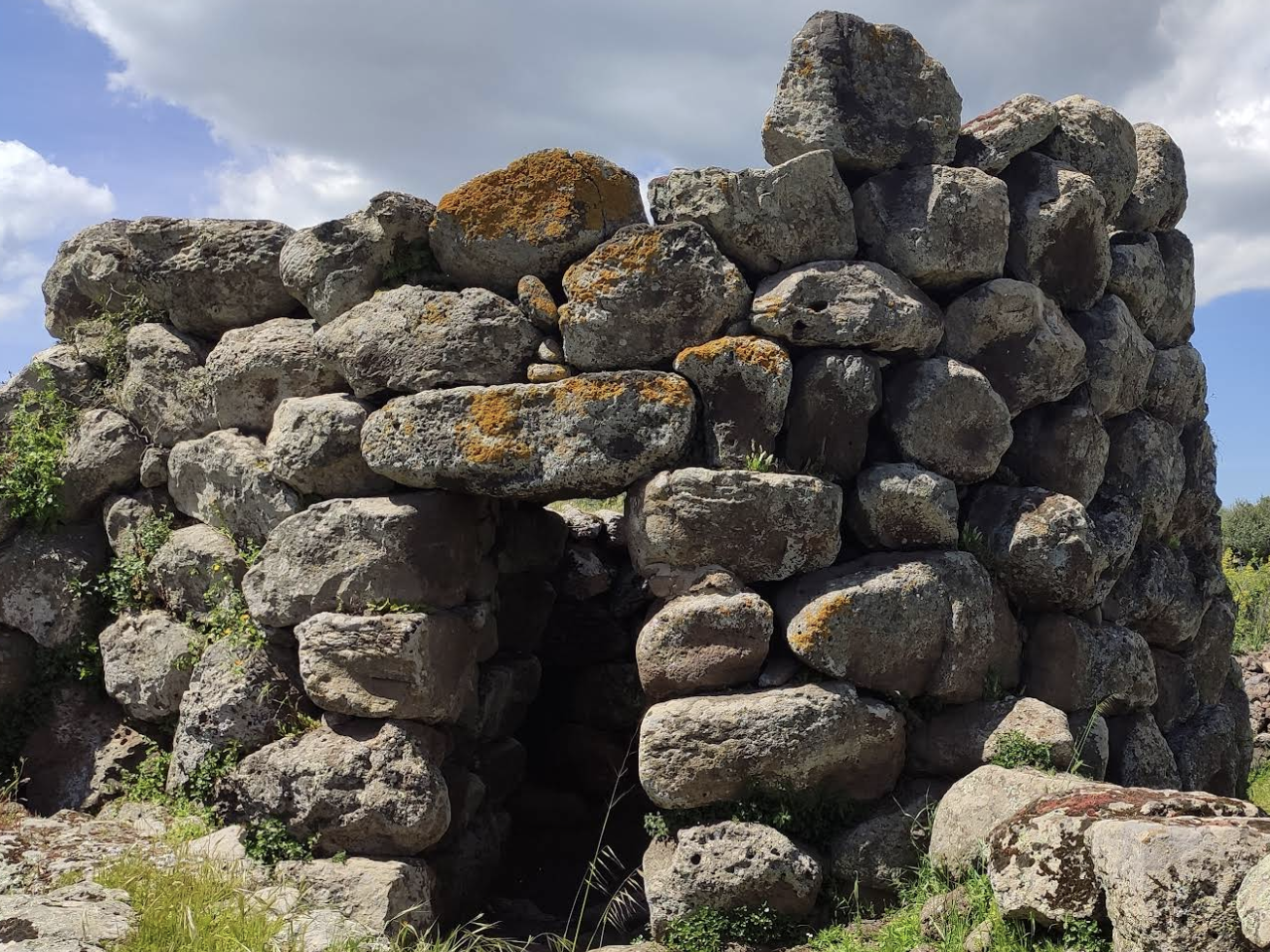
Your week exploring the Nuragic civilization will likely leave you with more questions than answers—and that’s part of the magic. From bronze warriors and sacred wells to wild horses and coastal ruins, Sardinia reveals itself slowly, layer by ancient layer.
Practical Tips for Nuraghi Explorers
- Rent a car: Many Nuragic sites are in remote areas with no public transit.
- Bring hiking shoes: Some ruins require trekking through fields or rocky trails.
- Best time to visit: Spring and autumn for cooler temperatures
- Respect the sites: These are ancient sacred places—don’t climb on structures or take stones as souvenirs.
Why the Nuraghi Matter?
Sardinia’s Nuragic civilization is still not widely known inside and outside Italy, yet it represents one of the most unique and mysterious chapters in Europe’s prehistoric past. With their massive towers, sacred wells, and warrior statues, the Nuraghi people left behind a tangible legacy of strength, mystery, and connection to nature and the cosmos.
For travelers, exploring these sites isn’t just about ruins—it’s about stepping back in time, walking through wild landscapes, and touching the stones of a civilization that thrived in proud isolation for over a millennium.
 Nomadlytics
Leave a comment