
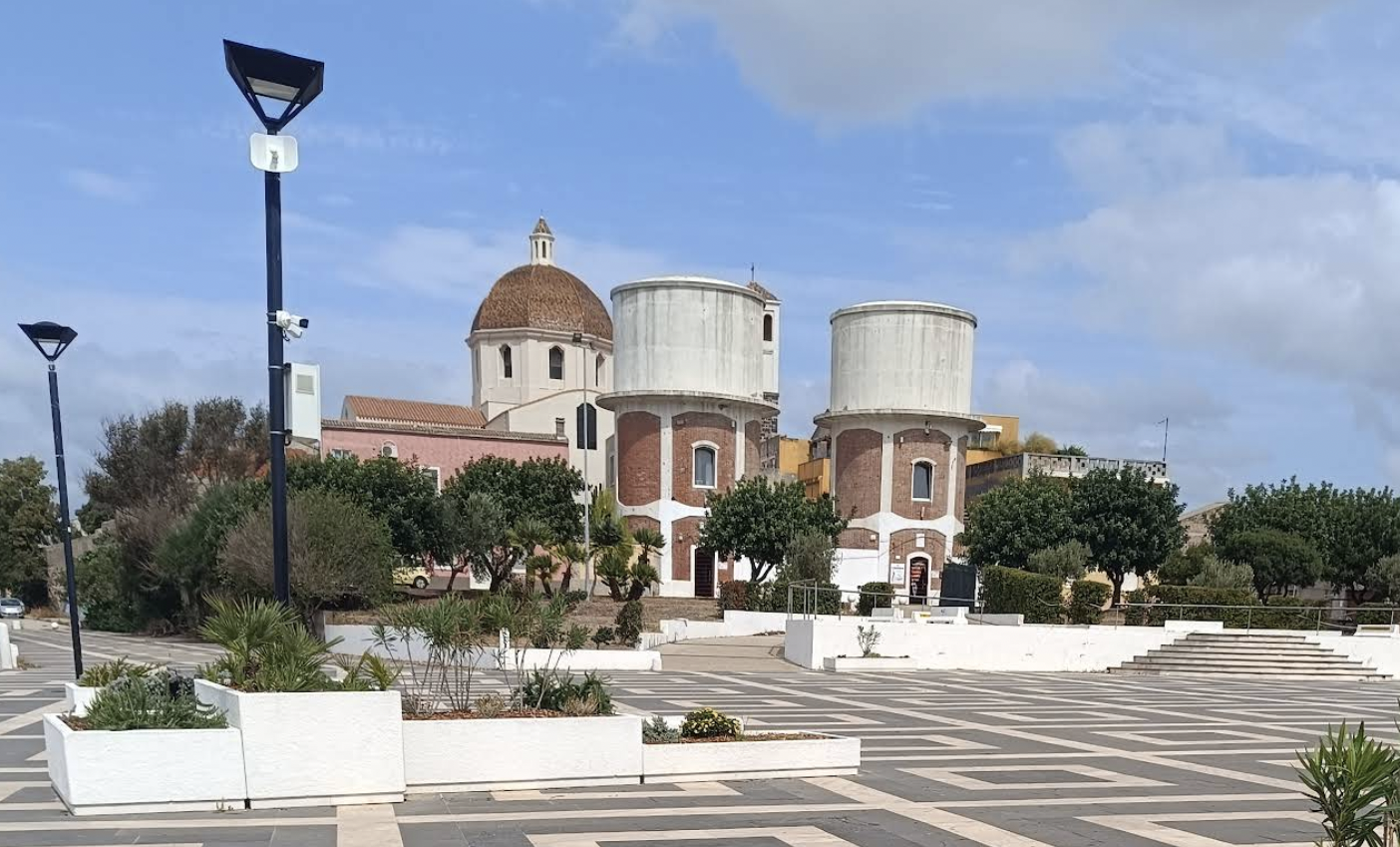
On Sardinia’s west coast, Cabras sits at the gateway to the Sinis Peninsula: a protected sliver of land where quartz-grain beaches glow pale as sugar, flamingos tiptoe in mirror-still ponds, and the ruins of Tharros look out over two seas. The town itself is small and lived-in—fishermen still pull grey mullet from the lagoon—yet it hosts one of Italy’s most intriguing archaeological museums and a food culture anchored by bottarga (salt-cured mullet roe). It’s an easy, compact area for a 3-day escape that never feels rushed.
A 3-day itinerary (feel free to shuffle)
Day 1 — Cabras town & museum, sunset at San Giovanni
Start your day at Museo Civico “Giovanni Marongiu” (Cabras). This is where the Sinis story clicks into focus, from prehistoric finds to the famous Giants of Mont’e Prama statues. In summer the museum is open between 10AM and 8.00PM, in winter it closes at 6.00PM. The standard ticket is €9, but check several integrated options (e.g., combined with Tharros and the Spanish Tower) and reductions for kids and seniors. Full price grid and seasonal times are published on the official website here.

In the afternoon head to San Giovanni di Sinis & the early Christian church.
Wander the fishermen’s hamlet to the basalt-and-sandstone Chiesa di San Giovanni di Sinis and drift down to the water for your first sunset. If conditions are right you can also climb the Torre Spagnola (Spanish watchtower) for horizon-gobbling views; access is weather-dependent. Tower tickets are €4 on their own or available in various combined formulas. Check the official website for the detailed info on the opening hours and ticket prices.
Day 2 — Tharros and the nearby beaches
Start your morning by exploring the ancient Phoenician foundation later expanded under Carthaginian and Roman rule, Tharros is Sardinia-in-miniature: paved decumani, bath complexes, tophet, temples, a promontory view you won’t forget. Check the website for all the ticket options and opening hours. For the full experience it’s worth to hire a guide.
Beach time: San Giovanni di Sinis & Spiaggia di Maimoni.

Just steps from the archaeological site of Tharros, San Giovanni di Sinis greets you with honey-colored sand, scattered black basalt outcrops, and the gentle lull of the Mediterranean. The contrast of warm-toned shore and dark volcanic rock makes for striking photos, especially with the ancient watchtower in the distance. After wandering the ruins under the Sardinian sun, this beach is perfect for a cooling swim or simply soaking your feet while gazing at the wide horizon.
A short drive — or even a leisurely cycle — south-west brings you to Spiaggia di Maimoni, a quieter, more open sweep of coastline with its signature pale, almost quartz-like grains that shimmer underfoot. The sea here shifts from aquamarine to deep jade depending on the light, and the gentle slope makes it inviting for long, lazy wades. On calm days, the water clarity is exceptional, and you might spot small fish in the shallows.
Both beaches lie within a marine protected area, which means extra care is needed: stay off the vegetation and dunes to protect fragile habitats, take all your trash with you, and if possible, rinse off sunscreen before entering the water to help preserve the delicate marine life. Whether you’re here for a quick dip, a picnic with a view, or a sunset stroll, these two strands are perfect examples of Sardinia’s wild yet welcoming coastline.
Day 3 — Quartz dream beaches (Is Arutas & Mari Ermi) or Mal di Ventre by boat
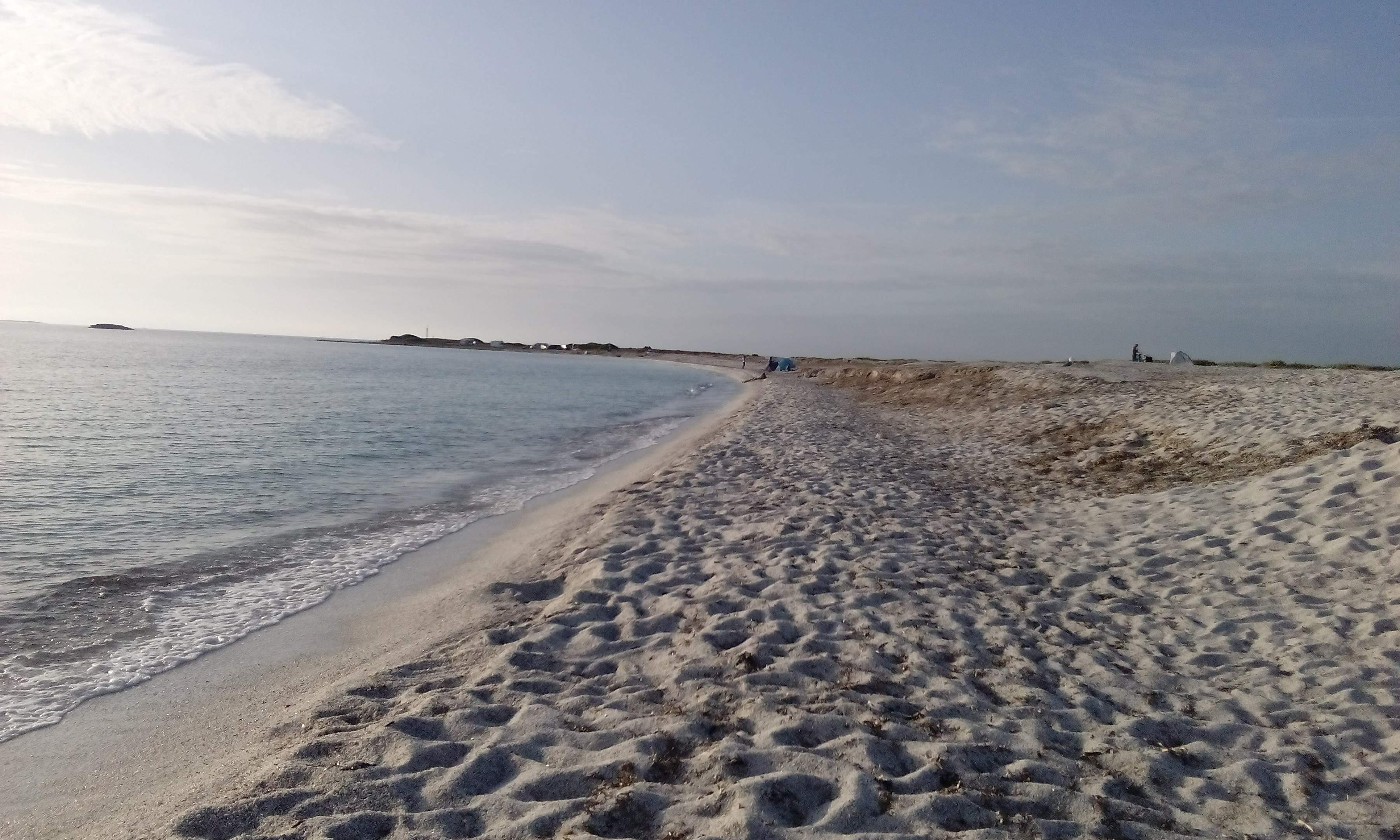
This is the Sinis postcard—quartz grains the size of coarse sugar, a sea so clear it looks backlit. Is Arutas is the star; Mari Ermi just north is equally gorgeous, often a hair less busy. Both are inside the AMP, and removing even a handful of quartz is prohibited (fines are real). Expect regulated paid parking in summer. It’s usually windless in the mornings but after lunch teh North Western Misttral wind picks up – that the moment to enjoy the show of local kite surfers.
In alternative, if the weather conditions are good, take a small-group boat out to Isola di Mal di Ventre for snorkeling in glass-clear coves. The boats departure typically from Mari Ermi beach and you can find more info here.
Where to eat the best of local flavor?

Cabras’ kitchens revolve around the lagoon and the sea. If you see bottarga di muggine (grey mullet roe), anguilla (eel), muggine (mullet), arselle (clams), and vernaccia (the local oxidative wine), you’re on the right path. A few dependable tables:
- Ittiturismo Sa Pischera ‘e Mar ‘e Pontis
A longstanding reference for bottarga and fish. Here you will eat the best fish in the area. Every day the chef proposes a 6 course meal made entirely of fresh fish. It is one of the most traditional and relliable places in Cabras. - Sa Bell’e Crabasa
A trattoria loved by locals; think handmade pasta dusted with bottarga, fregola with clams, grilled mullet, and seasonal contorni. Casual, friendly, very Cabras. - Trattoria Da Attilio
Tight menu, big flavors—look for eel in scabecciu, fregola di mare, and whatever came in that morning. - Agriturismo Pinuccia (Cabras countryside)
When you want the agriturismo feast—antipasti farm-style, fresh pasta, roast meats, house wine—this is the convivial, rustic option. Call ahead for set menus and availability.
What you must order at least once while you are in Cabras:
- Spaghetti (or malloreddus) alla bottarga with lemon zest.
- Fregola con arselle (toasted semolina pasta with clams).
- Anguille (eel), grilled or in scabecciu (sweet-and-sour).
- Muggine (grey mullet), baked whole.
- Pair with Vernaccia di Oristano—nutty, saline, brilliant with bottarga—or a crisp Vermentino.
The can’t-miss archaeological sites
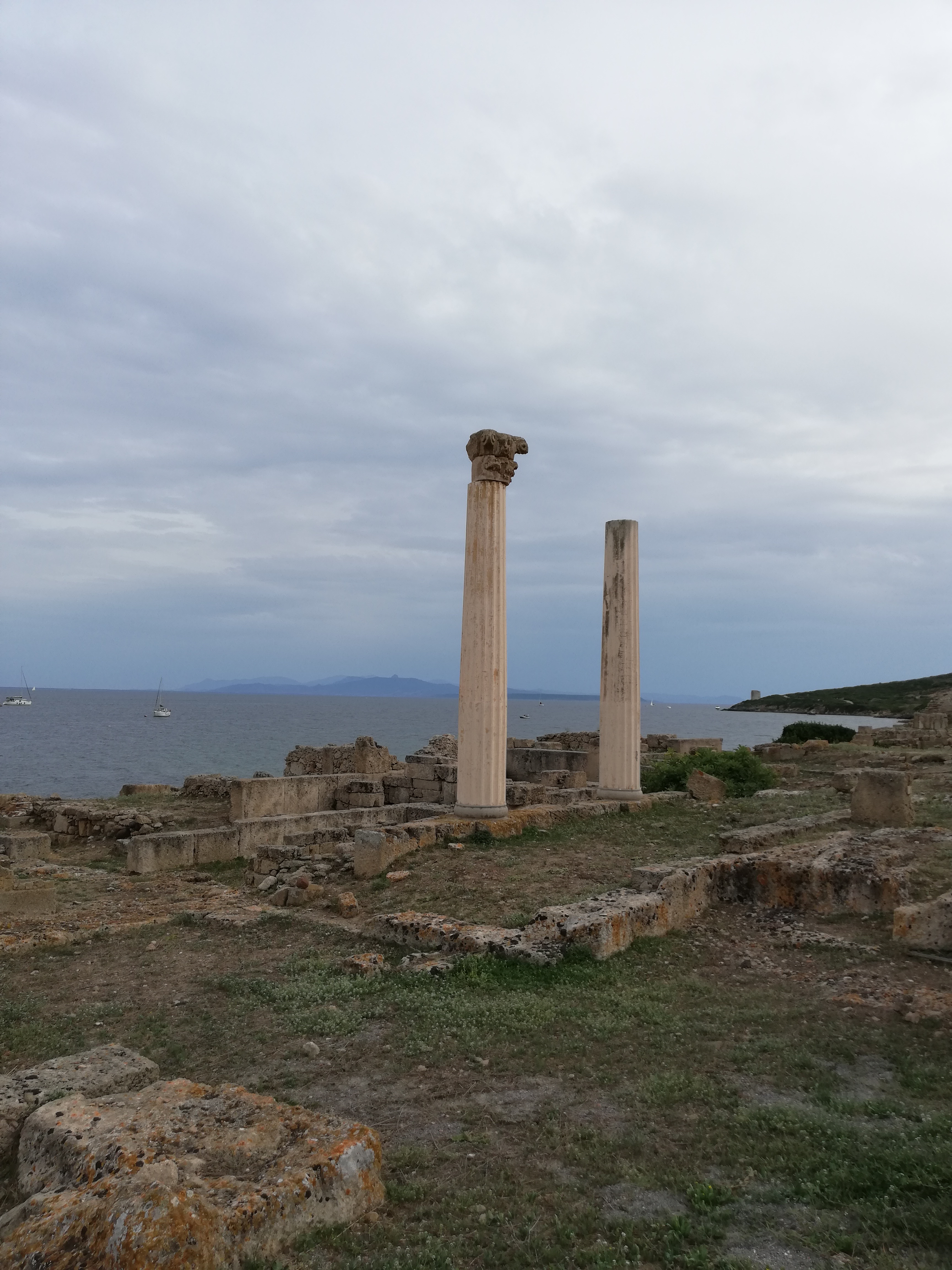
1. Tharros Archaeological Area (San Giovanni di Sinis)
- A first-rank Mediterranean site layered with Phoenician, Punic, Roman, and early Christian remains, spread across a wind-polished headland.
- In summer, go right at opening or after 18:00 for golden light and fewer people; wear grippy sandals for uneven stone.
2. Museo Civico “Giovanni Marongiu” (Cabras)
- Meet the Giants of Mont’e Prama (colossal stone warriors from the Nuragic world) and see finds that contextualize Tharros and the Sinis.
- The museum is air-conditioned—slot it for the heat of the day.
3. Torre Spagnola di San Giovanni (Spanish Tower)
- You will never forget the panorama—Tharros to one side, Capo San Marco to the other and crystal clear water beneath.
- Even if the tower is closed, the headland walks at San Giovanni are still gorgeous.
4. Ipogeo e Chiesa di San Salvatore (San Salvatore)
- The subterranean sanctum (a repurposed Nuragic/Roman water shrine) layered with centuries of worship—one of Sardinia’s most atmospheric small sites.
- You can visit only on a guided tour in small groups. Book here and check the website for more information.
- The surrounding borgo of San Salvatore hosts a famed barefoot religious festival in the beginning of September. Don’t be shy and ask the locals about it. It’s really worth to watch the festival – hundreds of man run for 7km, barefoot.
Best time to visit
May–June and September–October are magic: warm seas, lighter crowds, and a good chance of Mistral winds blowing the sky into effortless blue. July–August has the longest beach days and fullest opening hours, but plan for heat and book meals ahead. From November to March, sites run winter schedules and the sea is brisk, but sunsets are surreal and prices drop.
How to get there and move around?

- The easiest way to reach Cabras is to fly into Cagliari Elmas Airport (CAG), Sardinia’s main international gateway, which has direct connections to many European cities and seasonal flights from further afield. From Cagliari, it’s about a 1.5–2 hour drive northwest via the SS131 highway, so renting a car is the most flexible option for exploring the Cabras area and its surrounding beaches. Alternatively, you can take a train from Cagliari to Oristano (about 1 hour 20 minutes) and then a short taxi or local bus ride into Cabras.
- Look for accommodation in Cabras town (10–15 minutes’ drive from the Sinis beaches; 20 minutes from Oristano train station).
- Soon Cabras and Oristano will be connected by a cycling lane and already now you can move around on a bicycle. Yes, you can reach the beaches through the side roads (unpaved) by bike but remember that it might get really hot in summer. These roads in the middle of the fields with spectacular views are a must for bike lovers.
- A car gives you maximum flexibility for beach-hopping and sunset runs to San Giovanni di Sinis. In high season there’s a seasonal shuttle/bus linking Oristano/Cabras to key archaeological sites (check “Mont’e Prama Link” updates on the foundation’s site each summer).
- You’re inside the Area Marina Protetta “Penisola del Sinis – Isola di Mal di Ventre.” Respect the rules: no taking sand or quartz pebbles from beaches (yes, even a “little souvenir” is illegal), no anchoring in restricted zones, mind the dunes and obviously no fishing.
Accommodation

Cabras offers accommodation for all budgets but it can get expensive in summer so book in advance. The holiday appartments are very popular among the families and you will find a descent selection on booking and airbnb. There are also luxury hotels like Aquae Sinis – Albergo Diffuso (Cabras) – spread hotel through restored village houses—charming courtyards, bikes and spa corners. Check the website to get the best deal.
If you prefer more natural setting check Sa Pedrera Country Hotel in San Giovanni di Sinis. You will wake up near the promontory and you will arrive early at Tharros or the beaches. This country-style hotel in the hamlet is a practical choice.
Practical info & local smarts
- Parking & access: Around San Giovanni/Tharros and the main Sinis beaches, summer brings regulated parking and pedestrian approaches with designated lots. These are protected beaches so consider that you may have to walk 5-10 minutes from the parking to the actual beach.
- Heat & wind: The Mistral can be a gift (clear skies) or a sand-blaster. If it’s howling, pick coves with some natural shelter (San Giovanni’s basalt corners) or lean into archaeology/museum time.
- Remember to pack Sun protection, lightweight scarf for wind/sun and sturdy sandals for site paths.
- Buy bottarga di muggine (vacuum-sealed travels well), a bottle of Vernaccia di Oristano and local ceramics from Oristano.
So pack your bags and start to discover the real Sardinia! If you are interested in archeology, check my Nuraghi itinerary here.
 Nomadlytics
Leave a comment