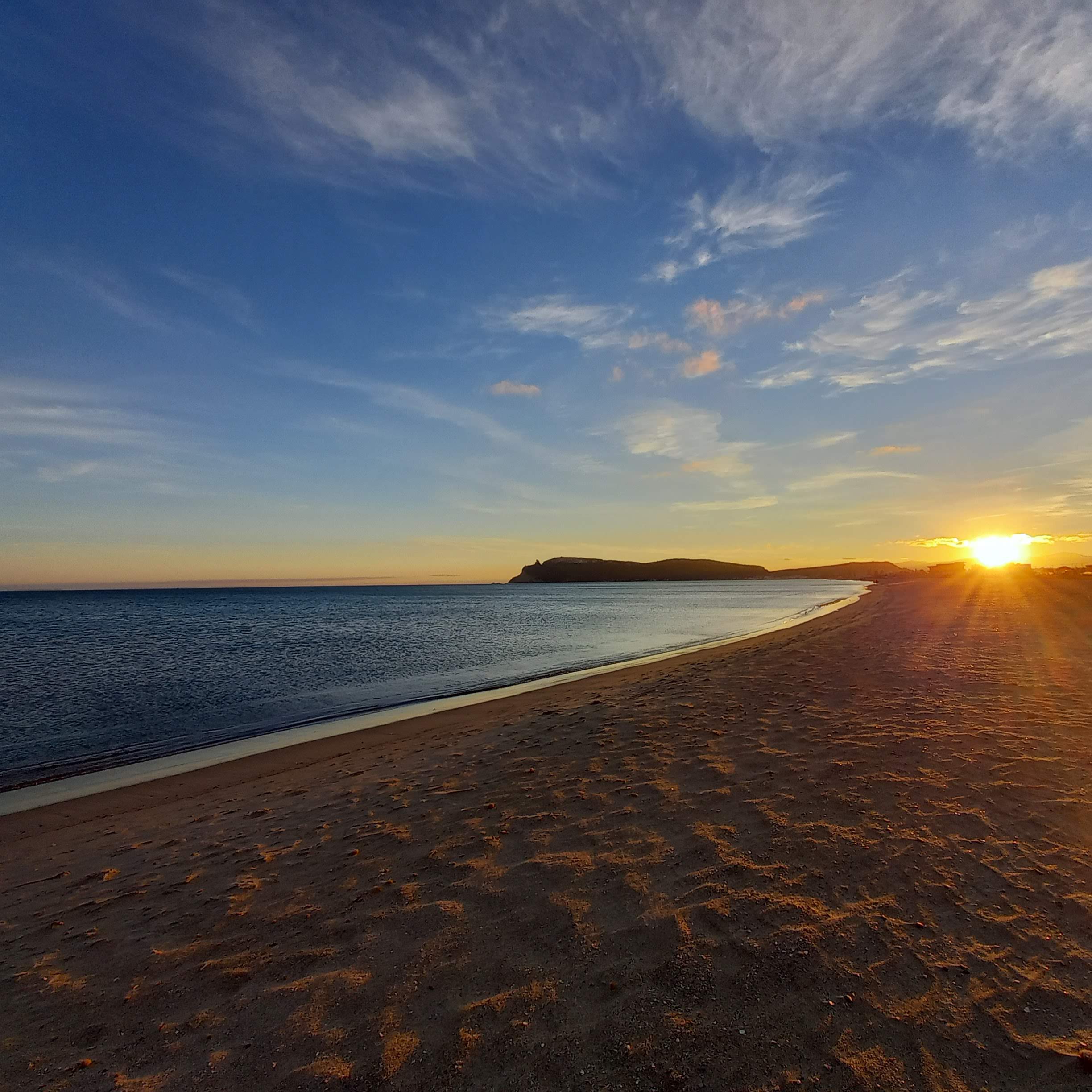
The sound of clinking espresso cups, the warm scent of fresh focaccia, a piazza buzzing with life — now imagine this is your remote office backdrop. For a growing number of international digital nomads, Italy isn’t just a vacation destination — it’s becoming home.
Although Italy was slow to enter the digital nomad arena compared to countries like Portugal or Estonia, things have started to shift in a big way. With the launch of the Digital Nomad Visa in April 2024, Italy is now laying out the welcome mat for remote professionals around the world. And they’re starting to arrive — slowly, but surely.
Let’s check what’s happening on the ground: Who are Italy’s digital nomads? Where are they settling? How much are they spending — and what does this mean for Italy’s local communities and economy? Let’s find out!
The Visa That Changed the Game
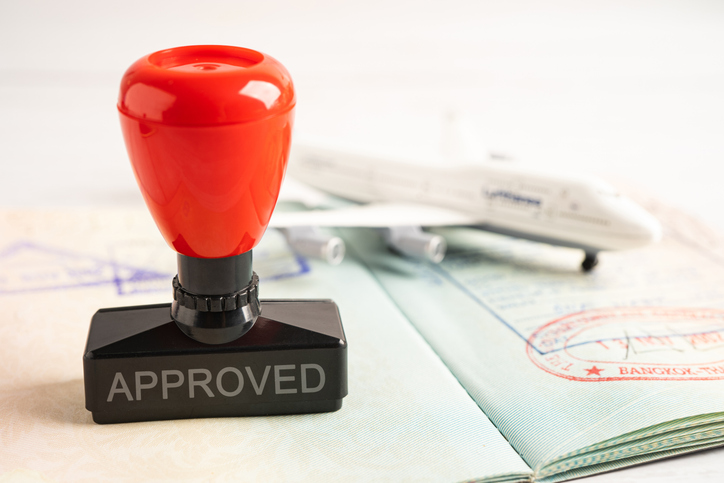
Until recently, Italy lacked a clear legal path for non-EU digital nomads to live and work in the country long-term. That changed with the long-anticipated Digital Nomad Visa, which officially went live on April 5, 2024.
The visa offers a 1-year renewable stay for non-EU citizens who:
- Work remotely for a non-Italian employer or as a freelancer
- Earn a minimum of €28,000 per year
- Have health insurance and accommodation in Italy
While early adoption has been cautious, interest has been explosive:
Google searches for “Italy digital nomad visa” surged 3,000% within a month of its launch.
So, How Many Digital Nomads Are in Italy?
Precise, government-issued numbers are still pending, but early indicators suggest Italy’s nomad population is growing steadily since the visa launched:
- According to EY Global and Lexidy Law, Italy expects to attract tens of thousands of digital nomads by the end of 2025.
- Major cities like Milan, Florence, Bologna, and Palermo have already reported rising demand for short-term rentals and coworking spaces.
- In cities like Florence and Turin, coworking usage is up 20%, driven by remote workers from abroad.
Many nomads are still entering Italy on 90-day tourist stays while navigating the new visa process, so the true numbers are likely underreported for now — but the growth trend is clear.
How Much Do Digital Nomads Spend in Italy?
Digital nomads are not your average tourists. They stay longer, spend more, and integrate deeper into local communities.
Average monthly spending per nomad in Italy:
- €2,000–€3,000, depending on location and lifestyle
- 30–50% of that typically goes to local businesses (housing, food, cafes, events, coworking, fitness)
According to a MightyTravels.com analysis, a digital nomad in Italy contributes roughly €24,000–€36,000 per year to the local economy — far more than a typical short-term traveler. Multiply that by thousands of nomads, and the numbers quickly become impactful.
Most Popular Areas for Digital Nomads in Italy

Italy’s beauty lies in its variety — so it’s no surprise digital nomads are spreading out across different types of destinations, from vibrant cities to peaceful coastal towns. Here’s where they’re landing:
1. Milan – Italy’s economic engine
- A magnet for professionals in design, fashion, and tech
- Excellent infrastructure, coworking spaces, and fast train connections
- Drawback: High cost of living, but still popular for short-term stints
2. Florence – For creatives and slow-living fans
- Art, architecture, and inspiration at every corner
- Cozy coworking spaces and a growing expat community
- Great base for those working in design, marketing, or education
3. Rome – The eternal city with modern appeal
- Larger nomad community forming, especially near Trastevere
- Good Wi-Fi in most cafes, plus plenty of English spoken
- Attractive to freelancers in content creation, coaching, and digital marketing
4. Palermo – A rising star in Southern Italy
- Affordable living and a beautiful blend of cultures
- One of the most popular cities among “first-time nomads” in Italy
- Remote professionals praise its food scene and emerging coworking hubs
5. Lakes & Coastline – Lake Como, Puglia, Sicily
- Nomads with stable clients or passive income love quieter destinations like Lecce, Como, or Taormina
- Popular for seasonal stays or sabbaticals
Who Are the Digital Nomads in Italy?

Italy is attracting a diverse crowd, but some common professional profiles stand out:
🔹 Tech Workers
Developers, UI/UX designers, and software engineers — often employed by US or European startups, earning above-average salaries.
🔹 Creatives
Writers, illustrators, filmmakers, photographers, and content creators often choose Italy for its inspirational atmosphere and historical charm.
🔹 Online Entrepreneurs
eCommerce founders, digital marketers, SEO experts, and coaches working with international clients from a flexible base.
🔹 Freelancers & Consultants
Working in business strategy, finance, HR, translation, or education (e.g., online tutoring or course creation).
Many of these nomads already had location-independent careers — Italy’s appeal was the lifestyle, not necessarily a job opportunity.
Economic and Cultural Impact
The economic impact is just beginning to unfold:
- Coworking spaces have expanded by over 15% in Florence, Bologna, and Palermo since early 2023.
- Local businesses — from yoga studios to bakeries — report new “regulars” staying months at a time.
- Airbnb hosts and co-living properties are adjusting listings to include long-term stays, desk spaces, and Wi-Fi ratings.
Culturally, nomads are enriching the scene by:
- Launching networking events, creative workshops, and tech meetups
- Supporting language exchange groups and volunteering programs
- Opening niche cafés, mobile offices, and nomad-focused businesses (especially in Palermo and Bologna)
Italy’s Future as a Remote Work Destination

Italy’s digital nomad scene is still in its early stages compared to places like Lisbon or Bali — but that’s also what makes it special.
With the visa now in place, and a growing appetite for slower, culturally rich living among remote workers, Italy is poised to become one of the most desirable long-stay destinations in Europe.
Still, a few challenges remain:
- The visa application process is still developing — not yet as streamlined as in some countries.
- Infrastructure varies; remote workers are advised to research local Wi-Fi quality and coworking availability before settling.
- Language barriers may exist in smaller towns, though this is improving with growing expat numbers.
But if you’re the kind of digital nomad who values connection, culture, and quality of life, Italy’s offerings are hard to beat.
Italy may be late to the digital nomad party, but it’s arriving with style — and with a lot to offer. With the new visa in place, supportive communities forming, and a stunning blend of tradition and innovation, the country is steadily evolving into a dream base for location-independent professionals.
Whether you’re sipping wine in Florence after a Zoom call, networking in a Roman coworking loft, or working lakeside in Como with the Alps as your backdrop — Italy is making remote life something truly special.
The only question is: When are you booking your one-way ticket? Check my guide on how to apply for the digital nomad’s visa in Italy!
 Nomadlytics
Leave a comment