
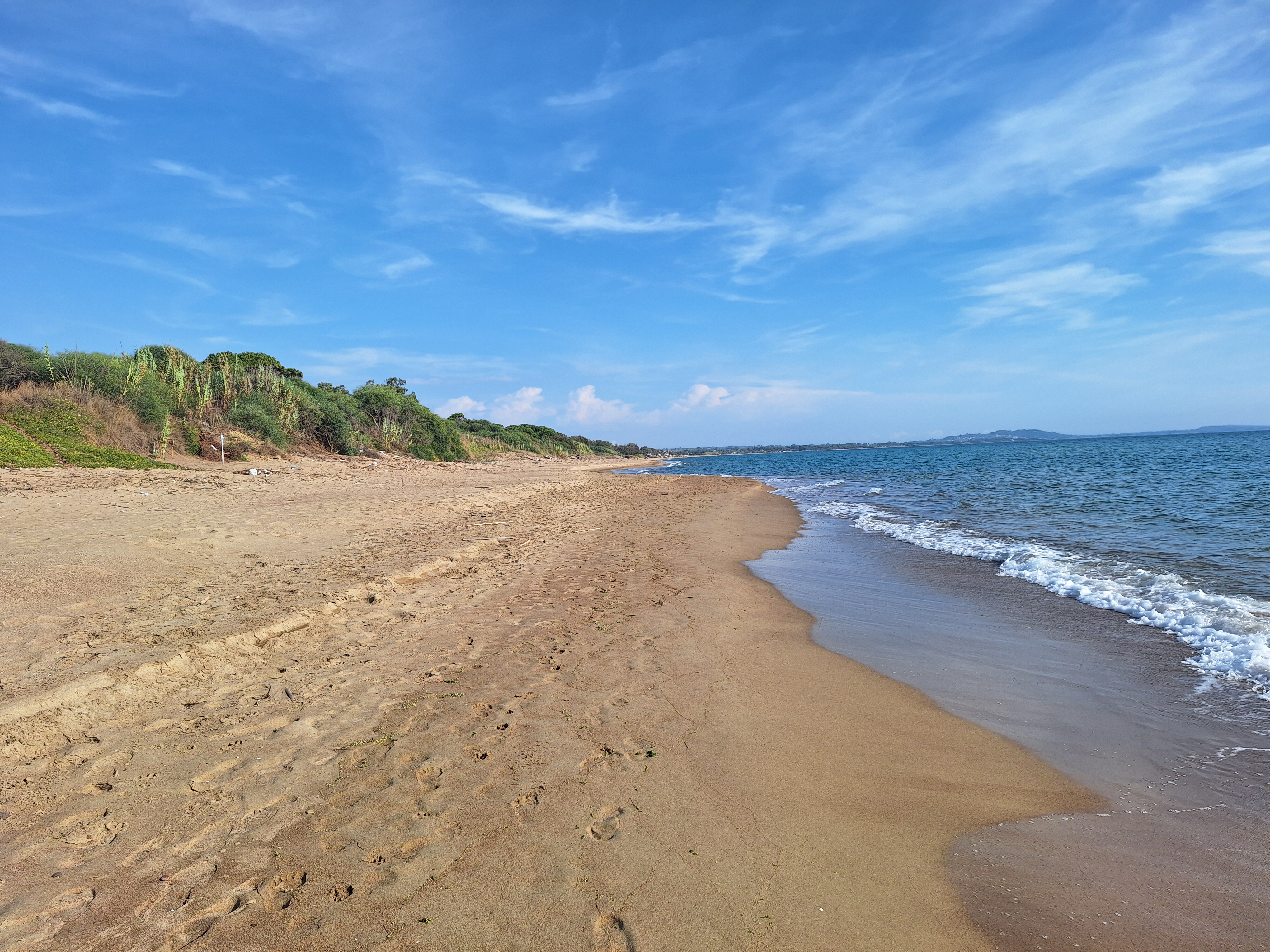
The Peloponnese peninsula in Greece is one of the country’s most fascinating regions. Connected to the mainland by the Isthmus of Corinth, it feels both close and remote: a place where time slows down, where olive groves roll toward the sea, and where charming fishing villages still preserve their traditional rhythm. Unlike the touristy islands, the Peloponnese remains rural at heart. Old fishermen’s houses dot the coast, family-run tavernas serve up unforgettable meals, and the people are as warm and welcoming as the summer sun.
This is a land of hidden coves, long sandy stretches, and rocky capes that invite snorkellers into crystal-clear waters. If you’re looking for wild beaches away from the crowds, the Peloponnese is a great place for you. Let’s discover together the most beautiful beaches on the peninsula.
Pyrgos Area – Golden Sands and Untamed Shores

Around Pyrgos, in western Peloponnese, you’ll find some of the region’s most expansive and untouched beaches. Long ribbons of golden sand stretch as far as the eye can see, backed by dunes, pine trees, and farmland. Here, the Ionian Sea is open and clear, with excellent visibility for snorkeling around rocky sections and small reefs. While snorkeling you will meet not only lots of fish but also sea urchins.
Nearby Kaiafas Beach is a favorite for those who love wild, natural beauty. The beach is backed by a pine forest and a freshwater lake, making it a unique environment where nature feels untouched. Fishermen’s cottages and simple beach tavernas give the area its authentic charm—this is rural Greece at its purest.
Check out also Leventochori beach and smaller coves in that area – fantastic for snorkeling and stand up paddling.
Killini Area – Hidden Corners by the Ionian Sea
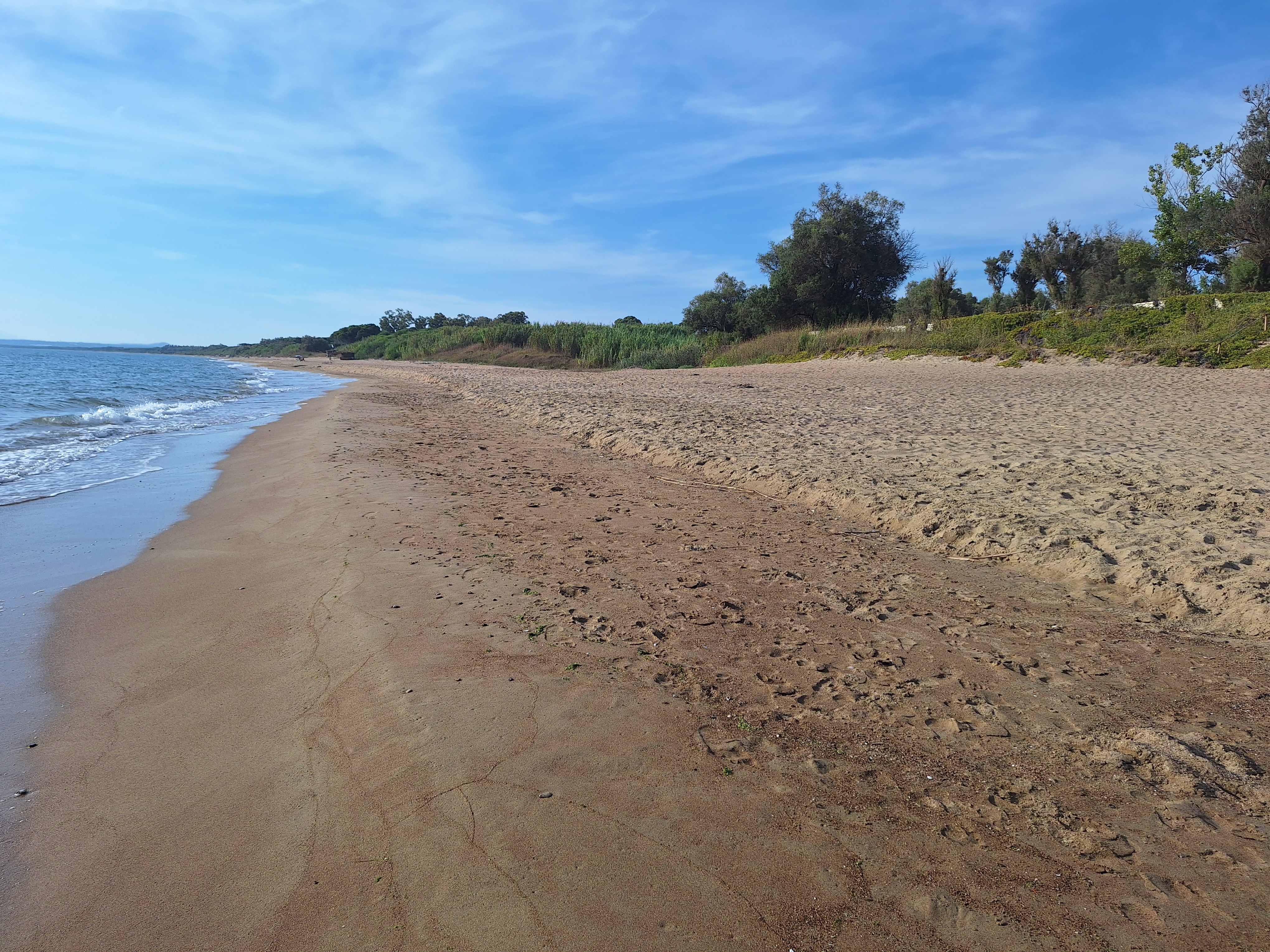
Killini, further north along the coast, is known for its ferry port to the Ionian Islands, but its beaches are worth lingering for. The long sandy shores near Arkoudi and Glyfa remain quiet, with plenty of space even in summer. For snorkelling, head to the rocky ends of the beaches, where the seabed hides schools of fish and underwater rock formations.
What makes this area special is its balance between accessibility and wildness—you can find a small café or taverna for fresh grilled fish, yet still enjoy stretches of sand where you’ll be almost alone.
Kalamata Area – Where Mountains Meet the Sea
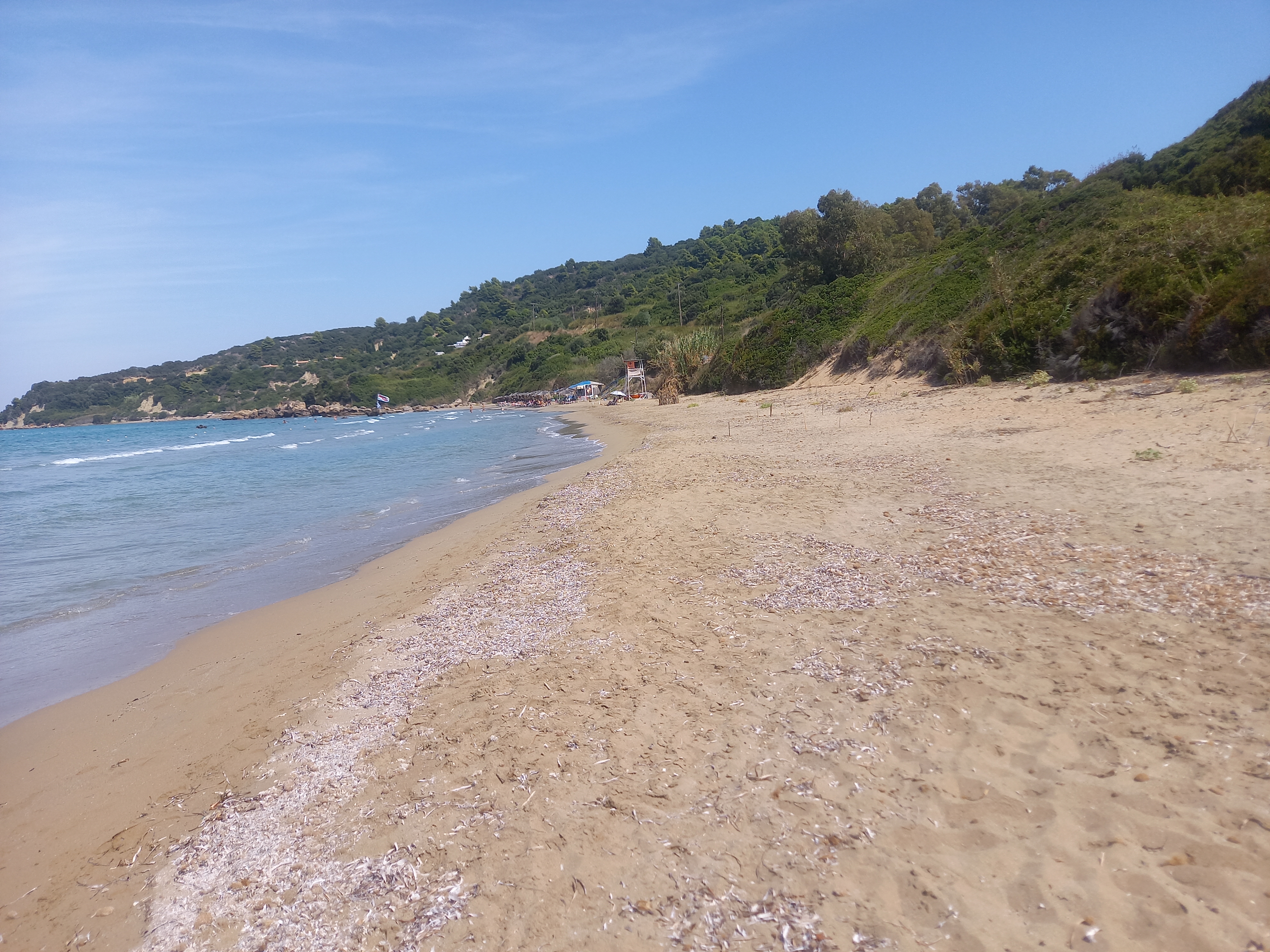
Kalamata, set on the Messinian Gulf, is more than its famous olives. The beaches here are framed by the Taygetos mountains, giving them a unique, rugged beauty. Beyond the city’s organized beach, small coves and hidden pebbled shores are scattered along the Mani Peninsula, just a short drive south.
Foneas Beach, with its pebbles and turquoise water, is perfect for snorkelling among rock formations. A little further, Kalogria Beach offers a wild yet welcoming atmosphere, with transparent waters ideal for exploring with a mask and snorkel. In this region, the landscape feels untamed—mountains plunge into the sea, olive trees grow down to the water’s edge, and every swim feels like an adventure.
Why the Peloponnese Feels Different?
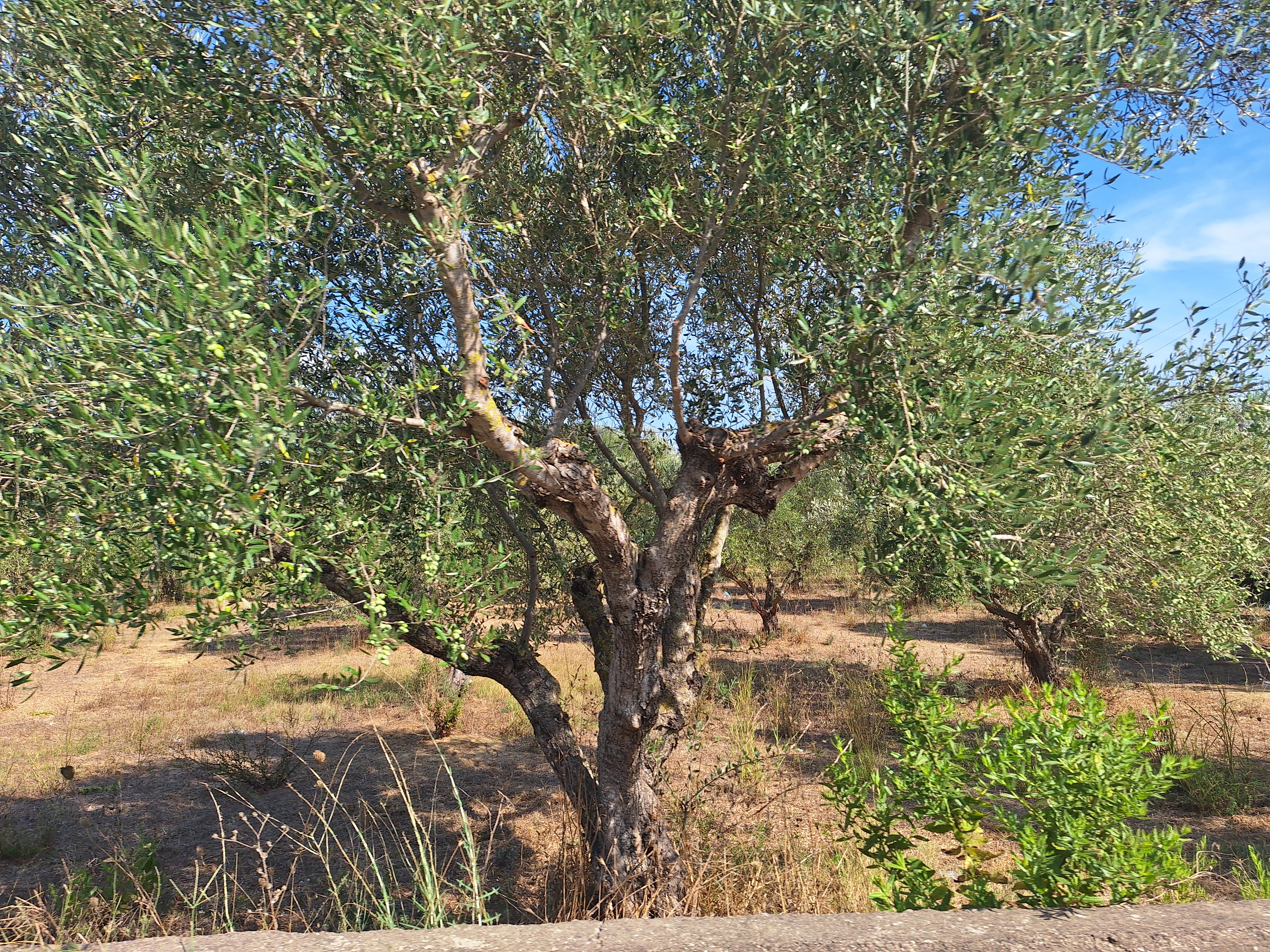
The Peloponnese is not about flashy resorts or crowded beach clubs. It’s about simplicity: fishing boats tied up in small harbors, old stone houses with sea views, and tavernas where the owners treat you like family. The food is delicious—think fresh seafood, garden vegetables, and, of course, Kalamata olives and local wine.
Perhaps the greatest treasure here is the people. Genuine, welcoming, and proud of their land, they will often go out of their way to share a story, recommend a hidden spot, or offer you a taste of something homemade. This is why I recommend staying in the private apartments (many available on platforms like Vrbo and Aribnb). Here you will get much more of the local experience than in 5 star resorts.
How to Travel to the Peloponnese?
Getting to the Peloponnese is easier than you might think:
- By Ferry: Arrive at the port of Patras if you’re coming from Italy (Ancona, Bari, or Venice). From here, the western coast and Pyrgos/Killini area are just a short drive away.
- By Flight: Kalamata has an international airport, with seasonal connections to many European cities. It’s the perfect entry point if you want to explore the Messinian beaches.
- By Car from Athens: The drive from Athens to the Peloponnese is straightforward, crossing the Corinth Canal. In about three to four hours, you can be in Pyrgos or Kalamata. Having a car is essential to discover the wild, hidden beaches off the main roads.
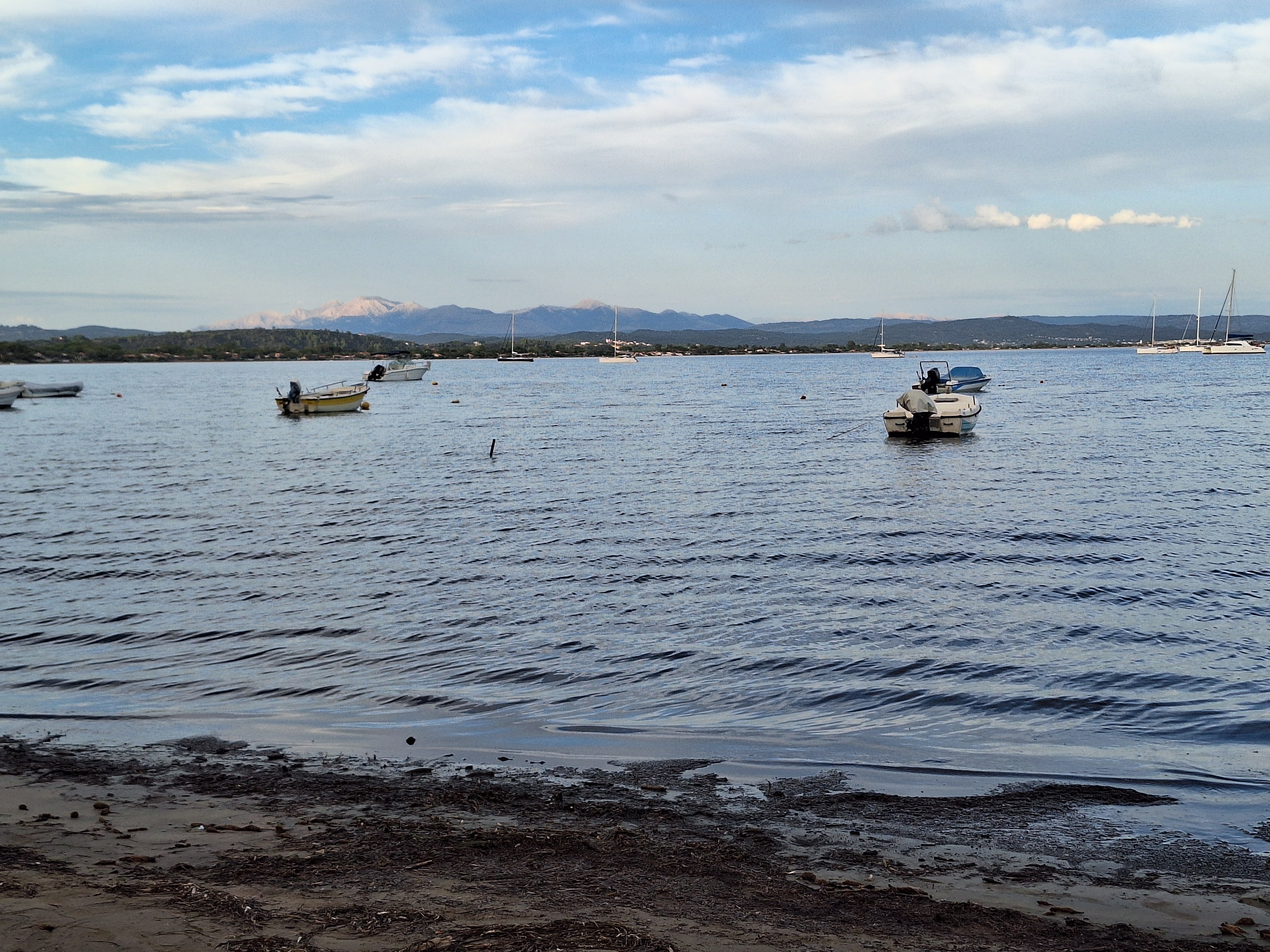
If you are seeking a Greece of quiet beauty, wild beaches, and authentic encounters, the Peloponnese delivers in abundance. Whether you’re snorkelling off the rocks of Mani, walking barefoot on the endless sands near Pyrgos, or enjoying fresh fish by the shore in Killini, this region offers a timeless kind of escape. The Peloponnese isn’t about checking off sights—it’s about slowing down, exploring wild shores, and letting the warmth of its people and landscapes stay with you long after you’ve left.
 Nomadlytics
Leave a comment