
Welcome to the city of Milan! If you’re reading this, you’ve either just arrived, are planning a move, or are settling in and wondering how to make the most of your time here. As a new expat in Milan, you’ll find that beyond the famous landmarks and fashion-glamour there’s a real city to live in: neighbourhoods to explore, local routines to adopt, communities to join, and of course, plenty of fun. In this blog post I’ll walk you through what to do in Milan — from essential practicalities to the best places to hang out, eat, explore, connect, and truly make Milan your home.
Getting Oriented: Basics You Should Know
Before you start stomping around Milan’s streets, it’s helpful to get grounded in a few local basics: transport, cost of living, neighbourhoods, and how to settle in.
Transportation
Getting around Milan is very manageable. The city has a strong public-transport network (subway, trams, buses). You can buy tickets in subway stations, at “edicola” kiosks or “tabacchi” shops. Milan offers alternatives like bike sharing and car sharing. If you live in the city center it’s worth to combine walking with tram or subway because central areas are compact and well-connected.
Get a monthly transport card (if you’ll use public transport often). Explore the city on foot a lot in your first weeks — you’ll start to get a feel for the rhythm of Milan city life.
Cost of Living & Housing
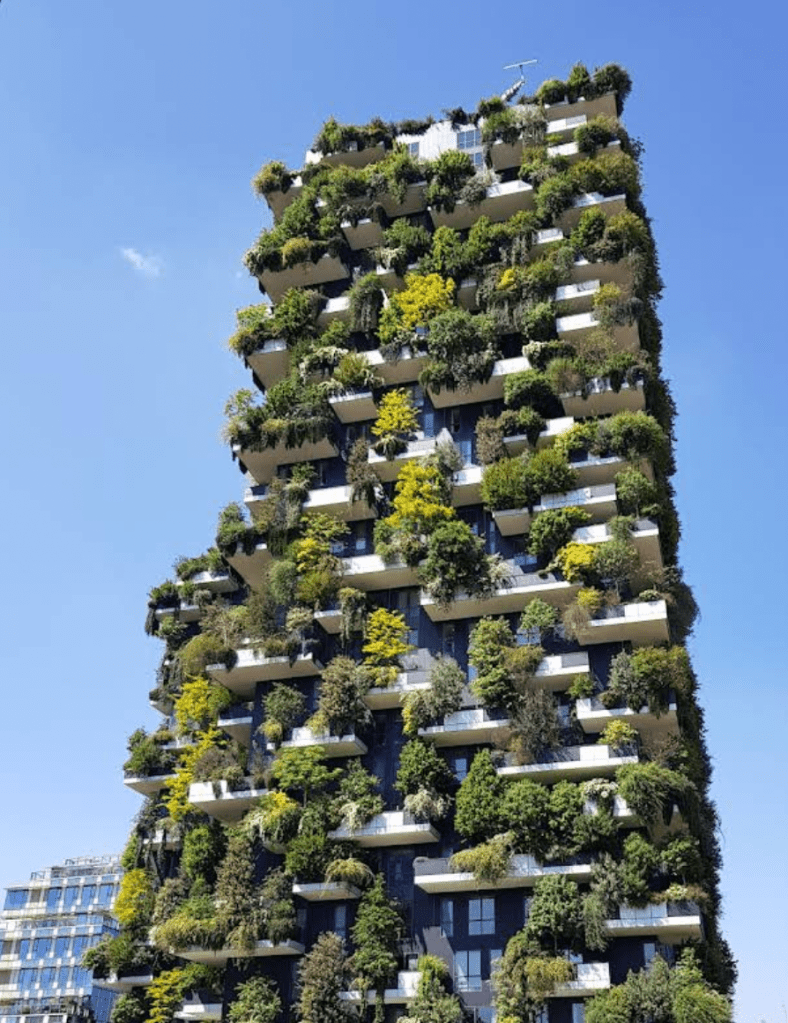
Yes — Milan is not the cheapest city in Italy, especially if you compare it to smaller towns or cities in the south. According to the recent statistics for a single person living in Milan (before rent) the cost of living is around ~1,030 EUR/month (excluding rent). Rent for a one-person studio is about 1,250 EUR/month in the city centre. The closer you are to the city centre / trendy neighbourhoods, the more expensive it gets.
When you first arrive, consider a slightly less central neighbourhood (but still well-connected) to get settled without stretching your budget. You can always move later once you know the city better.
Choosing a Neighbourhood
Milan is full of distinctive neighbourhoods, each with their own “feel”. Here are a few that are great for new expats:
- Isola: Young, creative, well-connected — ideal for expats, freelancers, young couples.
- Città Studio (“City of Studies”): Good for younger expats and students, with good transit links and amenities.
- Brera: Chic, art-filled, historic — more expensive, but very charming.
- Navigli: Iconic canals, lively nightlife, good social scene — if you enjoy being in a more vibrant area.
Spend a weekend visiting a few neighbourhoods, grab a coffee in each, check transit connection and local vibe, then choose what feels right for you.
Settling In & Making Milan Feel Like Home
Moving to a new city can be daunting. Good news: Milan has a strong expat community and many ways to feel settled quickly. Joining language-exchange events, casual meetups, expat groups is a great way to meet new people. Check Easymilano website to discover the local Meetup groups.
Give yourself a period of “observation” — maybe your first month is just exploring, getting your bearings, making connections, not worrying about “settling everything”. It helps to ease in. Although there are many expats like you, it is still worth to learn Italian and integrate with the locals.
Explore the Must-See Spots
Once you’ve got your bearings, you’ll want to explore the iconic parts of Milan. These are great both for understanding the city and enjoying it.
The Historic Centre & Sights
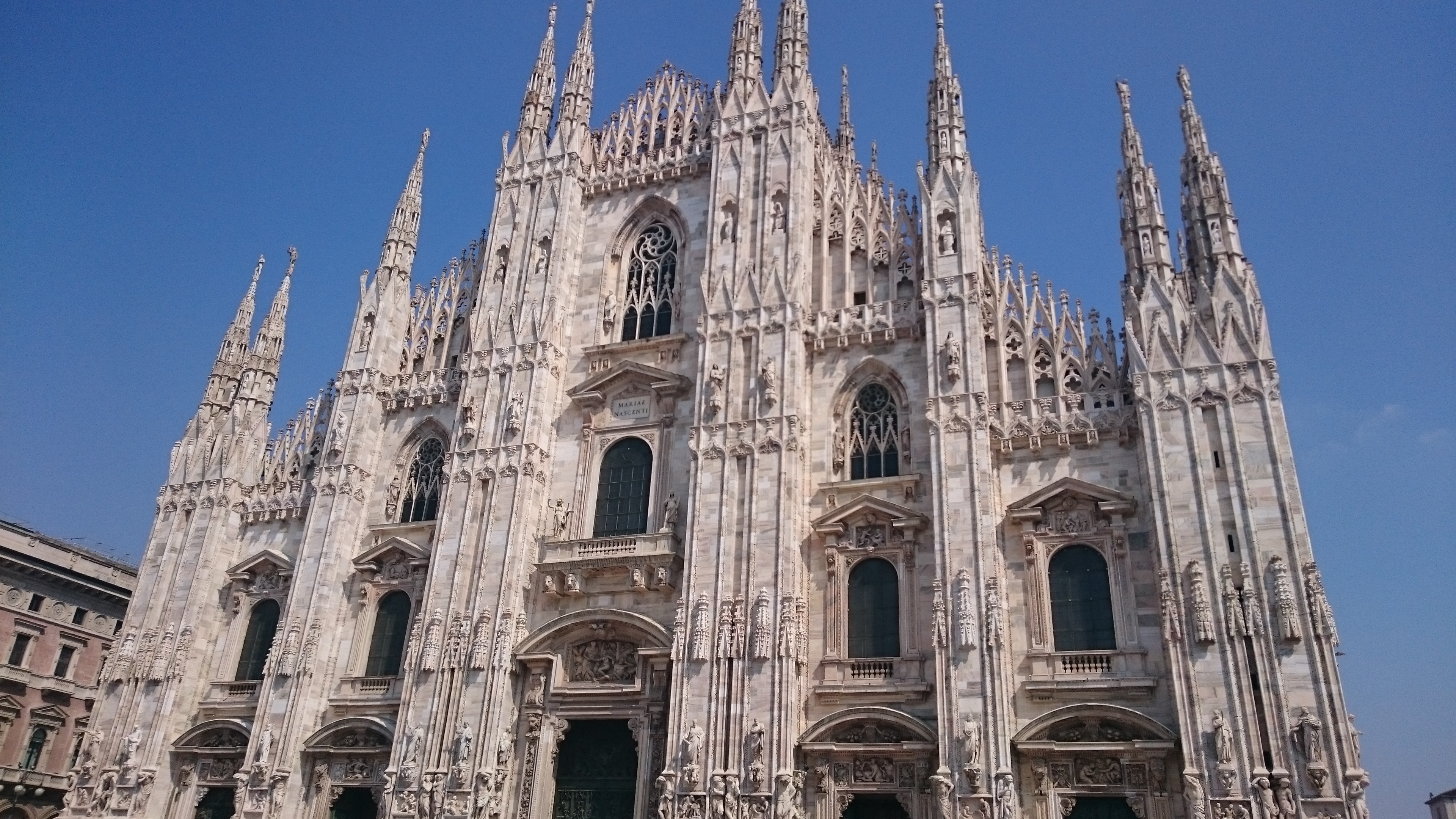
- Duomo di Milano: The iconic cathedral – you must go up to the rooftop for an amazing view.
- Galleria Vittorio Emanuele II: Historic covered arcade near the Duomo with luxury shops and cafés.
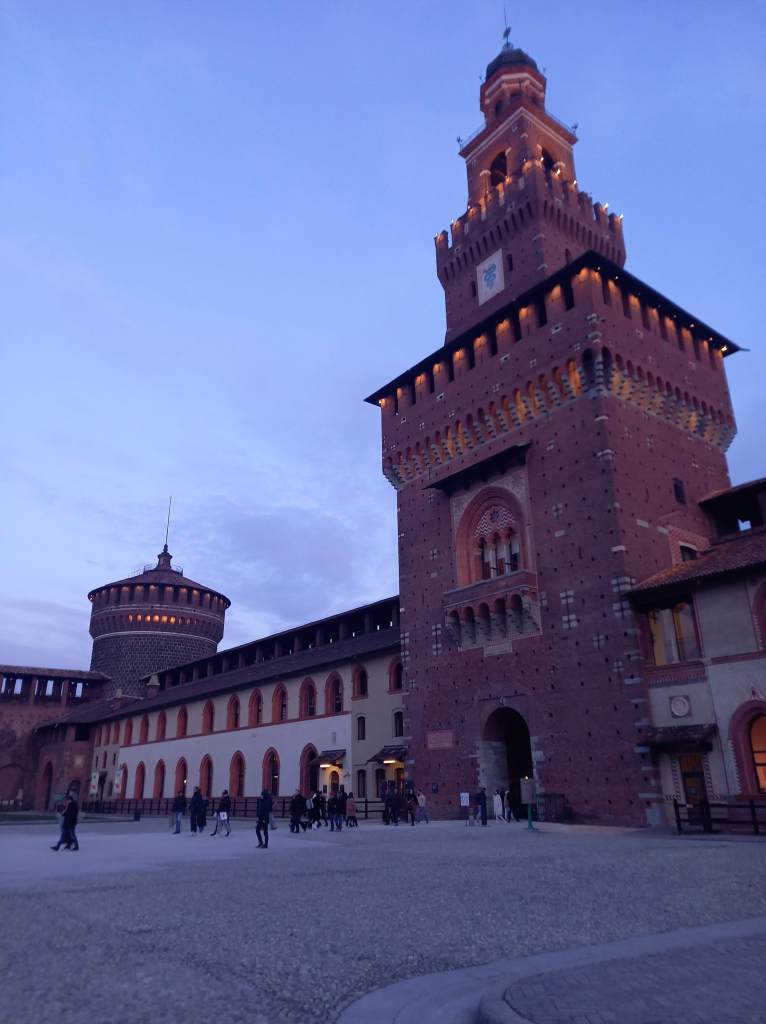
- Sforzesco Castle and the surrounding Parco Sempione: Great for a stroll, lunchtime relaxation, and the blend of history + green space.
Go early morning (or late afternoon) to avoid large tourist crowds. Have a proper coffee in a local bar rather than tourist trap nearby.
The Design, Art & Fashion Scene
Milan is one of the world’s fashion and design capitals. For expats especially interested in creativity, culture or business, this is your playground. Check out art galleries, design-stores, interior-design showrooms. Milan has inspiring design aesthetic everywhere. Neighborhoods like Brera (art) or Isola (modern/creative) are excellent. Also keep an eye out for events: exhibitions, pop-ups, design fairs (even if you’re not in the industry you can soak up the vibe). Even if you’re not a design pro, pick one Sunday afternoon to just wander, pop into a gallery, enjoy the atmosphere.
Everyday Life & Local Vibes
The neighborhoods farther from the tourist core often give the better “living in Milan” feel: local bars, local brunch spots, resident families, less hustle. For example, Navigli with its canals is great for evenings out; Isola and Porta Venezia are more still authentic and perfect for a family stroll. Use your free time to walk the side-streets, find a café you like, pick a regular spot to feel “home”. On your weekends, choose one “site-seeing” excursion and one “local discovery” walk to a neighbourhood you don’t yet know.
Social Life, Networking & Making Friends
One of the biggest questions for new expats is: How do I meet people? Milan is a city of connections — here are practical ways to build yours.
Expat & Meet-up Groups:
- There are many English-speaking / international gatherings: for example, the group on Meetup for expats in Milan: “Expat, Travelers, Students & World Citizen Events in Milan”.
- The platform InterNations has a Milan community too — you can attend events, meet other expats.
- Language-exchange groups: these are also double-purpose — you practice Italian and meet new people.
Attend at least one such event within your first two weeks of arriving. Take the initiative to say hello, exchange info, follow up for coffee. The more you go, the more things open up.
Locals and Italian Speakers
Don’t rely only on expatriate circles — one of the best parts of living abroad is getting to know locals. People in Milan are generally friendly. Try saying “Ciao” or “Buongiorno” when you enter a café; learn at least some basic Italian phrases. This really is appreciated among the Italians and it helps a lot! Milan has plenty of concerts, art shows and community festivals. Join them! Be genuine in your approach. Maybe invite someone for a casual aperitivo. Over time you’ll build a network that crosses expats + local friends.
Lifestyle & Social Routines
The tradition of aperitivo (drinks + light snacks before dinner) is strong. Use it as a social ritual to connect with colleagues or friends. Choose your favorite café that becomes your “regular” place. Sit, observe, chat. Another great way to socialize with locals and expats is to attend classes (cooking, art, photography, Italian language). These are great for meeting like-minded people.
If you work remotely or run your own business, consider co-working spaces or cafés with good wi-fi. It can helpto be more productive and to socialize. Stay tuned because the post about the best co working spaces in Milan is on its way!
Food, Drink & Everyday Dining
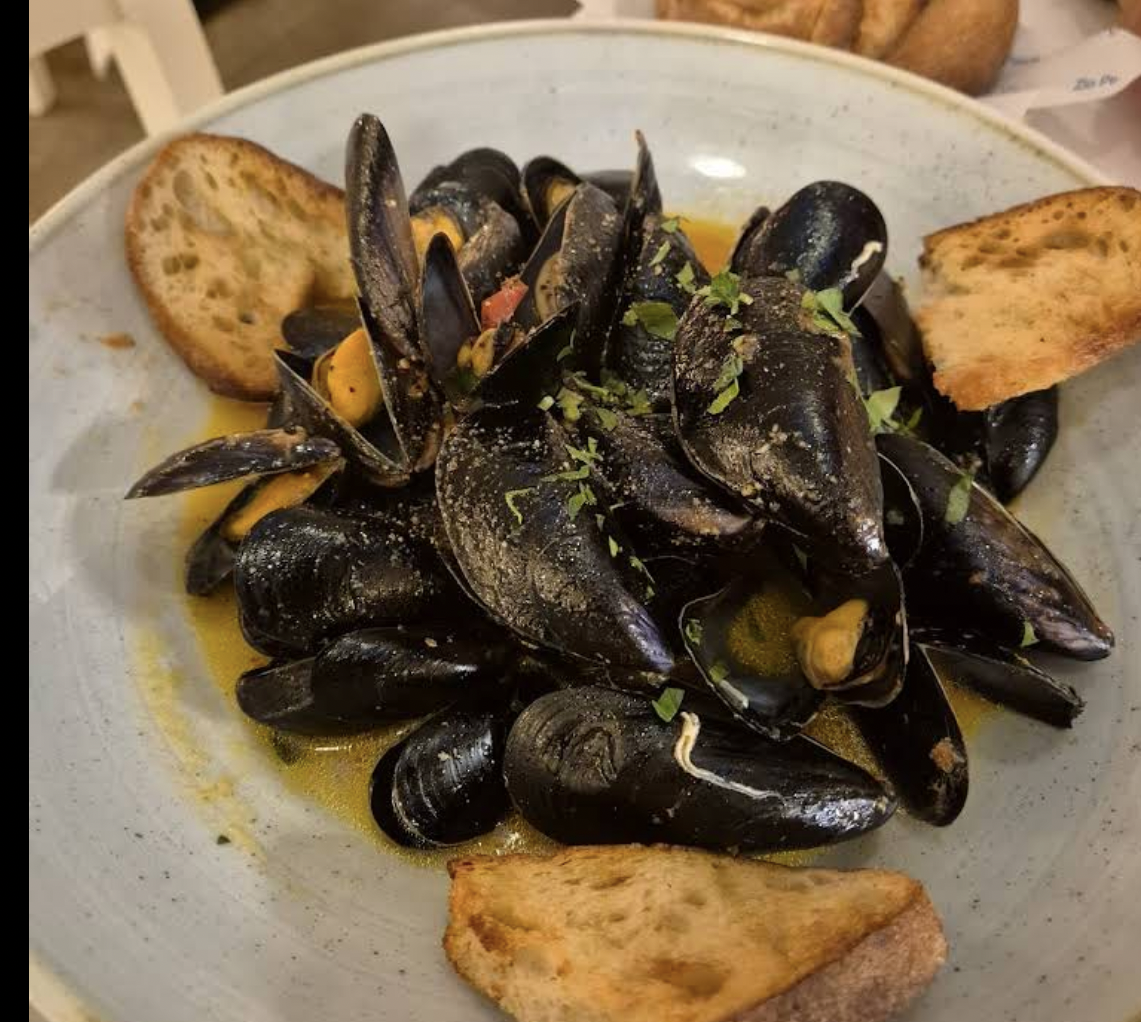
One of the best parts of living in Milan is eating well! From traditional Milanese cuisine to global eats and unexpected fusion of tastes. There’s really something for every mood and every foodie. I think I should prepare a separate post, dedicated only to the Milan food scene.
Traditional Milanese Dishes
Don’t miss trying risotto alla milanese (saffron risotto). Explore local markets, street food and lesser-known trattorias away from the tourist traps. There you will find the real Italian vibe and affordable prices. Ask locals (for instance the bartender from your favorite café) for recommendations rather than using only TripAdvisor — you’ll find holes-in-the-wall eateries that are far better value and feel more authentic.
International and Fusion Options
Since Milan is global, you’ll also find excellent international food: Asian, Middle Eastern, vegan/vegetarian. Don’t be surprise to taste a fusion of Italian and Asian cuisine or Brazilian style sushi! There is really everything in Milan.
Coffee Culture & Aperitivo
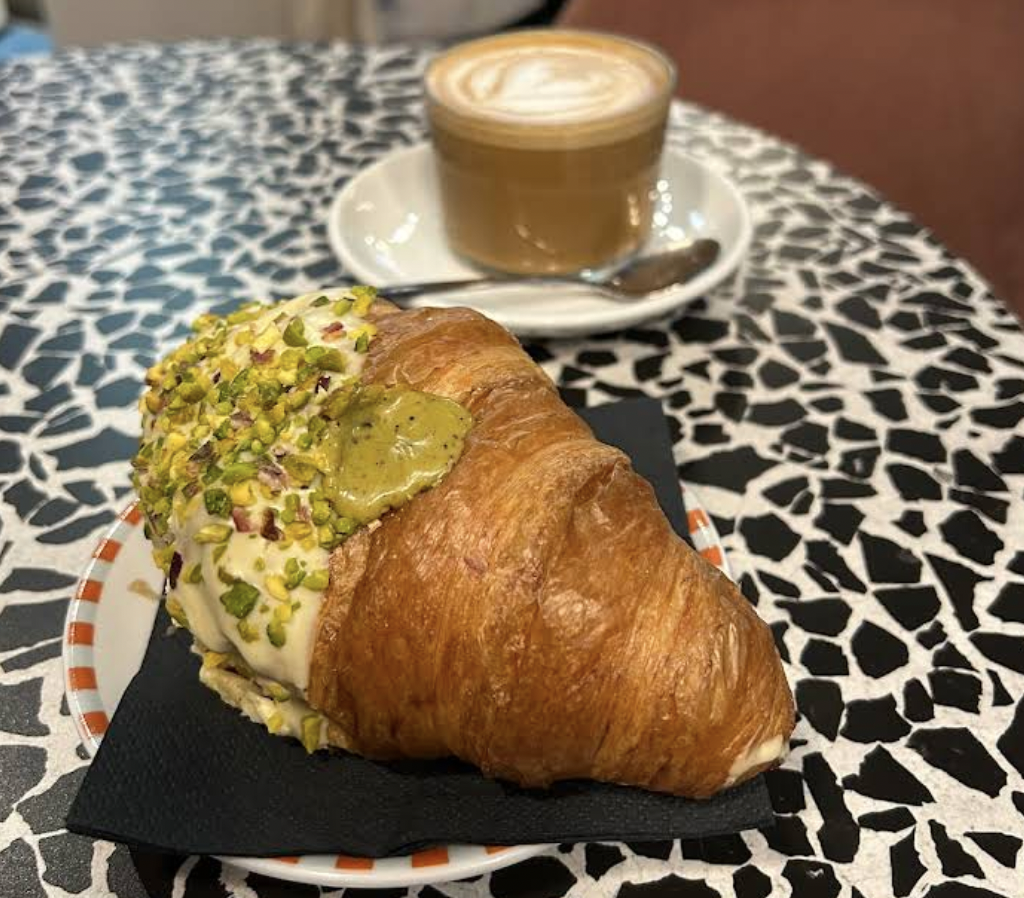
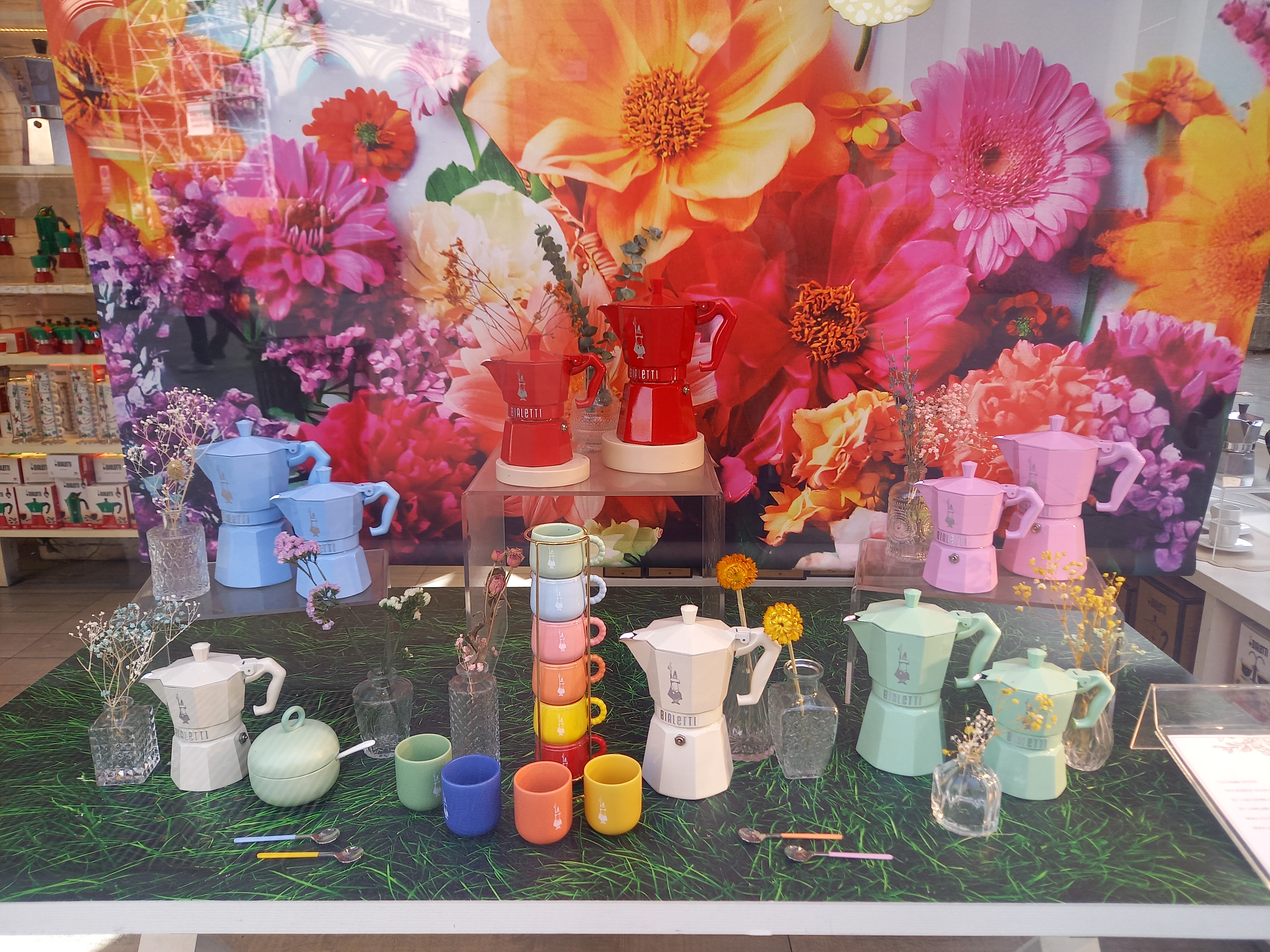
Coffee in the morning is not just a beverage – it is a serious cultural habit in Italy. Start grabbing espresso or cappuccino and brioche for your breakfast and enjoy the city as a local.
Another important habit is aperitivo – around 18:00-20:00 many bars offer a drink plus small buffet of snacks. It’s a casual social time and a great way to relax after work. Go to a bar you like, become a regular, chat with the bartender or other patrons. It will help you feel at home. On a Friday evening, try heading to the Navigli area or another lively neighbourhood, have aperitivo then dinner — you’ll feel the social pulse of Milan.
Leisure, Culture & Weekend Adventures
Milan isn’t just about work and daily life — it offers many ways to enjoy your free time, relax, explore, recharge.
Parks, Walks & Green Spaces
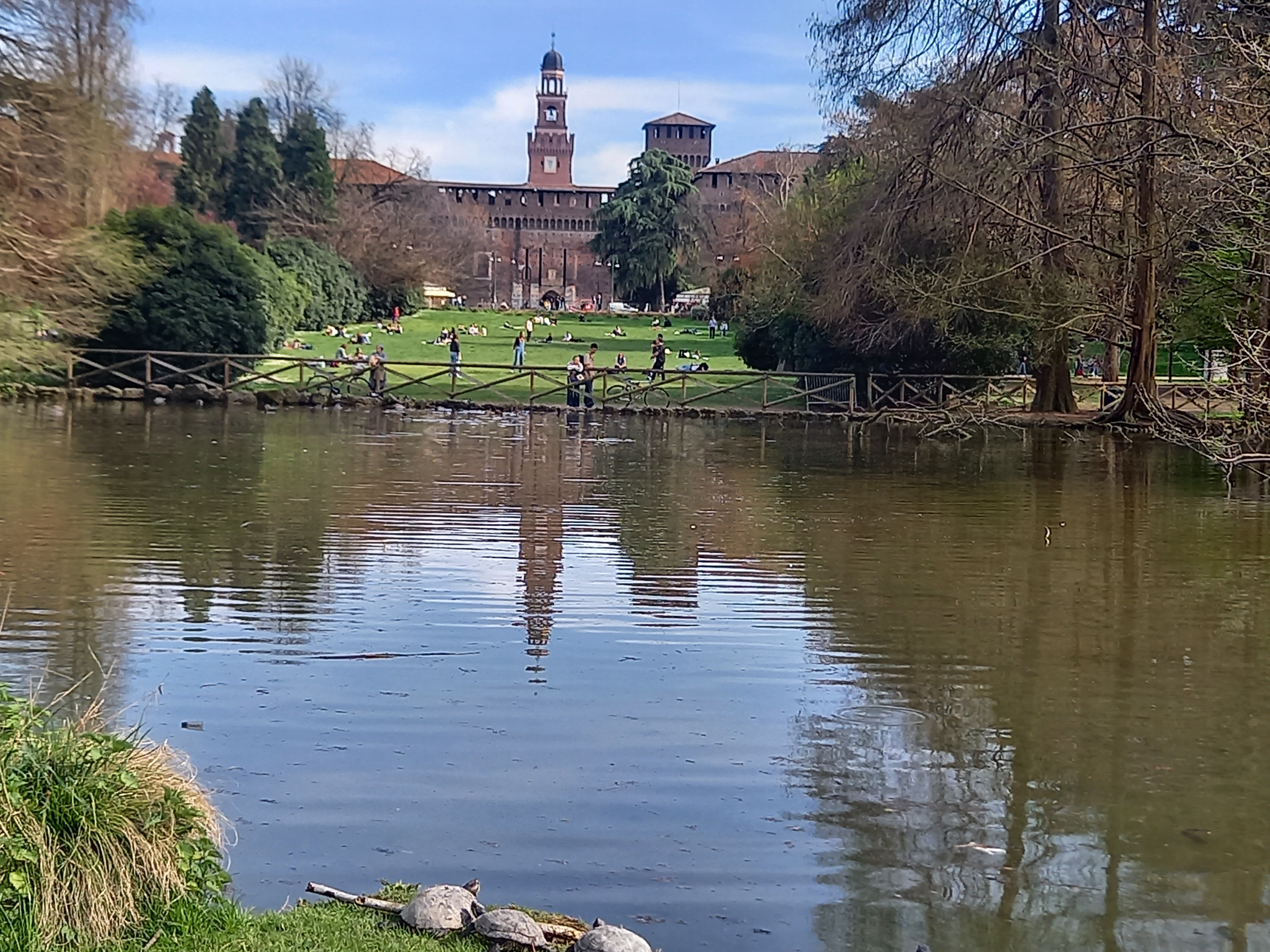
- Parco Sempione is a large park near the Sforzesco Castle and it is a perfect place for jogging, picnic or simply for a relaxing Sunday afternoon.
- Giardini Pubblici Indro Montanelli: Another green space for a lazy afternoon.
Museums, Galleries & Cultural Immersion
For art lovers: the Pinacoteca di Brera in Brera neighbourhood, the Museo del Novecento near the Duomo for 20th century art. Check theater, opera, live-music listings. Milan has a broad cultural offering also for people who don’t speak Italian yet. Be open to lesser-known venues. Sometimes an independent gallery, small music venue or local theater provides a richer experience than the big tourist “must-see”. Get into the habit of “one culture outing per month” — it could be a museum visit, a film in Italian (for listening practice!), or a live-music evening.
Day Trips & Beyond
Milan’s location makes it great for weekend trips: the lakes (Como), Alpine foothills, small towns in Lombardy. Use your weekends to explore—this helps enrich your expat experience and gives you a break from the city buzz.
Work, Career & Integration into the Local Economy
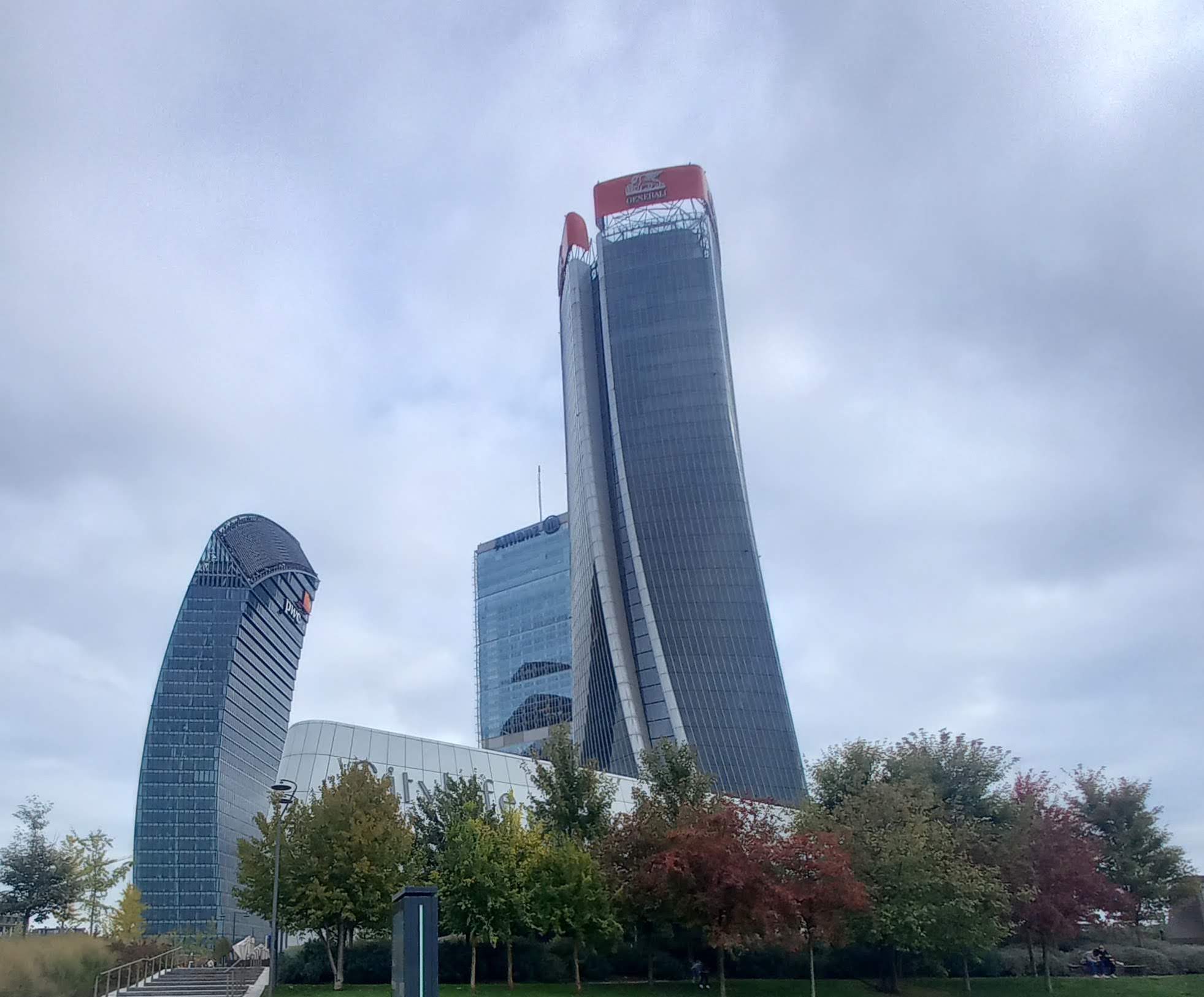
Since many expats in Milan are here for work, or combining life + remote work + study, let’s look briefly at how to integrate professionally.
Job Market & Language
Milan is Italy’s commercial and industrial heart, so there are good opportunities. However, speaking Italian is often a strong advantage — many roles will expect at least some Italian. If you’re working for an international company, you may find English-friendly roles. But even then, being proactive in learning Italian and engaging locally helps.
Remote Work & Freelancers
Many expats are remote workers, freelancers, digital nomads. Milan supports this with coworking spaces, cafés with good WiFi, a relatively high quality of life. Make sure you register properly (visa/tax/residence) if you’re staying long-term. It’s worth getting proper advice early.
Getting Legal & Administrative Aspects Sorted
If you’re from the EU/EEA, registering residence is simpler. Non-EU nationals may have additional steps (visa, permit). Italy has a high-quality healthcare system but as an expat you should check health insurance and enrollment – you will need a job contract for that and if you are a freelance worker, you will need to pay a fee in addition to your taxes.
Extra tip to handle the complicated bureaucracy:
Find a friendly local or fellow expat who’s been here 1-2 years and ask them for their “list of things I wish I’d done earlier” — you’ll pick up on hidden admin-pitfalls. Get suggestions of a valid accountant that can help you to save money.
Make your home in Milan
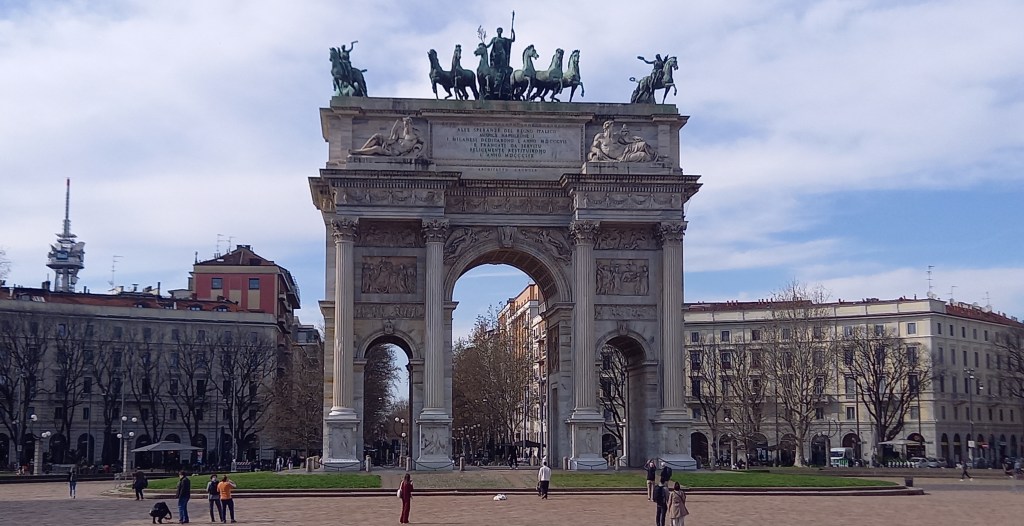
I guess I touched every aspect of being new in the city. Give yourself sometime and if you like Milan and want to stay longer, it’s worth to integrate in the local culture and embrace the Italian culture. To do that, of course you must learn some Italian (at least the basics), understand the local customs (importance of food for instance), accept the bureaucracy and frequent strikes for instance.
Explore Beyond Comfort Zone
- Try neighbourhoods you wouldn’t normally choose.
- Take public transport to parts of Milan you don’t know.
- Taste local cuisine you haven’t tried.
- Attend an event in Italian (even if you struggle!). It helps you learn and feel immersed.
- Keep a small notebook (physical or app) of “things I liked this week in Milan” — cafés, walks, people, phrases, moments. Over time you’ll have a great record of your growing love for the city.
Challenges to Be Aware Of (and How to Handle Them)

No city is perfect and Milan is no exception. Being aware of common expat bumps can help you navigate them more smoothly.
As noted, rent is high in central areas. It may be competitive, so be prepared with documentation. Consider slightly further-out but well-connected areas. Visit flats in person if possible, talk to other tenants, check building issues (heat, insulation, etc).
Even though many people speak English, some everyday tasks (banks, municipal offices) might be Italian-only. Learn basic Italian; have a friend/colleague help; use translation apps where needed.
Especially in the first months you might feel disconnected. That’s normal. Keep routines; join local groups; give it time.
In busy times, transit may get crowded; air quality can sometimes dip; the city moves at a business-pace. Use green modes (bike, walk), pick quieter times, go to parks for calm, plan “slow” weekends.
Italy is known for its bureaucracy. From visa/residence permits to health insurance, it may take patience. Start early, get help (expat groups, relocation consultants if needed), keep documents organised.
Your 30-Day “Expats’ Milan” Checklist
Here’s a friendly checklist to help your first month go well. I recommend ticking off these tasks over your first 4-weeks.
Week 1
- Arrive, get settled, choose temporary accommodation.
- Get a local SIM card, set up banking basics.
- Buy transport pass or tickets; take a “familiarization” ride on metro/tram.
- Walk around your neighborhood with no agenda — just explore.
Week 2
- Visit one café you like, become a regular visitor.
- Attend an expat meet-up or language-exchange event.
- Decide on neighborhood for long-term stay (if you haven’t yet).
- Visit one major landmark (Duomo + rooftop is a top choice).
Week 3
- Explore a “living” neighborhood (not tourist-core) for lunch/coffee, e.g., Isola or Porta Venezia.
- Try one local restaurant (not just tourist menus) and one fun international spot.
- Join a class or hobby (Italian language, cooking, photography).
- Visit a park (Parco Sempione, Giardini Indro Montanelli) for a slow afternoon.
Week 4
- Connect with locals or expats for a social “aperitivo”.
- Visit a museum, gallery or cultural event.
- Choose a weekend day-trip (just short) to a nearby town or outside Milan.
- Reflect: What do I like? What do I want more of? Make a list for your next month.
Why Will You Love Living in Milan?
Let’s finish on a positive note: 5 reasons that makes Milan great for an expat:
- It’s international and dynamic: Milan mixes Italian culture with global business, design, fashion and art.
- It’s well-connected & urban but still drink-in-a-coffee-on-the-street manageable.
- The quality of life is strong: good food, wonderful cultural heritage, green spaces, friendly neighbourhoods.
- It has space to grow: Whether you’re a young professional, family, freelancer or creative, Milan offers multiple paths.
- You’ll find your “place” to belong: with time your favourite café, your park, your circle of friends will anchor you.
 Nomadlytics
Leave a comment