
A perfect Milan weekend — must-sees, hidden gems, and the best food (all reachable by public transport or shared bike)
If you’ve got a weekend and one city to fall for, put Milan at the top of your list. It’s compact enough that two days let you taste its essence, yet layered so every corner rewards curiosity — from Gothic spires and renaissance courtyards to buzzy canals, luxury shopping streets and late-night aperitivo culture. This guide is written for people who want to explore Milan using public transport and shared bikes (yes — you can do everything without a car). It includes a practical, time-tested itinerary plus food recommendations that cover classic Italian and exciting fusion options. Let’s go!
Quick practical notes
Public transport: Milan’s metro/tram/bus network is run by ATM and offers single 90-minute tickets (€2.20), 24-hour passes (€7.60) and 3-day passes (€15.50). These work across metro, trams and buses and are perfect for a weekend stay. Buy at station machines, in tobacco shops, or via the ATM app. ATM+1
Shared bikes: BikeMi is Milan’s established bike-sharing operator; the system is integrated with apps and offers hourly plans and longer passes — a convenient way to hop between neighborhoods on sunny afternoons. Docked bikes and e-bikes are both options.
Walkable core: The historic centre (Duomo, Galleria, Brera) is delightfully walkable; use metro/tram for longer hops (Central Station ↔ Navigli, or Duomo ↔ Sforzesco) and bikes for in-between jaunts.
Day 1 — Classic Milan: Duomo, Galleria and Brera

Morning — Duomo & rooftop
Start your morning early at Piazza del Duomo. The cathedral (Duomo di Milano) is Milan’s showpiece — an immense Gothic lace of marble, statues and spires. I recommend buying a ticket that includes the rooftop terraces: the view of the city and the close-up of the cathedral’s pinnacles are worth it. Aim to arrive when doors open to dodge the largest crowds. (Pro tip: security checks are standard; backpacks may be scanned.)
Why I advice to start here? The Duomo anchors the city — once you’re on the terraces you’ll orient yourself visually for the rest of the weekend.
Late morning — Galleria Vittorio Emanuele II and coffee
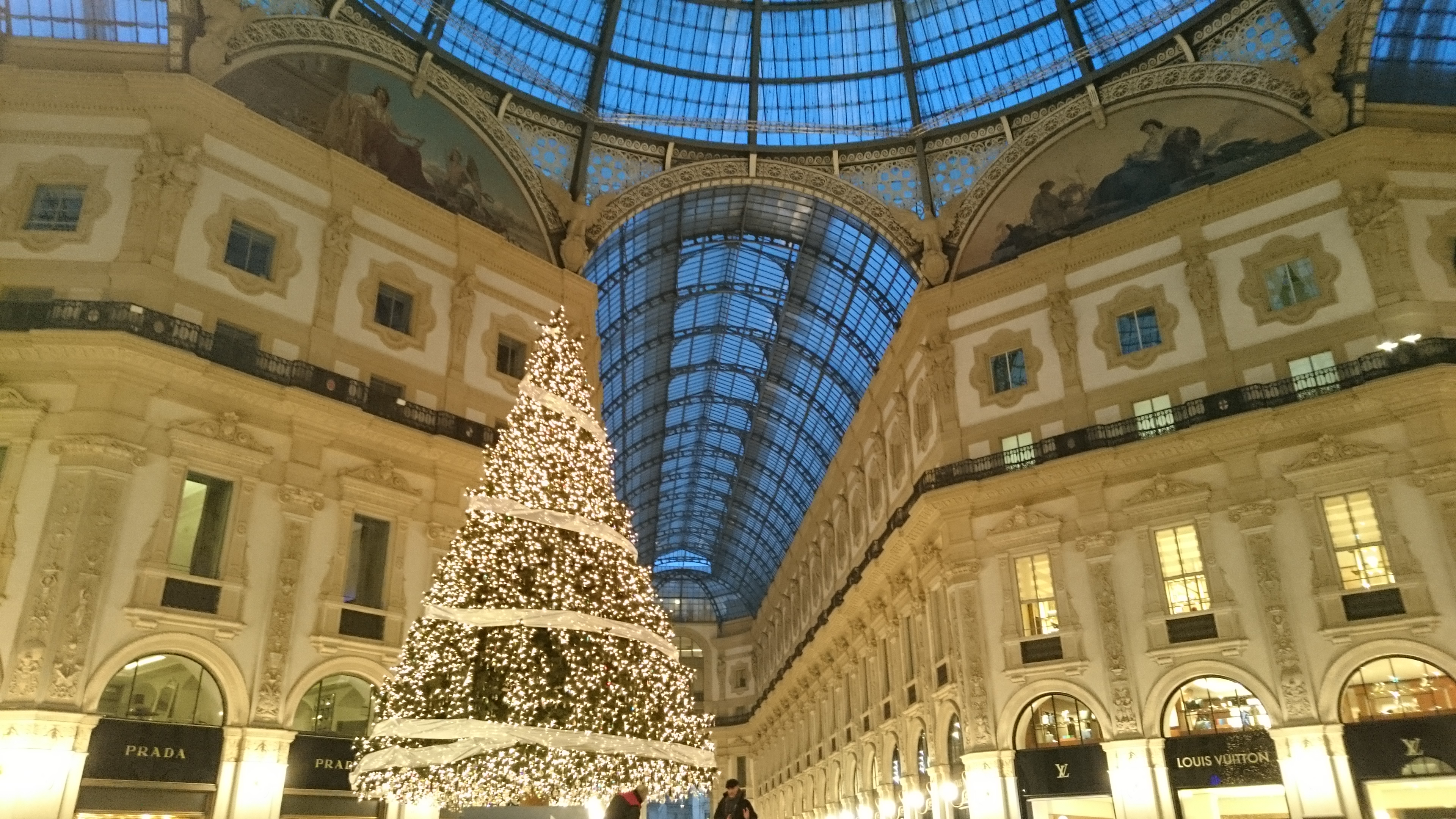
From the Duomo step into the Galleria Vittorio Emanuele II, a 19th-century glass-roofed arcade full of elegant boutiques and historic cafés. It’s touristy, sure, but the architecture is glorious. For a less costly but excellent espresso, duck into a side street and find a small bar.
Lunch — Risotto or panzerotto?
For a classic midday meal try risotto alla Milanese (saffron risotto) at a local trattoria, or keep it casual with a panzerotto (fried pocket of cheese and tomato) from a beloved local bakery. This is also a good time to fuel up before walking toward Brera.
Afternoon — Brera district & Pinacoteca
Wander north into Brera, the artsy heart of Milan: cobbled streets, independent shops, and the Pinacoteca di Brera (important if you like Italian art — Caravaggio included). Brera’s streets are delightful to explore by foot; if you’re on a bike, park at one of the bike stands and stroll. Brera is also a great place to browse artisanal shops (paper goods, small design objects).

Late afternoon — Aperitivo in Brera or Navigli
Aperitivo (pre-dinner drinks with nibbles) is almost a religion in Milan. Brera has classy, quiet aperitivo bars, while Navigli (the canals) offers a more bohemian, social scene — both are excellent but different vibes. If you want to try the canal scene tonight, hop on a tram or take a 20-minute bike ride south toward Darsena/Navigli to watch the sun hit the water and sip a spritz.
Dinner — classic or fusion?
There are plenty of dinner options in Milan. Depending on where you are staying, you can find traditional Italian meal, Asian, Peruvian, African or mix of all. Milan food scene is changing fast and it really offers not only exquisite Northern Italian meals but also a modern – fusion dishes. Ask your host for the best tips around your accommodation.
Day 2 — Castles, canals, modern Milan (Sunday)

Morning — Sforza Castle & Parco Sempione
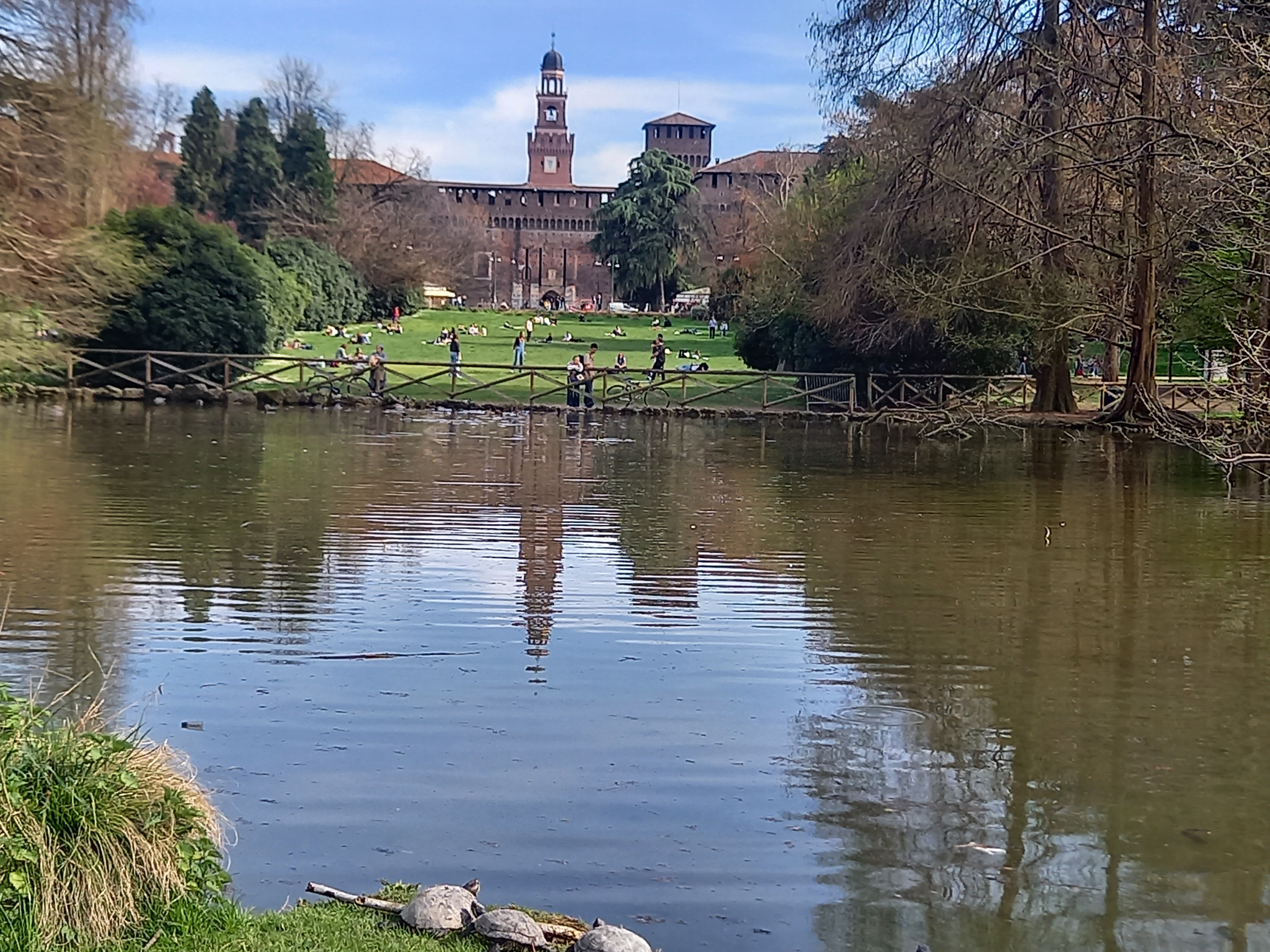
Start at Castello Sforzesco, an imposing Renaissance fortress that now houses several museums and courtyards. The surrounding Parco Sempione is perfect for a relaxed morning stroll or picnic. If you’re a museum person, pick one small exhibit — you can’t do every museum in one weekend — but the castle’s architecture and the park are lovely even if you skip the interiors. (The castle is a 15-minute walk northwest from the Duomo or one metro stop.)
Late morning — CityLife or Fondazione Prada
If you’re curious about modern Milan and how it changed in the recent years, you cannot miss City Life. This neigbourhood showcases contemporary architecture and a large pedestrian park; it’s a short metro ride (M5) from central stops. Here you will also find plenty of options for lunch.
Another contemporary art complex is Fondazione Prada. Situated in a renovated industrial building it’s a must if contemporary art and architecture light you up. Check the calendars and look for great temporary exhibitions.
Afternoon — Navigli canals and hidden gems
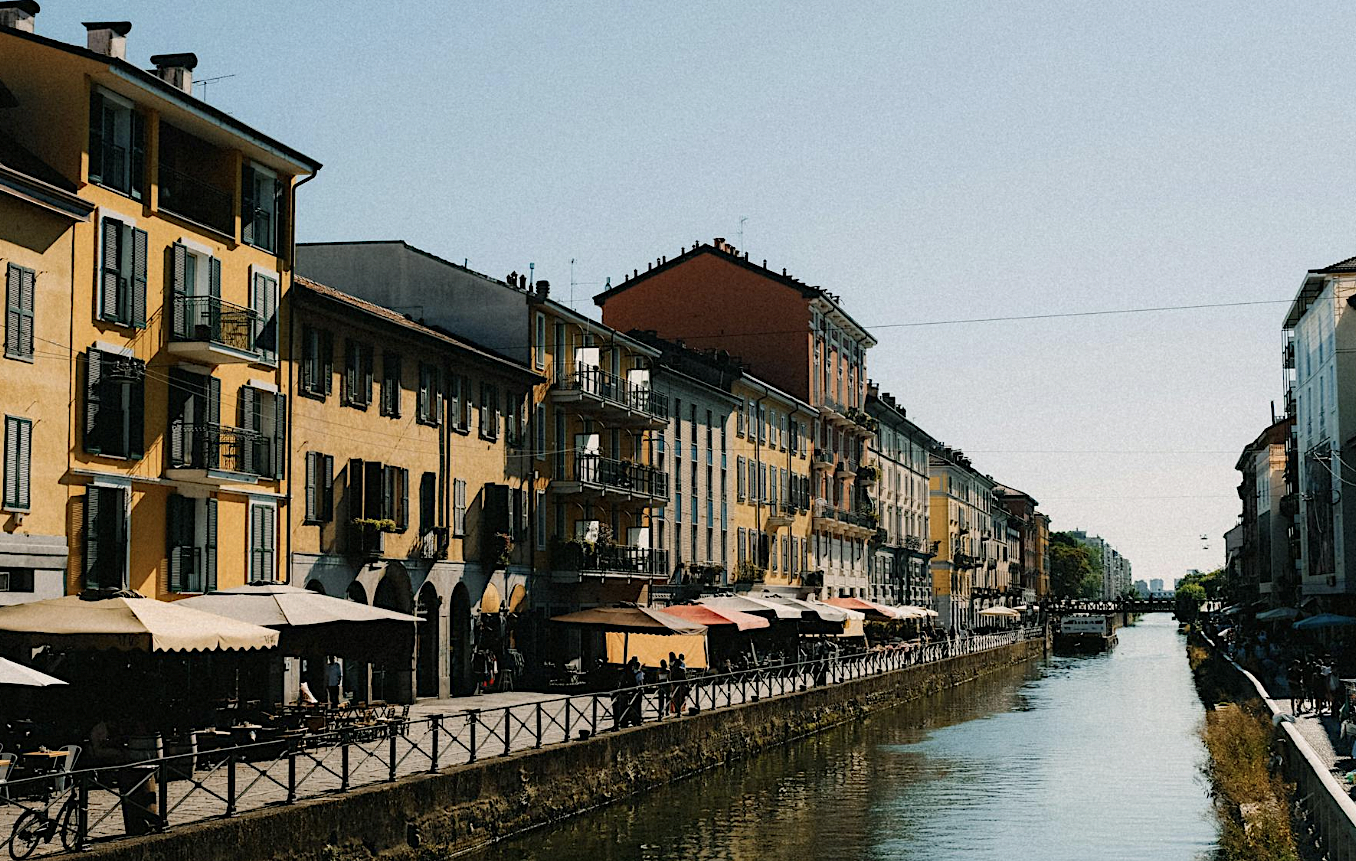
Head to Navigli in the afternoon if you didn’t the night before. During daytime it’s calmer — canals, bookshops, secondhand markets (depending on the date), and artisan workshops. A leisurely canal-side walk is one of the most relaxed ways to spend a Sunday afternoon. Nearby you will also find some hidden gems. Choose some of them and discover a less touristy Milan.
- Visit small artisan shops in Alzaia Naviglio Grande
- For design lovers: scout small design showrooms in the Tortona and Navigli district, especially during design week, but many are open year-round.
- Giardino della Guastalla It’s one of Milan’s oldest and most secluded public gardens, a calm retreat near the university area. Just a short bike ride from the main Navigli area.
- Casa degli Atellani & Leonardo’s Vineyard (near Santa Maria delle Grazie, 10 minutes by bike from Navigli). It is a small, atmospheric Renaissance garden connected to Leonardo da Vinci’s Milan. It’s quieter than the big museums and an intimate historical slice.
Dinner — Navigli fusion & late-night bites
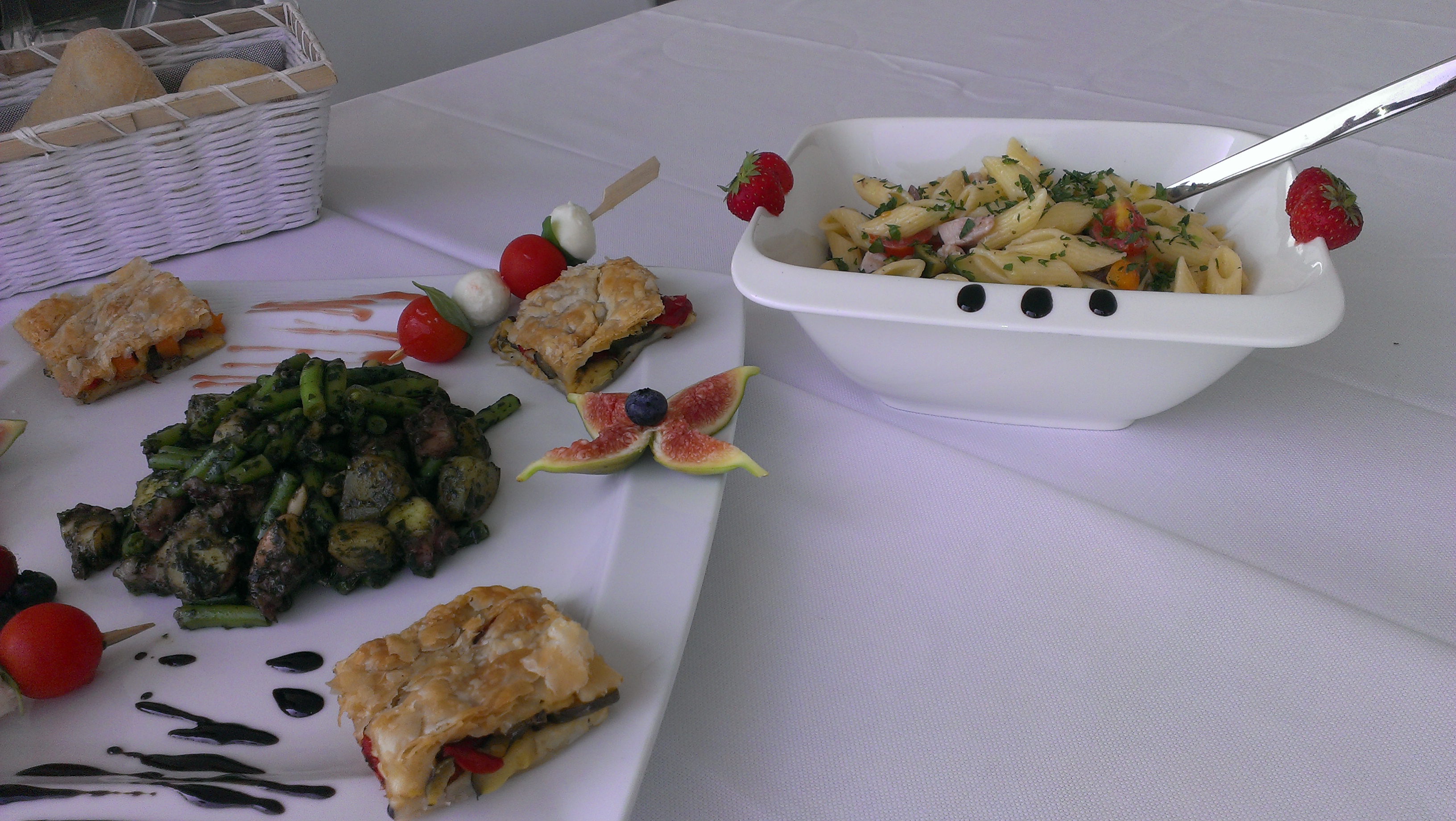
Finish with a canal-side dinner: many restaurants along the Naviglio Grande offer an international mix — from Argentinian grills to Peruvian fusion and tapas-style plates that mix Mediterranean and Asian ingredients. If you want to chase a late-night mood, Navigli turns lively after 10pm with bars and music.
What to eat in Milan?
As said before, Milan balances deep culinary tradition with a cosmopolitan palate. You could spend one week in Milan tasting different global flavors. If you are a foodies, stay tuned as the post about the best places to eat in Milan is coming. Meanwhile let’s re-cap on the traditional must try classics in Milan:
- Risotto alla Milanese — saffron-perfumed and creamy. Order in a trattoria known for local cuisine.
- Cotoletta alla Milanese — breaded veal cutlet, simple and deeply satisfying.
- Panzerotti — street-food pockets, perfect between stops.
- Ice cream — look for artisanal shops rather than big chains.
Extra tips:
- Plan for at least one aperitivo — many bars include buffet-style small plates with your drink. This can serve as an early dinner if you prefer grazing.
- Ask a barista or local shopkeeper for their neighborhood recommendation — Milanese museums, markets (like the antique market days on the Navigli), and small bakeries are often where locals gather.
- Ask your host or hotel reception about the up to date nightlife.
- Like any major tourist city, be careful in crowded places (Duomo, trams at rush hour, tourist markets). Keep valuables secure.
- Dress code for churches: shoulders and knees covered for cathedral interiors.
- If you want to see The Last Supper, book well in advance on the website. Also check museum opening hours and book tickets for the Duomo rooftop for prized time slots.
- Many shops and cafés close in the afternoon for a short siesta-like break (less common these days), and some smaller restaurants close Sunday night — plan accordingly.
- Cards are widely accepted, but small bars and market stalls may prefer cash (or small amounts via contactless).
Hidden gems and less-touristy ideas
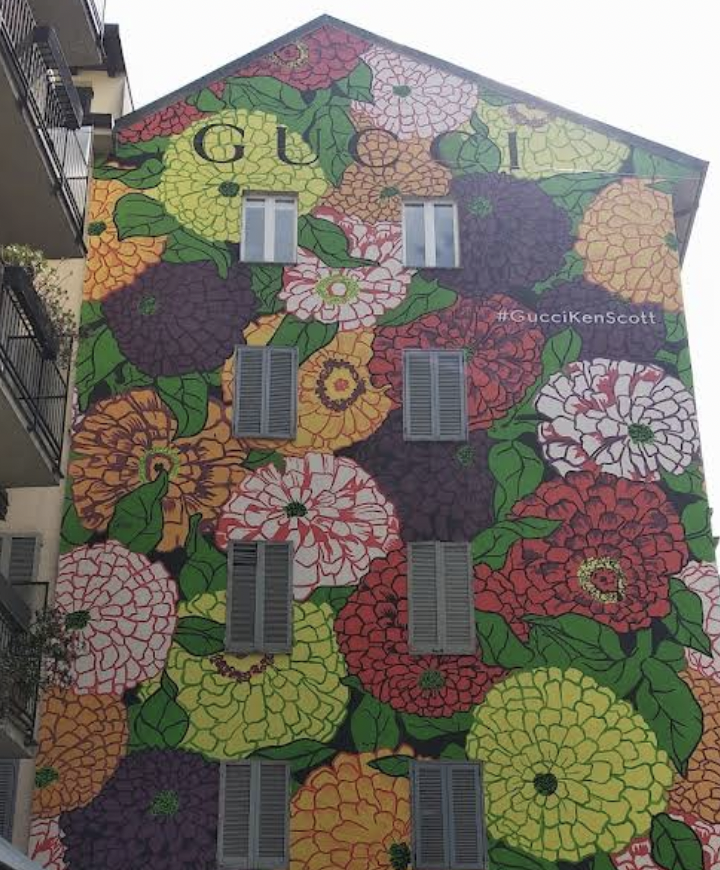
- Giardino della Guastalla: small historic garden for quiet reflection.
- Casa degli Atellani & Leonardo’s Vineyard: tiny renaissance garden and house — intimate and atmospheric.
- Tortona workshops: for design lovers, the Navigli/Tortona area hosts small studios, especially around Milan Design Week.
- Contemporary galleries in Isola: younger, hip galleries and cafés around the new Porta Garibaldi towers.
- Independent bookstores and vinyl shops scattered near Navigli and Brera — great for souvenir hunting.
These are the kind of places you can weave into the schedule with a short tram or bike ride — many locals use bikes to crisscross these micro-districts.
How to get there and move around?
Milan is well connected by both air and rail, making it easy to reach from anywhere in Europe and beyond.
- By Air: Milan has two main airports — Malpensa (MXP) and Linate (LIN), plus Bergamo Orio al Serio (BGY) for low-cost flights.
- From Malpensa, take the Malpensa Express train to Milano Centrale or Cadorna station (about 50 minutes).
- From Linate, a direct metro line (M4) connects the airport to the city center in around 20 minutes.
- From Bergamo, frequent shuttle buses and trains reach Milano Centrale in about an hour.
- By Train: Milan’s main station, Milano Centrale, is a hub for Italy’s high-speed rail network. Trains from Rome, Florence, Venice, Turin, and other major cities arrive frequently, with Trenitalia and Italo offering fast, comfortable service.
- Buy a 24-hour or 3-day ticket if you plan several metro/tram journeys; it’s convenient. Validate at gates for metro or on buses/trams. The 90-minute single ticket is useful for one-off short hops. Or you can simply swipe your credit card.
- BikeMi for bike sharing: download BikeMi, attach a payment method, and check docking station maps. BikeMi operates broadly between 06:00 and 02:00 but confirm hours in the app.
- Trams are scenic: tram routes (especially the older, wooden-bench ones) are a charming way to travel short distances — treat them as moving sightseeing rides. Your 24 hour ticket will be valid on trams as well or you can just swipe the credit card on the machine inside the tram.
Milan isn’t just one mood — it’s a series of small, intense experiences: the hush of marble under the Duomo spires, a sloppy panzerotto eaten on a sunny bench, the soft hum of a tram at dusk, a modern art show in a former factory. A weekend won’t let you master Milan, but it will let you taste its layers: art and design, tradition and experimentation, quiet parks and convivial canals. Use the metro for longer legs, rent a bike for the sweetest short hops, and leave a little unplanned time — that’s often when the city reveals its best surprises. And stay longer if you feel that this city had all you wanted. Check my post about expat life in Milan and about the great co-working spaces!
 Nomadlytics
Leave a comment