

Milan often gets summarized in clichés: fashion capital, business hub, gray and busy, less romantic than Florence or Venice. But those who stop to really explore the city find a Milan that’s intimate, layered, quietly rebellious — and very human. Beyond the Duomo and the glossy shop windows, Milan is full of courtyards, canals, underground art scenes, and traditions that locals really know.
If you want to visit Milan like a local, either because you have already visited the touristy Duomo and the Castle, or because you hate the crowds and want to feel the real vibe of this city, then this post is for you! I will bring you into hidden neighborhoods, small rituals, and underrated corners. Here’s your deep guide to the Milan most travelers never see.
First, understand the real Milan
Locals will tell you: Milan isn’t a “show-off” city. It doesn’t display beauty at first glance like Rome or Venice. Its treasures are behind gates and inside courtyards. The Milanese mentality is discreet — understatement is style here.
Milan reveals itself through habits, not monuments: the morning espresso at a marble counter, a walk along the canals at sunset, a Sunday lunch with friends, a glass of wine in a hidden courtyard. That’s what makes this city fascinating. It’s not about seeing; it’s about participating.
Choose your home wisely
Locals define Milan by neighborhoods, each with its own personality. To live like a local, stay in one of these areas instead of the city center near the Duomo.
- Isola – once industrial, now creative. Street art, craft beer, small restaurants, and a village feel right under the gleaming towers of Porta Nuova.
- Brera – artistic, romantic, with cobblestone alleys, small galleries, and independent shops. Busy by day, but peaceful after dark.
- Porta Romana – a local favorite for its cafés, restaurants (trattoria), and proximity to QC Terme (the city’s famous spa).
- Navigli – scenic canals, vintage markets, and aperitivo culture. It’s more touristy now but still authentically Milanese in rhythm.
- Tortona – the design district; full of creative studios, concept stores, and new-generation bistros. If you are one of those people visiting Milan because of its design culture, this is the place to for you.
- Città Studi – academic and genuine, where students and residents mingle in traditional restaurants and parks.
These districts have metro access and shared-bike stations, so you can get around easily without a car.
Slow mornings: cafés, bakeries, and market strolls

A morning in Milan is quiet and ritualistic. Skip the hotel breakfast — locals almost never sit for one. Instead, do as they do: head to the nearest bar (café) for an espresso or cappuccino and a brioche (croissant). Stand at the counter; it’s cheaper, faster, and you’ll feel part of the rhythm.
Where locals go?
- Pavé in Porta Venezia – one of Milan’s best bakeries; buttery croissants, pastries filled with pistachio cream, and a mix of students, designers, and parents on the school run.
- Panificio Pattini in Corso Garibaldi – small, old-school, excellent focaccia and cornetti.
- Marchesi 1824 in Via Santa Maria alla Porta – an elegant pastry shop founded nearly two centuries ago; grab a coffee and admire the old Milanese charm.
If it’s Saturday, walk through a local market after your coffee. Milan’s markets are lively, full of character, and a slice of daily life. Try Mercato di Via Fauché (Fridays and Saturdays) for clothes, produce, and a people-watching session. Or go to Mercato Wagner, where locals stock up on fresh fish and cheese.
Wander into secret courtyards
One of Milan’s greatest secrets is hidden behind its facades. The city’s beauty lives in courtyards— green oases concealed behind heavy wooden doors. Many are private, but several open to the public during special events like Cortili Aperti (Open Courtyards), held in May.
Even outside those dates, you can peek into some of the most atmospheric courtyards:
- Università Cattolica del Sacro Cuore – its Renaissance cloisters are free to wander. Quiet, peaceful, full of symmetry.
- Palazzo Brera courtyard – home to the art academy and Pinacoteca; open to all, with the statue of Napoleon at its center.
- Via Cappuccio 5 – often cited by locals as one of the most beautiful residential courtyards, with climbing ivy and a timeless calm.
- Walk slowly through the side streets near Corso Magenta and Brera — you’ll often find open gates revealing gardens and arcades.
Art beyond the big museums
Milan’s Pinacoteca di Brera and Leonardo’s Last Supper are famous, but the local art scene lives in unexpected places.
Casa Museo Boschi Di Stefano
Hidden in a classic Milanese apartment building on Via Giorgio Jan, the Casa Museo Boschi Di Stefano is one of Milan’s most underrated art treasures. Once the private home of collectors Antonio Boschi and Marieda Di Stefano, this elegant apartment now houses over 300 works of 20th-century Italian art. As you walk from room to room, you’ll feel like you’re visiting friends who just happen to have a remarkable modern art collection — with pieces by Morandi, De Chirico, Fontana, and Sironi lining the walls.
The museum offers an intimate experience: parquet floors, original furniture, and a domestic warmth that most galleries can’t replicate. Best of all, entry is completely free, making it one of the city’s hidden cultural gems — perfect for a quiet afternoon surrounded by Italian creativity.
Fondazione Prada
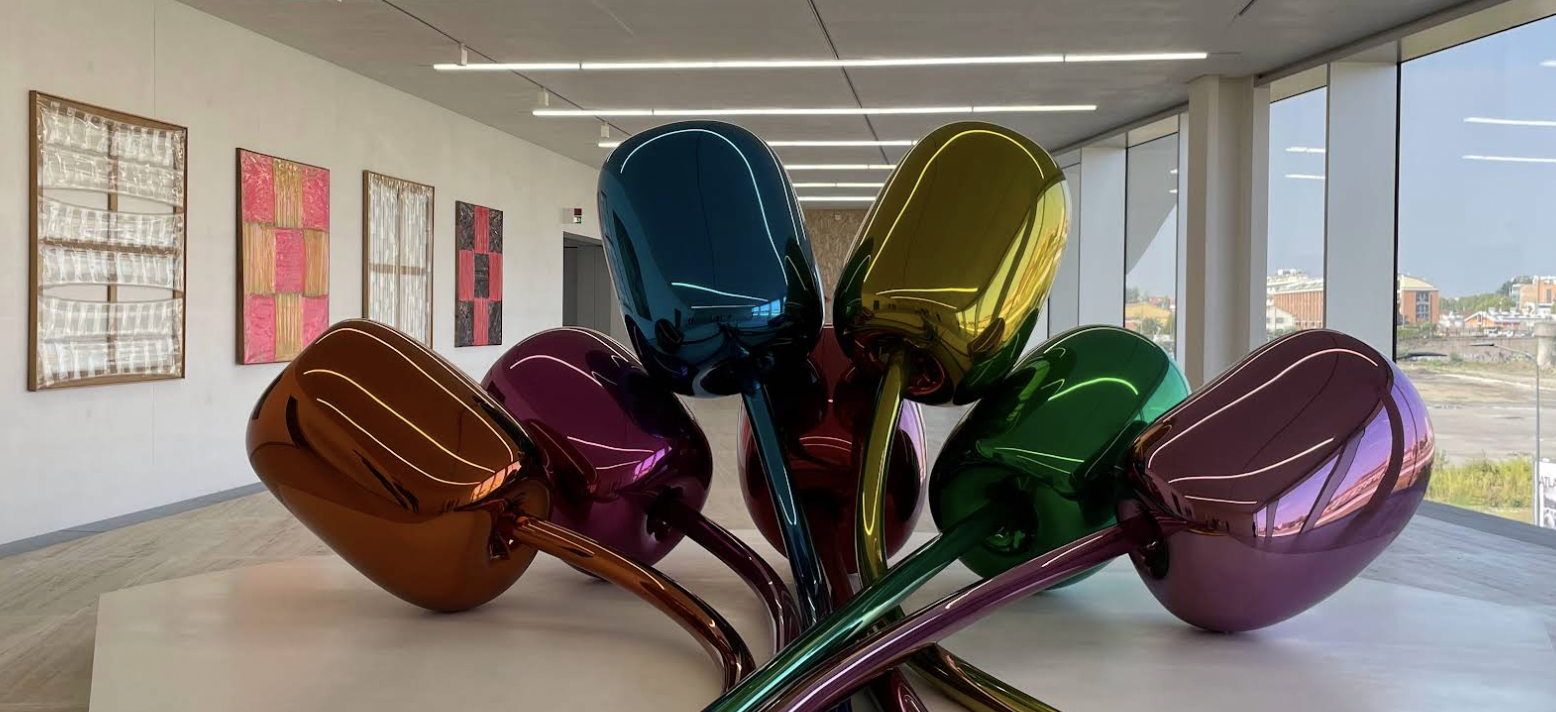
If you want to experience Milan’s avant-garde spirit, head to Fondazione Prada, located in a former gin distillery south of Porta Romana. This ambitious cultural complex, redesigned by renowned architect Rem Koolhaas (OMA), combines sleek gold-clad towers with raw industrial spaces — a stunning contrast that perfectly mirrors the experimental art within.
Fondazione Prada is known for its cutting-edge exhibitions, exploring contemporary culture, cinema, design, and architecture. Expect large-scale installations, thought-provoking retrospectives, and multimedia works that challenge and inspire.
Don’t miss the Torre, the vertical white building offering panoramic views over Milan, or Bar Luce, a pastel-toned café designed by filmmaker Wes Anderson, which looks like a movie set from the 1960s.
Pirelli HangarBicocca
On the northern edge of the city lies Pirelli HangarBicocca, a massive industrial art space that’s become one of Europe’s top destinations for contemporary installation art. Once a tire factory owned by Pirelli, the vast hangars have been transformed into a dramatic exhibition venue where art meets scale.
The main hall alone measures 15,000 square meters, allowing for monumental works that simply wouldn’t fit elsewhere. The permanent installation, “The Seven Heavenly Palaces” by Anselm Kiefer, features seven towering concrete structures that rise like ancient temples — a haunting, awe-inspiring experience that has become an icon of Milan’s art scene.
Temporary exhibitions rotate regularly, featuring global artists who explore space, sound, and light in immersive ways. Entry is free!
Fondazione Sozzani – Corso Como
For something more intimate yet stylishly Milanese, stop by the Fondazione Sozzani at 10 Corso Como. Founded by Carla Sozzani — fashion editor, curator, and sister of Vogue Italia’s legendary Franca Sozzani — this foundation blends art, fashion, photography, and design under one elegant 19th-century roof.
The exhibitions are small but beautifully curated, featuring icons like Helmut Newton, Annie Leibovitz, or emerging talents in fashion photography and visual culture. Beyond the gallery, the building houses a concept store, a design bookshop, and a lush courtyard café, making it a perfect place to spend a slow Milanese afternoon.
It’s more than a gallery — it’s a creative ecosystem, reflecting the stylish soul of Milan where art, architecture, and lifestyle seamlessly converge.
These are where you’ll find locals on weekends — strolling quietly and debating art over lunch.
Lunch like a local: trattoria is the right place

Locals don’t rush lunch. They take it seriously — often as a ritual to disconnect from work. Restaurants fill up from 12:30 to 14:00.
Traditional gems:
- Trattoria Masuelli San Marco in Viale Umbria – family-run since 1921, specializing in Milanese dishes like ossobuco and risotto allo zafferano.
- Ratanà in Porta Nuova – modern interpretation of traditional cuisine; risotto with style, set in a beautifully restored railway building.
- Trippa Porta Romana – a cult favorite among locals; rustic, honest, and always busy. Reserve days ahead.
Design-forward or fusion options
- God Save The Food in Brera or Tortona – Milan’s version of a stylish canteen: light dishes, salads, and fusion bowls in modern interiors. Excellent pancakes.
- Bentoteca in San Calocero – Michelin-starred chef Yoji Tokuyoshi blends Japanese and Italian techniques for unforgettable dishes.
- Macha Café – the city’s love affair with matcha in smoothie bowls and light Asian-inspired bites.
If you want to go fully local, ask for the menu del giorno (daily fixed-price lunch menu), usually around €15–20 with two courses and water. check my post about the best places to eat in Milan here.
Explore Milan’s lesser-known neighborhoods

The tourist path — Duomo, Galleria, Sforza Castle — covers only a fraction of what the city has to offer. To feel Milan’s real texture, get lost in its residential zones and creative hubs.
Isola – Urban village with soul
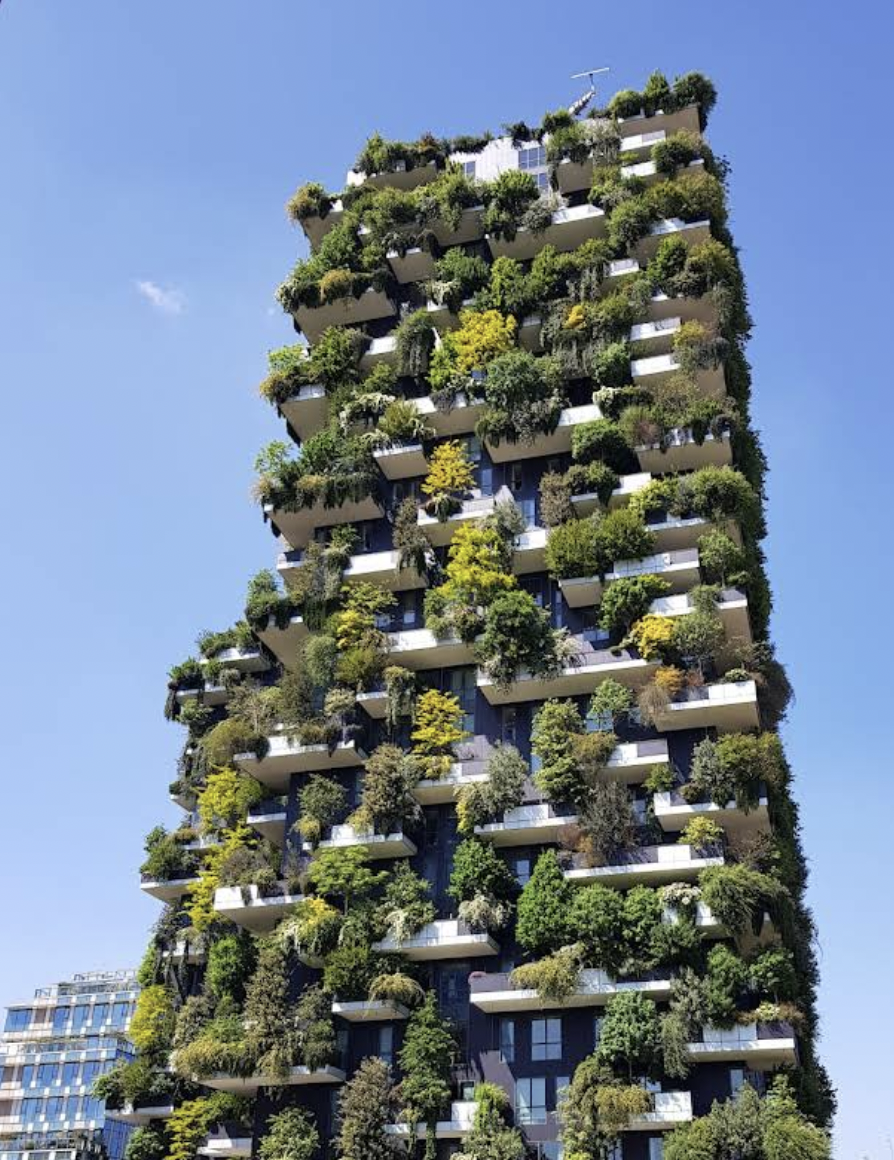
Once gritty, now buzzing with artists, boutiques, and relaxed cafés. Wander along Via Thaon di Revel and Via Borsieri; look up at the Vertical Forest — two skyscrapers covered in trees — and watch locals cycling past.
Stop for craft beer at Birrificio Lambrate, a local legend, or catch live music at Blue Note Milano, a jazz institution.
Porta Venezia – Liberty architecture and diversity
Porta Venezia is multicultural, elegant, and full of Liberty (Art Nouveau) buildings. Stroll through Giardini Pubblici Indro Montanelli, the city’s oldest park, or explore side streets like Via Malpighi for pastel façades.
At night, this district becomes a hotspot for LGBTQ+ bars and aperitivo spots. Grab a negroni at Bar Basso, where the drink was invented in the 1970s.
NoLo – North of Loreto
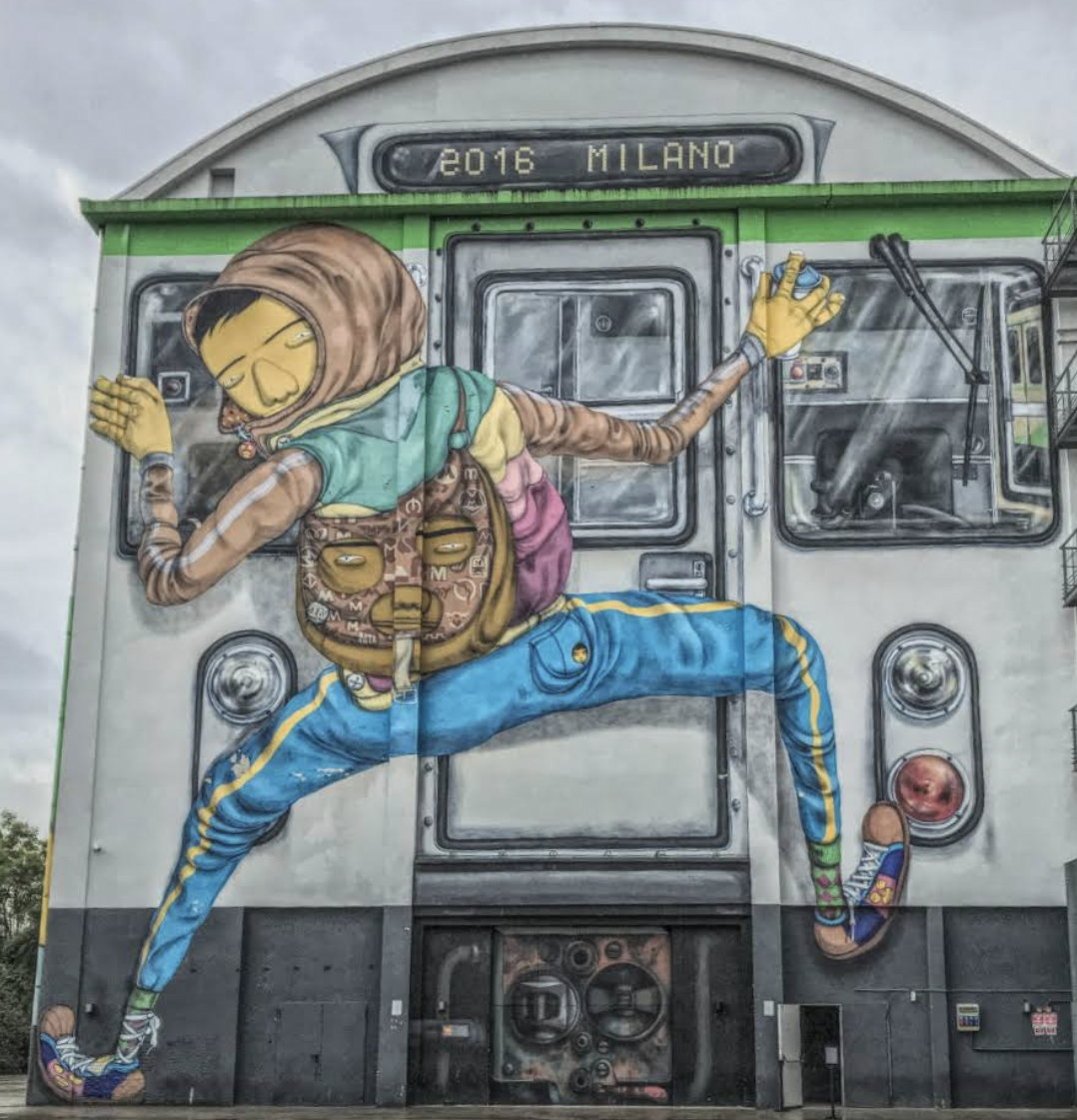
A young, evolving area beloved by creatives and immigrants alike. NoLo (North of Loreto) mixes community markets, multicultural eateries, and street murals. It feels authentic and inclusive. Stop by Pasticceria Martesana for one of the best pastries in Milan, then explore the small cafés around Piazza Morbegno.
Tortona – The design and fashion playground

During the Design Week, this area becomes the epicenter of creativity. But even the rest of the year, Via Savona and Via Tortona host concept stores, showrooms, and rooftop cafés.
Check out Armani/Silos, a minimalist museum curated by Giorgio Armani himself, then have a drink at Base Milano, a cultural hub with exhibitions and a sunny courtyard. Base Milano is also great for remote workers as it has an excellent co-working space. Check my post about the best hubs for digital nomads in Milan.
Afternoon escapes and slow experiences
Milan may seem fast-paced, but locals know how to slow down. Try one of these low-key escapes between lunch and aperitivo.
Hidden green spaces
- Giardino della Guastalla – one of the city’s oldest gardens; peaceful, full of turtles and fountains. If you are visiting with kids, you will appreciate a small playground inside the gardens.
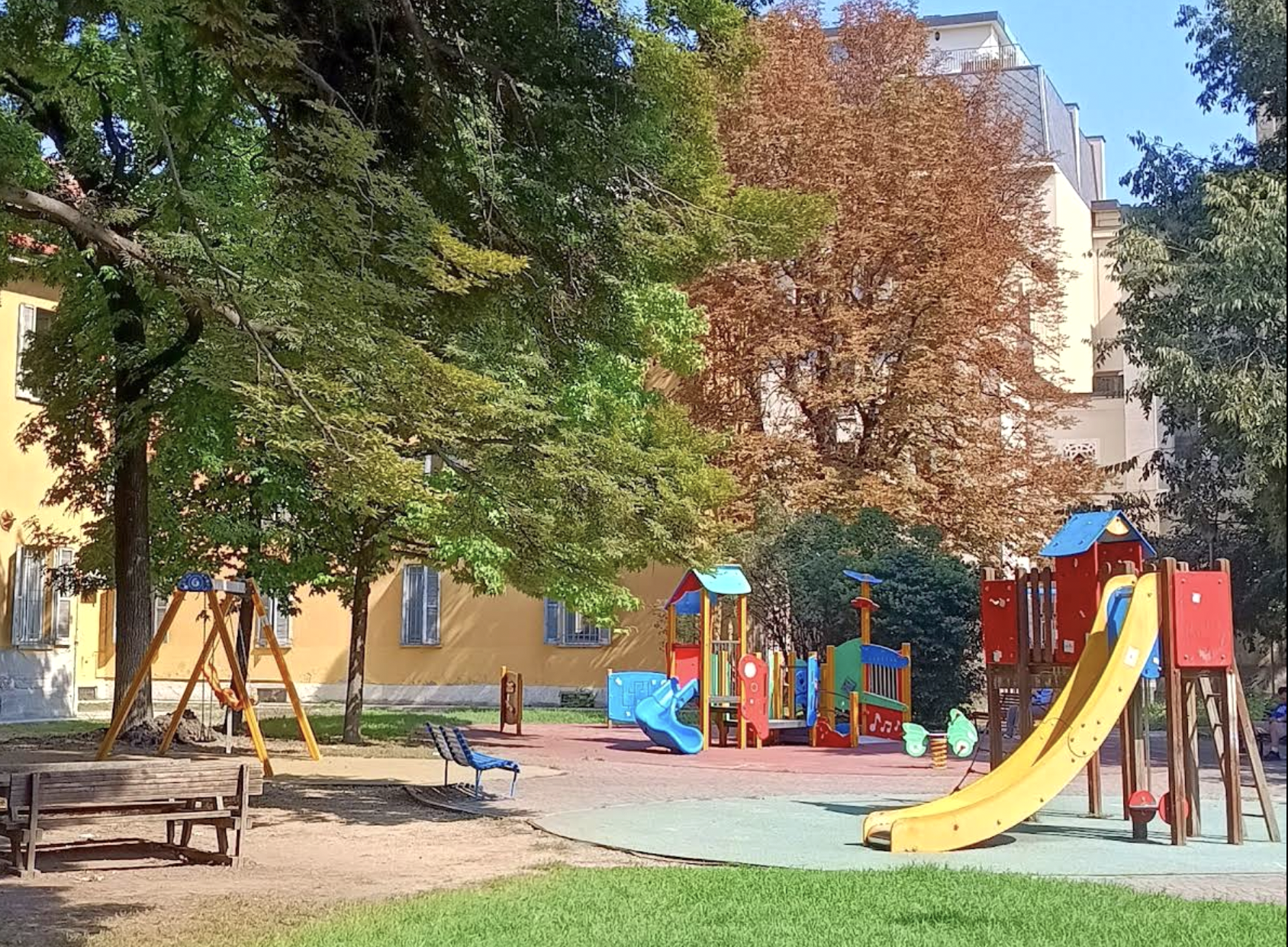
- Orto Botanico di Brera – a botanical garden tucked behind the Pinacoteca, dating to the 18th century. Spring is obviously the best season to visit the garden but you may appreciate the autumn colors as well.
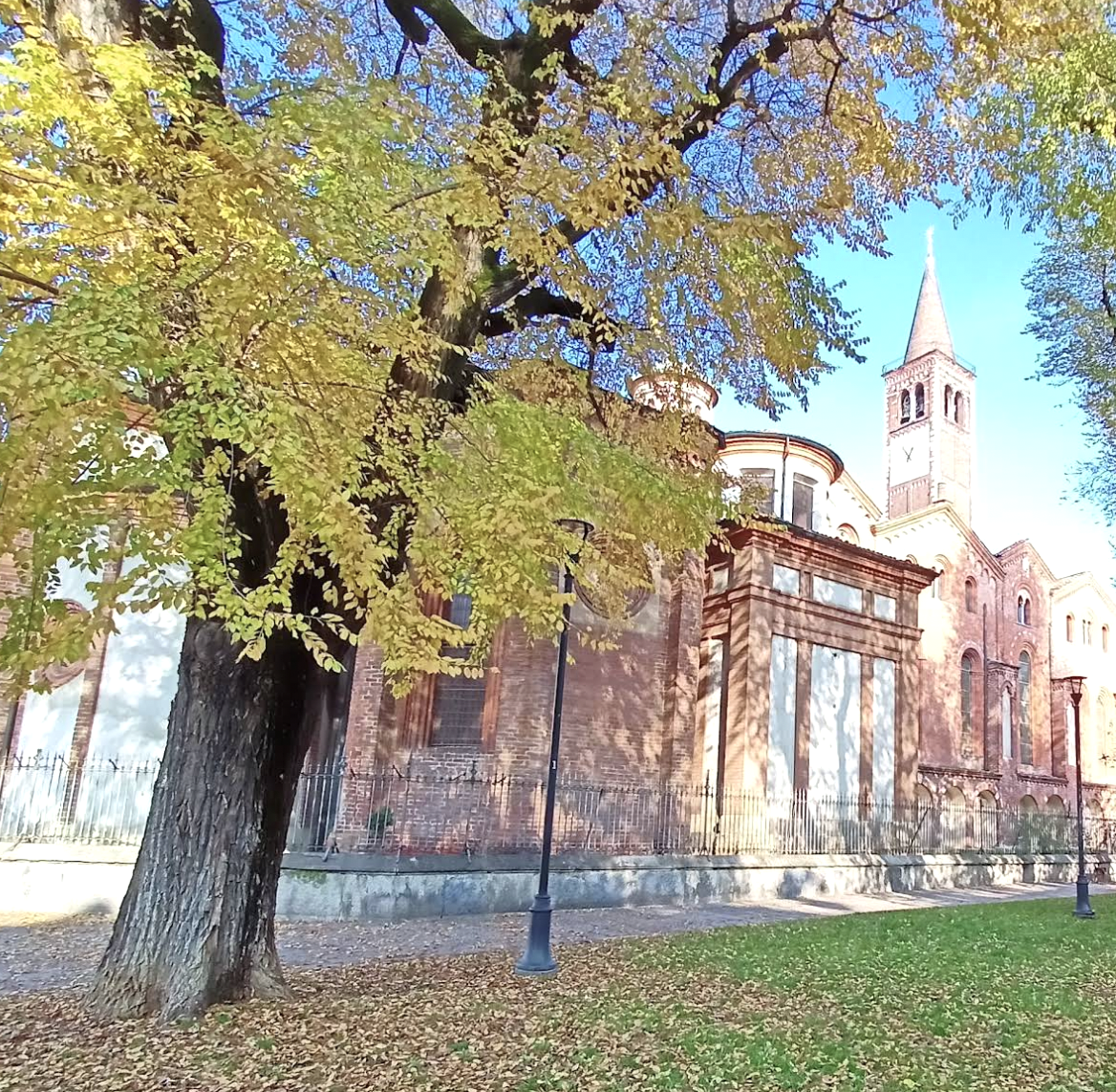
- Parco delle Basiliche – The historic park that changed its official name some years ago. Now it’s official called Parco Giovanni Paolo II but all locals refer to it as Parco delle Basiliche. It connects two major basilicas St. Lorenzo and Sant’Eustorgio. It’s a great place for a picnic and families will love the playground inside.
Aperitivo hour: Milan’s golden ritual
If there’s one local tradition you must join, it’s aperitivo — a pre-dinner drink served with small bites, usually between 6:30 – 8:30 p.m.
Locals meet after work for a spritz, negroni sbagliato (born here), or a glass of Franciacorta sparkling wine. The food ranges from simple olives and crisps to generous buffets.

Authentic aperitivo spots
- Mag Café (Navigli) – creative cocktails, dim lighting, and an artistic crowd.
- Bar Basso (Porta Venezia) – the origin of the Negroni Sbagliato; vintage Milan vibes although recently the portions of nibbles served with aperitif are much smaller than they used to be.
The aperitivo isn’t just about drinking; it’s Milan’s social glue. Stay a while, chat with strangers, and let the city slow to its evening hum.
Dinner; not only pizza and pasta
Eating out like a local means mixing tradition and innovation. Milan’s culinary scene has exploded in recent years, reflecting its global character.
Hidden restaurants
- Osteria del Gnocco Fritto – authentic Emilian food and convivial tables. Plenty of vegetarian option and great section of cheese and wine.
- Antica Trattoria della Pesa (Porta Garibaldi) – Historic restaurant with great selection of typical lombardian food, enriched by some contemporary vegetarian options.
- Finger’s Garden – elegant, lush garden dining; delicious Japanese food.
- Ba Asian Mood – sophisticated Chinese with Italian flair. Great place for those who want to experience new fusion of tastes.

- Moebius – innovative small plates, vinyl records, and industrial-chic design.
Day trips
If you’re staying longer, use Milan’s excellent train connections for day trips:
- Bergamo Alta – a hilltop medieval town just 50 minutes away, full of charm and cobbled lanes. Stay tuned because soon I will write why it’s worth to visit Bergamo
- Lake Como – trains depart from Centrale or Cadorna stations. Avoid touristy Bellagio and enjoy smaller lakeside villages like Argegno or Dervio. Check my posts about visiting Lake Como here. Como city itself is an excellent destination for a day trip in any season.
- Pavia – university town with quiet cloisters and the stunning Certosa monastery. Only 30 minutes by train.
- Monza – famous for Formula 1, but also a lovely park and royal villa; reachable by suburban train in under 20 minutes. A must visit if you are traveling with kids- they will love the playground in the biggest city park in Europe.
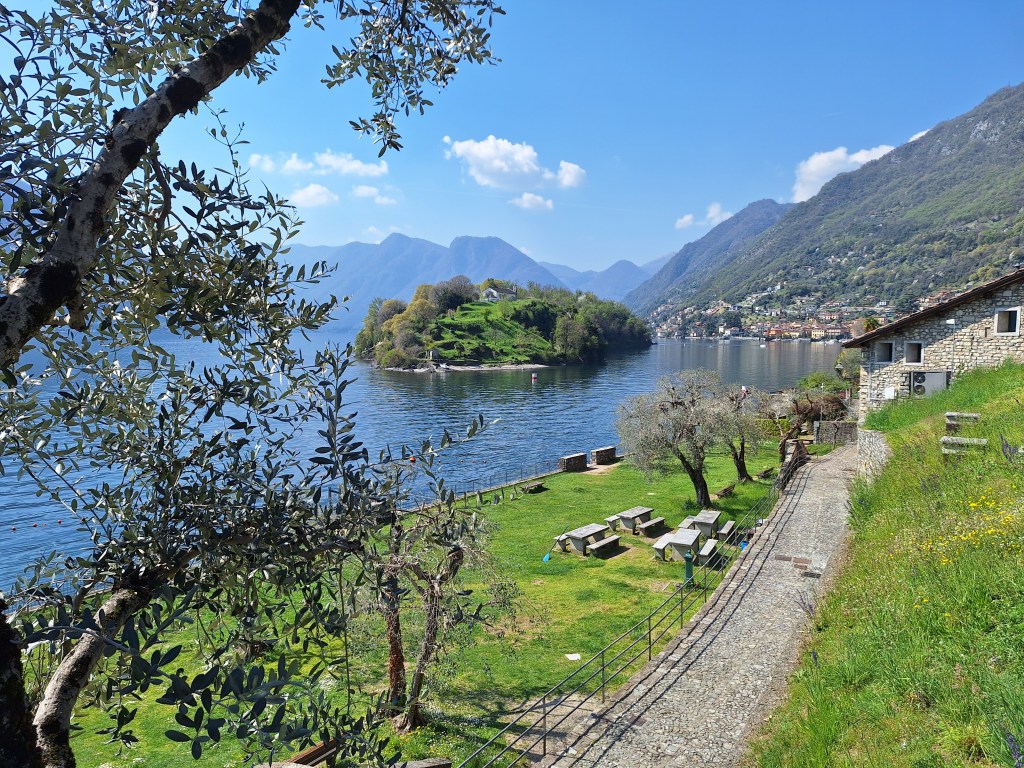
Locals often escape on Sundays to one of these spots for a change of pace — easy, scenic, and still back in time for dinner.
Local nightlife and culture
Milan’s nightlife isn’t only about clubs; it’s a cultural mosaic.
- Teatro alla Scala – world-famous opera house; locals queue for same-day discounted seats but you should reserve your tickets directly on the website.
- Cinema Mexico – an art-house cinema that feels like stepping into the 1970s. Keep in mind that most of the movies are in Italian only. Check the website and look for the schedules marked in red if you want to see the film in the original version with Italian subtitles.
- Santeria Toscana 31 – a multi functional venue for concerts, talks, and creative meetups. Check the website and choose the event that suits you best.
- Spirit de Milan – an old factory turned swing dance and jazz venue; feels like a secret party from another era. It’s truly local. Check the website (in Italian and in dialect only) for the list of events.
If you want the true Milan experience, check what’s happening at BASE, Triennale Milano, or Spazio 211. Locals live for exhibitions, readings, and after-hours events blending design, music, and food.
Getting around — the local way
Forget cars. Milan’s metro, trams, and shared bikes make getting around easy and authentic.
- Subway: four main lines connect all major districts; tickets cost €2.20 (90 minutes) or €7.60 for 24 hours.
- Trams: slow but scenic — Tram 1 and 10 are perfect for sightseeing on the go.
- BikeMi & electric scooters: the city’s shared-bike program lets you pick up and drop bikes anywhere. There are also Lime and Dott scooters.
The best way is to combine tram, subway and bikes.
Hidden shopping: beyond the Quadrilatero della Moda

Skip Via Montenapoleone unless you’re after luxury brands. Milan’s creative shopping lives in independent boutiques and concept stores.
- Wait and See – colorful, eclectic shop full of unique fashion finds. The staff is super friendly and the prices are very much accessible.
- Antonioli – cutting-edge designer selection in minimalist surroundings.
- East Market Milano in Lambrate – monthly flea market with vintage clothes, vinyl, and street food. Check the website to have an idea of what it is.
- Cavalli e Nastri – curated vintage couture; Milanese fashionistas’ secret source.
Shopping in all the above places feels personal — you chat with shopkeepers, try things on without rush, and discover local designers.
When to visit for local flavor
Any season is good to visit Milan but the most authentic vibe is felt in Autumn (September–November). Locals return from holidays, cafés hum, the air smells of roasted chestnuts. Winter (December–February) is a cozy season of opera, truffles, and Christmas markets at Piazza Duomo. Come here in Spring (April–May) if you are a design lover. This is when the Design Festival happens and fills the city with installations and open studios. Summer can be great to explore Milan without crowds: many locals leave for holidays. The city is quieter but also hot so keep that in mind if you are not accustomed with this kind of weather. Summer is really great for empty museums and shorter lines.
Respecting Milanese rhythm

- Dress simply but well. Milanese style is understated elegance: neutral colors, good shoes, clean lines.
- Be punctual. This is Italy’s business city; lateness is not charming here
- Learn small Italian courtesies: “Buongiorno,” “Per favore,” “Grazie mille.”
- Order at the counter correctly: pay first, show your receipt, then take your coffee.
A slow itinerary: Milan off the tourist track (2 days)
Day 1 – Art, courtyards & aperitivo
- Breakfast at Pavé (Porta Venezia)
- Visit Casa Museo Boschi Di Stefano
- Stroll through Giardini Pubblici
- Lunch at Ratanà or a nearby trattoria
- Explore Brera’s courtyards and Orto Botanico
- Late afternoon: aperitivo at N’Ombra de Vin
- Dinner at Bentoteca or a small trattoria
Day 2 – Hidden churches & Navigli canals
- Visit San Maurizio and San Satiro churches
- Wander Corso Magenta’s courtyards
- Lunch near Sant’Ambrogio (Trattoria Madonnina)
- Afternoon in Navigli: antique shops, art studios
- Aperitivo at Mag Café
- Dinner at Temakinho or Osteria del Gnocco Fritto
- Night walk along the canals under fairy lights
You’ll see none of the chaos of Piazza Duomo but all of Milan’s real beauty.
Milan’s quiet magic
What makes Milan special isn’t obvious beauty — it’s elegance without arrogance. It’s the way locals take care of their city: the polished brass handles, hidden gardens, the perfect foam on a cappuccino, the punctual tram.
Traveling like a local means embracing subtlety. You won’t come home with selfies from crowded landmarks; you’ll come home.
 Nomadlytics
Leave a comment