
Discover the magic of Petra, Jordan — an ancient city carved in stone. Learn about its history, geography, and cultural significance, and get practical tips for visiting Petra: when to go, what to see, how to get there, and how to make the most of your trip.
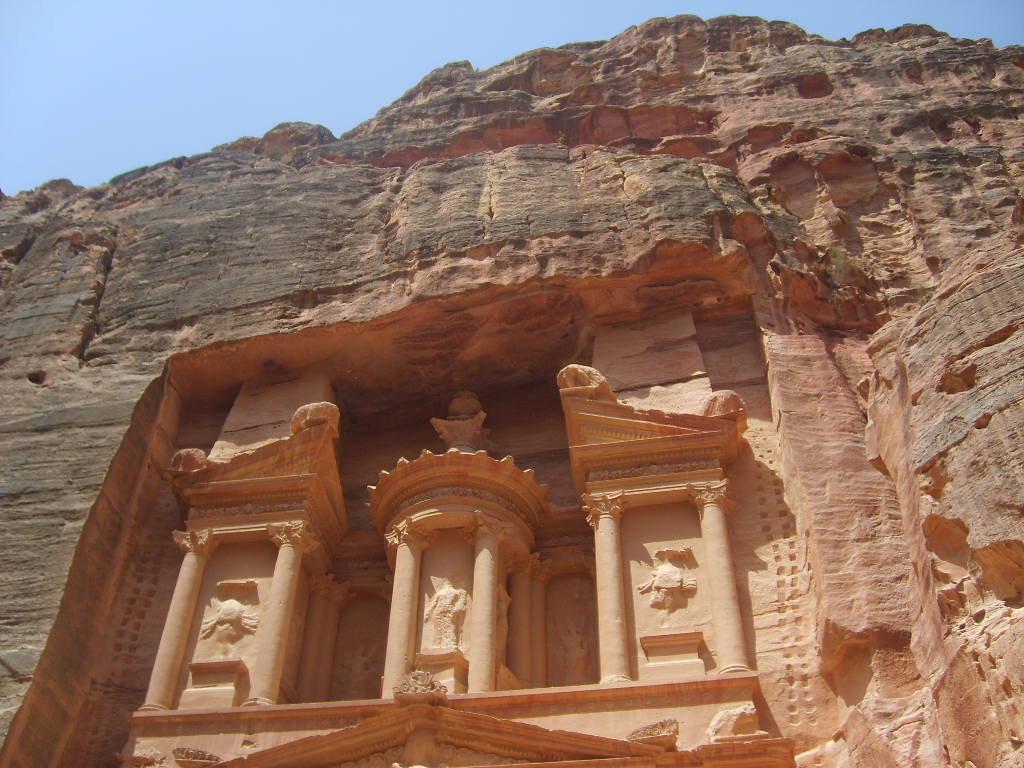
Few places on Earth inspire so much as Petra does. The Jordan’s “Rose-Red City” that was lost to the Western world for centuries. Hidden deep in the sandstone mountains of southern Jordan, Petra was once capital of the Nabataean Kingdom, an ancient Arab civilization that grew wealthy from desert trade routes. Never heard of them? Keep on reading as further on I explain more about this fascinating civilization.
Today, Petra stands as one of the New Seven Wonders of the World and a UNESCO World Heritage Site, attracting millions of visitors each year. But Petra is far more than just a photo of the Treasury — it’s a city of tombs, temples, theatres, and secrets carved from stone over 2,000 years ago.
Even if you are not into history, Petra is a must-visit destination — a place where every turn feels like stepping into another world. Let’s discover together the history of this fascinating place and let’s see why it is a must visit place.
A Short History of Petra
The Nabataeans and Their Hidden City
Petra was built by the Nabataeans, a remarkably sophisticated Arab civilization that began as nomadic tribes and gradually settled in the region around the 6th century BCE. Over time, they transformed from desert wanderers into masters of commerce, carving out a powerful kingdom at the crossroads of ancient trade.
What made the Nabataeans extraordinary was not only their control of the lucrative caravan routes carrying incense, spices, perfumes, and silk from Arabia, Egypt, and India toward the Mediterranean, but also how they adapted to and thrived in the harsh desert environment. They developed advanced water-management systems — including dams, channels, and underground cisterns — that allowed them to store and distribute precious water with astonishing efficiency. This innovation made it possible for their cities, especially Petra, to flourish in a place where survival alone would have been difficult.
The Nabataeans were also skilled architects and artisans. They combined local desert traditions with Hellenistic influences, creating a unique style visible in Petra’s monumental façades, from the iconic Treasury to the Royal Tombs. Their kingdom became wealthy, cosmopolitan, and culturally diverse, absorbing influences from Greek, Roman, Egyptian, and Mesopotamian worlds while maintaining its own distinct identity.
By the 1st century BCE, the Nabataean Kingdom was a major regional power, eventually becoming a client state and later a province of the Roman Empire. But their legacy lives on most vividly in Petra — a testament to their ingenuity, adaptability, and artistic brilliance.
What made the Nabataeans exceptional was their engineering genius. Living in one of the driest deserts on Earth, they mastered the art of water management, building dams, cisterns, and channels that allowed Petra to flourish as an oasis city. Petra became the capital of their kingdom and a crossroad of cultures — a place where Greek, Roman, Egyptian, and Mesopotamian influences merged into something uniquely Nabataean.
The Roman Takeover and Decline
In 106 CE, the Roman Empire annexed the Nabataean Kingdom, turning Petra into part of the Roman province of Arabia Petraea. While the city continued to thrive for a while, trade routes eventually shifted, and Petra began to lose importance.
By the 7th century CE, after a series of earthquakes and the rise of new trade centers, Petra was largely abandoned. For centuries, it remained known only to the local Bedouin tribes, hidden from the Western world.
Rediscovery by the West
In 1812, Swiss explorer Johann Ludwig Burckhardt disguised himself as an Arab pilgrim and persuaded local Bedouins to take him to the fabled lost city. His writings brought Petra to international attention — and soon, archaeologists, adventurers, and travelers began to follow.
Today, Petra is one of the most famous archaeological sites in the world — a symbol of Jordan and a destination that should top every traveler’s bucket list.
Where Petra Is and What Makes It Unique?
Petra lies in southern Jordan, about 240 km (150 miles) south of Amman and 125 km (78 miles) north of Aqaba. It sits in a rugged valley surrounded by the Shara Mountains, near the town of Wadi Musa.
The city is carved directly into rose-red sandstone cliffs, giving it the nickname “The Rose City.” The natural hues of the rock — from pale pinks to deep reds and purples — shift throughout the day as the light changes.
Unlike most ancient cities built from quarried stone, Petra was sculpted from the mountains themselves. The Nabataeans carved elaborate tombs, temples, and façades into solid rock, combining architecture with nature in a way that feels almost surreal and extremely harmonious.
Why You Must Visit Petra?
If you’ve ever dreamed of visiting a place that feels truly timeless, Petra is it. As said before, even if you are not interested in the history of this ancient place, you will not regret visiting Petra. Here’s why it deserves a spot on your travel list:
- It’s a Wonder of the World.
Petra was named one of the New Seven Wonders of the World in 2007 — and for good reason. - It’s incredibly photogenic.
The colors, light, and scale make every photo look incredible. There is a solid reason why it appeared in Indiana Jones and the Last Crusade). - It’s a living connection to the ancient world.
You’re walking through the same streets where Nabataean traders once bartered with caravans from distant lands. - It’s a physical challenge and an adventure.
With miles of trails, hikes to viewpoints, and hidden corners to discover, Petra rewards the curious and the active traveler. - It’s still revealing its secrets.
Archaeologists estimate that only about 15% of Petra has been excavated — meaning there’s still so much left to uncover.
The Main Sites to See in Petra
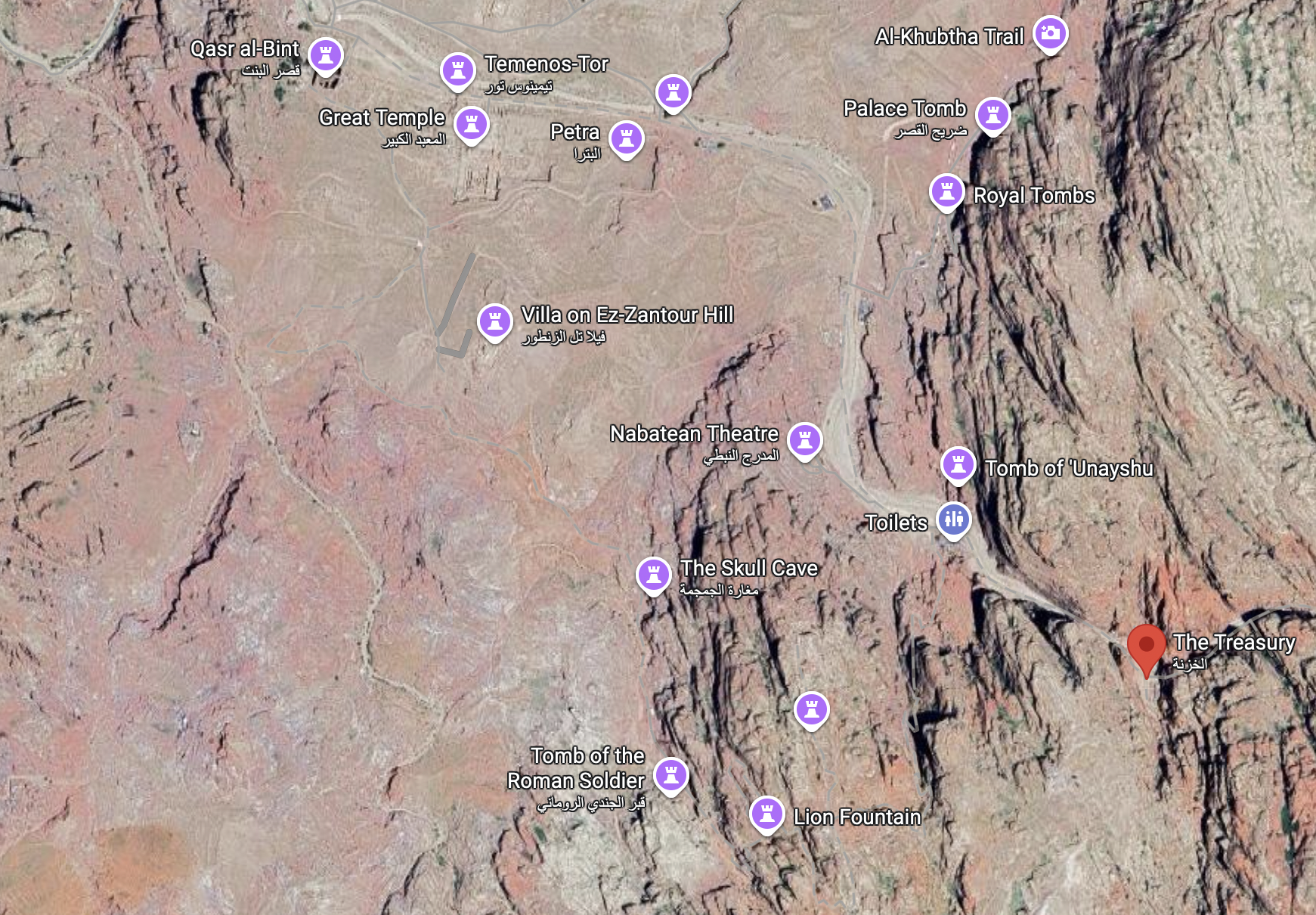
A full visit to Petra can take one or two days (some travelers even stay three). I advice you to stay at least two days to hike all the sites without rush and enjoy Petra at night, during special opening with candle lights. On the official website you can check available trails and decide which one would you like to hike. If you have only one day, make sure to visit:
The Siq
Your journey begins with a 1.2 km (¾ mile) walk through the Siq, a narrow gorge flanked by towering sandstone walls up to 80 meters high. The colors are mesmerizing — shades of red, orange, and pink. Watch for carvings, niches, and ancient water channels along the way — remnants of Nabataean engineering.
Then, just when the path narrows… the Treasury appears.
The Treasury (Al-Khazneh)
This is Petra’s most iconic sight — a monumental facade carved directly into the cliff, rising 40 meters high. It was once believed to be a treasury for Egyptian pharaohs, hence the name, but it’s actually a tomb for a Nabataean king. Arrive early in the morning (around 7–8 a.m.) to see it in soft golden light and before the crowds arrive.
Fun fact: Bullet marks on the urn at the top come from Bedouins who believed it contained treasure!
The Street of Facades
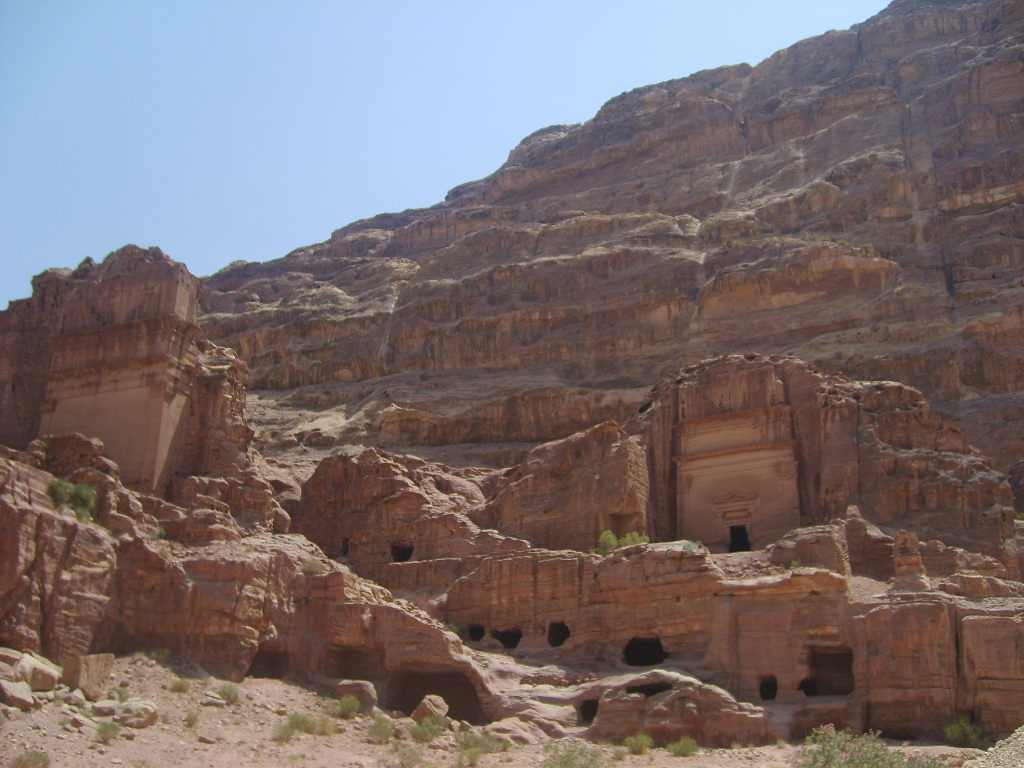
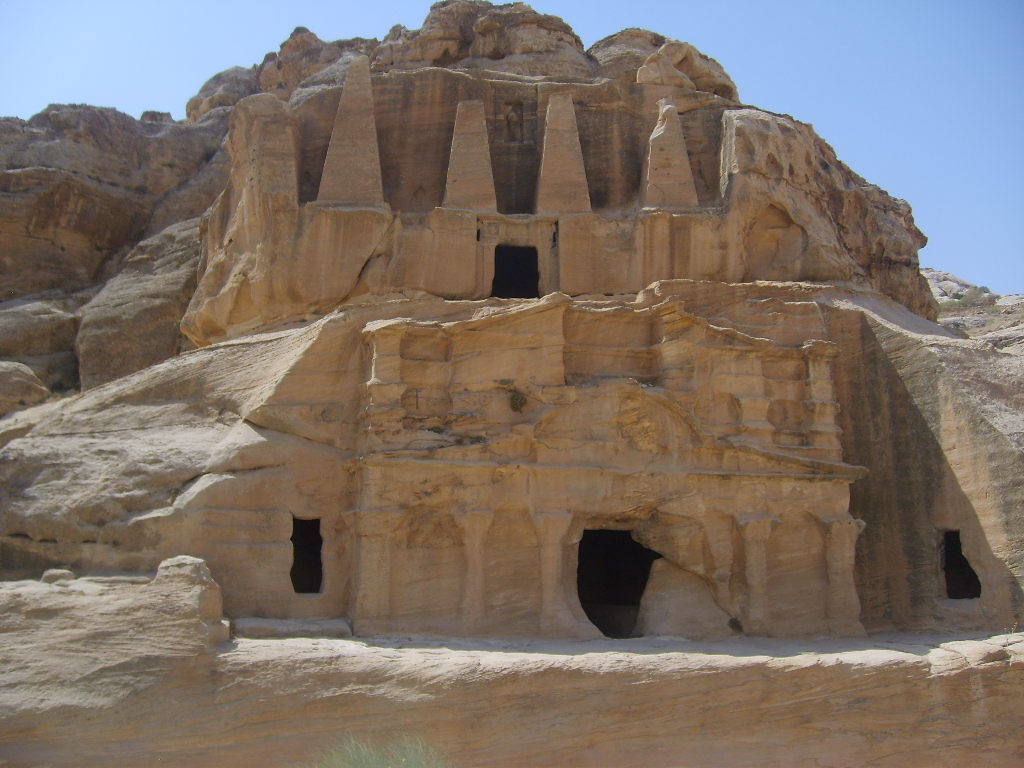
Beyond the Treasury, the canyon widens into the Street of Facades, lined with dozens of tombs carved into the cliffs. The design shows a mix of Nabataean and Hellenistic influences — intricate yet massive.
The Theatre
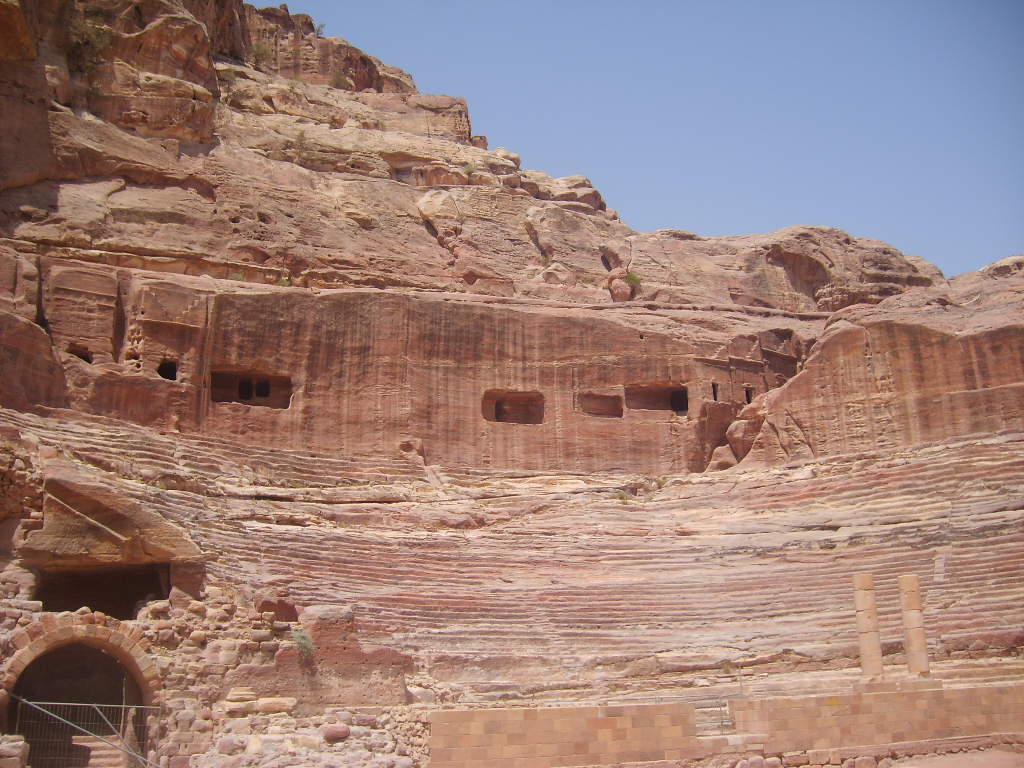
Further along, you’ll find Petra’s Roman-style theatre, cut into solid rock and capable of seating 8,000 people. Built by the Nabataeans and later expanded by the Romans, it’s a reminder of Petra’s cultural blend.
The Royal Tombs
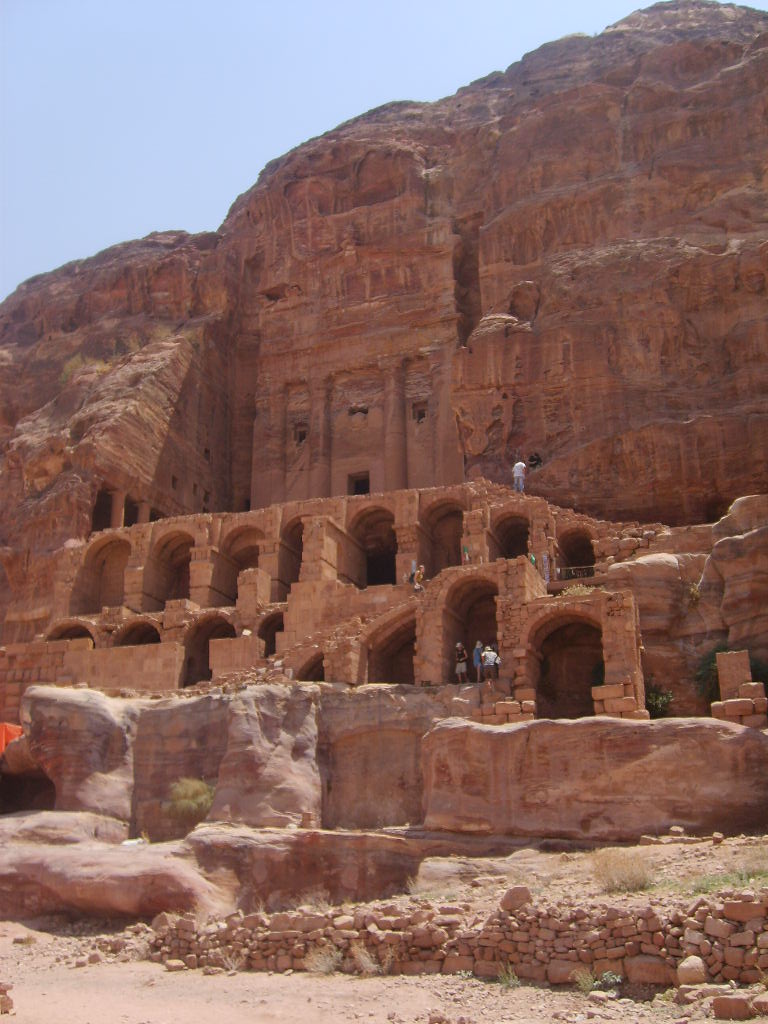
High above the main path are the Royal Tombs — four large monuments believed to be the burial sites of Petra’s elite.
Don’t miss the Urn Tomb, Silk Tomb, and Palace Tomb, each offering panoramic views over the valley.
The Colonnaded Street and Great Temple
This was Petra’s civic center — once lined with columns, shops, and temples.
The nearby Great Temple complex (excavated by Brown University) shows how advanced Nabataean architecture was, with ornate staircases and courtyards.
The Monastery (Ad-Deir)
To reach The Monastery, you’ll climb about 800 rock-cut steps (roughly 45–60 minutes). It’s bigger and bolder than the Treasury, though less ornate — and far fewer tourists make it up here. It’s quite a hike up so make sure to bring plenty of water. If you are visiting i the summer, it will be as hot as it can gets. Goes without saying that winter is the best season for this trip. The late afternoon offers not only cooler temperatures but also a magical light for your pictures.
If you have more than one day, add two extra stops:
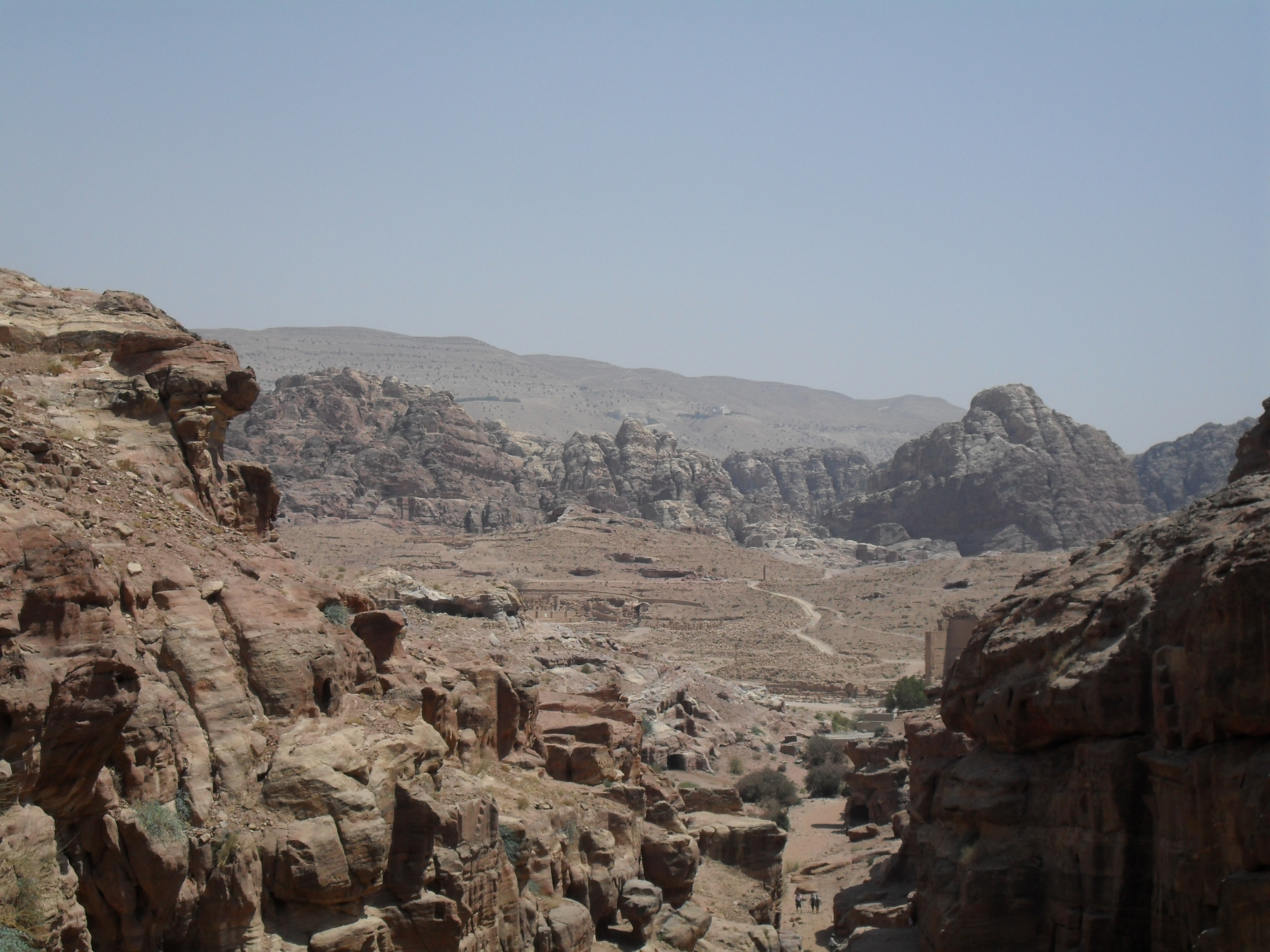
High Place of Sacrifice
For stunning views, hike up to the High Place of Sacrifice, where ancient rituals were once performed. The trail is steep but rewarding, offering sweeping views of the entire Petra valley.
Little Petra (Siq al-Barid)
Located about 9 km (5.5 miles) from the main site, Little Petra is a smaller but charming sister site. It likely served as a caravan stop for traders before entering the main city. It’s less crowded and free to enter — perfect for a relaxed morning or evening visit. It’s also great if you are traveling with smaller children.
Practical Tips for Visiting Petra
Here’s how to make the most of your visit — from tickets to timing.
Entry and Tickets
- Tickets:
- 1-day pass: 50 JOD (~$70)
- 2-day pass: 55 JOD (~$78)
- 3-day pass: 60 JOD (~$85)
- Jordan Pass: Includes Petra entry and is really a great option to visit Jordan. If you don’t have Jordan Pass, you can buy Petra tickets online or at the entrance. Bring your passport when buying tickets; it may be checked.
Opening Hours
- Summer: 6:00 a.m. – 6:00 p.m.
- Winter: 6:30 a.m. – 5:00 p.m.
Arrive early (right at opening) to beat the crowds and heat.
Petra by Night
From Thursday to Sundays Petra hosts “Petra by Night.” Check the details and updated schedule directly on the website. During this group event, you will walk through the Siq lit by 1,500 candles and watch the Treasury glow under the stars. Tickets can be purchased at the visitors centre and in order to buy it you must must hold either a daytime Petra entry ticket or a Jordan Pass.
Getting Around
- Petra is huge — wear good walking shoes and bring water and snacks.
- From the Visitor Center to the Monastery is about 8 km (5 miles) one way.
- Don’t rush — spend at least two days to explore fully.
There is a possibility to hire horse or camel (for short distances) or the donkey rides for the Monastery climb. The prices are obviously negotiable. I advice you to walk rather than use these services as it’s not always clear if the animals are treated ethically. If you prepare well and you are fit enough, you should have no problem visiting Petra. The only steep part is the path to the Monastery.
Best Time to Visit Petra
The best time to visit is between October and May when temperatures are warm but not extreme. If possible, avoid July and August — Petra can reach 40°C (104°F) midday. Winter (December–February) is cooler, quieter, and ideal for hiking, but nights can be chilly.
Accommodation
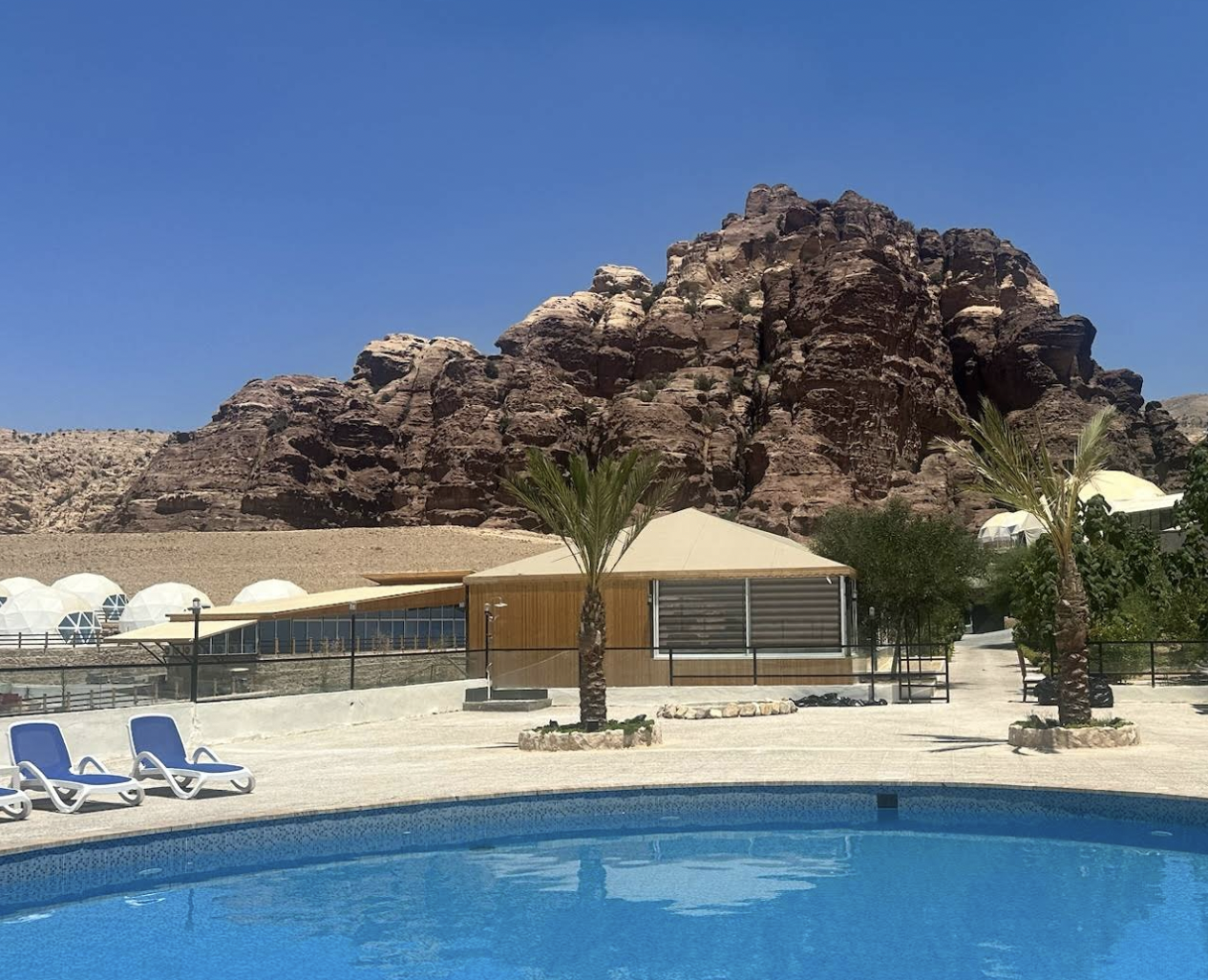
The modern town of Wadi Musa borders Petra and offers all types of accommodation, from luxury places like Mövenpick Resort (right at the gate) to budget hostels and hotels. You will also find guest houses and airbnb apartments, perfect for families. If you want to stay right at the entrance without spending a capital then Petra Guest House could be a perfect place for you. Here you will enjoy clean rooms and a cozy garden. The staff is friendly and the food is delicious. Great plus is really the location: literally few steps from the entrance to Petra. If you are coming to Petra by car and you don’t mind a little drive before visiting the site, then check out The Rock Camp Petra. It’s further away, almost off the tourist track. Here you will enjoy stunning sunsets and a calmer atmosphere in a particular setting. Worth trying!
Additional Tips
- Bring sunscreen, hat, and water even if you are visiting in winter
- If you plan on buying snacks and drink inside Petra, bring cash. Card are often not accepted due to lack of proper connection.
- Respect local culture: dress modestly, especially outside resorts.
- Want a perfect picture? Best light for the Treasury is 8–10 a.m. and for the Monastery after 3 p.m.
- Licensed guides are available at the Visitor Center — highly recommended to understand the site’s history.
How to Get to Petra?
Fly into Queen Alia International Airport (Amman) or King Hussein International Airport (Aqaba). From the Amman it’s around 3 hours driving. From Aqaba it’s just 2 hours. You can rent a car (make sure that you have a travel insurance that covers the accidents in Jordan) or travel by bus – book your tickets on Jett website. There is a daily service from both: Aqaba and Amman.
Cultural and Spiritual Significance of Petra
Petra is more than an archaeological wonder — it’s a spiritual crossroads. It sits on ancient trade routes mentioned in the Bible and Islamic texts, linking it to prophets and pilgrims alike. Some even believe that Moses struck water from a rock nearby, in the valley now called Wadi Musa. For Jordanians, Petra is a source of deep pride — a national symbol that reflects resilience, creativity, and hospitality.
Sustainable and Responsible Travel in Petra
Tourism supports thousands of local families, especially the Bedouin community that lives around Petra. If you want to help these families, check the local craft shops and buy souvenirs directly from local artisans. The local guides available at the visitors center are mostly from the area so if you opt for that service, you will sponsor the entire family.
Respect Petra’s fragile environment — never climb or touch carvings, don’t litter. Your visit helps preserve Petra’s heritage for generations to come.
From the echoing Siq to the glowing Treasury, from Bedouin tea on a mountain ledge to the stars above Wadi Musa, Petra feels alive. It’s history carved in stone, colored by the desert, and kept alive by the people who call it home.
So if you’re planning a trip to Jordan, make Petra the centerpiece of your journey. Give it time, walk slowly, and let its stories unfold around you.
Because once you’ve stood before the Treasury at dawn or watched the sunset from the Monastery, you’ll understand why travelers call Petra “a place you visit once but remember forever.”
 Nomadlytics
Leave a comment