
Plan the perfect 10-day holiday in Jordan! Explore Amman, Ajlun Castle, Madaba, Mt. Nebo, Petra, Wadi Rum, the Dead Sea, and the Red Sea. Discover ancient wonders, desert adventures, and seaside relaxation in this complete Jordan itinerary.
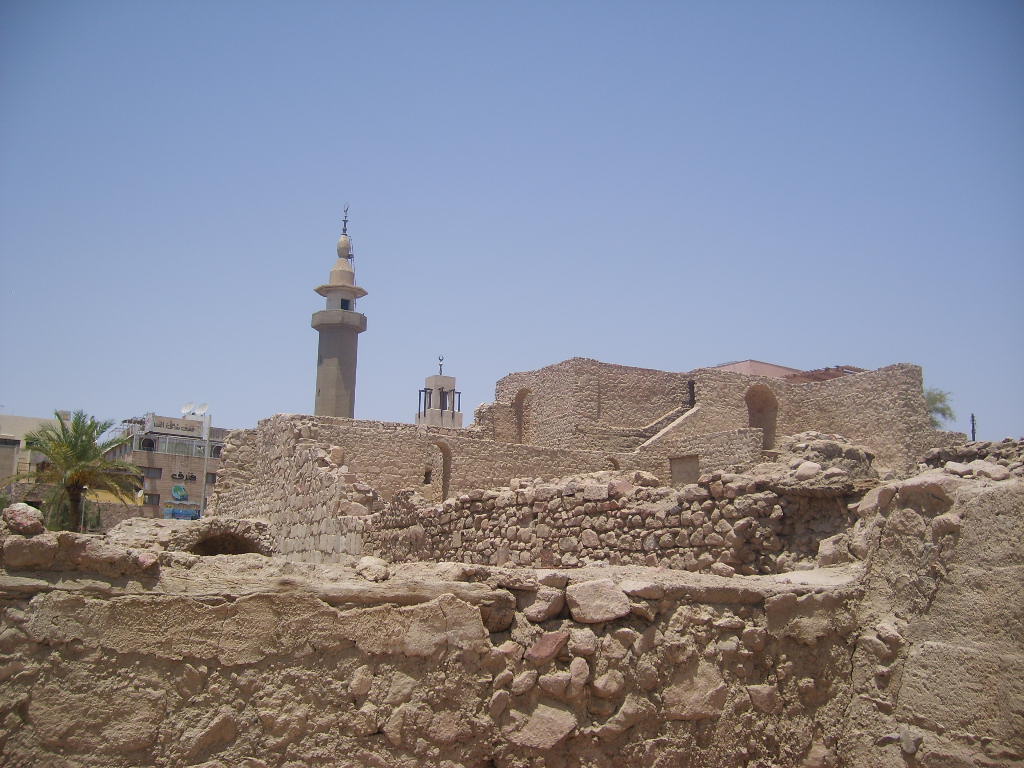
Jordan is one of those destinations that feels like a thousand worlds in one country — ancient ruins, vast deserts, sacred mountains, and crystal-clear seas. This 10-day itinerary will take you through the best of Jordan, from the lively streets of Amman to the timeless magic of Petra and the serenity of the Dead Sea. You’ll drive through biblical lands, hike in ancient castles, float in saltwater, and sleep under a million desert stars. Ready to explore? Let’s go!
Overview: 10 Days in Jordan
Route summary:
Amman → Ajlun → Madaba & Mt. Nebo → Dead Sea → Petra → Wadi Rum → Aqaba (Red Sea) → Amman
Total distance covered: ~950 km
Best time to go: October to April (mild, sunny weather)
Ideal for: History geeks, adventurers, culture seekers and anyone craving for sun in winter.
Day 1: Arrival in Amman
Welcome to Amman, Jordan’s capital — a city of hills, markets, delicious food and friendly people. After arriving at Queen Alia International Airport (AMM), head to your hotel or apartment and take it easy after your flight. Once you are read to explore, head to Rainbow Street — full of cafés, shops, and rooftop bars – and just wander around. Try Jordanian cuisine: grab a plate of falafel and hummus at Hashem Restaurant. Your first must see place is the Amman Citadel – fantastic at sunset for panoramic views of the old city.
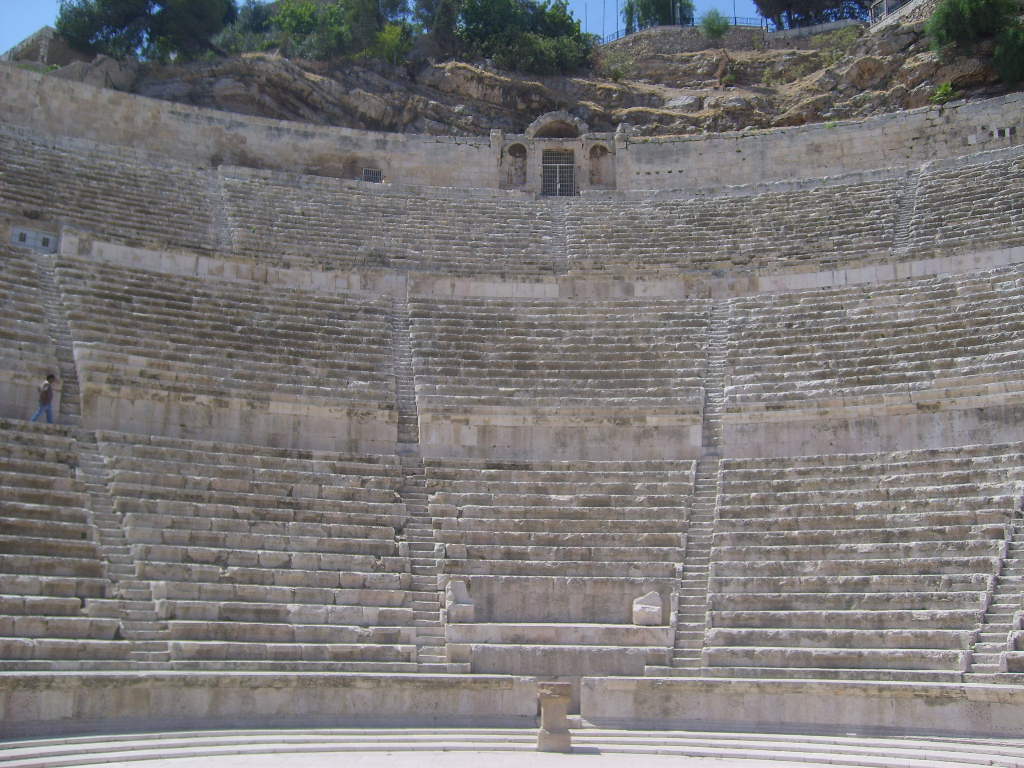
The other must visit places in Amman are:
- Roman Theatre: A massive 2nd-century amphitheater in the heart of downtown.
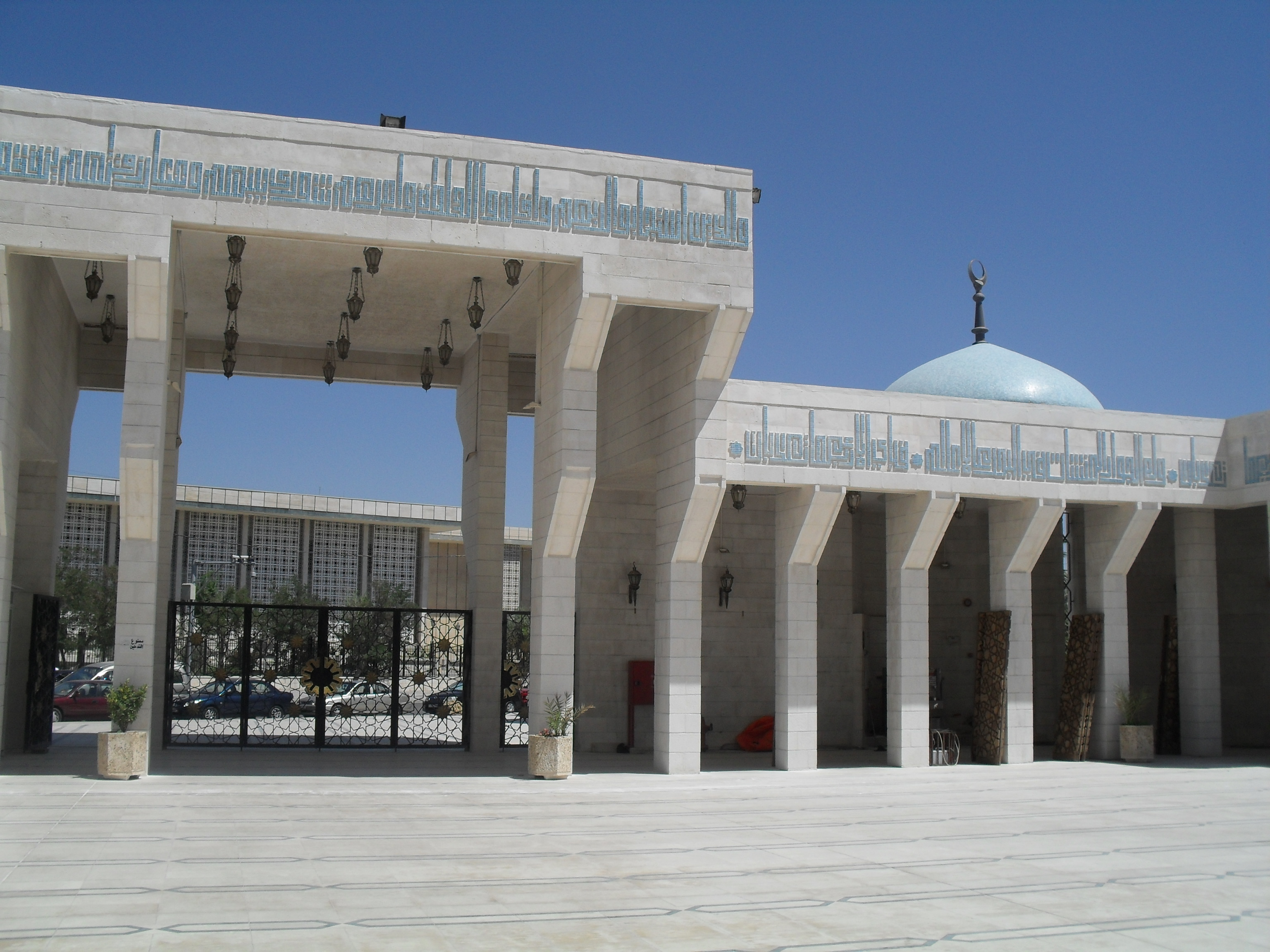
- King Abdullah I Mosque: A striking blue-domed landmark open to visitors.
- Local souks (markets): Great for spices, crafts, and gold jewelry.
You can easily see those places in one or two days. If you arrive early in the morning, start your day at Roman Theater, then head to Rainbow street for lunch, visit the Mosque in the afternoon and Citadel at sunset. If you arrive later during the day, leave some of the attractions to the afternoon of your second day in the city.
Accommodation
The range of accommodation in Amman is huge. You can choose between luxury hotels, mid range guest houses, private apartments or budget hostels. I advice you to stay in downtown so you are close to all the monuments without the need of catching a taxi or driving. It’s OK to rent a car in Jordan but driving in Amman can be challenging – there is lots of traffic and it can get pretty chaotic. As said, you can find any type of accommodation in Amman and it’s pretty easy to book in advance. Below you can read about three excellent and particular options that deserve to be noted.
Let’s start with Medusa’s House. It’s really more than a hotel. I could call it a creative hideaway. Here you will feel like staying in a home of an artist friend. This restored stone home is full of personality, warm colors and a general sense of charm. One of its best features is the rooftop terrace – perfect for a cup of tea in the evening. The rooms are cozy and spotless. The owner is super friendly and attentive. The location could not be better: just a short walk from Rainbow Street and all the other main attractions.
If you are looking for an elegant option, check The House Boutique Suites located in Jabal (Hill) district. While it’s a little farther from the very heart of downtown (30 minutes walking), it’s still close to Rainbow Street. The suites feel like designer apartments Clean, modern lines, clever lighting, and smart design. Refined and welcoming feel. Also here, one of the highlights is the rooftop terrace, complete with a pool and panoramic views of Amman. There’s also a fitness centre and free laundry facilities.
If you are traveling on a budget, you will have no problem finding a decent hostel in Amman but The Cabin Hostel should be your choice if you are searching for something authentically Ammani. With its cozy common areas, shared rooftop terrace, and 24-hour access to filtered water, tea, and coffee, it’s a favorite place among travelers who like meeting people and relaxing in a down-to-earth home away from home. Rooms are simple but clean, and although the bathrooms are shared, they’re kept in good shape. The location is unbeatable.
Day 2: Ajlun Castle Day Trip
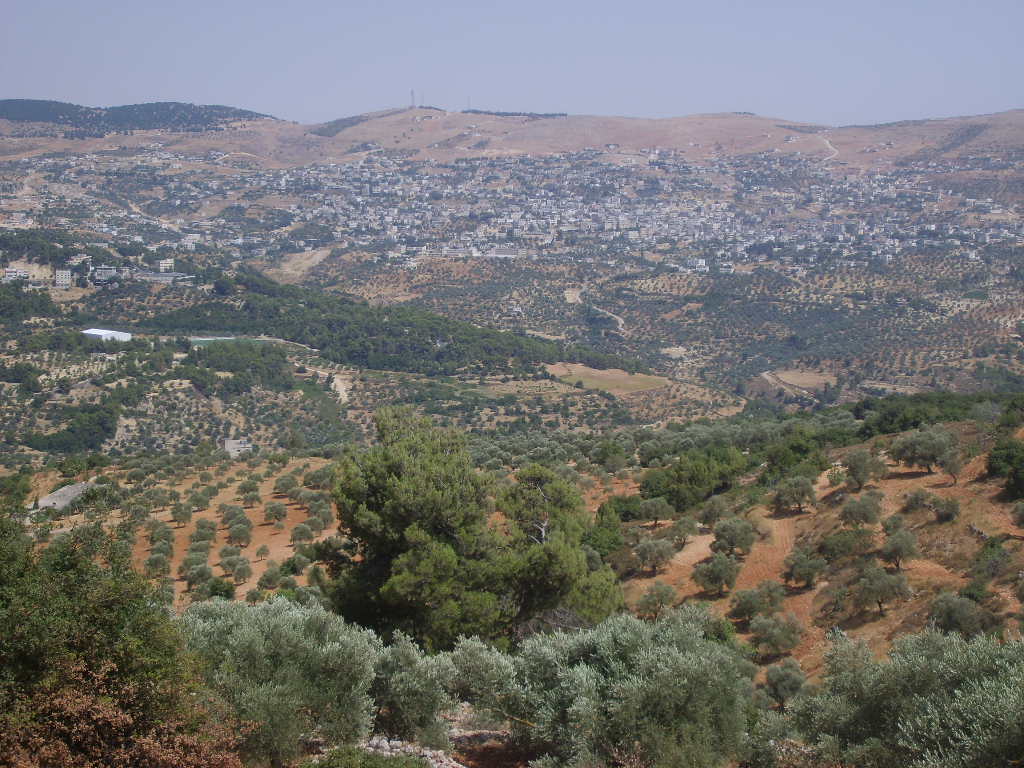
Start your second day with a half day trip to explore Ajlun Castle and the beautiful rolling hills of northern Jordan. It’s 1.5 -2 h by car or by a direct public bus if you want to avoid driving yourself.
Built in the 12th century by a general of Saladin, Ajlun Castle sits proudly on a hilltop with sweeping views over the Jordan Valley. Its thick walls and commanding towers once formed a crucial part of the region’s defensive network, but today they offer visitors a glimpse into centuries-old military strategy and architectural ingenuity. Wander along the ramparts, explore the cool, shadowy stone corridors, and take in the fresh mountain air that drifts across the highlands. From the upper terraces, the panoramic landscapes stretch for miles, especially beautiful in the soft light of morning or late afternoon.
On your return journey, make time to stop in Jerash — one of the best-preserved Roman cities anywhere in the world. Jerash is often called the Pompeii of the Middle East, and the moment you pass through the monumental Hadrian’s Arch, you’ll see why. The city’s ruins are remarkably intact, allowing you to walk the same streets, plazas, and pathways that connected a thriving Greco-Roman metropolis nearly 2,000 years ago.

Start at the Oval Plaza, a grand, open space framed by 56 elegant Ionic columns. From here, follow the colonnaded Cardo, the main north–south street where you can still see the deep grooves carved by ancient chariot wheels. Along the way, you’ll pass fountains, shops, and the remains of temples.
Don’t miss the Temple of Artemis, perched on a hill above the city. Its soaring columns are some of the most photogenic in Jerash, especially in the late afternoon when the light turns golden. Nearby, the South Theater offers excellent acoustics — you can stand at center stage and hear your voice carry through the entire amphitheater.
As you explore, keep an eye out for the beautifully preserved mosaic floors, the Nymphaeum (a lavish public fountain), and the smaller North Theater, often quieter and perfect for lingering.
Jerash is large, so plan to spend 2–3 hours if you’re exploring casually, or half a day if you enjoy wandering through every temple and side street. There’s shade in places, but the site is mostly open, so bring water, comfortable shoes, and sun protection.
Day 3: Madaba & Mount Nebo – Biblical Jordan

Leave Amman after breakfast and drive south (about 1 hour) to Madaba, known as the City of Mosaics. In alternative you can catch the brand new bus number 105. The route starts in front of Prince Hamzah bin Al-Hussein Hospital in the Tareq area and ends at Madaba Secondary School for Boys. Buses depart from Amman at 7:00 AM, with service continuing until 8:00 PM every half an hour. The route includes stops through the following areas: Tareq, North Terminal (Mujamma’ Al-Shamal), Sports City Circle, Wadi Saqra traffic lights, Princess Basma Street, Abdoun Corridor, Airport Road, Al-Zaytoonah University, Madaba Bridge, Al-Andalusiyya, King’s Academy, Dawar Al-Mahabba and the Islamic Bank in Madaba. It’s worth noting that within Amman, buses will operate exclusively on the dedicated BRT lanes, avoiding regular traffic, while on Airport Road they will use the service lanes. I find this an excellent solution to reach Madaba.
In Madaba its worth to visit St. George’s Church to see the famous 6th-century Mosaic Map of the Middle East — the oldest in existence. You can also wander around and have a quick bite or get a taxi to Mt. Nebo (there is no public bus unfortunately). This is said to be the site where Moses has been given the Commandments. On clear days, you can see across the Jordan Valley to the Dead Sea and even Jerusalem Valleys.
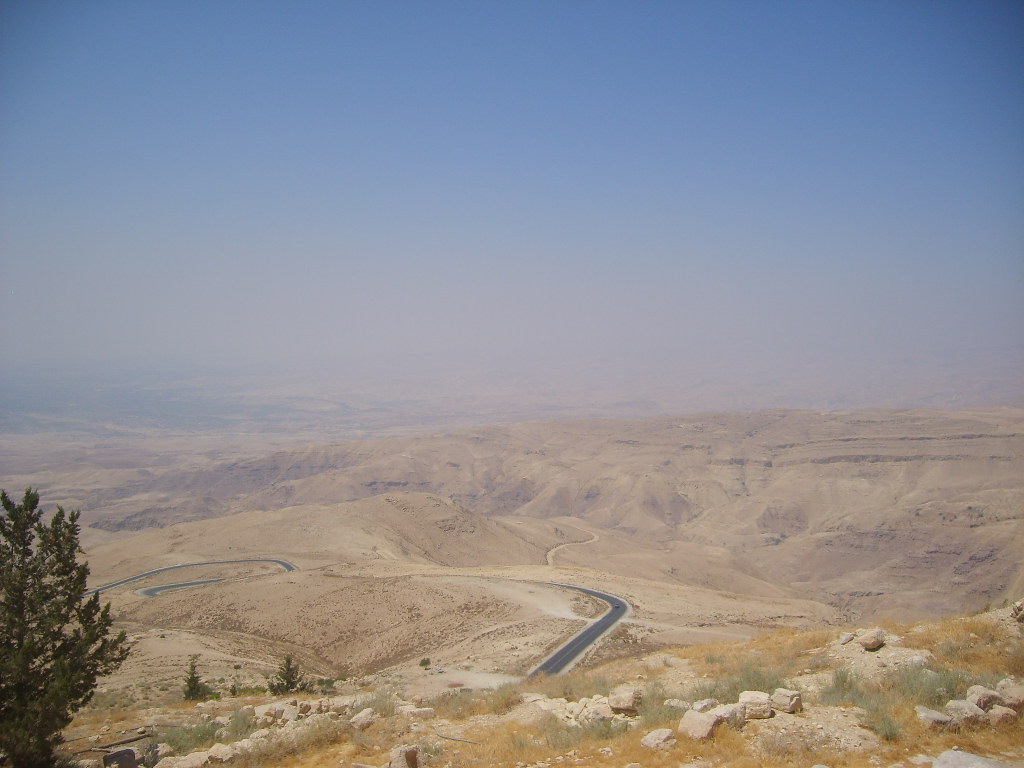
It’s worth to dedicate the almost entire day to visiting Madaba and Mt. Nebo. From Madaba I suggest you to drive toward the Dead Sea and stay overnight in one of the resorts or in a less touristy chalet in the area. If you didn’t rent a car or you don’t feel like driving, you can also catch a shared taxi. In alternative you can find a cozy accommodation in Madaba and depart of the Dead Sea in the morning. It’s just one hour drive or even less depending on where on the shore are you planning to float.
Day 4: The Dead Sea – Relax and Float

Take at least one full day to unwind at the Dead Sea, the lowest point on Earth (430 meters below sea level). Float in the buoyant salty water – it’s really an unforgettable experience! Don’t stay in the water too long (10–15 minutes at a time) and rinse off immediately afterward. Cover yourself in mineral-rich mud for a natural spa treatment and if you opt for a resort stay, relax by the pool with views of the surrounding desert. Finally, visit the nearby Wadi Mujib for a short canyon hike. In the evening enjoy a sunset drink while the mountains across the water turn pink. Stay overnight in the Dead Sea area (check my dedicated post to have an idea of where you can find the most suitable accommodation) or drive toward Dana Reserve and sleep in the middle of nature at Dana Eco Lodge.
Day 5: Drive the King’s Highway to Petra
If you decided to stay for the night at the Dead Sea, then start your day early in the morning and drive on the most beautiful road in Jordan — the King’s Highway. Your destination is Petra, but if you have time you can stop on the way there. This ancient route winds through canyons, valleys, and small towns. I advice you to stop along the way in the following view points:
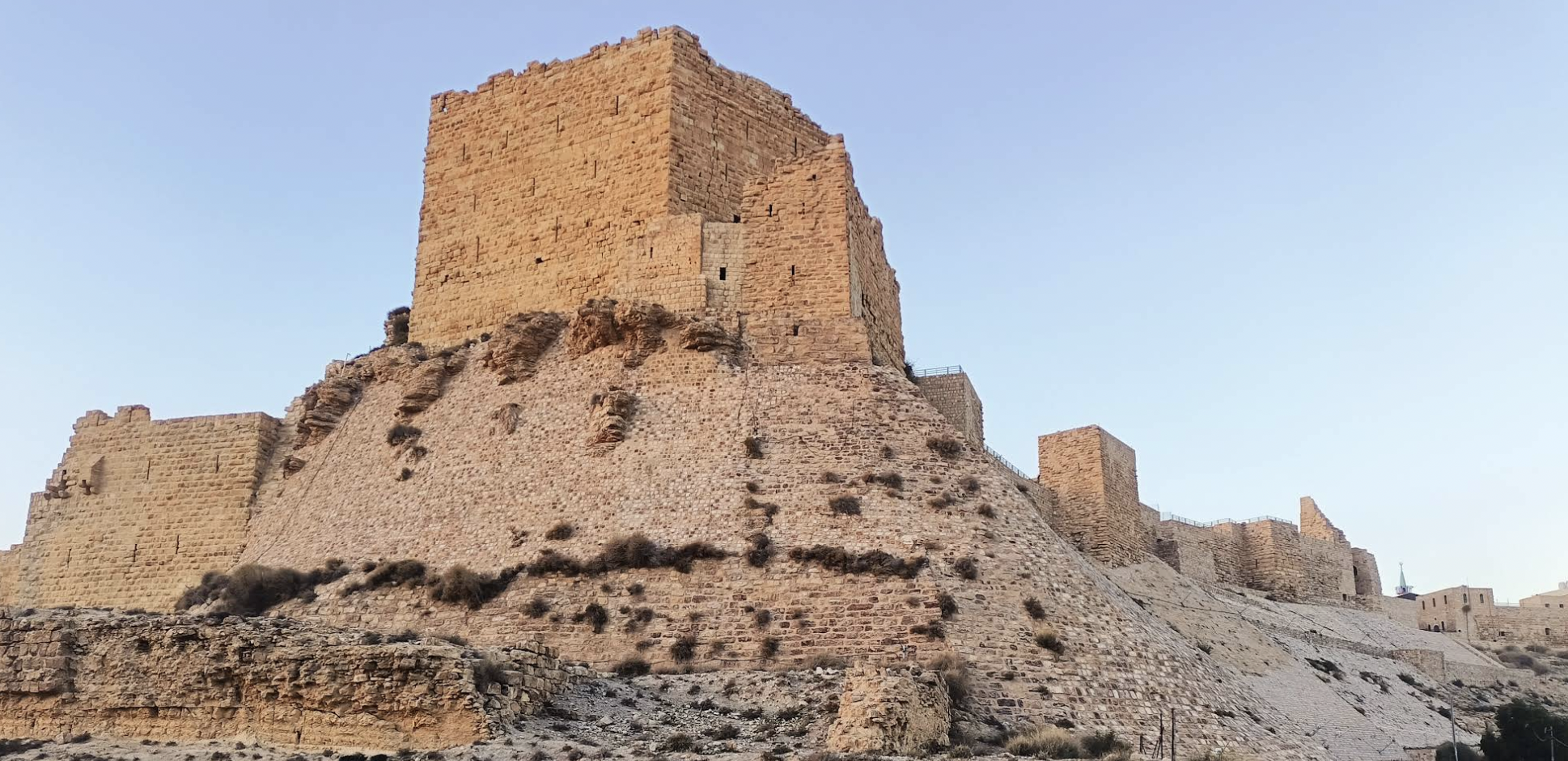
- Wadi Mujib Viewpoint: Known as Jordan’s Grand Canyon.
- Karak Castle: A massive Crusader fortress worth an hour’s visit.
- Dana Biosphere Reserve: If you didn’t stop there on the way between Madana and Dead Sea, do it now. It’s great for lunch with a view or even (as I said before) for spending the night at Dana Eco Lodge.
From the Dead Sea beaches to Petra it’s around 4h drive. If you add the stops count 5 -6 hours. If you stay in Dana Resereve, it’s 1h drive from there to Petra. At this point you are probably asking yourself if you could drive directly from Dana Reserve to Petra and if it’s worth the hassle going to the shore of Dead Sea? The answer is, yest it’s worth it. If you are not convinced, check my dedicated post about floating in water at the lowest point on Earth.
If you arrive to Petra around lunch time or before, it’s worth to get two days ticket. Especially if you arrive between Thursday and Sunday when the Petra by night performance happens. Read more about the best way to visit Petra and where to stay in Wadi Musa in my dedicated post here.
Day 6: Explore Petra – The Rose-Red City
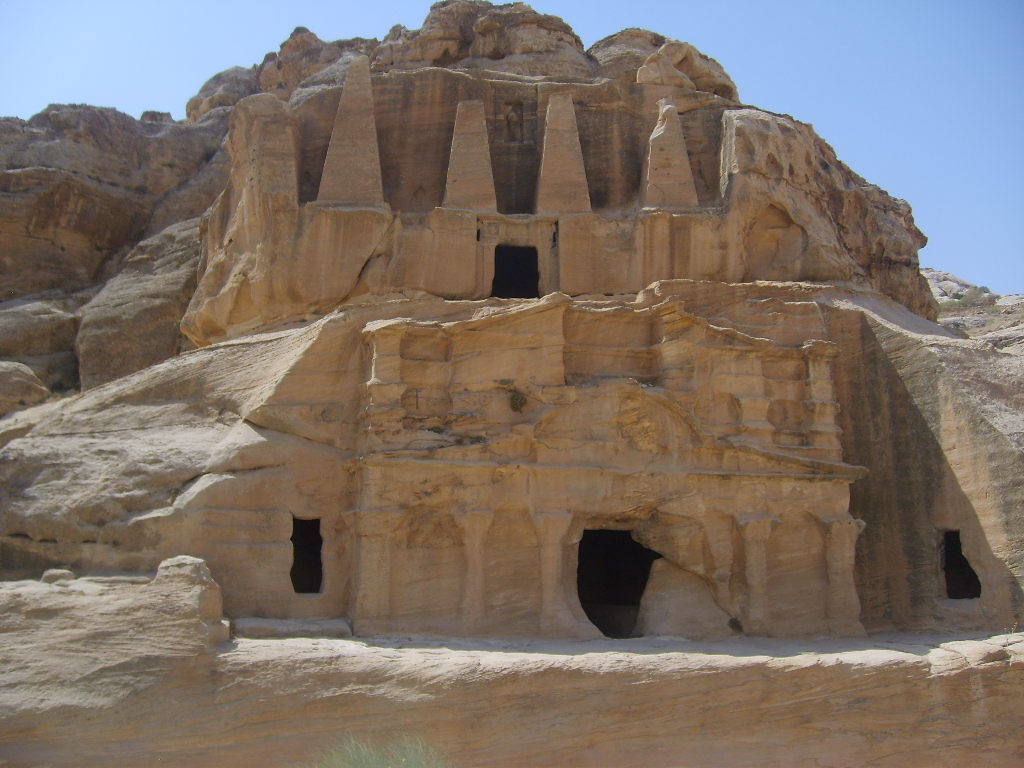
Petra — one of the New Seven Wonders of the World. There is a huge probability that you came to Jordan just to visit this place. If you arrived late the night before, wake up early and enter early in the morning so you have plenty of time for this trek and you can enjoy the Siq (the narrow canyon leading to Petra’s entrance). Follow the path towards The Treasury (Al-Khazneh) – it will appear at the end in all its beauty and majesty. Continue to the Street of Facades, Royal Tombs, and the Great Temple. Climb up to the Monastery (Ad-Deir) — 800 steps, but totally worth it. Finally, enjoy mint tea with a view from one of the mountaintop cafés.
If you need a place for dinner, check out Falafel Time in Wadi Musa. It’s a local and simple place. Here you will have a decent food for a decent price, far away from huge groups with loud guides. Let’s be honest, Wadi Musa is a gate to Petra and it’s pretty touristy and crowded. Many places target big tourist groups and obviously they are slightly overpriced.
Remember, if you want to know more about Petra and how to visit it, read my dedicated post.
Day 7: Wadi Rum – Desert Adventure
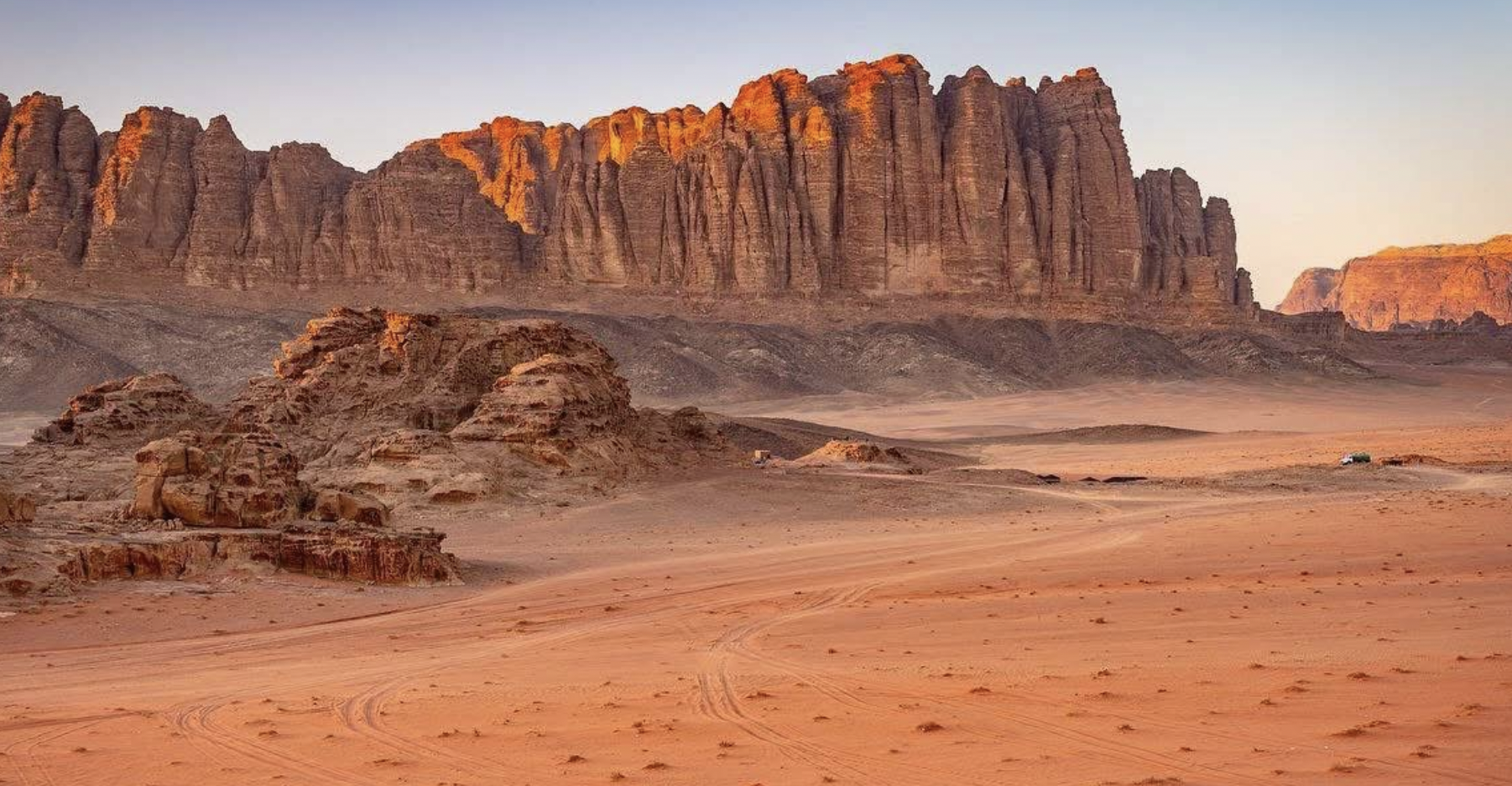
Drive south (about 1.5–2 hours) to the desert landscapes of Wadi Rum, often called the Valley of the Moon. If you like this kind of adventures, you can take a 4×4 jeep tour through the red sand dunes and rock formations. The must visit places are Lawrence’s Spring and Khazali Canyon but don’t focus too much on must see places. Stay overnight in a Bedouin camp, where you will enjoy dinner cooked underground (zarb) and music by the fire and spend at least one day hiking or walking the sand dunes with a a guide. It is possible to visit Wadi Rum on your own although I strongly advise you to sign up for a tour. There are of course plenty of touristic options and camps that offer all sorts of activities. I would like to recommend Rum Planet Camp. It’s a little camp that offers tours in small group (up to 5 people). You can ride through the desert in a jeep or on a camel or you can simply hike. Remember that nights can get chilly in winter — pack a warm layer! One day in Wadi Rum will give you an opportunity to enjoy beautiful landscapes, stargazed sky and delicious food. However, if you would like to know more about the desert lifestyle, then stay here longer. Rum Planet Camp organizes even 3 days treks in the desert. It’s not only about hiking the sandy mountains. During these particular tours you will be able to meet with Bedouin families, hike and camp in the total wilderness. Stay tuned because I am about to publish a dedicated post about Wadi Rum and its inhabitants.
Day 8: Aqaba – Red Sea Relaxation

After breakfast in Wadi Rum, head further south to Aqaba, Jordan’s only coastal city, located on the Red Sea. Here you can relax on the beach or join a snorkeling or diving trip to see colorful coral reefs. Visit Aqaba Castle – also known as the Mamluk Fort. Built and rebuilt over several eras — most notably by the Mamluks and later used during the Ottoman period — the castle stands as a reminder of Aqaba’s long role as a strategic port and trade hub. The fort also played an important role in the Arab Revolt. Best of all, it’s right by the waterfront, making it a great stop on a stroll through the old town. Take a glass-bottom boat ride to see marine life without diving gear. Have a chat with the locals on the beach and enjoy delicious seafood in one of many nearby restaurants. The water temperature stays around 21°C (70°F) even in winter and it’s ideal for swimming! There are many private resorts with a dedicated beach where woman can wear bikini. If you prefer to stay at the public beach, please respect the local culture.

Accommodation
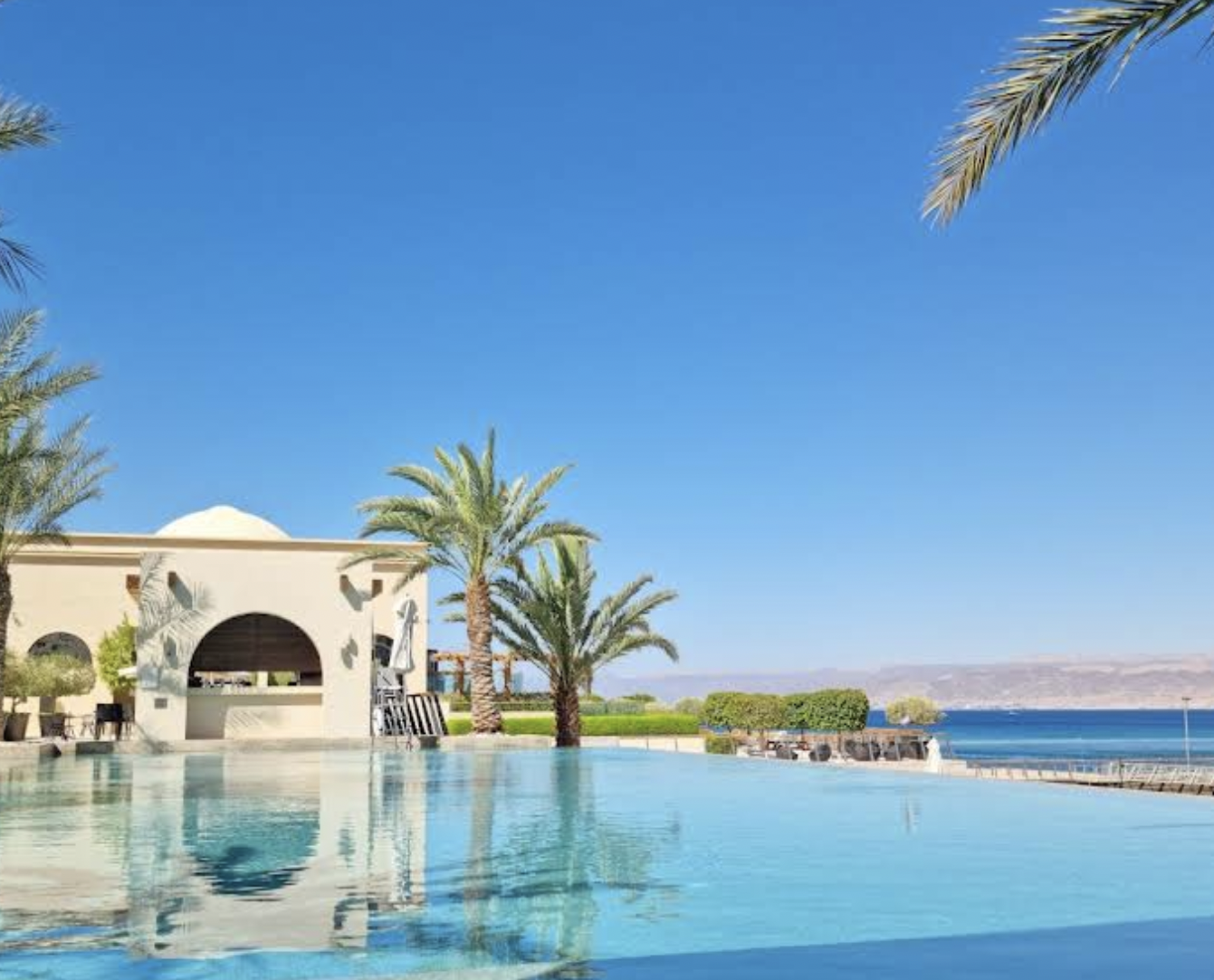
Aqaba is an exclusive town. As said, it’s the only Red Sea destination in Jordan so you can imagine that it’s packed with tourists and locals. There are some options in terms of accommodation but some of them may result expensive. You will find some basic youth hostels at very budget prices but also with very basic services. Unfortunately there are still not enough private apartments. Aqaba is a great destination to relax and it’s worth to stay here overnight. As in this itinerary it’s the last stop, and if you slept in less comfortable places along your tour, then allow yourself a bit of luxury and stay at Al Manara, Saraya Aqaba – the prices start at 150 UDS/night. You will love the mix of luxury and authentic Jordanian style. Here you will find elegant rooms, super-comfy beds, and beautiful sea or mountain views. The pool area is relaxing with direct access to a private beach.
Day 9: Return to Amman
You can fly from Aqaba International Airport or you can drive back to Amman (about 4 hours). If you have time, take a few breaks en route. You will find many fantastic view points. You can also catch a public bus from Aqaba to Amman.
Arrive in Amman in the late afternoon and if you didn’t have enough time to visit all the must see places, do it on your last night. Otherwise, just stroll in the old town and enjoy Jordanian food for the last time before your departure. If you like history, head to Jordan Museum where you will get some insights about Jordanian heritage.
 Nomadlytics
Leave a comment